Big First Aid Kit: Complete Guide for Every Setting
When emergencies strike, having adequate medical supplies readily accessible can make the difference between a minor incident and a serious complication. A big first aid kit serves as a comprehensive resource that addresses a wide range of medical situations, from minor injuries to more serious trauma events. Unlike compact personal kits designed for basic cuts and scrapes, larger medical supply collections provide the depth and breadth necessary for serving multiple people, handling extended emergencies, or meeting workplace safety requirements. Understanding what makes a quality large-scale first aid kit and how to properly stock and maintain it ensures you're prepared when seconds count.
Understanding Big First Aid Kit Requirements
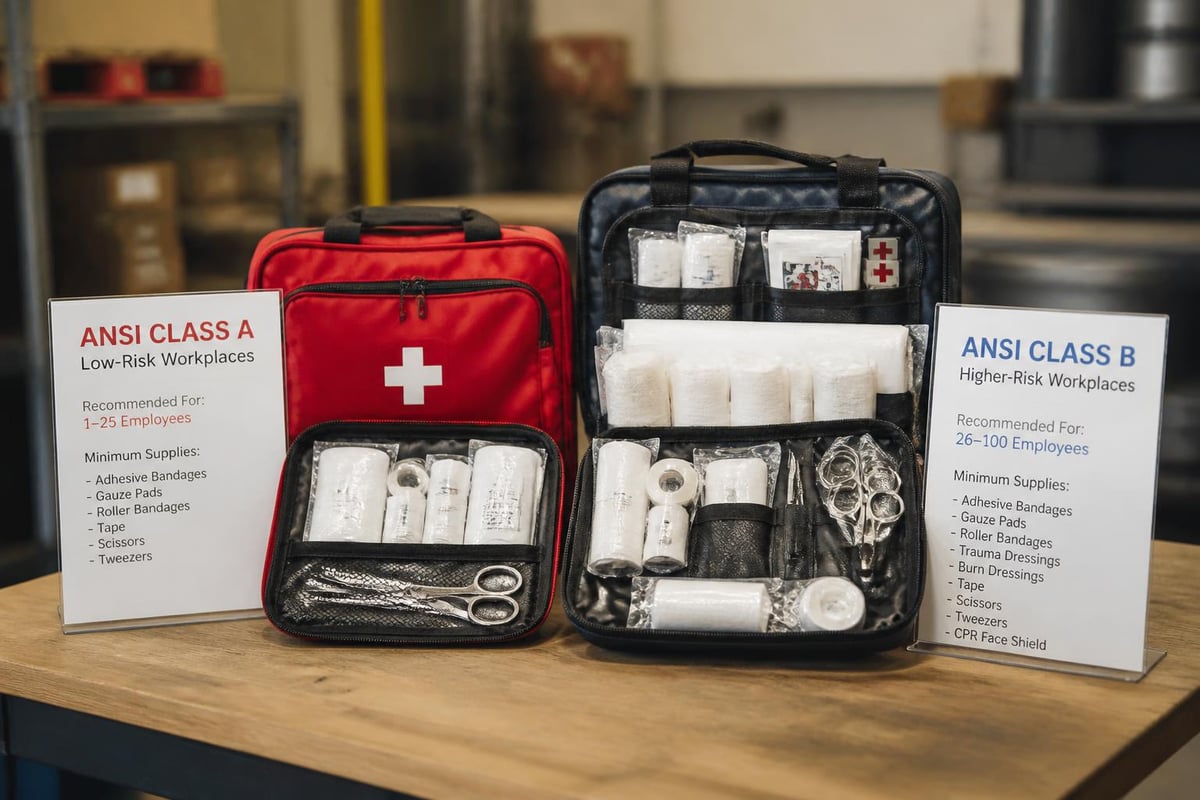
The size and contents of a big first aid kit depend heavily on its intended application and the number of people it serves. Workplace first aid kits follow ANSI standards that specify minimum requirements based on employee count and hazard levels. Class A kits handle basic first aid needs for smaller workplaces, while Class B kits contain more comprehensive supplies for high-hazard environments or larger employee populations.
A well-designed big first aid kit addresses several critical factors:
- Population served: Number of employees, family members, or potential patients
- Environment: Indoor office, construction site, vehicle fleet, or remote location
- Risk profile: Type and severity of potential injuries based on activities
- Distance from professional care: Proximity to emergency medical services
- Regulatory requirements: Industry-specific or governmental mandates
Capacity Planning for Large-Scale Kits
Determining appropriate kit size requires analyzing worst-case scenarios and typical injury patterns. A manufacturing facility with 75 employees requires different supplies than a corporate office with the same headcount. The American Red Cross provides detailed guidance on scaling kit contents to match specific needs.
Professional settings particularly benefit from commercial first aid kit configurations that meet industry standards while providing practical accessibility during emergencies. These larger assemblies typically include multiple units of each supply type to handle simultaneous injuries or extended care situations.
Essential Components of a Big First Aid Kit
Building a comprehensive big first aid kit requires systematic organization across multiple supply categories. Quality matters significantly when lives depend on your equipment functioning properly during critical moments.
Wound Care and Bleeding Control
The foundation of any substantial medical supply collection centers on wound management capabilities:
Bandages and dressings form the primary line of treatment for cuts, abrasions, and lacerations. A big first aid kit should contain varied sizes and types to address different injury patterns. Sterile adhesive bandages in multiple dimensions handle minor wounds, while larger trauma dressings manage serious bleeding.
Gauze products provide versatile wound coverage and bleeding control. Stock both band-aid gauze pads for direct application and rolled gauze for wrapping injuries. Compressed versions save space while expanding when deployed.
Hemorrhage control equipment represents critical additions for serious emergencies. Modern big first aid kits increasingly include tourniquets for life-threatening extremity bleeding. Understanding when to remove a tourniquet ensures proper application during emergencies.
Medical Instruments and Tools
| Instrument Category | Essential Items | Quantity Recommendation |
|---|---|---|
| Cutting Tools | Trauma shears, safety scissors | 2-3 pairs |
| Examination Equipment | Thermometer, blood pressure cuff | 1 each |
| Protection Gear | Nitrile gloves, face shields | 20+ pairs, 5+ shields |
| Application Tools | Tweezers, splinter forceps | 2 each |
Nitrile gloves protect responders from bloodborne pathogens while maintaining dexterity during treatment. Stock multiple sizes to accommodate different hand dimensions among potential responders.
Medications and Treatments
A big first aid kit should include over-the-counter medications addressing common ailments and emergency situations. Pain relievers, antihistamines, and anti-inflammatory drugs handle routine issues. First aid kit alcohol and antiseptic wipes prevent infection in open wounds.
Specialized environments require additional medications. Outdoor kits benefit from snake bite kits in areas with venomous species. Cold weather operations necessitate treatments for hypothermia and frostbite.
Storage and Organization Strategies
Effective organization transforms a collection of supplies into a functional emergency response tool. Poor organization wastes precious seconds during critical situations when quick access to specific items can save lives.
Container Selection and Design
The outer shell of a big first aid kit must balance durability, portability, and accessibility. Hard-shell cases protect contents from environmental damage but add weight. Soft bags offer easier carrying but provide less impact protection. Many professional operations maintain stationary kits in climate-controlled environments with grab-and-go portable kits for field response.
Clear labeling and logical categorization accelerate item location during stress. Color-coded sections, alphabetical organization, or injury-type groupings help responders quickly find needed supplies. First aid box manuals included with the kit guide users through proper equipment deployment.
Environmental Considerations
Where you store a big first aid kit significantly impacts supply longevity and emergency accessibility:
- Temperature control: Extreme heat or cold degrades medications and adhesives
- Moisture protection: Humidity compromises sterile packaging and promotes bacterial growth
- Light exposure: UV radiation breaks down certain compounds in medications
- Accessibility: Locked cabinets balance security with emergency access needs
- Visibility: Prominent signage ensures everyone knows kit locations
Vehicle-based kits face particularly challenging storage conditions. Camping emergency kits designed for automotive storage feature weatherproof containers and temperature-stable contents suitable for trunk storage across seasons.
Customization for Specific Applications
Generic big first aid kits provide baseline coverage, but tailoring contents to specific environments dramatically improves emergency response effectiveness. Understanding unique risks allows targeted preparation for likely scenarios.
Workplace-Specific Configurations
Different industries present distinct hazard profiles requiring specialized equipment. Construction sites need eye wash stations and burn treatments for chemical exposure. Manufacturing facilities with heavy machinery stock trauma supplies for serious crush injuries or amputations. Company first aid programs benefit from hazard assessments identifying workplace-specific risks.
The 2024 First Aid Guidelines from the American Heart Association and American Red Cross provide updated recommendations for workplace kit contents. These evidence-based standards ensure your big first aid kit includes current best-practice supplies.
Home and Family Kits
Residential big first aid kits serve multiple generations with varying medical needs. Families with young children stock additional pediatric medications and specialized bandages for smaller injuries. Homes with elderly residents include blood pressure monitoring equipment and extra supplies for chronic condition management.
Multi-person households benefit from quantity scaling outlined in MedlinePlus guidance on home first aid kits. A family of four requires different inventory levels than a couple without children, particularly for high-turnover items like adhesive bandages and pain relievers.
Vehicle and Transportation Kits
Automotive first aid kits address roadside emergencies where professional help may be delayed. These kits balance comprehensiveness with space constraints inherent to vehicle storage. Essential additions include:
- Emergency blankets for shock and hypothermia treatment
- High-visibility vests for roadside safety
- Flashlights with extra batteries for nighttime incidents
- Emergency contact information and medical history forms
- Multi-tool for vehicle extrication if necessary
Emergency thermal blankets prove particularly valuable in vehicle kits, protecting accident victims from temperature-related complications while awaiting emergency services.
Maintenance and Inventory Management
A big first aid kit requires regular attention to maintain readiness. Supplies expire, get used, or become damaged over time. Systematic maintenance ensures your kit performs when needed most.
Inspection Schedules and Protocols
| Inspection Type | Frequency | Key Activities |
|---|---|---|
| Visual Check | Monthly | Verify kit presence, check seals, note obvious damage |
| Inventory Audit | Quarterly | Count supplies, check expiration dates, test equipment |
| Full Replacement Review | Annually | Replace expired items, update to current standards |
| Post-Use Restocking | Immediately | Replace used items, document incident, clean equipment |
Establish clear responsibility for kit maintenance within organizations. Designated first aid officers should receive proper training on both emergency response and administrative duties including inventory management and compliance documentation.
Expiration Management
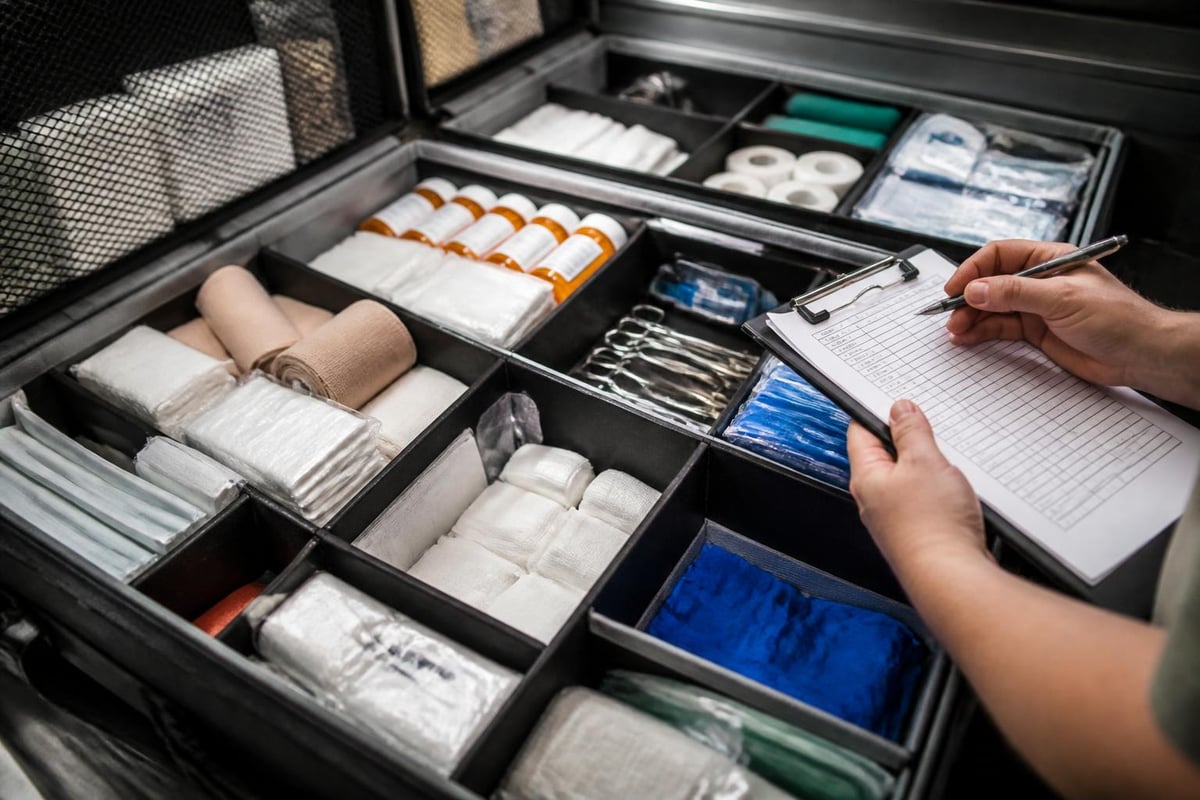
Medical supplies have finite shelf lives affecting their safety and efficacy. Medications lose potency, adhesives fail, and sterile packaging compromises over time. Track expiration dates systematically and rotate stock to use oldest items first.
Create replacement schedules based on manufacturer specifications rather than waiting for annual inspections. Proactive rotation prevents last-minute scrambles when critical supplies near expiration. Many organizations partner with medical supply companies offering automatic refill and restocking programs that deliver fresh supplies on predetermined schedules.
Compliance and Training Requirements
Owning a big first aid kit represents just one component of comprehensive emergency preparedness. Effective use requires trained personnel who understand both the equipment and proper response protocols.
Regulatory Compliance
Industries face varying regulatory requirements for first aid preparedness. OSHA mandates specific kit contents and trained responder availability in certain workplace settings. Understanding ANSI standards helps organizations select appropriate kit classifications matching their operational requirements.
Industry standards and certifications demonstrate organizational commitment to safety while protecting against liability. Regular compliance audits verify kit contents match current regulations as standards evolve.
Training and Competency Development
The most comprehensive big first aid kit provides limited benefit without personnel trained in its proper use. Organizations should invest in first aid certification programs covering:
- Basic first aid principles including scene safety and patient assessment
- CPR and AED operation for cardiac emergencies
- Bleeding control techniques including tourniquet application and wound packing
- Injury-specific treatments for burns, fractures, and environmental emergencies
- Legal considerations including Good Samaritan laws and consent
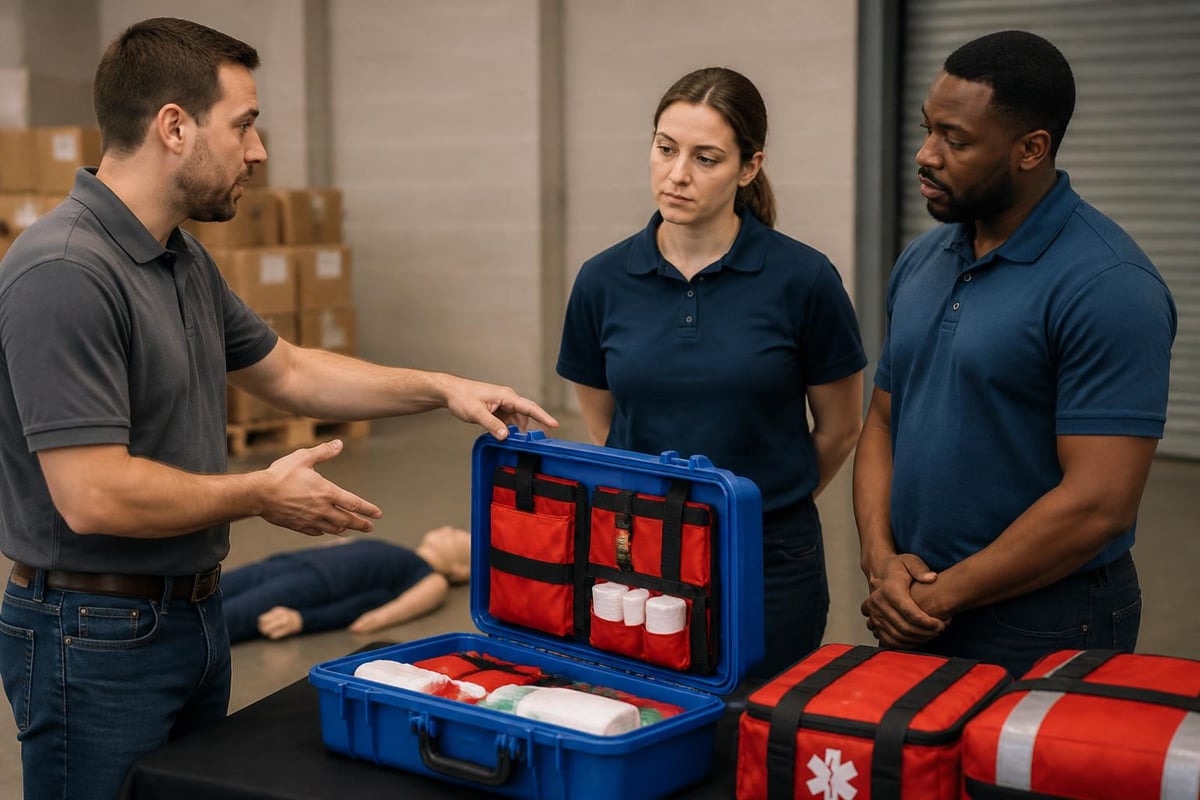
Regular refresher training maintains skill proficiency and introduces responders to new equipment added to kits. Hands-on practice with actual kit contents builds confidence and reduces hesitation during real emergencies.
Selection Criteria for Quality Kits
Choosing a big first aid kit from available options requires evaluating multiple factors beyond simple price comparison. Quality materials, thoughtful organization, and comprehensive contents separate professional-grade kits from basic consumer products.
Material Quality and Durability
Premium kits feature medical-grade supplies meeting or exceeding industry standards. Cheap alternatives may include substandard bandages that fail to adhere properly or scissors that dull quickly. Investing in quality equipment ensures reliable performance when lives depend on it.
Examine construction quality in containers, organizational systems, and individual components. Reinforced stitching, heavy-duty zippers, and impact-resistant materials extend kit lifespan in demanding environments. Med kit essentials should meet professional standards regardless of intended application.
Vendor Reputation and Support
Purchasing from established medical supply companies provides advantages beyond product quality. Experienced vendors offer guidance on kit selection, customization options, and ongoing support. Companies operated by medical professionals bring practical field experience to product development and customer service.
Consider long-term relationships with suppliers who understand your specific needs and can adapt as requirements change. Responsive customer service, reliable delivery, and quality guarantees contribute significant value beyond initial purchase price.
Pre-Assembled Versus Custom Kits
| Approach | Advantages | Disadvantages |
|---|---|---|
| Pre-Assembled | Ready immediately, meets standards, comprehensive | May include unnecessary items, less flexibility |
| Custom Built | Tailored precisely, no wasted supplies | Time-intensive, requires expertise, potential gaps |
| Hybrid | Core compliance kit plus custom additions | Best balance, higher initial cost |
Many organizations adopt hybrid approaches, starting with comprehensive large first aid kits that meet baseline requirements then adding specialized equipment for unique operational needs. This strategy ensures regulatory compliance while addressing specific risks.
Advanced Supplies for Enhanced Preparedness
Standard big first aid kits address common injuries, but enhanced preparedness includes supplies for serious trauma and specialized medical situations. These advanced components bridge the gap between basic first aid and professional emergency medical care.
Trauma Care Equipment
Serious injuries require interventions beyond bandages and ice packs. Modern civilian first aid increasingly incorporates lessons learned from military medicine and tactical emergency casualty care:
Hemostatic agents accelerate clotting in severe bleeding situations where direct pressure proves insufficient. Products like QuikClot Combat Gauze provide critical capabilities for life-threatening hemorrhage control.
Chest seals treat penetrating thoracic injuries that can rapidly become fatal. Vented chest seals manage tension pneumothorax while maintaining necessary pressure differentials.
Emergency trauma dressings combine multiple functions in single-application products. Israeli bandages and similar designs provide pressure, absorption, and securing mechanisms in compact packages suitable for field use.
Environmental Emergency Supplies
Kits deployed in outdoor or variable climate environments benefit from specialized supplies addressing environmental hazards. Heat-related illness treatments, cold injury management supplies, and altitude sickness medications match kit contents to operational environments.
Water purification tablets, oral rehydration salts, and emergency shelter materials extend a big first aid kit's utility beyond immediate medical treatment into broader survival support during extended emergencies.
Specialized Kit Configurations
Different operational contexts demand unique approaches to first aid preparedness. Examining specialized configurations provides insights for optimizing kits to specific applications.
Tactical and Field Operations
Law enforcement, security personnel, and tactical teams require rugged kits designed for high-stress environments. These configurations emphasize:
- Rapid access: MOLLE-compatible pouches and quick-release fasteners
- Durability: Ballistic nylon construction and waterproof sealing
- Trauma focus: Emphasis on hemorrhage control and airway management
- Compact design: Space-efficient organization for mobile operations
Clinical kits designed for field medical teams balance comprehensiveness with portability, providing hospital-quality care in austere environments.
Educational and Athletic Settings
Schools, universities, and athletic facilities serve populations with specific risk profiles. Youth-focused kits include:
- Asthma management supplies including spacers and peak flow meters
- Allergy emergency equipment such as epinephrine auto-injectors
- Sports injury treatments including ice packs and elastic wraps
- Concussion assessment tools and protocols
- Higher quantities of basic supplies for active populations
Athletic trainers and school nurses often maintain multiple kit sizes, from comprehensive station kits to portable sideline bags for games and practices.
Remote and Expedition Kits
Operations far from definitive medical care require extended treatment capabilities. Wilderness medicine kits include prescription medications, advanced wound closure supplies, and extended duration provisions. These kits assume responders may provide care for hours or days before evacuation.
Communication equipment, GPS locators, and detailed medical reference guides supplement medical supplies in remote kits. The isolation factor demands both deeper supplies and broader training for personnel deploying these resources.
Selecting and maintaining a big first aid kit represents a critical investment in safety and preparedness across all settings from workplaces to homes and vehicles. The right combination of comprehensive supplies, proper organization, regular maintenance, and trained personnel creates an effective emergency response capability that can save lives when seconds matter. Medical Gear Outfitters brings paramedic-owned expertise to help you build and maintain first aid readiness with professional-grade supplies and the training necessary to use them effectively. Explore our complete selection of Medical Gear Outfitters first aid solutions to ensure you're prepared to respond when emergencies strike.