Best Medical Kit: Complete Guide for 2026
When seconds count and lives hang in the balance, having the best medical kit within reach can mean the difference between a minor incident and a major tragedy. Whether you're a medical professional, outdoor enthusiast, tactical operator, or simply a prepared citizen, selecting the right medical kit requires careful consideration of your specific needs, training level, and potential emergency scenarios. The landscape of emergency medical supplies has evolved dramatically, with innovations in hemostatic agents, compact trauma equipment, and evidence-based first aid protocols reshaping what belongs in a truly effective medical kit.
Understanding Medical Kit Categories
Medical kits are not one-size-fits-all solutions. The best medical kit for a wilderness backpacker differs significantly from what a first responder needs in an urban environment or what a family should keep in their vehicle.
Basic First Aid Kits
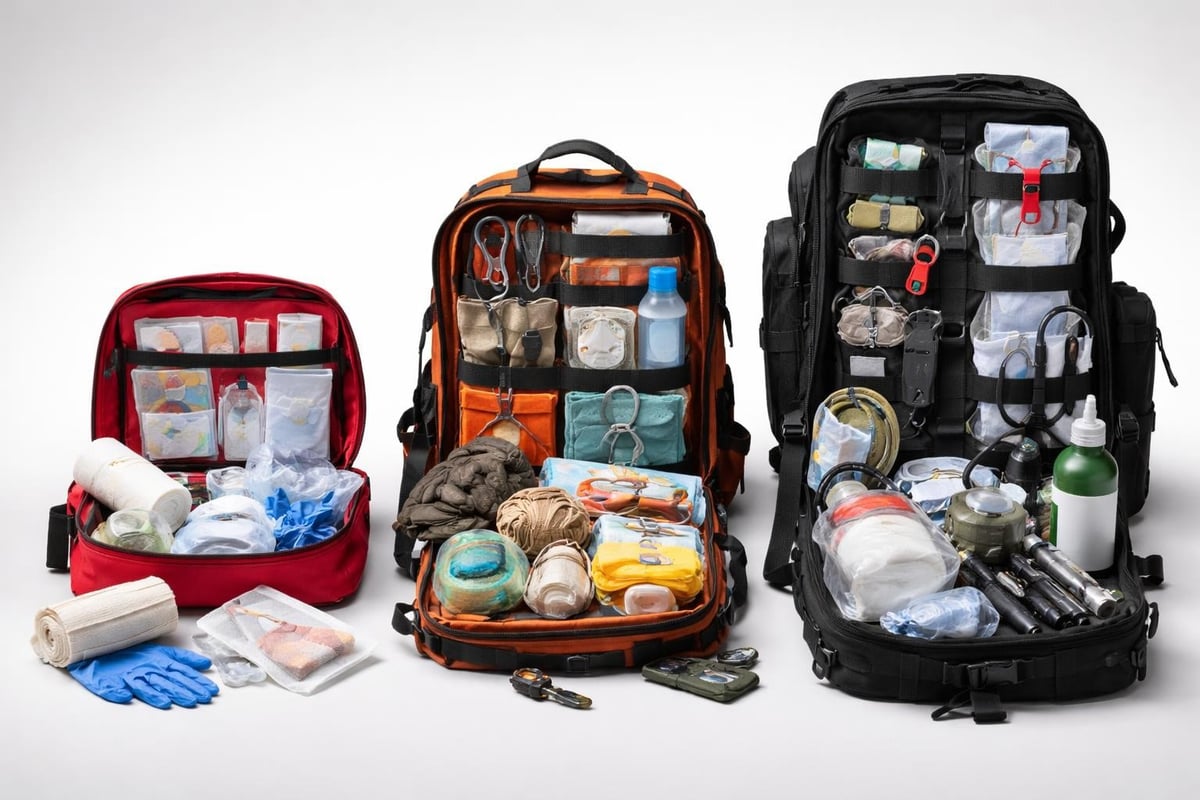
These foundational kits address common minor injuries and ailments. They typically include adhesive bandages, antiseptic wipes, gauze pads, medical tape, scissors, tweezers, and over-the-counter medications. Basic kits serve well for treating cuts, scrapes, minor burns, headaches, and everyday health concerns. Home and office environments generally require this level of preparedness as a minimum standard.
The University of Texas Environmental Health & Safety department provides guidelines on workplace first aid kit components that meet ANSI/ISEA standards, offering valuable benchmarks for basic kit assembly.
Intermediate Medical Kits
Stepping up from basic supplies, intermediate kits incorporate equipment for managing more significant injuries. These include various sizes of trauma dressings, elastic bandages, splinting materials, CPR masks, emergency blankets, and expanded wound care supplies. This category works well for outdoor adventures, camping trips, and vehicles where professional medical help might be delayed.
For those planning camping first aid kit configurations, intermediate kits provide the right balance between capability and portability.
Advanced Trauma Kits
The most comprehensive category, advanced trauma kits contain life-saving equipment designed for severe injuries. These specialized kits include tourniquets, hemostatic gauze, chest seals, nasopharyngeal airways, decompression needles, and specialized pressure dressings. Law enforcement, military personnel, and trained civilians operating in high-risk environments depend on these capabilities.
Medical Gear Outfitters' trauma kits collection exemplifies this category with professional-grade equipment suitable for critical interventions.
Essential Components of the Best Medical Kit
| Component Category | Basic Kit | Intermediate Kit | Advanced Kit |
|---|---|---|---|
| Bleeding Control | Adhesive bandages, gauze | Pressure bandages, larger dressings | Tourniquets, hemostatic agents |
| Wound Care | Antiseptic wipes, antibiotic ointment | Irrigation supplies, closure strips | Advanced wound packing materials |
| Airway Management | None or basic CPR mask | Pocket mask with one-way valve | NPA, OPA, surgical airways |
| Medications | Pain relievers, antihistamines | Expanded OTC options | Prescription options (with training) |
| Tools | Scissors, tweezers | Trauma shears, forceps | Specialized medical instruments |
Bleeding Control Equipment
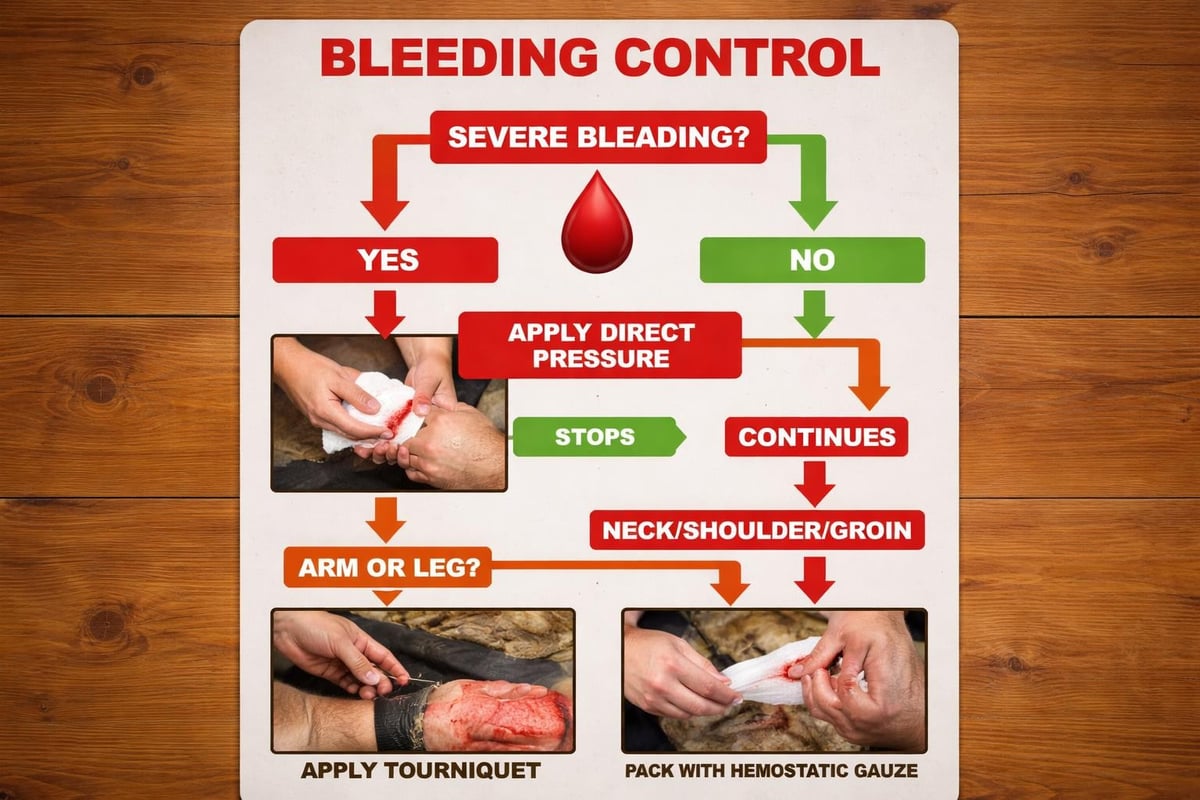
Uncontrolled hemorrhage remains the leading cause of preventable death in trauma situations. The best medical kit prioritizes bleeding control through multiple mechanisms. Tourniquets have proven effectiveness in stopping life-threatening extremity bleeding, with devices like the CAT (Combat Application Tourniquet) and SOFTT-W becoming industry standards.
Hemostatic agents accelerate clotting through various mechanisms. Products containing kaolin or chitosan-based compounds can control bleeding in areas where tourniquets cannot be applied. Quality hemostatics should be included in any serious medical kit.
Pressure dressings combine absorbent material with compression mechanisms. The Israeli Bandage and similar designs allow single-handed application while maintaining direct pressure on wounds.
Airway and Breathing Supplies
Maintaining a patent airway takes priority in emergency medical care. Basic kits should include barrier devices for rescue breathing, while intermediate kits benefit from pocket masks with one-way valves. Advanced kits require nasopharyngeal airways (NPAs) for unconscious patients and potentially oropharyngeal airways (OPAs).
Chest seals address sucking chest wounds by creating one-way valves that prevent air from entering the thoracic cavity while allowing trapped air to escape. Dual chest seal packages accommodate both entry and exit wounds from penetrating trauma.
Wound Management Materials
Proper wound care prevents infection and promotes healing. The best medical kit includes graduated sizes of sterile gauze pads, trauma dressings for larger injuries, and medical tape in various widths. Adhesive wound closure strips can approximate wound edges when suturing is not available.
Irrigation supplies help clean contaminated wounds. Sterile saline solution or clean water delivered through an irrigation syringe removes debris more effectively than simple wiping.
According to NCBI guidelines on infection prevention, proper wound care and personal protective equipment remain fundamental to preventing complications.
Specialized Medical Kits for Specific Scenarios
Vehicle Emergency Kits
Automobile accidents represent one of the most common scenarios requiring immediate medical intervention. The best car medical kit balances trauma capabilities with considerations for multiple casualties and limited space.
Vehicle kits should include:
- Multiple tourniquets for potential multi-victim incidents
- Automotive-specific tools like seatbelt cutters and window breakers
- High-visibility safety equipment
- Communications devices or backup phone chargers
- Thermal protection (blankets, hand warmers)
Temperature extremes inside vehicles require careful supply selection. Certain medications and hemostatic agents degrade when exposed to heat, necessitating regular inventory rotation.
Tactical and Law Enforcement Kits
High-threat environments demand compact, rapidly accessible equipment. MOLLE-compatible pouches and belt-mounted systems keep critical supplies immediately available. These kits prioritize hemorrhage control and airway management while minimizing bulk.
Individual first aid kits (IFAKs) versus team medical packs represent different operational philosophies. IFAKs equip each person to address their own injuries, while team packs provide more comprehensive capabilities managed by designated medical personnel.
Wilderness and Remote Location Kits
Extended trips far from definitive medical care require expanded capabilities and redundancy. The best medical kit for wilderness use accounts for environmental hazards, extended evacuation times, and limited resupply options.
Considerations include:
- Waterproof packaging to protect supplies in wet conditions
- Extended medication supplies for multi-day management
- Improvisation tools like duct tape and safety pins
- Reference materials such as laminated emergency protocols
- Communication devices for emergency coordination
Popular Mechanics' comprehensive review evaluates first aid kits across various scenarios, providing valuable comparison data for wilderness preparedness.
Training and Knowledge: The Critical Component
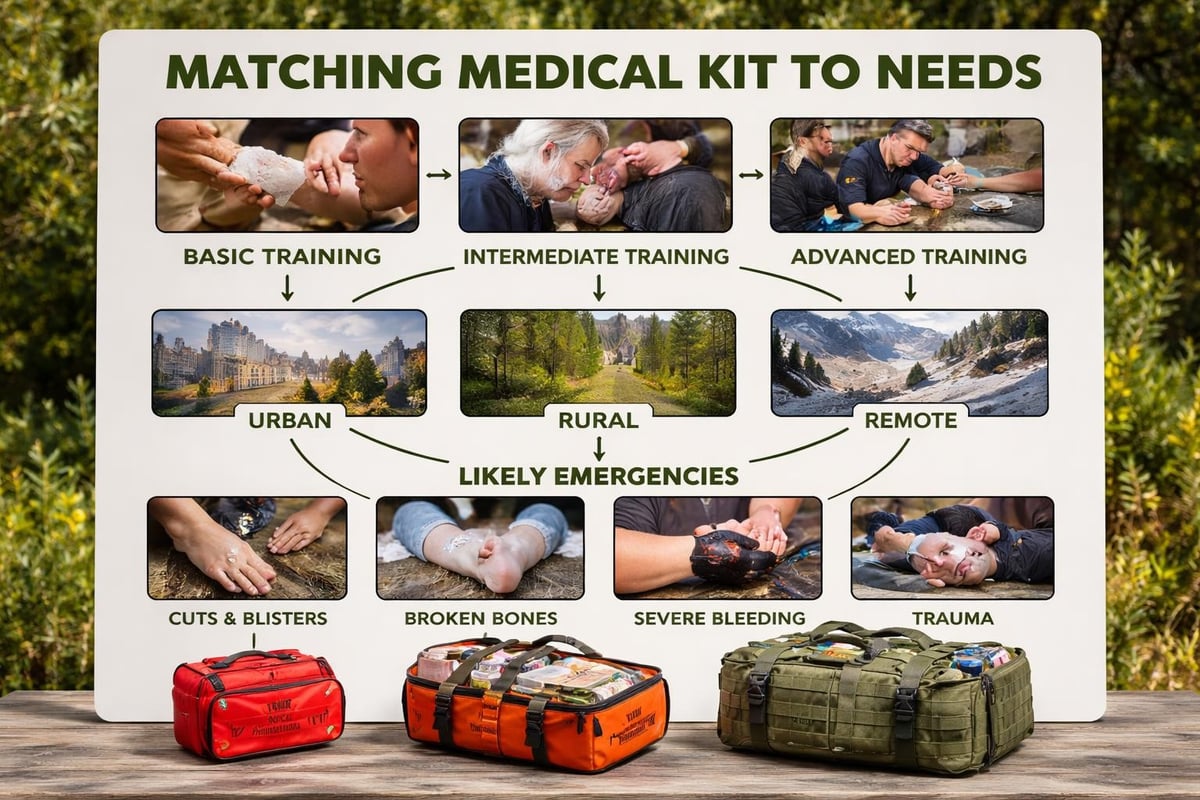
Even the best medical kit offers limited value without proper training. Equipment sophistication must match user capability. A tourniquet incorrectly applied can cause permanent nerve damage, while unfamiliarity with chest seal placement can worsen a patient's condition.
Recommended Training Levels
| Certification | Kit Level | Skills Covered |
|---|---|---|
| Basic First Aid/CPR | Basic Kit | Wound care, CPR, choking, basic medical emergencies |
| Wilderness First Responder | Intermediate Kit | Extended care, improvisation, environmental emergencies |
| EMT/Paramedic | Advanced Kit | Advanced airway, medication administration, comprehensive assessment |
| TCCC/TECC | Tactical Kit | Tactical combat casualty care, care under fire protocols |
Professional training goes beyond simple technique demonstration. Quality courses emphasize decision-making under stress, scenario-based practice, and regular skill maintenance. Annual refresher training helps retain critical skills that degrade without practice.
Medical Gear Outfitters connects customers with training resources appropriate to their equipment level, recognizing that supplies and skills must develop together.
Quality Standards and Regulatory Compliance
Industry Standards and Certifications
The best medical kit meets or exceeds recognized standards. ANSI/ISEA Z308.1 establishes minimum requirements for workplace first aid kits, specifying quantities and types of supplies based on occupancy levels. While voluntary, compliance demonstrates commitment to preparedness.
FDA approval and registration apply to medical devices within kits. Legitimate suppliers source components from approved manufacturers, ensuring sterility, functionality, and safety. Counterfeit medical supplies represent a growing concern, making supplier verification essential.
Aviation medical kits follow specific requirements outlined by regulatory bodies. The ICAO guidelines detail recommended contents and storage requirements for aircraft medical supplies, applicable to private and commercial aviation.
Supply Expiration and Maintenance
Medical supplies deteriorate over time. Adhesives lose stickiness, medications exceed effective dates, and sterile packaging degrades. Quarterly inventory checks identify items requiring replacement before emergencies occur.
Organizing supplies by expiration date simplifies rotation. Color-coded tags or digital tracking systems help manage larger inventories across multiple kits. Some items like trauma shears and tourniquets have indefinite shelf lives if properly stored, while others like hemostatic gauze typically expire within five years.
Pre-assembled Versus Custom Kits
Advantages of Pre-assembled Kits
Commercial kits offer convenience and comprehensiveness. Manufacturers leverage buying power to include quality components at reasonable prices. Professionally designed layouts organize supplies logically, reducing time spent searching during emergencies.
Pre-assembled kits often include instructional materials and quick-reference guides. Some manufacturers offer customization options, allowing base kit modification to address specific needs. Independent reviews from MedKitReviews.com help consumers compare pre-assembled options across quality, value, and scenario suitability.
Medical Gear Outfitters' complete kits collection provides paramedic-designed assemblies balancing professional capability with user accessibility.
Building Custom Kits
Custom assembly allows precise tailoring to individual requirements. Users select specific brands, quantities, and components based on training, experience, and anticipated scenarios. This approach works well for medical professionals or those with extensive emergency response backgrounds.
Custom building typically costs more due to individual component pricing. However, it eliminates unnecessary items while ensuring adequate quantities of frequently used supplies. Modular organization systems using clear pouches or compartmented bags facilitate custom configuration.
Starting with quality bags and adding appropriate components creates highly personalized medical kits.
Storage and Accessibility Considerations
The best medical kit remains useless if inaccessible during emergencies. Strategic placement, clear identification, and regular familiarization ensure rapid deployment when needed.
Location Strategy
- High-traffic areas increase likelihood of quick access
- Multiple kits at different locations provide redundancy
- Vehicle placement near driver or in easily reached compartments
- Workplace distribution according to occupancy and hazard assessment
- Home positioning in central locations known to all household members
Color-coding and standardized markings help identify medical kits quickly. Red bags with white crosses remain universally recognized, though tactical environments may require subdued markings.
Climate Control and Protection
Temperature extremes, moisture, and physical damage threaten medical supply integrity. Hard-sided cases offer superior protection but add weight and bulk. Soft bags provide flexibility and comfort during transport but require careful handling.
Waterproof construction or liners protect supplies in marine, wilderness, and vehicle applications. Dry bags, Pelican cases, or vacuum-sealed inner packaging preserve sterility and functionality across environmental extremes.
Cost Versus Value Analysis
Medical kit investment spans a wide spectrum. Basic commercial kits start around $20-30, while comprehensive trauma systems can exceed $300-400. Price alone does not determine quality or appropriateness.
Budget Allocation Priorities
Smart spending focuses on critical capabilities first. A $50 kit with a quality tourniquet and hemostatic gauze provides better trauma response than a $150 kit filled with marginal components. Core bleeding control equipment deserves priority funding.
| Investment Level | Appropriate Use | Key Components |
|---|---|---|
| $20-50 | Basic home/office | Wound care, minor injury management, OTC medications |
| $50-150 | Vehicle, outdoor recreation | Expanded trauma supplies, environmental protection, communication |
| $150-300 | Professional response, high-risk activities | Advanced hemorrhage control, airway equipment, comprehensive capabilities |
| $300+ | Tactical operations, remote expeditions | Redundant systems, specialized equipment, extended care supplies |
Avoiding false economy proves important. Cheap tourniquets fail under pressure, counterfeit chest seals lack effectiveness, and substandard hemostatics provide false security. BuyersReport.org's curated list highlights top-rated options across price ranges, helping identify genuine value.
Emerging Technologies and Innovations
Medical kit evolution continues accelerating. New materials, compact designs, and evidence-based protocols regularly improve emergency care capabilities.
Recent Developments
Extended shelf-life hemostatics reduce replacement costs and maintenance burden. Newer formulations maintain effectiveness for seven years or longer compared to earlier three-to-five-year products.
Compact tourniquet designs provide equivalent effectiveness in smaller packages. Innovations like the RATS (Rapid Application Tourniquet System) offer alternative application methods for challenging anatomical locations.
Integrated training aids within kits themselves help users remember critical steps. QR codes linking to video demonstrations, laminated instruction cards, and color-coded equipment improve high-stress performance.
Smart packaging incorporating temperature indicators, sterility verification, and digital inventory tracking represents the cutting edge. While not yet mainstream, these technologies will likely become standard within coming years.
Legal and Liability Considerations
Good Samaritan laws in most jurisdictions protect individuals providing emergency care in good faith. However, scope of practice limitations apply. Using equipment or performing procedures beyond training levels creates potential liability.
Medical professionals must consider their duty to act and standard of care requirements. Carrying advanced equipment implies capability and willingness to intervene, potentially creating legal obligations.
Documentation and reporting following emergency care use may be required depending on circumstances. Maintaining records of training, equipment maintenance, and intervention details provides important legal protection.
Organizations should consult legal counsel when establishing workplace or team medical programs. Clear policies regarding authorized users, training requirements, and emergency response protocols minimize risk while maximizing preparedness.
Integration With Broader Preparedness
The best medical kit functions as one component within comprehensive emergency planning. Medical supplies complement rather than replace other preparedness elements.
Communications equipment enables coordination with professional emergency services. Even the most capable medical kit cannot substitute for definitive hospital care when severe injuries occur.
Personal protective equipment protects responders from bloodborne pathogens and environmental hazards. Gloves, eye protection, and masks should accompany all medical kits used for treating others.
Emergency action plans guide appropriate responses across various scenarios. Knowing when and how to activate emergency services, evacuate casualties, and coordinate multiple responders multiplies medical kit effectiveness.
For comprehensive preparedness, explore prepper first aid kit configurations that address extended emergency scenarios.
Selecting the best medical kit requires honest assessment of your needs, training level, and likely emergency scenarios. Quality equipment appropriate to your capabilities, regularly maintained and supplemented with ongoing training, provides genuine preparedness rather than false confidence. Medical Gear Outfitters brings paramedic expertise to help you build or select medical kits that match your requirements with professional-grade supplies and the knowledge to use them effectively. Whether you need a basic home first aid kit or comprehensive trauma equipment, their selection of first responder kits and individual components ensures you're prepared to act when emergencies demand immediate response.

