9 Essential Items for Your Prepper First Aid Kit in 2026
Imagine a major crisis in 2026 where emergency help is hours away. Are you ready to handle serious injuries or unexpected illnesses on your own? The need for a prepper first aid kit has never been greater, as uncertainty and delays in emergency services become more common.
This article will show you the 9 essential items every prepper must include in their kit to be prepared for any emergency. We will explore trauma care, wound management, medications, and advanced medical tools, with expert tips to help you maximize your survival odds. Take action now to ensure you and your loved ones are protected.
Why a Prepper First Aid Kit Is Critical in 2026
In recent years, the world has witnessed a surge in natural disasters, civil unrest, and unpredictable emergencies. These events are no longer rare occurrences. Instead, they are becoming part of the new normal for communities everywhere. As society faces more frequent and severe disruptions, the importance of personal preparedness grows with each passing year.
One of the most pressing concerns during any crisis is the potential delay or complete unavailability of emergency services. When disaster strikes, first responders are often overwhelmed, and response times can increase dramatically. In fact, in 2025, FEMA reported a 15% increase in emergency response times during major disasters. This data underscores a sobering reality: help may not arrive when you need it most. For a deeper look at the factors behind these delays, review FEMA's 2025 Emergency Response Times Report.
This is where the prepper first aid kit rises above a standard home kit. A basic kit may offer bandages and antiseptics, but a prepper first aid kit is designed for self-reliance in prolonged and high-risk situations. It is built for versatility, trauma care, and advanced wound management, giving you the tools to respond effectively when professional help is hours or days away.
Modern threats have shifted the landscape of preparedness. Pandemics, grid failures, and supply chain disruptions can leave shelves empty and medical supplies scarce. With these risks looming, your prepper first aid kit must be up to date, well-stocked, and ready to handle a range of emergencies. Unlike a generic kit, a prepper's version includes items for major bleeding, burns, fractures, and even allergic reactions—conditions that can quickly escalate without immediate care.
Consider the types of injuries most likely to occur in survival scenarios. Lacerations, broken bones, burns, severe bleeding, and sudden allergic reactions are all common. Without the right tools and supplies, these injuries can become life-threatening. A comprehensive prepper first aid kit equips you for precisely these situations, offering peace of mind and real protection.
However, owning a prepper first aid kit is only half the equation. Knowing how to use each item is just as critical as having them on hand. Training in first aid, trauma care, and wound management can mean the difference between a full recovery and a preventable tragedy. Survival experts and paramedics often point out that some of the most overlooked supplies are also the most crucial—hemostatic gauze, chest seals, and pressure bandages, for example, can be lifesavers in the field but are frequently missing from conventional kits.
The COVID-19 pandemic was a wake-up call for many. According to recent surveys, 68% of preppers upgraded their kits with trauma supplies and advanced tools after experiencing the vulnerabilities exposed by the crisis. This trend highlights a growing awareness that medical readiness is not just a luxury but a necessity for anyone serious about preparedness.
In summary, a prepper first aid kit is your frontline defense when the unexpected happens. It bridges the gap between the onset of an emergency and the arrival of professional help—if that help arrives at all. By staying informed, investing in high-quality supplies, and pursuing proper training, you place yourself and your loved ones in a much stronger position to weather any storm.
9 Essential Items for Your Prepper First Aid Kit in 2026
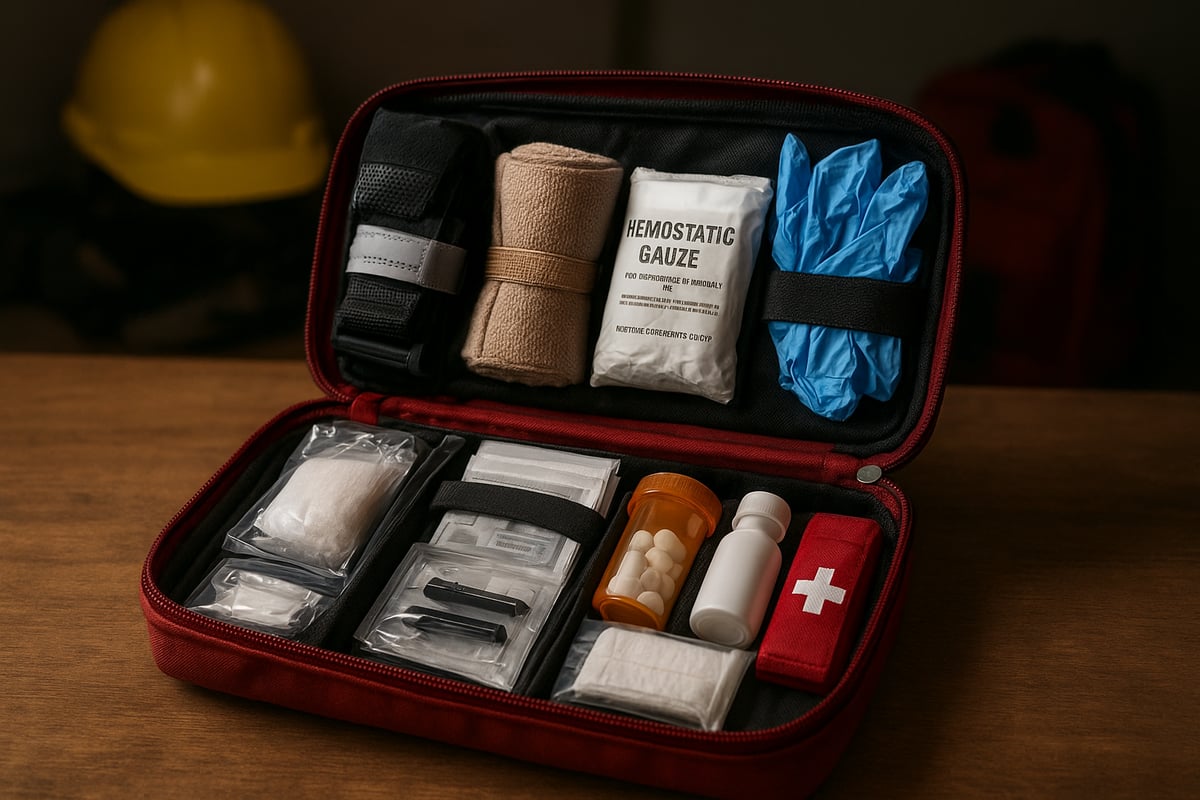
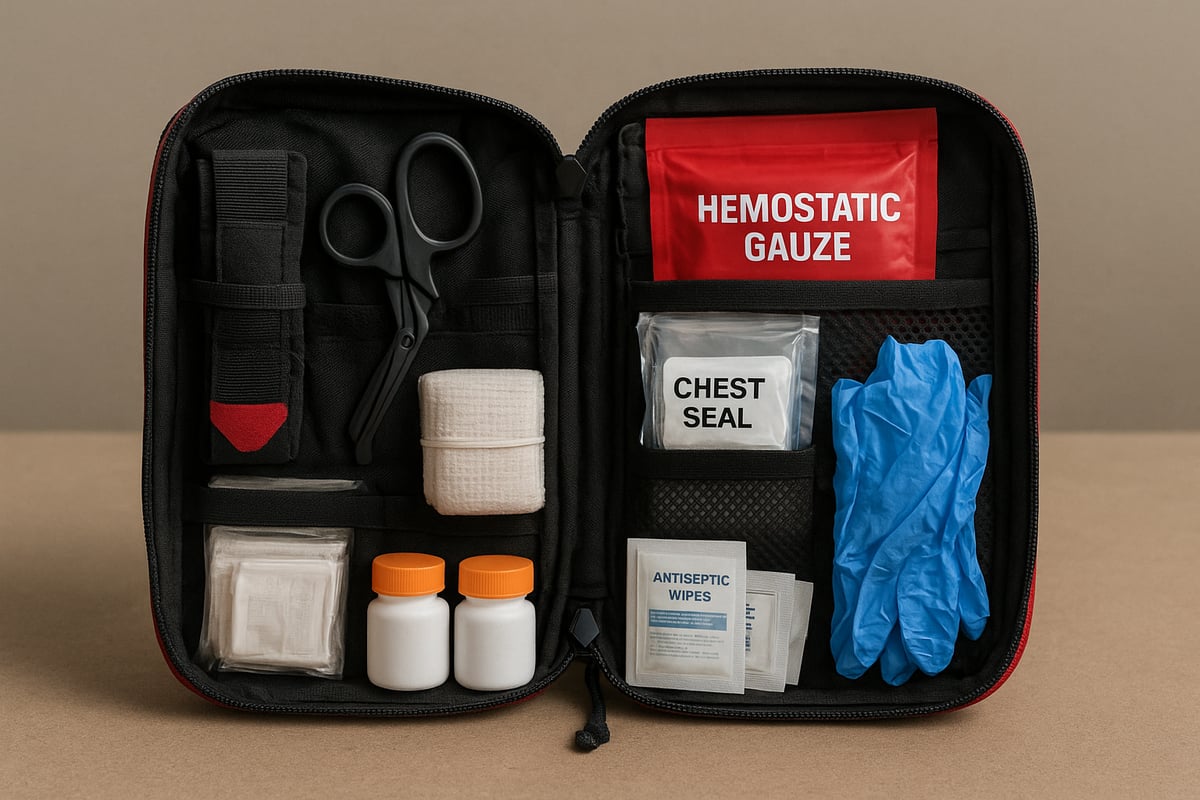
Building a prepper first aid kit for 2026 requires more than just basic bandages. In an unpredictable world, your survival may depend on having the right tools for trauma care, wound management, and medical emergencies. Below, we break down the 9 must-have items every prepper first aid kit should include, with expert insights to help you maximize your readiness for any crisis.
1. Tourniquet (e.g., CAT or SOF-T)
A tourniquet is the backbone of any prepper first aid kit, designed to stop life-threatening arterial bleeding within seconds. Modern tourniquets, such as the CAT Gen7 or SOF-T, are compact and engineered for one-handed application, making them ideal when you must act quickly—especially if you are alone.
Military and first responders rely on these devices during mass casualty events, as hemorrhage remains a leading preventable cause of death in trauma. Proper use can mean the difference between life and death, especially when emergency services are delayed.
Key features of a top-tier tourniquet:
- Proven effectiveness in real-world emergencies
- Durable construction for field conditions
- Simple application with minimal training
| Tourniquet | Price Range | Pros | Cons |
|---|---|---|---|
| CAT Gen7 | $34.99+ | Trusted by professionals | Requires regular practice |
For best results, practice applying your tourniquet regularly. If you want to go deeper on bleeding control, check out this guide on how to stop major bleeding. A prepper first aid kit is incomplete without this crucial tool.
2. Pressure Bandage (Israeli or Emergency Bandage)
A reliable pressure bandage delivers direct compression to control severe bleeding. Unlike standard gauze, these bandages are vacuum-sealed for portability and a long shelf life, making them a staple for both urban and wilderness use.
Beyond bleeding control, they can stabilize sprains, fractures, and deep wounds. Field medics use pressure bandages for gunshot wounds and lacerations, where rapid intervention is essential.
Advantages of pressure bandages:
- Simple, intuitive application
- Sterile and compact for easy storage
- Multi-functional for diverse injuries
| Bandage Type | Price | Shelf Life | Best Use |
|---|---|---|---|
| Israeli Bandage | $7–$20 | 5–7 years | Severe wounds |
While single-use, these bandages are indispensable. Your prepper first aid kit gains both versatility and trauma readiness with this addition.
3. Hemostatic Gauze (e.g., QuikClot Combat Gauze)
Hemostatic gauze is infused with advanced clotting agents that rapidly stop bleeding. This is essential for wounds where a tourniquet cannot be applied, such as injuries to the neck or groin. Medics have long trusted QuikClot Combat Gauze in severe trauma cases.
Clinical studies show that hemostatic gauze can reduce bleeding time by up to 60 percent compared to regular gauze. The shelf life typically ranges from 3 to 5 years, and while the cost is higher, its lifesaving potential is undeniable.
| Gauze Brand | Price | Shelf Life | Pros | Cons |
|---|---|---|---|---|
| QuikClot Combat | $48.00+ | 3–5 years | Fast clotting | Expensive |
For high-risk environments or group preparedness, this item is non-negotiable. A prepper first aid kit equipped with hemostatic gauze is ready for the most serious emergencies.
4. Trauma Shears
Trauma shears are engineered to cut through tough materials like clothing, belts, and even boots. Their blunt tip design prevents accidental injury, making them safer than regular scissors during high-stress scenarios.
First responders use trauma shears to quickly access wounds in car accidents or natural disasters. Durability and multi-use capability set them apart from standard scissors.
Key benefits:
- Cuts through thick fabrics rapidly
- Blunt tip for patient safety
- Essential for rapid trauma assessment
| Shears Type | Price | Pros | Cons |
|---|---|---|---|
| Standard EMS | $4.99+ | Durable | Bulky in small kits |
Every prepper first aid kit should include quality trauma shears to ensure you can access and treat injuries without delay.
5. Chest Seal (Vented)
A vented chest seal is vital for treating open chest wounds, such as those caused by gunshots, stabbings, or punctures. The vented design allows trapped air to escape, helping prevent life-threatening tension pneumothorax while blocking contaminants.
Chest seals are recommended for high-risk or remote settings, where advanced medical aid may not be available for hours or longer. They are single-use, but their role in survival scenarios is critical.
| Chest Seal Type | Price | Shelf Life | Pros | Cons |
|---|---|---|---|---|
| Vented Seal | $13.39+ | 5 years | Easy to apply | Single-use |
Including a vented chest seal in your prepper first aid kit prepares you for the worst-case scenarios.
6. Emergency Mylar Blanket
An emergency mylar blanket is designed to retain up to 90 percent of body heat, protecting against hypothermia in cold or wet conditions. It is lightweight, compact, and fits into any prepper first aid kit.
These blankets are also multipurpose: use them for shelter, signaling, or even collecting rainwater. Their role in disaster relief and wilderness survival is well established.
Benefits:
- Inexpensive and compact
- Retains critical warmth
- Multipurpose for survival
| Blanket Type | Price | Pros | Cons |
|---|---|---|---|
| Mylar Blanket | $4.99+ | Versatile, light | Tears easily |
This simple addition enhances both trauma care and exposure protection in your prepper first aid kit.
7. Antiseptic Wound Care (Wipes, Solution, or Ointment)
Preventing infection is a top priority in any survival situation. Antiseptic wound care supplies—such as alcohol wipes, povidone-iodine, and triple antibiotic ointment—are vital for treating cuts, scrapes, and burns.
Infection is a leading cause of complications following injuries, especially when access to advanced care is limited. Shelf-stable and easy to use, these products are a basic yet essential component of your prepper first aid kit.
| Antiseptic Type | Price/Item | Shelf Life | Pros | Cons |
|---|---|---|---|---|
| Alcohol Wipe | $0.10+ | 2 years | Simple, fast | Limited lifespan |
Combine antiseptics with proper wound cleaning for best results, and always monitor expiration dates.
8. Assorted Medications (Pain Relief, Antihistamines, Anti-Diarrheal)
A prepper first aid kit should contain a range of over-the-counter medications, including ibuprofen, acetaminophen, aspirin, diphenhydramine (Benadryl), and loperamide. These address pain, fever, allergic reactions, and digestive issues—all of which can become serious in survival situations.
Store medications in waterproof containers to preserve potency. Tailor the selection to your family's needs, considering allergies or chronic conditions.
| Medication Type | Price Range | Use Case | Storage Tip |
|---|---|---|---|
| Ibuprofen, etc. | $5–$20 | Pain relief | Waterproof pouch |
Monitor expiration dates and replenish as needed to keep your prepper first aid kit fully functional.
9. Medical Gloves (Nitrile, Non-Latex)
Medical gloves protect both you and your patient from contaminants and infection. Nitrile gloves are preferred for their durability and hypoallergenic properties, making them suitable for anyone.
Gloves are essential when treating wounds, handling blood, or performing CPR. Store multiple pairs in your prepper first aid kit to ensure redundancy.
| Glove Type | Price/Pair | Pros | Cons |
|---|---|---|---|
| Nitrile | $0.20+ | Strong, safe | Single-use, heat sensitive |
Regularly rotate gloves to prevent degradation, and always keep extras in your prepper first aid kit for maximum preparedness.
How to Customize Your Prepper First Aid Kit for Your Needs
Customizing your prepper first aid kit is essential for real-world readiness. Every individual and family faces unique risks, so a one-size-fits-all approach can leave critical gaps. By tailoring your kit to your specific needs, you increase your resilience and ability to manage emergencies independently.
Assessing Personal and Family Health Risks
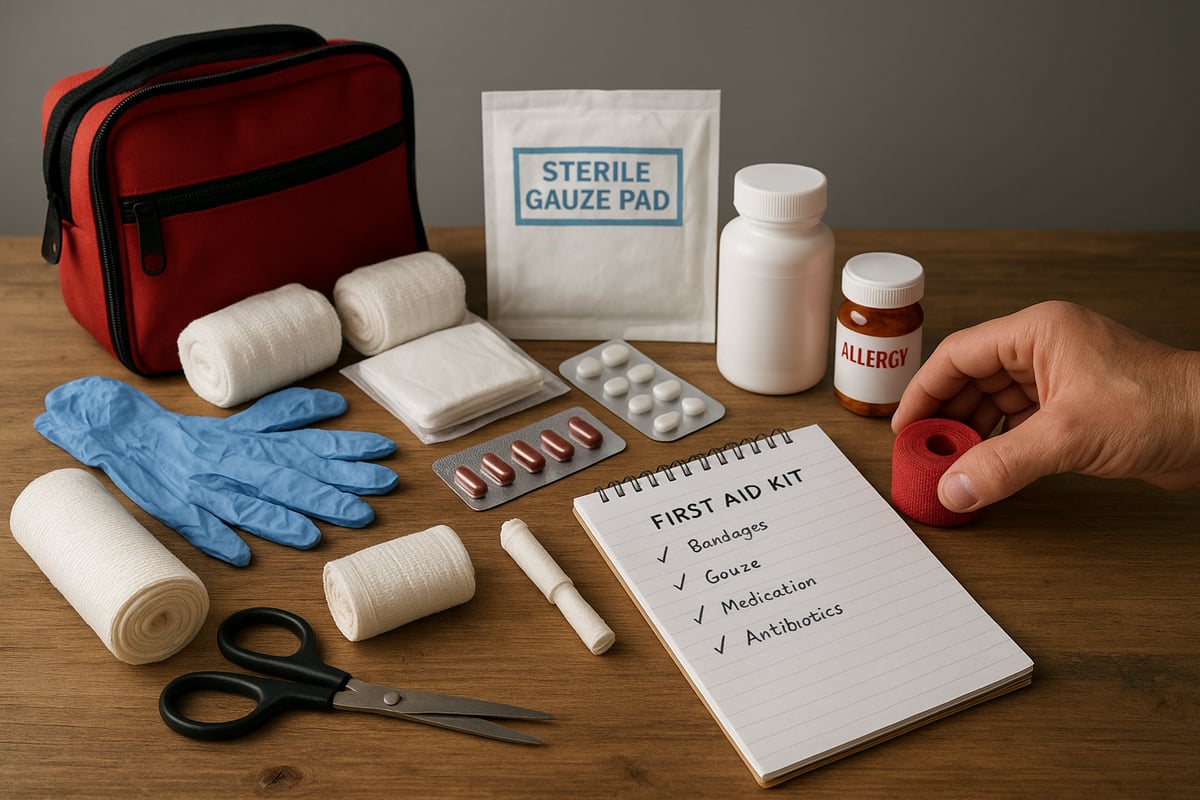
Start by evaluating the health profiles of everyone in your household. Does anyone have allergies, asthma, diabetes, or heart conditions? These factors directly shape what goes into your prepper first aid kit. Children may need pediatric doses, while elderly family members often require extra medications or mobility aids.
List out chronic conditions and ensure your kit includes prescription medications, EpiPens, or glucose tablets as needed. Keep in mind that medical needs can change over time, so review your kit annually.
For a step-by-step approach to building a family-focused kit, check out Building a Family First Aid Kit. By addressing these health risks, you ensure your prepper first aid kit is truly ready for your unique situation.
Adjusting for Environment and Activity
Where you live and what you do also impact your prepper first aid kit. Urban settings might call for supplies to handle car accidents or crowd-related injuries, while rural areas may require gear for animal bites or remote trauma.
Outdoor enthusiasts should add items like splints, snake bite kits, or extra wound care. If you hike or camp in cold climates, include Mylar blankets and hand warmers. Adapt your kit's contents and size to match your environment and activities.
By aligning your prepper first aid kit with your lifestyle, you cover the most likely emergencies and avoid carrying unnecessary items.
Storage, Shelf Life, and Maintenance Tips
Proper storage protects your prepper first aid kit from damage and keeps supplies effective. Store your kit in a cool, dry, and accessible place. Use waterproof containers or bags to safeguard against moisture and dust.
Regularly check expiration dates on medications, ointments, and sterile supplies. Rotate items out and replace anything opened or used. Many kits lose effectiveness over time if not maintained, so set reminders for quarterly checks.
Consistent maintenance ensures your prepper first aid kit functions when you need it most, eliminating the risk of missing or expired supplies in a crisis.
Training: The Most Overlooked Prepper Asset
Having a prepper first aid kit is only half the equation. Real preparedness includes knowing how to use every item inside. Take first aid, CPR, and trauma care courses to build confidence and skill.
Practice using your supplies on a regular basis. For hands-on bleeding control, consider Stop the Bleed Training Courses. These courses teach essential techniques like tourniquet application and wound packing.
By investing in training, you ensure your prepper first aid kit becomes a powerful tool rather than just a collection of supplies.
Where to Buy Reliable First Aid Supplies for Preppers
Finding trustworthy sources for your prepper first aid kit is crucial. In a world where quality can mean the difference between life and death, choosing the right supplier ensures your kit is always ready for emergencies. Whether you are just starting or upgrading your gear, knowing where to buy can streamline your preparedness journey.
Medical Gear Outfitters: Your One-Stop Prepper Medical Supply Source
Medical Gear Outfitters stands out as a top destination for anyone building a prepper first aid kit. Owned by a paramedic, this supplier curates products trusted by professionals and preppers alike. You will find tourniquets, trauma kits, and essential medical tools from reputable brands such as North American Rescue and Dynarex.
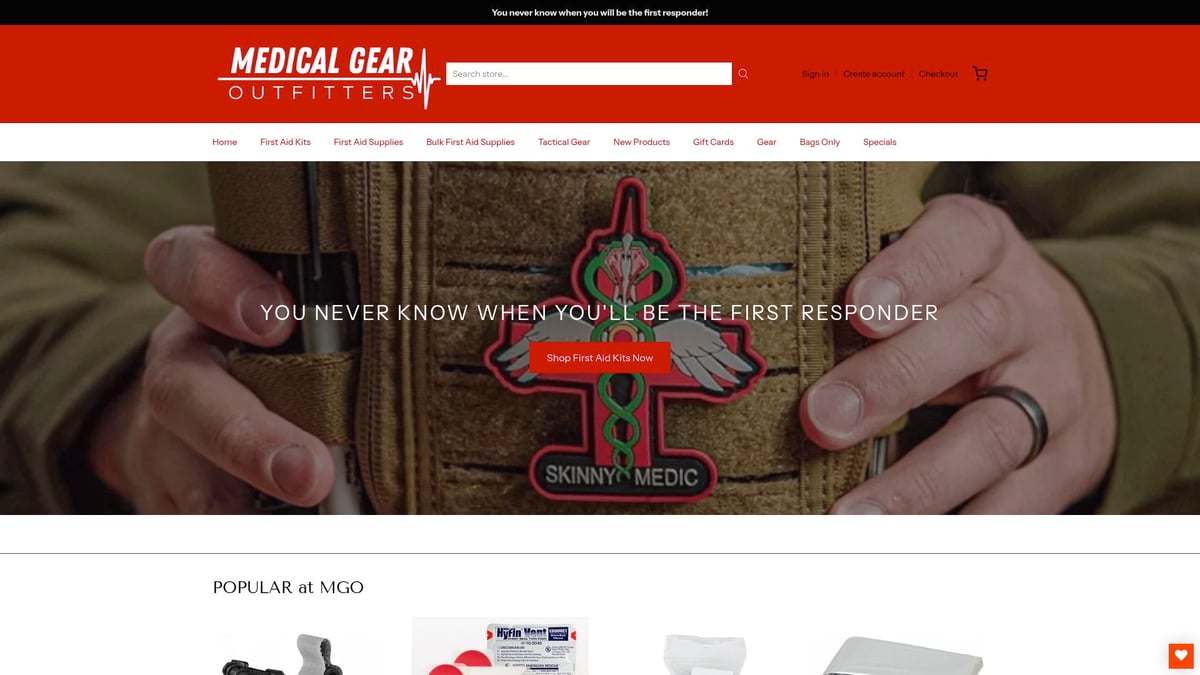
The site offers both pre-built kits and individual components so you can customize your prepper first aid kit. Educational resources, including a blog and YouTube channel, help you make informed choices and sharpen your skills. Pricing is transparent, and there are options for every budget, from basic Mylar blankets to advanced trauma kits.
Comparing Popular Prepper First Aid Kit Brands
Choosing the right prepper first aid kit often means comparing leading brands. Top-rated options like MyFak, Jase Case, and custom bug-out kits each offer unique features. Some focus on trauma readiness with modular designs, while others prioritize compactness or refill options.
| Brand | Trauma Supplies | Modularity | Price Range | Notable Feature |
|---|---|---|---|---|
| MyFak | Yes | High | $130–$300 | Portable, refillable |
| Jase Case | Some | Medium | $120–$250 | Prescription meds |
| Custom Kit | Varies | Custom | Varies | Tailored contents |
Look for clear organization, refill options, and quality components when choosing a prepper first aid kit.
What to Avoid: Common Pitfalls When Buying Kits
Many preppers fall into the trap of buying overstuffed kits filled with low-quality items. Avoid kits that lack trauma supplies or real wound care tools. Beware of kits advertising hundreds of pieces, as most include basic bandages rather than life-saving equipment.
Always check for expiration dates and ensure your supplier has a solid reputation. Prioritize quality essentials over quantity to build a reliable prepper first aid kit that will not fail you during a crisis.
Building vs. Buying: Which Is Best for You?
Deciding between building your own prepper first aid kit and buying a pre-made one depends on your needs. Building allows for full customization and often higher quality, while buying saves time and can provide expert curation. Many preppers choose a hybrid approach, starting with a solid base kit and adding personalized supplies.
Regularly review and update your prepper first aid kit to match evolving risks. Remember, the best kit is the one that is ready, complete, and suited to your unique situation.
Prepper First Aid Kit FAQs
What should be in a prepper first aid kit?
A prepper first aid kit should go beyond bandages and cover life-threatening emergencies. The core nine are a tourniquet, a pressure (Israeli) bandage, hemostatic gauze, trauma shears, a vented chest seal, an emergency mylar blanket, antiseptic wound care, assorted medications (pain relief, antihistamines, anti-diarrheal), and nitrile gloves. Add personal prescriptions, a CPR barrier, and a first aid guide, then scale quantities for your group size and how long you might be without help.
What is the most important item in a prepper first aid kit?
A tourniquet. Uncontrolled bleeding from an arm or leg can be fatal within minutes, and a quality windlass tourniquet such as a CAT or SOF-T is the fastest way to stop it. Pair it with hemostatic gauze and a pressure bandage, and learn to use all three through a Stop the Bleed course.
How is a prepper first aid kit different from a regular first aid kit?
A regular first aid kit handles everyday minor injuries — cuts, scrapes, burns, and headaches. A prepper kit adds trauma and bleeding-control gear (tourniquet, hemostatic gauze, chest seal) plus enough supplies, medications, and redundancy to stay self-sufficient when professional help is hours or days away.
How many tourniquets should a prepper have?
Keep at least two in each kit. One can fail, get contaminated, or be needed on a second wound or limb, and you may also need to treat more than one person. Households and groups should scale up and stage extras in vehicles and bug-out bags.
What medications should be in a prepper first aid kit?
Stock over-the-counter pain relievers (acetaminophen and ibuprofen), an antihistamine for allergic reactions, and an anti-diarrheal, plus any personal prescriptions and, if prescribed, an epinephrine auto-injector. Keep everything in original packaging, note expiration dates, and rotate stock.
Do prepper first aid kit supplies expire?
Yes. Medications, hemostatic gauze, antiseptics, and adhesives all have expiration dates, and components like tourniquet windlasses can degrade over time. Inspect your kit every six to twelve months, replace anything expired or damaged, and restock immediately after any use.
Should I build or buy a prepper first aid kit?
Buying a quality pre-built trauma kit is faster and ensures reliable, name-brand components, while building your own lets you tailor contents to your skills and risks. Many preppers buy a solid base kit and add trauma gear, medications, and personal items over time.
What training do I need to use a prepper medical kit?
At minimum, take a Stop the Bleed class and a first aid/CPR course. Bleeding-control and airway skills are time-critical and perishable, so practice regularly — gear is only as effective as the person using it.

