
Essential Camping First Aid Kit Guide for Safe Adventures 2026
Imagine you are miles from civilization, surrounded by nature, when an unexpected injury occurs. Are you ready to respond? Having the right camping first aid kit can mean the difference between a minor setback and a trip-ending emergency.
This guide is your resource for building or choosing a kit that ensures safety for yourself and your group, no matter where your adventure leads. You will discover the must-have components, expert tips for customization, and best practices for maintaining your kit. Get ready to explore everything you need to know to keep your outdoor experiences both safe and enjoyable.
Why Every Camper Needs a First Aid Kit
Imagine setting out on a wilderness adventure, only to face an unexpected injury or illness miles from help. This is where a camping first aid kit becomes not just useful, but essential. Understanding why every camper needs one is the first step to enjoying outdoor activities with confidence and safety.
The Realities of Outdoor Risks
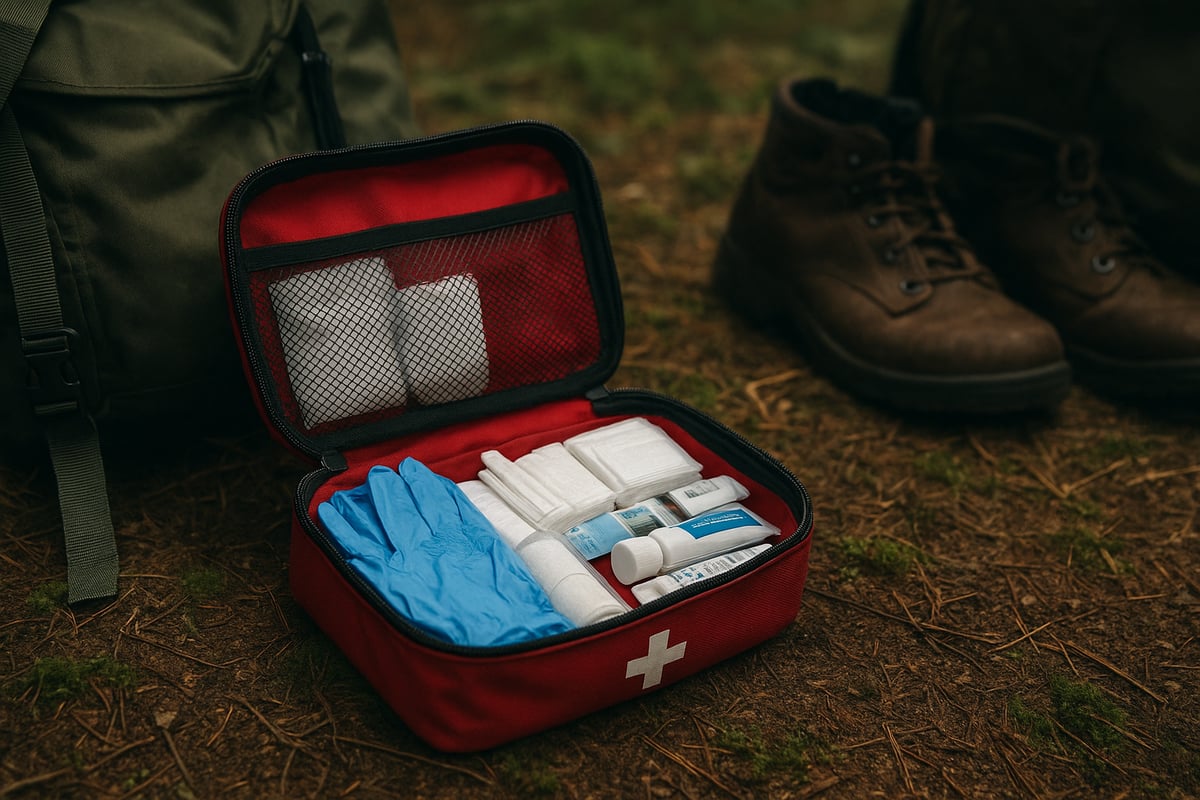
Camping trips expose you to a range of potential injuries and illnesses. Common issues include cuts, burns, sprains, insect bites, and allergic reactions. According to the American Red Cross, over 40% of outdoor injuries are minor but demand immediate attention.
When you are far from medical facilities, the risks increase because emergency response times are delayed. Rapid access to a camping first aid kit can prevent small problems from escalating. For example, treating a sprained ankle on a multi-day hike might mean the difference between finishing your trip or calling for evacuation. Having the right supplies ensures you are prepared to manage situations on the spot.
Legal and Ethical Responsibilities
If you are leading a group or organizing a trip, you have a duty of care to others. Many national parks and organized camping sites require visitors to have a camping first aid kit on hand. Regulations are in place to ensure everyone is prepared for emergencies.
Beyond legal obligations, there is an ethical responsibility to assist anyone in distress. Carrying a camping first aid kit is a sign of responsible outdoor behavior. It allows you to help others effectively, fostering a culture of preparedness and care within the camping community.
Peace of Mind and Confidence
Preparedness brings peace of mind to both experienced campers and families. Knowing you have a comprehensive camping first aid kit reduces anxiety and supports more adventurous activities.
Being prepared also encourages self-reliance and sharpens your problem-solving skills. When unexpected injuries occur, you can respond calmly and effectively. This sense of readiness helps everyone in your group feel safer and more confident exploring the outdoors.
Real-World Scenarios Where Kits Save the Day
There are countless stories of campers who managed emergencies thanks to their camping first aid kit. In fact, 3 out of 5 outdoor enthusiasts have used their kit at least once per season, according to GearLab.
A well-stocked camping first aid kit can turn a potentially serious issue into a manageable one, preventing minor injuries from requiring major interventions. To ensure you are fully prepared, consider reviewing the Camping First Aid Kit Checklist for a comprehensive guide to essential supplies and best practices.
Essential Components of a Camping First Aid Kit
A well-prepared camping first aid kit is your safety net in the wild. Whether you are a seasoned backpacker or a family camper, knowing the right components to include can make the difference between a minor inconvenience and a trip-ending emergency. The following sections break down each essential element, ensuring your kit is ready for anything the outdoors might bring.
Bandages, Dressings, and Wound Care
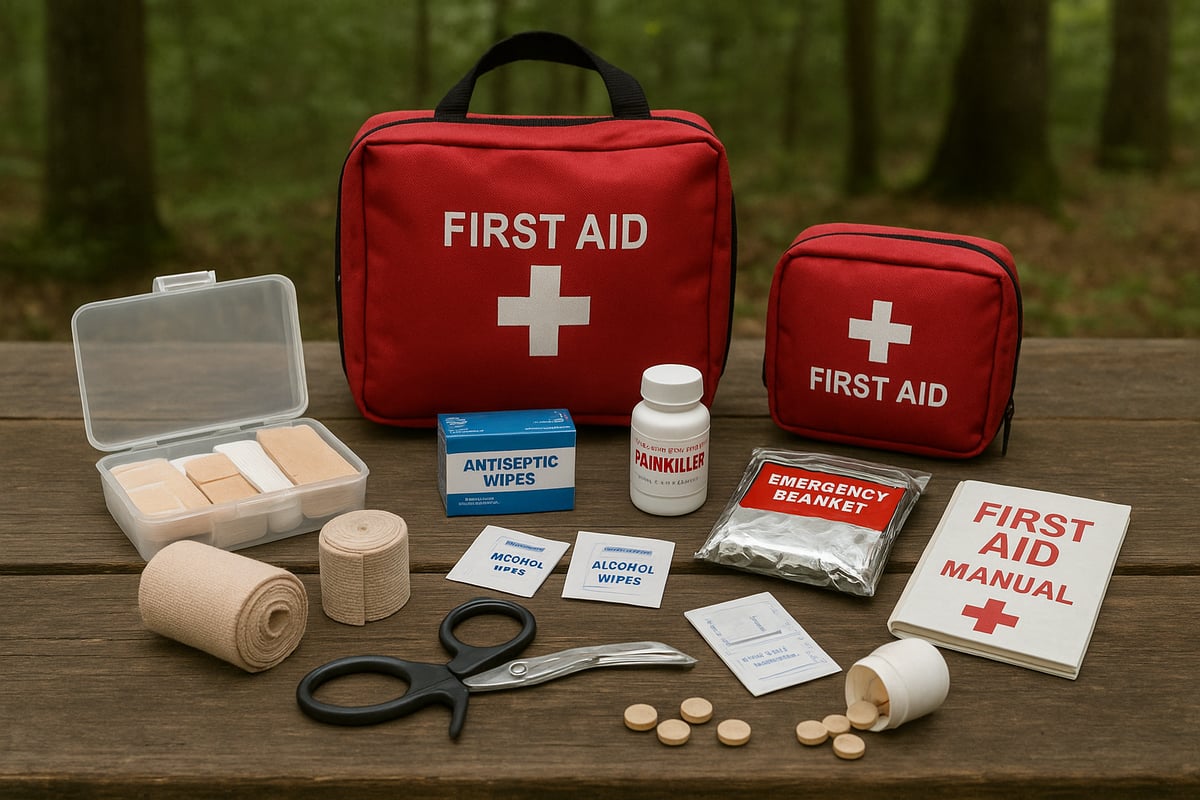
Every camping first aid kit should be stocked with a variety of bandages and wound care items. Adhesive bandages in different sizes, sterile gauze pads, and medical tape are essentials for treating cuts and scrapes. Blister pads and moleskin help prevent and treat painful foot blisters. Antiseptic wipes, alcohol pads, and antibiotic ointments like Neosporin ensure wounds stay clean and heal quickly. Wound closure strips can help keep deeper cuts closed until professional care is available.
For example, if someone scrapes their knee or develops a blister during a hike, these supplies allow you to quickly clean, dress, and protect the injury. Including these items in your camping first aid kit ensures you are prepared for common minor injuries.
Tools and Instruments
A comprehensive camping first aid kit should include tools that allow you to handle a range of situations. Trauma shears and bandage scissors are indispensable for cutting clothing or tape, while tweezers are useful for removing splinters or ticks. Safety pins, a digital or disposable thermometer, splints, elastic bandages, and nitrile gloves further expand your emergency capabilities.
Understanding the role of these tools is crucial. For instance, trauma shears can help you quickly access a wound without causing further injury. For more on their importance and use, see Bandage Scissors and Trauma Shears Uses. With these instruments, your camping first aid kit is ready for a wide array of outdoor incidents.
Medications and Topical Treatments
Medications are a critical component of any camping first aid kit. Pack pain relievers such as ibuprofen or acetaminophen for headaches and sprains. Antihistamines help manage allergic reactions, while anti-diarrheal medications are useful for digestive issues. Topical treatments like hydrocortisone cream, burn ointment, and insect sting relief provide immediate comfort for skin irritations. Always include personal prescription medications as needed.
According to GearLab, 85% of tested kits lacked over-the-counter meds, so be proactive in adding these essentials. Having the right medications on hand lets you address a wide range of ailments swiftly.
Emergency and Trauma Supplies
Serious injuries can occur far from help, making emergency supplies a must in your camping first aid kit. A CPR mask or face shield allows for safe resuscitation. Emergency blankets help prevent hypothermia, especially in cold or wet conditions. For severe bleeding, include a tourniquet, pressure bandages, and hemostatic agents if you are trained to use them.
Imagine managing a deep cut until help arrives: these supplies provide crucial support during the most critical moments. Being equipped for trauma situations can save lives and prevent complications.
Specialized Items for Outdoor Environments
Outdoor environments present unique risks, so your camping first aid kit should include specialized items. Tick removal tools and snake bite kits (if appropriate for your region) address wildlife hazards. Water purification tablets ensure access to clean drinking water. Sunburn relief gel, eye wash, and electrolyte packets help manage sun exposure, eye injuries, and dehydration.
For example, if someone suffers from dehydration or sunburn on a hot day, these items help restore comfort and prevent further issues. Tailoring your kit to your environment keeps you prepared for nature’s surprises.
Documentation and Guides
Clear, accessible information can be just as important as physical supplies in a camping first aid kit. A first aid manual or quick reference guide offers step-by-step instructions during emergencies. Keep an emergency contact sheet and medical information cards for each group member. A notepad and waterproof pen allow you to document incidents, track treatment, and communicate vital information to rescue teams if needed.
These documents help you make informed decisions and provide effective care when it matters most.
Personalization and Extras
No two camping groups are alike, so personalizing your camping first aid kit is essential. Add allergy medications such as an EpiPen for members with severe allergies or inhalers for asthma. Include child- or pet-specific items as needed. Use storage bags to separate clean and used supplies, keeping everything organized and sanitary.
For instance, knowing a group member’s specific allergies lets you pack the right medications and avoid preventable emergencies. Customizing your kit ensures it meets everyone’s needs and increases your group’s safety and comfort.
How to Choose or Build the Right Kit for Your Adventure
Selecting the ideal camping first aid kit requires thoughtful consideration of your trip details, group makeup, and the nature of your adventure. Whether you are planning a solo hike or a multi-day family expedition, your kit should match your environment and risks. A well-prepared camping first aid kit provides confidence, safety, and peace of mind in the outdoors.
Assessing Your Trip Type and Group Needs
Every camping first aid kit should be tailored to your specific journey. A solo backpacker may need only the essentials, while a large group or family requires a more comprehensive kit. Think about your destination—remote backcountry trips demand supplies for delayed help, while car camping allows for larger kits.
Consider these factors:
- Number of people in your group
- Age range and any known medical conditions
- Length and remoteness of your trip
- Availability of emergency services
Matching your camping first aid kit to your adventure ensures you are prepared for the challenges you might face.
Off-the-Shelf vs. Custom Kits
You can choose a pre-assembled camping first aid kit or build your own from scratch. Off-the-shelf kits offer convenience, but may lack certain items you need. Custom kits let you select higher quality or specialized supplies.
| Feature | Off-the-Shelf Kits | Custom Kits |
|---|---|---|
| Convenience | High | Moderate |
| Customization | Limited | Full |
| Quality Control | Variable | High |
| Cost | Varies | Flexible |
For example, a Surviveware Small kit covers basics, while a DIY kit can include extras like allergy meds or splints. Review your group’s needs before choosing your camping first aid kit.
Quality and Durability of Supplies
A reliable camping first aid kit must withstand outdoor conditions. Choose a water-resistant or waterproof case to protect contents from rain and humidity. Check that all packaging is intact and supplies are not expired.
Essential quality features:
- Durable, rugged case material
- Field-tested brands for critical items
- Clearly labeled compartments
- Tamper-evident and sealed medication packaging
Regularly inspect your camping first aid kit to ensure everything remains in top condition.
Weight, Size, and Portability Considerations
Balancing coverage with portability is crucial. Ultralight backpackers may prioritize a compact camping first aid kit, while base campers can carry extensive supplies. Modular kits allow for scaling up or down based on group size.
Tips for choosing the right size:
- Day hikes: Lightweight, essential-only kits
- Multi-day or remote trips: Comprehensive, multi-use kits
- Car or RV camping: Larger kits with extra comfort items
Assess your carrying capacity and select a camping first aid kit you will actually bring along.
Budgeting and Value
Camping first aid kit prices can range from $10 for simple packs to $150 or more for trauma-ready kits. Evaluate value by reviewing the included items, quality of supplies, and how well the kit meets your needs.
Cost-saving strategies:
- Buy in bulk for organizations or frequent campers
- Invest in quality over quantity for critical items
- Update and restock rather than buying new kits each season
A thoughtful investment in your camping first aid kit pays off in safety and reliability.
Where to Buy Reliable First Aid Kits and Supplies
Purchase your camping first aid kit from reputable outdoor retailers, pharmacies, or specialty suppliers. Look for certifications, such as Red Cross endorsements, and seek expert advice when possible.
For in-depth comparisons, consult resources like Best First Aid Kits Reviewed, which evaluates top options for outdoor use. Always verify the credibility of your source and the quality of the supplies included.
Medical Gear Outfitters: Expert-Curated Camping First Aid Solutions
Medical Gear Outfitters provides camping first aid kit solutions designed by a practicing paramedic. Their range includes compact kits for solo trips and comprehensive options for groups, all focused on field-tested quality.
You can customize your camping first aid kit to fit your adventure, and access educational resources to improve your first aid skills. This expert guidance ensures that every outdoor enthusiast, family, or organization can find the right kit for their needs.
Organizing, Packing, and Storing Your First Aid Kit
Being able to find what you need quickly can make a critical difference in an emergency. The way you organize, pack, and store your camping first aid kit directly impacts your response time and overall safety on the trail.
Smart Organization for Quick Access
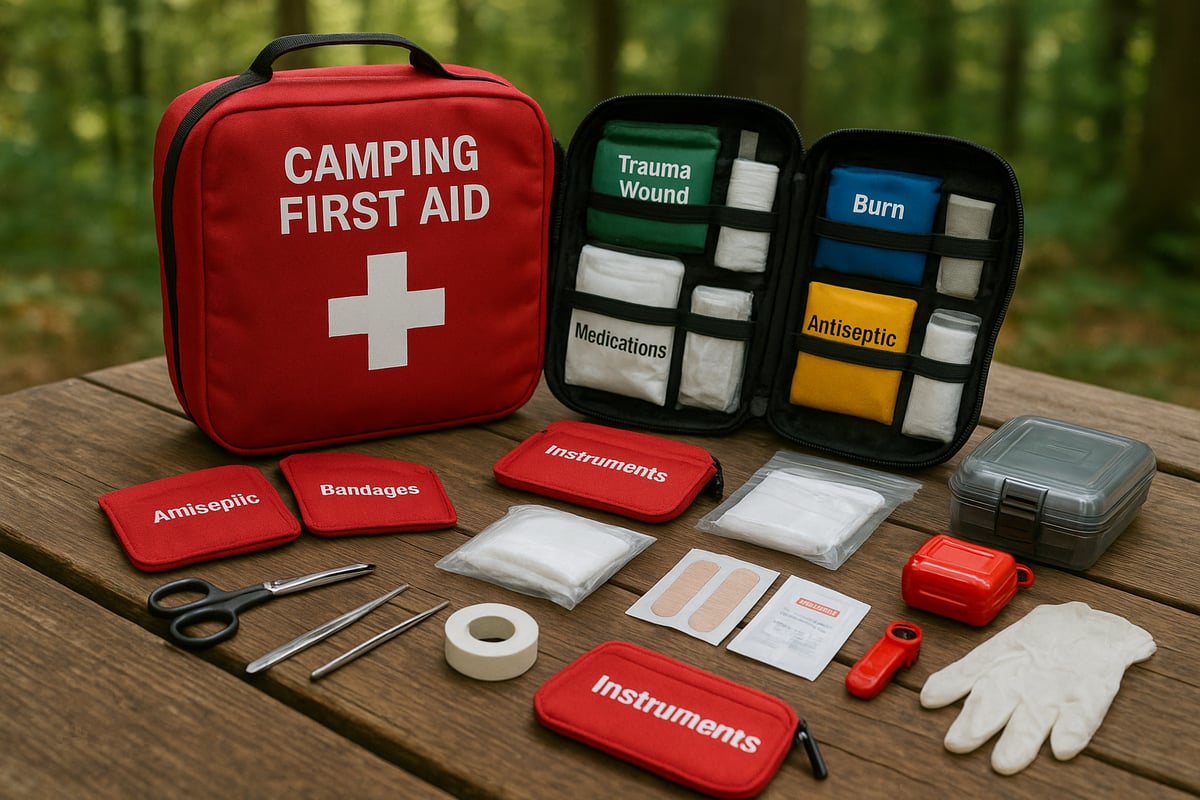
Efficient organization is essential for any camping first aid kit. Start by using labeled compartments and color-coded pouches so you can spot items instantly. Keep the most frequently needed supplies, such as bandages and antiseptic wipes, in the most accessible section.
Separate clean items from those designated for used or contaminated materials. Many top-rated kits, like those from Surviveware and MyMedic, use clear pockets for visibility. For more guidance on creating a streamlined system, visit Organizing Your First Aid Kit.
A bit of planning goes a long way. When every second counts, an organized camping first aid kit helps you act quickly and confidently.
Waterproofing and Weatherproofing
Outdoor adventures often mean unpredictable weather. Protecting your camping first aid kit from moisture is vital for keeping supplies sterile and effective. Choose a waterproof or water-resistant case to shield your equipment from rain, spills, and humidity.
For sensitive items like medications or electronics, use resealable plastic bags or small dry sacks inside your main kit. This extra layer guards against leaks and condensation. In humid climates, include silica gel packs to absorb excess moisture.
Regularly inspect your kit for signs of water damage or mold. A dry, intact camping first aid kit ensures your supplies remain ready for any situation.
Safe Storage and Transportation
Proper storage and transport are key to making sure your camping first aid kit is always accessible when needed. Place your kit in a visible, easy-to-reach spot, such as the top of your backpack or the side pocket of your vehicle.
Secure all items within the kit to prevent shifting or spills during travel. Use elastic loops or mesh pockets to hold supplies in place. Before each trip, use a packing checklist to verify that all essential items are included and organized.
Quick access and secure storage mean your camping first aid kit is ready to use, no matter where your adventure takes you.
Maintenance and Restocking Protocols
Maintaining your camping first aid kit is as important as packing it. Set a schedule to check your kit every quarter or before each trip. Remove expired medications, replace used items, and inspect packaging for damage.
Keep a restock list or inventory sheet inside your kit. This helps you track what needs replenishing and ensures nothing is missing when you need it most. Digital reminders can simplify this process for frequent campers.
A well-maintained camping first aid kit guarantees you are prepared for emergencies, year after year.
How to Use Your Camping First Aid Kit: Step-by-Step Guide for Common Emergencies
Knowing how to use your camping first aid kit is just as important as packing it. Emergencies rarely happen on a schedule, so being prepared to act quickly and confidently can make a significant difference. The following guide walks you through the essential steps for handling the most common camping injuries and medical situations, ensuring you are always ready to protect yourself and your group.
Step 1: Assess the Situation and Ensure Safety
Before reaching for your camping first aid kit, pause and survey the scene. Your safety and the safety of others come first. Quickly check for hazards such as unstable ground, wildlife, or fire. If the area is unsafe, relocate to a secure spot before providing help.
Always put on medical gloves from your camping first aid kit to prevent infection. Communicate with the group to identify what happened and who needs assistance. If anyone requires urgent care or evacuation, call for help immediately. Consider taking a Wilderness First Aid Training course to build confidence and skill in responding to emergencies in remote locations.
Step 2: Treating Wounds and Bleeding
Use your camping first aid kit to clean and disinfect all wounds. Start by rinsing cuts, scrapes, or blisters with clean water or antiseptic wipes. Gently dry the area and apply sterile gauze or an adhesive bandage.
For minor bleeding, apply gentle pressure with a gauze pad. In the case of severe bleeding, use a pressure bandage or tourniquet if trained. For more details on selection and use, see Best Tourniquets for First Aid Kits. Always monitor for signs of shock and keep the injured person calm until help arrives.
Step 3: Managing Sprains, Strains, and Fractures
When someone twists an ankle or suffers a suspected fracture, your camping first aid kit provides the tools needed to stabilize the injury. Immobilize the affected area with a splint or elastic bandage, making sure not to cut off circulation.
Apply a cold pack to reduce swelling and pain. Elevate the injured limb if possible. Continue monitoring for increased pain, numbness, or discoloration, and seek medical help if symptoms worsen. Keep the patient warm and reassured throughout the process.
Step 4: Addressing Burns, Bites, and Stings
Your camping first aid kit should include supplies for treating common outdoor ailments like burns and insect bites. For minor burns, cool the area with clean water and cover it with a sterile dressing.
Use insect sting relief or hydrocortisone cream from your kit to ease itching and inflammation. Remove ticks with tweezers, ensuring the head is fully extracted. For allergic reactions, administer an antihistamine or EpiPen if available, and seek emergency care if symptoms escalate.
Step 5: Handling Medical Emergencies and Environmental Risks
Serious medical issues such as dehydration, heat exhaustion, or hypothermia require swift action using your camping first aid kit. Recognize the signs, such as dizziness, confusion, or rapid breathing, and respond promptly.
Administer oral rehydration salts or electrolyte packets for dehydration. Use an emergency blanket to warm someone with hypothermia, and a CPR mask if resuscitation is necessary. Document all actions and symptoms for later medical review. Ongoing education, such as Wilderness First Aid Training, enhances your ability to respond effectively in these situations.
Maintaining and Updating Your First Aid Kit for 2026 and Beyond
Keeping your camping first aid kit up to date is crucial for safe and successful trips. As outdoor risks and best practices evolve, so should your emergency supplies and knowledge. Use these strategies to ensure your kit remains reliable for every adventure.
Regular Inspection and Restocking
A camping first aid kit is only as effective as its contents. Schedule regular inspections, ideally before each trip or at least quarterly.
Check for:
- Expired medications and ointments
- Damaged or missing supplies
- Packaging integrity
Keep a digital or physical inventory list to track what needs replacing. Having a restock routine prevents surprises when you need your camping first aid kit most. Prompt replacement ensures your group is always prepared for emergencies.
Adapting to Evolving Risks and Best Practices
Outdoor environments and health recommendations change over time. Review new first aid guidelines regularly, such as updates from the Red Cross or wilderness medicine experts.
Consider adding items to your camping first aid kit based on recent experiences or emerging risks. For example, if you camp in areas with increased tick activity, add extra tick removers. Upgrade supplies as you receive feedback from previous trips, ensuring your camping first aid kit stays current and effective.
Training and Skill Development
Owning a camping first aid kit is just the first step. Ensure you and your group are trained in its proper use. First aid and CPR certification can make a significant difference in an emergency.
Practice with your kit before trips using mock scenarios or group drills. This builds confidence and ensures everyone knows how to respond. For up-to-date training requirements and certifications, consult resources like the First Aid Standards. Ongoing education keeps your skills sharp and your camping first aid kit effective.
Family, Group, and Special Needs Considerations
Every group is unique, so tailor your camping first aid kit to meet specific needs. For families, include child-friendly medicines and supplies. If traveling with pets or individuals with chronic conditions, pack their essentials.
Ensure everyone knows where the kit is stored and how to use it. For practical advice on group customization, visit Building a Family First Aid Kit. Inclusive planning means your camping first aid kit can serve everyone in your group, no matter their requirements.

