7 Essential First Aid Kit Pack Options for 2026
In 2026, being prepared for emergencies is no longer an option—it is a necessity. From unpredictable weather events to everyday accidents, readiness can make all the difference.
Having the right first aid kit pack ensures you can respond quickly whether you are at home, at work, or on the move. The right supplies can provide peace of mind and real support during critical moments.
This article highlights 7 essential first aid kit pack options designed for a range of needs and situations in 2026. You will learn what makes each pack unique and how to select the best one for your environment.
By the end, you will have the knowledge to make informed choices, ensuring you and those around you are better prepared for whatever comes next.
What Makes a First Aid Kit Pack “Essential” in 2026?
The definition of an essential first aid kit pack is rapidly changing. As health threats and emergencies evolve, so do the tools needed to handle them. In 2026, a first aid kit pack must keep pace with new risks, modern technology, and updated standards. Let’s break down what truly makes a kit essential in today’s world.
Evolving Health and Safety Needs
The last few years have brought sweeping changes to public health awareness. Global health events and frequent natural disasters have pushed families, employees, and travelers to rethink their preparedness. A first aid kit pack is now considered a critical tool not only for homes but for vehicles and workplaces as well.
More people recognize that emergencies can strike anywhere. This heightened awareness demands kits equipped for a wider range of scenarios, from minor cuts to major trauma.
Core Components of a Modern First Aid Kit
A modern first aid kit pack goes far beyond basic bandages. Essential items now include antiseptics, trauma dressings, burn treatments, and allergy medications. Advanced supplies like tourniquets and airway tools have become standard for comprehensive preparedness.
Inclusion of specialized items ensures that a first aid kit pack is ready for burns, severe bleeding, or allergic reactions. These upgrades can mean the difference between effective response and being unprepared.
Regulatory Changes and Standards
Regulatory bodies have updated requirements for workplace and public first aid kits. OSHA and ANSI standards now specify more detailed lists of supplies, emphasizing trauma care and accessibility. International guidelines have also become more robust.
For workplaces and organizations, understanding ANSI Z308.1-2021 First Aid Kit Standards is crucial, as these regulations directly influence the design and contents of a compliant first aid kit pack. Adherence to these standards ensures both safety and legal compliance.
Technological Advancements in First Aid Supplies
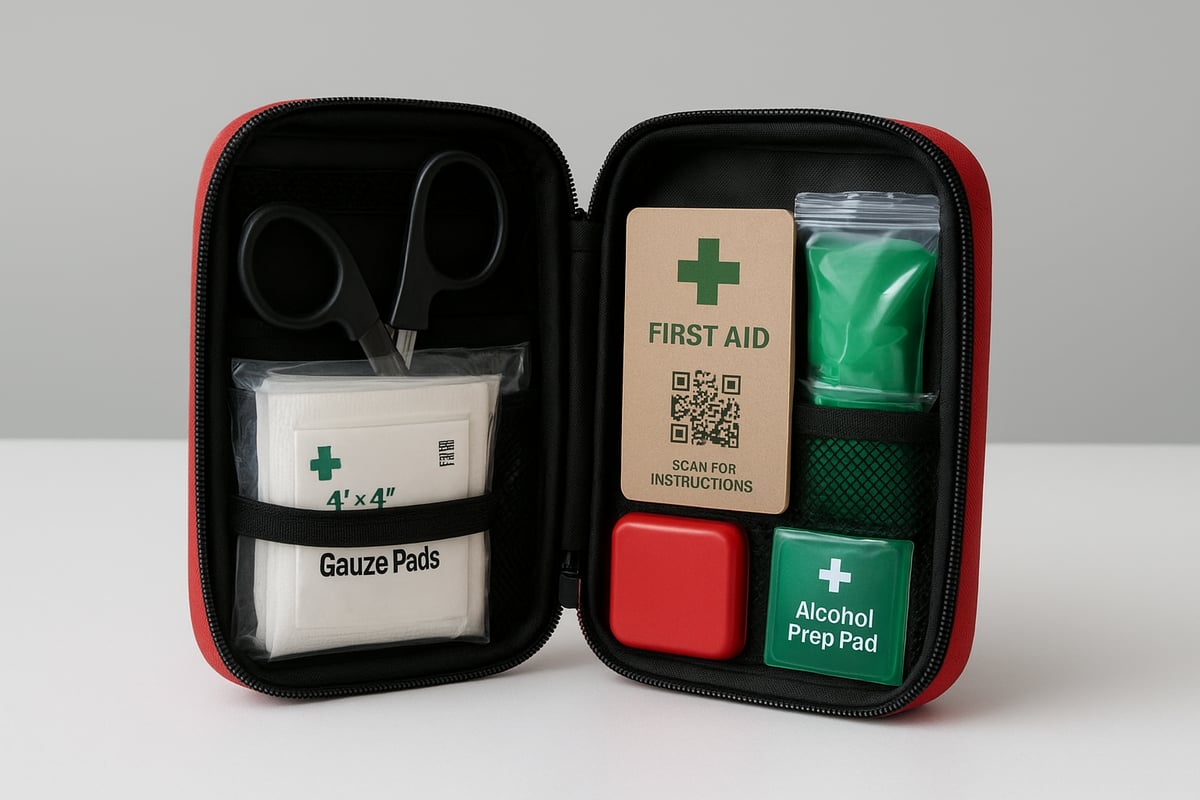
Technology is reshaping the first aid kit pack. Smart devices, app-connected kits, and digital guides are now common features. For example, some kits include QR codes linking to step-by-step instructions or even connect to emergency apps for real-time guidance.
These advancements make a first aid kit pack more user-friendly, helping both novices and trained responders act quickly and confidently during emergencies.
Customization and Scalability
Not all environments need the same first aid kit pack. Schools, vehicles, outdoor enthusiasts, and tactical users require different supplies. The trend in 2026 is toward modular, refillable kits that can be tailored for specific risks.
This customization allows users to scale their first aid kit pack as needs change, ensuring the right resources are always on hand. It’s a flexible approach that supports families, organizations, and individuals alike.
Sustainability and Eco-Friendly Trends
Sustainability is now a major factor in first aid kit pack design. Manufacturers are introducing biodegradable packaging and reusable components. Consumers expect products that align with their values, driving demand for eco-friendly first aid solutions.
These innovations reduce waste and promote responsible usage, while still maintaining the reliability of each first aid kit pack.
Data: Market Trends and Consumer Preferences
The global market for first aid kit pack options is growing steadily, with an estimated 8% CAGR from 2022 to 2025. Buyers are looking for kits with advanced trauma tools, digital integration, and sustainable materials.
Key drivers include regulatory compliance, ease of use, and adaptability. In 2026, consumers are more informed and selective, ensuring the first aid kit pack they choose meets both immediate and future needs.
7 Essential First Aid Kit Pack Options for 2026
Choosing the right first aid kit pack is crucial for effective emergency response in any setting. With a diverse range of options in 2026, selecting a kit that fits your specific needs can feel overwhelming. Below, we break down seven essential first aid kit pack solutions, each tailored for different scenarios, user groups, and environments. Whether your priority is trauma care, daily portability, or workplace compliance, this guide will help you make an informed decision.
Medical Gear Outfitters – Advanced First Aid Kit
The Medical Gear Outfitters Advanced First Aid Kit Pack stands out for its paramedic-curated contents and adaptability. Designed for those who want professional-grade supplies, this first aid kit pack ranges from $49.99 to $199.99, depending on the chosen configuration.
Inside, you'll find trauma supplies, airway management tools, bleeding control solutions, and treatments for burns and allergies. The kit includes trusted brands such as North American Rescue and QuikClot, ensuring reliability when it matters most. Customization options allow you to tailor your first aid kit pack for home, outdoor excursions, or workplace requirements.
Key features:
- Paramedic-owned and operated company
- Customizable configurations for various scenarios
- Comprehensive trauma and emergency supplies
This first aid kit pack is ideal for first responders, families, outdoor enthusiasts, preppers, and workplaces. Pros include comprehensive coverage, field-tested components, educational support, and bulk purchasing options. The main cons are the higher price for advanced models and the possibility of overkill for users with basic needs.
For those seeking a broad selection, the Complete First Aid Kit Collection offers additional first aid kit pack options to compare and customize.
MyMedic MyFAK Pro
The MyMedic MyFAK Pro first aid kit pack is engineered for maximum organization and rapid access. Priced at approximately $199.95, this kit is a favorite among outdoor adventurers, families, and workplace safety managers.
Its modular design features color-coded organization, making it easy to locate supplies during high-stress situations. The first aid kit pack includes trauma shears, a tourniquet, burn gel, and a range of essential medications. Refillable modules ensure you can replenish items as needed, extending the kit’s lifespan.
Core benefits:
- Durable, weather-resistant carry bag
- Lifetime guarantee for peace of mind
- Extensive supply list covers a wide range of emergencies
The MyFAK Pro first aid kit pack is best for those who value easy organization and comprehensive coverage. Pros include a robust bag, highly organized layout, and long-term usability. However, its bulkiness may be less suitable for travel, and the premium price could be a barrier for some users.
This first aid kit pack ensures you are prepared for both everyday accidents and more serious emergencies, making it a reliable choice for those who refuse to compromise on readiness.
Surviveware Small First Aid Kit
For those seeking portability and simplicity, the Surviveware Small First Aid Kit Pack is an excellent option. Priced at $34.95, it offers over 100 items in a compact, water-resistant case.
This first aid kit pack stands out for its labeled compartments, which help users quickly find what they need. It is lightweight and designed to fit easily into backpacks, glove compartments, or carry-on luggage, making it ideal for hikers, travelers, and commuters.
Key features:
- Clearly labeled storage for fast access
- Water-resistant and durable exterior
- Affordable price point
The Surviveware Small First Aid Kit Pack is best for minor injuries and everyday mishaps. Its pros include easy portability, clear labeling, and affordability. The main drawbacks are its limited capacity for major trauma and the absence of advanced medical supplies.
Overall, this first aid kit pack provides peace of mind for those on the go and is a smart addition to any travel or outdoor gear.
North American Rescue Individual Bleeding Control Kit
The North American Rescue Individual Bleeding Control Kit is a specialized first aid kit pack designed for life-threatening emergencies. Priced at $69.99, this kit focuses on rapid bleeding control, making it indispensable in public spaces, schools, and high-risk workplaces.
This first aid kit pack includes a tourniquet, hemostatic gauze, pressure bandage, gloves, and trauma shears. Its compact packaging ensures it can be stored in vehicles, classrooms, or carried by first responders.
Notable features:
- Focused on severe bleeding management
- Trusted by professionals and emergency personnel
- Compact and easy to deploy
Pros of this first aid kit pack are its life-saving trauma tools, trusted brand reputation, and convenient size. The main con is that it is not a comprehensive first aid kit pack, as it is specifically tailored for bleeding emergencies.
This first aid kit pack is essential for environments where rapid response to trauma can save lives. It is a smart addition to larger kits or as a standalone solution in high-risk settings.
Adventure Medical Kits Mountain Series Explorer
The Adventure Medical Kits Mountain Series Explorer is purpose-built for wilderness and multi-day outdoor adventures. At $59.99, this first aid kit pack delivers a comprehensive selection of supplies for treating injuries far from immediate medical help.
The kit includes a wilderness medicine guide, trauma and wound care essentials, medications, and moleskin for blister prevention. Its waterproof case ensures contents remain safe in challenging environments.
Key advantages:
- Includes an illustrated medical guidebook
- Supplies for treating a range of outdoor injuries
- Waterproof and durable case
This first aid kit pack is ideal for backpackers, campers, and scouts. Pros include its wilderness focus, comprehensive contents, and easy-to-follow instructions. Its cons are the lack of urban emergency items and a larger size, which may be cumbersome for ultralight hikers.
For anyone embarking on extended outdoor trips, this first aid kit pack provides the confidence and resources needed to manage medical situations until help arrives.
First Aid Only 50 Person Bulk First Aid Kit
The First Aid Only 50 Person Bulk First Aid Kit Pack is designed for organizations prioritizing regulatory compliance and large group safety. Priced at $59.99, it contains 237 pieces and is OSHA/ANSI compliant.
This first aid kit pack features a wall-mountable, organized storage case, making it easy to access and restock supplies in offices, schools, warehouses, or community centers.
Highlights:
- Bulk quantities for high-traffic locations
- Meets workplace safety standards
- Simple restocking process
Pros of this first aid kit pack include regulatory compliance, bulk quantities for group coverage, and organized storage. The drawbacks are its bulky size, lack of portability, and absence of advanced trauma supplies.
For those managing safety for large teams or public spaces, this first aid kit pack ensures preparedness and meets legal requirements.
VSSL First Aid Mini
The VSSL First Aid Mini stands out for its ultra-portable, minimalist design. Priced at $45.00, this first aid kit pack features a waterproof aluminum tube containing over 40 essentials, plus a flashlight cap for added utility.
Its compact size makes it perfect for everyday carry, cycling, or urban commuting. Despite its minimal footprint, the first aid kit pack includes bandages, antiseptics, and survival tools.
Key features:
- Rugged, waterproof aluminum construction
- Multi-functional with built-in flashlight
- Lightweight and easy to carry
Pros of this first aid kit pack are its compact design, weatherproof build, and multi-use functionality. Its limitations include a lower supply count and reduced capacity for severe injuries.
For minimalists, cyclists, or anyone seeking a discreet emergency option, this first aid kit pack offers reliable coverage without the bulk.
How to Choose the Right First Aid Kit Pack for Your Needs
Selecting the ideal first aid kit pack is a critical step in ensuring you are prepared for emergencies in any situation. With so many options available, it is essential to evaluate your unique risks, environments, and needs. The following guide will help you navigate the key factors to make an informed decision.
Assessing Your Risk Profile and Environment
Begin by considering where and how you intend to use your first aid kit pack. Are you equipping your home, a busy office, a vehicle, or preparing for outdoor adventures? Each environment presents unique hazards.
For example, a family with young children may prioritize supplies for cuts, burns, and allergies, while a solo backpacker might need lightweight trauma tools and compact packaging. An office manager, on the other hand, should focus on regulatory compliance and bulk supplies for multiple users.
Identifying your primary scenarios will ensure your first aid kit pack covers the most likely emergencies you will face.
Comparing Kit Contents and Quality
Next, review the contents of each first aid kit pack to ensure it meets your needs. Look for medical-grade supplies, such as sterile bandages, antiseptics, and trauma shears. Trusted brands and quality certifications are indicators of reliability.
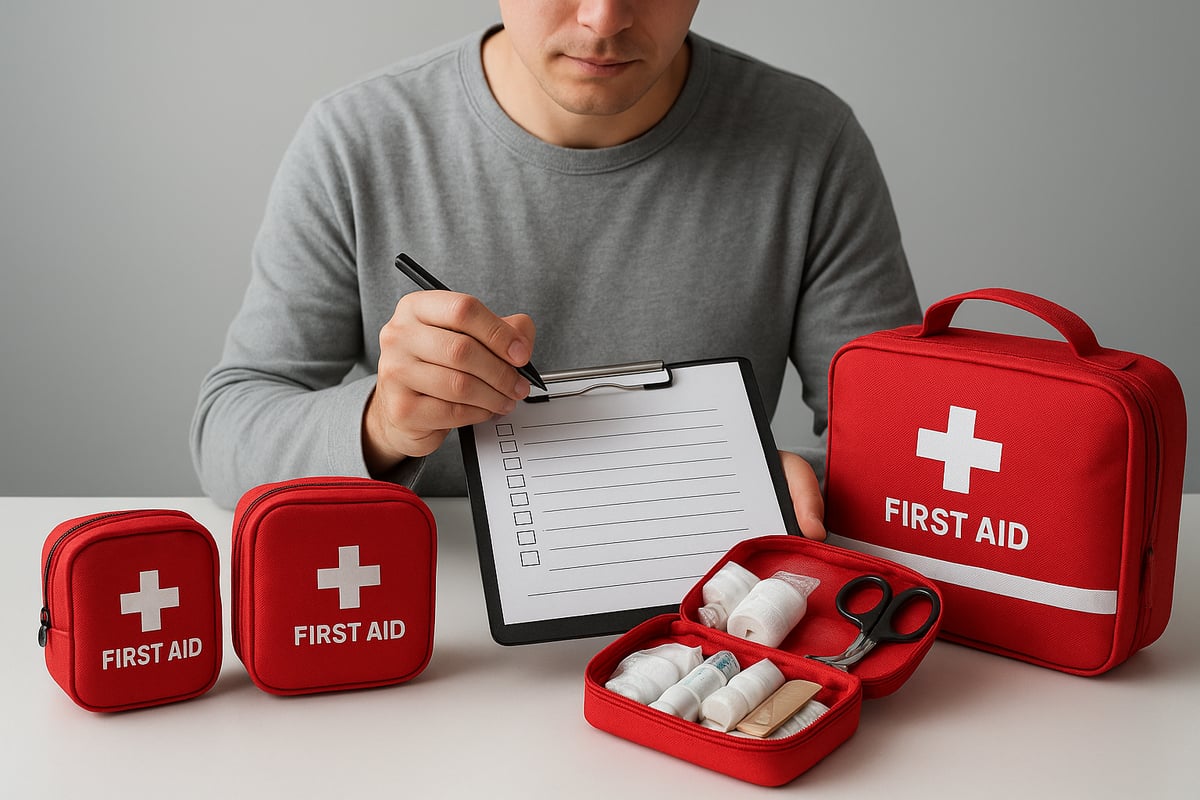
Use a checklist to compare essentials for different use cases:
- Home kits: burn treatments, allergy meds, wound care
- Travel kits: compact size, medication, blister care
- Workplace kits: bulk items, splints, eye wash
Prioritize kits that are refillable, clearly labeled, and offer customization. This approach guarantees your first aid kit pack is both practical and dependable.
Portability, Durability, and Storage
The portability and durability of a first aid kit pack are vital, especially if you need it on the go. Consider the weight, size, and water resistance of each option.
For backpacking, opt for lightweight, weatherproof kits that fit easily in your bag. For offices or warehouses, wall-mounted models with organized compartments may be best. Vehicles require kits that can withstand temperature changes and rough handling.
Evaluate storage solutions to ensure your first aid kit pack is always accessible when time matters most.
Regulatory Compliance and Certification
Workplaces and organizations must select a first aid kit pack that meets current safety standards. Compliance with regulations such as OSHA and ANSI is not only a legal requirement but also ensures adequate protection for employees and visitors.
Refer to resources like the OSHA First Aid Kit Requirements for guidance on mandatory contents and accessibility. Certification from recognized bodies provides peace of mind and reduces liability risks.
Choosing a compliant first aid kit pack demonstrates a commitment to safety and preparedness.
Price vs. Value
Finally, balance cost with the value provided by your first aid kit pack. Consider the number of people it serves, refill options, and the warranty or guarantee offered by the manufacturer.
Examine consumer trends to guide your decision. Many buyers are willing to invest more for kits with advanced features, such as modular designs or smart integration, if they offer long-term benefits and peace of mind.
Remember, the right first aid kit pack is an investment in safety, not just a purchase.
First Aid Kit Maintenance and Best Practices for 2026
Maintaining your first aid kit pack is just as important as choosing the right one. In 2026, best practices ensure that your kit is always ready for emergencies, whether at home, in the workplace, or on the road. Let us explore the essential steps to keep your first aid kit pack reliable and up to date.
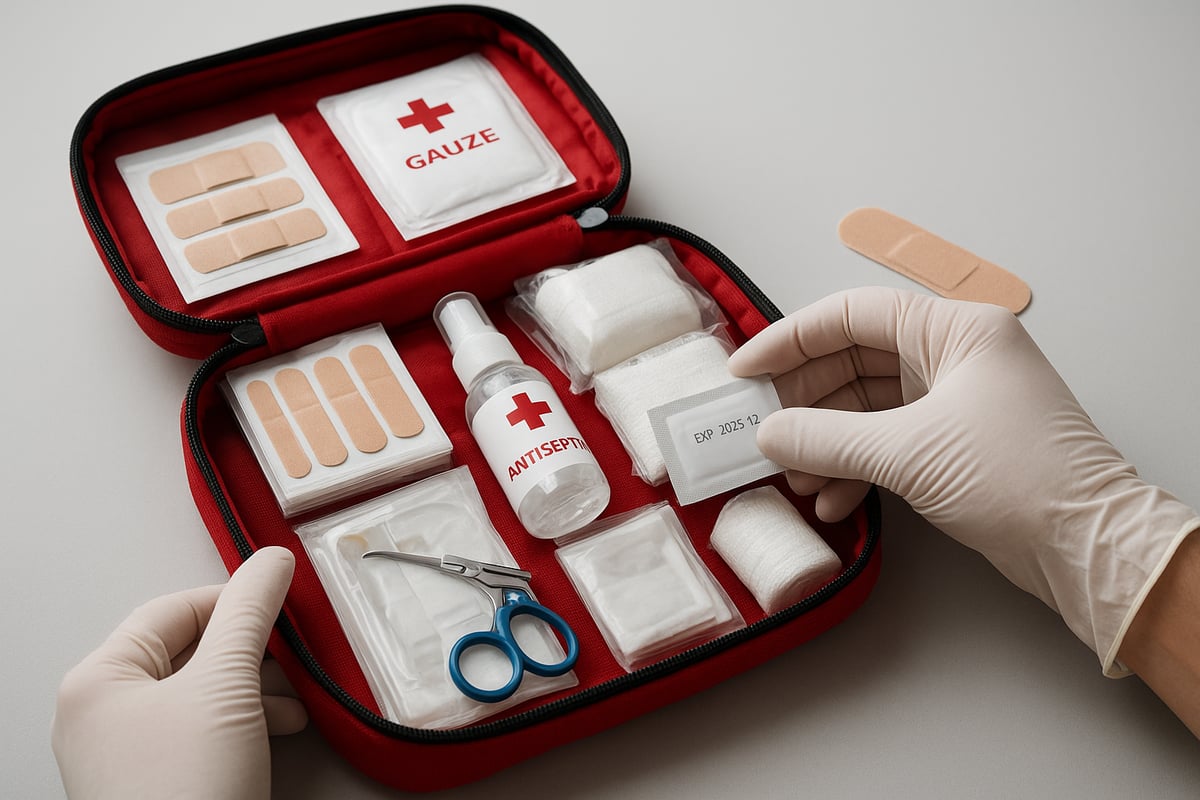
Regular Inspection and Restocking
Routine checks are vital for keeping your first aid kit pack ready for action. Set a schedule to inspect your kit monthly or at least quarterly. During each check, look for missing, damaged, or used items and replace them immediately.
Use a checklist to make inspections thorough and consistent. Digital reminders or mobile apps can help you stay on track. Keeping your first aid kit pack stocked and organized prevents delays during real emergencies and ensures you never run out of crucial supplies.
Managing Expiry Dates and Replacements
Medications, sterile dressings, and ointments in your first aid kit pack have expiration dates that must be tracked closely. Replace items before they expire, especially those with shorter shelf lives like burn creams and allergy medicines.
Critical trauma supplies such as tourniquets and hemostatic agents should also be checked for integrity and readiness. For more information on the importance of these components, see the Tourniquet for First Aid Kits guide. Staying proactive with replacements keeps your first aid kit pack effective in any situation.
Customizing Kits for Changing Needs
Your first aid kit pack should adapt as your lifestyle or environment changes. For instance, add insect bite treatments for summer trips or extra cold packs for winter sports. If your family grows or you begin new activities, update the kit accordingly.
Modular add-ons and specialty items allow you to tailor your first aid kit pack for unique requirements. Regular customization ensures your kit always matches your current risks and activities.
Storing Kits for Rapid Access
Where and how you store your first aid kit pack directly impacts emergency response. Place kits in accessible, visible locations such as kitchen cabinets, office walls, or vehicle glove compartments.
Consider labeling storage spots and informing all household or team members. In workplaces, wall-mounted kits with clear signage can save valuable time. Proper placement of your first aid kit pack supports quick, decisive action when seconds count.
Training and Emergency Preparedness
Owning a first aid kit pack is not enough—knowing how to use it matters most. Take regular first aid training and participate in emergency drills to build confidence and skill.
Explore resources like online courses, community workshops, and manufacturer guides. For a deeper dive into preparedness and kit essentials, visit the Prepper First Aid Kit Essentials guide. Continuous education ensures you and your team can make full use of your first aid kit pack when emergencies arise.
The Future of First Aid Kits: Trends to Watch in 2026 and Beyond
The future of first aid kit pack innovation is rapidly evolving, driven by technology, changing risks, and consumer demand. In 2026, smart first aid kits are becoming mainstream, offering app integration and real-time emergency guidance for users at every skill level.
AI-powered response tools are set to transform how a first aid kit pack is used, providing instant diagnostics and step-by-step assistance in critical moments. There is also a growing focus on trauma care and preparedness for mass casualty incidents, with kits designed specifically for these high-stakes scenarios.
Sustainability remains a top priority, as consumers seek eco-friendly packaging and reusable components. Market forecasts predict significant growth and ongoing innovation through 2030, fueled by these trends and more. For a deeper look at upcoming advancements, explore Technological Innovations in First Aid Kits and review the latest First Aid Kit Market Analysis 2025–2035 to stay ahead of the curve.

