
First Aid Box Manual: Essential Guide for 2026
A first aid box manual serves as the critical companion to any emergency medical kit, transforming a collection of supplies into a life-saving toolkit. Whether you're a trained medical professional, workplace safety officer, or concerned parent, having clear, accessible instructions alongside your first aid supplies ensures you can respond effectively when seconds matter. This comprehensive guide explores what makes an effective first aid box manual, how to create or customize one for your specific needs, and why this documentation is as essential as the bandages and medications themselves.
Understanding the Purpose of a First Aid Box Manual
A first aid box manual provides immediate, actionable guidance during medical emergencies when stress levels are high and decision-making can become impaired. Unlike general first aid textbooks, these manuals are designed for quick reference, offering step-by-step protocols that correspond directly to the supplies contained within your specific kit.
The manual serves multiple critical functions:
- Guides untrained individuals through basic life-saving procedures
- Refreshes the memory of trained responders during high-pressure situations
- Ensures consistency in care delivery across different responders
- Provides legal documentation of proper supply use and treatment protocols
- Helps identify when professional medical assistance is necessary
Research consistently demonstrates that individuals with access to clear, concise instructions are significantly more likely to provide effective first aid compared to those relying solely on memory or intuition.
Legal and Regulatory Considerations
Organizations maintaining first aid boxes face specific regulatory requirements regarding documentation. According to updated European first aid guidelines, workplaces must ensure their first aid provisions include appropriate instructional materials that align with current medical standards.
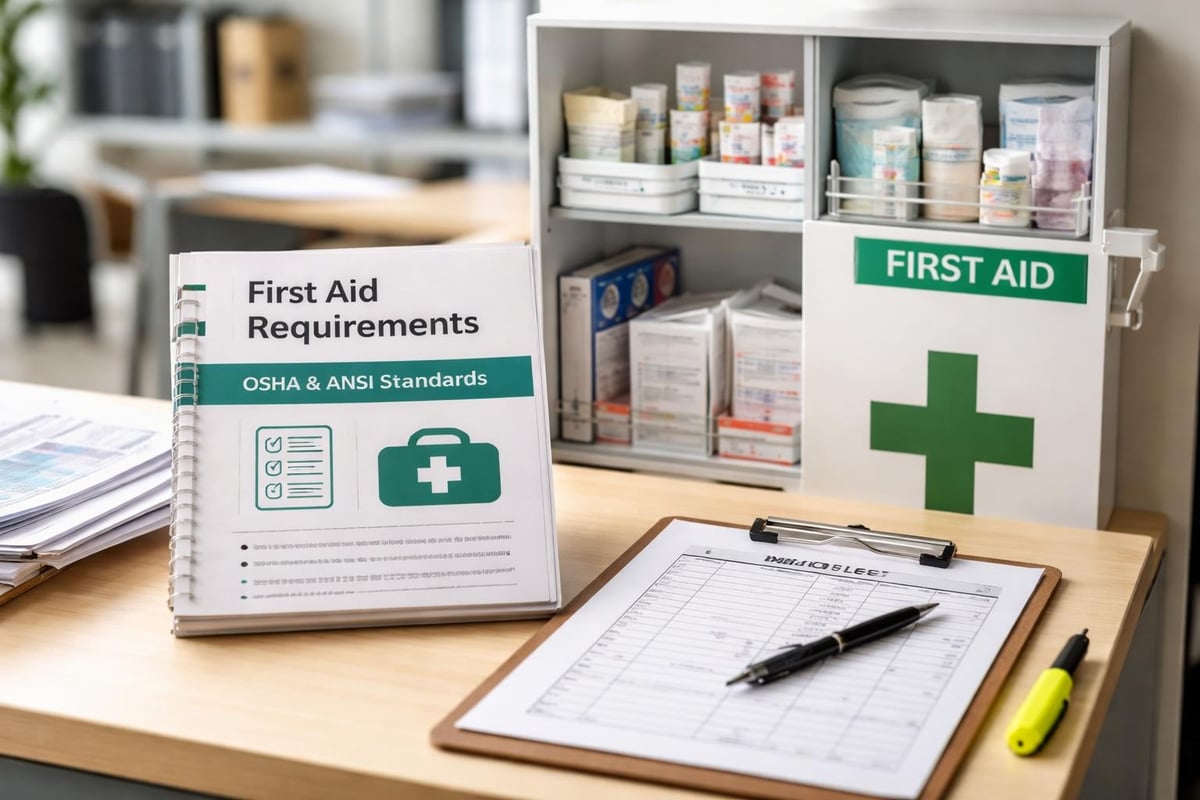
The Occupational Safety and Health Administration (OSHA) requires employers to provide adequate first aid supplies and trained personnel. While OSHA doesn't mandate specific manual formats, having comprehensive documentation demonstrates due diligence and helps protect organizations from liability.
Essential Components of an Effective First Aid Box Manual
Creating a first aid box manual requires balancing comprehensiveness with usability. The best manuals prioritize clarity and accessibility over exhaustive detail.
Emergency Response Protocols
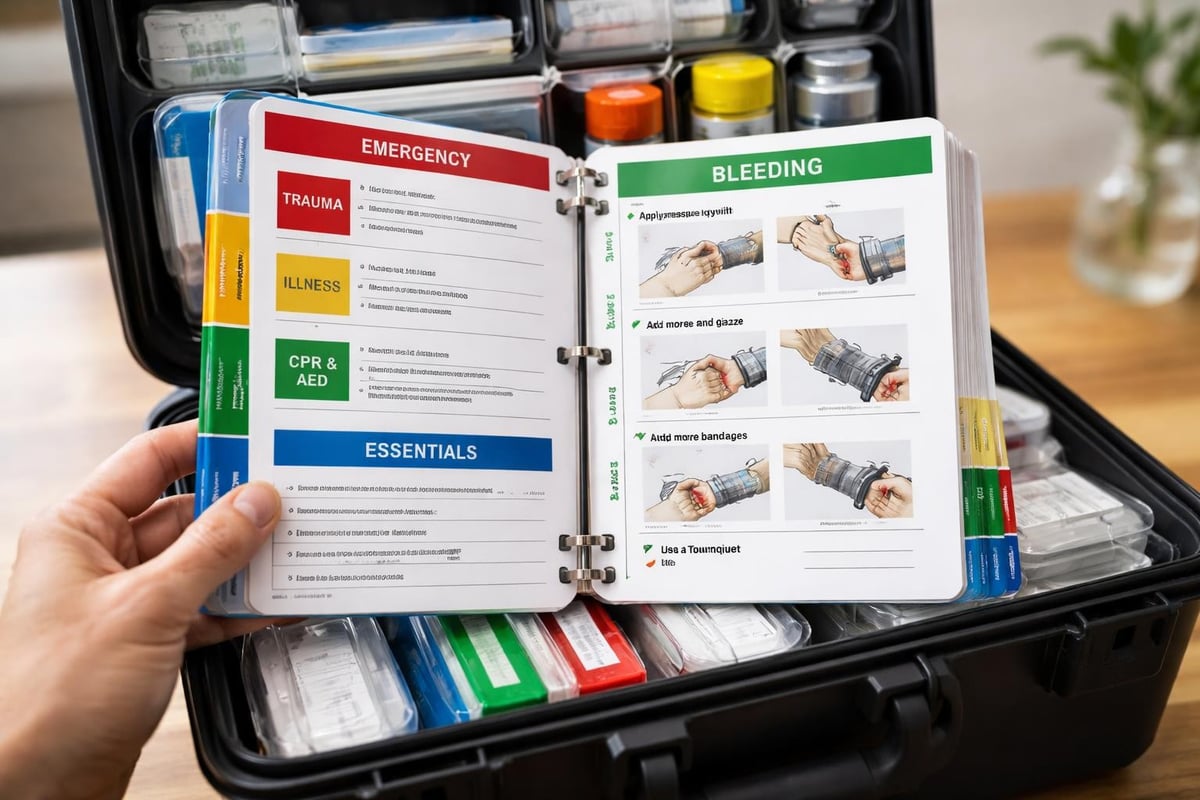
Your manual should begin with immediate action steps for the most common and serious emergencies. These sections must be clearly marked, preferably with color-coding or tabs for instant access.
Critical emergency sections include:
- Cardiac arrest and CPR procedures
- Severe bleeding and hemorrhage control
- Choking and airway obstruction
- Shock recognition and management
- Allergic reactions and anaphylaxis
- Burns and thermal injuries
- Fractures and musculoskeletal injuries
For those assembling trauma kits, the manual must include detailed instructions on using advanced supplies like tourniquets, chest seals, and hemostatic agents. Understanding how hemostatics like QuikClot and Celox work can make the difference between effective intervention and wasted supplies.
Supply Inventory and Usage Guidelines
A comprehensive first aid box manual must include a complete inventory list that corresponds exactly to your kit's contents. This section serves dual purposes: it helps responders locate needed supplies quickly and facilitates regular inventory checks to ensure nothing is expired or missing.
| Supply Category | Common Items | Manual Coverage Needed |
|---|---|---|
| Wound Care | Bandages, gauze, dressings | Application techniques, pressure points |
| Bleeding Control | Tourniquets, hemostatic agents | Placement protocols, time documentation |
| Airway Management | CPR masks, airways | Proper positioning, infection control |
| Medications | Pain relievers, antihistamines | Dosage, contraindications, allergies |
| Tools | Scissors, tweezers, thermometer | Proper use, sterilization procedures |
Each item should have a corresponding section explaining its intended use, proper application technique, and any safety warnings. For specialized items, detailed step-by-step instructions with diagrams prove invaluable.
Organizing Your First Aid Box Manual for Quick Access
The most well-written manual becomes useless if responders cannot quickly find the information they need during an emergency. Organization and formatting determine whether your manual saves time or wastes it.
Indexing and Navigation Systems
Effective navigation requires multiple access points:
- Table of contents with page numbers
- Color-coded sections by emergency type
- Alphabetical index of conditions and supplies
- Quick reference cards for the most critical procedures
- Visual flowcharts for decision-making processes
Many organizations maintain both a comprehensive manual and laminated quick-reference cards. The cards contain abbreviated instructions for common emergencies, while the full manual provides detailed guidance for complex situations.
Visual Elements and Instructional Design
Text-heavy instructions often fail during emergencies when stress impairs reading comprehension. Incorporating visual elements significantly improves usability. Step-by-step photographs or clear illustrations demonstrate proper technique far more effectively than written descriptions alone.
The St. John Ambulance First Aid Reference Guide exemplifies this approach, using diagrams and photos throughout its 400 pages to clarify complex procedures. This visual-first approach helps responders quickly understand what to do, even if they're unfamiliar with medical terminology.
Customizing Your Manual for Specific Environments
While basic first aid principles remain constant, the ideal first aid box manual varies considerably based on the environment and anticipated risks. A construction site faces different challenges than an office building, and a wilderness camping kit serves different needs than a home medicine cabinet.
Workplace-Specific Considerations
Industrial environments require specialized sections addressing common workplace hazards. Manufacturing facilities should include protocols for chemical burns, machinery-related injuries, and crush injuries. Construction sites need detailed guidance on falls, penetrating injuries, and heat-related illnesses.
Service industry locations may prioritize burns, cuts, and customer-related emergencies. Each workplace should conduct a risk assessment to identify likely scenarios and ensure their first aid box manual addresses these specific situations.
Home and Family First Aid Manuals
Residential first aid box manuals should emphasize child safety, common household injuries, and chronic condition management. Parents benefit from sections on fever management, poisoning, and minor wound care. Those with family members who have specific medical conditions should include relevant emergency protocols.
Many families keep their manual in a prominent location near their first aid supplies, ensuring anyone who enters the home during an emergency can access both supplies and instructions. Learning how to properly wrap finger wounds represents just one of many basic skills that every household manual should cover.
Outdoor and Recreation Kits
For those assembling a camping first aid kit or mountain biking emergency supplies, the accompanying manual must address wilderness medicine principles. These situations often involve delayed professional care, environmental challenges, and limited resources.
Outdoor manuals should include:
- Improvisation techniques when supplies are limited
- Environmental injury protocols (hypothermia, heat exhaustion, altitude sickness)
- Wildlife-related injuries (bites, stings, venomous encounters)
- Evacuation decision criteria
- Communication and signaling for rescue
Distance from professional medical care fundamentally changes treatment priorities. A minor injury that requires simple bandaging in an urban setting may become a serious concern when hours from the nearest hospital.
Maintaining and Updating Your First Aid Box Manual
A first aid box manual is not a static document. Medical best practices evolve, supplies change, and regulatory requirements update regularly. Establishing a maintenance schedule ensures your manual remains accurate and compliant.
Regular Review Cycles
Organizations should designate someone responsible for reviewing and updating the first aid box manual at least annually. This review should coincide with physical inventory checks, ensuring documentation matches actual supplies.
Key review triggers include:
- Changes to workplace hazards or operations
- Updates to medical protocols or guidelines
- Addition or removal of kit supplies
- Regulatory requirement changes
- Incident reviews that identify manual deficiencies
The compact emergency first aid guide revised for ANSI Z308.1-2021 standards demonstrates how professional resources adapt to updated requirements. Your internal manual should similarly evolve.
Training Integration
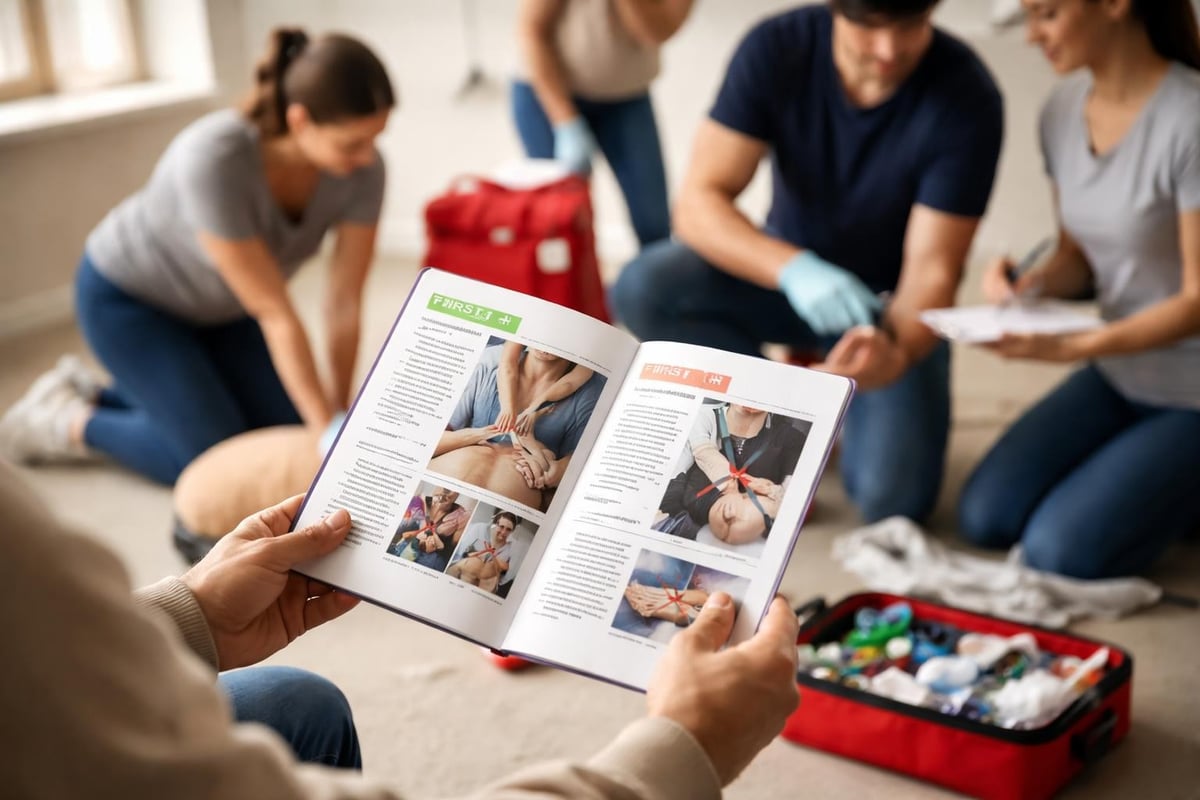
A manual serves as an excellent training tool, not just an emergency reference. New employees should review relevant sections during orientation, and regular refresher training should reference the manual to reinforce proper procedures.
Consider conducting practical exercises where team members must locate information in the manual under time pressure. These drills reveal navigation issues and help responders become familiar with the document's organization before a real emergency occurs.
Digital Versus Physical Manuals
Technology offers new options for first aid documentation, but traditional printed manuals retain distinct advantages. The optimal approach often involves both formats.
Benefits of Printed Manuals
Physical manuals work without batteries, survive in wet or dusty environments, and remain accessible when electronic devices fail. They can be laminated for durability and don't require technical knowledge to access. During power outages or in remote locations, printed materials prove more reliable than digital alternatives.
Historical resources like the American Red Cross 1918 first aid manual demonstrate the enduring value of printed documentation, having preserved critical knowledge across more than a century.
Digital Manual Advantages
Digital formats allow for easy updates, searchable content, and multimedia integration. Videos demonstrating techniques, interactive decision trees, and clickable navigation enhance usability. Digital manuals can include links to additional resources and enable quick sharing across multiple locations.
| Feature | Printed Manual | Digital Manual |
|---|---|---|
| Accessibility | No power needed | Requires device/battery |
| Updates | Manual replacement needed | Instant distribution |
| Durability | Weatherproof when laminated | Vulnerable to damage |
| Search Function | Index/table of contents only | Full-text search |
| Media | Text and images only | Video, audio, interactive elements |
| Cost | Printing/binding expenses | Platform/storage costs |
Many organizations maintain a primary printed manual in their first aid box while providing digital copies for training, review, and backup access.
Creating Custom Content for Specialized Equipment
Standard first aid manuals may not adequately address specialized or advanced equipment. Organizations maintaining professional-grade supplies need enhanced documentation.
Advanced Medical Devices
First responder kits often contain equipment that requires specific training to use safely and effectively. Blood pressure cuffs, pulse oximeters, and airway management devices need detailed instructions including normal values, troubleshooting steps, and limitations.
For tactical or high-risk environments, manuals must cover the proper use of chest seals and other trauma interventions. These life-saving devices require precise application, and mistakes can worsen injuries rather than improving outcomes.
Medication Management Sections
When first aid boxes include medications beyond basic over-the-counter pain relievers, the manual must provide comprehensive guidance. This includes proper dosing calculations, contraindications, potential allergic reactions, and drug interactions.
Epinephrine auto-injectors, for instance, require specific sections covering recognition of anaphylaxis, proper injection technique, and follow-up care. The manual should clearly state that medication administration doesn't replace professional medical care and that emergency services must always be contacted.
Documentation and Record-Keeping Requirements
Beyond treatment instructions, a comprehensive first aid box manual should include sections on proper documentation of care provided. This creates important medical records and protects both the responder and the organization.
Incident Report Templates
Standardized incident report forms ensure consistent documentation. These forms should capture essential information including:
- Date, time, and location of incident
- Names and contact information for injured person and witnesses
- Description of injury or illness
- First aid treatment provided
- Supplies used from the kit
- Recommendation for further medical care
- Follow-up actions taken
Maintaining these records helps identify patterns that might require additional safety measures, supports workers' compensation claims when applicable, and provides legal protection by demonstrating appropriate care was provided.
Consent and Liability Considerations
First aid box manuals should include a section on consent, explaining when implied consent applies in emergencies versus situations requiring explicit permission. This is particularly important in workplace settings where responders may be treating colleagues or customers.
Clear documentation that the responder followed protocols outlined in the manual demonstrates adherence to established standards of care, which provides significant legal protection should questions arise about the treatment provided.
Building Confidence Through Comprehensive Documentation
Perhaps the most overlooked benefit of a well-crafted first aid box manual is the confidence it provides to potential responders. Many people hesitate to help during emergencies because they fear making mistakes or causing additional harm.
A clear, accessible manual reduces this hesitation by providing explicit guidance. When someone knows they can quickly reference step-by-step instructions, they're more likely to take action rather than freezing or waiting for someone else to respond.
Supporting Diverse Skill Levels
Effective first aid box manuals accommodate both trained medical professionals and complete novices. This requires layered information: quick action steps for anyone to follow, followed by more detailed explanations for those with training who need to make clinical decisions.
The U.S. Department of Defense first aid manual demonstrates this approach, providing comprehensive guidance suitable for military medics while remaining accessible to soldiers with basic first aid training.
Language and Clarity Standards
Instructions must use plain language, avoiding unnecessary medical jargon. When technical terms are unavoidable, include clear definitions. Sentence structure should be simple and direct, using active voice and imperative mood for instructions.
Consider the literacy levels and language diversity of your expected users. Multilingual manuals or pictogram-based instructions may be necessary in certain environments to ensure everyone can access critical information.
Integration with Emergency Action Plans
A first aid box manual should not exist in isolation but rather integrate seamlessly with broader emergency preparedness systems. This includes coordination with emergency action plans, evacuation procedures, and communication protocols.
The manual should clearly explain when and how to contact emergency services, what information to provide to dispatchers, and how to prepare for the arrival of professional responders. It should reference other emergency resources available in the location and explain the chain of command during serious incidents.
For organizations with multiple first aid stations, the manual should identify the location of other kits and any specialized equipment that might be needed for particular emergencies. This system-wide perspective ensures responders can access all available resources quickly.
Developing and maintaining a comprehensive first aid box manual represents a critical investment in emergency preparedness that complements quality medical supplies. When knowledge and equipment come together, individuals gain the confidence and capability to save lives during those crucial minutes before professional help arrives. Whether you're equipping a workplace, preparing your family, or building a specialized response kit, Medical Gear Outfitters combines paramedic expertise with professional-grade supplies to ensure you're truly prepared for any emergency situation.

