Company First Aid: Essential Guide for 2026 Compliance
Every workplace faces potential medical emergencies, from minor cuts and burns to life-threatening situations requiring immediate intervention. Company first aid programs serve as the critical first line of defense when accidents occur, bridging the gap between the moment of injury and professional medical care. For business owners, safety managers, and medical professionals alike, understanding the comprehensive requirements and best practices for workplace medical preparedness has never been more important. This guide explores the regulatory landscape, practical implementation strategies, and equipment considerations that define effective company first aid programs in 2026.
Understanding Company First Aid Regulatory Requirements
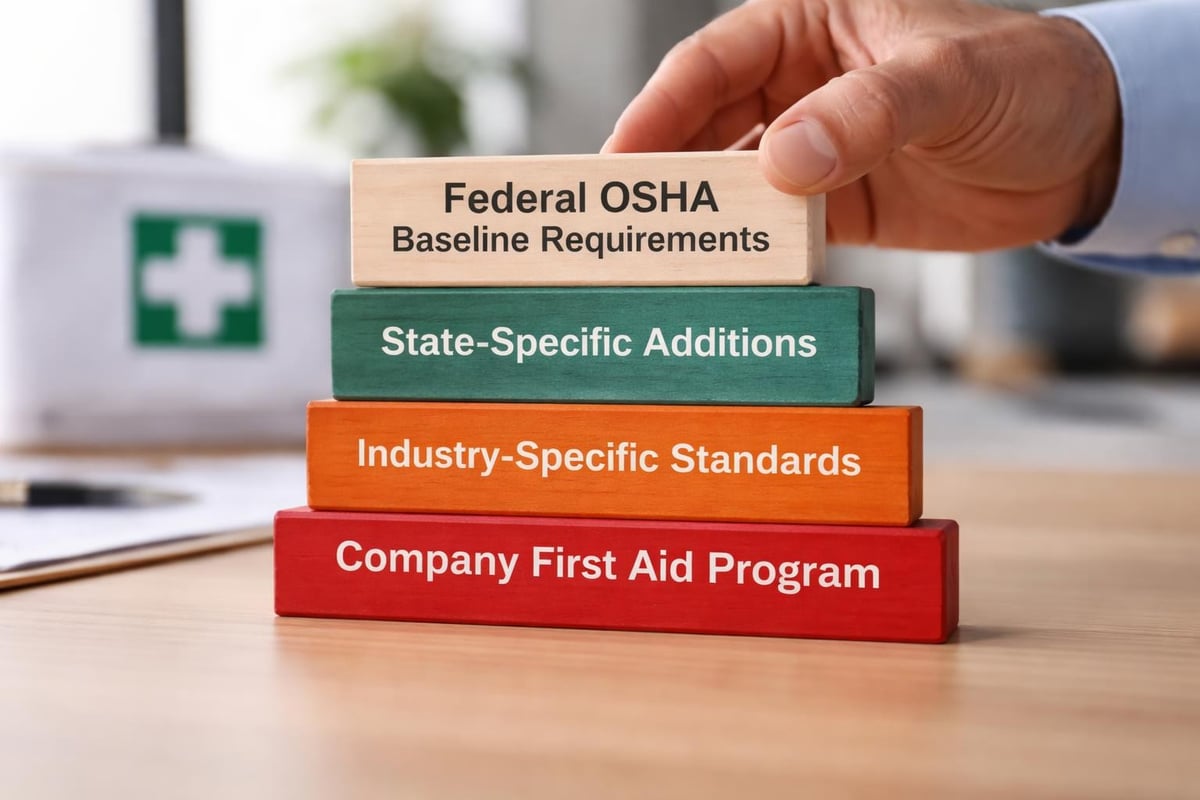
The foundation of any company first aid program begins with regulatory compliance. The Occupational Safety and Health Administration (OSHA) establishes baseline requirements for medical services and first aid in workplaces across the United States. These regulations mandate that employers provide appropriate medical and first aid personnel and supplies commensurate with the hazards of their workplace.
Federal OSHA Standards
OSHA regulation 29 CFR § 1910.151 requires employers to ensure quick access to medical personnel for advice and consultation on matters of workplace health. In the absence of an infirmary, clinic, or hospital in near proximity to the workplace, a person or persons must be adequately trained to render first aid. This standard applies to general industry workplaces and sets the minimum expectation for medical emergency preparedness.
The regulation also mandates that adequate first aid supplies must be readily available. What constitutes "adequate" depends on several factors including:
- Size and location of the workplace
- Types of hazards present
- Number of employees per shift
- Distance to emergency medical services
State-Specific Regulations
Many states implement additional requirements beyond federal OSHA standards. California's regulations, for instance, specify detailed requirements for first aid supplies and trained personnel based on workplace size and hazard levels. Companies operating across multiple states must ensure compliance with the most stringent applicable standards.
ANSI Standards and Best Practices for Company First Aid Kits
While OSHA establishes mandatory requirements, the ANSI/ISEA Z308.1 standard provides specific guidance on workplace first aid kit and supply contents. This voluntary consensus standard helps employers determine appropriate kit configurations based on workplace size and hazard assessment.
ANSI Kit Classifications
The ANSI standard defines two primary kit types:
| Kit Type | Intended Use | Minimum Items | Recommended For |
|---|---|---|---|
| Class A | Basic workplace hazards | 141 pieces | Offices, retail, low-hazard environments |
| Class B | Complex/high-hazard environments | 226 pieces | Manufacturing, construction, warehouses |
Essential Components
A comprehensive company first aid kit should include multiple categories of supplies. Beyond basic adhesive bandages and gauze, modern workplace kits incorporate advanced components:
Wound Care and Bleeding Control:
- Various sizes of sterile gauze pads and rolls
- Adhesive bandages in multiple configurations
- Hemostatic agents for severe bleeding
- Compression bandages and triangular bandages
- Tourniquets for life-threatening hemorrhage control
Burn Treatment:
- Burn gel packets and burn dressings
- Cold packs for immediate thermal injury response
- Specialized coverings to prevent infection
Personal Protection:
- Multiple pairs of nitrile gloves in various sizes
- CPR face shields and barrier devices
- Eye protection and face masks
Instruments and Medications:
- Scissors, tweezers, and safety pins
- Antiseptic wipes and hand sanitizer
- Pain relievers and antihistamines (when appropriate)
- Emergency contact information cards
The specific contents of your complete first aid kits should align with your workplace hazard assessment and regulatory requirements.
Conducting a Workplace Hazard Assessment
No two workplaces are identical, and company first aid programs must reflect the specific risks employees face. A thorough hazard assessment forms the foundation of an effective medical emergency response strategy.
Hazard Identification Process
Begin by systematically evaluating each work area and job function. Consider both routine operations and potential emergency scenarios:
- Physical hazards: Machinery, sharp objects, thermal exposure, heights, confined spaces
- Chemical hazards: Corrosives, irritants, toxic substances, reactive materials
- Biological hazards: Bloodborne pathogens, infectious materials, animal contact
- Environmental hazards: Extreme temperatures, remote locations, limited access
- Activity-based hazards: Repetitive motions, heavy lifting, vehicle operation
Risk Severity and Frequency
Assess both the potential severity of injuries and their likelihood of occurrence. A manufacturing facility with heavy equipment requires different medical supplies than a corporate office environment. High-hazard operations may necessitate trauma kits designed for severe injuries, while lower-risk environments can focus on treating common workplace injuries.
Document your findings comprehensively. This assessment becomes the justification for your supply selections and training investments, demonstrating regulatory compliance and due diligence.
Strategic Placement and Accessibility
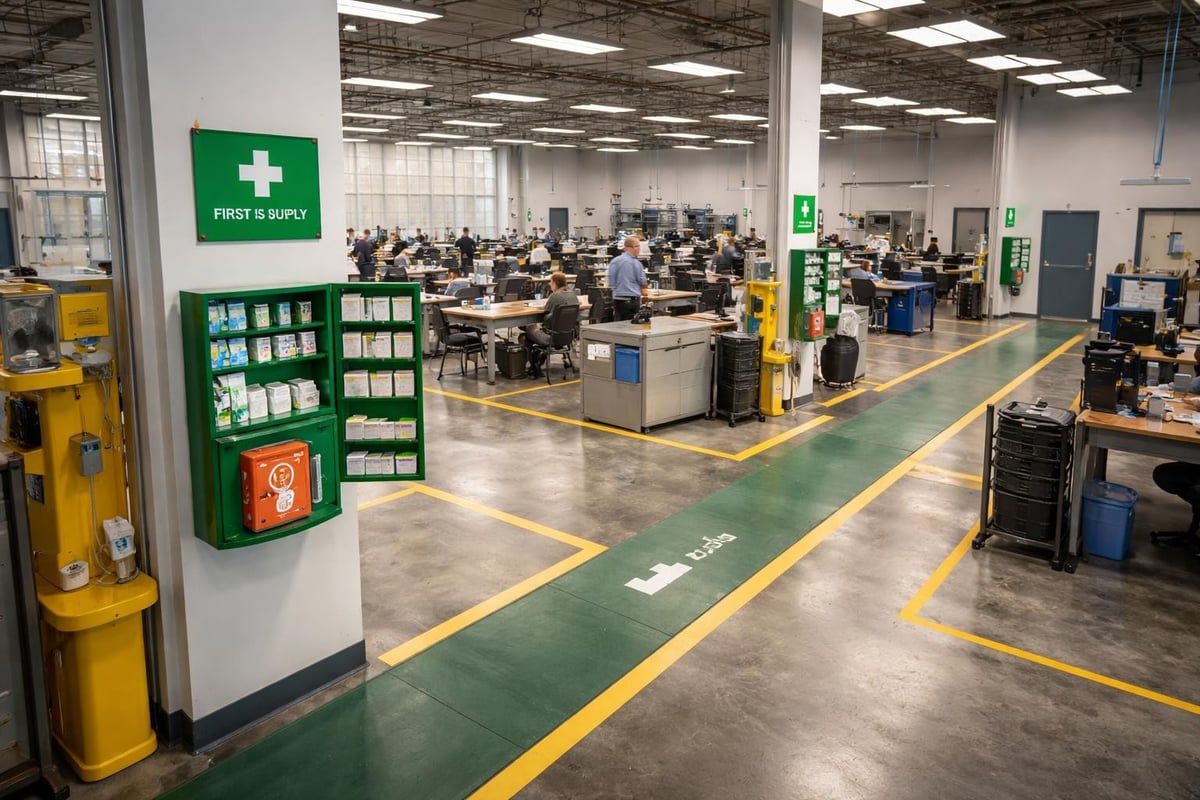
Even the most comprehensive company first aid supplies prove useless if employees cannot access them quickly during emergencies. Strategic placement and clear identification are critical success factors.
Location Criteria
Position first aid stations based on these principles:
- Travel time: No employee should be more than 3-4 minutes from medical supplies
- Hazard proximity: Place enhanced supplies near high-risk work areas
- Visibility: Use clear signage and standardized markings
- Accessibility: Ensure 24/7 access without keys or special permissions
- Protection: Shield supplies from contamination, moisture, and temperature extremes
Multiple Station Approach
Larger facilities benefit from a tiered approach:
Primary stations: Comprehensive kits including response kits with advanced supplies Secondary stations: Moderate-sized kits for common injuries Point-of-use supplies: Small kits near specific hazards Mobile kits: Portable supplies for outdoor work or vehicle operations
Training Requirements for Company First Aid
Supplies alone do not constitute an effective program. OSHA's best practices guide emphasizes that trained personnel are essential to workplace medical emergency preparedness.
Minimum Training Standards
The number of trained employees depends on workplace size, shift schedules, and hazard levels. Consider these factors:
- One trained individual per shift minimum
- Additional trained personnel for large facilities
- Backup coverage for vacations and absences
- Special training for unique workplace hazards
Training Content Areas
Effective company first aid training should cover:
- Emergency response protocols: When to call 911, scene safety, information to communicate
- Basic life support: CPR and AED operation
- Bleeding control: Direct pressure, tourniquet application, wound packing
- Shock management: Recognition and treatment
- Burns, fractures, and common injuries: Appropriate first aid interventions
- Workplace-specific scenarios: Based on your hazard assessment
Refresher training should occur at least every two years, with more frequent updates for high-hazard environments.
Inventory Management and Maintenance
A company first aid program requires ongoing attention to remain effective. Expired supplies, depleted inventory, and outdated equipment undermine emergency response capabilities.
Regular Inspection Schedule
| Inspection Type | Frequency | Key Elements |
|---|---|---|
| Quick check | Weekly | Seal intact, visible damage, obvious shortages |
| Detailed inventory | Monthly | Expiration dates, quantity verification, supply rotation |
| Comprehensive audit | Quarterly | Complete restocking, equipment testing, documentation review |
| Annual evaluation | Yearly | Program effectiveness, regulatory compliance, needs assessment |
Restocking Protocols
After any medical emergency, immediately replenish used supplies. Don't wait for scheduled inspections. Designate specific personnel responsible for inventory management and provide them with:
- Detailed inventory lists and par levels
- Approved vendor information and ordering procedures
- Budget authorization for emergency purchases
- Documentation forms for tracking usage and incidents
Consider establishing a relationship with specialized suppliers who understand workplace medical requirements. Professional-grade supplies from companies like Medical Gear Outfitters ensure quality and reliability when emergencies occur.
Documentation and Record-Keeping
Comprehensive documentation serves multiple purposes: demonstrating regulatory compliance, tracking program effectiveness, identifying trends, and providing legal protection.
Required Documentation
Maintain these essential records:
Training records: Names, dates, instructor credentials, topics covered, certification expiration dates
Incident reports: Date, time, injured party, injury description, treatment provided, outcome, witnesses
Inspection logs: Date, inspector name, findings, corrective actions, completion verification
Hazard assessments: Initial assessment, updates, identified risks, mitigation strategies
Retention Requirements
OSHA requires retention of certain medical and exposure records for the duration of employment plus 30 years. Consult with legal counsel regarding specific requirements for your industry and jurisdiction. Implement secure storage systems that protect confidentiality while ensuring accessibility when needed.
Advanced Considerations for High-Risk Environments
Some workplaces face elevated risks requiring enhanced company first aid capabilities beyond basic compliance. Manufacturing facilities, construction sites, remote operations, and hazardous material handling demand specialized preparation.
Specialized Equipment Needs
High-risk environments may require:
- Airway management: Advanced airway and breathing equipment including bag-valve masks and adjuncts
- Hemorrhage control: Combat-proven tourniquets, hemostatic dressings, pressure bandages
- Chest injuries: Chest seals for penetrating trauma
- Chemical exposure: Eyewash stations, emergency showers, specific antidotes
- Environmental emergencies: Hypothermia prevention, heat stress treatment
Remote and Mobile Operations
Companies with field personnel, construction crews, or remote locations face unique challenges. Each vehicle or remote team should have appropriate medical supplies and trained personnel. GPS coordinates and detailed location information become critical for emergency services dispatch.
Integration with Emergency Action Plans
Company first aid programs function most effectively when integrated into comprehensive emergency action plans. Medical emergencies don't occur in isolation; they may accompany fires, chemical releases, severe weather, or active threats.
Coordination Elements
Your medical emergency response should coordinate with:
- Evacuation procedures and assembly points
- Emergency communication systems
- Local EMS and hospital notification protocols
- Incident command structures
- Business continuity planning
Regular drills that incorporate medical scenarios help identify gaps and build organizational muscle memory. Practice scenarios specific to your identified hazards, and include external emergency responders when possible.
Cost-Benefit Analysis of Comprehensive Programs
Investing in robust company first aid capabilities delivers measurable returns that extend beyond regulatory compliance.
Quantifiable Benefits
Reduced severity: Immediate, proper treatment limits injury progression and complications
Lower costs: Effective first aid can prevent minor injuries from becoming recordable incidents requiring extensive medical treatment
Decreased downtime: Faster return-to-work for treated employees
Insurance benefits: Many carriers offer premium reductions for comprehensive safety programs
Legal protection: Demonstrated commitment to employee safety provides defense against negligence claims
Intangible Advantages
Beyond financial metrics, comprehensive programs improve workplace culture, boost employee morale, and demonstrate organizational values. Workers feel valued when employers invest in their safety and wellbeing.
Continuous Improvement Strategies
The most effective company first aid programs evolve based on experience, changing regulations, and emerging best practices.
Program Evaluation Metrics
Track these indicators to assess program effectiveness:
- Number and types of incidents treated
- Response times from injury to treatment
- Supply utilization patterns
- Training participation and comprehension
- Employee satisfaction with program
- Regulatory audit results
- Near-miss incidents and lessons learned
Staying Current
Medical emergency response practices evolve as research reveals improved techniques and equipment. Stay informed through:
- Professional associations and safety organizations
- Industry publications and webinars
- Equipment manufacturer training and updates
- Regulatory agency guidance documents
- Post-incident reviews and peer benchmarking
Allocate time and resources for designated program administrators to pursue ongoing education and maintain awareness of developments in workplace medical emergency response.
Selecting Quality Supplies and Vendors
The quality of your medical supplies directly impacts their effectiveness during emergencies. Substandard equipment may fail when needed most, potentially worsening outcomes and creating liability.
Evaluation Criteria
When selecting supplies and vendors, consider:
Quality standards: Look for products meeting recognized standards (FDA approved, ANSI compliant, military specifications)
Shelf life: Longer expiration dates reduce replacement frequency and costs
Packaging: Individual packaging maintains sterility and allows precise inventory
Vendor expertise: Suppliers with medical backgrounds provide valuable guidance
Support services: Training resources, technical support, and customization capabilities
Working with vendors who understand emergency medical care ensures you receive appropriate products for your specific needs. Companies operated by medical professionals bring practical experience to product selection and program design.
Building and maintaining an effective company first aid program requires attention to regulatory requirements, thoughtful hazard assessment, quality equipment, trained personnel, and ongoing commitment to continuous improvement. These elements combine to create workplaces where employees can respond confidently and effectively when medical emergencies occur. Whether you're establishing a new program or enhancing existing capabilities, partnering with experienced suppliers ensures access to professional-grade equipment and expert guidance. Medical Gear Outfitters provides the high-quality supplies and paramedic-informed expertise necessary to build comprehensive workplace medical emergency response programs that protect your most valuable asset: your people.

