Guide to First Aid Kit Alcohol: Uses, Safety, and Tips 2026
Imagine you are faced with a sudden injury and instinctively reach for your first aid kit alcohol. Do you feel confident about how and when to use it? Many people are unsure about the right steps, which can make emergencies even more stressful.
This guide will demystify first aid kit alcohol, giving you the knowledge you need for safe and effective use in 2026. You will learn about the types found in kits, medical uses, safety tips, storage, and common mistakes to avoid.
Quick answer: First aid kit alcohol (usually isopropyl/rubbing alcohol, ideally around 70%) is best for disinfecting intact skin, cleaning instruments like tweezers and scissors, prepping skin before injections, and sanitizing hands and surfaces. It is not recommended directly inside open wounds, burns, or near the eyes, because it stings and can damage healing tissue, irrigate those with clean water or saline instead. Use it in a ventilated area, keep it away from flames, and store it sealed in a cool, dark place out of reach of children and pets. Full uses, safety, concentration, and storage guidance below. Educational only — not medical advice.
By the end, you will feel prepared and confident to handle emergencies with the right information. Let’s get started on building your expertise and peace of mind.
Understanding First Aid Kit Alcohol: Types and Properties
Reaching for first aid kit alcohol in an emergency is second nature for many, yet few understand the science behind this vital supply. Knowing its types, properties, and recent updates can empower you to make informed choices in any situation.

What is First Aid Kit Alcohol?
First aid kit alcohol refers to the antiseptic liquids and wipes commonly included in medical kits for disinfecting skin, wounds, and surfaces. The two primary types found are isopropyl alcohol and ethyl alcohol. They are usually present in concentrations like 70 percent or 90 percent, as these levels maximize germ-killing effectiveness while minimizing skin irritation.
These alcohols are chosen for their broad-spectrum antimicrobial properties, targeting bacteria, viruses, and some fungi. Unlike drinking alcohol, first aid kit alcohol is strictly for external use and is formulated to meet medical safety standards. Its quick action and versatility make it a staple in emergency preparedness.
Types of Alcohol Used in First Aid Kits
The most common forms of first aid kit alcohol are isopropyl alcohol and ethyl alcohol. Isopropyl alcohol, often labeled as rubbing alcohol, is favored for its rapid evaporation and potent disinfectant ability. Ethyl alcohol, the same type found in hand sanitizers, shares similar germicidal effects but can be gentler on the skin.
Both types are available in wipes, sprays, and liquid bottles. They are effective against a range of microbes, but isopropyl alcohol is generally more potent against bacteria and viruses, while ethyl alcohol excels in hand hygiene. Regulatory agencies, including the FDA and CDC, recommend using these alcohols in concentrations between 60 and 90 percent for reliable disinfection. Product labels in first aid kits always indicate the type and strength for safe selection.
How Alcohol Works as a Disinfectant
First aid kit alcohol acts by denaturing proteins and disrupting the cell membranes of harmful microorganisms. This process rapidly inactivates most bacteria, viruses, and some fungi within seconds to minutes. The speed of action depends on the alcohol concentration and the type of germ present.
However, alcohol is not effective against all pathogens. For example, bacterial spores and certain non-enveloped viruses may resist its effects. Studies show that 70 percent isopropyl alcohol can kill common germs like Staphylococcus and E. coli within 30 seconds. Still, its efficacy drops if organic material, such as blood or dirt, is present. Using the correct type and concentration ensures optimal protection.
Alcohol in First Aid Kits: 2026 Updates
Recent years have seen regulatory and product innovations in first aid kit alcohol. In 2026, updates to the isopropyl alcohol monograph have introduced stricter purity and labeling requirements to enhance safety and transparency. New trends include alcohol-based disinfectant wipes, sprays, and gels that offer convenience and reduce waste.
Manufacturers are shifting toward eco-friendly packaging and child-safe closures. These changes reflect growing awareness of environmental impact and accidental exposure risks. For detailed information on regulatory changes effective March 2026, refer to the Isopropyl Alcohol Monograph Revision. Market statistics indicate rising demand for first aid kit alcohol, especially in compact and travel-ready formats.
Medical Uses of Alcohol in First Aid Kits
Alcohol is one of the most versatile items in your emergency supplies. When used correctly, first aid kit alcohol can prevent infections and support recovery. Let’s explore its medical uses, from wound care to surface cleaning, and when to avoid it.
Wound Cleaning and Disinfection
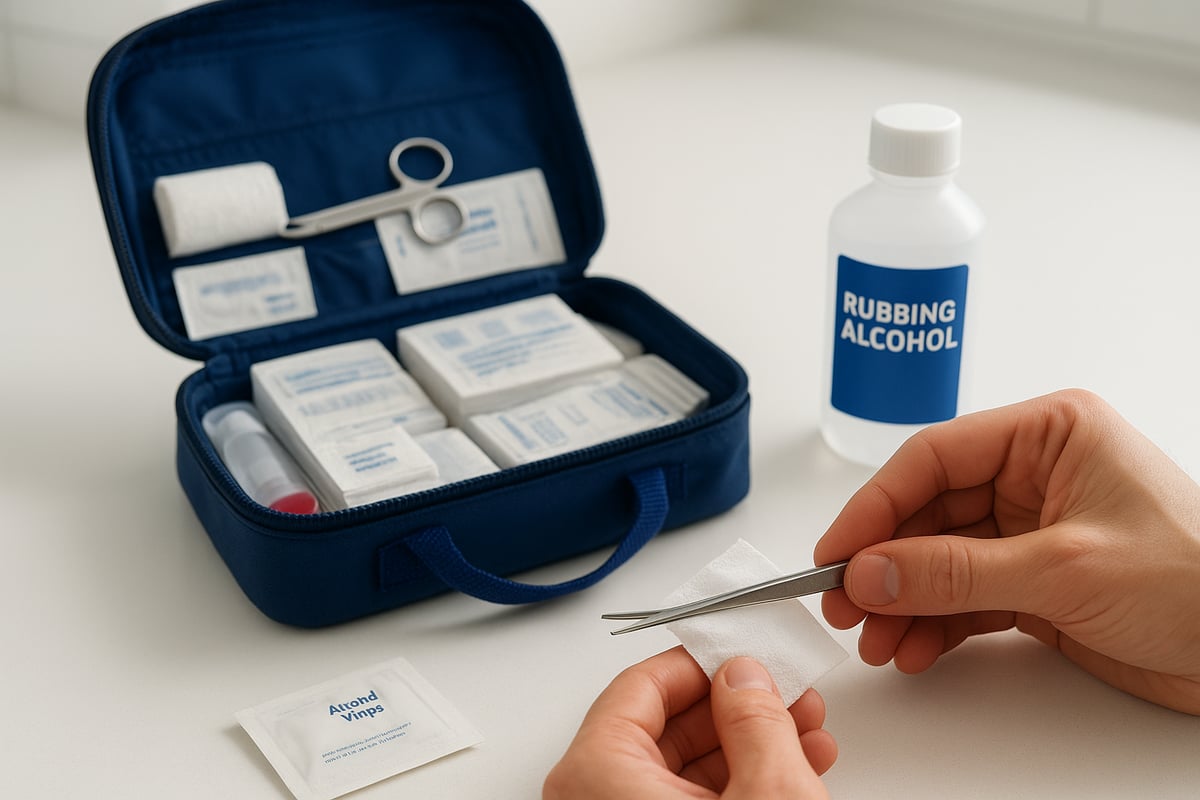
First aid kit alcohol is commonly used for cleaning minor cuts and scrapes. To disinfect a wound, wash your hands, gently clean the area with water, then dab a sterile pad soaked in alcohol around the wound. Avoid pouring alcohol directly onto the injury, as this can cause tissue irritation.
Alcohol is best for superficial wounds, not deep cuts or punctures. Studies show first aid kit alcohol reduces surface bacteria, helping prevent infection. However, overuse may delay healing by damaging healthy skin cells. Always evaluate the wound’s depth before choosing alcohol for disinfection.
Surface and Instrument Disinfection
Disinfecting tools like tweezers, scissors, and thermometers is crucial to avoid cross-contamination. First aid kit alcohol is ideal for this task. Wipe instruments thoroughly, ensuring all surfaces are covered, and let them air dry for maximum antimicrobial effect.
In both home and clinical settings, using alcohol to clean instruments before and after use is a best practice. Consistent use of first aid kit alcohol for surface disinfection helps reduce the risk of spreading germs between individuals and ensures safe first aid procedures.
Hand Sanitization in Emergencies
When soap and water are unavailable, first aid kit alcohol can serve as an effective hand sanitizer. Apply a generous amount to your hands, rubbing all surfaces until dry. Alcohol-based sanitizers with at least 60 percent alcohol eliminate many common pathogens quickly.
However, first aid kit alcohol may not be effective if hands are visibly dirty or greasy. It is a temporary solution in emergencies, not a substitute for thorough handwashing. Keep alcohol-based hand sanitizers in your kit for situations when water access is limited.
Other Common Uses
Beyond wound and instrument care, first aid kit alcohol has several other practical uses. It can clean insect bites and stings, remove sticky residue from bandages, and prepare skin for injections or blood sugar testing. Some users report success using alcohol wipes to sanitize small personal items in a pinch.
Real-world experiences show that having first aid kit alcohol on hand increases preparedness for unexpected issues. Its versatility makes it a must-have for travel, outdoor activities, and everyday emergencies.
When NOT to Use Alcohol
There are times when first aid kit alcohol should be avoided. Do not use it on large, open, or deep wounds, as it can cause pain and slow healing. Alcohol should also be kept away from burns, mucous membranes, and sensitive skin. Children and the elderly are especially vulnerable to irritation and accidental exposure.
For more details on safe use for children, see the First Aid Supplies for Children guide. Always check CDC and FDA recommendations to ensure you are using first aid kit alcohol safely and appropriately.
Safe Handling and Application: Best Practices for 2026
Handling first aid kit alcohol correctly is crucial for safety and effectiveness. With evolving guidelines and new product formats available in 2026, knowing the best practices can prevent accidents and maximize the benefits of your first aid kit alcohol. Whether you are at home, in the workplace, or outdoors, following the right steps ensures you are always prepared.

Step-by-Step Guide to Using First Aid Kit Alcohol Safely
Using first aid kit alcohol involves more than just pouring it on a wound. Begin by washing your hands thoroughly. Prepare the area by cleaning dirt and debris with water first. Apply first aid kit alcohol using a sterile pad or wipe, gently dabbing instead of rubbing to minimize irritation.
Dos:
- Use first aid kit alcohol only on minor wounds or for disinfecting tools.
- Allow alcohol to air dry for optimal germ-killing effect.
- Follow instructions on the label for concentration and application.
Don’ts:
- Do not use first aid kit alcohol on deep, large, or severe wounds.
- Avoid excessive application, which can damage healthy skin.
- Never mix with other disinfectants.
Common mistakes include using too much product or applying it to inappropriate injuries. In real-life situations, such as at a campsite or in the office, always assess the injury first and choose the correct method for applying first aid kit alcohol.
Storage and Shelf Life
Proper storage extends the life and effectiveness of first aid kit alcohol. Store products in a cool, dry place away from sunlight and heat sources. Childproof storage is essential to prevent accidental ingestion. Always check expiration dates before use. According to First Aid Kit Alcohol Safety Guidelines, expired alcohol may lose its potency and should be replaced promptly.
Shelf Life Table:
| Type | Typical Shelf Life | Storage Tip |
|---|---|---|
| Isopropyl Alcohol | 2-3 years | Keep sealed tightly |
| Alcohol Wipes | 1-2 years | Avoid moisture |
Dispose of unused or expired first aid kit alcohol by following local hazardous waste guidelines.
Potential Side Effects and First Aid
While first aid kit alcohol is generally safe, some users may experience skin irritation, dryness, or mild allergic reactions. If redness or rash develops, discontinue use and wash the area with water.
If first aid kit alcohol accidentally gets into the eyes, flush immediately with water for at least 15 minutes. In case of ingestion, do not induce vomiting and contact poison control right away.
Poison Control Hotline (2026): 1-800-222-1222
Adverse events are rare but can occur, so always monitor for signs of severe reactions.
Safety for Children, Pets, and Vulnerable Populations
Child-resistant packaging has become standard for first aid kit alcohol in 2026, reflecting increased awareness of accidental exposures. Always keep products out of reach of children and pets. Statistics show that improper storage remains a leading cause of pediatric exposures.
For sensitive groups, such as young children, the elderly, or those with skin conditions, use first aid kit alcohol cautiously. Opt for lower concentrations or alternative disinfectants when appropriate. Consult a healthcare provider if unsure about safe usage for vulnerable individuals.
Legal and Regulatory Considerations
In 2026, labeling requirements for first aid kit alcohol now include clearer usage instructions and hazard warnings. When transporting first aid kit alcohol, especially by air, check airline restrictions on liquid volumes and flammable substances.
Workplaces and schools may have updated policies on storage and access to first aid kit alcohol. Stay informed about any changes in regulations to ensure compliance and safety.
Recent regulatory updates focus on improving consumer safety and reducing accidental exposures, underscoring the importance of following best practices.
Common Mistakes and Misconceptions About First Aid Kit Alcohol
Understanding how to use first aid kit alcohol correctly is essential for safe and effective emergency care. Many people unknowingly make mistakes or believe myths that can compromise results. Let us address the most common pitfalls and set the record straight.
Misconceptions About Effectiveness
A widespread misconception is that first aid kit alcohol is a cure-all for any wound. Many believe that alcohol always prevents infection, no matter the injury type or size. In reality, alcohol is best for disinfecting minor cuts or abrasions, not deep or large wounds.
Overusing first aid kit alcohol can actually delay healing. Alcohol kills bacteria by denaturing proteins but can also damage healthy skin cells, slowing tissue repair. Studies show that using alcohol on open wounds may increase pain and irritation without significantly reducing infection risk compared to milder cleansers.
Remember, first aid kit alcohol is not effective against all pathogens, such as bacterial spores. For optimal results, use alcohol for surface disinfection or minor skin cleaning and follow up with proper wound care. Always rely on evidence, not assumptions, when treating injuries.
Improper Application Methods
Incorrect use of first aid kit alcohol is more common than most realize. Some people soak wounds excessively, while others use too little to disinfect properly. Applying alcohol to deep wounds or burns can cause severe pain and tissue damage.
Proper technique matters. Gently dab, do not rub, alcohol on minor cuts. Avoid using alcohol on mucous membranes or sensitive skin. Inappropriate application can worsen injuries or cause unnecessary discomfort.
For a practical breakdown of correct and incorrect methods, consult the Individual First Aid Kits Guide. It highlights common errors and best practices for first aid kit alcohol, helping you avoid preventable mistakes.
Mixing Alcohol with Other First Aid Products
Combining first aid kit alcohol with other disinfectants, such as hydrogen peroxide or iodine, is risky. These chemicals can react, causing skin irritation or reducing each other's effectiveness. Layering ointments or creams immediately after alcohol may also trap residue and delay healing.
Manufacturers and health experts warn against mixing products unless specifically directed. Always use one disinfectant at a time, allowing it to dry before applying dressings. If you are unsure about product compatibility, consult packaging instructions or a healthcare professional.
Keep your first aid kit organized, and store items separately to minimize accidental mixing. Proper product sequencing ensures maximum safety and effectiveness when using first aid kit alcohol.
Myths About Homemade Alcohol Solutions
Homemade disinfectants are popular DIY solutions, but using them in your first aid kit can be dangerous. Diluting or mixing store-bought alcohol at home often leads to inaccurate concentrations, reducing effectiveness or risking toxicity.
First aid kit alcohol products are manufactured under strict quality standards to ensure correct potency and purity. The FDA and CDC strongly advise against homemade disinfectants, citing risks of contamination and unreliable results.
Stick to commercially prepared first aid kit alcohol products with clear labeling and expiration dates. This guarantees you are using a safe and effective solution for emergency care.
Choosing the Right First Aid Kit Alcohol for Your Needs
Selecting the right first aid kit alcohol is crucial for effective emergency care. With so many options available, making an informed choice ensures your kit is safe, reliable, and ready for any situation.
Factors to Consider When Selecting Alcohol Products
When choosing first aid kit alcohol, focus on these essential factors:
- Concentration: Most first aid kit alcohol products are available in 70% or 90% concentrations. Seventy percent is generally preferred for skin disinfection, while higher concentrations may be used for surface cleaning.
- Form: Options include liquids, wipes, sprays, and gels. Wipes are convenient for on-the-go use, while liquids offer versatility for wound cleaning and instrument disinfection.
- Packaging: Single-use packets, bulk bottles, and travel-size options cater to different environments. Consider where and how often you'll use your kit.
- Intended Uses: Think about your needs—home, travel, outdoor activities, or workplace settings all influence your choice.
For a comprehensive guide on assembling the ideal kit, Building a Family First Aid Kit offers step-by-step advice on choosing first aid kit alcohol and other essentials.
Reading Labels and Understanding Ingredients
Carefully reading product labels is vital to ensure the efficacy and safety of your first aid kit alcohol. Look for:
- Active Ingredient: Confirm whether the product contains isopropyl or ethyl alcohol, and note the stated concentration.
- Expiration Date: Always check for expiration to guarantee potency.
- Certifications: Seek products approved by regulatory bodies or carrying recognized safety marks.
- Brand Reputation: Choose reputable brands to avoid counterfeit or substandard products.
Avoid products with vague labeling or missing safety information. Being label-savvy helps you select the best first aid kit alcohol for your needs.
Innovations and Trends for 2026
The first aid kit alcohol market continues to evolve, with several innovations on the horizon:
- Eco-Friendly Packaging: More brands now offer recyclable bottles and biodegradable wipes to reduce environmental impact.
- Alcohol Alternatives: Hybrid disinfectants that combine alcohol with other antimicrobial agents are gaining popularity.
- Smart First Aid Kits: New kits feature digital reminders and sensors that monitor product expiration and usage.
Staying updated on these trends ensures your first aid kit alcohol remains effective and aligned with current best practices.
Medical Gear Outfitters: Expert-Selected First Aid Kit Alcohol
Medical Gear Outfitters provides a curated range of first aid kit alcohol products, chosen by a paramedic for safety and reliability. Their selection includes wipes, bottles, and sprays suitable for emergencies at home, work, or on the road.
Customers benefit from educational resources and direct access to expert advice on building and maintaining their first aid kits. All first aid kit alcohol products meet current regulatory standards, so you can trust that your kit is equipped with quality supplies.
Where to Buy and What to Avoid
Purchase first aid kit alcohol from reputable retailers such as pharmacies, medical supply stores, or specialized online outlets. Beware of low-quality or counterfeit products, which may have inconsistent concentrations or lack proper labeling.
- Warning Signs: Unfamiliar brands, unclear packaging, and unusually low prices can indicate substandard products.
- Price Range: In 2026, expect to pay a little more for certified, high-quality first aid kit alcohol, but the investment ensures safety and effectiveness.
For a trusted list of essentials, First Aid Kit Essentials outlines the role of alcohol-based products in emergency preparedness.
Essential Tips and FAQs for Using First Aid Kit Alcohol
Staying safe and informed when using first aid kit alcohol is crucial for effective emergency care. Whether you are at home, work, or outdoors, following the right steps ensures protection for you and those around you.
Top Safety Tips for Everyday Use
Using first aid kit alcohol properly can make all the difference in an emergency. Always check expiration dates before applying any product. Choose the correct concentration for your specific task—typically 70 percent isopropyl alcohol for skin or surface disinfection.
Store first aid kit alcohol in a cool, dry place away from heat sources and open flames. Never ingest or use it near your eyes or mucous membranes. If you spill alcohol or it contacts your eyes, rinse thoroughly and seek medical attention. For detailed safety information, consult the Isopropyl Alcohol Safety Data Sheet.
After handling, wash your hands to remove any residue. Taking these precautions will help you use first aid kit alcohol safely and effectively every time.
Frequently Asked Questions
Confused about first aid kit alcohol? Here are answers to the most common questions:
- Can expired alcohol still be used? Expired alcohol may lose effectiveness, so replace it regularly.
- Is alcohol safe for children’s wounds? Use caution; it can irritate delicate skin. Consider alternatives for young children.
- Can I use alcohol to clean reusable masks? Alcohol can degrade certain mask materials. Follow the manufacturer’s cleaning guidelines.
- What should I do if I accidentally ingest alcohol? Contact poison control immediately for guidance.
- How do I dispose of unused alcohol safely? Take it to a hazardous waste facility or follow local disposal regulations.
Keeping these answers in mind helps ensure first aid kit alcohol is used correctly and safely for everyone.
Tips for Emergency Preparedness
First aid kit alcohol is a must-have for any preparedness plan. Keep both wipes and liquid forms in your kit to cover different needs. Review the instructions regularly so you are confident during emergencies.
Store kits in accessible locations—at home, in your vehicle, and at work. Update supplies annually to replace expired products and ensure everything is in working order. For more details on what to include and how to build a compact, effective kit, check out The Complete Guide to Small First Aid Kits.
Preparedness with first aid kit alcohol means you are ready to respond quickly and safely, wherever you are.
Alcohol vs. Other Disinfectants: When to Choose Each
Choosing the right disinfectant can be confusing. Here is a quick comparison:
| Disinfectant | Best For | Pros | Cons |
|---|---|---|---|
| First aid kit alcohol | Skin, surfaces | Fast-acting, broad spectrum | Can irritate skin, flammable |
| Hydrogen peroxide | Minor wounds | Gentle, non-stinging | Less effective on surfaces |
| Iodine | Skin prep | Long-lasting effect | Can stain, possible allergy |
| Chlorhexidine | Surgical prep | Persistent action | Rare allergic reactions |
First aid kit alcohol is ideal for rapid disinfection, but consider alternatives for sensitive skin or specific wound types. Always follow health authority recommendations for the best outcomes.
Staying Updated: Resources and Continuing Education
Proper use of first aid kit alcohol means staying informed about the latest guidelines. Reliable resources include the CDC, FDA, and the Red Cross, which provide up-to-date recommendations and safety alerts.
Look for online courses, official guides, and reputable health blogs to keep your knowledge current. Regularly reviewing these resources ensures you are always prepared to use first aid kit alcohol safely and effectively.
Frequently Asked Questions
What is first aid kit alcohol used for?
First aid alcohol, usually isopropyl (rubbing) alcohol, is used to disinfect intact skin, clean instruments like tweezers and scissors, prep skin before injections, and sanitize hands and surfaces. It's a versatile disinfectant for the areas around a wound rather than inside it.
Should you put rubbing alcohol on an open wound?
It's generally not recommended. Alcohol stings and can damage healing tissue, which may slow recovery. For an open wound, rinse with clean water or saline and use a gentle antiseptic; save alcohol for intact skin, instruments, and surfaces.
What's the difference between isopropyl and ethyl alcohol?
Both are effective disinfectants. Isopropyl (rubbing) alcohol is the most common in first aid kits, while ethyl alcohol (ethanol) is also used in many sanitizers. For disinfecting, both work well at the right concentration; check the label for the type and percentage.
What concentration of alcohol is best for disinfecting?
Around 70% alcohol is generally the most effective for disinfecting skin and surfaces, more so than higher concentrations, because it penetrates and kills germs more reliably. Most first aid alcohol falls in the 60–90% range.
Can you use first aid alcohol to sanitize hands and surfaces?
Yes. Alcohol at 60% or higher is effective for sanitizing hands when soap and water aren't available, and for wiping down surfaces and instruments. Let the alcohol stay wet on the surface for a short time to work, then allow it to air-dry.
When should you NOT use alcohol?
Avoid using alcohol directly in open or deep wounds, on burns, near the eyes or mucous membranes, or on large areas of broken skin, and use caution on children's delicate skin. In these cases, clean with water or saline and seek medical care for serious injuries.
Does first aid alcohol expire?
Yes. Alcohol has an expiration date, and once opened it can evaporate and weaken over time, reducing its effectiveness. Check the date, keep the cap tightly closed, and replace it if it's expired or has been open for a long time.
How should you store rubbing alcohol?
Store it sealed in its original container in a cool, dark place away from heat, flames, and direct sunlight, since alcohol is flammable. Keep it out of reach of children and pets, and don't transfer it to unlabeled containers.

