Med Kit Essentials: Complete Guide for 2026
Building a proper medical kit requires more than grabbing random supplies from a pharmacy shelf. Whether you're preparing for wilderness adventures, workplace emergencies, or home safety, understanding med kit essentials ensures you're ready to respond effectively when seconds count. The difference between a well-stocked kit and an inadequate one can mean the difference between stabilizing an injury and watching a situation deteriorate. This comprehensive guide examines the critical components every medical kit should contain, organized by function and priority, to help both medical professionals and civilians prepare for emergency situations with confidence.
Core Wound Management Supplies
Every medical kit begins with the fundamentals of wound care. These supplies address the most common injuries you'll encounter in both everyday situations and emergency scenarios.
Bandages and Dressings
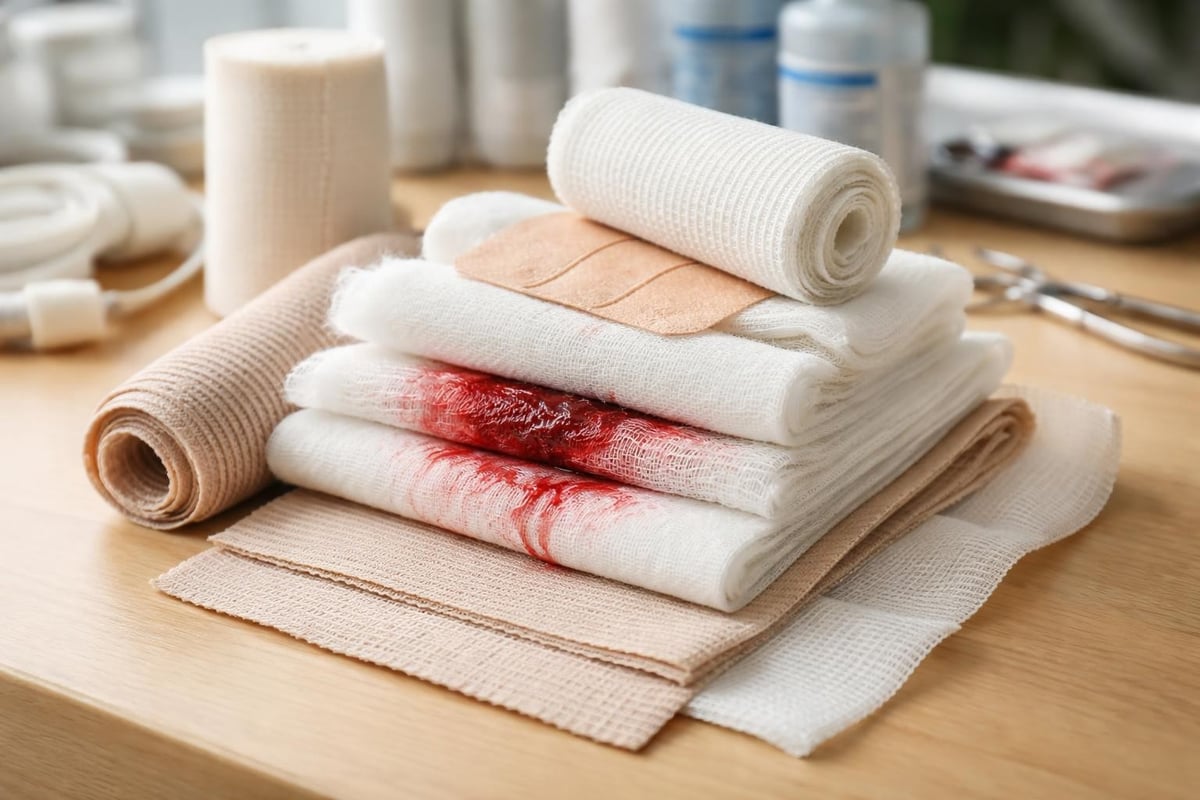
Adhesive bandages form the foundation of any kit, but variety matters. Stock multiple sizes from small fingertip bandages to large rectangular strips measuring 2x4 inches. Sterile gauze pads in 2x2, 3x3, and 4x4-inch sizes provide versatility for covering wounds of different dimensions.
Roller gauze serves dual purposes: securing dressings and creating pressure bandages. Include both 2-inch and 4-inch widths. The comprehensive checklist from Portland State University emphasizes keeping these items in sealed, moisture-proof packaging to maintain sterility.
Elastic bandages provide compression for sprains and strains while securing splints. A quality 3-inch or 4-inch elastic wrap with metal clips offers reusability and reliable performance.
Trauma Dressings and Advanced Wound Care
Beyond basic bandages, med kit essentials must include specialized trauma supplies. Israeli bandages or similar pressure dressings control severe bleeding through integrated pressure applicators. These compact devices combine gauze, pressure bars, and securing mechanisms in one sterile package.
For serious wounds, consider adding these critical items:
- Hemostatic gauze for life-threatening hemorrhage control
- Occlusive dressings for chest injuries
- Non-adherent pads preventing tissue damage during dressing changes
- Medical tape in 1-inch and 2-inch widths (both paper and cloth varieties)
The trauma kits available through Medical Gear Outfitters demonstrate how professional-grade supplies differ from consumer products in both quality and functionality.
Antiseptics and Infection Prevention
Preventing infection ranks equally with stopping bleeding. Your kit requires multiple layers of antimicrobial protection.
Cleaning and Disinfection Supplies
Antiseptic wipes containing isopropyl alcohol or benzalkonium chloride clean intact skin around wounds. Pack at least 10-20 individually wrapped wipes. For irrigation, include sterile saline solution or clean water in sealed containers.
Triple antibiotic ointment prevents bacterial infection in minor cuts, scrapes, and burns. Single-use packets maintain sterility while tubes offer economy for frequent use scenarios.
Hand sanitizer with minimum 60% alcohol content protects both the responder and patient. Include a travel-size bottle that won't leak during transport.
| Antiseptic Type | Primary Use | Shelf Life | Storage Notes |
|---|---|---|---|
| Alcohol wipes | Skin preparation | 2-3 years | Keep sealed |
| Povidone-iodine | Wound irrigation | 3 years | Light-sensitive |
| Antibiotic ointment | Infection prevention | 3-5 years | Room temperature |
| Hand sanitizer | Hand hygiene | 2-3 years | Tight seal required |
Protective Barriers
Nitrile gloves protect against bloodborne pathogens. Stock multiple sizes and include at least 4-6 pairs as minimum inventory. Nitrile resists punctures better than latex while avoiding common allergies.
Face shields or CPR masks create barriers during rescue breathing. Compact, one-way valve masks fit easily in small kits while providing critical protection during resuscitation attempts.
Medications and Pharmaceutical Supplies
Strategic medication selection addresses common emergencies without creating a portable pharmacy.
Pain Management and Anti-Inflammatories
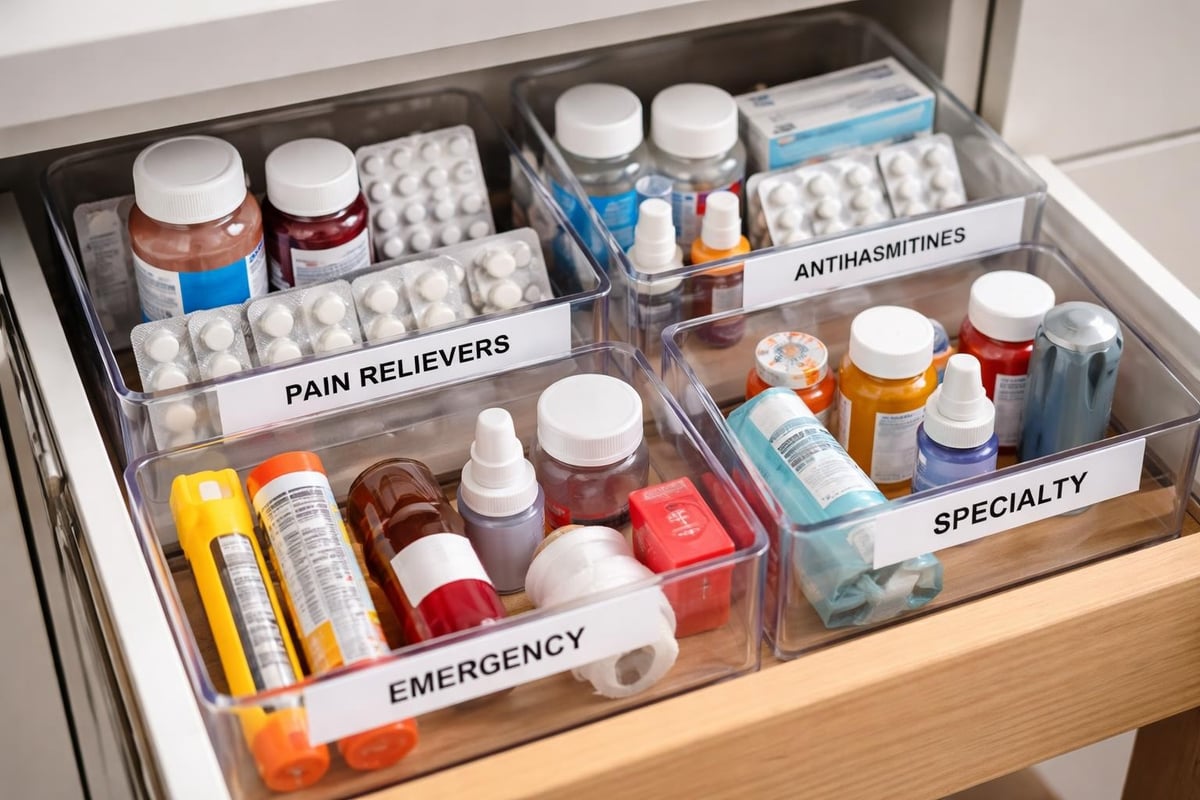
Stock both acetaminophen and ibuprofen in individual packets or small bottles. These cover different pain types and provide options for individuals with contraindications to either medication. Include children's formulations if serving family needs.
Aspirin serves dual purposes: pain relief and cardiac event response. A single 325mg tablet can be life-saving during suspected heart attacks, making this an essential inclusion as recommended by Industrial Safety & Hygiene News.
Antihistamines and Emergency Medications
Diphenhydramine combats allergic reactions ranging from insect stings to food sensitivities. Pack both oral tablets and topical cream for comprehensive allergy response.
For those with known severe allergies, epinephrine auto-injectors represent critical med kit essentials. While requiring prescriptions, these devices reverse anaphylaxis and buy time for emergency medical services to arrive.
Additional medications worth considering:
- Anti-diarrheal tablets for gastrointestinal emergencies
- Antacid tablets for digestive discomfort
- Oral rehydration salts for dehydration treatment
- Glucose tablets for hypoglycemic events
- Prescription medications specific to your needs
Tools and Instruments
Proper tools extend your capability beyond basic supplies, enabling more sophisticated interventions.
Cutting and Removal Tools
Trauma shears cut through clothing, seatbelts, and boots without injuring patients. Choose scissors with blunt tips and serrated edges. Quality shears slice through denim and leather effortlessly.
Tweezers remove splinters, ticks, and foreign objects. Pack both pointed and flat-tipped varieties. Magnification helps with precision work, making illuminated tweezers valuable for field conditions.
Safety pins secure bandages and create slings from triangular bandages. Include various sizes from small to large.
Assessment and Monitoring Equipment
Digital thermometers measure fever accurately without mercury risks. Stick-style or infrared models work well, with battery backup considerations for electronic versions.
Penlight or small flashlight enables pupil checks and wound examination. LED models provide bright, focused beams while maintaining compact dimensions.
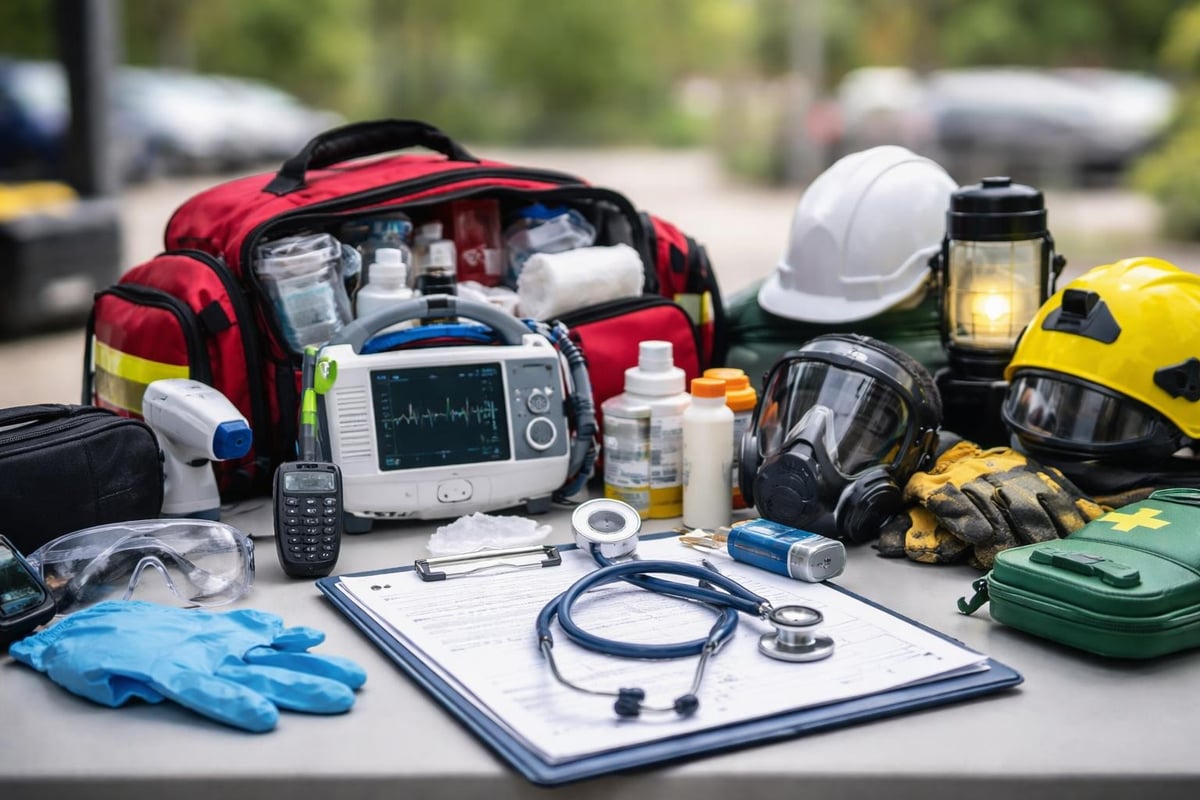
Blood pressure cuffs and stethoscopes suit advanced responders. While optional for basic kits, these tools provide critical information for ongoing patient monitoring as outlined in guides for emergency hospital bags.
Specialized Components for Enhanced Response
Advanced med kit essentials bridge the gap between first aid and emergency medical care.
Hemorrhage Control Systems
Tourniquets represent the single most important addition for life-threatening extremity bleeding. Commercial models like the CAT or SOFTT-W provide proven performance under pressure. The importance of proper tourniquet selection cannot be overstated when seconds determine survival.
Hemostatic agents like QuikClot or Celox accelerate clotting in wounds where tourniquets won't work. These gauze impregnated products save lives in junctional areas and deep penetrating injuries.
| Hemorrhage Control | Application | Training Required | Effectiveness |
|---|---|---|---|
| Tourniquet | Extremity arterial bleeding | Moderate | 95%+ when applied correctly |
| Hemostatic gauze | Junctional wounds | High | 85-90% with proper packing |
| Pressure dressing | Venous bleeding | Low | 75-85% for appropriate wounds |
| Direct pressure | Minor to moderate bleeding | Minimal | 60-70% depending on severity |
Airway and Breathing Support
Nasopharyngeal airways maintain patent airways in unconscious patients. Size selection matters-measure from nostril to earlobe for proper fit.
Chest seals treat pneumothorax (collapsed lung) from penetrating chest trauma. These specialized dressings feature one-way valves allowing air to escape while preventing entry. Check the chest seal options designed for tactical and emergency medical situations.
Immobilization and Fracture Management
SAM splints mold to stabilize fractures and sprains. These malleable aluminum-foam composites weigh ounces yet support broken bones effectively.
Triangular bandages create slings, secure splints, and fashion emergency tourniquets. Pack at least two in every kit. Their versatility makes them indispensable med kit essentials.
Environmental and Supportive Supplies
Supporting items enable effective care delivery regardless of conditions.
Documentation and Information
Emergency contact cards list allergies, medications, and physician information. Waterproof paper survives harsh conditions while remaining readable.
First aid reference guides provide step-by-step instructions when memory fails under stress. Laminated cards or waterproof booklets withstand field use.
Permanent markers label IV bags, document treatment times on tape, and mark tourniquets with application times-critical information for transferring care.
Environmental Protection
Emergency blankets reflect body heat while weighing mere ounces. Also called space blankets, these metallized sheets prevent hypothermia in shock patients.
Sunscreen and insect repellent prevent additional complications during extended care situations. Include both in outdoor-focused kits as recommended by the American Hiking Society's first aid guidance.
Chemical cold packs reduce swelling without refrigeration requirements. Single-use activating packs last years in storage.
Kit Organization and Maintenance Strategies
Even perfect supplies fail without proper organization and maintenance protocols.
Container Selection and Packing Methods
Choose containers based on intended use. Rigid cases protect contents during impacts but add weight. Soft bags compress for tight spaces but offer less protection.
Color-coded pouches separate supplies by function: red for bleeding control, blue for airways, yellow for medications. This system enables rapid access during high-stress situations.
Transparent organizational bags allow visual inventory checks without unpacking. Label everything clearly with contents and expiration dates.
Inventory Management Systems
Create detailed inventory lists taped inside kit lids. Check supplies quarterly, replacing expired medications and used items.
The first aid resupply strategies recommended by experienced medics emphasize rotating stock before expiration rather than replacing after date passage.
Establish replenishment triggers: when any category drops below 50% capacity, reorder. This prevents discovering shortages during emergencies.
Track usage patterns to optimize future inventory. If you never use certain items, question their necessity. If items run out frequently, increase stock levels.
Customization for Specific Scenarios
Generic kits provide baseline coverage, but customization addresses unique risks and requirements.
Home Medical Kits
Home environments enable larger, more comprehensive kits. Home care kits can include bulkier items like full-size oxygen tanks, extensive medication supplies, and advanced monitoring equipment.
Consider household-specific risks: pool chemicals requiring eye wash stations, workshop tools necessitating burn treatment supplies, or elderly residents needing specific medications.
Workplace and Vehicle Kits
Professional settings demand workplace-compliant first aid kits meeting regulatory standards. OSHA requirements vary by industry and employee count.
Vehicle kits withstand temperature extremes and vehicle movement. Secure containers prevent supply damage during normal driving and crashes alike.
Outdoor and Wilderness Kits
Remote environments require self-sufficiency for extended periods. The Sierra Club's guidance emphasizes lightweight, multipurpose items for backcountry use.
Add blister treatment, water purification, and extended medication supplies. Consider wildlife-specific treatments like snake bite kits in appropriate regions.
Weatherproof everything. Use dry bags, waterproof containers, and vacuum-sealed packages to protect against moisture, a primary cause of supply degradation.
Training and Competency Development
Supplies without knowledge create false confidence. Effective emergency response requires both proper med kit essentials and the training to use them.
Skills Every Kit Owner Needs
Master basic wound care before adding advanced supplies. Understand direct pressure, wound packing, and dressing application through hands-on practice.
CPR and AED certification should accompany every kit. These skills save more lives than any physical supply in cardiac emergencies.
Learn your limitations. Knowing when to call for professional help prevents well-intentioned interventions from causing harm.
Advanced Training Considerations
Stop the Bleed courses teach tourniquet application and hemorrhage control. These free, widely available classes dramatically improve survival rates in mass casualty incidents.
Wilderness First Responder certification prepares for extended care situations. These multi-day courses cover improvisation techniques and long-term patient management.
Regular practice maintains skills. Monthly equipment checks should include brief hands-on refreshers: apply a tourniquet, pack a wound simulator, or practice one-handed bandage application.
Quality Standards and Product Selection
Not all medical supplies meet equal standards. Understanding quality markers prevents false economy.
Certification and Compliance
Look for FDA-approved or CE-marked medical devices. These certifications indicate products meet minimum safety and efficacy standards.
ANSI/ISEA Z308.1-2021 compliance ensures workplace kits contain appropriate supplies as detailed in comprehensive stocking guides. While designed for workplace environments, these standards provide excellent baseline guidance for any kit.
Military specifications (MIL-SPEC) indicate ruggedized construction. Tactical med kit essentials often carry these ratings, ensuring performance under extreme conditions.
Evaluating Individual Components
Test components before emergencies. Open packages, examine construction quality, and verify functionality. Cheap adhesive that fails when wet or scissors that bind under pressure waste money and endanger patients.
Read reviews from actual users, particularly those with medical training. Paramedic and EMT perspectives identify real-world performance issues that specifications miss.
Consider supply chains and manufacturer reputation. Companies owned and operated by medical professionals typically maintain higher standards than general retailers importing lowest-cost alternatives.
Budget-Conscious Building Strategies
Comprehensive kits need not break budgets. Strategic purchasing stretches dollars without compromising capability.
Phased Assembly Approach
Build kits in priority layers rather than purchasing everything simultaneously:
- Phase One: Bleeding control and basic wound care
- Phase Two: Medications and protective equipment
- Phase Three: Tools and specialized supplies
- Phase Four: Advanced trauma and environmental items
This approach ensures critical capabilities arrive first while spreading costs across multiple purchases.
Bulk Purchasing and Repackaging
Bulk medical supplies reduce per-unit costs dramatically. Purchase 100 gauze pads instead of pre-packaged sets, then repackage into appropriately sized kits.
Share bulk orders with family members, colleagues, or community groups. Splitting cases of supplies provides volume discounts while preventing over-purchasing for individual needs.
Watch for seasonal sales and promotions. Medical supply companies often run specials during National Preparedness Month (September) or New Year preparedness campaigns.
DIY versus Pre-Assembled Kits
Pre-assembled kits offer convenience but often include unnecessary items while missing essentials. According to research on Wikipedia's first aid kit overview, commercial kits frequently emphasize impressive item counts over functional capability.
Building custom kits ensures every component serves your specific needs. While requiring more initial effort, customization eliminates wasted money on items you'll never use.
However, complete kits from Medical Gear Outfitters balance convenience with quality, providing paramedic-curated selections that genuinely prepare users for emergency response.
Storage Location Strategy
Where you keep med kit essentials matters as much as what they contain.
Multi-Location Distribution
Distribute capabilities across multiple locations rather than concentrating everything in one kit. Keep smaller kits in vehicles, workplaces, and frequently visited locations while maintaining a comprehensive kit at home.
This redundancy ensures access regardless of where emergencies occur. Getting injured away from your primary kit shouldn't mean going without care.
Accessibility and Security Balance
Store kits where users can reach them quickly-under 30 seconds from common activity areas. Locked cabinets defeat the purpose unless keys remain immediately available.
Balance accessibility with child safety. Medications and sharp tools require restricted access in households with children, while bandages and basic supplies can remain more available.
Mark storage locations clearly. Glow-in-the-dark labels or signs help locate kits during power outages or nighttime emergencies.
Environmental Considerations
Avoid temperature extremes. Car trunks in summer and unheated garages in winter degrade medications and supplies. Aim for stable 60-80°F storage when possible.
Humidity damages paper products and promotes bacterial growth. Waterproof containers or desiccant packs protect contents in humid environments like boats or coastal locations.
Regular rotation through different vehicles or locations prevents any single kit from languishing unused while others deplete through regular access and replenishment.
Understanding and assembling proper med kit essentials transforms good intentions into genuine emergency preparedness, ensuring you can respond effectively when crisis strikes. Whether building your first kit or upgrading existing supplies, focus on quality components, proper organization, and regular maintenance to maximize effectiveness. Medical Gear Outfitters brings paramedic expertise and professional-grade supplies together, helping both medical professionals and civilians build comprehensive emergency response capabilities backed by the knowledge to use them effectively.

