
Home Care Kits: Essential Supplies for Emergency Care
When medical emergencies strike at home, having the right supplies within reach can make the difference between effective care and a preventable complication. Home care kits serve as the first line of defense for families managing everything from minor cuts and burns to more serious medical situations requiring immediate attention before professional help arrives. Whether you're caring for aging parents, managing chronic conditions, or simply ensuring your household is prepared for unexpected health events, understanding how to assemble and maintain comprehensive medical supplies transforms your home into a safer environment. These carefully curated collections of medical equipment and supplies empower caregivers and family members to respond confidently when health challenges arise.
Understanding the Purpose of Home Care Kits
Home care kits differ significantly from standard first aid kits in both scope and intention. While a basic first aid kit addresses minor injuries like scrapes and headaches, home care kits encompass a broader range of medical scenarios, including chronic disease management, post-surgical care, and emergency response capabilities.
The primary functions include:
- Managing ongoing health conditions without constant hospital visits
- Providing immediate care during medical emergencies
- Supporting recovery after hospitalization or surgical procedures
- Maintaining independence for seniors aging in place
- Reducing unnecessary emergency room visits for manageable situations
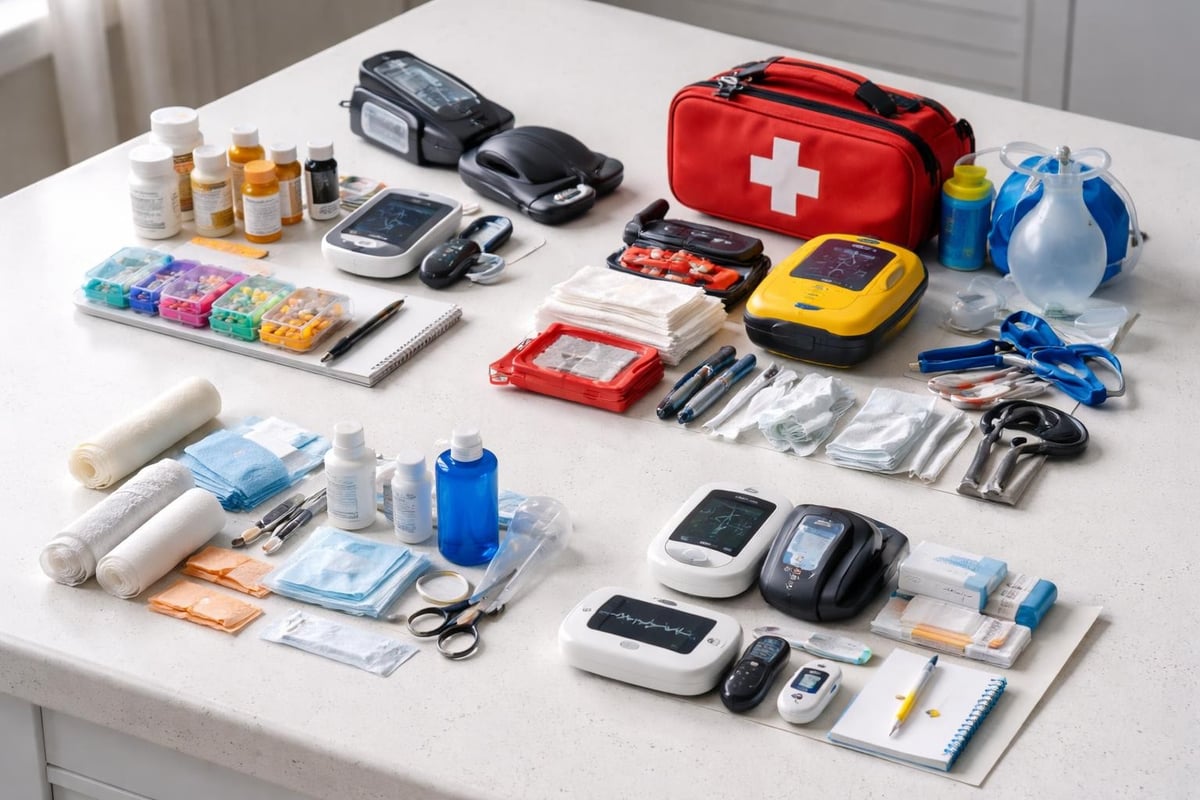
These kits become particularly valuable for households with elderly family members, individuals with chronic conditions like diabetes or heart disease, or families living in remote areas where medical facilities aren't immediately accessible. According to guidance from the American Academy of Pediatrics on medical home care coordination, having organized medical supplies supports better health outcomes by enabling consistent, coordinated care at home.
Assessing Your Household's Specific Needs
Before assembling supplies, evaluate the unique medical requirements of everyone in your household. A family with young children needs different supplies than a home caring for someone with diabetes or mobility challenges. Consider existing health conditions, medication regimens, age-related vulnerabilities, and any special medical equipment already in use.
Document allergies, prescription medications, and physician contact information to keep with your supplies. This preparation proves invaluable when stress levels rise during actual emergencies.
Essential Components for Comprehensive Home Care Kits
Building effective home care kits requires thoughtful selection across multiple categories. The goal is creating layered preparedness that addresses various scenarios without creating overwhelming clutter or excessive costs.
Basic Medical Supplies and Diagnostic Tools
Every comprehensive kit starts with fundamental diagnostic and monitoring equipment. These tools allow caregivers to assess situations accurately before deciding whether professional medical intervention is necessary.
| Supply Category | Essential Items | Purpose |
|---|---|---|
| Diagnostic Tools | Digital thermometer, blood pressure monitor, pulse oximeter | Vital sign monitoring |
| Wound Care | Sterile gauze pads, adhesive bandages, medical tape, antiseptic wipes | Injury treatment |
| Medications | Pain relievers, antihistamines, anti-diarrheal, antacids | Symptom management |
| Instruments | Scissors, tweezers, disposable gloves, flashlight | Application and safety |
Digital thermometers provide quick, accurate temperature readings crucial for identifying infections or inflammatory responses. Blood pressure monitors help track cardiovascular health, particularly important for individuals with hypertension or heart conditions. Pulse oximeters measure blood oxygen levels, which can indicate respiratory problems before they become critical.
The AARP guide to assembling a home medical kit emphasizes keeping these diagnostic tools easily accessible and ensuring all household members know how to use them properly. Regular practice with these devices during non-emergency situations builds confidence and competence.
Advanced Trauma and Emergency Response Supplies
For households prioritizing comprehensive emergency preparedness, home care kits should include advanced trauma supplies similar to those used by first responders. This becomes especially relevant for families in rural areas, those with members who engage in high-risk activities, or anyone who wants maximum readiness.
Critical trauma supplies include:
- Tourniquets for severe bleeding control
- Hemostatic gauze to promote rapid clotting
- Chest seals for penetrating injuries
- Pressure bandages for wound management
- Emergency blankets for shock prevention
Understanding how hemostatic agents like QuikClot and Celox work enables more effective use during critical bleeding situations. These advanced materials accelerate the body's natural clotting process, potentially saving lives when professional medical help is minutes or hours away.
Medical professionals recommend pairing these supplies with proper training. Knowing how to apply a tourniquet correctly or when to use chest seals requires education beyond simply having the equipment available. Many community organizations and medical supply companies offer training courses that transform raw supplies into genuine lifesaving capabilities.
Condition-Specific Medical Equipment
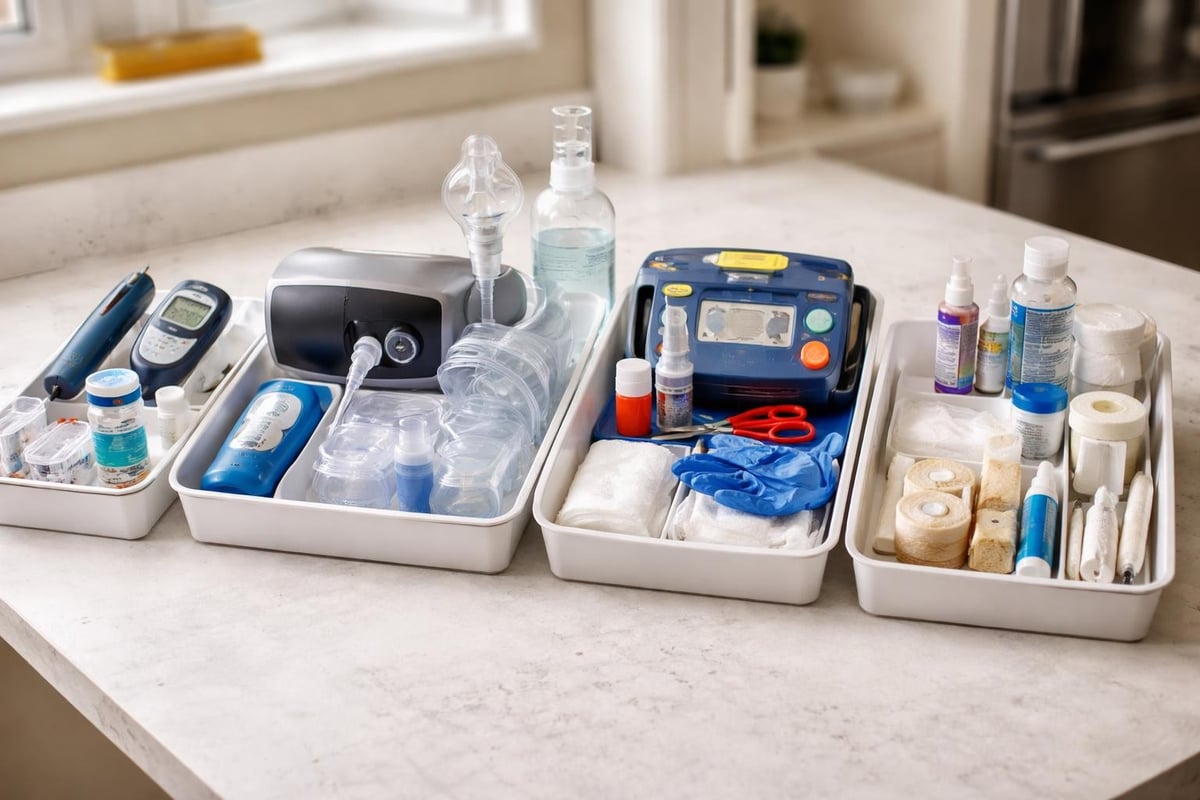
Households managing chronic conditions need specialized supplies tailored to those specific health challenges. These condition-specific additions transform general home care kits into personalized medical management systems.
For diabetes management, include glucose monitors, test strips, lancets, fast-acting glucose tablets, and insulin supplies if applicable. Heart condition management requires prescribed medications, nitroglycerin if prescribed, and detailed instructions for cardiac emergencies.
Respiratory conditions necessitate nebulizers, inhalers, spacers, and backup medication supplies. Post-surgical care might require wound dressing materials, drainage bag supplies, and specific cleaning solutions recommended by healthcare providers.
Organizing and Maintaining Your Supplies
Even the most comprehensive collection of medical supplies proves ineffective if disorganized, expired, or inaccessible during emergencies. Strategic organization and regular maintenance ensure home care kits remain reliable resources when needed most.
Storage Solutions and Accessibility
Choose storage containers that protect supplies from moisture, temperature extremes, and light exposure while remaining easy to access quickly. Clear plastic bins with secure lids work well for larger collections, while smaller grab-and-go bags suit portable needs.
Effective organization strategies include:
- Categorize by use case - Group wound care together, medications together, diagnostic tools together
- Label everything clearly - Use large, readable labels indicating contents and expiration dates
- Create multiple access points - Keep basic supplies in bathrooms, kitchens, and bedrooms
- Maintain a master inventory list - Document all items, quantities, and expiration dates
- Designate primary and backup locations - Ensure family members know where everything is stored
Consider the specific layout of your home when deciding placement. First-floor storage makes sense for households with mobility-challenged individuals who might struggle reaching upstairs locations during emergencies. For families with young children, balance accessibility with safety by using child-resistant containers for medications and sharp instruments.
Rotation Schedules and Expiration Management
Medical supplies deteriorate over time, with medications losing potency and sterile items becoming compromised. Establishing a regular rotation schedule prevents the false security of expired supplies when emergencies strike.
Set calendar reminders to review your home care kits quarterly. During these reviews, check expiration dates on all medications, ointments, and sterile supplies. Replace items nearing expiration before they become unusable. Many families find success using the "first in, first out" principle, placing newer supplies behind older ones to ensure proper rotation.
| Review Task | Frequency | Action Items |
|---|---|---|
| Medication expiration check | Monthly | Replace expired prescriptions and OTC drugs |
| Sterile supply inspection | Quarterly | Check packaging integrity, discard compromised items |
| Equipment testing | Quarterly | Test batteries, calibrate monitors, verify function |
| Inventory update | Bi-annually | Reassess needs, adjust quantities, add new items |
Document replacement dates and maintain receipts for insurance or tax purposes when supplies relate to diagnosed medical conditions. This organizational discipline extends the useful life of your investment while ensuring reliability.
Customizing Kits for Different Household Scenarios
No two households face identical medical needs, making customization essential for truly effective home care kits. Tailoring supplies to your family's specific situation maximizes both preparedness and budget efficiency.
Kits for Elderly Care and Aging in Place
Seniors aging at home require specialized supplies addressing age-related health challenges and mobility limitations. These home care kits should emphasize fall prevention, medication management, and chronic condition monitoring.
Include non-slip bath mats, grab bars (even if portable), and adequate lighting solutions to prevent falls. Medication organizers with daily compartments help manage complex prescription regimens. Large-print labels and instructions accommodate vision changes common with aging.
Walking aids, shower chairs, and reaching tools support independence while reducing injury risk. Blood pressure monitors, glucose meters for diabetics, and pulse oximeters enable regular health monitoring that can detect problems early. Research indicates that seniors face challenges navigating online resources for home care, making well-organized physical supplies even more critical.
Family Kits for Households with Children
Families with children need supplies addressing pediatric-specific injuries and illnesses while remaining safe from curious hands. These kits balance accessibility for parents with security from children.
Child-focused supplies include:
- Pediatric-dose medications clearly labeled with age-appropriate dosing
- Fever reducers and pain relievers in child-safe formulations
- Bandages featuring appealing designs that reduce fear
- Bulb syringes and saline drops for infant congestion
- Children's thermometers with quick-read capabilities
Store medications in locked boxes or high cabinets, keeping a small cache of frequently needed items in a portable container for quick access. Understanding proper wound care techniques like wrapping finger wounds helps parents respond confidently to common childhood injuries.
Teach age-appropriate children where supplies are kept and how to ask for help appropriately. This education reduces panic during minor injuries while building lifelong safety awareness.
Remote Location and Travel Preparedness
Households in rural areas or families who frequently travel need portable home care kits emphasizing self-sufficiency. These situations demand more comprehensive supplies since professional medical help may be hours away.
Compact trauma kits with tourniquets, hemostatic gauze, and chest seals become essential rather than optional. Extended medication supplies account for potential delays in refills. Communication devices like satellite phones or emergency beacons complement medical supplies in truly remote locations.
For frequent travelers, create duplicate kits: one comprehensive version staying home and lighter portable versions for trips. TSA-compliant containers and documentation help navigate airport security when traveling with medical equipment and supplies. Exploring camping first aid kit essentials provides valuable insights for outdoor-focused families.
Integrating Home Care Kits with Emergency Planning
Home care kits function most effectively when integrated into comprehensive household emergency planning. This broader context ensures medical supplies work in concert with communication plans, evacuation procedures, and family coordination strategies.
Emergency Contact Information and Medical Documentation
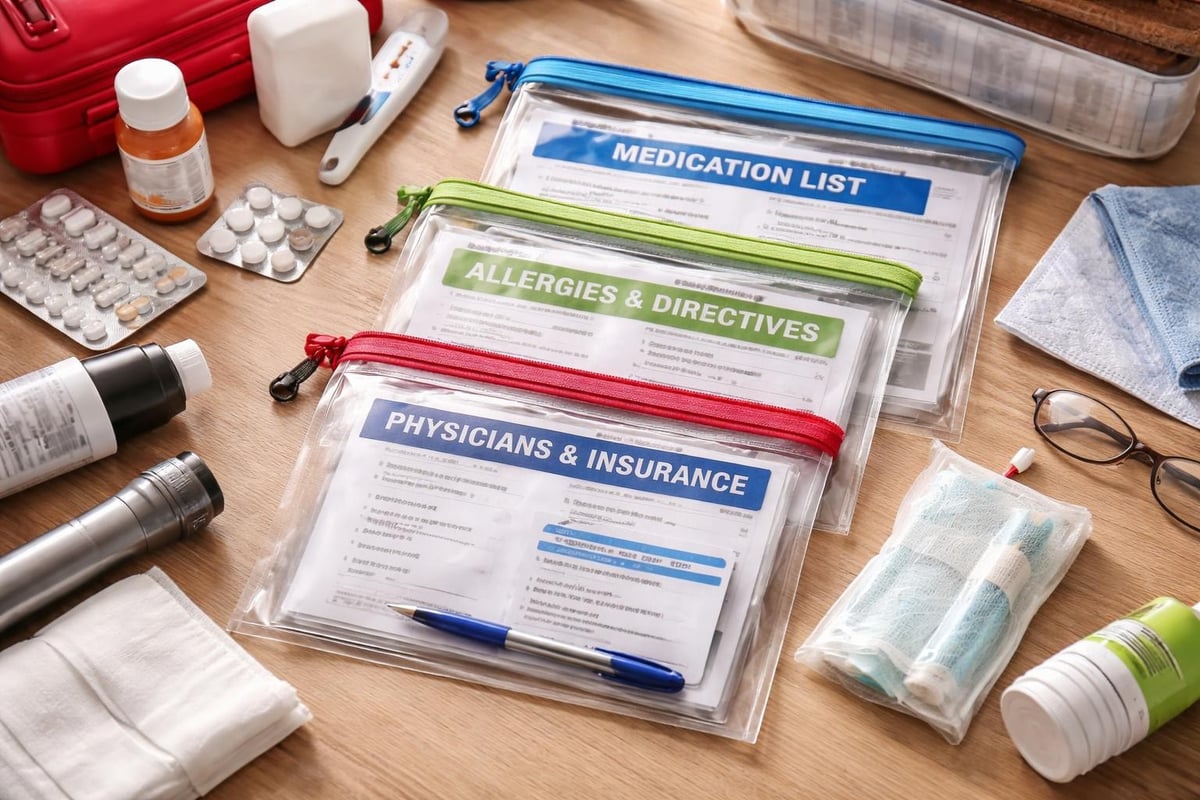
Store critical medical information with your supplies in waterproof, easily accessible formats. This documentation should include current medication lists, known allergies, chronic conditions, physician contact information, and insurance details.
Create multiple copies: one with your home care kits, one in your vehicle, and digital versions in secure cloud storage accessible from smartphones. Emergency responders rely on this information to make informed treatment decisions, especially when patients cannot communicate.
Include signed medical power of attorney documents for elderly family members or those with serious health conditions. Healthcare directives specifying treatment preferences prevent confusion during critical moments when clear decision-making becomes difficult.
Training Family Members in Basic Emergency Response
Supplies alone cannot ensure effective emergency response. All capable household members should receive training in basic first aid, CPR, and the proper use of specialized equipment in your home care kits.
Training priorities include:
- Recognizing emergency signs requiring 911 calls
- Proper wound cleaning and bandaging techniques
- Administering medications safely and accurately
- Using diagnostic tools like thermometers and blood pressure monitors
- Applying tourniquets and pressure bandages for severe bleeding
Many local fire departments, hospitals, and community colleges offer affordable certification courses. Online resources supplement hands-on training, though physical practice remains essential for skill retention. Schedule annual refresher training since emergency response skills deteriorate without regular practice.
Designate specific family members as primary and backup responders for different scenarios. This clarity prevents dangerous hesitation during actual emergencies when seconds matter.
Budget-Conscious Building and Maintenance Strategies
Building comprehensive home care kits requires financial investment, but strategic approaches make thorough preparedness accessible across budget levels. Prioritization and phased acquisition allow families to build capable systems over time without overwhelming expenses.
Prioritizing Essential Items First
Begin with fundamental supplies addressing the most likely scenarios for your household. Basic wound care, common medications, and diagnostic tools form the foundation. Gradually expand into specialized equipment as budget allows.
Three-tier priority system:
- Tier 1 (Immediate): Bandages, antiseptics, common medications, thermometer, basic wound care
- Tier 2 (Within 3 months): Blood pressure monitor, advanced wound supplies, condition-specific items
- Tier 3 (Within 6-12 months): Trauma supplies, backup equipment, extended medication supplies
This phased approach prevents financial strain while steadily building capabilities. Even partial preparedness significantly improves household safety compared to having no organized supplies.
Cost-Effective Sourcing and Bulk Purchasing
Medical supplies often cost less when purchased in larger quantities or through wholesale channels. Compare prices across pharmacies, online retailers, and medical supply specialists to identify the best values.
Generic medications provide identical active ingredients to brand-name versions at fraction of costs. Purchasing supplies through wholesale emergency kits or bulk programs reduces per-unit expenses significantly. Subscription services may offer regular deliveries at discounted rates, ensuring steady supply rotation.
Check insurance coverage for diagnostic equipment like blood pressure monitors or glucose meters, which may be partially or fully covered for individuals with relevant conditions. Flexible spending accounts (FSAs) and health savings accounts (HSAs) allow tax-advantaged purchasing of eligible medical supplies.
Community resources including senior centers, disability services organizations, and local health departments sometimes provide free or subsidized medical supplies to qualifying households. Research available programs in your area to maximize budget efficiency.
Specialized Kits for Unique Medical Situations
Certain medical situations demand highly specialized home care kits beyond general household needs. Understanding these unique requirements ensures appropriate preparation for complex scenarios.
Post-Surgical and Wound Management Kits
Patients recovering from surgery at home need specific supplies supporting proper healing and complication prevention. Coordinate with surgical teams to understand exact requirements before hospital discharge.
These kits typically include sterile dressing materials, wound cleaning solutions, surgical tape, and any drainage system supplies if applicable. Pain management medications, anti-inflammatory drugs, and antibiotics (if prescribed) support recovery. Specialized equipment like compression garments, elevation pillows, or ice therapy systems may be necessary depending on the procedure.
Monitor wound sites daily using consistent techniques taught by healthcare providers. Recognize warning signs of infection including increasing redness, swelling, warmth, unusual discharge, or fever. Understanding burn treatment protocols helps manage thermal injuries that might occur during recovery.
Mental Health and Crisis Support Supplies
Comprehensive home care kits increasingly recognize mental health as equally important to physical health. Including resources supporting emotional wellness and crisis intervention rounds out truly holistic preparedness.
Maintain current lists of mental health crisis hotlines, therapist contact information, and emergency psychiatric services. Keep prescribed psychiatric medications properly stored with clear dosing instructions. Stress-reduction tools like meditation apps, calming music playlists, or comfort items support daily management.
Crisis plans outlining steps for different mental health emergencies help family members respond appropriately during high-stress situations. These documented procedures reduce confusion and ensure consistent, supportive responses.
Leveraging Professional Guidance and Resources
While home care kits empower independent medical management, professional guidance ensures supplies and techniques align with current best practices. Integrating expert knowledge maximizes the safety and effectiveness of your preparations.
Consulting Healthcare Providers for Personalized Recommendations
Primary care physicians, specialists treating chronic conditions, and home health nurses provide invaluable insights for customizing home care kits to specific medical needs. Schedule dedicated appointments discussing home preparedness, bringing inventory lists for professional review.
Providers can identify gaps in current supplies, recommend specific brands or products proven effective, and teach proper usage techniques for specialized equipment. They may provide prescriptions for emergency medications like EpiPens for severe allergies or rescue inhalers for asthma.
Document these consultations and update your kits based on professional recommendations. Medical needs evolve over time, requiring periodic reassessment with healthcare teams to ensure continued appropriateness.
Utilizing Evidence-Based Resources and Training Materials
Reputable medical organizations and government health agencies publish extensive resources supporting home medical care. The National Alliance for Care at Home provides valuable resources for strengthening home-based care capabilities across various situations.
Online platforms like CareKit explain condition-specific care solutions providing structured guidance for managing particular health challenges. These evidence-based approaches ensure home care practices reflect current medical understanding rather than outdated or inaccurate information.
Paramedic-operated suppliers bring front-line emergency experience to product selection and guidance. Their practical knowledge of what works under pressure helps consumers make informed choices about complete trauma kits and other critical supplies.
Building and maintaining home care kits represents a fundamental investment in household safety and health independence. By thoughtfully selecting supplies matching your family's specific needs, organizing them for quick access, and ensuring everyone knows how to use them effectively, you create resilient preparedness that delivers peace of mind and genuine capability during medical challenges. Whether you're starting with basic supplies or expanding into comprehensive emergency response equipment, Medical Gear Outfitters brings paramedic expertise and professional-grade products to support your preparedness journey, ensuring you have the right supplies and knowledge to respond confidently when health emergencies arise.

