Wholesale Emergency Kits: Comprehensive Buyer's Guide 2026
Whether you're outfitting a corporate office, school system, or retail operation, wholesale emergency kits represent a critical investment in safety and preparedness. Organizations across industries increasingly recognize that bulk purchasing emergency supplies delivers both economic value and comprehensive protection for employees, clients, and communities. Understanding the nuances of wholesale procurement, from quality standards to customization options, empowers businesses to make informed decisions that could save lives during critical situations. The wholesale market offers diverse solutions tailored to specific environments, risk profiles, and regulatory requirements that individual consumer products simply cannot match.
Understanding the Wholesale Emergency Kit Market
The wholesale emergency kit industry has evolved significantly over the past decade, driven by increased awareness of workplace safety obligations and natural disaster preparedness. Businesses purchasing in bulk gain access to professional-grade equipment typically reserved for first responders and medical professionals.
Key Market Segments and Applications
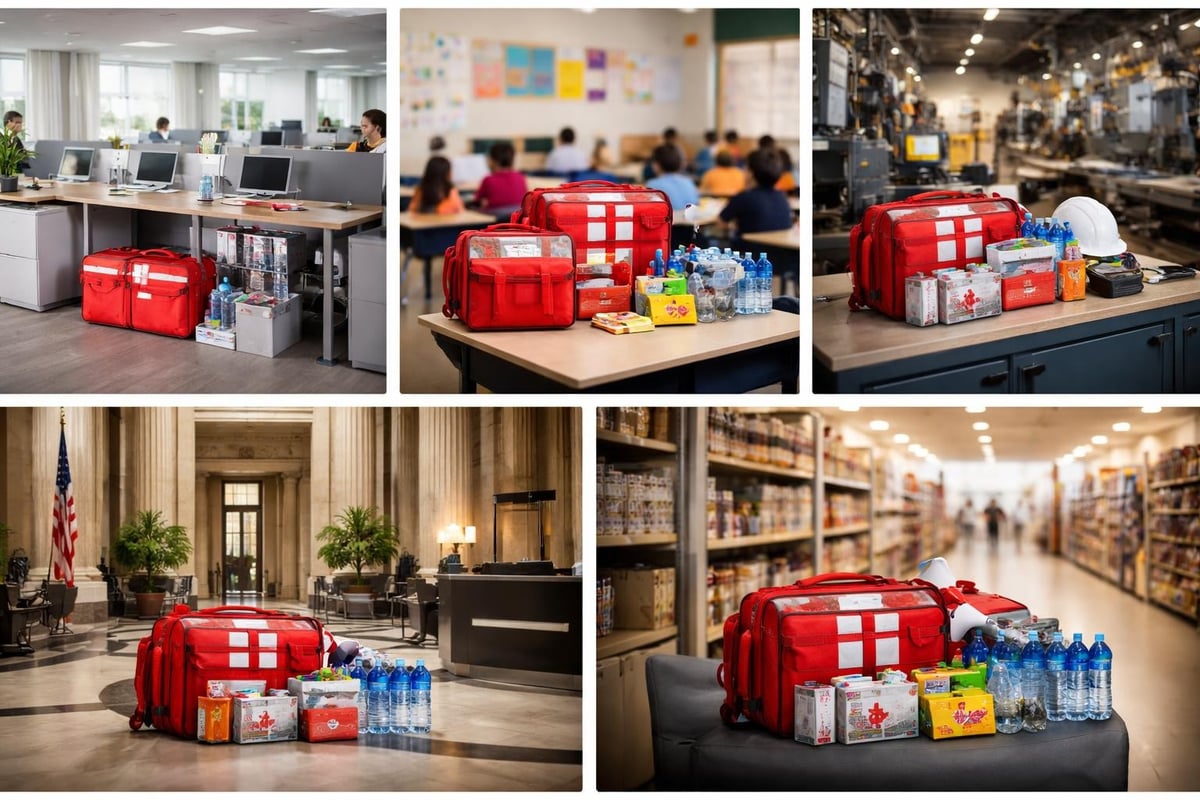
Wholesale emergency kits serve distinct market segments with unique requirements:
- Corporate and Office Environments: Standard first aid supplies combined with emergency evacuation tools
- Educational Institutions: Age-appropriate medical supplies meeting state regulatory requirements
- Industrial and Manufacturing Sites: Heavy-duty trauma kits addressing workplace injury risks
- Government and Municipal Facilities: Comprehensive disaster response equipment for public safety
- Retail and Resale Operations: Branded kits meeting consumer demand for household preparedness
The Occupational Safety and Health Administration emergency preparedness guides outline specific requirements that inform wholesale kit composition for workplace settings. Organizations must consider both baseline OSHA compliance and enhanced preparedness standards.
Volume Pricing Structures
Wholesale emergency kits follow tiered pricing models that reward larger commitments:
| Order Quantity | Typical Discount | Best For |
|---|---|---|
| 10-24 units | 15-20% off retail | Small businesses, departments |
| 25-99 units | 25-35% off retail | Medium organizations, schools |
| 100-499 units | 35-45% off retail | Large corporations, distributors |
| 500+ units | 45-60% off retail | Government contracts, resellers |
Volume discounts create opportunities for organizations to stretch safety budgets while ensuring comprehensive coverage across multiple locations or departments.
Essential Components of Quality Wholesale Emergency Kits
Professional-grade wholesale emergency kits differ substantially from consumer products in both content quality and component selection. Understanding these distinctions helps procurement professionals evaluate supplier offerings effectively.
Medical Supply Categories
Comprehensive kits incorporate multiple supply categories addressing diverse emergency scenarios:
Trauma and Bleeding Control
- Military-grade tourniquets with proven effectiveness ratings
- Hemostatic gauze for rapid blood clotting in severe injuries
- Pressure bandages designed for one-handed application
- Chest seals for penetrating torso trauma
Basic First Aid Components
- Sterile gauze pads in multiple sizes and ply counts
- Adhesive bandages suitable for various wound types
- Medical tape with strong adhesion and breathability
- Antiseptic wipes and solutions for wound cleaning
Airway and Breathing
- CPR barrier devices meeting current guidelines
- Nasopharyngeal airways for unconscious patients
- Rescue breathing masks with one-way valves
- Emergency oxygen delivery systems for advanced kits
The complete kits available from specialized suppliers demonstrate how professional configurations differ from basic consumer offerings. Quality wholesale providers source components from manufacturers with proven track records in emergency medical services.
Packaging and Organization Standards
Professional wholesale emergency kits utilize strategic organization systems:
- Color-coded compartments separating trauma supplies from basic first aid
- Clear labeling with usage instructions for untrained responders
- Water-resistant materials protecting contents in diverse environments
- Modular design allowing customization and resupply
- Tamper-evident seals ensuring kit integrity until needed
Organizations should evaluate whether standardized configurations meet their needs or if customization proves necessary for specific operational environments.
Sourcing Strategies for Wholesale Emergency Kits
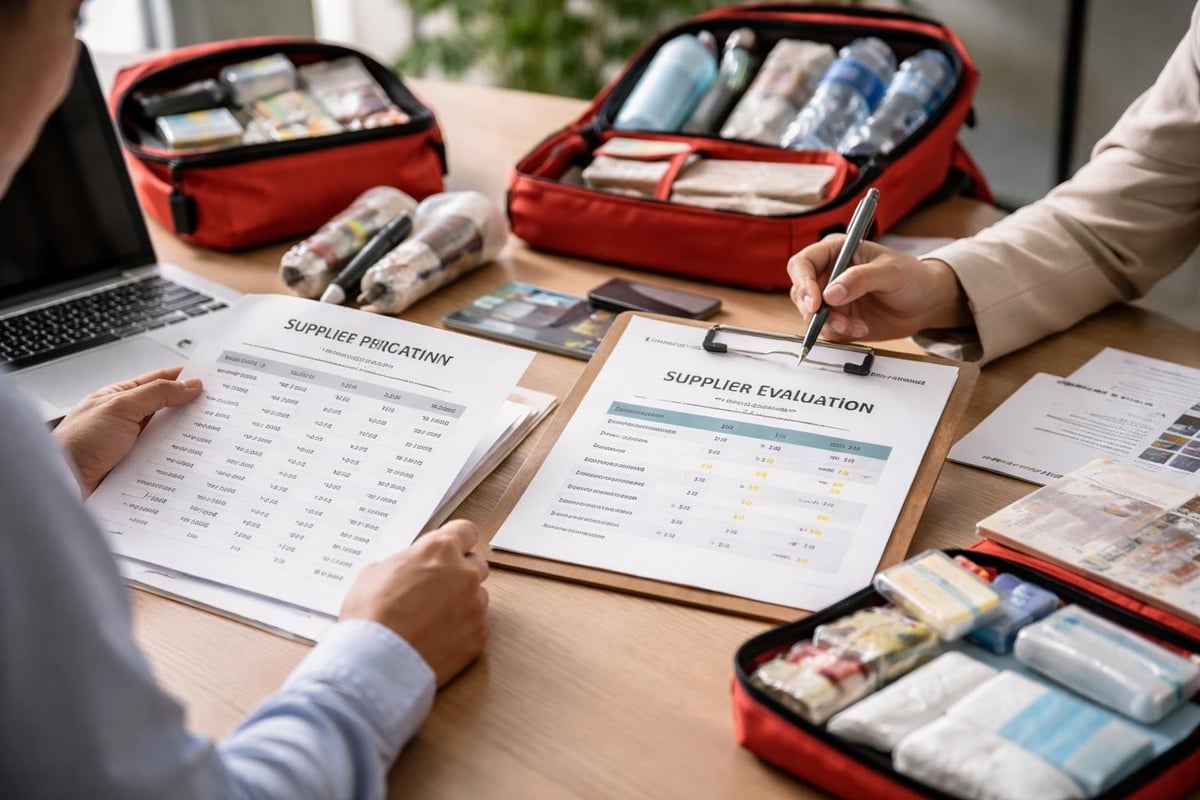
Successful wholesale procurement requires systematic evaluation of suppliers, products, and ongoing support capabilities. Organizations benefit from establishing relationships with vendors who understand emergency preparedness beyond simple product sales.
Supplier Evaluation Criteria
Manufacturing and Quality Standards Leading wholesale suppliers maintain rigorous quality control processes, often including ISO certifications and FDA registrations for medical components. Verify that suppliers source trauma kits and emergency supplies from reputable manufacturers rather than generic overseas sources with inconsistent quality.
Industry Expertise and Support Paramedic-owned operations and companies with first responder backgrounds offer invaluable consultation during kit selection. These suppliers understand real-world applications and can recommend configurations based on actual emergency scenarios rather than theoretical needs.
Customization Capabilities Wholesale relationships should accommodate organizational specifics:
- Logo placement and branding options for resellers
- Content modifications addressing unique risk profiles
- Packaging variations for different deployment locations
- Private labeling for corporate identity programs
- Compliance documentation for regulatory requirements
Establishing Long-Term Wholesale Relationships
Smart organizations view wholesale emergency kit procurement as ongoing partnerships rather than one-time transactions. Reliable suppliers provide:
- Regular inventory reviews ensuring contents remain current and unexpired
- Training resources helping staff understand proper kit utilization
- Resupply programs maintaining preparedness after kit deployment
- Regulatory updates alerting organizations to changing compliance requirements
- Volume forecasting optimizing pricing through predictable ordering patterns
The subscription box model demonstrates how forward-thinking suppliers support continuous preparedness rather than sporadic purchases.
Regulatory Compliance and Standards
Organizations purchasing wholesale emergency kits must navigate complex regulatory landscapes that vary by industry, location, and facility type. Understanding these requirements prevents costly compliance failures and ensures kits actually serve their intended protective functions.
Federal and State Requirements
The CDC's emergency preparedness resources provide foundational guidance applicable across industries. However, specific sectors face additional mandates:
- Healthcare facilities must meet Joint Commission standards for emergency supplies
- Schools follow state-specific requirements for medication storage and training
- Manufacturing sites address OSHA standards for workplace injury response
- Public buildings comply with ADA accessibility requirements for emergency equipment
Quality Certifications to Verify
| Certification | Significance | Application |
|---|---|---|
| FDA Registration | Medical device compliance | All kits with medical components |
| ISO 13485 | Quality management for medical devices | Manufacturing processes |
| ANSI/ISEA Z308.1 | Workplace first aid kit standards | Occupational settings |
| Military specifications | Durability and performance standards | Tactical and field kits |
Wholesale suppliers should provide documentation proving component certifications rather than making unsubstantiated claims about quality or compliance.
Documentation and Record-Keeping
Professional wholesale procurement includes comprehensive documentation:
- Certificate of conformity verifying regulatory compliance
- Component manifests listing all included items with specifications
- Expiration tracking for time-sensitive medical supplies
- Training materials supporting proper utilization
- Inspection protocols maintaining readiness over time
The Pennsylvania Emergency Preparedness Guide emphasizes documentation as critical for organizational accountability during actual emergencies.
Customization Options for Wholesale Orders
Generic emergency kits rarely address the specific risks facing individual organizations. Wholesale relationships enable customization that improves both effectiveness and cost efficiency.
Risk-Based Content Selection
Organizations should conduct hazard assessments identifying likely emergency scenarios:
Environmental Factors
- Natural disaster risks (earthquakes, hurricanes, tornadoes)
- Climate extremes requiring thermal protection
- Remote locations with delayed professional response
- Urban settings with unique trauma patterns
Operational Considerations
- Machinery and equipment creating specific injury risks
- Chemical or biological hazards requiring specialized PPE
- Public access areas versus controlled environments
- Transportation or mobile operations
Advanced suppliers help organizations analyze risks and recommend appropriate kit configurations. For example, industrial facilities might emphasize hemostatic agents for severe bleeding while schools prioritize basic wound care and allergic reaction management.
Branding and Marketing Considerations
Resellers and organizations with public-facing emergency programs benefit from customization options:
- Custom exterior colors matching corporate or organizational branding
- Logo placement on bags and individual components
- Insert cards with organization-specific emergency protocols
- Language options for multilingual workforces or markets
- Size variations accommodating different deployment scenarios
These modifications transform generic emergency supplies into branded tools that reinforce organizational identity and preparedness commitment.
Training and Implementation Support

Purchasing wholesale emergency kits represents only the first step in organizational preparedness. Effective implementation requires training, deployment strategies, and maintenance protocols ensuring kits deliver their intended protective value when emergencies occur.
Staff Training Programs
The New York City Emergency Management preparedness resources emphasize that untrained individuals struggle to utilize emergency equipment effectively under stress. Organizations should implement:
Initial Training Components
- Kit location awareness across all facilities
- Contents familiarization with hands-on practice
- Basic first aid skills through certified instructors
- Scenario-based exercises simulating actual emergencies
- Documentation of training completion for compliance
Ongoing Education
- Annual refresher courses maintaining skill competency
- Updates when kit contents or protocols change
- New employee onboarding including emergency preparedness
- Specialized training for designated first responders
- Integration with broader emergency action plans
Leading wholesale suppliers provide training resources ranging from instructional materials to on-site demonstration programs supporting organizational implementation.
Strategic Deployment Planning
Organizations must determine optimal kit placement balancing accessibility with security:
| Location Type | Deployment Strategy | Quantity Guideline |
|---|---|---|
| Office floors | Central areas near high-traffic zones | 1 per 50-100 employees |
| Manufacturing | Near high-risk equipment and exits | 1 per work cell or department |
| Schools | Classrooms and activity areas | 1 per classroom plus central locations |
| Vehicles | Company cars and fleet trucks | 1 per vehicle for mobile workers |
| Public spaces | Clearly marked, ADA-accessible locations | Based on square footage and occupancy |
The CDC's disability-focused emergency preparedness guidance reminds organizations that kit placement must accommodate individuals with mobility limitations or other disabilities.
Maintenance and Resupply Protocols
Wholesale emergency kits require systematic maintenance ensuring readiness:
- Quarterly visual inspections verifying kit integrity and accessibility
- Annual content audits checking expiration dates and completeness
- Post-use restocking immediately after any deployment
- Environmental monitoring in locations with temperature or humidity concerns
- Documentation systems tracking all inspections and interventions
Establishing relationships with suppliers offering bulk items for resupply simplifies maintenance while maintaining cost efficiency through wholesale pricing.
Cost-Benefit Analysis for Wholesale Emergency Kit Investment
Financial decision-makers require compelling justification for wholesale emergency kit expenditures. Smart analysis considers both direct costs and broader organizational impacts.
Direct Cost Considerations
Initial Investment
- Per-kit costs at various volume tiers
- Shipping and handling for bulk orders
- Customization fees for branding or content modifications
- Storage solutions for inventory management
- Initial training program development and delivery
Ongoing Expenses
- Annual maintenance and inspection labor
- Replacement of expired medical components
- Refresher training for staff
- Insurance premium adjustments reflecting preparedness
- Documentation and compliance reporting
Risk Mitigation Value
Organizations realize substantial returns beyond simple cost avoidance:
Legal and Regulatory Protection
- Reduced liability exposure from inadequate emergency response
- OSHA compliance preventing citations and penalties
- Workers' compensation cost reductions through improved outcomes
- Documentation supporting duty of care in litigation
Operational Continuity
- Faster incident resolution minimizing downtime
- Reduced severity of injuries improving recovery timelines
- Enhanced employee confidence and morale
- Positive public perception and stakeholder confidence
Research consistently demonstrates that organizations with comprehensive emergency preparedness experience better outcomes across safety metrics and financial performance. The modest investment in wholesale emergency kits generates measurable returns through both prevented losses and enhanced organizational resilience.
Specialized Applications and Industry-Specific Solutions
Different industries face unique emergency preparedness challenges requiring tailored wholesale emergency kit solutions. Understanding these specialized applications helps organizations select appropriate configurations.
Healthcare and Medical Facilities
Medical environments require enhanced capabilities beyond standard workplace kits:
- Advanced airway management equipment for respiratory emergencies
- Pharmaceutical-grade supplies meeting clinical standards
- Infection control components protecting both patients and staff
- Specialized equipment for pediatric and geriatric populations
- Integration with facility-wide emergency response protocols
These settings benefit from relationships with suppliers maintaining first responder-grade equipment rather than basic commercial offerings.
Educational Institutions
Schools and universities require age-appropriate configurations:
Elementary and Secondary Schools
- Allergy management supplies including epinephrine auto-injectors
- Sports injury treatment for athletic programs
- Mental health crisis resources and protocols
- Lockdown and shelter-in-place equipment
- Parent communication and reunion supplies
Higher Education
- Campus-wide coverage including residence halls
- Event-specific kits for athletics and gatherings
- Laboratory emergency equipment for science facilities
- Mental health and counseling support tools
- Transportation kits for campus vehicles
Industrial and Manufacturing Operations
High-risk work environments demand robust trauma capabilities:
- Heavy bleeding control with multiple tourniquet options
- Burn treatment for thermal and chemical exposures
- Eye wash stations and irrigation supplies
- Fracture stabilization equipment for musculoskeletal injuries
- Contamination control for hazardous material incidents
The response kits designed for industrial applications address these elevated risk profiles with professional-grade components proven in demanding environments.
Retail and Hospitality
Customer-facing businesses balance public safety with aesthetic considerations:
- Discreet packaging maintaining professional environments
- Multi-language instructions serving diverse populations
- Public-access AED integration with first aid supplies
- Event-specific kits for conferences and gatherings
- Liability documentation protecting against claims
Emerging Trends in Wholesale Emergency Kit Development
The emergency preparedness industry continues evolving with technological advances and changing threat landscapes shaping wholesale emergency kit design and content.
Technology Integration
Modern kits increasingly incorporate digital components:
- QR codes linking to video demonstrations and protocols
- RFID tracking monitoring kit locations and expiration dates
- Mobile apps guiding untrained users through emergency procedures
- Telemedicine integration connecting responders with medical professionals
- Automated inventory systems triggering resupply orders
These innovations enhance kit effectiveness while simplifying organizational management responsibilities.
Sustainability and Environmental Considerations
Organizations increasingly prioritize environmental responsibility:
| Sustainability Feature | Benefits | Implementation |
|---|---|---|
| Recyclable packaging | Reduced waste footprint | Material selection in procurement |
| Refillable containers | Lower long-term costs | Modular resupply programs |
| Extended shelf life | Less frequent replacement | Advanced preservative technologies |
| Biodegradable components | Minimized environmental impact | Eco-friendly material sourcing |
Forward-thinking wholesale suppliers offer sustainable options without compromising emergency preparedness effectiveness.
Inclusive Design Principles
Modern wholesale emergency kits reflect broader accessibility awareness:
- Tactile markings for visually impaired users
- Easy-open packaging for individuals with limited dexterity
- Multi-language instructions serving diverse populations
- Gender-neutral sizing for protective equipment
- Cultural sensitivity in educational materials
These considerations expand the effectiveness of emergency preparedness across entire organizational populations rather than assuming average-user capabilities.
Investing in wholesale emergency kits represents a strategic commitment to organizational safety, regulatory compliance, and operational resilience that pays dividends through both crisis prevention and effective response capabilities. Whether you're outfitting a single facility or implementing enterprise-wide preparedness programs, partnering with knowledgeable suppliers ensures your investment delivers maximum protective value. Medical Gear Outfitters combines paramedic expertise with comprehensive product offerings to help organizations select, customize, and maintain emergency preparedness solutions that meet both regulatory requirements and real-world performance standards.

