Essential Guide to HSE First Aid Kit Compliance 2026
Workplace safety standards are rising fast as 2026 approaches, making compliance more critical than ever for every business. Understanding your responsibilities is essential, both legally and ethically, to protect your staff and your organization.
This guide will walk you through every aspect of hse first aid kit compliance for 2026, from the latest regulatory updates to proper kit maintenance and best practices. We will cover what you need to know about required contents, risk assessments, and how to keep your workplace prepared.
Complying with these standards not only safeguards your team’s wellbeing but also shields your business from costly penalties. Now is the time to review your procedures, update your kits, and ensure you are fully prepared for the year ahead.
Understanding HSE First Aid Kit Compliance: The 2026 Landscape
Ensuring that your workplace meets hse first aid kit compliance is essential for both legal and ethical reasons. In 2026, expectations are higher than ever, reflecting a global commitment to worker safety and protection. The Health and Safety Executive (HSE) in the UK sets the standard, but the influence of these regulations is seen worldwide, shaping how organizations safeguard their teams.
Legal Framework and 2026 Regulatory Updates
At its core, hse first aid kit compliance means having the right first aid provisions in place, tailored to the risks of your workplace. UK law, under the Health and Safety (First-Aid) Regulations 1981, requires employers to provide “adequate and appropriate” equipment, facilities, and personnel for first aid. As of 2026, these requirements remain central, but there are important updates. Recent guidance emphasizes not only stocking the correct items but also ensuring kits are accessible, checked regularly, and suited to the specific hazards present.
Globally, similar principles apply, though local laws may differ. Many countries look to the UK’s HSE for best practices, especially in high-risk sectors. In the UK, the HSE has clarified its expectations for kit contents, documentation, and ongoing assessment, making it vital for businesses to stay current.
For the most up-to-date employer responsibilities and compliance tips, consult the HSE guidance on first aid at work.
Why Compliance Matters for Every Business
No business is too small or too large to overlook hse first aid kit obligations. Failure to comply can result in prosecution, fines, and reputational damage. For example, one UK manufacturer faced a £20,000 penalty after an employee’s injury was worsened due to missing first aid supplies. The HSE’s annual statistics show that over 600,000 workplace injuries are reported each year, with prompt first aid playing a key role in reducing harm.
Even minor breaches, like expired items or inaccessible kits, can lead to enforcement notices or failed audits. Larger organizations often have robust systems in place, but small and medium-sized enterprises (SMEs) are equally accountable and sometimes more vulnerable to oversight.
Misconceptions and the Need for Customization
A common misconception is that a single hse first aid kit suits every environment. In reality, effective compliance requires a risk-based approach. Offices, warehouses, and construction sites face unique hazards, so their kits must reflect those differences. The HSE stresses that a “one size fits all” mentality is outdated and potentially dangerous.
Consider this example: a logistics firm customized their kits after a risk assessment identified frequent minor cuts and burns among staff. When an accident occurred, the availability of burn dressings and extra plasters meant the employee received prompt care, minimizing injury severity.
Compliance in Action: Real-World Impact
Real-world scenarios highlight the value of proper hse first aid kit compliance. In one case, a timely response using the correct kit helped prevent a minor injury from escalating into a serious incident, allowing the employee to return to work quickly. In contrast, inadequate kits have resulted in delayed treatment, worsened outcomes, and legal scrutiny.
Ultimately, maintaining compliance is about more than ticking a box. It is a proactive commitment to safety, staff wellbeing, and legal protection. As regulations evolve in 2026 and beyond, staying informed and diligent will ensure your workplace is always prepared.
Core Components of an HSE-Compliant First Aid Kit
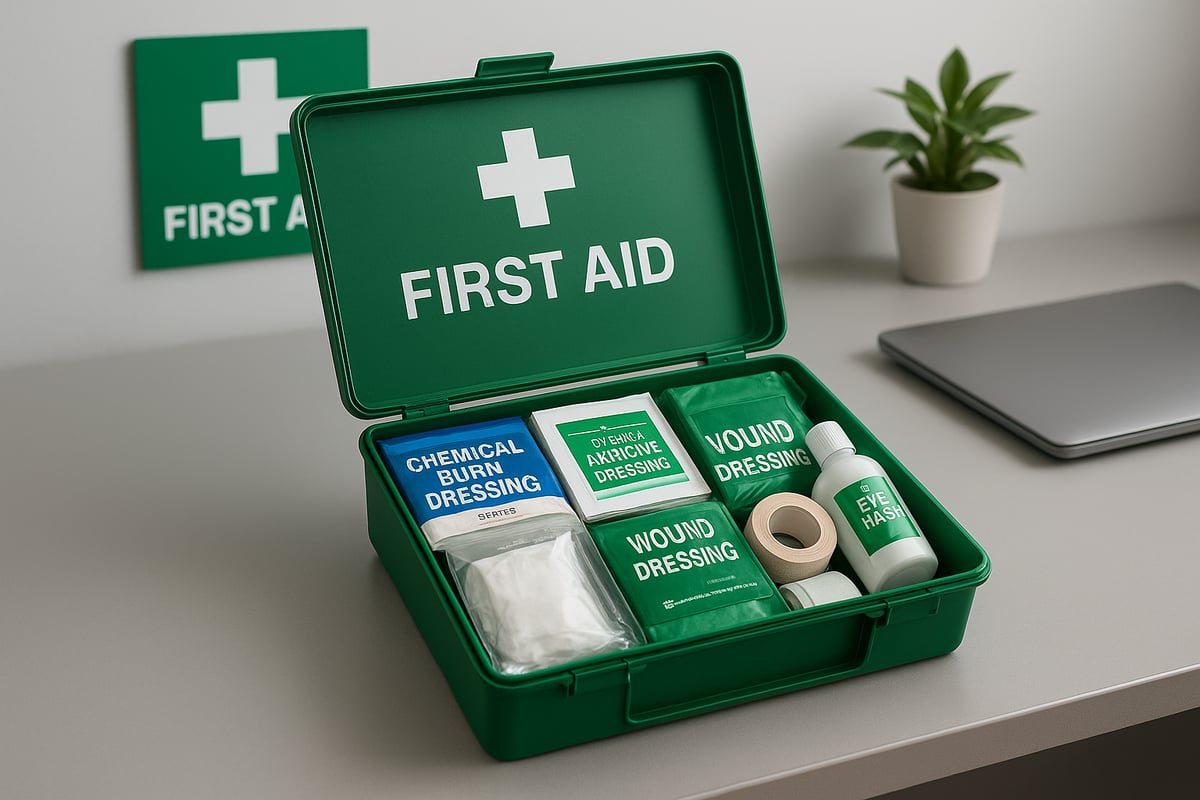
Ensuring that your hse first aid kit meets the latest 2026 standards is not just about ticking a legal box. It is about protecting your workforce and demonstrating a proactive approach to health and safety. The right kit can mean the difference between a quick recovery and a more serious incident. As regulations evolve, employers must stay informed and ready to act. For an in-depth look at essential kit components and compliance tips, see the Building a Workplace First Aid Kit guide.
Mandatory Minimum Contents for 2026
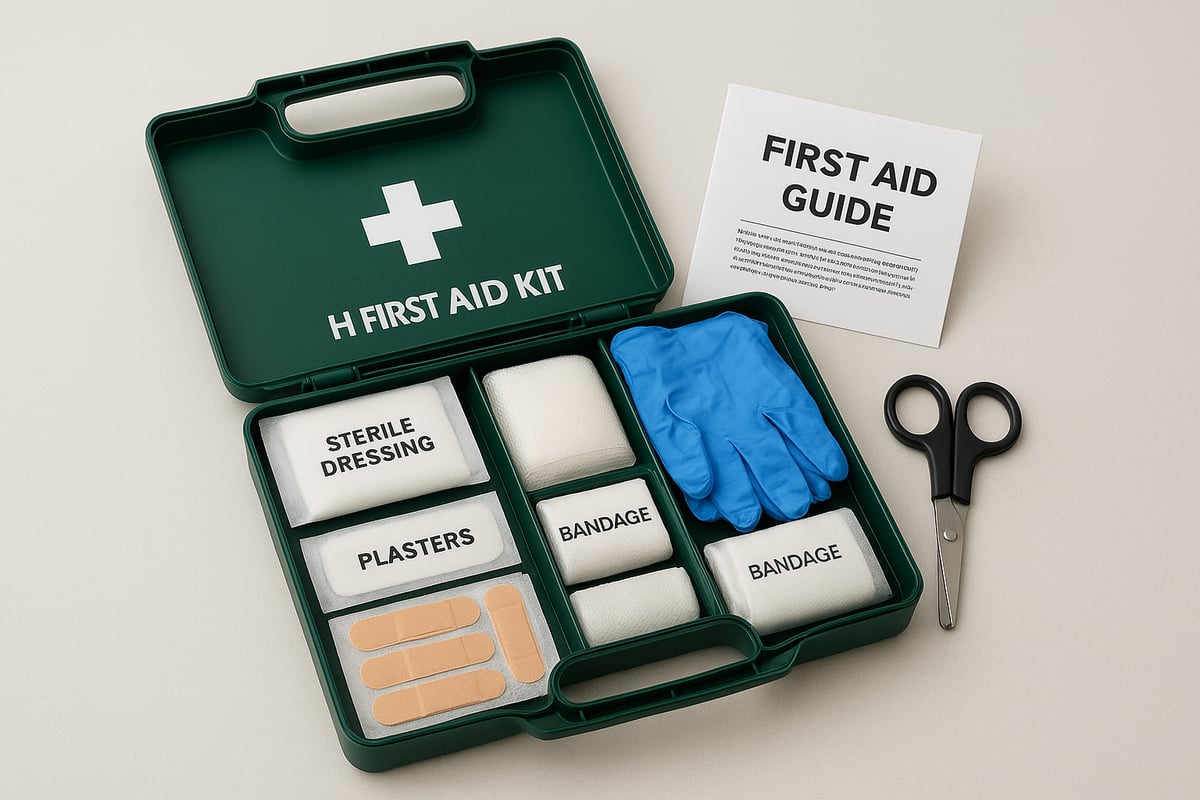
The foundation of any hse first aid kit is its mandatory minimum contents. According to the 2026 HSE guidelines, all workplace kits must include:
- Assorted sterile plasters (including hypoallergenic options)
- Sterile eye pads
- Individually wrapped sterile triangular bandages
- Safety pins
- Large and medium sterile dressings
- Disposable gloves (preferably nitrile)
- Sterile cleansing wipes (alcohol-free)
- Guidance leaflet on first aid
- Adhesive tape
Each of these items addresses common workplace injuries, from minor cuts to more serious wounds. Compliance ensures that immediate, effective care is available for most incidents.
Detailed Breakdown and Rationale
Every component in the hse first aid kit serves a specific medical or legal purpose. For example, sterile plasters protect wounds from infection, while triangular bandages are vital for immobilizing limbs or creating slings. Disposable gloves reduce the risk of cross-contamination, which is especially important for protecting both the responder and the casualty.
Sterile cleansing wipes are included to clean wounds before bandaging. Safety pins secure bandages and dressings, allowing for flexible use in emergencies. The guidance leaflet helps even untrained staff provide basic care, ensuring compliance with HSE's “suitable and sufficient” requirement.
By covering these core needs, the kit supports both practical response and regulatory obligations.
Comparing Kits by Workplace Size
HSE first aid kit requirements scale with workplace size. A small office (1-5 people) might need:
- 10 x sterile plasters
- 2 x triangular bandages
- 1 x large sterile dressing
- 6 x safety pins
- 2 x sterile eye pads
- 1 x pair disposable gloves
- 1 x guidance leaflet
For larger teams, quantities increase proportionally. Factories or warehouses with higher staff numbers must stock multiple kits or larger versions. Competitor kits often include similar items, but always check for HSE compliance.
A tailored approach ensures that all staff have prompt access to first aid, regardless of team size.
Optional and Recommended Additions
While the standard hse first aid kit covers most scenarios, higher-risk workplaces should consider extra items. For environments with chemical hazards, add eye wash bottles and burn dressings. Remote sites or lone workers may benefit from emergency foil blankets, resuscitation face shields, or trauma shears.
Multilingual guidance notes can be crucial in diverse teams, supporting clear communication during emergencies. Review your workplace risks to decide which additions are appropriate.
Table: HSE First Aid Kit Contents by Workplace Size
| Item | 1-5 Staff | 6-25 Staff | 26-50 Staff |
|---|---|---|---|
| Sterile Plasters | 10 | 20 | 40 |
| Triangular Bandages | 2 | 4 | 6 |
| Large Sterile Dressings | 1 | 2 | 6 |
| Safety Pins | 6 | 12 | 24 |
| Sterile Eye Pads | 2 | 4 | 8 |
| Disposable Gloves (pairs) | 1 | 2 | 4 |
| Guidance Leaflet | 1 | 1 | 1 |
In a real-world scenario, a construction firm avoided escalation of a bleeding injury because the hse first aid kit contained sufficient dressings and gloves, enabling immediate care.
Regularly reviewing your kit ensures ongoing compliance and readiness for any workplace emergency.
Conducting a Workplace First Aid Needs Assessment
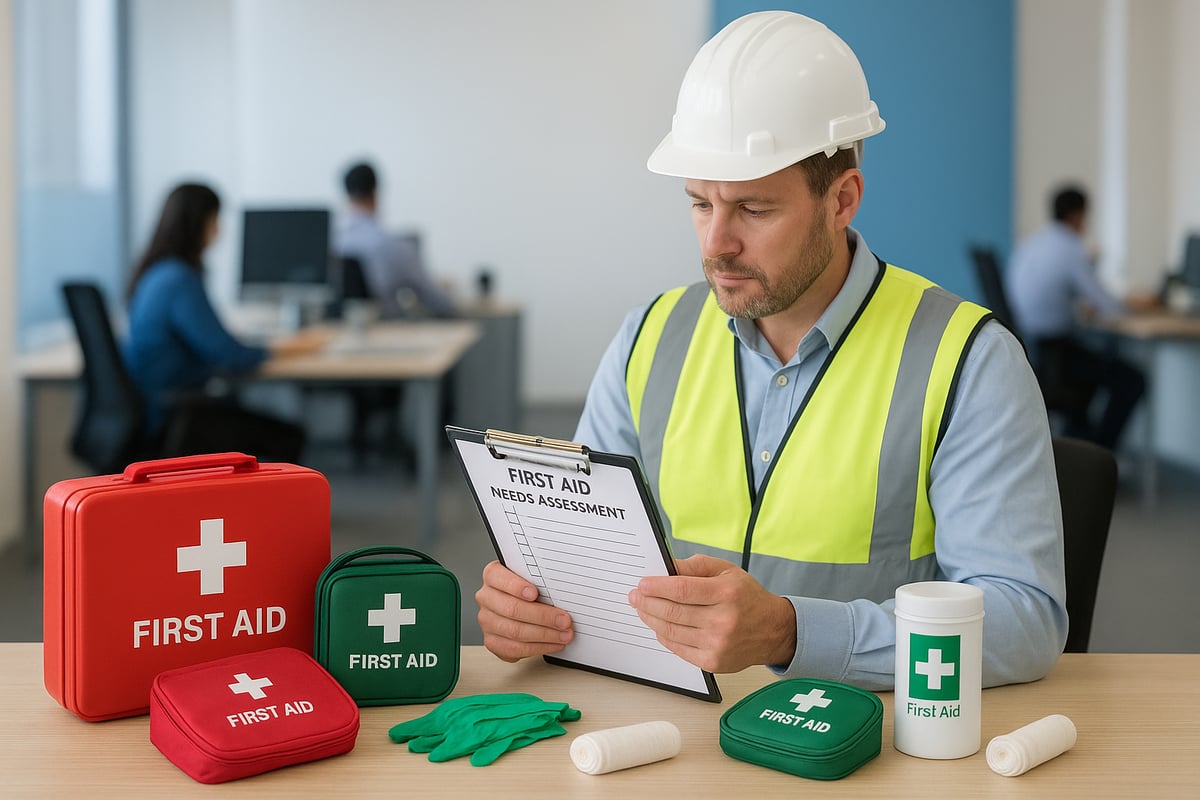
A thorough workplace first aid needs assessment is the foundation of hse first aid kit compliance for 2026. This process ensures that your kit matches the actual risks and staff requirements unique to your environment. Not only is this assessment a legal obligation for UK employers, but it also directly impacts employee safety and your organization’s ability to respond to emergencies.
Understanding the Assessment Process
The goal of a first aid needs assessment is to identify the hazards, risks, and specific needs of your workplace. This begins by reviewing the nature of your business, the number of employees, and any unique operational factors. For example, a busy warehouse faces very different risks compared to a small office.
Start by gathering information on past incidents, accident trends, and any near-misses. Consult HSE guidance, industry standards, and your own health and safety records. Engage with staff, as their insights can reveal hidden risks or recurring issues.
Step-by-Step: Evaluating Your Needs
A structured approach makes the assessment manageable and effective. Follow these steps:
- Identify workplace hazards (machinery, chemicals, slips, manual handling).
- Assess the number of staff, shifts, and any lone or remote workers.
- Consider vulnerable groups (pregnant workers, those with disabilities).
- Review the proximity to emergency services and medical help.
- Determine the history and frequency of workplace incidents.
- List any specific activities requiring extra precautions, such as welding or working at heights.
For a detailed checklist and practical guidance, see this resource on conducting a workplace first aid needs assessment.
Sample Checklist Table:
| Assessment Area | Key Questions | Notes/Actions |
|---|---|---|
| Hazards Present | What equipment, chemicals, or tasks are involved? | |
| Staff Numbers | How many people and shifts? | |
| Special Needs | Any vulnerable staff or lone workers? | |
| Past Incidents | What injuries have occurred before? | |
| Emergency Response | How close is help? |
Consultation and Real-World Examples
Consulting employees is essential when assessing your hse first aid kit needs. Staff feedback can uncover overlooked hazards or highlight areas needing improvement. Involving the team also encourages a culture of safety and shared responsibility.
Consider the following scenarios:
- In a small office, paper cuts and slips are most common, so a basic hse first aid kit with plasters and dressings may suffice.
- In a construction site, risks include falls and lacerations, requiring a more comprehensive kit with trauma dressings and burn treatments.
According to recent HSE statistics, manual handling and slips remain leading causes of workplace injuries across all sectors. Tailoring your kit to these risks improves outcomes during emergencies.
Documentation, Review, and Avoiding Pitfalls
Legally, you must document every hse first aid kit assessment, record your findings, and update them regularly—especially after any workplace changes or incidents. This record demonstrates compliance and helps ensure your kit always matches the current risk profile.
Common pitfalls include underestimating risks, relying on a generic kit, or neglecting lone workers. To avoid these, repeat your assessment annually and after significant changes. Keep clear records and update your hse first aid kit as needed, involving staff throughout the process.
A robust, documented assessment is your best protection against regulatory breaches and helps create a safer, more responsive workplace.
Maintaining and Monitoring HSE First Aid Kits
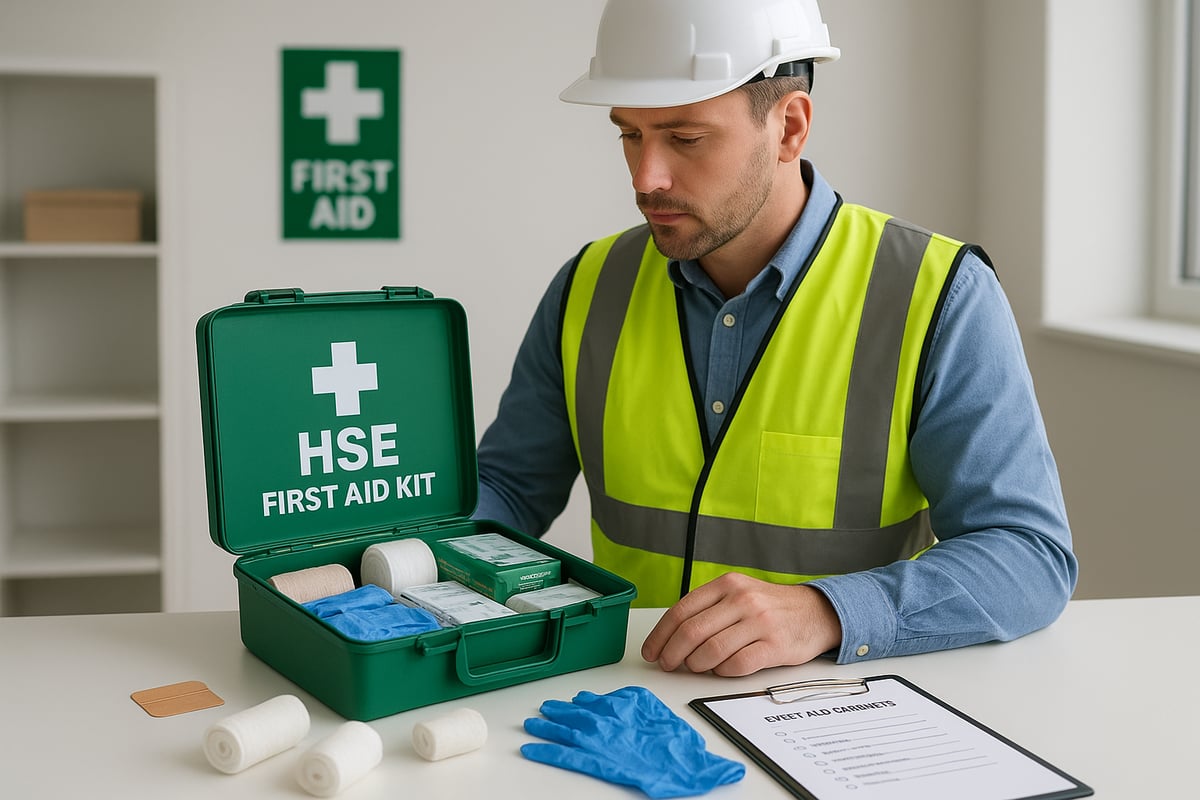
A well-maintained hse first aid kit is a cornerstone of workplace safety and legal compliance. Regular monitoring ensures that every item is present, functional, and ready for use in emergencies. Overlooking maintenance can leave businesses unprepared, exposing staff to greater risk and organizations to regulatory penalties.
Why Maintenance Matters
Maintaining your hse first aid kit is not just a legal obligation, it is a vital part of risk management. The HSE requires employers to keep kits in a state of readiness, meaning all contents must be available and within their expiry dates. Failure to meet these standards can result in fines, failed inspections, or ineffective emergency response.
Neglected kits have, in several reported cases, led to delays in treatment or worsened injuries. For example, an out-of-date sterile dressing can compromise wound care, increasing infection risk. Proper maintenance reduces these dangers and demonstrates a commitment to employee wellbeing.
Step-by-Step Maintenance Routine
To ensure your hse first aid kit remains compliant, follow a structured maintenance routine:
- Schedule Regular Inspections: Check kits monthly or quarterly, depending on workplace risk and usage.
- Check Expiry Dates: Replace items that are used or approaching expiry, especially sterile products.
- Record Inspections and Replenishments: Keep a log of each check, noting items replaced and any issues found.
- Update Kits After Incidents: Review contents after any incident, as some items may need immediate replenishment.
- Ensure Accessibility: Place kits in visible, accessible locations, and verify signage is clear.
A simple checklist can streamline this process. Assign responsibility for inspections to a trained individual or appointed person, ensuring accountability.
Common Pitfalls and Oversights
Several common oversights can undermine the effectiveness of an hse first aid kit. These include:
- Failing to replace used or expired items promptly.
- Not documenting maintenance checks, which can hinder audits.
- Storing kits in hard-to-reach or poorly marked locations.
- Overlooking updates after changes in workplace risk.
HSE reports indicate that missing or expired items are among the most frequently cited issues during workplace inspections. These mistakes are avoidable with a disciplined approach and regular training.
Tools and Tips for Effective Monitoring
Leveraging digital tools and organized systems can make maintaining your hse first aid kit more efficient. Use electronic checklists, reminders, or dedicated apps to track inspection dates and replenishments. Label kits clearly and use transparent containers for easy visual checks.
For more practical advice on keeping your kits audit-ready, refer to First Aid Kit Maintenance Tips. This guide offers actionable strategies for organizing, labeling, and maintaining compliance.
Consistent monitoring and proactive maintenance not only fulfill legal requirements but also foster a culture of safety and readiness. By prioritizing your hse first aid kit, you ensure your team is protected and your organization remains compliant.
Meeting Compliance Through Quality Suppliers and Expert Guidance
Ensuring your hse first aid kit meets the latest standards in 2026 is not just about ticking a box. The supplier you choose plays a critical role in your compliance journey and the safety of your workforce. Sourcing kits from reputable, HSE-compliant vendors helps eliminate uncertainty about kit quality, contents, and regulatory alignment.
When selecting a supplier, look for certifications, transparent sourcing, and a strong track record of supporting organizations with compliant products. Top suppliers provide a diverse range of hse first aid kit sizes and configurations, catering to various workplace risks and environments. Many offer pre-stocked kits that meet or exceed legal requirements, saving you time and reducing the risk of non-compliance. For an in-depth overview of what UK law demands, see this first aid kit requirements for UK workplaces guide.
A quality supplier does more than just sell products. They offer expert advice, ongoing customer support, and training resources to help your team use each hse first aid kit effectively. Look for suppliers who keep pace with evolving regulations, such as the latest BS 8599-1:2019 first aid kit standards, and proactively notify clients when updates or new products are available.
Partnering with an experienced supplier can transform your approach to compliance. Many organizations benefit from supplier-led audits, bulk purchasing solutions, and tailored kit options for unique workplace needs. These partnerships help maintain a consistent, high standard for every hse first aid kit across your sites, ensuring you are always prepared for emergencies and regulatory inspections.
Future-Proofing Your First Aid Compliance Strategy
Forward-thinking businesses know that compliance does not end with meeting the current HSE first aid kit requirements. As we approach and move beyond 2026, regulations are likely to evolve in response to new workplace realities. Staying ahead means understanding both upcoming legislative changes and the broader trends shaping health and safety.
Regulatory Trends and Future Changes
Legislative bodies regularly review workplace health and safety standards. The HSE first aid kit requirements are refined as new hazards and medical technologies emerge. For example, digital reporting, smart first aid devices, and stricter documentation may soon become standard. Businesses that monitor updates from the Health and Safety Executive and industry groups are better prepared for these shifts.
Upcoming regulations may require more robust first aid kits, especially for sectors facing higher risk or adopting new work models. Forward planning ensures organizations are never caught off guard by compliance deadlines.
Emerging Risks and Workplace Evolution
Modern workplaces are changing rapidly. Remote work, flexible schedules, and increased automation introduce fresh challenges. Risks like ergonomic injuries, mental health crises, or exposure to new equipment may not be covered by a basic hse first aid kit.
Organizations that conduct regular risk assessments adapt more smoothly. For example, a company with remote staff might add digital guidance notes or compact kits for home offices. Using resources such as the First Aid Needs Assessment Checklist helps ensure all potential hazards are considered.
Building a Proactive First Aid Policy
A future-proof first aid policy goes beyond compliance. It anticipates risks, incorporates feedback, and remains agile. This includes reviewing the hse first aid kit contents, updating protocols, and involving staff in safety planning.
Customizing kits to match evolving roles or locations demonstrates a commitment to wellbeing. For example, organizations may include additional PPE for field teams or multilingual instructions for diverse staff. Guidance from the Small First Aid Kits Explained article supports these tailored approaches.
Continuous Review and Staff Engagement
Ongoing compliance is not a set-and-forget task. Schedule annual reviews of the hse first aid kit and associated policies. Regularly consult with staff to identify new risks or concerns.
Continuous training is vital. Refresher sessions, scenario-based drills, and clear communication keep safety top of mind. Engaged employees are more likely to spot issues early and respond effectively in emergencies.
Actionable Steps and Industry Insight
To maintain leadership in workplace safety, implement these strategies:
- Monitor regulatory updates and industry predictions.
- Perform frequent risk assessments and document all findings.
- Update the hse first aid kit contents and staff training regularly.
- Foster a culture of safety where feedback is valued.
- Partner with trusted suppliers for expert support and timely updates.
Organizations that embrace these practices adapt quickly to regulatory changes and safeguard both compliance and employee wellbeing.
Article written using RankPill.

