First Aid Resupply Guide: Stay Prepared in 2026
Imagine facing a sudden emergency in 2026 only to discover your first aid kit is missing essential supplies. In moments like these, being prepared is not just convenient, it is critical for your safety and peace of mind.
This guide is your roadmap to mastering first aid resupply so you can respond confidently to any situation. You will learn essential resupply steps, discover updated supply lists, find the best sources, and get practical storage and maintenance tips.
Ready to gain the knowledge and tools needed for true preparedness? Dive in and ensure your first aid resupply is always up to date.
Why Regular First Aid Resupply Matters in 2026
Imagine a sudden storm knocks out power in your neighborhood, and you reach for your first aid kit, only to realize essential items are missing or expired. Scenarios like this highlight the critical need for regular first aid resupply as we move into 2026.
The world has seen a rise in natural disasters and public health emergencies in recent years. Wildfires, hurricanes, and outbreaks have become more frequent, putting greater demands on emergency preparedness. According to the Red Cross, 68% of households used first aid supplies at least once in 2024. This staggering figure underscores how vital it is to keep your kit updated with a reliable first aid resupply routine.
When supplies are missing or past their expiration date, your kit can quickly become ineffective in a crisis. Imagine needing a burn dressing or antiseptic, only to find it unusable. As safety standards and medical guidelines evolve, certain items may need to be replaced or upgraded. For example, the inclusion of digital thermometers or COVID-19 related supplies is now standard. Resources like the CDC Emergency Kit Checklist provide up-to-date recommendations to support your first aid resupply plan.
It is also crucial to adapt your first aid resupply to changes within your family, workplace, or community. New allergies, chronic conditions, or even new team members can all affect what should be included. There are countless stories where a well-stocked kit made all the difference, such as a parent quickly treating a severe allergic reaction at home. On the other hand, preventable complications can arise when kits are depleted or outdated.
Beyond the physical benefits, maintaining a regular first aid resupply brings psychological comfort. Knowing you are prepared offers peace of mind and boosts confidence during emergencies. This sense of readiness can reduce panic and support better decision-making in stressful situations.
Lastly, legal and workplace compliance add another layer of importance. OSHA and local regulations often require specific supplies for businesses and public spaces. Staying current with your first aid resupply ensures you meet these requirements and protect those in your care.
In summary, integrating first aid resupply into your routine is a proactive step toward safety, adaptability, and compliance in 2026. Regular checks and updates not only safeguard health but also foster resilience and confidence when emergencies strike.
Step-by-Step First Aid Resupply Process
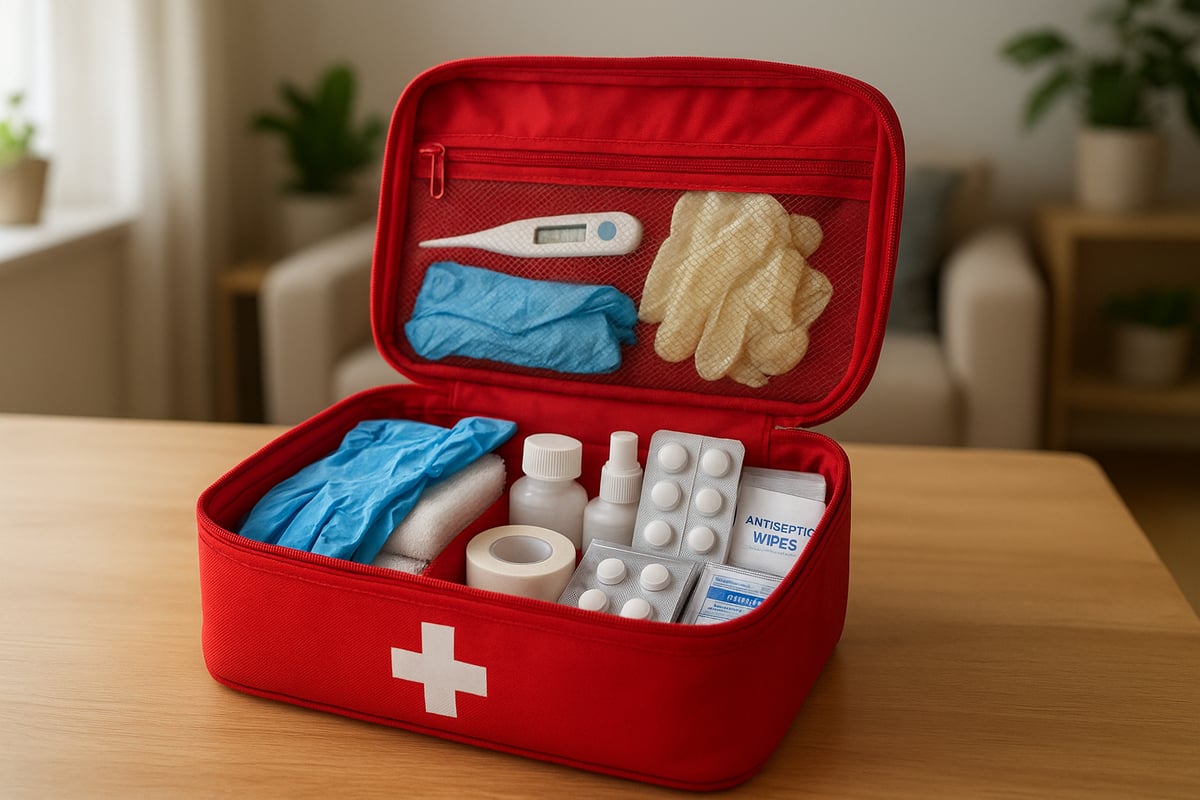
A reliable first aid resupply process is the backbone of true preparedness. By following a systematic approach, you can ensure that your kit is always ready for emergencies, whether at home, work, or on the road.
Let’s break down the essential steps to keep your supplies current, organized, and compliant with evolving standards.
Step 1: Assess Your Current Kit
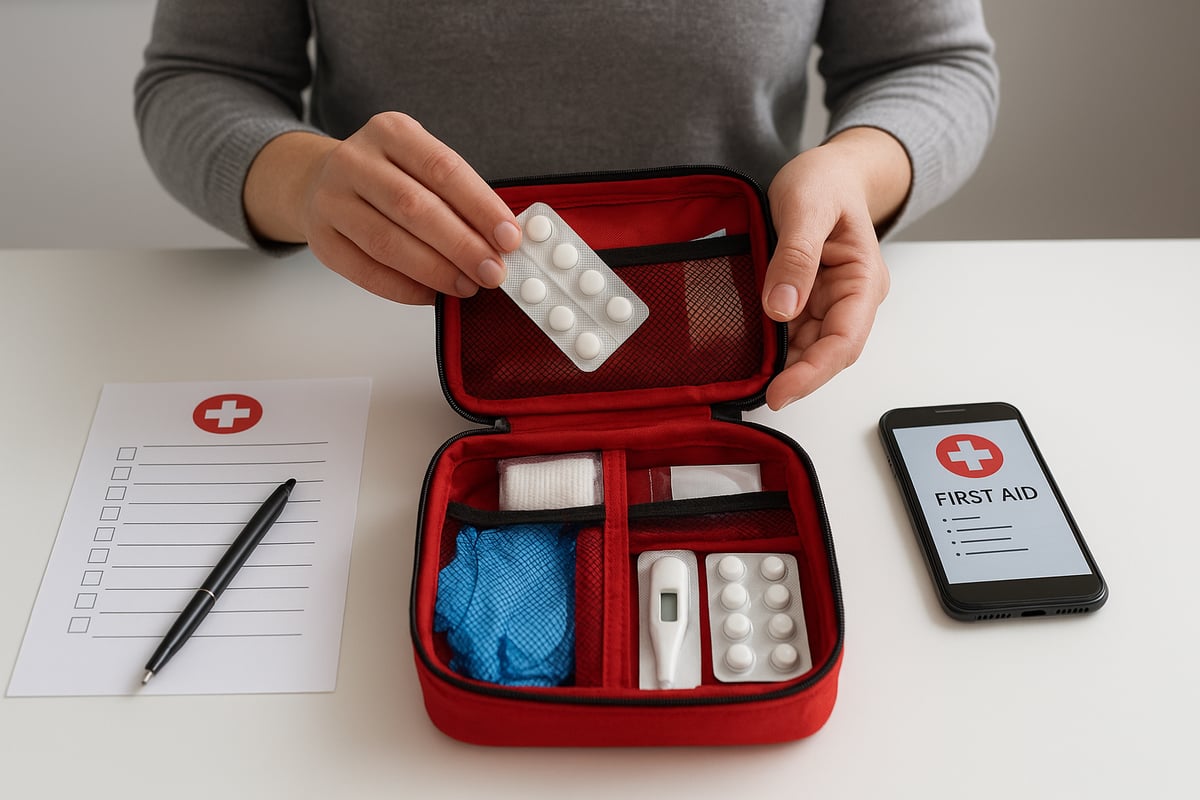
Start your first aid resupply by thoroughly assessing your existing kit. Lay out all supplies and use an inventory checklist to compare what you have against recommended items. Pay special attention to expiration dates on medications, ointments, and sterile items.
Commonly overlooked items include tweezers, burn dressings, and emergency blankets. These essentials are often missing when you need them most. Consider using digital checklists or first aid apps to help track inventory and avoid omissions.
By making this assessment a habit, you set the foundation for a first aid resupply strategy that prevents critical gaps in emergencies.
Step 2: Identify Essential Supplies for 2026
The next step in first aid resupply is identifying the supplies that reflect current health risks and personal needs. Core items such as assorted bandages, antiseptic wipes, gloves, CPR masks, and splints remain staples.
However, updated recommendations for 2026 include COVID-19 related items, digital thermometers, and pulse oximeters. Personalize your kit with prescription medications, allergy treatments, or pediatric and geriatric products as required.
For example, adding naloxone has become standard, especially with CDC guidance for opioid emergencies. Customizing your first aid resupply ensures your kit serves every member of your household or team.
Step 3: Source High-Quality Replacements
Sourcing quality supplies is a pivotal part of first aid resupply. Choose reputable suppliers such as local pharmacies, medical supply stores, or trusted online retailers. Always verify product authenticity and check expiration dates before purchase.
Decide between buying in bulk or selecting individual items. Bulk buying can be cost-effective for large families or workplaces, but requires careful stock rotation. For a detailed look at this approach, review Bulk buying first aid supplies to weigh the pros and cons.
Prioritize FDA-approved products to guarantee safety and compliance. Consistently sourcing the right products keeps your first aid resupply process both efficient and reliable.
Step 4: Restock and Organize Efficiently
Efficient organization is a cornerstone of first aid resupply. Restock your kit so that high-priority items are easy to find. Use labeled compartments or bags to categorize supplies—trauma, burns, medications—for quick access.
Color-coded bags or containers help team members and family locate items during stressful moments. Rotate stock by placing newer items at the back and using older ones first, ensuring nothing expires unnoticed.
A well-organized kit not only speeds up response times but also makes regular first aid resupply checks simpler and more effective.
Step 5: Schedule Regular Reviews
First aid resupply should be a recurring task, not a one-time event. Schedule quarterly or biannual reviews and set digital reminders to prompt checks. Integrate these reviews into family safety routines or workplace protocols.
Leverage apps that track supply usage and send alerts when items need replenishing. According to a First Aid Council survey, 42% of users forget to check their kits annually, making automated reminders invaluable.
By making regular reviews a habit, you reinforce your first aid resupply efforts and maintain confidence that your kit will perform during critical situations.
Essential First Aid Supplies Checklist for 2026
Staying prepared means knowing exactly what belongs in your kit. This essential first aid resupply checklist for 2026 reflects updated recommendations, new health challenges, and the importance of customization for every household or workplace.
Core Medical Supplies
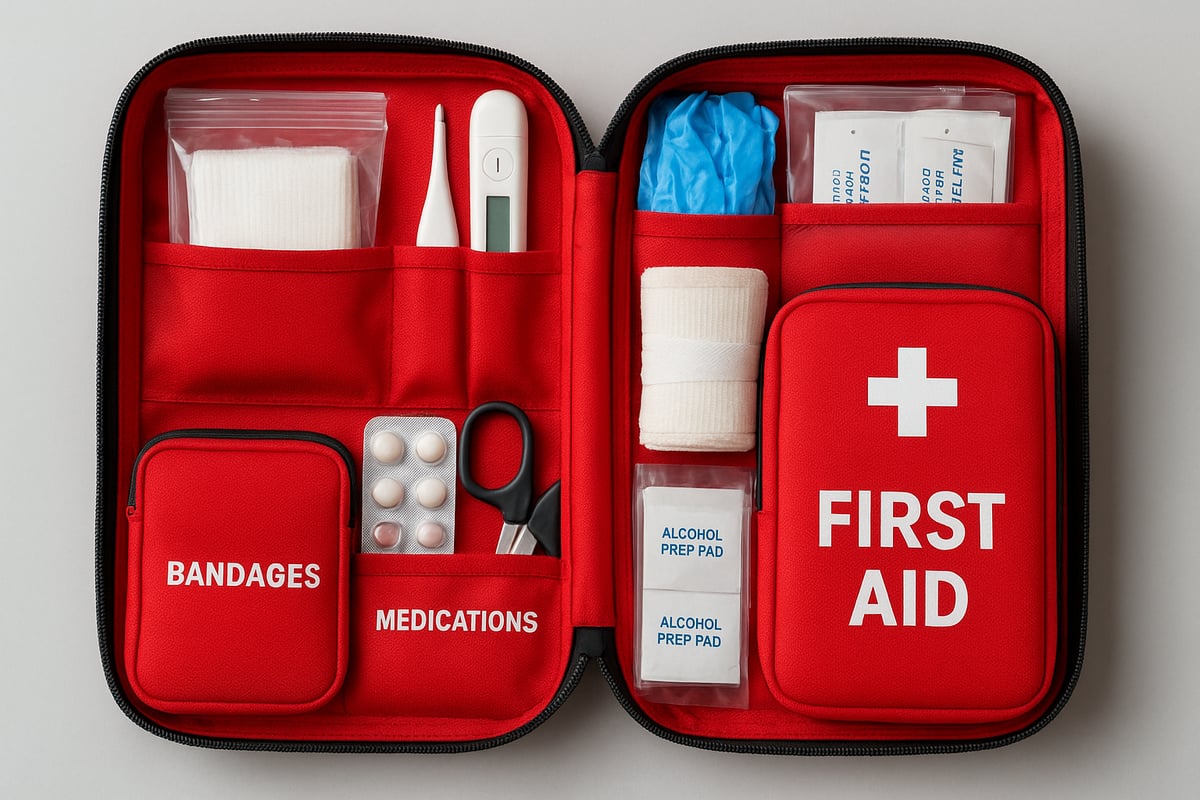
Every first aid resupply should start with the basics. Stock a variety of sterile bandages, gauze pads, and adhesive tape for wound care. Include antiseptic wipes, burn dressings, and an emergency blanket for shock or exposure. Eye wash is essential for flushing irritants. Trauma shears are now considered indispensable, as they cut through clothing and bandages quickly in emergencies.
A well-rounded kit also needs a first aid manual and tweezers for removing splinters or debris. For a detailed breakdown, you can review the Essential items for first aid kits guide to support your first aid resupply process.
Medications and Specialty Items
Medications are a vital part of first aid resupply. Always include pain relievers such as acetaminophen or ibuprofen, antihistamines for allergic reactions, and aspirin for suspected heart attacks. Epinephrine auto-injectors are crucial for severe allergies.
Remember to add personal prescription medications and any over-the-counter items your family needs. Naloxone kits have seen increased demand, especially as opioid emergencies become more common. Keeping these medications up to date is a key part of responsible first aid resupply in 2026.
Tools and Devices
Modern first aid resupply also means updating your kit with the right tools. A digital thermometer is essential for monitoring fevers, while a pulse oximeter helps assess blood oxygen levels, especially after respiratory illness. Include a blood pressure cuff for those with chronic conditions.
Scissors and tweezers are staples for cutting and removing debris. A CPR face shield offers protection during resuscitation. According to recent data, 34% of users added digital health tools to their kits post-pandemic, making these devices crucial for your first aid resupply.
Personal Protection Supplies
Personal protection is now a major focus of first aid resupply. Stock plenty of nitrile gloves to prevent contamination, and include multiple face masks for respiratory protection. Eye protection and hand sanitizer are must-haves for infection control.
Biohazard disposal bags allow for safe cleanup of contaminated materials. PPE shortages in 2020 underscored the importance of being proactive. Ensuring an ample supply of these items during your first aid resupply prevents future shortages and increases readiness.
Documentation and Emergency Info
Organized documentation is fundamental for effective first aid resupply. Include emergency contact cards for all family members, along with medical history forms listing allergies, chronic conditions, and medications. A printed first aid manual or quick-reference guide supports quick action in stressful moments.
Consider adding QR codes linking to digital medical records for faster access by first responders. Keeping this information updated and accessible is a vital step in your first aid resupply process, ensuring help arrives with the right information.
Customizing for Special Needs
No first aid resupply is complete without customization. Pediatric kits may require smaller bandages, digital thermometers with flexible tips, or liquid medication. Geriatric kits could include pill organizers and extra mobility aids. Do not forget pet-specific supplies like wound wash or tick removers for animal emergencies.
For example, asthma inhalers are now a common addition to school kits. Tailoring your first aid resupply to your household’s unique needs guarantees everyone is covered in an emergency.
Where to Find Reliable First Aid Supplies in 2026
Finding dependable sources for first aid resupply is more important than ever. As households and businesses adapt to changing health risks, the demand for quality first aid resupply solutions has surged. Whether you are updating a family kit or outfitting a workplace, knowing where to get trustworthy supplies is essential for ongoing preparedness.
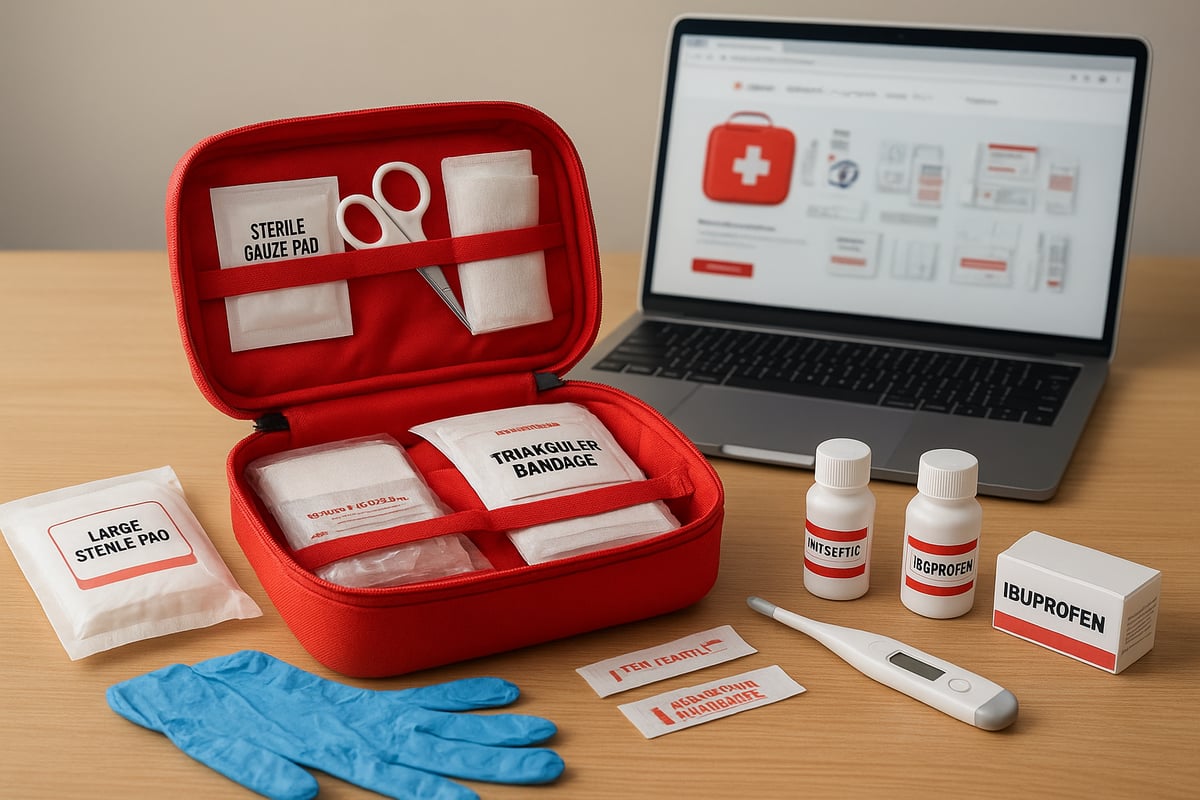
Local vs. Online Retailers: Making the Right Choice
When considering first aid resupply, both local and online sources offer distinct benefits. Local pharmacies and medical supply stores allow you to inspect items in person, check expiration dates, and ask questions directly. This can be especially helpful when you need immediate replacements or have unique requirements.
Online retailers, on the other hand, provide access to a broader selection of specialized supplies, competitive prices, and the convenience of home delivery. According to Health Market Insights, 27% of consumers migrated to online-only first aid resupply in 2025. Bulk purchasing online can reduce costs, and many platforms offer subscription options for automatic restocking.
| Retailer Type | Pros | Cons |
|---|---|---|
| Local | Immediate access, inspect products, personal service | Limited selection, higher prices |
| Online | Wider variety, lower cost, convenient delivery | Wait times, risk of counterfeits |
No matter which route you choose, prioritize reputable vendors for all first aid resupply needs.
Trusted Brands and Certifications: What to Look For
Quality assurance is critical when sourcing first aid resupply items. Look for products certified by organizations such as the FDA, CE, or the Red Cross. These marks indicate that supplies meet safety and efficacy standards.
Recognizable brands often deliver consistent quality, but always check for official labels and certification marks. If you are unsure about a product, consult a pharmacist or medical professional before purchase.
Avoiding Counterfeit Products and Scams
The rise in online shopping has unfortunately led to more counterfeit medical products. To safeguard your first aid resupply, always purchase from established retailers or manufacturer-authorized dealers.
- Examine packaging for misspellings or poor print quality.
- Avoid deals that seem too good to be true.
- Check for clear expiration dates and lot numbers.
- Read customer reviews for red flags.
If in doubt, contact the supplier for verification before completing your first aid resupply order.
Specialized Suppliers and Subscription Services
Some situations demand more than a standard kit. Specialized suppliers cater to workplaces, travelers, or tactical needs, offering tailored first aid resupply kits. Many now provide subscriptions, ensuring you never run out of critical items.
A growing number of families have turned to subscription services for peace of mind. For instance, one family shared how automatic shipments kept their kit updated, even as their needs changed over time. This approach reduces the risk of missing or expired supplies and supports consistent preparedness.
For a deeper dive into selecting and maintaining your kit, check out The ultimate guide to first aid kits, which offers expert advice on every stage of first aid resupply.
Final Thoughts: Stay Ahead with Reliable Resupply
Reliable first aid resupply is the foundation of effective emergency response. By choosing trusted sources, verifying certifications, and considering automatic restock options, you can ensure your kit remains ready for any situation in 2026. Take the time to review your resupply strategy regularly, so you are never caught off guard.
Smart Storage and Maintenance Tips for First Aid Supplies
Having a well-stocked kit is only half the battle. Smart storage and regular maintenance are vital for effective first aid resupply. Without proper care, even the most advanced supplies can become compromised, leaving you unprepared when seconds count.
Storage Locations & Environmental Factors
Choosing the right storage location is essential for first aid resupply success. Store your kit in a cool, dry area away from direct sunlight and fluctuating temperatures. Heat and humidity can degrade medications, adhesives, and packaging, reducing their effectiveness.
Avoid placing kits in garages or car trunks for long periods, as extreme temperatures can cause supplies to break down. Instead, designate a central spot in your home, such as a hallway closet or pantry shelf. For workplaces, ensure kits are accessible but protected from exposure to cleaning chemicals or excessive moisture. Proper placement extends shelf life and ensures your supplies are ready when needed.
Organization & Accessibility
Efficient organization is at the heart of reliable first aid resupply. Use labeled compartments, color-coded pouches, or clear containers to categorize supplies by type, such as trauma care, burns, or medications. This system saves precious time in an emergency and simplifies restocking.
Consider using resealable bags for small items and waterproof cases for environments prone to spills or dampness. Families with children or elderly members should prioritize easy-to-open containers and clear labeling. For a step-by-step guide on organizing and personalizing your kit, see How to build a family first aid kit.
Portable vs. Stationary Kits & Special Considerations
First aid resupply needs vary depending on whether your kit is portable or stationary. Home and workplace kits are often larger and more comprehensive, while travel or car kits require compact, lightweight solutions. Use durable, sealed containers for portable kits to prevent contamination and protect contents on the go.
Think about your household’s unique needs. For families, include child-safe medications and supplies. For elderly members, ensure easy access and consider mobility aids. Travelers should reference Red Cross Travel First Aid Essentials to stay updated on best practices for mobile kits. Customizing your kit for each situation maximizes readiness.
Training, Maintenance, and Ongoing Readiness
Maintaining first aid resupply effectiveness means more than just storing your kit. Schedule regular checks, at least twice a year, to replace expired items and update supplies as family or workplace needs change. Simple reminders on your phone or calendar can make a big difference.
Train everyone in your household or team to locate and use the kit correctly. Review contents together and practice basic first aid skills. According to the Safety Trends Report 2025, 55% of kit failures stem from improper storage, underscoring the need for ongoing education and vigilance. By making maintenance a shared responsibility, you ensure your kit is always ready for any emergency.
Future Trends in First Aid Resupply and Preparedness
The landscape of first aid resupply is rapidly evolving. As we look toward 2026 and beyond, new technologies and societal shifts are reshaping how individuals and organizations prepare for emergencies. Staying informed about these trends ensures your first aid resupply plan remains proactive, effective, and compliant.
Smart First Aid Resupply Technology
Smart first aid kits are transforming preparedness. These kits use sensors and connected devices to monitor supply levels, expiration dates, and usage patterns in real time. Some models can sync with smartphones, providing instant alerts when your first aid resupply is due or when items are running low.
This technology reduces the risk of missing critical supplies during an emergency. It also supports families and workplaces in maintaining compliance with safety standards. As a result, first aid resupply becomes more reliable and less time-consuming.
Digital Integration: Telehealth and Emergency Apps
The integration of telehealth platforms and emergency response apps is streamlining first aid resupply and use. Imagine scanning a QR code in your kit to connect directly with a healthcare provider or emergency dispatcher. Digital guides and instructional videos are now standard features, making first aid resupply more user-friendly.
Many apps also track supply usage and prompt timely resupply, ensuring you never run out of essentials. This digital approach bridges the gap between immediate care and professional medical support.
Sustainable and Eco-Friendly Supplies
Sustainability is becoming a priority in first aid resupply. Manufacturers are introducing biodegradable bandages, refillable containers, and recyclable packaging. Eco-friendly options help reduce environmental impact without compromising safety.
For those seeking guidance on the latest eco-responsible products, expert checklists like the REI First Aid Kit Checklist offer updated recommendations for sustainable preparedness.
Evolving First Aid Protocols
First aid protocols are not static. New medications, digital reference materials, and updated guidelines are shaping the future of first aid resupply. Regulatory bodies such as OSHA regularly revise their standards, making it vital to stay informed about compliance requirements. For example, the OSHA First Aid Kit Standards outline essential supplies and protocols for workplace safety.
As protocols evolve, first aid resupply strategies must adapt. Digital guides and QR codes are replacing paper manuals, ensuring guidance is always up to date.
Mental Health and First Aid Resupply
Mental health support is now a recognized component of first aid resupply. Kits increasingly include resources for psychological first aid, such as stress-relief items, crisis hotline cards, and mental health guides.
This shift acknowledges the role of emotional well-being in emergencies. By integrating mental health tools, first aid resupply supports comprehensive care for all types of crises.
Community-Based Preparedness and AI Monitoring
Community-driven resupply initiatives and AI-powered monitoring are on the rise. Public spaces, schools, and workplaces are piloting smart kits that use artificial intelligence to track supply levels and predict needs.
These programs foster shared responsibility and ensure that first aid resupply is a collective effort. According to the Global Health Tech Review, digital-first aid solutions are expected to grow by 19% by 2027, signaling a future where technology and community collaboration drive preparedness.

