
Sterile Adhesive Bandages Guide: Safe Wound Care 2026
Imagine a world where every small cut or scrape is shielded from infection, and healing happens faster and more reliably. With the right sterile adhesive bandages, this vision is now within your reach.
This guide provides you with the latest, science-backed advice on choosing, using, and understanding sterile adhesive bandages for safe wound care in 2026. You will discover different bandage types, their benefits, step-by-step application, emerging innovations, and expert tips for both home and professional use.
Stay informed and take control of your wound care. Reduce infection risks, speed up recovery, and make smarter choices for your health with practical strategies you can use today.
Understanding Sterile Adhesive Bandages
Sterile adhesive bandages are essential tools for modern wound care, combining convenience with reliable protection. Knowing what sets them apart, the materials used, their unique benefits, and proper precautions can help you make safer, more informed choices for every minor injury.
What Are Sterile Adhesive Bandages?
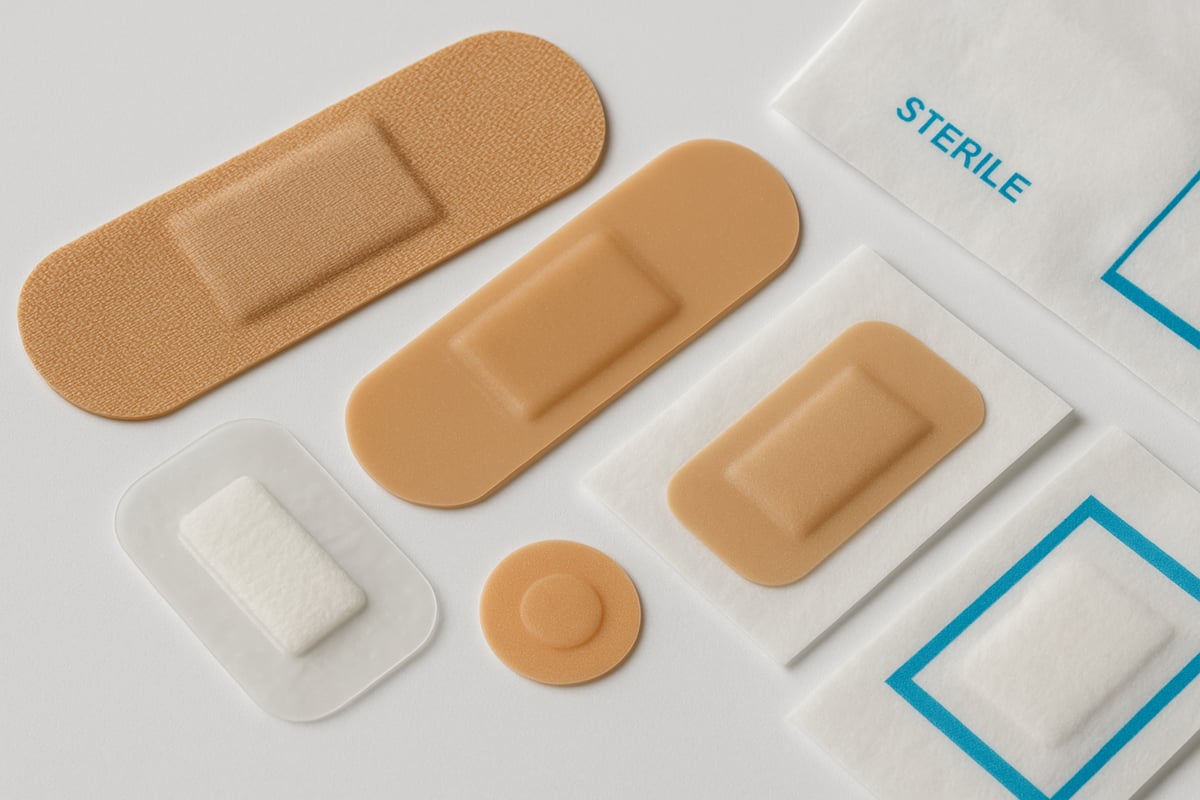
Sterile adhesive bandages are single-use medical coverings designed to protect minor wounds. Each bandage includes three main components: an absorbent pad to cushion and soak up fluids, a sticky adhesive backing for easy attachment, and sterile packaging that keeps the product germ-free until opened.
Sterility is preserved by sealing the bandage in a medical-grade wrapper, preventing contamination. This makes sterile adhesive bandages safer than non-sterile alternatives, which may expose wounds to bacteria. Unlike plain gauze or cotton pads, these bandages combine a built-in adhesive for quick, secure application. Popular examples include Band-Aid Tru-Stay and Dynarex Sheer Plastic Adhesive Bandages.
To further understand the differences between wound coverings, you can explore options in the Dressings and Gauze Selection guide.
Types and Materials of Sterile Adhesive Bandages
Sterile adhesive bandages come in a variety of materials, shapes, and sizes to meet diverse needs. Common materials include fabric for flexibility, plastic for durability, and waterproof versions for wet environments. Latex-free choices are available for those with sensitivities.
Shapes range from standard rectangles to specialized designs for fingers, knuckles, and small spots. The material chosen affects breathability and comfort, with fabric being more flexible and plastic offering better moisture protection. Hypoallergenic and sensitive skin options help prevent irritation. Whether covering a blister, burn, minor cut, or a post-surgical wound, there is a sterile adhesive bandage suited for nearly every situation.
How Sterile Adhesive Bandages Promote Safe Wound Care
Sterile adhesive bandages act as a barrier, keeping bacteria, dirt, and moisture away from healing skin. This protective layer supports moist wound healing, which can minimize scarring and speed recovery. According to the CDC, 1 in 20 minor wounds may become infected without proper care, highlighting the importance of using sterile adhesive bandages.
The cushioning effect of the pad also reduces the risk of further trauma. In real-life scenarios, such as treating children's scrapes, using sterile adhesive bandages can lead to faster healing and fewer complications.
When to Use Sterile Adhesive Bandages
Sterile adhesive bandages are ideal for covering minor cuts, scrapes, abrasions, and burns. They are also useful after vaccinations, injections, or the removal of IVs and blood draws. However, sterile adhesive bandages are not suitable for deep wounds, heavy bleeding, or visible signs of infection.
Common use cases include first aid at home, schools, workplaces, and during outdoor activities. Knowing when to apply sterile adhesive bandages helps ensure optimal wound protection and healing.
Limitations and Precautions
Sterile adhesive bandages are not a substitute for professional medical care when treating severe wounds. Some individuals may experience allergic reactions to adhesives, so choosing hypoallergenic options is wise if you have sensitive skin.
It is important to change bandages regularly, especially if they become wet or dirty. Consult a healthcare provider if a wound does not heal, shows signs of infection, or if severe irritation occurs. Data shows that 15 percent of users report skin irritation, emphasizing the need to monitor reactions and select appropriate products.
Step-by-Step Guide: Applying Sterile Adhesive Bandages Safely
Applying sterile adhesive bandages correctly is essential for fast, safe healing and minimizing the risk of infection. Follow this practical, step-by-step guide to ensure each wound receives optimal care at home, work, or on the go.
Step 1: Wash Hands Thoroughly
Before touching any wound, wash your hands with soap and clean water for at least 20 seconds. This crucial step prevents transferring bacteria to the injury, which is vital when using sterile adhesive bandages. If soap and water are not available, use an alcohol-based hand sanitizer.
Proper hand hygiene lowers infection rates and supports the effectiveness of sterile adhesive bandages. For example, studies show that hand washing before wound care reduces post-injury complications. Always dry your hands with a clean towel before moving to the next step.
Step 2: Clean and Assess the Wound
Gently rinse the wound with clean water to remove dirt and debris. If necessary, use mild soap, but avoid harsh chemicals that could irritate the skin. This preparation ensures the adhesive pad in sterile adhesive bandages can make full contact with clean skin.
Examine the wound for depth, bleeding, and any signs of infection, such as redness or pus. If bleeding is heavy or the wound is deep, sterile adhesive bandages are not appropriate and you should seek professional care immediately.
Step 3: Dry the Skin and Apply Antiseptic (Optional)
Pat the area dry with a sterile gauze pad or a clean towel. The skin must be dry so that sterile adhesive bandages adhere properly and stay in place. Moisture can compromise both adhesion and the sterile barrier.
You may apply a thin layer of antiseptic ointment to help prevent infection, but avoid overusing creams that could interfere with adhesive strength. Research suggests that light antiseptic use combined with sterile adhesive bandages can improve healing outcomes.
Step 4: Choose the Right Size and Type of Bandage
Select sterile adhesive bandages that match the size and shape of the wound. The absorbent pad should fully cover the injury, while the adhesive border should stick to healthy skin. For joints or areas prone to movement, flexible or waterproof options are ideal.
For example, large scrapes on knees may need bigger bandages, while small cuts require spot bandages. Choosing the correct type ensures sterile adhesive bandages provide proper protection and comfort throughout the healing process.
Step 5: Apply Bandage and Secure Edges
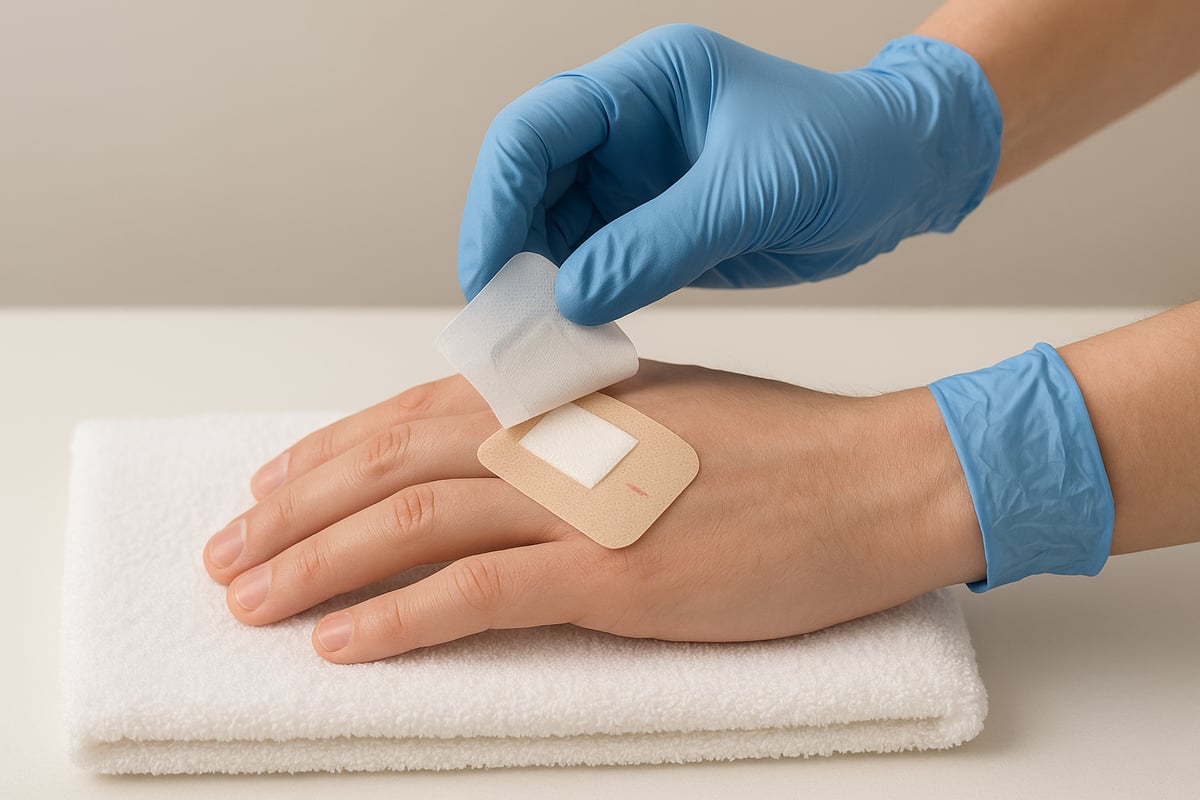
Carefully peel the backing from the sterile adhesive bandages, making sure not to touch the absorbent pad. Center the pad over the wound and gently press the adhesive onto the skin, smoothing the edges to prevent peeling.
For tricky areas like fingers or joints, follow specialized guidance such as the 7 Steps to Wrap a Finger Wound for optimal results. Proper application ensures the wound remains protected and the sterile adhesive bandages stay securely in place.
Innovations and Trends in Sterile Adhesive Bandages for 2026
Sterile adhesive bandages are experiencing a wave of innovation, transforming wound care for both home and clinical use. From advanced materials to digital integration, these trends are shaping safer, more effective healing. Let us explore the latest developments making a real impact in 2026.
Advanced Materials and Technologies
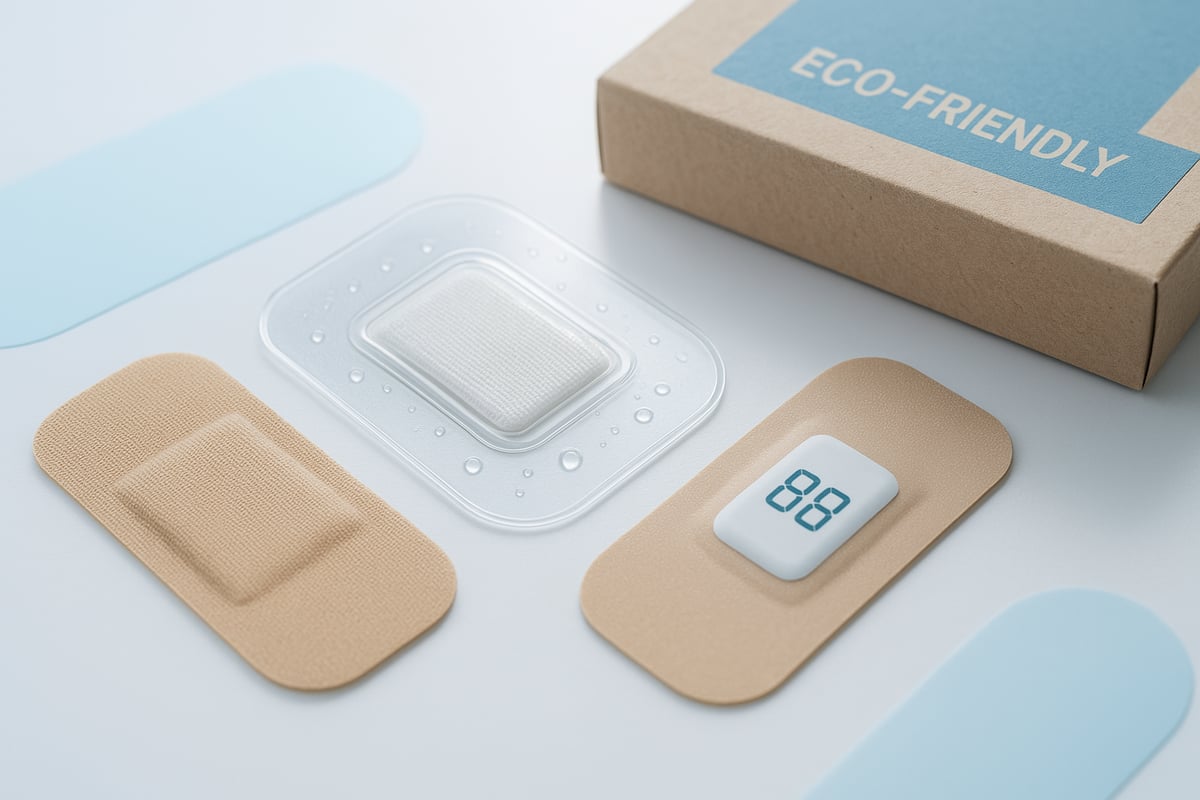
In 2026, sterile adhesive bandages incorporate cutting-edge materials to enhance comfort and protection. Modern bandages feature breathable membranes that allow airflow while keeping out bacteria and moisture. Waterproof options now offer all-day wear, even during swimming or exercise.
Antibacterial and antimicrobial pads are increasingly common, using agents like silver ions to help reduce infection risk. Self-adhering, latex-free adhesives address the needs of those with sensitive skin. For instance, new silver-infused sterile adhesive bandages are popular for their ability to manage infection while supporting rapid healing.
These advancements make sterile adhesive bandages more versatile, durable, and effective for a wide range of wounds.
Eco-Friendly and Sustainable Options
Sustainability is a key focus in the evolution of sterile adhesive bandages. Manufacturers are shifting to biodegradable materials made from plant-based fibers, which break down more easily after disposal. Packaging is being redesigned with less plastic and more recyclable wrappers, reducing environmental impact.
Consumer demand for eco-friendly products is rising. In fact, 2025 saw a 35 percent increase in sales of sustainable first aid supplies. These trends are helping to lower healthcare waste and promote responsible wound care.
By choosing eco-friendly sterile adhesive bandages, both individuals and organizations contribute to a greener future without compromising safety or performance.
Smart Bandages and Digital Integration
Sterile adhesive bandages are entering the digital age. Smart bandages now feature embedded sensors that monitor wound conditions such as moisture and temperature. Some models connect via Bluetooth, allowing users and caregivers to track healing progress on smartphones.
Pilot studies reveal that smart monitoring can speed up recovery by 20 percent for chronic wounds. For more on these advancements and their impact, see Smart Bandages Transforming Wound Care.
This integration of technology into sterile adhesive bandages is revolutionizing how wounds are managed, offering timely alerts and better outcomes.
Customization and Personalization
Personalization is another major trend in sterile adhesive bandages for 2026. Skin-tone matching options allow for discreet wear, blending seamlessly with different complexions. Fun designs and characters are available for children, making wound care less intimidating.
Bulk and specialty packs are tailored for workplaces, schools, and first aid kits, ensuring the right bandage is always on hand. Custom-branded sterile adhesive bandages are also gaining popularity among organizations seeking to promote health and safety.
These innovations make sterile adhesive bandages more user-friendly and accessible, supporting safe wound care for everyone.
Choosing the Right Sterile Adhesive Bandage: Key Factors
Selecting the most appropriate sterile adhesive bandages is crucial for effective wound care and optimal healing. The right choice depends on several factors, from coverage area to material sensitivity. By understanding what to look for, you can better protect wounds and support recovery—whether at home, work, or on the go.
Size, Shape, and Coverage Area
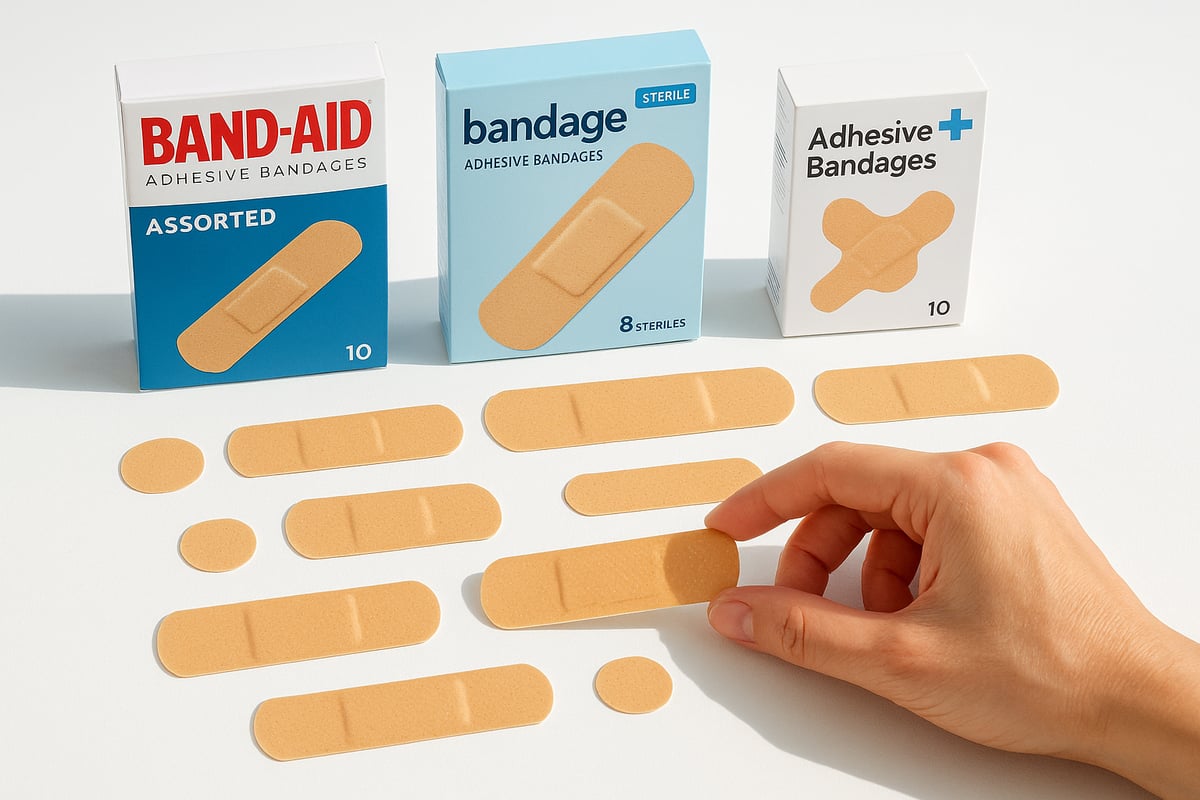
The first step in choosing sterile adhesive bandages is ensuring the pad completely covers the wound and extends onto healthy skin. Full coverage prevents bacteria and debris from entering, supporting safe healing.
Bandages come in various shapes to suit different body parts. For example, knuckle and fingertip designs fit joints, while large pads cover post-surgical wounds. Spot bandages work well for small cuts. Always select a bandage that matches the wound’s location and size for maximum protection and comfort.
A quick reference table helps compare common options:
| Bandage Type | Best For | Shape |
|---|---|---|
| Standard | Minor cuts, scrapes | Rectangle |
| Knuckle | Joints, knuckles | Hourglass |
| Fingertip | Fingers, toes | Butterfly |
| Spot | Small punctures | Round |
| Extra-large | Surgical sites | Large square |
This approach ensures sterile adhesive bandages provide the right fit for every situation.
Adhesive Strength and Skin Sensitivity
Sterile adhesive bandages use a range of adhesives, and choosing the right strength is key for both security and skin health. Strong adhesives are ideal for active lifestyles or areas exposed to friction, such as knees and elbows. However, some users—especially those with sensitive skin—may experience irritation from standard adhesives.
Hypoallergenic and latex-free sterile adhesive bandages are available for those prone to allergies. If you notice redness, itching, or discomfort, switching to a gentler option can prevent further skin issues. Always test a new bandage type on a small area first, particularly for children or elderly individuals with fragile skin.
Innovative products now offer secure adhesion without sacrificing skin comfort, making sterile adhesive bandages suitable for a wider range of users.
Breathability and Waterproofing
Breathability and waterproofing are vital considerations in sterile adhesive bandages selection. Breathable bandages allow airflow, helping to keep the skin dry and speeding up healing for wounds not exposed to water. Conversely, waterproof bandages are essential for protecting cuts during bathing, swimming, or outdoor activities.
When deciding, think about the wound’s location and your daily activities. For instance, waterproof sterile adhesive bandages are perfect for hands or feet, where exposure to moisture is likely. Breathable options are better for covered or less active areas. Balancing these features ensures comfort and optimal wound healing outcomes.
A thoughtful choice maximizes the benefits of sterile adhesive bandages across diverse situations.
Brand, Quality, and Cost Considerations
Not all sterile adhesive bandages are created equal. Trusted brands like Band-Aid, Dynarex, 3M, and Curad offer products with proven safety and efficacy. Always check for FDA or CE markings to ensure quality standards are met.
Price can vary, especially when comparing premium brands to generic options. Purchasing value packs helps families and organizations manage costs without sacrificing quality. For a wide selection and dependable quality, the Dynarex Adhesive Bandages Collection showcases a variety of sterile adhesive bandages suitable for different needs.
By comparing brands, certifications, and cost per unit, you can choose sterile adhesive bandages that deliver both value and peace of mind.
Integrating Sterile Adhesive Bandages in First Aid Kits and Emergency Preparedness
Sterile adhesive bandages are a cornerstone of effective first aid, offering immediate protection and support for minor injuries. Their presence in first aid kits enhances safety at home, work, or on the go. Understanding how to integrate these bandages into your emergency preparedness strategy is vital for optimal wound care in any situation.
Essential Role in First Aid Kits
Sterile adhesive bandages are the first line of defense in any comprehensive first aid kit. They provide quick, sterile coverage for cuts, scrapes, and minor burns, reducing infection risk and supporting faster recovery. Experts recommend including a variety of bandage sizes and shapes to ensure suitability for different injuries.
Placement of kits is key. Keep first aid kits in easily accessible locations such as kitchens, bathrooms, cars, workplaces, and travel bags. For workplaces, follow OSHA guidelines to ensure compliance and adequate supply. For a curated selection of complete kits that feature sterile adhesive bandages, explore the Complete First Aid Kits Overview.
Stocking for Families, Schools, and Organizations
When preparing for groups, stocking sufficient sterile adhesive bandages is crucial. Families should keep extra bandages for children, who are prone to scrapes and cuts during play. Schools and organizations benefit from bulk packs, ensuring rapid response to everyday injuries.
Special considerations apply for elderly individuals and sports teams. Elderly skin is more delicate, so include hypoallergenic and gentle-adhesive options in kits. Sports teams require flexible and durable bandages for active use. Data shows 80 percent of school nurses prioritize sterile adhesive bandages in their supply lists, highlighting their importance in institutional settings.
Training and Education for Proper Use
Proper application of sterile adhesive bandages makes a significant difference in wound healing outcomes. First aid training empowers individuals to use bandages correctly, minimizing infection risk and improving confidence in emergencies.
Resources such as the Red Cross, American Heart Association, and online courses offer accessible first aid education. Trained individuals are shown to reduce infection rates by up to 30 percent when using sterile adhesive bandages. Regular practice ensures correct technique and readiness during real emergencies.
Medical Gear Outfitters: Trusted Source for First Aid Supplies
Medical Gear Outfitters is operated by a paramedic and specializes in high-quality sterile adhesive bandages and complete first aid kits. Their products are curated for both professionals and the general public, ensuring reliable wound care supplies for every need.
Bulk and specialty options cater to families, schools, and organizations seeking preparedness. Educational resources are available to guide effective wound care and bandage selection. Medical Gear Outfitters is committed to quality assurance, supporting safe wound management and peace of mind.
Expert Tips and Best Practices for Safe Wound Care
Wound care is more than just applying sterile adhesive bandages. Following expert tips ensures wounds heal quickly, safely, and with minimal risk of complications. By integrating best practices into your routine, you maximize the benefits of sterile adhesive bandages and reduce the chance of infection or irritation.
When to Change or Remove a Bandage
Changing sterile adhesive bandages regularly is essential for optimal healing. Replace the bandage at least once a day, or immediately if it becomes wet or dirty. This prevents bacteria from building up and reduces the risk of infection.
Look for warning signs: if the wound shows redness, swelling, pus, or persistent pain, it may need more advanced care. For most minor injuries, frequent changes of sterile adhesive bandages lead to faster and more effective healing. Always use clean hands and new bandages to avoid contamination.
Avoiding Common Mistakes
Many people make errors that can slow healing or cause irritation. Always wash your hands thoroughly before touching sterile adhesive bandages or wounds. Never use expired or damaged bandages, as their sterility may be compromised.
Avoid applying bandages too tightly, which can reduce blood flow and irritate the skin. Do not leave wounds uncovered in dirty environments. By following these steps, you ensure sterile adhesive bandages work as intended and provide the best protection for your wound.
Caring for Sensitive Skin and Allergies
Some individuals experience skin reactions from adhesive bandages. If you have sensitive skin, spot-test new sterile adhesive bandages on a small area before full use. Choose latex-free and hypoallergenic options to minimize the risk of redness or itching.
If irritation occurs, switch to a different brand or consult a healthcare provider for advice. Keeping the skin clean and dry before application also helps prevent problems. Proper selection and use of sterile adhesive bandages support healing, even for those with allergies.
Monitoring Wound Healing and When to Seek Help
Keep a close eye on your wound as it heals under sterile adhesive bandages. Signs of trouble include increased redness, swelling, pus, or pain. For chronic or slow-healing wounds, maintain a simple wound diary to track progress.
If you notice fever, spreading redness, or worsening pain, seek medical attention promptly. Early intervention can prevent complications in most minor wound cases. Consistent use of sterile adhesive bandages, along with careful monitoring, ensures safe and swift recovery.
Frequently Asked Questions About Sterile Adhesive Bandages
Curious about sterile adhesive bandages and their best uses? Below, we answer the most common questions, helping you make informed, safe choices for wound care.
Can I use a sterile adhesive bandage on any wound?
Sterile adhesive bandages are designed for minor wounds, like small cuts, scrapes, and blisters. They provide a sterile barrier to keep out germs and promote healing. However, they are not suitable for deep, large, or heavily bleeding wounds. For those, seek medical attention or use gauze and pressure. Always check the wound's severity before applying sterile adhesive bandages.
How long should I keep a sterile adhesive bandage on?
Generally, keep sterile adhesive bandages on for about 24 hours or until they become wet or dirty. Change the bandage if it loses its seal or if the pad becomes soiled. This practice helps maintain a clean environment for healing and reduces infection risk.
What if I have an adhesive allergy?
If you experience redness, itching, or a rash after using sterile adhesive bandages, you may have an adhesive allergy. Opt for hypoallergenic or silicone-based options, which are gentler on sensitive skin. Consult a pharmacist or healthcare provider for alternatives if irritation persists.
Are waterproof bandages as effective as regular ones?
Waterproof sterile adhesive bandages are ideal for protecting wounds during activities like swimming or showering. They create a moisture barrier, but may be less breathable than standard bandages. For more on advancements in waterproof and antimicrobial bandages, see Adhesive Bandages Market Booming with Innovations. Always weigh breathability and protection based on your needs.
How should I dispose of used bandages?
Dispose of used sterile adhesive bandages by wrapping them in tissue or placing them in a small bag before throwing them away. For eco-friendly bandages, check packaging for compostable disposal instructions. Proper disposal prevents contamination and keeps your environment clean.

