Essential Guide to Choosing a Portable Medical Kit 2026
Imagine experiencing a sudden injury or health crisis miles away from any clinic. Would you know what to do, or have the right tools on hand? Choosing the right portable medical kit can mean the difference between panic and preparedness in these moments. This essential guide will help you confidently select a portable medical kit for 2026, tailored for your home, travel, outdoor adventures, or workplace safety. You will discover the latest types, crucial contents, key selection criteria, and expert insights to ensure you are ready for any emergency. Take the first step toward peace of mind—let's find the best kit for your needs.
Understanding Portable Medical Kits: Types and Uses
Imagine encountering a sudden injury while hiking, or managing a minor burn in your kitchen. In such moments, having a portable medical kit within reach can make all the difference. This section explores what these kits are, the different types available, their varied uses, and who benefits most from owning one.
What is a Portable Medical Kit?
A portable medical kit is a compact, organized collection of medical supplies designed for easy transport and rapid response to injuries or health emergencies. Unlike stationary or facility-based kits, a portable medical kit is meant to be taken wherever you go, providing immediate access in unpredictable situations.
These kits often include basic first aid items and, depending on the design, more advanced tools for trauma or specialized care. Examples range from small first aid pouches for daily carry to comprehensive trauma kits for professional responders. The core purpose is to deliver essential care quickly, no matter your location.
Common Types of Portable Medical Kits
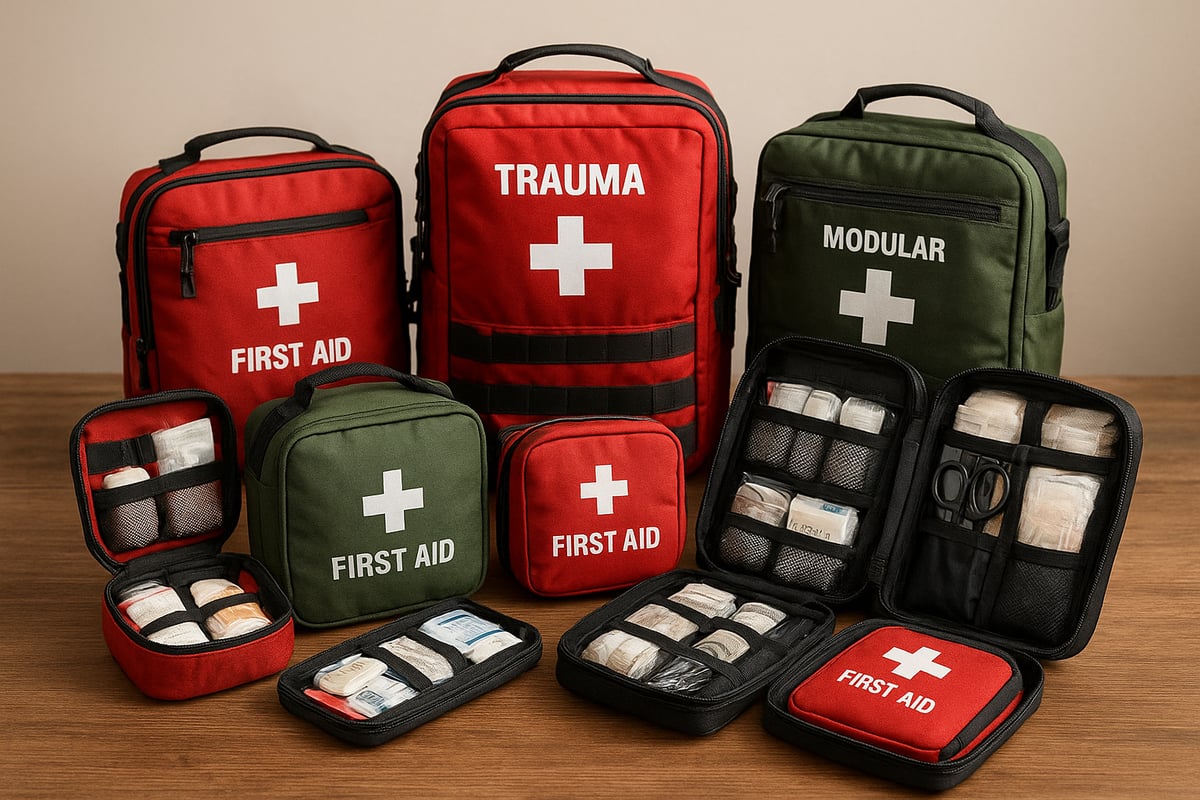
Portable medical kits come in various forms, each tailored to specific risks, environments, and users. Understanding the differences helps you select the right kit for your needs.
- Basic First Aid Kits: These contain supplies for minor cuts, scrapes, burns, and everyday mishaps. They are ideal for homes, offices, and travel.
- Advanced Trauma Kits: Equipped with tools like tourniquets, hemostatic agents, and chest seals, these kits address severe injuries and are often used by first responders or outdoor enthusiasts.
- Specialty Kits: Designed for unique scenarios, such as outdoor adventures, travel, workplace compliance, tactical operations, pediatric care, or pet emergencies.
- Modular Kits: Customizable and refillable, these allow users to add or replace specific modules based on changing needs.
To see the range of trauma kits and how they differ from basic first aid options, visit this trauma kit collection overview, which highlights several market examples.
Competitors like MyFAK, Recon, and Hiker Medic offer options tailored for hiking, cycling, or group outings. Modular kits make it easy to stay prepared for any scenario, with refill packs ensuring supplies are always up to date.
Typical Use Cases and Scenarios
The versatility of a portable medical kit means it fits into nearly every aspect of daily life. Here are some common scenarios:
- Home Emergencies: Treating burns, cuts, or allergic reactions before professional help arrives.
- Outdoor Activities: Hiking, camping, or cycling in remote areas where medical assistance is not immediately available.
- Travel: Managing unexpected illnesses or injuries during domestic or international trips.
- Workplace and Vehicle Safety: Ensuring compliance with safety standards and providing care during workplace incidents or road accidents.
- Professional Use: Essential for first responders, teachers, coaches, and anyone responsible for group safety.
No matter the environment, a portable medical kit ensures you are equipped to handle emergencies promptly and effectively.
Who Needs a Portable Medical Kit?
The demand for portable medical kits is growing among a wide range of users:
- Families and Individuals: Parents, elderly caregivers, and solo travelers all benefit from on-the-go medical preparedness.
- Outdoor Enthusiasts: Hikers, campers, cyclists, and adventure seekers rely on kits that address both minor and major injuries.
- Organizations: Schools, businesses, and sports teams require kits to meet safety standards and protect groups.
- Data Trends: Workplace and public space requirements are expanding, with more organizations investing in portable solutions for employee and community safety.
Whether for personal peace of mind or organizational responsibility, a portable medical kit is an essential tool for anyone looking to stay prepared in 2026.
Key Factors to Consider When Choosing a Portable Medical Kit
Selecting the right portable medical kit is a key step in ensuring effective emergency preparedness. With so many options available in 2026, making an informed choice requires careful evaluation of several critical factors.
Assessing Your Needs and Risk Profile
Begin by identifying your unique needs before purchasing a portable medical kit. Consider personal health concerns such as allergies, chronic illnesses, or specific medication requirements.
Think about who will use the kit—families with children, elderly individuals, or even pets may need tailored supplies. Assess the environments where the kit will be used, whether urban, rural, wilderness, or workplace settings.
By matching your risk profile to the kit's purpose, you ensure that your portable medical kit is both relevant and reliable when it matters most.
Evaluating Kit Contents: What Should Be Included?
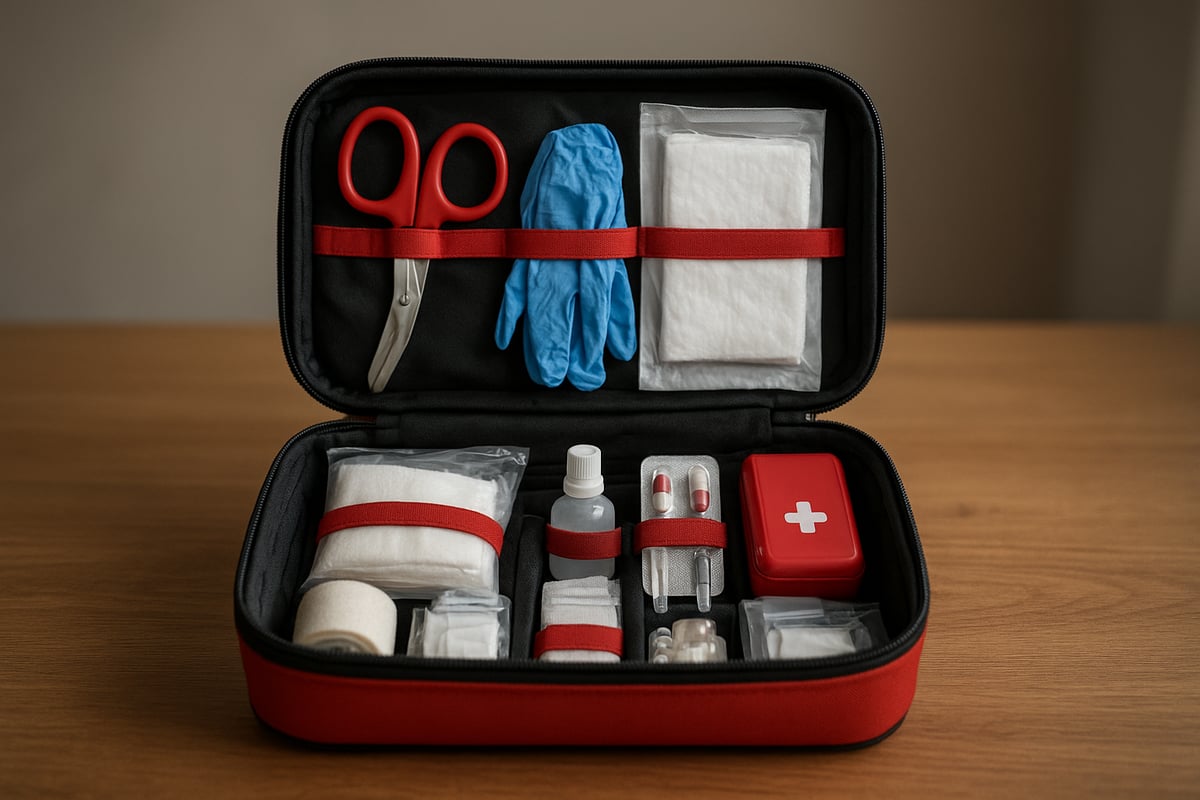
A comprehensive portable medical kit should include a balance of essential and advanced supplies. Look for basics such as bandages, antiseptics, gloves, trauma shears, and CPR masks. Advanced kits may also feature tourniquets, hemostatic agents, and chest seals.
Medications like pain relievers, allergy treatments, and burn creams are also important. For a detailed breakdown of recommended items, refer to HSE first aid kit essentials to ensure your kit meets current standards.
Compare available kits by reviewing their included modules, such as Bleed Stopper or Hydration Mod, and choose a portable medical kit that aligns with your specific scenarios.
Portability and Durability Features
The effectiveness of a portable medical kit depends heavily on its portability and durability. Choose a kit that is compact and lightweight, making it easy to carry during travel, outdoor activities, or daily commutes.
Examine the case material for waterproof, dustproof, and crushproof qualities, which protect supplies from harsh environments. Features like sturdy handles or adjustable straps add convenience.
Real-world options, such as backpack-style kits or the MyFAK Pro Waterproof, show how modern designs enhance the practicality of a portable medical kit for any situation.
Ease of Use and Accessibility
In an emergency, quick access to supplies is vital. Select a portable medical kit with organized, labeled compartments or color-coded sections that make locating items straightforward.
Modular designs allow for customization and easy restocking. Quick-access zippers or Velcro flaps further speed up response times.
Refill and restocking options, such as modular packs, ensure your portable medical kit stays up-to-date and ready for use, reducing stress in urgent situations.
Compliance and Certification
Regulatory compliance is essential when choosing a portable medical kit, especially for workplaces or travel. Look for kits that meet standards such as ANSI/ISEA, OSHA, or CE to guarantee safety and reliability.
Many organizations now require kits that adhere to these regulations, reflecting a growing trend in workplace and travel safety. Always verify that your portable medical kit is certified and up to date with the latest industry requirements.
Budget and Value for Money
Finally, balance your budget with the quality and comprehensiveness of your portable medical kit. Basic kits are typically more affordable, while advanced or modular kits may have higher upfront costs but offer greater versatility.
Consider the long-term cost of refill supplies and whether the provider offers bulk or organizational discounts. A well-chosen portable medical kit is a wise investment, offering peace of mind and preparedness for years to come.
Essential Contents of a Modern Portable Medical Kit (2026 Edition)
Selecting the right portable medical kit means knowing exactly what should be inside. In 2026, modern kits are designed to address a wide range of emergencies, combining classic first aid essentials with advanced tools and tech. Whether you are preparing for home use, travel, or outdoor adventures, understanding the components of a portable medical kit is essential for your safety and peace of mind.
Core First Aid Supplies
Every portable medical kit should start with core first aid supplies. These are the items most frequently used for treating minor injuries and preventing infections. Look for kits that offer a comprehensive selection, organized for quick access.
Typical core supplies include:
- Assorted bandages (adhesive strips, butterfly closures, and larger pads)
- Sterile gauze rolls and pads for wound coverage
- Medical adhesive tape for securing dressings
- Antiseptic wipes, alcohol pads, and ointments to clean and protect cuts
- Nitrile gloves to ensure safe, hygienic care
- Face masks and eye shields for personal protection
- Scissors, tweezers, and safety pins for versatile applications
A portable medical kit with these essentials allows you to respond quickly to cuts, scrapes, and everyday mishaps. High quality kits also feature organized compartments, making it easier to find what you need in a stressful moment.
Trauma and Emergency Tools
For more serious injuries, trauma and emergency tools set a portable medical kit apart. These items are critical for managing bleeding, airway issues, and life-threatening situations in the field.
Key trauma supplies include:
- Tourniquets, such as the Gen 7 CAT, for controlling severe bleeding
- Pressure bandages and hemostatic agents to stop blood loss
- Chest seals for open chest wounds
- Airway adjuncts, including NPAs (nasopharyngeal airways) and OPAs (oropharyngeal airways), which help maintain open airways during emergencies. For a deeper understanding, see this guide on choosing between NPAs and OPAs.
- Burn dressings and emergency blankets like the Dynarex Mylar for treating burns and preventing shock
- Splints and immobilization devices for fractures and sprains
A portable medical kit equipped with these tools prepares you for high-risk environments, from outdoor expeditions to workplace incidents.
Medications and Topicals
A modern portable medical kit should always include a range of medications and topical treatments. These can help manage pain, allergic reactions, and minor skin issues until professional care is available.
Common medications and topicals:
- Pain relievers such as acetaminophen and ibuprofen
- Allergy medications, including antihistamines and epinephrine auto-injectors for severe reactions
- Burn creams and hydrocortisone ointment for skin irritation
- Oral rehydration salts to address dehydration from illness or exertion
Including these treatments in your portable medical kit ensures you are ready to address a variety of symptoms and emergencies wherever you are.
Specialized Items for 2026
The portable medical kit of 2026 has evolved with new technology and public health needs. Modern kits now offer specialized items that enhance usability, safety, and adaptability.
Innovative features include:
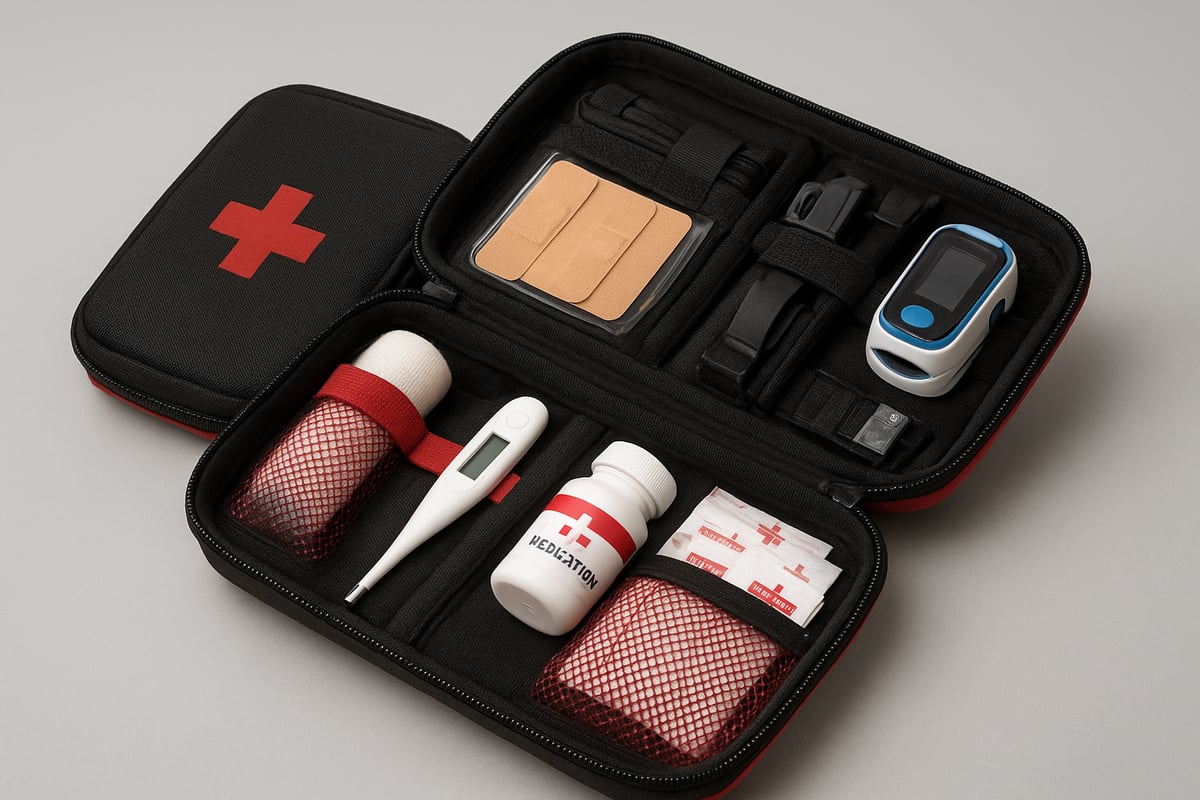
- Digital thermometers and compact pulse oximeters for quick health assessments
- Smart labels with QR codes that link to digital first aid instructions
- Modular, refillable pouches for easy restocking and customization
- COVID-19 response items, such as high filtration masks, rapid test kits, and hand sanitizer
These advancements make the portable medical kit smarter, more user-friendly, and adaptable to changing health landscapes.
Refill and Maintenance Supplies
Maintaining the effectiveness of your portable medical kit requires regular updates and easy access to refills. Kits designed for 2026 focus on long term usability and convenience.
Essential maintenance supplies:
- Replacement bandages, medications, and topicals in clearly labeled packs
- Modular refill kits like Bleed Mod and Burn Mod for targeted replenishment
- Subscription services that deliver refills and updates automatically
Choosing a portable medical kit with refill and maintenance support ensures your supplies are always up to date, reducing the risk of expired or missing items.
Examples of Comprehensive Kits
Several brands now offer portable medical kit solutions that combine all the above features, ensuring readiness for any situation. Leading options in 2026 include:
| Kit Name | Notable Features | Use Case |
|---|---|---|
| MyFAK Large | Modular, refillable, trauma ready | Home, travel, outdoor |
| Recon | Advanced trauma tools, organized layout | Professionals, outdoor |
| Hiker Medic | Lightweight, compact, outdoor essentials | Hiking, camping |
| Backpack Medical | High capacity, specialty modules | Group, workplace, travel |
The popularity of modular and specialty portable medical kit options continues to grow, giving users greater flexibility and confidence in any environment.
Innovations and Trends in Portable Medical Kits for 2026
The landscape of the portable medical kit is rapidly evolving, driven by advancements in technology, materials, and user expectations. As we approach 2026, the market is experiencing significant growth, with innovations designed to make kits smarter, more durable, and increasingly tailored to diverse needs. According to the Portable Medical Devices Market Report 2026, consumer demand and technological progress are shaping the future of emergency preparedness.
Smart and Connected Kits
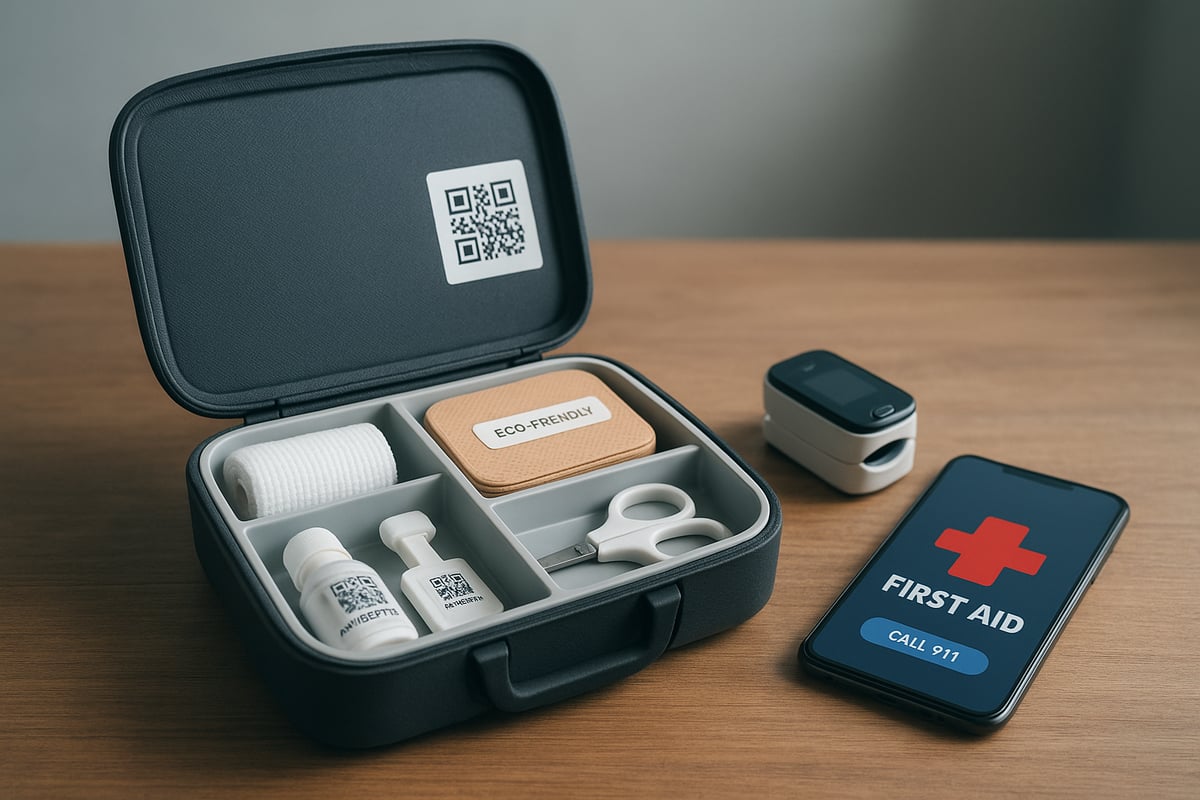
Smart technology is transforming the portable medical kit into an interactive tool for both novices and professionals. Many 2026 kits now include QR codes or NFC tags on compartments, instantly linking users to step-by-step first aid instructions via their smartphones.
- Mobile apps integrate with kits, providing real-time guidance during emergencies.
- Some advanced kits feature inventory tracking, alerting you when supplies run low.
- Instructional videos and digital checklists ensure users make the most of every item.
These smart features make a portable medical kit more accessible, bridging the gap between medical knowledge and real-world action.
Advanced Materials and Design
Durability and adaptability are at the forefront of the latest portable medical kit designs. Manufacturers are introducing lightweight, waterproof, and antimicrobial fabrics that protect contents from harsh environments.
- Modular layouts allow users to customize their kits for specific scenarios.
- Cases are engineered to be crushproof and dustproof, ensuring reliability.
- High-visibility labels and color-coded compartments aid quick access.
A portable medical kit with these design elements offers peace of mind, whether you're hiking in the rain or storing the kit in a busy workplace.
Enhanced Trauma Response Capabilities
The portable medical kit of 2026 goes beyond basic first aid by integrating advanced trauma care tools. Consumer kits now often include tourniquets, hemostatic agents, and compact chest seals, making them suitable for more serious emergencies.
- AED compatibility and compact airway devices are becoming standard.
- Trauma modules can be added or replaced as needed.
- Kits are designed for both laypersons and professionals.
With these capabilities, a portable medical kit is equipped to address life-threatening injuries, not just minor wounds.
Eco-Friendly and Sustainable Options
Environmental awareness is shaping the design of the portable medical kit. Manufacturers are reducing single-use plastics and offering biodegradable bandages and refillable containers.
- Eco-friendly kits use recycled materials for cases and packaging.
- Modular refill packs minimize waste and promote sustainability.
- Subscription services encourage responsible replenishment.
Choosing an eco-conscious portable medical kit supports both personal health and the planet, reflecting a growing trend in consumer values.
Customization and Personalization
Personalized preparedness is a defining trend for the portable medical kit in 2026. Users can now build kits tailored to specific needs, such as chronic illnesses, pediatric care, or even pet emergencies.
- Custom modules let you add or remove supplies as situations change.
- Personal medication storage and digital health records are included.
- Ongoing subscription programs keep your kit updated with the latest innovations.
This level of customization ensures that your portable medical kit is always relevant, adaptable, and truly your own.
Step-by-Step Guide: How to Choose the Right Portable Medical Kit
Selecting the right portable medical kit in 2026 is a process that requires a thoughtful, step-by-step approach. By breaking down your decision into clear stages, you can ensure your portable medical kit will be ready for any situation you may encounter. The following guide walks you through each step, helping you make an informed and confident choice.
Step 1: Define Your Purpose and Environment
Begin by clarifying how and where you plan to use your portable medical kit. Are you preparing for home emergencies, travel, outdoor adventures, or workplace safety? Each environment comes with its own set of risks and requirements.
Consider these questions:
- What types of incidents are most likely in your setting?
- How often will you need to carry your kit?
- Will you be responsible for just yourself, or a group?
Identifying your primary use case ensures your portable medical kit is equipped for the scenarios you are most likely to face.
Step 2: Evaluate Kit Contents Against Your Needs
Not all portable medical kits are created equal. Carefully review the contents to ensure they match your risk profile. For example, if you participate in activities with a higher risk of trauma, you may need advanced supplies. For a deeper understanding, explore the Differences between trauma and emergency kits.
Create a checklist based on:
- Common injuries or medical events for your environment
- Personal or group health conditions, such as allergies or chronic illnesses
- Specialty items for children, pets, or elderly group members
This approach ensures your portable medical kit is tailored to your actual needs.
Step 3: Assess Portability and Durability
A truly effective portable medical kit must be easy to transport and able to withstand your environment. Evaluate the size and weight to confirm it won't be a burden during travel or outdoor activities. Check the case material for features like waterproofing, dust resistance, and crush protection.
Look for:
- Comfortable handles or straps
- Modular designs for quick access
- Sturdy zippers and compartments
Choosing a durable portable medical kit means you can rely on it when you need it most.
Step 4: Check for Compliance and Certifications
Workplace, travel, and public event settings often require your portable medical kit to meet certain standards. Always verify compliance with regulations such as ANSI/ISEA, OSHA, or CE. For workplaces, review the ANSI/ISEA Z308.1-2021 Standard to ensure your kit meets current requirements.
Key points to check:
- Appropriate labeling and documentation
- Inclusion of all mandatory supplies
- Valid certifications displayed on the packaging
Compliance guarantees your portable medical kit is both legal and effective in regulated environments.
Step 5: Compare Value, Refill Options, and Support
Price and value are about more than initial cost. Compare what each portable medical kit includes, the quality of components, and the availability of refill packs. Consider warranties, customer support, and return policies.
A quick comparison table can help:
| Feature | Kit A | Kit B |
|---|---|---|
| Price | $79 | $99 |
| Refill Packs | Yes | Yes |
| Warranty | Lifetime | 1 Year |
Look for bulk discounts if purchasing for organizations or groups.
Step 6: Read Reviews and Seek Expert Recommendations
Finally, consult user reviews and expert opinions before making your decision. Feedback from first responders, medical professionals, and other consumers provides valuable real-world insight into how well a portable medical kit performs under pressure.
Check for:
- Ratings on reliability and ease of use
- Reports of missing or low-quality components
- Recommendations for specific use cases
Taking this extra step ensures your portable medical kit is trusted by those who rely on it most.
Expert Tips for Maintaining and Using Your Portable Medical Kit
Keeping your portable medical kit ready for any emergency requires more than a one-time purchase. Proper maintenance, storage, training, and staying informed ensure your kit is always reliable when needed. Let’s explore expert strategies for getting the most out of your portable medical kit.
Regular Inspection and Restocking
Regularly inspecting your portable medical kit is crucial for ensuring every item is present and within its expiration date. Set a reminder to check your kit at least every six months, or more frequently if you use it often or store it in extreme environments. Replace used or expired items promptly to maintain full readiness.
Utilizing modular refill packs streamlines the restocking process. Many modern kits include color-coded or labeled refills, making it easy to swap out depleted modules. For businesses and workplaces, following First Aid Kit Requirements Explained helps ensure your portable medical kit always meets current ANSI/ISEA standards.
A well-maintained portable medical kit gives you peace of mind and keeps you prepared for unexpected events.
Proper Storage and Accessibility
Where and how you store your portable medical kit directly impacts its effectiveness. At home, keep your kit in a central, easily accessible spot known to all family members. In vehicles, secure the kit in a glove box or trunk to avoid damage and allow quick access.
When traveling, pack your portable medical kit in a carry-on or daypack so it’s always within reach. Choose kits with sturdy, waterproof cases to protect supplies from moisture and dust. Use clear labels or color-coded compartments to speed up finding what you need during emergencies.
Easy accessibility can make a significant difference when seconds count.
Training and Familiarization
Owning a portable medical kit is only the first step; knowing how to use it is just as important. Enroll in a basic first aid course to gain hands-on experience with the supplies in your kit. Many modern kits include QR codes or detailed instructions—review these before an emergency arises.
Practice opening your portable medical kit, identifying contents, and using essential items like tourniquets or CPR masks. Familiarity breeds confidence, reducing panic during stressful situations.
Regular training ensures everyone in your household or team can act decisively when needed.
Customizing Kits for Special Needs
No single portable medical kit fits all scenarios. Tailor your kit to meet the specific needs of your group, whether for children, elderly family members, pets, or individuals with chronic conditions. Add extra medications, allergy treatments, or documentation as required.
For workplaces or teams, assess the environment and adjust contents to comply with safety standards and the unique risks you face. Review guidelines such as those found in California First Aid Kit Regulations 2026 to help ensure your portable medical kit remains both compliant and relevant.
Personalization maximizes the utility of your kit in real-world emergencies.
Staying Updated with Latest Innovations
Medical technology and safety standards evolve rapidly. Stay informed about new products, regulatory changes, and best practices by following manufacturer newsletters, industry blogs, and reputable first aid organizations.
Upgrade your portable medical kit as new supplies, such as digital thermometers or smart labels, become available. Subscription refill programs can help you keep pace with advancements and maintain compliance with updated standards.
Ongoing awareness ensures your portable medical kit remains a trusted resource, ready for whatever the future brings.

