Commercial First Aid Kit Essentials for Workplaces
Every business owner faces a fundamental responsibility: ensuring employee safety during medical emergencies. A commercial first aid kit represents more than a regulatory checkbox-it's your first line of defense when accidents occur. Whether you're managing a small office, a construction site, or a fleet of vehicles, understanding what makes a commercial first aid kit effective can mean the difference between a minor incident and a catastrophic outcome. The right equipment, properly maintained and strategically placed, empowers your team to respond confidently during those critical first moments before professional medical help arrives.
Understanding Commercial First Aid Kit Standards
Commercial first aid kits differ significantly from household versions in both scope and compliance requirements. The American National Standards Institute (ANSI) establishes baseline standards through ANSI Z308.1-2021, which categorizes kits into Class A and Class B configurations based on workplace needs.
Class A kits serve as the foundation for most office environments and low-risk workplaces. These kits contain minimum required supplies for treating minor injuries such as cuts, scrapes, and burns. The standard specifies exact quantities for items including adhesive bandages, gauze pads, and antiseptic wipes.
Class B kits expand coverage for more hazardous work environments. These comprehensive kits include everything in Class A, plus additional supplies for more serious injuries. Construction sites, manufacturing facilities, and warehouses typically require this level of preparedness.
Regulatory Requirements Across Industries
Different industries face distinct regulatory frameworks for commercial first aid kit compliance. The Washington Administrative Code outlines specific requirements for employers, mandating that appropriate first aid supplies must be readily accessible based on employee count and workplace hazards.
Transportation sectors encounter additional layers of regulation. DOT requirements for commercial vehicles vary based on vehicle type, cargo classification, and state-specific mandates. Fleet managers must navigate these overlapping requirements to maintain full compliance.
Aviation presents perhaps the most stringent standards. The FAA mandates specific contents for first aid kits on commercial aircraft, with detailed specifications for minimum quantities and accessibility standards that ensure passenger and crew safety at 30,000 feet.
Essential Contents for Commercial Settings
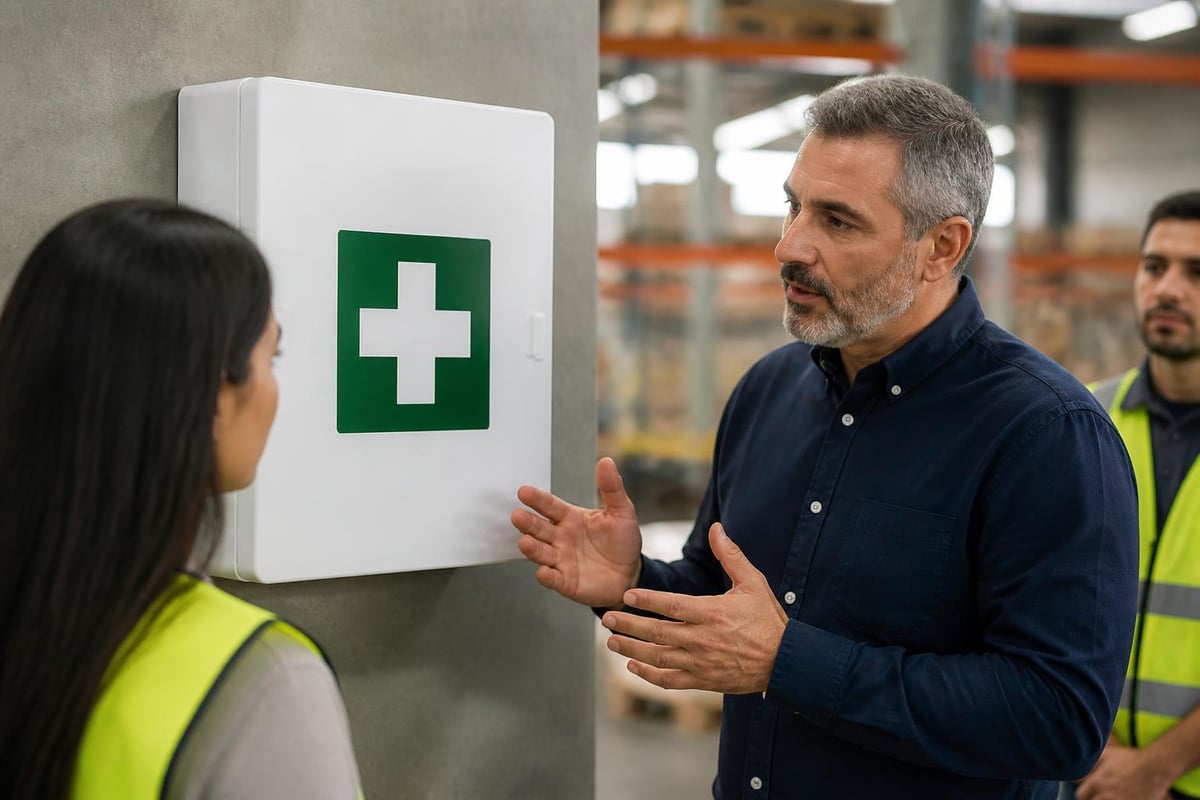
Building an effective commercial first aid kit requires careful consideration of both mandatory items and workplace-specific needs. The foundation begins with universal supplies that address common injuries across all business environments.
Wound care fundamentals form the core of every commercial kit:
- Sterile gauze pads in multiple sizes (2x2, 3x3, 4x4 inches)
- Adhesive bandages ranging from small fingertip to large patch sizes
- Elastic bandages for sprains and strains
- Medical tape in various widths
- Triangular bandages for slings and stabilization
Protective equipment safeguards responders from bloodborne pathogens and cross-contamination. Nitrile gloves protect against infectious materials while maintaining tactile sensitivity during treatment. Eye protection, face shields, and CPR barriers create necessary safety layers during emergency response.
Specialized Supplies for High-Risk Environments
Workplaces with elevated injury potential demand enhanced equipment beyond basic standards. Manufacturing facilities, construction sites, and industrial settings benefit from trauma-specific supplies that address severe bleeding and critical injuries.
| Supply Category | Basic Office | Construction Site | Manufacturing Plant |
|---|---|---|---|
| Adhesive Bandages | 50 assorted | 100+ assorted | 100+ assorted |
| Trauma Dressings | Optional | 4-6 units | 4-6 units |
| Eye Wash | 1 bottle | Multiple stations | Multiple stations |
| Burn Treatments | Basic gel packets | Advanced burn dressings | Comprehensive burn supplies |
| Tourniquets | Not required | 1-2 units | 2+ units |
Chemical exposure presents unique challenges requiring specialized response equipment. Eye wash stations become mandatory in facilities handling hazardous materials, while burn treatments must address both thermal and chemical burns with appropriate neutralizing agents.
Sizing Your Commercial First Aid Kit
Determining appropriate kit size involves analyzing multiple factors beyond simple employee count. The Occupational Safety and Health Administration (OSHA) doesn't specify exact requirements, instead mandating that employers ensure "adequate" first aid supplies-a deliberately flexible standard requiring thoughtful assessment.
Employee population serves as the starting point. Small offices with fewer than 10 employees typically function well with a single comprehensive Class A kit. Organizations with 25-50 employees should consider multiple strategically placed kits or upgrading to Class B configurations.
Workplace hazards significantly influence capacity needs. A 50-person accounting firm faces vastly different risks than a 50-person welding operation. Higher-risk environments demand proportionally greater supplies, faster depletion rates, and more frequent inspections.
Strategic Placement Considerations
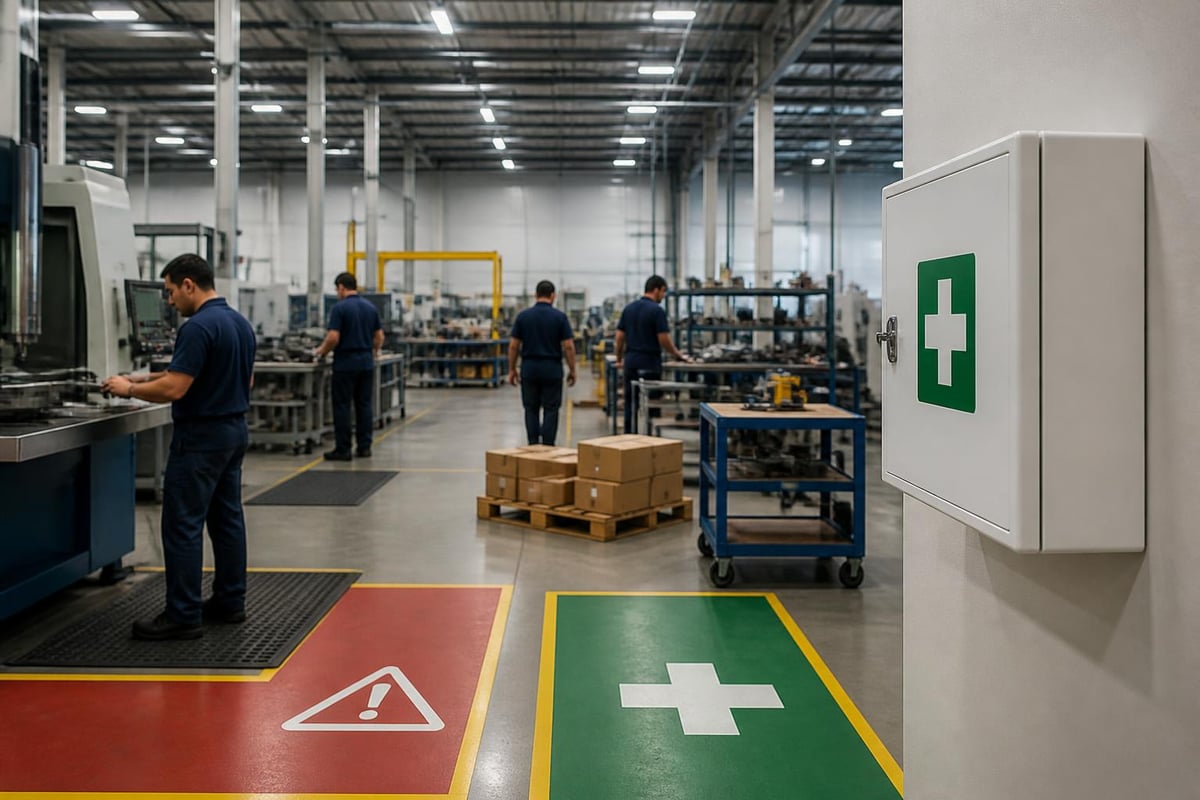
Accessibility determines whether your commercial first aid kit can fulfill its purpose during emergencies. Industry best practices recommend placement within a 3-minute travel distance from any work location, accounting for obstacles, stairs, and normal foot traffic patterns.
Multi-floor facilities require kits on each level, positioned near high-traffic areas or known hazard zones. Manufacturing plants benefit from department-specific kits supplementing a central medical station. Remote work areas, such as loading docks or storage facilities, need dedicated supplies rather than relying on distant primary kits.
Visibility matters equally to accessibility. First aid stations marked with internationally recognized signage ensure that even visitors or new employees can locate emergency supplies quickly. Consider mounting kits at consistent heights throughout your facility to build spatial recognition among regular staff.
Maintenance and Inspection Protocols
A commercial first aid kit loses effectiveness the moment it becomes outdated or depleted. Establishing robust maintenance schedules protects both regulatory compliance and employee safety while maximizing your investment in emergency preparedness equipment.
Monthly quick checks should verify:
- Seal integrity on sterile items
- Expiration dates on medications and ointments
- Quantity levels for frequently used supplies
- Physical condition of the container and mounting hardware
- Accessibility without obstruction
Quarterly comprehensive audits expand this review to include complete inventory verification against your documented contents list. This deeper inspection identifies slow depletion patterns, seasonal usage variations, and opportunities to optimize supply levels based on actual consumption data.
Restocking Strategies
Reactive restocking-replacing items only after depletion-creates dangerous gaps in coverage. Proactive refill and restocking protocols maintain consistent readiness through scheduled replenishment before supplies reach critical minimums.
Many organizations implement a "two-bin" system where commonly used items like adhesive bandages or gauze pads are stocked in duplicate containers. When the first bin empties, it triggers an immediate reorder while the second bin provides uninterrupted coverage. This approach prevents the all-too-common scenario where multiple injuries in quick succession deplete critical supplies.
Replacement schedules for medications, topicals, and perishable items should align with manufacturer expiration dates minus a safety buffer. Dating items upon receipt and organizing by expiration creates a first-in-first-out rotation that minimizes waste while ensuring freshness.
Customization for Industry-Specific Needs
Generic commercial first aid kits provide baseline coverage, but industry-specific hazards demand tailored approaches. Understanding your unique risk profile enables strategic enhancement that addresses the injuries most likely to occur in your specific operational environment.
Food service operations encounter burns, cuts from sharp implements, and slip hazards at elevated rates. Supplementing standard kits with additional burn dressings and finger-specific bandages addresses these predominant injury types. Waterproof bandages prove especially valuable in environments where handwashing frequency is high.
Construction and manufacturing settings face severe injury potential including lacerations, crush injuries, and traumatic bleeding. These environments benefit from trauma-specific equipment including tourniquets and hemostatic dressings that control life-threatening hemorrhage before emergency medical services arrive.
Outdoor and Remote Operations
Companies with field operations, remote worksites, or outdoor exposure encounter environmental hazards absent from traditional workplace settings. Insect bites and stings become significant concerns requiring antihistamines and sting relief treatments.
| Environmental Hazard | Required Additions | Priority Level |
|---|---|---|
| Extreme Heat | Electrolyte packets, cooling towels | High |
| Extreme Cold | Emergency thermal blankets, hand warmers | High |
| Wildlife Exposure | Snake bite protocols, tick removal tools | Medium |
| Water Hazards | Hypothermia supplies, water rescue equipment | High |
| Sun Exposure | Sunscreen, aloe vera gel, eye wash | Medium |
Transportation fleets operating across multiple states must account for varying state regulations and diverse environmental conditions. A single standard kit rarely suffices-instead, fleet managers often develop tiered systems where base kits meet minimum federal requirements while regional supplements address location-specific hazards.
Training and Preparedness Integration
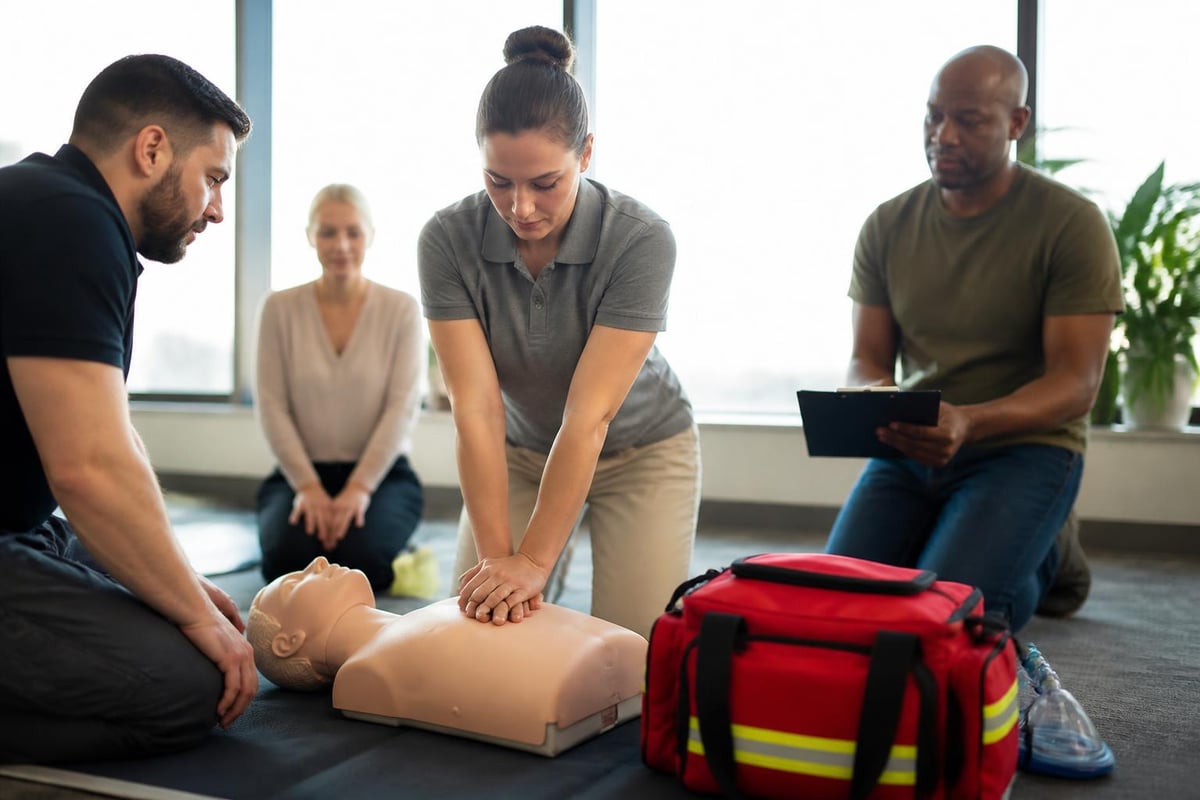
The most comprehensively stocked commercial first aid kit provides little value if employees lack confidence using its contents. Effective emergency response requires merging quality equipment with competent personnel through structured training programs and regular skill reinforcement.
Basic first aid certification should extend beyond designated responders to include general staff awareness. While not every employee needs CPR certification, everyone should understand kit locations, how to summon help, and basic principles like recognizing serious bleeding that requires immediate professional intervention.
Hands-on familiarization sessions create crucial comfort with your specific kit contents. Employees who've practiced opening packages, applying bandages, and locating supplies during non-emergency situations respond with greater confidence during actual incidents. These sessions also reveal usability issues with kit organization or packaging that can be corrected before they impede emergency response.
Scenario-Based Drills
Theoretical knowledge transfers imperfectly to high-stress situations. Quarterly scenario drills place employees in simulated emergencies requiring them to locate, access, and deploy first aid supplies under realistic conditions. These exercises identify gaps in both training and equipment while building the muscle memory that enables effective crisis response.
Rotating drill scenarios ensures comprehensive skill development:
- Severe laceration requiring wound control and bleeding management
- Burn injury demanding appropriate treatment selection
- Multiple casualties testing triage and resource allocation
- Remote location incident highlighting communication and evacuation protocols
Post-drill debriefs capture lessons learned and drive continuous improvement in both procedures and equipment selection. Employee feedback often reveals practical insights about kit accessibility, supply packaging, or content organization that formal assessments might miss.
Procurement and Vendor Selection
Selecting the right supplier for your commercial first aid kit directly impacts both compliance and cost-effectiveness. The market offers everything from discount retailers selling minimal compliance kits to specialized vendors providing comprehensive solutions with ongoing support services.
Quality verification begins with understanding certifications and standards compliance. Reputable vendors clearly document ANSI compliance, provide detailed contents lists, and source products from established medical supply manufacturers. Industry standards and certifications demonstrate supplier commitment to quality and reliability.
Price comparison requires looking beyond initial purchase costs to total ownership expenses. The cheapest commercial first aid kit often contains minimal quantities, inferior products, or non-standard items requiring frequent replacement. Calculate costs across a 2-3 year period including restocking, replacements, and potential compliance violations to identify true value.
Vendor Support Services
Comprehensive first aid programs benefit from vendors offering services beyond product delivery. Complete kits designed for specific applications save time on initial setup while ensuring nothing critical gets overlooked. Organized systems with clear labeling and logical compartmentalization improve emergency response times.
Ongoing support differentiates exceptional vendors from basic suppliers:
- Expiration date tracking and proactive reorder reminders
- Compliance updates as regulations evolve
- Usage analysis identifying optimization opportunities
- Training resources and educational materials
- Emergency consultation availability
Partnership-oriented vendors invest in your program's success rather than simply processing transactions. Look for suppliers with emergency services backgrounds who understand real-world application requirements. Paramedic-owned companies bring field experience that informs product selection and configuration recommendations based on actual emergency scenarios rather than just checklist compliance.
Budgeting for Commercial First Aid Programs
Financial planning for workplace first aid extends beyond initial kit acquisition to encompass ongoing operational expenses and periodic upgrades. Comprehensive budgets account for multiple cost categories while balancing preparedness against fiscal constraints.
Initial investment varies dramatically based on workplace size, hazard profile, and selected quality level. Basic Class A compliance for a 10-person office might cost $75-150, while comprehensive Class B kits for 50-employee high-risk facilities can exceed $500-800 per location. Multiply by the number of required stations to calculate total initial outlay.
Annual operating costs typically run 20-30% of initial investment for properly maintained programs. This includes:
- Routine restocking of depleted supplies
- Scheduled replacement of expired medications and sterile items
- Periodic training and recertification programs
- Container replacement due to damage or obsolescence
- Compliance audit and documentation expenses
Cost-Benefit Analysis
Quantifying first aid program value involves examining both direct and indirect benefits. Direct cost avoidance includes reduced workers' compensation claims through prompt injury treatment, fewer OSHA violations and associated penalties, and decreased emergency medical service calls for minor treatable incidents.
Indirect benefits prove harder to measure but often exceed direct savings. Improved employee morale and perceived safety increases retention and productivity. Faster return-to-work times minimize lost productivity costs. Enhanced company reputation supports recruitment and client relationships, particularly in industries where safety performance influences contract awards.
| Cost Category | Small Office (10 employees) | Medium Facility (50 employees) | Large Operation (200+ employees) |
|---|---|---|---|
| Initial Setup | $150-300 | $800-1,500 | $3,000-6,000 |
| Annual Maintenance | $50-100 | $200-400 | $800-1,500 |
| Training (per year) | $200-500 | $1,000-2,000 | $4,000-8,000 |
| Inspection/Compliance | $100-200 | $300-600 | $1,200-2,500 |
| Total Annual Cost | $500-1,100 | $2,300-4,500 | $9,000-18,000 |
Consider these figures against workers' compensation costs, where a single serious injury claim can easily exceed $40,000-50,000 in direct costs, plus indirect expenses that often triple the total impact. Even modest injury prevention or severity reduction through immediate first aid intervention delivers substantial return on investment.
Documentation and Compliance Records
Regulatory compliance requires more than simply purchasing a commercial first aid kit-it demands documented proof of ongoing program maintenance and effectiveness. Establishing systematic record-keeping practices protects your organization during inspections while providing valuable data for program optimization.
Inspection logs create the foundation for compliance documentation. Each monthly and quarterly review should be recorded with date, inspector name, findings, and corrective actions taken. Digital systems streamline this process while creating searchable archives, though simple paper logs remain acceptable if consistently maintained and securely stored.
Incident reports capture first aid kit usage during actual emergencies. Documenting injury type, treatment provided, supplies consumed, and outcome serves multiple purposes. This data identifies depletion patterns, reveals training gaps, and demonstrates due diligence during potential legal proceedings. Anonymous aggregated reporting protects employee privacy while enabling program analysis.
Regulatory Audit Preparation
OSHA inspections can occur with minimal notice, making continuous compliance readiness essential. Organized documentation systems allow rapid production of required records without scrambling during high-pressure inspection situations. Recommended records retention includes:
- First aid kit inspection logs: 5 years minimum
- Training certificates and attendance records: Duration of employment plus 3 years
- Incident and treatment documentation: 30 years for OSHA 300 log entries
- Equipment purchase and maintenance receipts: 7 years
- Compliance assessments and hazard analyses: 7 years
Designating a compliance coordinator centralizes responsibility while preventing the diffusion of accountability that allows programs to drift into non-compliance. This individual should maintain current knowledge of applicable regulations, coordinate training schedules, manage documentation systems, and serve as primary contact during regulatory interactions.
Regular self-audits using OSHA's published compliance checklists identify deficiencies before inspectors discover them. Treating internal audits with the same seriousness as external inspections-documenting findings and implementing corrections-demonstrates good-faith compliance efforts that regulators recognize favorably even when minor violations surface.
Emerging Technologies and Innovations
The commercial first aid kit sector continues evolving through technological advancement and innovative product development. Forward-thinking organizations track these developments to enhance program effectiveness while potentially gaining competitive advantages through early adoption of superior solutions.
Smart kit systems integrate sensors and connectivity to automate inventory management. RFID-tagged supplies enable automatic tracking of expiration dates and usage patterns. Cloud-based platforms alert designated personnel when restocking becomes necessary, eliminating manual inspection requirements while ensuring continuous readiness. Some systems even integrate with facility management software to create comprehensive safety ecosystems.
Advanced hemostatic agents represent significant improvements over traditional pressure dressings for severe bleeding control. Modern hemostatic gauze promotes rapid clotting through innovative materials that work even when victims take blood-thinning medications. While more expensive than standard gauze, these products prove invaluable in high-risk environments where traumatic injuries may occur.
Compact Emergency Equipment
Miniaturization technologies enable inclusion of sophisticated diagnostic and treatment equipment in commercial first aid kits previously requiring dedicated medical facilities. Portable pulse oximeters monitor blood oxygen saturation levels, helping responders assess respiratory distress severity. Compact automated external defibrillators (AEDs) have become affordable enough for integration into comprehensive workplace safety programs.
Lightweight emergency thermal blankets utilizing space-age materials provide superior insulation in incredibly compact packaging. Modern wound closure systems like butterfly bandages offer alternatives to traditional bandaging for certain laceration types, potentially reducing scarring while accelerating healing.
The integration of instructional technology directly into kit packaging represents another significant advancement. QR codes linking to video demonstrations guide untrained responders through complex procedures. Augmented reality applications may soon provide real-time visual guidance overlaid on the actual injury, walking good Samaritans through treatment steps with unprecedented clarity.
Building an effective commercial first aid program requires understanding regulatory requirements, selecting appropriate equipment, implementing robust maintenance protocols, and ensuring workforce competency through regular training. These interconnected elements create comprehensive emergency preparedness that protects both legal compliance and human safety. Whether you're establishing your first workplace first aid program or upgrading an existing system, partnering with experienced suppliers who understand real-world emergency response makes all the difference. Medical Gear Outfitters combines paramedic expertise with comprehensive product selection to help you build first aid programs that truly protect your workforce when seconds count.

