Clinical Kits: Essential Components for Emergency Care
Clinical kits represent a critical intersection between medical preparedness and rapid emergency response. These specialized collections of medical supplies and equipment serve as the foundation for effective patient care in diverse settings, from hospital emergency departments to remote wilderness locations. Whether you're a seasoned paramedic or a civilian first responder, understanding the composition, selection, and maintenance of clinical kits can mean the difference between adequate and exceptional emergency care. The evolution of these kits reflects decades of field experience, regulatory standards, and continuous innovation in medical device technology.
Understanding Clinical Kits and Their Purpose
Clinical kits are pre-assembled collections of medical supplies designed to address specific emergency scenarios or patient care needs. Unlike general first aid kits, these specialized assemblies contain targeted equipment and consumables organized according to standardized protocols and evidence-based medical practices.
The primary advantage of clinical kits lies in their systematic organization. When every second counts during an emergency, responders need immediate access to the right tools without searching through disorganized supplies. This standardization reduces cognitive load during high-stress situations, allowing medical professionals and trained civilians to focus on patient assessment and treatment rather than equipment location.
Types and Classifications
Clinical kits span a broad spectrum of medical applications and complexity levels:
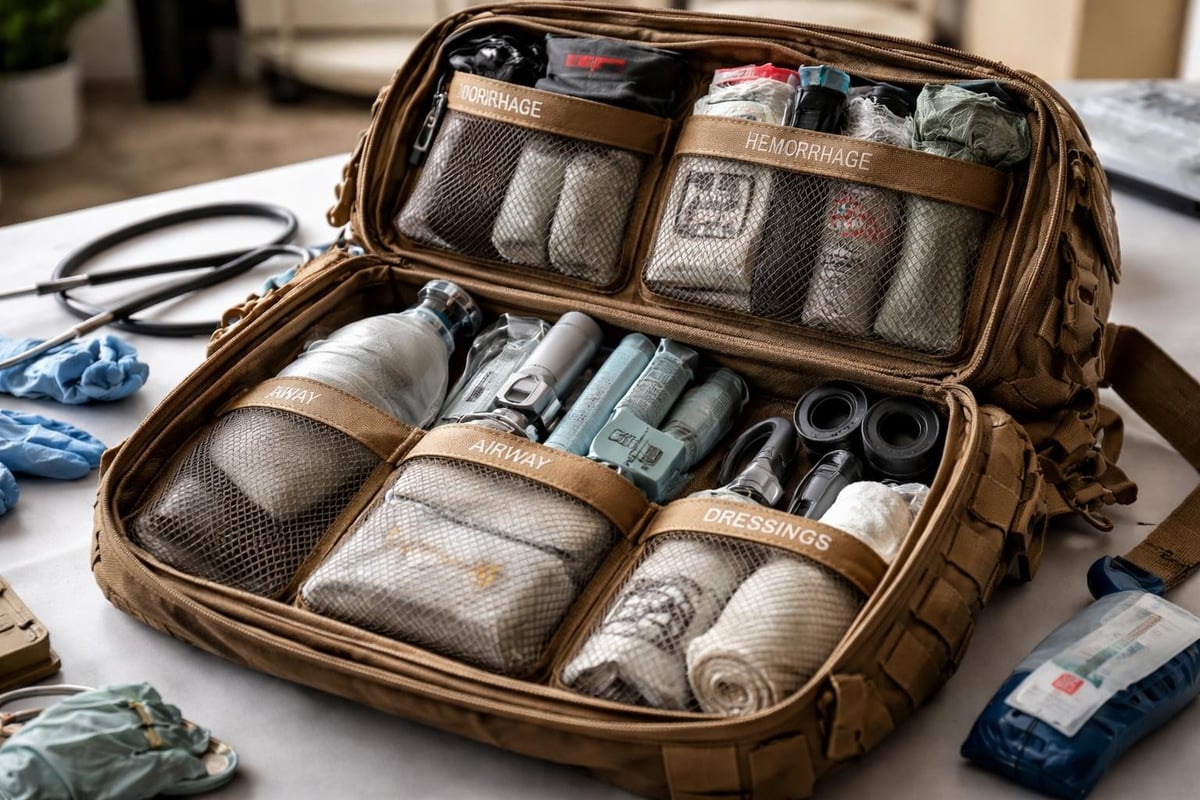
Trauma-Specific Kits contain hemorrhage control devices, airway management tools, and wound treatment supplies. These kits address life-threatening injuries and often include tourniquets, hemostatic gauze, chest seals, and pressure bandages. Organizations like North American Rescue have pioneered standardized trauma kit configurations based on battlefield medicine principles.
Diagnostic Kits include testing materials and sample collection tools for specific conditions. While less common in first responder scenarios, these kits play vital roles in clinical laboratories and point-of-care testing environments.
Procedural Kits contain sterile instruments and supplies for specific medical procedures, from wound suturing to central line placement. These kits ensure all necessary components are available and properly sterilized before procedures begin.
Response Kits are designed for specific emergency types, such as cardiac events, allergic reactions, or environmental emergencies. Each kit addresses the unique demands of its target scenario with specialized equipment and medications.
Components and Configuration Standards
The contents of clinical kits vary significantly based on intended use, but certain principles govern their composition across all categories. Regulatory frameworks, including standards outlined by organizations monitoring quality management systems for medical devices, influence how manufacturers assemble and validate kit contents.
Essential Elements
Every clinical kit should include core components organized by treatment priority:
- Personal protective equipment - gloves, eye protection, and barrier devices
- Hemorrhage control - tourniquets, pressure dressings, and hemostatic agents
- Airway management - nasopharyngeal airways, bag-valve masks, or advanced devices
- Wound treatment - sterile dressings, trauma pads, and adhesive bandages
- Medical instruments - scissors, forceps, and diagnostic tools
- Documentation materials - patient assessment cards and injury markers
The selection of hemostatic agents like QuikClot and Celox demonstrates how component quality directly impacts treatment outcomes. These advanced materials represent significant improvements over traditional gauze, offering rapid blood clotting in severe hemorrhage situations.
Quality Assurance Considerations
Clinical kits must meet rigorous standards for reliability and effectiveness. Manufacturers implement comprehensive testing protocols, often following risk management principles for medical devices to identify potential failures before products reach end users.
| Quality Factor | Importance | Validation Method |
|---|---|---|
| Sterility maintenance | Critical for invasive supplies | Barrier integrity testing |
| Expiration tracking | Ensures medication efficacy | Stability studies |
| Component compatibility | Prevents treatment errors | System integration testing |
| Environmental resistance | Maintains function in field conditions | Temperature and humidity exposure |
Medical professionals should verify that clinical kits include certificates of sterility for invasive components and clear expiration dating for time-sensitive materials. This documentation becomes especially important for organizations maintaining wholesale emergency kits across multiple locations.
Selection Criteria for Different Environments
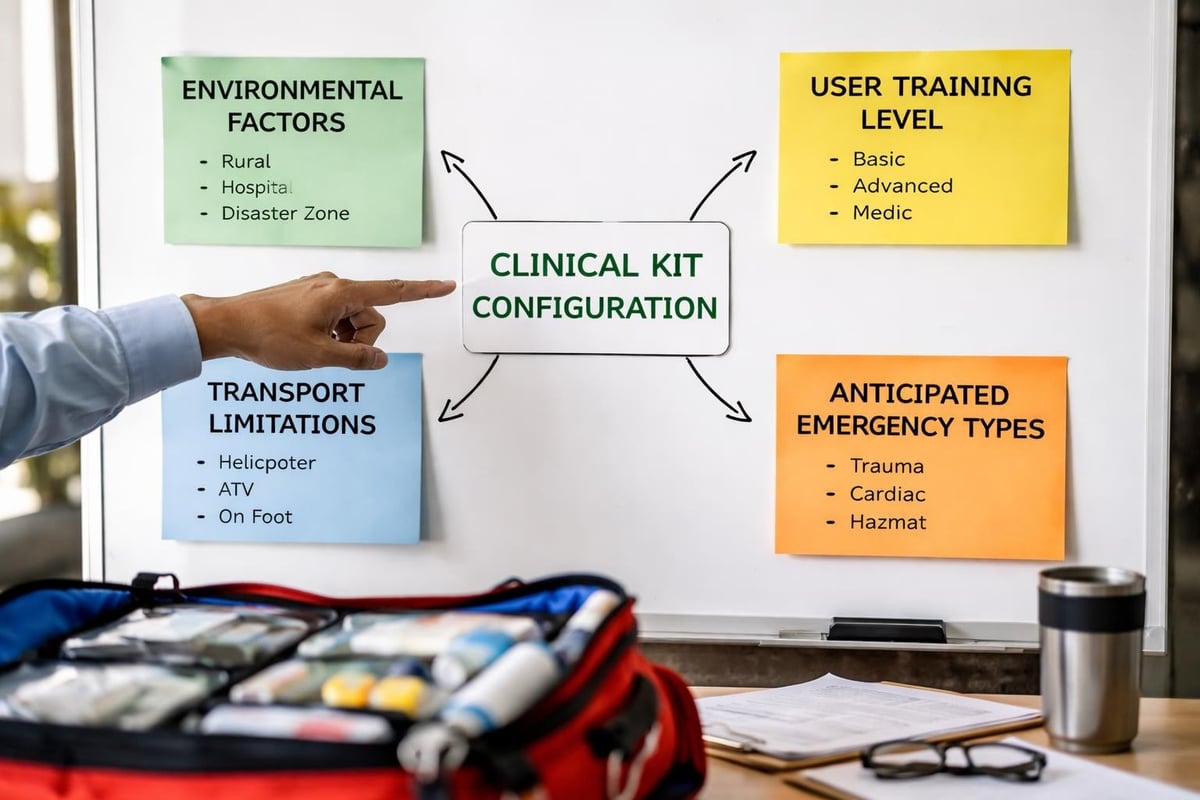
Choosing appropriate clinical kits requires careful assessment of operational environments, user skill levels, and anticipated emergency types. A kit optimized for urban emergency medical services differs substantially from one designed for wilderness rescue or tactical operations.
Professional vs. Civilian Applications
Professional medical providers require clinical kits that support their scope of practice and protocols. Paramedics and emergency medical technicians need equipment that integrates with their training and regional medical direction. These kits often include advanced airway devices, medication administration supplies, and diagnostic equipment beyond basic first aid.
Civilian responders benefit from clinical kits that emphasize intuitive use and clear instructions. While these individuals may have completed first aid training, their kits should focus on straightforward interventions that bridge the gap until professional help arrives. Products in the first responder kits category exemplify this approach, balancing capability with accessibility.
Environment-Specific Considerations
Different operational settings demand unique kit configurations:
- Urban environments - Compact kits with supplies for penetrating trauma, cardiac emergencies, and multi-casualty incidents
- Wilderness settings - Lightweight, weather-resistant kits emphasizing prolonged care and improvisation
- Industrial facilities - Kits addressing workplace-specific hazards like chemical exposure, burns, or machinery injuries
- Marine environments - Waterproof containers with supplies for drowning, hypothermia, and limited evacuation options
The camping first aid kit represents a specialized category designed for extended backcountry use, where weight restrictions and environmental exposure shape component selection.
Regulatory Compliance and Standards
Clinical kits operate within complex regulatory frameworks that ensure safety, efficacy, and quality. Understanding these requirements helps users select legitimate products and maintain compliance with organizational or legal obligations.
International standards organizations have developed comprehensive guidelines for medical device quality. The WHO regulatory standards for health products provide global frameworks that influence national regulations worldwide.
Documentation and Traceability
Proper clinical kit management requires meticulous record-keeping:
- Maintain inventory logs tracking kit locations and contents
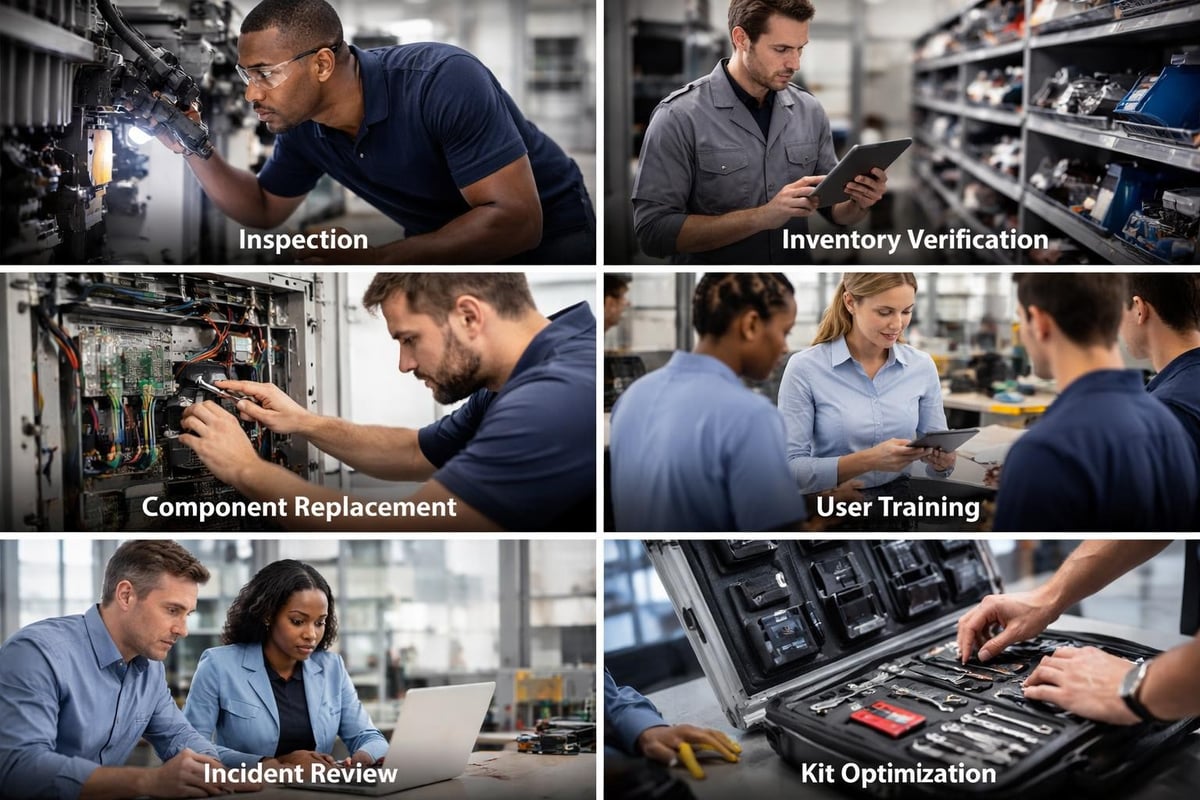
- Document regular inspections and component replacements
- Record training sessions for authorized users
- Preserve manufacturer certifications and compliance documentation
- Track usage incidents and supply consumption patterns
Organizations managing multiple clinical kits should implement digital tracking systems that alert administrators to approaching expiration dates and facilitate automated reordering. This systematic approach prevents critical supply gaps during emergencies.
Storage and Environmental Controls
Clinical kits lose effectiveness when exposed to temperature extremes, humidity, or physical damage. Storage protocols should address:
- Temperature ranges specified by manufacturers for medications and biologics
- Humidity control preventing moisture damage to sterile packaging
- Light protection for photosensitive materials
- Physical security limiting unauthorized access
- Accessibility ensuring rapid retrieval during emergencies
Proper storage extends beyond simple shelf placement. Organizations should designate climate-controlled areas for kit storage and implement rotation systems ensuring oldest supplies deploy first.
Training and Competency Development
Even the most comprehensive clinical kits provide limited value without properly trained users. Equipment proficiency requires structured education, hands-on practice, and regular skill maintenance.
Skill Progression Framework
Effective training programs follow developmental progressions:
Foundation Level covers basic assessment, hemorrhage control, and simple wound care. Users learn to apply direct pressure, pack wounds with gauze, and apply chest seals using proper technique.
Intermediate Level introduces tourniquet application, advanced hemorrhage control with hemostatic agents, and basic airway management. Participants practice decision-making under stress and learn to prioritize interventions.
Advanced Level encompasses complex scenarios, prolonged care situations, and advanced medical interventions within the responder's scope of practice.
Training should emphasize hands-on practice with actual kit components. Learners develop muscle memory and confidence by repeatedly performing skills with the specific equipment they'll use during real emergencies.
Scenario-Based Practice
Realistic training scenarios bridge the gap between classroom learning and field application:
- Simulate environmental stressors like poor lighting, weather, and noise
- Introduce time pressure and competing priorities
- Practice team communication and coordination
- Address equipment failures and improvisation needs
- Incorporate psychological stressors present in actual emergencies
Organizations should schedule quarterly refresher training to maintain competency. Skills degrade without regular practice, potentially compromising patient outcomes during critical incidents.
Maintenance and Lifecycle Management
Clinical kits require systematic maintenance to ensure readiness. A well-stocked kit that hasn't been inspected in months may contain expired medications, damaged packaging, or missing components when needed most.
Inspection Protocols
Establish regular inspection schedules based on kit usage frequency and environmental exposure:
| Inspection Type | Frequency | Key Checkpoints |
|---|---|---|
| Visual inspection | Monthly | Exterior condition, seal integrity, obvious damage |
| Inventory verification | Quarterly | Complete component checklist, quantity verification |
| Expiration audit | Quarterly | Check all dated items, replace within 6 months of expiration |
| Functional testing | Annually | Test equipment operation, replace batteries |
| Complete reconstitution | After each use | Full inventory replacement and cleaning |
Documentation of these inspections creates accountability and identifies patterns requiring attention. If specific components consistently disappear or expire unused, kit configuration may need adjustment.
Component Replacement Strategies
Proactive replacement prevents emergency situations where expired or damaged supplies compromise patient care. Organizations should maintain reserve stock of commonly used items and establish relationships with reliable suppliers offering rapid fulfillment.
The trauma kits collection demonstrates how specialized suppliers organize products to simplify reordering and kit maintenance. Dedicated first aid suppliers understand the urgency of replenishment needs and structure their operations accordingly.
Integration with Emergency Response Systems
Clinical kits function as components within larger emergency response systems. Their maximum effectiveness emerges when properly integrated with communication systems, evacuation protocols, and professional medical backup.
Communication Protocols
Users must know how to activate emergency medical services while providing immediate care. Clinical kits should include communication tools or clear protocols for:
- Summoning professional medical assistance
- Providing accurate scene information to dispatchers
- Coordinating with incoming emergency units
- Documenting care provided for hospital handoff
Some advanced kits incorporate communication cards with pre-formatted emergency information, reducing cognitive load during high-stress situations.
Coordination with Professional Medical Services
First responders using clinical kits serve as initial links in the emergency care chain. Effective coordination requires:
Standardized documentation capturing patient assessment findings, interventions performed, and time stamps for critical events. This information guides hospital treatment decisions and provides medicolegal protection.
Clear handoff procedures ensuring smooth transitions when professional medical providers arrive. Responders should concisely communicate patient condition, treatments provided, and any changes observed during care.
Integration with local protocols aligning clinical kit contents and usage with regional emergency medical service standards. This compatibility prevents conflicting treatments and ensures seamless care continuation.
Understanding how complete kits align with professional emergency equipment helps organizations select supplies that complement rather than duplicate existing resources.
Customization and Modular Approaches
While standardized clinical kits offer significant advantages, many organizations benefit from customized configurations addressing specific operational needs. Modular systems allow flexible assembly of kit components based on mission requirements.
Building Custom Configurations
Organizations can develop tailored clinical kits by:
- Analyzing historical emergency data to identify common incident types
- Consulting with medical directors about scope-of-practice considerations
- Gathering user feedback about existing kit limitations
- Evaluating environmental and operational constraints
- Testing prototype configurations in realistic scenarios
The components collection enables organizations to source individual items for custom kit assembly, providing flexibility while maintaining quality standards.
Modular System Benefits
Modular approaches offer several advantages over fixed-configuration kits:
- Scalability - Expand or reduce kit size based on team size and mission duration
- Specialization - Add modules for specific hazards or patient populations
- Cost efficiency - Replace only consumed components rather than entire kits
- Training simplification - Standard modules across different kit types reduce learning curves
However, modular systems require more sophisticated management to ensure compatible components remain together and complete configurations deploy during emergencies.
Quality Indicators and Performance Metrics
Organizations should establish metrics for evaluating clinical kit effectiveness. These measurements guide improvement efforts and justify resource allocation for emergency preparedness programs.
Key Performance Indicators
Track these metrics to assess clinical kit programs:
Readiness Rate - Percentage of kits passing inspection at any given time. Target should exceed 95% for critical response kits.
Response Time - Duration from emergency notification to kit deployment. Baseline measurements identify bottlenecks in storage locations or access procedures.
Supply Consumption Patterns - Analysis of which components get used most frequently informs stocking decisions and training emphasis.
Cost per Deployment - Total program costs divided by usage incidents reveals cost-effectiveness and guides budget planning.
User Satisfaction - Regular surveys of responders identify usability issues and improvement opportunities.
Organizations should review these metrics quarterly, adjusting kit configurations and protocols based on performance trends.
Continuous Improvement Processes
Effective clinical kit programs embrace continuous improvement:
- Conduct after-action reviews following each kit deployment
- Solicit feedback from users about equipment performance
- Monitor industry developments for superior products or techniques
- Participate in professional forums sharing best practices
- Revise protocols based on evolving medical evidence
This commitment to ongoing refinement ensures clinical kits remain aligned with current standards and user needs.
Special Considerations for Different User Groups
Clinical kits serve diverse user populations, each with unique requirements and constraints. Tailoring kit design to specific user groups maximizes effectiveness and adoption.
Law Enforcement Applications
Police officers increasingly carry medical equipment to provide immediate care at violent crime scenes or during prolonged tactical operations. Their clinical kits prioritize:
- One-handed operation - Officers may need to maintain weapon readiness while rendering aid
- Concealment - Low-profile pouches that integrate with duty belts or tactical vests
- Hemorrhage control - Emphasis on tourniquets and hemostatic agents for penetrating trauma
- Durability - Equipment that withstands harsh environmental conditions and rough handling
Educational Institution Kits
Schools and universities require clinical kits addressing pediatric patients and common youth injuries while remaining accessible to staff with varying medical training:
- Clear, illustrated instructions for each supply item
- Age-appropriate sizing for pediatric patients
- Supplies for common injuries like fractures, concussions, and minor wounds
- Protocols aligned with school nursing standards and local emergency medical services
Industrial and Workplace Settings
Occupational environments demand clinical kits configured for workplace-specific hazards:
| Industry Type | Specialized Kit Components |
|---|---|
| Manufacturing | Burn treatment supplies, eye wash, amputation care |
| Construction | Splinting materials, spinal immobilization, fall injury supplies |
| Chemical facilities | Decontamination equipment, specialized antidotes, chemical burn treatment |
| Maritime operations | Hypothermia treatment, drowning response, prolonged care supplies |
Organizations should consult with occupational health specialists when configuring workplace clinical kits to ensure compliance with regulatory requirements and effective hazard mitigation.
Clinical kits represent essential tools for anyone committed to emergency preparedness, combining systematic organization with evidence-based medical supplies to enable rapid, effective patient care. Whether you're outfitting a professional response team, workplace safety program, or personal emergency supplies, selecting quality components and maintaining rigorous inspection protocols ensures readiness when emergencies occur. Medical Gear Outfitters brings paramedic expertise and comprehensive product knowledge to help you build clinical kits tailored to your specific needs, backed by the training resources and ongoing support necessary to use these life-saving tools effectively.

