Small First Aid Box: Essential Guide for 2026
A small first aid box represents the foundation of emergency preparedness for countless situations, from minor workplace injuries to unexpected medical events during daily activities. These compact medical supply containers provide immediate access to essential treatment items when emergencies strike, bridging the critical gap between injury and professional medical care. Whether you're outfitting a small office, personal vehicle, or home space, understanding how to properly equip and maintain a small first aid box ensures you're prepared to respond effectively when seconds matter.
Understanding the Purpose of a Small First Aid Box
The primary function of a small first aid box extends beyond simply storing bandages and antiseptic wipes. These portable units serve as organized response systems designed to address common injuries efficiently. A properly stocked small first aid box enables immediate treatment for cuts, burns, sprains, and other minor medical emergencies that occur in everyday environments.
Medical professionals emphasize three core functions:
- Immediate injury stabilization until advanced care arrives
- Prevention of infection through sterile supplies and proper wound care
- Documentation and tracking of workplace or household incidents
The compact design makes these boxes ideal for locations where space constraints prevent larger medical supply storage. Small businesses, personal vehicles, boats, and recreational equipment bags all benefit from appropriately sized emergency medical supplies.
Size Classifications and Standards
Regulatory bodies and industry organizations establish specific guidelines for what constitutes a small first aid box. According to guidance from Warwick University on first aid box standards, small containers typically serve between one and ten people, depending on the risk environment and workplace assessment.
Different regions maintain varying compliance requirements. British Standard BS 8599-1, for instance, defines exact contents based on risk assessment and employee count. The Health and Safety Executive (HSE) in the United Kingdom provides detailed specifications for workplace first aid provisions.
| Standard | Region | Typical Capacity | Primary Use |
|---|---|---|---|
| BS 8599-1 | UK | 1-10 persons | Low-risk workplaces |
| ANSI Z308.1 | USA | Personal/small group | General purpose |
| DIN 13157 | Germany | Small vehicles | Automotive |
Essential Contents for Your Small First Aid Box
Building a comprehensive yet compact medical supply collection requires careful selection of items that address the most common injuries. The American Heart Association's first aid guidelines provide evidence-based recommendations for supply selection based on real-world emergency data.
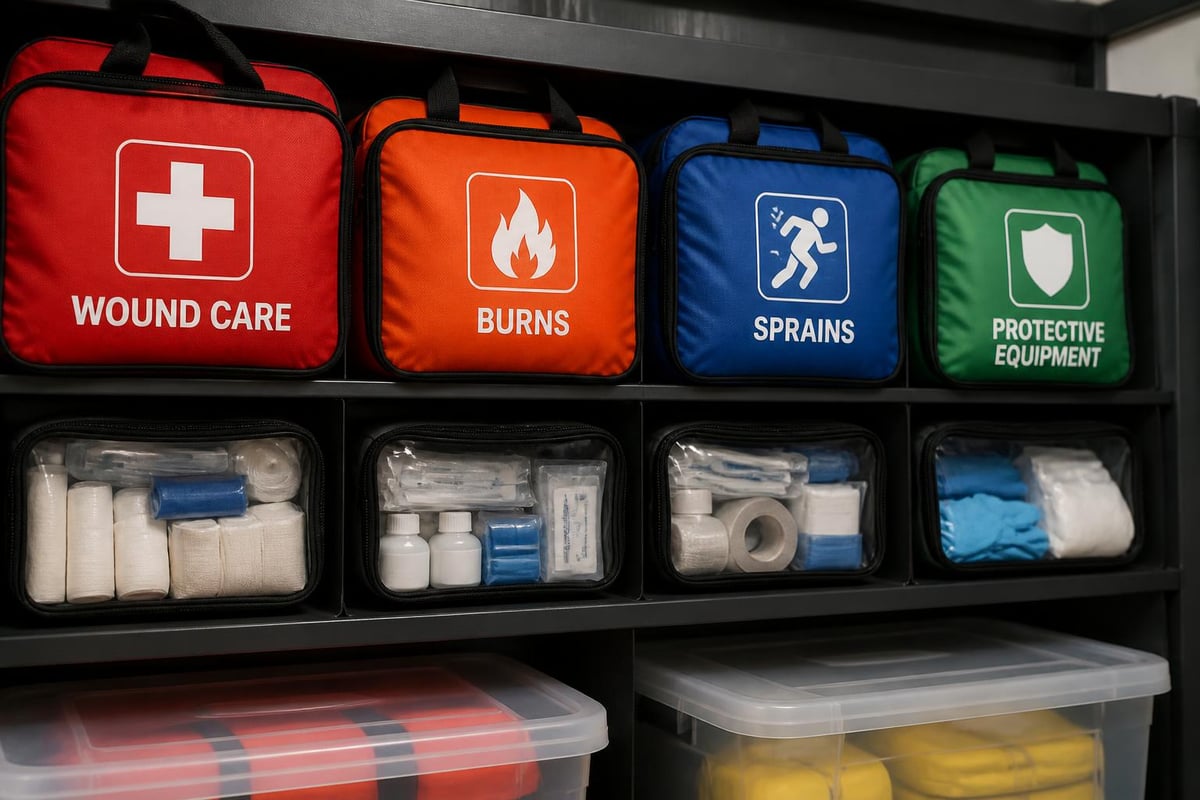
Wound Care Essentials
Every small first aid box must contain adequate supplies for managing bleeding and preventing infection. These items form the foundation of any emergency response capability.
Adhesive bandages in multiple sizes address everything from paper cuts to larger abrasions. Stock at minimum ten assorted bandages, including both standard strips and knuckle/fingertip shapes. Medical Gear Outfitters emphasizes the importance of sterile adhesive bandages that maintain integrity in various storage conditions.
Gauze pads and rolls provide versatile wound coverage and compression capabilities. Include both 2x2 inch and 4x4 inch sterile pads, along with conforming gauze rolls that secure dressings without restricting circulation. Understanding proper gauze pad application techniques ensures effective bleeding control.
Adhesive tape secures dressings and immobilizes injured areas. Medical-grade options like first aid paper tape offer gentle adhesion suitable for sensitive skin while maintaining secure hold during movement.
Protective Equipment and Tools
Personal protective equipment (PPE) protects both the injured person and the responder from cross-contamination. A properly equipped small first aid box contains multiple pairs of nitrile gloves in various sizes. These disposable barriers prevent bloodborne pathogen exposure during wound treatment.
Additional protective items include:
- CPR face shields or barrier devices
- Eye wash solution or sterile saline
- Instant cold packs for swelling reduction
- Emergency blanket for shock prevention
Scissors and tweezers enable precise supply manipulation and foreign object removal. Trauma shears cut through clothing without additional injury risk, while fine-tip tweezers extract splinters and debris from wounds.
Medications and Topical Treatments
Over-the-counter medications address pain, inflammation, and allergic reactions. Stock individually wrapped tablets to maintain sterility and extend shelf life. Essential medications include:
- Pain relievers (acetaminophen and ibuprofen)
- Antihistamines for allergic reactions
- Antacid tablets for digestive distress
- Aspirin for cardiac event response
Topical antiseptics prevent infection in open wounds. Alcohol prep pads, antibiotic ointment packets, and antiseptic wipes should all feature prominently in your small first aid box inventory. The CVS Health guide on first aid kit essentials provides detailed recommendations for selecting appropriate antiseptic solutions.
Burn treatment supplies including aloe vera gel and burn dressings address thermal injuries common in kitchens, workshops, and outdoor environments. These specialized items cool damaged tissue and create moisture barriers that promote healing.
Workplace Compliance Requirements
Organizations maintaining small first aid boxes face specific regulatory obligations depending on their industry and location. Compliance ensures adequate emergency response capability while protecting employers from liability concerns.
Risk Assessment and Supply Matching
Effective workplace first aid provision begins with comprehensive risk assessment. Employers must evaluate potential hazards, employee count, proximity to emergency services, and incident history when determining appropriate supplies.
Low-risk environments such as offices and retail spaces typically require basic wound care and minor injury treatment supplies. A standard small first aid box adequately serves these locations when regularly inspected and maintained.
Higher-risk workplaces including manufacturing facilities, construction sites, and laboratories demand enhanced supplies. These environments may require multiple first aid stations, specialized equipment like eye wash stations, and designated trained personnel. Medical Gear Outfitters offers guidance on commercial first aid kit requirements for various business settings.
Training and Documentation
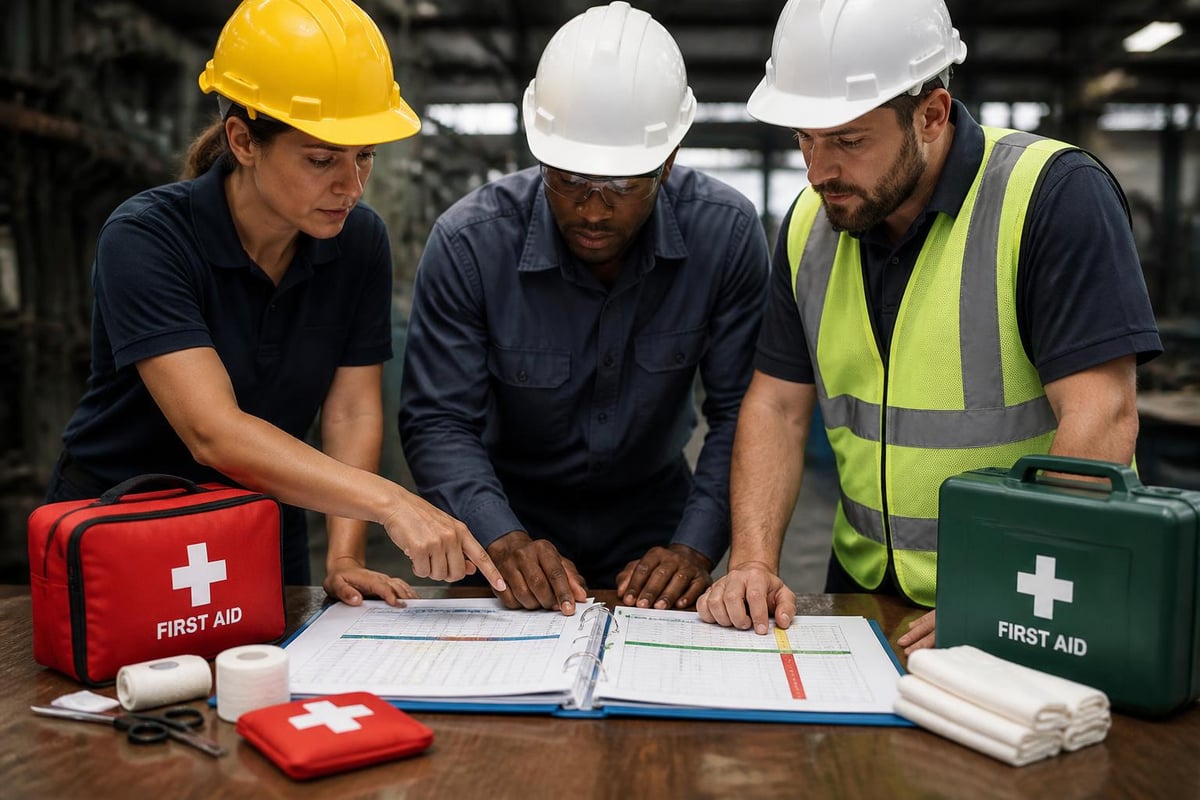
Possessing a well-stocked small first aid box provides limited value without trained personnel capable of using the supplies effectively. Regulatory agencies require designated first aid providers to complete approved training programs covering:
- Basic wound care and bleeding control
- CPR and choking response
- Shock recognition and treatment
- Documentation and incident reporting
Record keeping demonstrates compliance and identifies trends requiring additional preventive measures. Maintain logs documenting all first aid incidents, supplies used, and follow-up actions taken. This documentation proves invaluable during regulatory inspections and insurance claims processing.
Specialized Applications for Small First Aid Boxes
While workplace compliance drives many first aid box purchases, numerous specialized applications benefit from compact medical supply storage. Tailoring contents to specific environments enhances response effectiveness.
Vehicle and Travel Kits
Automotive first aid boxes face unique challenges including temperature extremes, vibration exposure, and space constraints. Select supplies that remain stable across wide temperature ranges and package them in durable, water-resistant containers.
Vehicle-specific considerations include:
- Seatbelt cutter and window breaker tools
- Reflective warning triangles or flares
- Extra thermal blankets for cold weather breakdowns
- Detailed local emergency contact information
Travelers benefit from small first aid boxes customized for destination-specific risks. International trips may require additional medications, water purification tablets, or specialized items addressing regional health concerns. A portable medical kit designed for travel balances comprehensive coverage with minimal weight and bulk.
Outdoor Recreation and Sports
Athletic activities and outdoor adventures present distinct injury patterns requiring targeted supplies. Sports-oriented small first aid boxes emphasize musculoskeletal injury treatment including elastic bandages, athletic tape, and cold therapy options.
Wilderness applications demand extended self-sufficiency since professional medical care may be hours or days away. These specialized kits include items rarely found in standard boxes:
- Water purification tablets
- Snake bite treatment supplies
- Comprehensive blister care products
- Extended-shelf-life medications
Medical Gear Outfitters provides detailed guidance on assembling a camping emergency kit that addresses backcountry medical challenges.
Home and Family Use
Residential first aid boxes serve as the first line of defense for household injuries ranging from kitchen cuts to playground scrapes. Family-oriented kits should account for children's needs including smaller bandage sizes, child-safe medication dosing, and comfort items.
Infant and toddler considerations include:
- Digital thermometer for fever monitoring
- Infant pain reliever with dosing syringe
- Nasal aspirator for congestion relief
- Teething gel and finger toothbrush
Pet owners may choose to include basic veterinary supplies, though animal-specific first aid boxes better address companion animal emergencies with appropriate tools and medications.
Maintenance and Inspection Protocols
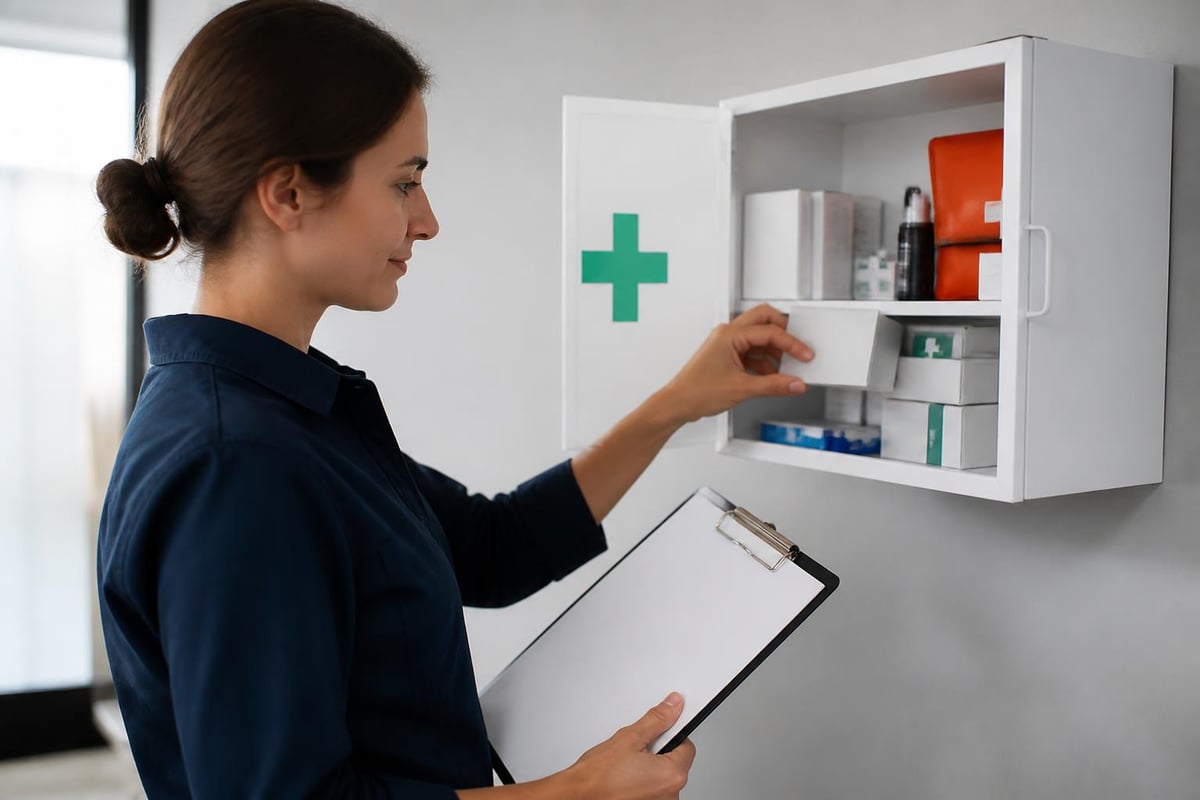
A small first aid box delivers value only when properly maintained and regularly inspected. Establishing systematic review procedures ensures supplies remain current, sterile, and immediately accessible during emergencies.
Expiration Management
Medical supplies carry manufacturer-specified expiration dates indicating guaranteed sterility and effectiveness periods. Expired items may lose potency, suffer packaging degradation, or harbor bacterial contamination.
| Supply Category | Typical Shelf Life | Inspection Frequency |
|---|---|---|
| Adhesive bandages | 3-5 years | Annually |
| Sterile gauze | 3-5 years | Annually |
| Medications (OTC) | 2-4 years | Quarterly |
| Antiseptic wipes | 1-2 years | Quarterly |
| Gloves (nitrile) | 3-5 years | Annually |
Rotation systems prevent waste while maintaining fresh inventory. When adding new supplies, place them behind existing stock so older items are used first. Label boxes with last inspection dates and scheduled review dates. Understanding best practices for supply expiration management helps maintain cost-effective preparedness.
Usage Tracking and Resupply
Document every instance of supply use, even minor applications. This tracking accomplishes multiple objectives including identifying high-consumption items, revealing injury patterns, and triggering timely resupply before stock depletion.
Replenishment procedures should activate immediately after any emergency use. Designate a specific individual responsible for first aid box maintenance who can quickly identify and replace used items. Consider establishing supply agreements with reliable vendors for automatic reordering of frequently used materials.
Customization Strategies for Maximum Effectiveness
While standardized small first aid boxes provide baseline coverage, customization addresses specific risk profiles and user populations. Thoughtful additions enhance response capability without excessive bulk or cost.
Environmental Adaptations
Climate and setting dramatically influence appropriate supply selection. Desert environments require enhanced sun protection, extra water storage, and heat illness treatment supplies. Cold weather locations need additional thermal blankets, hand warmers, and cold injury prevention items.
Industrial settings may warrant specialized supplies addressing chemical exposures, eye injuries, or burn treatments beyond standard kit contents. Consult with safety professionals and review incident history when determining necessary additions.
Personal Medical Considerations
Individuals with chronic conditions benefit from customized small first aid boxes containing condition-specific supplies and medications. Allergy sufferers require antihistamines and possibly epinephrine auto-injectors. Diabetics need glucose tablets and monitoring supplies.
Prescription medications should be rotated regularly and stored in clearly labeled, child-resistant containers. Include copies of prescriptions and emergency contact information for healthcare providers. The comprehensive guide to med kit essentials helps identify supplies addressing common chronic conditions.
Storage Location and Accessibility
The most comprehensively stocked small first aid box provides no value if inaccessible during emergencies. Strategic placement ensures rapid response when injuries occur.
Visibility and Identification
Mark first aid box locations with clear, universally recognized signage. The white cross on green background symbol communicates medical supply presence regardless of language barriers. Illuminated or glow-in-the-dark signs aid location during power failures or low-light emergencies.
Mounting height should accommodate standing adult access while remaining visible at eye level. Wall-mounted boxes prevent accidental damage and keep supplies organized. Avoid placing boxes in locked cabinets or areas requiring keys unless security concerns mandate restricted access.
Multiple Station Strategy
Larger facilities benefit from distributed first aid resources rather than single centralized boxes. Position small first aid boxes within sixty seconds' walking distance from any workspace. High-risk areas warrant dedicated supplies immediately adjacent to potential hazard zones.
Vehicle and transportation applications require secure mounting that prevents boxes from becoming projectiles during collisions. Dedicated automotive first aid boxes include mounting hardware compatible with trunk or under-seat installation.
Building vs. Buying Pre-Assembled Kits
Consumers face choices between purchasing complete small first aid boxes or assembling custom collections from individual supplies. Each approach offers distinct advantages depending on priorities and circumstances.
Pre-Assembled Kit Advantages
Commercial first aid boxes provide immediate deployment capability with regulatory-compliant contents. Manufacturers design these kits based on established standards and real-world emergency data. Quality pre-assembled options include detailed content lists, usage instructions, and compliance documentation.
Cost efficiency often favors commercial kits for standard applications. Bulk purchasing and streamlined packaging reduce per-item costs compared to retail individual supply purchase. Many employers prefer commercial kits for simplified compliance demonstration during regulatory inspections.
Custom Assembly Benefits
Building personalized small first aid boxes allows precise matching of supplies to specific risks and user needs. Custom assembly eliminates unnecessary items while ensuring adequate quantities of frequently used materials.
Quality control improves when selecting individual components from trusted manufacturers. Choose emergency first aid box contents based on proven performance rather than accepting whatever manufacturer includes in pre-packaged kits.
Consider hybrid approaches combining quality commercial base kits with targeted additions addressing unique requirements. This strategy balances convenience with customization while maintaining regulatory compliance.
Advanced Supplies for Enhanced Capability
Standard small first aid boxes address common injuries effectively, but certain situations warrant enhanced supplies that extend response capability. These advanced items require proper training for safe, effective use.
Hemorrhage Control Equipment
Severe bleeding represents the leading cause of preventable death in trauma situations. While basic gauze provides adequate compression for minor bleeding, life-threatening hemorrhage demands specialized equipment.
Tourniquets like those available through Medical Gear Outfitters enable rapid arterial bleeding control when direct pressure proves insufficient. Proper application requires training to avoid nerve damage or excessive tissue injury. Resources on how to stop a major bleed provide critical guidance for effective hemorrhage management.
Hemostatic agents accelerate clotting through chemical or mechanical means. These specialized dressings prove particularly valuable for wounds in areas where tourniquets cannot be applied, such as junctional regions between limbs and torso.
Airway Management Tools
Basic CPR training emphasizes rescue breathing, but additional tools enhance effectiveness. Pocket masks and bag-valve-mask devices enable ventilation with reduced disease transmission risk. These items occupy minimal space while significantly improving resuscitation capability.
Oral airways maintain patent breathing passages in unconscious patients. Proper sizing and insertion technique prevent airway obstruction and reduce aspiration risk. Include multiple sizes to accommodate different patient populations.
Diagnostic Equipment
Simple diagnostic tools provide valuable information guiding treatment decisions. Digital thermometers detect fever indicating infection or heat illness. Blood pressure cuffs identify shock or cardiovascular emergencies requiring immediate advanced care.
Pulse oximeters measure blood oxygen saturation, revealing respiratory compromise before obvious symptoms develop. These compact devices prove particularly valuable for monitoring patients with breathing difficulties or chronic respiratory conditions.
Selecting and maintaining an effective small first aid box requires understanding regulatory requirements, risk assessment principles, and proper supply selection strategies. Regular inspection, strategic customization, and adequate training transform basic medical supply collections into genuine lifesaving resources.
Medical Gear Outfitters brings paramedic expertise to first aid preparedness, offering carefully curated supplies and educational resources that ensure effective emergency response. Whether you need workplace-compliant commercial kits, specialized trauma supplies, or guidance building custom solutions, our team provides the knowledge and equipment necessary to act confidently when emergencies arise. Explore our comprehensive selection and discover how proper preparation makes the critical difference at Medical Gear Outfitters.

