
First Aid Paper Tape Guide: Usage, Benefits & Tips 2026
Imagine you need to secure a bandage at home, at work, or on the move. That’s when first aid paper tape proves its value, offering reliable support for everyday wound care.
This guide gives you the latest insights on first aid paper tape for 2026, explaining its uses, advantages, and safe application methods.
You will learn what makes paper tape unique, when to use it, how to apply and remove it, and how to select the best option for your needs.
Ready to upgrade your first aid kit and care? Let’s get started.
Quick answer: First aid paper (micropore) tape is a gentle, breathable, hypoallergenic, latex-free medical tape used to secure dressings, especially on sensitive or fragile skin. It applies and removes easily with minimal residue, making it ideal for children, the elderly, and frequent dressing changes, though it isn't waterproof. To use it: apply to clean, dry skin over a dressing, anchor on healthy skin on both sides, and press it down without over-stretching; remove it slowly and low to the skin. Choose a width to match the wound, store it sealed in a cool, dry place, and switch formulas if irritation occurs. Full benefits, application, and selection tips below.
What Is First Aid Paper Tape?
First aid paper tape is a staple in wound care, valued for its gentle adhesion and versatility. Whether in a home medicine cabinet or a professional first aid kit, this tape plays a crucial role in keeping dressings secure and skin protected.
Definition and Composition
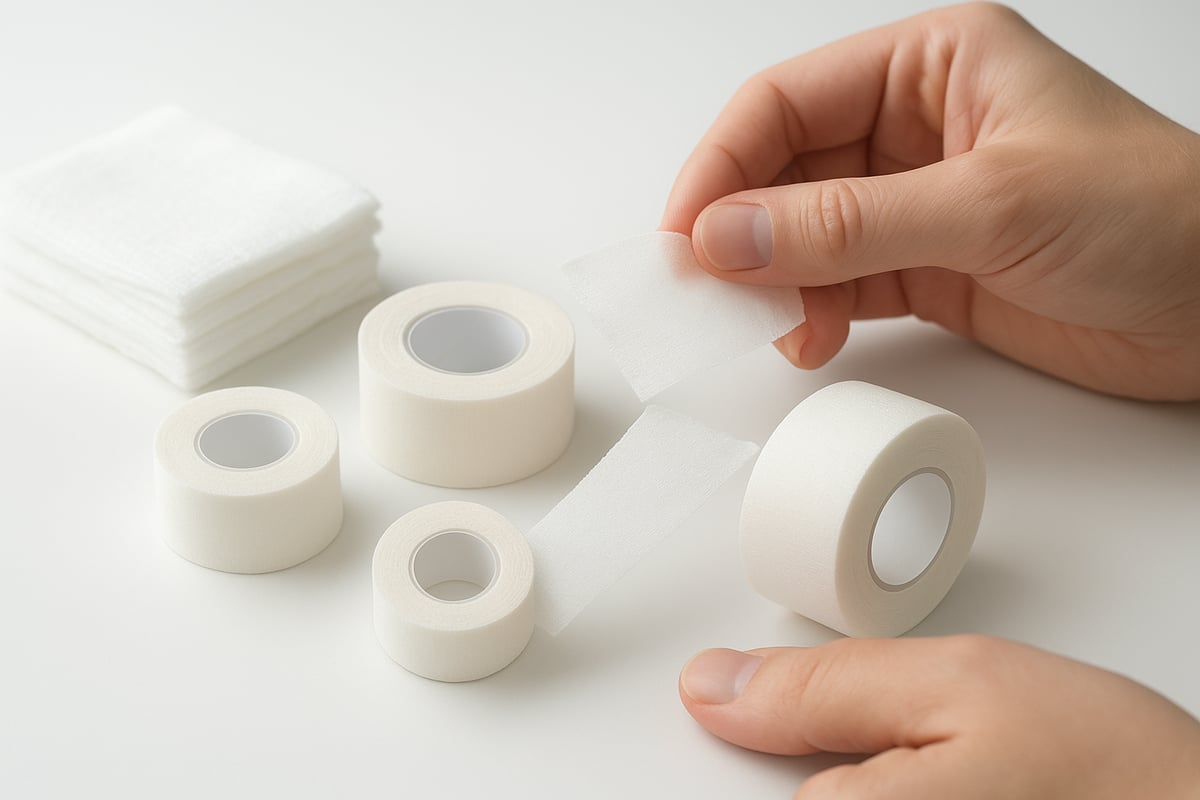
First aid paper tape is a lightweight, breathable adhesive tape designed specifically for medical use. It is crafted from non-woven paper, making it soft and flexible. The adhesive used is typically latex-free, minimizing the risk of allergic reactions and making it suitable for a wide range of users.
This tape is easy to tear both lengthwise and crosswise, so it does not require scissors. Its flexibility allows it to conform to various body contours, while its gentle adhesion ensures it can be used on sensitive or fragile skin without causing trauma. These properties make first aid paper tape a preferred choice for securing dressings during wound care.
Types of First Aid Paper Tape
There are several types of first aid paper tape available to meet different needs. Standard varieties are suitable for most skin types, while sensitive skin formulas offer even gentler adhesion for those prone to irritation.
Tape comes in multiple widths, such as 0.5 inch, 0.75 inch, 1 inch, and 2 inch, and is sold in rolls ranging from 2.5 yards to 8 yards. This variety allows users to select the right size for each wound or dressing.
Compared to cloth, plastic, or waterproof tapes, first aid paper tape stands out for its breathability and gentle removal. While cloth tape offers strength and plastic tape provides water resistance, paper tape excels in comfort and skin-friendliness.
Common Brands and Products
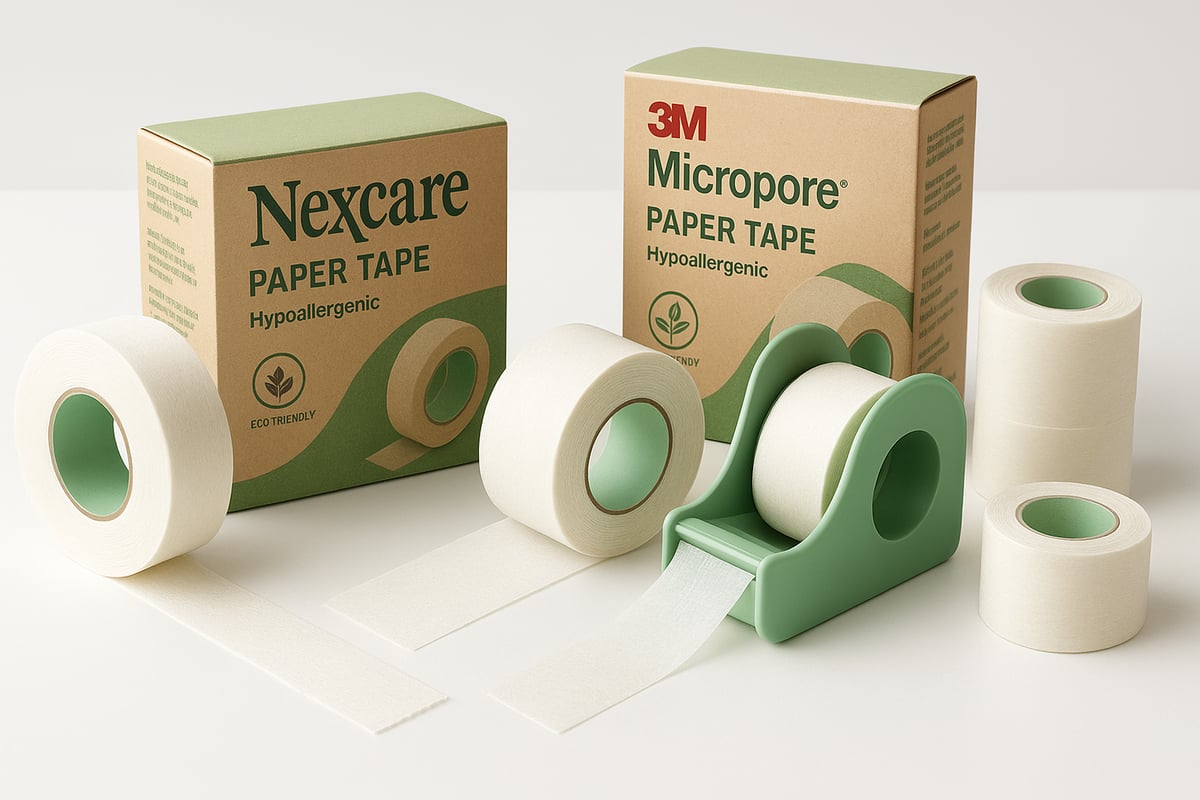
Several leading brands dominate the first aid paper tape market. Nexcare, First Aid Only, and 3M Micropore are widely trusted for quality and performance.
- Nexcare Gentle Paper Tape is known for its hypoallergenic formula and up to 24-hour hold.
- First Aid Only offers dermatologist-tested, latex-free options that are easy to tear.
- 3M Micropore is a hospital-grade product favored by clinical professionals.
Notable features across these brands include easy-tear design, dermatologist testing, and a focus on minimizing skin irritation. Many products are available in both standard and sensitive skin versions, ensuring a suitable choice for every user.
Paper Tape’s Role in Wound Care
First aid paper tape is essential for securing dressings, gauze, and bandages in place. It is commonly used in both professional and home first aid kits, supporting quick and effective wound management.
Frequent dressing changes can be challenging, especially for those with sensitive skin. Here, first aid paper tape shines, as it provides a secure hold without causing additional discomfort. For those interested in compatible dressings and gauze components, you can explore a range of suitable products at Dressings and Gauze Components.
This tape is particularly important for pediatric and geriatric care, where gentle adhesion is a must.
2026 Developments and Innovations
The year 2026 brings notable advancements in first aid paper tape technology. Manufacturers are introducing improved adhesives that maintain secure hold while being even gentler on the skin.
Eco-friendly materials are gaining popularity, with biodegradable tapes and recyclable packaging addressing consumer demand for sustainability. Enhanced breathability ensures that skin stays healthy and dry, even during extended wear.
Packaging has also evolved, with user-friendly dispensers and clearer labeling. Industry trends indicate a steady increase in consumer preference for hypoallergenic and sustainable first aid paper tape options, reflecting broader shifts in healthcare priorities.
Key Benefits of First Aid Paper Tape
When stocking a first aid kit, it is crucial to understand why first aid paper tape stands out. Its unique features make it a preferred choice for wound care in homes, clinics, and workplaces alike.
Skin-Friendly and Hypoallergenic
First aid paper tape is designed with sensitive skin in mind. Its hypoallergenic properties make it ideal for those prone to irritation or allergies. Most brands, such as Nexcare Gentle Paper Tape, ensure their products are dermatologist-tested and latex-free, minimizing the risk of adverse reactions.
The gentle adhesion of first aid paper tape reduces trauma during dressing changes. For individuals with fragile or delicate skin, this quality is essential for safe, repeated use.
Breathability and Comfort
Breathability is a key advantage of first aid paper tape. Its non-woven material allows air to circulate freely, supporting the natural healing process. This airflow prevents excessive moisture buildup, which can cause skin maceration or delay recovery.
Unlike plastic tapes, first aid paper tape is non-occlusive. It promotes comfort, especially during extended wear, making it suitable for both minor wounds and frequent dressing changes.
Easy Application and Removal
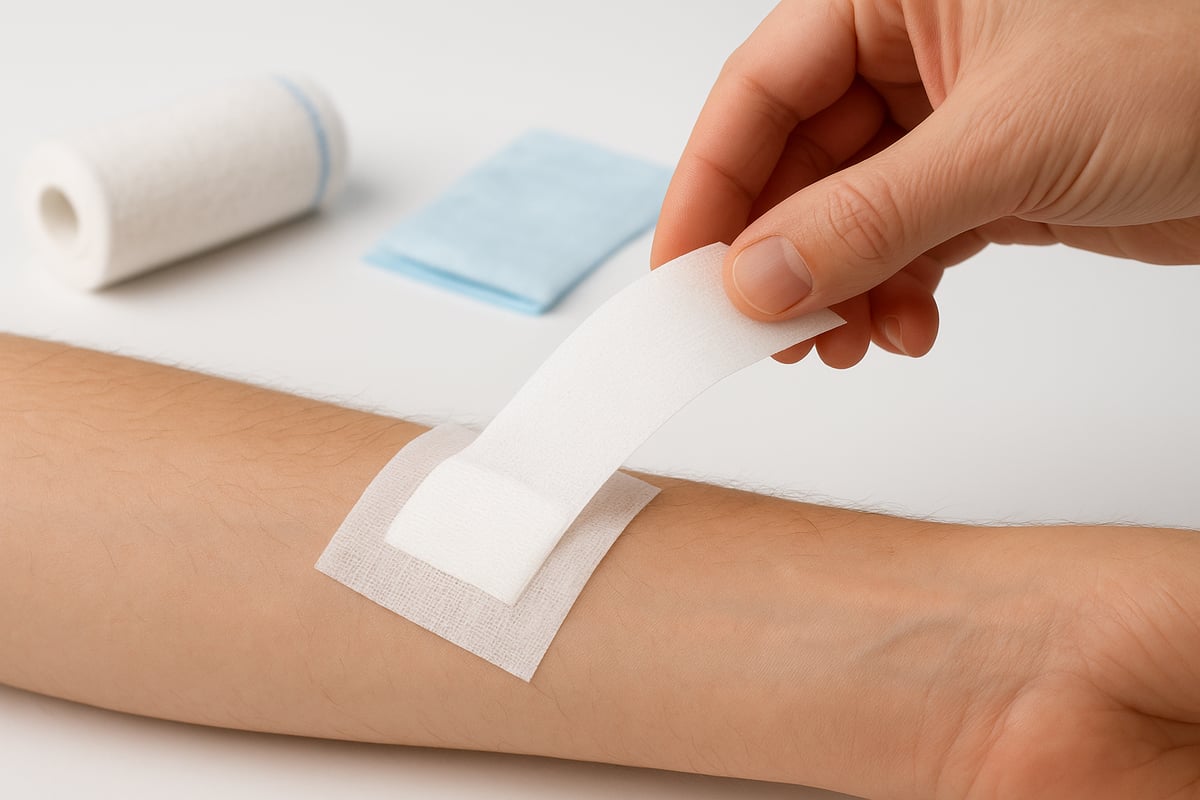
Applying first aid paper tape is quick and stress-free. The tape tears easily by hand in both directions, eliminating the need for scissors. This feature is especially helpful during emergencies or when caring for children and elderly patients.
Removal is just as simple. First aid paper tape lifts away with minimal discomfort, reducing pain and skin trauma. First Aid Only tape is often praised for its pain-free removal and lack of shredding, further enhancing patient comfort.
Secure Hold for Dressings
Despite its gentle feel, first aid paper tape provides a reliable hold. It adheres securely to various body contours, including fingers, elbows, and wrists. The tape maintains its grip for up to 24 hours, as noted in Nexcare data, ensuring dressings stay in place without slipping.
This secure adhesion is vital for protecting wounds from contaminants and supporting the healing process. Its flexibility and conformability make it suitable for everyday movements.
Versatility in Use
First aid paper tape excels across a wide range of scenarios. It is suitable for minor cuts, post-surgical incisions, blisters, and chronic wound management. Medical professionals and home caregivers alike rely on it for both routine and specialized care.
Children, elderly individuals, and those with sensitive skin benefit from the tape's gentle touch. Its versatility ensures that first aid paper tape is a staple in hospitals, clinics, and home first aid kits.
Minimal Residue and Clean Removal
One of the standout features of first aid paper tape is its clean removal. It is engineered to leave little or no sticky residue on the skin, even after extended use. While rare, some users report occasional residue, but this can be minimized by following proper removal techniques.
Gently peeling the tape back and moistening it if needed helps maintain skin integrity. This easy, residue-free removal is especially important for those requiring frequent bandage changes.
Cost-Effectiveness and Accessibility
First aid paper tape offers excellent value for both individuals and organizations. It is widely available in various pack sizes, making it easy to purchase in bulk or as part of a first aid kit. Affordable pricing ensures accessibility for all users.
A quick comparison of leading brands highlights these points:
| Brand | Pack Size Options | Hypoallergenic | Price Range |
|---|---|---|---|
| Nexcare | 1–6 rolls | Yes | $3–$12 |
| First Aid Only | 2–6 rolls | Yes | $3–$10 |
| 3M Micropore | 1–12 rolls | Yes | $4–$20 |
For guidance on what to include in your kit and why paper tape is essential, see the First Aid Box Buying Guide.
First aid paper tape remains a cost-effective, accessible, and versatile solution for wound care, ensuring optimal results in every setting.
When and How to Use First Aid Paper Tape
First aid paper tape is a staple in modern wound care, valued for its adaptability and gentle support. Whether you are refilling a home kit or managing frequent dressing changes in a clinical environment, knowing when and how to use this essential tool ensures optimal healing and comfort. Let us explore the various scenarios, precise application steps, removal techniques, best practices, and considerations for all ages.
Ideal Use Cases and Scenarios
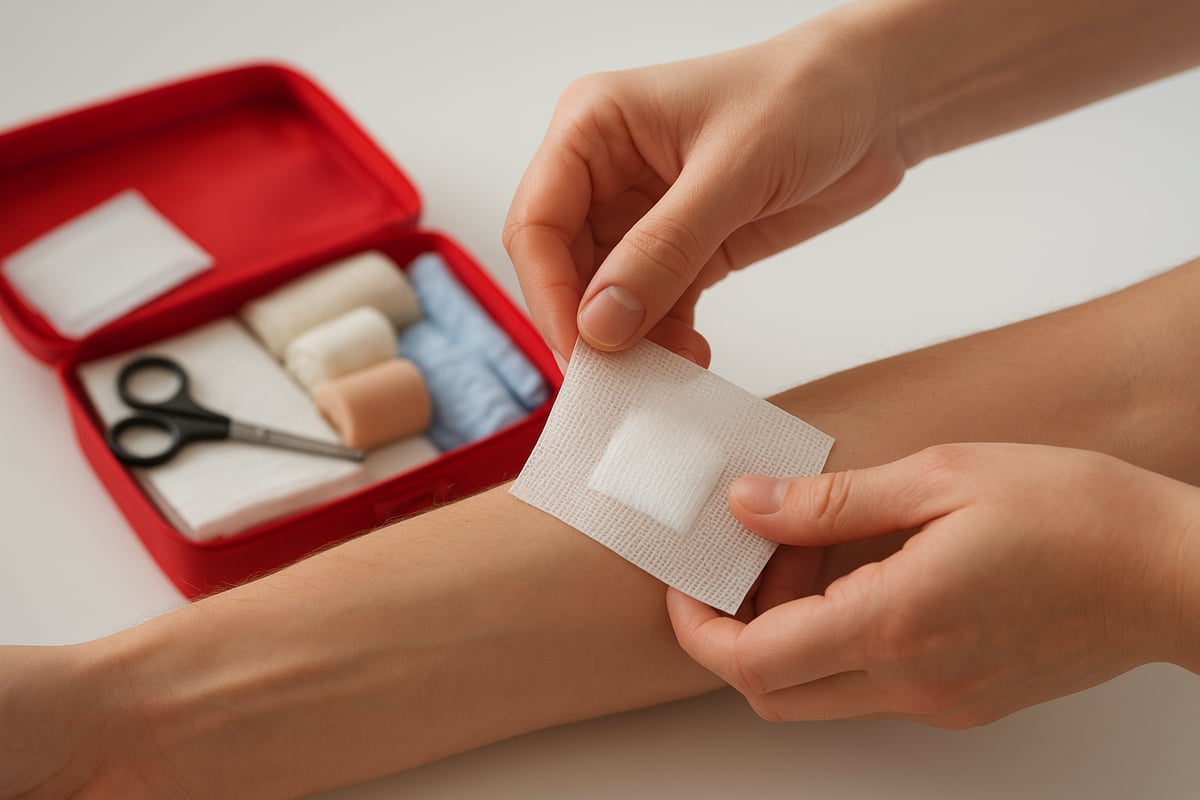
First aid paper tape is designed for a wide range of wound care situations. It is perfect for securing gauze pads, bandages, and non-adhesive dressings, especially where frequent changes are necessary. This makes it ideal for post-surgical care, chronic wound management, and everyday minor injuries.
Sensitive skin populations, including infants, elderly, and those prone to allergies, benefit greatly from its gentle adhesion. For workplaces, schools, and travel kits, first aid paper tape is a flexible, lightweight choice. If you are assembling a custom kit, consider reading Building Your Own First Aid Kit for guidance on essential components, including paper tape.
Children, athletes, and patients with a history of adhesive sensitivities often rely on this product for reliable, skin-friendly support.
Step-by-Step Application Guide
Proper use of first aid paper tape starts with skin preparation. Always wash and dry the area thoroughly to promote optimal adhesion and reduce infection risk. Next, select the appropriate width and length of tape for the wound or dressing.
- Tear the tape to the required length using your hands.
- Gently apply the tape over the dressing, smoothing down the edges.
- Ensure the tape is placed without stretching to avoid skin irritation.
- Conform the tape to body contours, especially on elbows, wrists, or fingers.
- Press lightly to secure, avoiding excessive pressure.
By following these steps, you maximize the performance of first aid paper tape and ensure comfort for the patient.
Removal Best Practices
Removing first aid paper tape is as important as applying it correctly. To minimize discomfort, always start by loosening the tape edges gently. Peel the tape back slowly, keeping close to the skin and moving in the direction of hair growth.
If you notice resistance or if the tape is stubborn, use an adhesive remover or moisten the tape slightly with water. This softens the adhesive and allows for a smoother removal. For sensitive skin, take extra care to peel gradually and avoid sudden movements.
User reviews consistently highlight that gentle removal prevents residue and reduces the risk of irritation, making each dressing change less stressful.
Tips for Maximum Effectiveness
To get the most out of your first aid paper tape, follow some simple guidelines. Store the tape in a cool, dry place to maintain adhesive strength and prevent contamination. Only apply the tape to clean, dry skin for the best hold.
Replace the tape after 24 hours, or sooner if it becomes dirty, wet, or loose. Avoid touching the adhesive side more than necessary, as oils from your fingers can weaken the tape. Keeping these tips in mind will extend the usefulness of your first aid paper tape.
Common Mistakes to Avoid
When using first aid paper tape, certain mistakes can compromise wound healing or cause skin problems. Avoid over-stretching the tape during application, as this may lead to blisters or skin trauma. Never use the tape directly on open wounds without a proper dressing beneath.
Other pitfalls include reusing tape, applying it over lotions or creams, and failing to change it regularly. Ignoring these issues can reduce the tape’s effectiveness and cause unnecessary discomfort. Proper technique ensures safe, reliable wound care every time.
Special Considerations for Children and Elderly
Children and elderly individuals often have delicate or sensitive skin, making first aid paper tape the preferred option in many care settings. Always choose sensitive skin or hypoallergenic formulas for these populations.
Monitor for any signs of irritation, redness, or allergic reaction, especially during frequent dressing changes. In pediatric and geriatric care, staff often select first aid paper tape for its gentle hold and minimal risk of skin damage. Prioritizing comfort and safety helps ensure positive outcomes for vulnerable patients.
Choosing the Right First Aid Paper Tape in 2026
Selecting the right first aid paper tape in 2026 is crucial for effective wound care and user comfort. With the market evolving rapidly, understanding product differences and innovations helps ensure your kit is ready for any situation. This section will guide you through the top factors, brand comparisons, reading labels, dispenser features, sustainability, and where to purchase the best options.
Factors to Consider
When choosing first aid paper tape, start by assessing the user's skin sensitivity and allergy history. Opt for hypoallergenic and latex-free options if allergies are a concern.
Consider the tape's width and length, as different wound sizes and locations require varying dimensions. Breathability and moisture resistance are important, especially for dressings in humid or active environments. If you expect frequent dressing changes, prioritize gentle adhesives that minimize skin trauma.
Lastly, think about the tape's intended environment. For example, home, hospital, or outdoor settings may have unique needs.
Comparing Top Brands and Products
Choosing among brands can be challenging with so many options. Here is a quick comparison of leading first aid paper tape products:
| Brand | Key Features | Widths Available | Hold Duration |
|---|---|---|---|
| Nexcare Gentle | Hypoallergenic, 24-hour hold, easy-tear | 0.5", 0.75", 1" | Up to 24 hours |
| First Aid Only | Durable, pain-free removal, hypoallergenic | 0.5", 1" | Reliable daily use |
| 3M Micropore | Hospital-grade, trusted, conformable | 0.5" to 2" | Medical standard |
User reviews often highlight differences in dispenser design, tape width variety, and overall comfort. Match these features to your specific needs for the most effective solution.
Reading Product Labels and Reviews
Product labels provide crucial information for first aid paper tape selection. Look for claims such as "latex-free," "hypoallergenic," and "dermatologist-tested." These indicate the tape is designed for sensitive or allergy-prone skin.
User reviews can reveal practical insights, such as whether a tape leaves residue, is easy to tear, or holds securely on joints. For example, some Nexcare users mention occasional sticky residue, which may influence your choice if you have sensitive skin.
Reviewing both labels and user feedback ensures you choose a tape that aligns with your wound care priorities.
Dispenser and Packaging Innovations
Dispenser design has become more advanced in 2026. New dispensers allow for easier tape measurement, one-handed use, and improved cleanliness. When purchasing refills, confirm that the tape width matches your dispenser, as mismatches can cause frustration.
Consumers frequently mention issues with incompatible dispenser sizes, especially if switching between brands or tape widths. Modern packaging often includes clear labeling of dimensions and easy-open features for convenience.
Innovative dispensers and packaging help streamline wound care, making first aid paper tape even more accessible and user-friendly.
Eco-Friendly and Sustainable Options
Sustainability is a growing trend in first aid paper tape. Many brands now offer biodegradable tapes and recyclable packaging, responding to consumer demand for greener products. According to Medical Adhesive Tapes Market Forecast 2026, the market for medical adhesive tapes is projected to grow significantly, driven in part by the shift toward eco-conscious materials.
Look for tapes labeled as "biodegradable" or "recyclable," and check for certifications on packaging. Industry reports indicate a 15% increase in sales of eco-friendly first aid supplies in recent years.
Choosing sustainable options not only benefits the environment but also aligns with evolving healthcare standards.
Where to Buy and Price Points
First aid paper tape is widely available at pharmacies, online retailers, and medical supply stores. Bulk purchasing is an option for organizations, clinics, or those refilling multiple kits.
Popular options include First Aid Only 2-pack rolls for around $3.29, and Nexcare multi-packs for home or professional use. Compare prices and pack sizes to find the best value for your needs.
Whether shopping locally or online, ensure the product meets your requirements for sensitivity, size, and performance.
Expert Tips and Best Practices for First Aid Paper Tape
Proper use of first aid paper tape can make all the difference in wound care. By following expert tips and best practices, you can ensure optimal performance and comfort for patients of all ages. The guidance below covers adhesion, skin protection, storage, integration into kits, and troubleshooting for first aid paper tape.
Maximizing Adhesion and Comfort
To get the most from first aid paper tape, always start with clean, dry skin. Oils, lotions, or moisture can weaken the adhesive and reduce staying power. For cold environments, gently warm the tape between your hands before use to help activate the adhesive.
Avoid stretching the tape during application. This prevents blisters and ensures even pressure across the dressing. Smooth the tape gently over the skin, pressing down the edges for secure adhesion. These steps guarantee that first aid paper tape delivers the reliable hold it is known for.
Preventing and Managing Skin Irritation
First aid paper tape is designed for sensitive skin, but proper technique further reduces irritation risk. Rotate the placement of tape with each dressing change, especially for patients who require frequent reapplication.
For high-risk individuals, such as those with allergies or fragile skin, select sensitive skin formulas. Applying a skin barrier film before taping can add an extra layer of protection. These precautions make first aid paper tape a safe choice for delicate and vulnerable skin types.
Ensuring Secure Dressings
Securing dressings is one of the main functions of first aid paper tape. Overlap tape edges when bandaging joints or highly mobile areas to prevent dressings from shifting. For large wounds or high-movement zones, use multiple strips of tape to reinforce the hold.
The conformability of first aid paper tape allows it to adapt to fingers, elbows, and other curved surfaces. This flexibility helps dressings stay in place, even as patients move throughout the day.
Removing Tape Without Pain or Residue
Gentle removal is essential for patient comfort. Start by loosening the tape edges and peel back slowly, moving parallel to the skin and in the direction of hair growth. If needed, use adhesive remover wipes to dissolve the glue, especially for sensitive skin.
Moistening the tape with warm water can also help reduce discomfort during removal. These steps ensure that first aid paper tape can be changed frequently without causing trauma or leaving sticky residue behind.
Storage and Shelf Life
To maintain the quality of first aid paper tape, store it in its original packaging in a cool, dry place. Humidity and direct sunlight can degrade both the paper and adhesive, shortening shelf life.
Always check expiration dates on bulk or emergency supplies. Proper storage practices help ensure that first aid paper tape remains effective and safe for all wound care needs.
Integrating into First Aid Kits
A well-stocked kit should include several widths and rolls of first aid paper tape. This guarantees you have the right size for any wound, from minor scrapes to larger injuries.
Pair first aid paper tape with gauze pads, dressings, and antiseptic wipes for complete care. For those building or restocking kits, the Complete First Aid Kits Collection offers curated options that include high-quality paper tape and other essentials for home, work, or travel.
Troubleshooting Common Problems
If you notice sticky residue after removal, review your technique and ensure the skin is clean before application. For tape that does not stick, check the expiration date and confirm the skin is free of oil.
Should you encounter persistent issues, consult user reviews and product labels to select a more suitable first aid paper tape. For a broader view of trends and solutions, the Medical Tapes and Bandages Market Analysis 2026 provides valuable insights into product developments and consumer preferences. Staying informed helps you make the best choices for wound care.
Frequently Asked Questions About First Aid Paper Tape
Navigating the details of first aid paper tape can help ensure you use it safely and effectively. Below are answers to the most common questions people ask about this essential wound care supply.
Can paper tape be used on all skin types?
First aid paper tape is designed to be safe for most skin types. Its hypoallergenic, latex-free adhesive makes it suitable for sensitive and fragile skin, including those prone to allergies. However, it is always wise to test first aid paper tape on a small patch of skin before regular use, especially if you have a history of skin reactions or allergies. If redness or discomfort appears, discontinue use immediately.
How long can you leave paper tape on?
You can typically leave first aid paper tape in place for up to 24 hours, though it is important to monitor for signs of loosening or dirt accumulation. Products like Nexcare Gentle Paper Tape are specifically formulated for a 24-hour hold. If tape becomes wet, dirty, or starts to peel, replace it promptly to maintain proper wound protection and hygiene. Always follow manufacturer instructions for best results.
Is paper tape waterproof?
Most first aid paper tape is not waterproof. It is designed to be breathable, which aids healing but means water can compromise adhesion. For situations where moisture exposure is likely, consider covering the taped area or selecting a waterproof alternative. Recent advancements in medical technology, such as Autonomous Tape Handling in Robotic Wound Care, are exploring improved tape performance, but traditional paper tape remains best used in dry conditions.
What should I do if I experience irritation?
If you notice irritation, redness, or itching after applying first aid paper tape, remove it immediately and gently cleanse the area with mild soap and water. Switch to a hypoallergenic or sensitive skin formula if needed. Persistent or severe reactions may require consultation with a healthcare provider. Always check the product label for dermatologist-tested or hypoallergenic claims before trying a new tape.
Can paper tape be used on children and elderly?
First aid paper tape is especially recommended for children and elderly individuals, as their skin is often more delicate. Its gentle adhesion minimizes trauma during dressing changes, making it a preferred choice in pediatric and geriatric care. Always monitor for signs of irritation and select sensitive skin varieties when caring for these populations, ensuring safety and comfort for all ages.
How do I choose the right tape width?
Selecting the proper width of first aid paper tape depends on the size and location of the wound or dressing. For small areas like fingers, a narrow width (such as 0.5 inch) is ideal. Larger dressings or areas like the thigh may require wider tape (1 inch or more). Always match the tape width to your specific needs for secure and comfortable application.
How should I store paper tape?
Proper storage of first aid paper tape helps preserve its adhesive quality and shelf life. Keep tape in its original packaging, away from direct sunlight and humidity. Store it in a cool, dry location, such as a medicine cabinet or first aid kit. Always check expiration dates before use, especially if buying in bulk or keeping tape for emergencies.
Are there eco-friendly paper tape options?
Yes, eco-friendly first aid paper tape options are increasingly available. In 2026, many brands offer biodegradable paper tapes and recyclable packaging to meet growing consumer demand for sustainability. Always check product labels for environmental claims and certifications. Choosing sustainable tape not only cares for your skin but also contributes to responsible environmental practices.
Where can I buy first aid paper tape?
You can find first aid paper tape at most pharmacies, online retailers, and medical supply stores. Specialty providers also offer bulk purchasing and kit refills for organizations. For professional and home needs alike, first aid paper tape remains accessible and affordable, making it easy to keep your kits properly stocked wherever you are.
Frequently Asked Questions About First Aid Paper Tape
Can paper tape be used on all skin types?
First aid paper tape is designed to be safe for most skin types. Its hypoallergenic, latex-free adhesive makes it suitable for sensitive and fragile skin, including people prone to allergies. It's still wise to test it on a small patch of skin first if you have a known sensitivity.
How long can you leave paper tape on?
You can typically leave first aid paper tape in place for up to 24 hours, but monitor it for loosening or dirt. Change it sooner if it becomes wet, dirty, or starts to lift, and use each dressing change as a chance to check the wound.
Is paper tape waterproof?
Most first aid paper tape is not waterproof. It's designed to be breathable, which aids healing but means water can weaken the adhesion. If moisture exposure is likely, cover the taped area or choose a waterproof tape instead.
What should I do if I experience irritation?
If you notice irritation, redness, or itching, remove the tape immediately and gently cleanse the area with mild soap and water. Switch to a hypoallergenic or sensitive-skin formula, and seek medical advice for persistent or severe reactions.
Can paper tape be used on children and elderly?
Yes, and it's especially recommended for them, since their skin is often more delicate. Its gentle adhesion minimizes trauma during dressing changes, making it a preferred choice in pediatric and geriatric care. Always monitor for irritation.
How do I choose the right tape width?
Match the width to the size and location of the wound or dressing. Narrow tape (around 0.5 inch) suits small areas like fingers, while larger dressings or areas like the thigh need wider tape (1 inch or more).
How should I store paper tape?
Keep tape in its original packaging, away from direct sunlight and humidity, in a cool, dry place such as a medicine cabinet or first aid kit. Check expiration dates before use, since old adhesive loses its hold.
Are there eco-friendly paper tape options?
Yes. Many brands now offer biodegradable paper tapes and recyclable packaging. Check product labels for environmental claims and certifications if sustainability is a priority for you.
Where can I buy first aid paper tape?
You can find first aid paper tape at pharmacies, online retailers, and medical supply stores, and it's included in many first aid kits. Specialty suppliers also offer bulk options and kit refills for organizations.

