Kit First Aid: Essential Components and Best Practices
Every home, workplace, and vehicle should contain a properly stocked kit first aid, yet many people underestimate the importance of having the right supplies readily available when emergencies strike. Whether you're a medical professional seeking tactical gear or a parent building your first household safety resource, understanding what belongs in your kit and how to maintain it can make the difference between effective emergency response and potentially dangerous delays. The right kit first aid combines essential medical supplies with practical organization, ensuring you can respond confidently when every second counts.
Understanding Kit First Aid Requirements
The contents of your kit first aid should reflect your specific environment, the number of people you'll be protecting, and the types of injuries most likely to occur in your setting. Basic home kits differ significantly from workplace kits designed to meet regulatory standards or specialized kits built for outdoor activities and tactical situations.
Regulatory Standards and Compliance
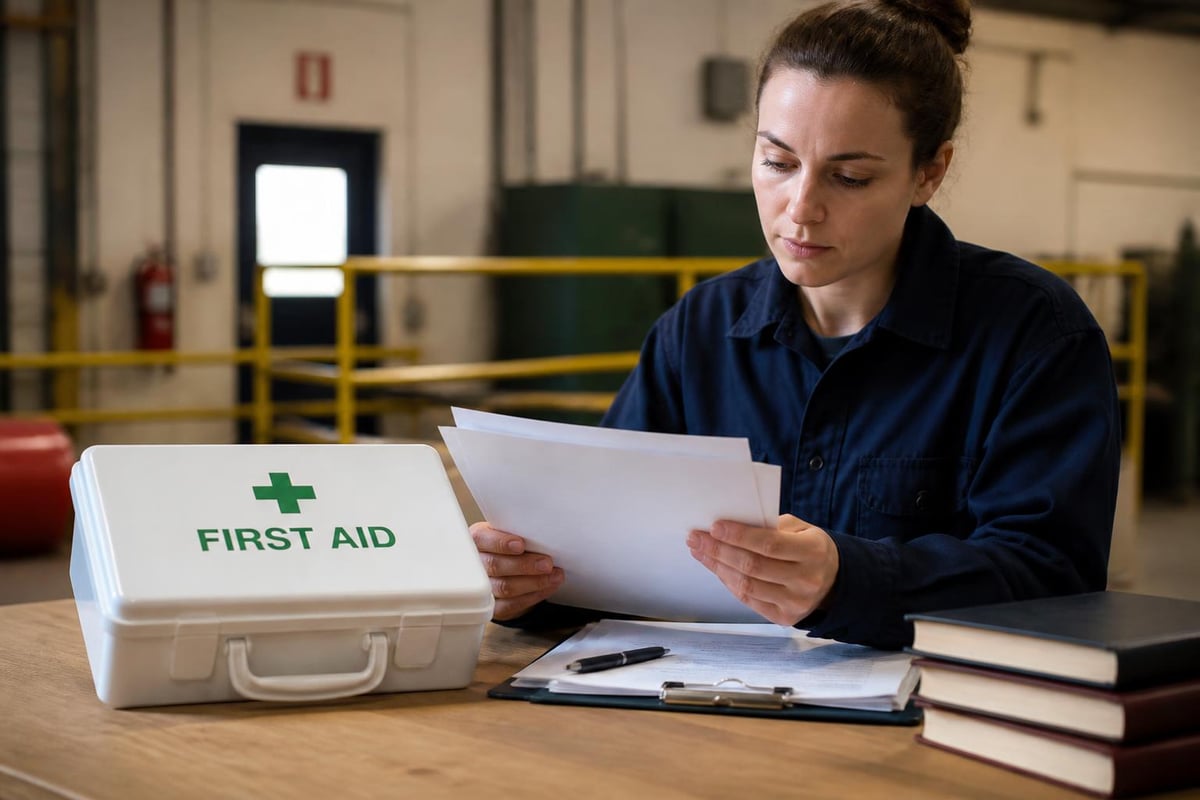
Professional settings require adherence to specific standards when assembling a kit first aid. The American National Standards Institute (ANSI) establishes minimum requirements for workplace first aid supplies, with recent updates expanding recommended contents to address modern emergency scenarios. According to ANSI standards outlined by the ASPR TRACIE, basic kits should include wound care supplies, personal protective equipment, and medications appropriate for common workplace injuries.
Transportation industries face additional requirements. Railroad camp cars must maintain first aid supplies meeting federal specifications detailed in 49 CFR 228.331, while aircraft operators follow stringent guidelines for emergency medical kit contents specified in 14 CFR Part 121. These regulations ensure that first responders have necessary tools regardless of location.
Understanding commercial first aid kit requirements helps businesses maintain compliance while protecting their workforce. Regulatory standards consider factors such as the number of employees, distance from professional medical care, and specific workplace hazards when determining minimum kit contents.
Core Components of Every Kit First Aid
Building an effective kit first aid begins with understanding the fundamental categories of supplies needed for emergency response. Each component serves a specific purpose in addressing injuries and stabilizing patients until professional medical help arrives.
Wound Care Essentials
Every kit first aid requires comprehensive wound management supplies. Sterile gauze pads in multiple sizes allow for effective bleeding control and wound protection. The importance of quality gauze products cannot be overstated, as inferior materials may fall apart during use or fail to maintain sterility.
Essential wound care items include:
- Adhesive bandages in assorted sizes for minor cuts and abrasions
- Sterile gauze pads (2x2, 3x3, and 4x4 inches) for larger wounds
- Roller gauze for securing dressings and creating pressure bandages
- Medical tape in various widths for securing wound coverings
- Antiseptic wipes and solutions for wound cleaning
- Antibiotic ointment to prevent infection
Advanced wound closure options like butterfly closures provide alternatives to sutures for appropriate wounds. Triangular bandages serve multiple purposes, from creating slings to applying pressure over large wound areas.
Trauma and Bleeding Control
Severe bleeding represents one of the most critical emergencies your kit first aid must address. Hemorrhage control supplies should be readily accessible and clearly marked within your kit organization.
| Supply Type | Purpose | Key Consideration |
|---|---|---|
| Tourniquets | Extremity hemorrhage control | Must meet CoTCCC standards |
| Hemostatic gauze | Internal wound packing | Temperature-stable formulation |
| Pressure dressings | Direct wound pressure | Elastic wrap with built-in applicator |
| Chest seals | Penetrating torso injuries | Vented design prevents tension pneumothorax |
The Combat Application Tourniquet (C-A-T) has become the gold standard for extremity hemorrhage control in both military and civilian settings. Proper training on tourniquet application and removal ensures these life-saving devices are used correctly when seconds matter.
Specialized Kit First Aid Configurations
Different environments demand customized approaches to emergency preparedness. Your kit first aid should reflect the specific challenges and injury patterns associated with your setting.
Workplace and Industrial Kits
Industrial environments present unique hazards requiring specialized supplies beyond basic first aid items. Burn treatments, eye wash solutions, and chemical exposure protocols become essential components when workplace hazards include heat, chemicals, or flying debris.
Burn dressings provide immediate cooling and protection for thermal injuries common in manufacturing and food service settings. These specialized dressings absorb heat from burn sites while creating a barrier against contamination. The workplace first aid guidelines from the University of Texas emphasize the importance of matching kit contents to specific workplace hazards.
Workplace kit first aid additions include:
- Extended burn care supplies for thermal injuries
- Eye wash stations or portable eye rinse solutions
- Larger quantities of supplies proportional to employee count
- Specialized equipment for chemical exposures
- Communication devices for emergency coordination
Understanding company first aid requirements helps businesses create comprehensive emergency response programs that extend beyond basic supply provision to include training and maintenance protocols.
Outdoor and Tactical Applications
Remote environments require self-sufficient kit first aid configurations that assume delayed access to professional medical care. Wilderness medicine principles emphasize improvisation, extended care capabilities, and protection from environmental hazards.
A comprehensive camping emergency kit includes supplies for treating hypothermia, hyperthermia, altitude sickness, and wildlife encounters. Emergency thermal blankets provide critical protection against environmental exposure in survival situations.
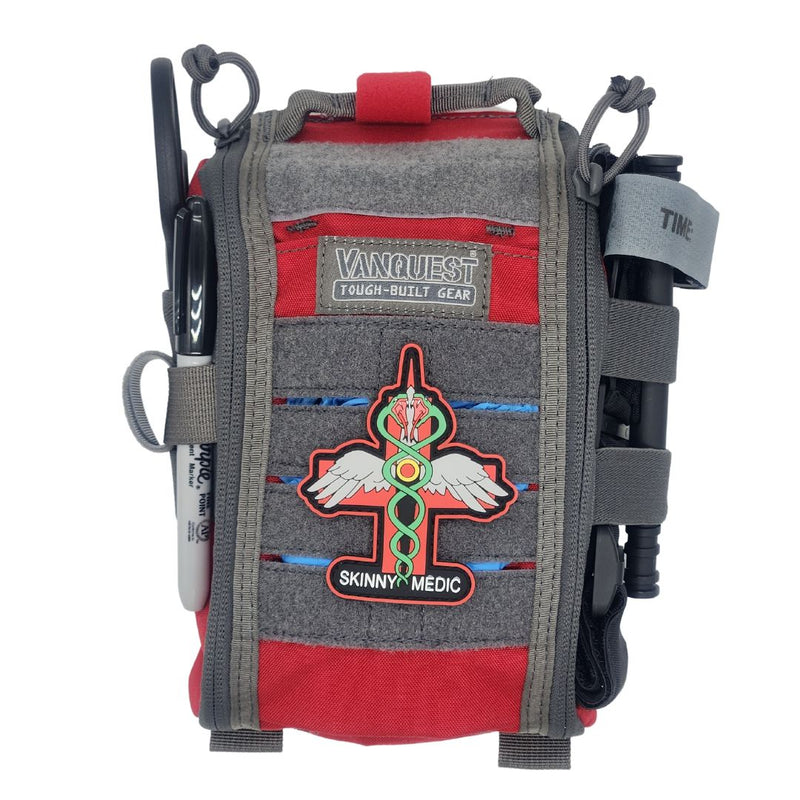
Tactical professionals require compact, durable kit first aid solutions that withstand harsh conditions while remaining quickly accessible. MOLLE-compatible pouches and tear-away panels allow responders to grab essential supplies without searching through entire kits during high-stress situations.
Personal Protective Equipment in Your Kit First Aid
Every kit first aid must include adequate personal protective equipment (PPE) to safeguard both the responder and patient during emergency care. Bloodborne pathogen exposure represents a significant risk during medical emergencies, making proper barriers essential for safe intervention.
Barrier Protection Standards
Modern PPE standards emphasize multiple layers of protection during patient contact. Nitrile gloves have largely replaced latex options due to allergy concerns and superior puncture resistance. Your kit first aid should contain multiple pairs of gloves in various sizes to accommodate different responders.
Critical PPE components include:
- Nitrile examination gloves (multiple sizes and pairs)
- Face shields or pocket masks for rescue breathing
- Eye protection for blood and fluid exposure
- Disposable gowns or aprons for extensive injuries
- Biohazard disposal bags for contaminated materials
The importance of barrier protection extends beyond infection prevention to legal liability considerations. Proper documentation of PPE availability and use demonstrates due diligence in workplace safety programs.
Medications and Treatments
Pharmaceutical components of your kit first aid require careful selection based on scope of practice, expiration management, and regulatory considerations. Over-the-counter medications provide symptomatic relief for common ailments, while prescription medications require appropriate authorization and protocols.
Common Medications
Basic pain relief and symptom management medications belong in most kit first aid configurations. Acetaminophen and ibuprofen address pain and fever, while antihistamines treat allergic reactions. Aspirin serves dual purposes, providing pain relief and potentially assisting cardiac emergency patients when administered appropriately.
| Medication Category | Common Examples | Primary Uses |
|---|---|---|
| Analgesics | Acetaminophen, Ibuprofen | Pain and fever reduction |
| Antihistamines | Diphenhydramine | Allergic reaction management |
| Antacids | Calcium carbonate | Gastric distress relief |
| Anti-diarrheal | Loperamide | Digestive emergency treatment |
| Topical antibiotics | Triple antibiotic ointment | Infection prevention |
Insect bite treatments prove essential in outdoor kits, while specialized environments may require snake bite protocols and specific antivenom guidance.
Expiration Management
The American Red Cross explains that first aid kits do expire, primarily due to medication degradation and sterile packaging breakdown. Adhesive products lose effectiveness, medications degrade beyond safe use dates, and sterile barriers may compromise over time.
Regular inventory checks ensure your kit first aid remains effective when needed. Establish quarterly review schedules to check expiration dates, replace depleted supplies, and update contents based on changing needs or regulations. Portable medical kit maintenance involves systematic tracking of consumption patterns and proactive replacement before critical shortages occur.
Kit First Aid Organization and Accessibility
Even the most comprehensive kit first aid becomes ineffective if supplies cannot be located quickly during emergencies. Organizational systems should prioritize rapid access to critical items while protecting supplies from damage and contamination.
Container Selection
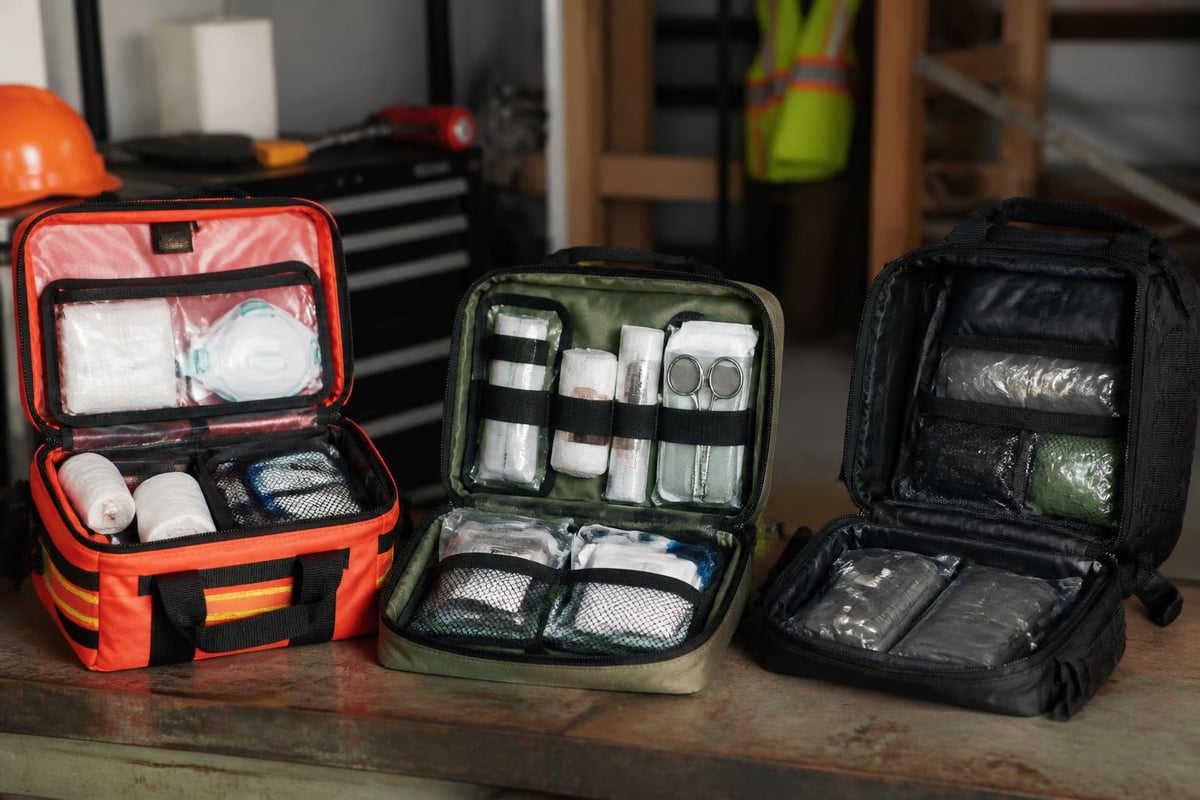
Your kit first aid container must balance portability, durability, and capacity. Hard-shell cases protect contents from impact and moisture but add weight and bulk. Soft pouches offer lightweight flexibility but provide less protection in harsh environments.
Container considerations include:
- Clear labeling visible from multiple angles
- Separate compartments for organized categories
- Water-resistant or waterproof construction
- Carrying options appropriate to intended use
- Size proportional to expected emergency duration
Tactical operators prefer MOLLE-compatible designs that integrate with existing gear systems, while households benefit from wall-mounted cabinets that remain stationary but highly visible. Vehicle kits require securing mechanisms that prevent movement during normal driving while allowing quick removal during roadside emergencies.
Color Coding and Labeling
Professional responders often implement color-coding systems within their kit first aid to accelerate supply location under stress. Red sections contain bleeding control items, blue holds airway management tools, and yellow designates medications and treatments. Clear labeling using both text and symbols accommodates responders with varying literacy levels or language backgrounds.
Building Your First Kit First Aid
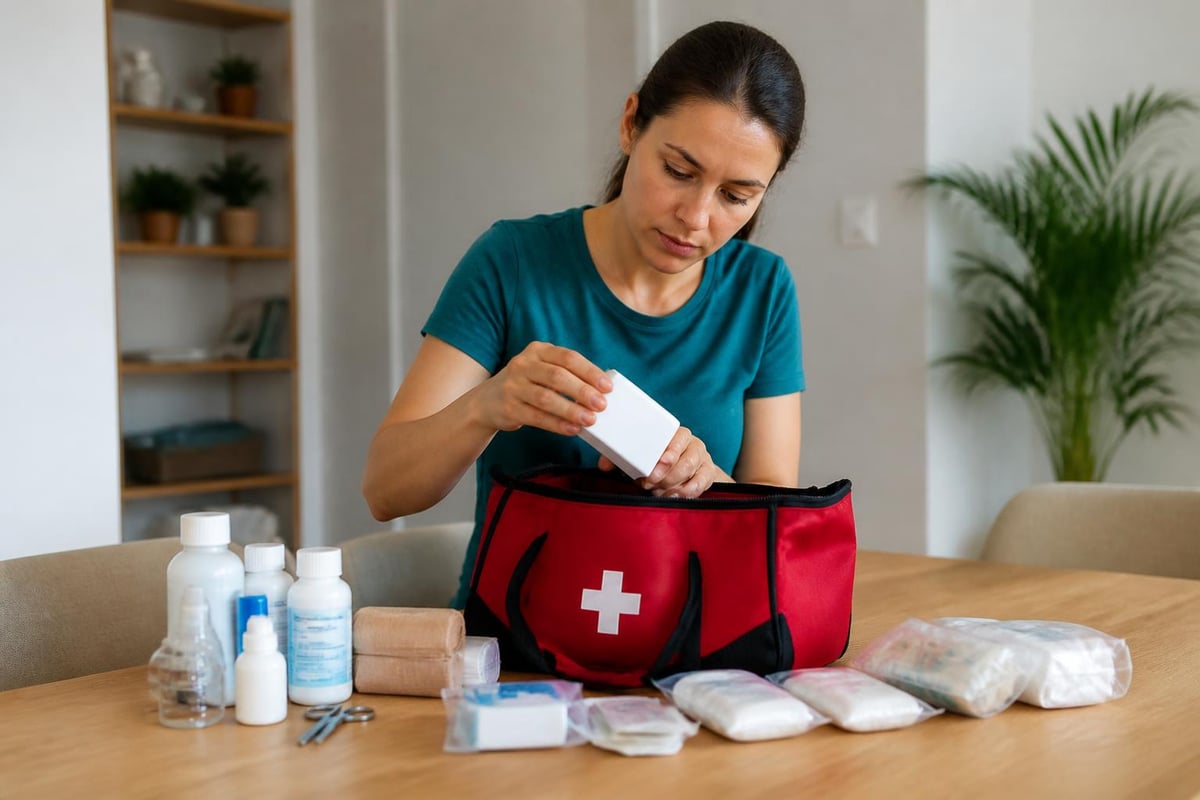
Creating an effective kit first aid involves more than purchasing a pre-assembled package. While commercial kits provide convenient starting points, customization ensures your specific needs receive adequate attention.
Assessment and Planning
Begin by evaluating your unique risk factors and response capabilities. Consider the number of people your kit first aid must serve, their ages and medical conditions, and the distance to professional medical facilities. Urban households near hospitals require different configurations than remote rural properties hours from emergency services.
MedlinePlus provides detailed guidance on assembling home first aid kits, including essential supplies and their applications for common household injuries. This foundational information helps newcomers understand basic requirements before expanding into specialized areas.
Assessment questions include:
- How many people will this kit serve?
- What medical conditions exist within your group?
- What activities or environments present injury risks?
- How far are you from professional medical care?
- What training do potential responders possess?
Matching kit contents to responder training prevents including supplies that exceed your capability to use properly. Advanced interventions require corresponding knowledge and practice to implement safely.
Quality Over Quantity
Resist the temptation to overstock your kit first aid with redundant items while neglecting critical categories. Focus on versatile, high-quality supplies that serve multiple purposes. A well-maintained kit with essential components outperforms a massive collection of expired or inadequate materials.
Professional-grade supplies often cost more initially but provide superior performance and longer shelf life. Industry standards and certifications help identify products meeting rigorous testing and quality control requirements.
Training and Kit First Aid Proficiency
Possessing a comprehensive kit first aid means nothing without the knowledge and skills to use its contents effectively. Regular training transforms theoretical understanding into practical competence that functions under emergency stress.
Skill Development Priorities
Basic life support skills form the foundation of effective first aid response. CPR, bleeding control, and shock management represent high-priority competencies that directly impact survival during critical emergencies. Advanced training builds on these fundamentals, adding skills like wound packing, tourniquet application, and airway management.
Progressive training pathway:
- Basic first aid and CPR certification
- Bleeding control and wound management
- Environmental emergency response
- Advanced trauma care techniques
- Scenario-based practice and stress inoculation
Hands-on practice with actual supplies from your kit first aid familiarizes you with packaging, application techniques, and equipment limitations before real emergencies demand perfect performance. Understanding the difference between various respiratory support tools prevents confusion during critical airway emergencies.
Ongoing Practice and Review
Skills degrade without regular practice. Establish quarterly training sessions that review basic techniques and introduce new protocols. Use expired supplies from your kit first aid for realistic training that doesn't deplete active inventory.
Scenario-based exercises help responders develop decision-making abilities under pressure. Simulate realistic emergencies matching your environment's most likely incidents, practicing not just individual skills but complete response sequences from recognition through stabilization and transport coordination.
Specialized Populations and Kit First Aid Needs
Different age groups and medical conditions require customized approaches to emergency preparedness. Your kit first aid should address the specific vulnerabilities within your household or organization.
Pediatric Considerations
Children require appropriately sized equipment and different medication dosing than adults. Newborn first aid kits address unique concerns like umbilical care, infant CPR requirements, and developmental milestones affecting injury patterns.
Smaller airway adjuncts, pediatric-sized blood pressure cuffs, and child-appropriate medication formulations ensure effective treatment for younger patients. Educational materials within your kit first aid should include pediatric dosing charts and age-specific emergency protocols.
Chronic Condition Management
Individuals with chronic medical conditions need supplemental supplies beyond standard kit first aid contents. Diabetics require glucose monitoring and treatment supplies, while individuals with severe allergies need epinephrine auto-injectors and comprehensive anaphylaxis protocols.
Document specific medical conditions and corresponding emergency procedures within your kit. Include emergency contact information for physicians, medication lists, and condition-specific treatment guidelines that help responders provide appropriate care when patients cannot communicate effectively.
Maintenance and Inventory Management
A neglected kit first aid becomes a liability rather than an asset. Systematic maintenance ensures readiness when emergencies strike without warning.
Scheduled Review Cycles
Establish quarterly inspection schedules that examine every component within your kit first aid. Check expiration dates, verify sterile packaging integrity, confirm medication potency, and replace depleted items. Document inspections to track usage patterns and identify frequently needed supplies that may require larger stock quantities.
Seasonal reviews allow you to adjust contents based on changing activities. Add cold-weather supplies before winter, include insect sting treatments before summer, and rotate specialty items based on planned activities like hiking, travel, or sporting events.
Quarterly maintenance checklist:
- Verify all medication expiration dates
- Check sterile packaging for damage
- Replace depleted or expired items
- Clean and disinfect reusable equipment
- Update emergency contact information
- Review and refresh responder training
Environmental factors affect storage requirements. Extreme temperatures degrade medications and adhesives, while humidity compromises sterile barriers and promotes microbial growth. Store your kit first aid in climate-controlled environments when possible, or select temperature-stable products for unavoidable extreme conditions.
Integration with Emergency Response Systems
Your kit first aid functions as one component within broader emergency preparedness planning. Effective integration with professional emergency services, communication systems, and evacuation protocols maximizes your response capabilities.
Communication and Coordination
Emergency response begins with recognition and activation. Ensure all household or workplace members understand how to access emergency services, what information dispatchers need, and how to provide clear location information. Include written emergency contact lists within your kit first aid, accounting for situations where electronic devices fail or lose power.
Establish clear protocols for when to use kit supplies versus waiting for professional responders. Understanding the capabilities and limitations of your kit first aid helps responders make appropriate decisions about intervention versus stabilization and transport.
Documentation and Legal Considerations
Document all first aid interventions using standardized reporting forms. Record patient condition, treatments administered, times of intervention, and response to care. This documentation protects responders legally while providing valuable information to professional medical personnel who assume patient care.
Understanding Good Samaritan laws in your jurisdiction helps responders act confidently within legal protections. Most jurisdictions provide liability protection for volunteers rendering emergency assistance in good faith, but specific requirements and limitations vary by location.
Specialty Kit First Aid Applications
Beyond general-purpose configurations, specialized kit first aid designs address unique environments and specific hazard profiles.
Vehicle Emergency Kits
Automotive emergencies combine medical needs with vehicle-specific hazards. Your vehicle kit first aid should address trauma from collisions, environmental exposure during breakdowns, and extended wait times in remote areas.
Include supplies for controlling bleeding from crash injuries, treating burns from engine fires, and protecting against hypothermia during winter breakdowns. Reflective triangles, flashlights, and emergency blankets supplement medical supplies to address the complete spectrum of roadside emergency needs.
Clinical and Professional Settings
Medical professionals require clinical kits that extend beyond basic first aid into advanced life support capabilities. These configurations include diagnostic equipment, pharmaceutical interventions, and specialized tools matching provider scope of practice.
Professional settings benefit from modular systems where responders select components appropriate to specific situations. Separate trauma modules, medical modules, and pediatric modules allow customization while maintaining organization and rapid deployment capabilities.
Building and maintaining an effective kit first aid requires ongoing commitment to quality supplies, proper training, and systematic maintenance. Whether you're preparing your home for common emergencies or equipping a professional response team, the right combination of knowledge and equipment ensures you can act decisively when lives depend on immediate intervention. Medical Gear Outfitters provides paramedic-selected supplies and expert guidance to help you build comprehensive emergency response capabilities tailored to your specific needs and environment.