First Aid Kit Emergency Kit: Complete Preparation Guide
When emergencies strike, the difference between effective response and helplessness often comes down to having the right supplies immediately available. A properly assembled first aid kit emergency kit serves as the foundation of preparedness for both medical professionals and civilians who want to respond confidently during critical moments. Understanding what belongs in these kits, how to organize them effectively, and when to deploy each component requires knowledge that goes beyond simply purchasing supplies off a shelf.
Understanding the Difference Between First Aid and Emergency Response Kits
Many people assume a basic first aid kit suffices for all emergency situations, but this misconception can prove dangerous. First aid kits and emergency kits serve distinct purposes, and comprehensive preparedness requires both.
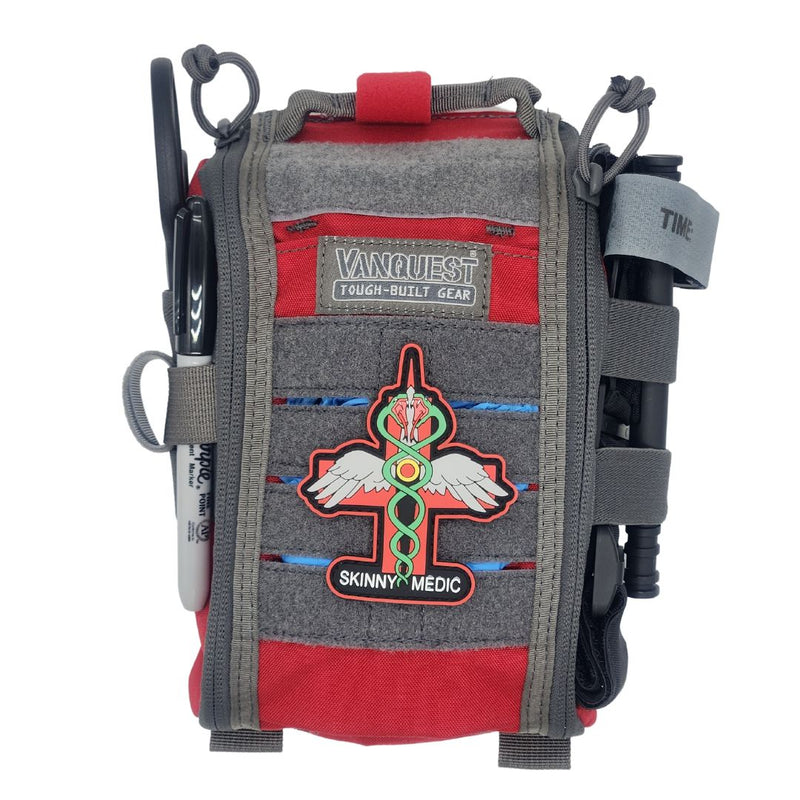
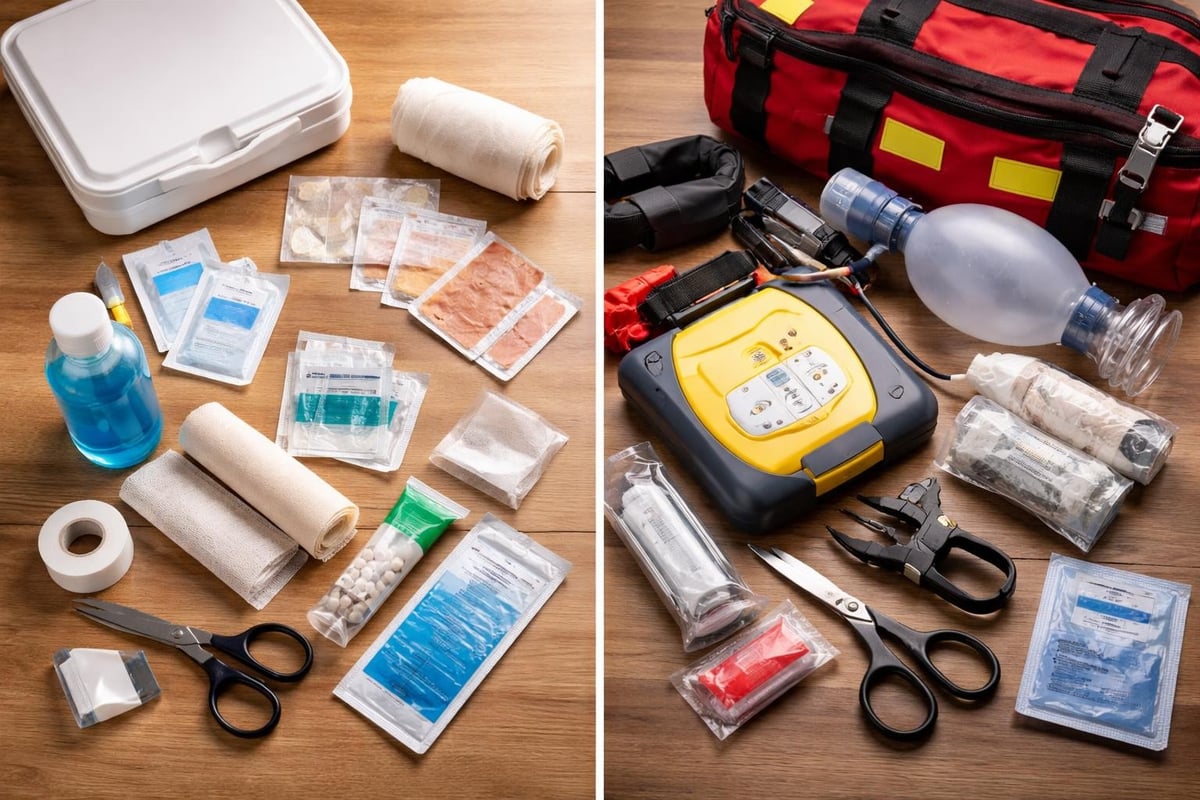
A first aid kit emergency kit bridges this gap by combining elements of traditional first aid supplies with enhanced emergency response capabilities. While standard first aid kits address minor injuries like cuts, scrapes, and burns, emergency kits must prepare responders for life-threatening situations requiring immediate intervention.
Core Components Versus Enhanced Capabilities
The American Red Cross provides foundational guidance on assembling comprehensive first aid kits that cover basic medical needs. However, true emergency preparedness demands additional equipment designed for trauma response.
Essential first aid components include:
- Adhesive bandages in multiple sizes
- Sterile gauze pads and rolls
- Medical tape and wound closures
- Antiseptic wipes and solutions
- Pain relievers and antihistamines
- Disposable gloves and face shields
Emergency response enhancements add:
- Tourniquets for severe hemorrhage control
- Hemostatic agents for wound packing
- Chest seals for penetrating injuries
- Airways and breathing barriers
- Trauma shears and safety equipment
Building Your First Aid Kit Emergency Kit by Risk Assessment
Not every person or organization faces identical risks, making customization essential when assembling a first aid kit emergency kit. A portable medical kit designed for wilderness hiking requires different supplies than one prepared for workplace emergencies or vehicle-based response.
Start by evaluating your specific environment and likely scenarios. Office workers face different injury patterns than construction personnel. Parents preparing for family emergencies need different equipment than outdoor enthusiasts venturing into remote locations. Understanding these distinctions ensures your kit addresses actual needs rather than theoretical scenarios.
Location-Specific Considerations
| Environment | Primary Risks | Priority Supplies |
|---|---|---|
| Office/Commercial | Minor cuts, burns, cardiac events | AED, burn dressings, basic wound care |
| Outdoor Recreation | Severe bleeding, fractures, environmental exposure | Tourniquets, splinting materials, emergency blankets |
| Vehicle/Roadside | Automotive trauma, extended wait times | Trauma supplies, signaling devices, water |
| Home/Residential | Burns, falls, medication reactions | Comprehensive wound care, pediatric supplies, EpiPens |
When preparing kits for outdoor activities, consider the additional challenge of limited connectivity. Research shows that emergency response in low-connectivity settings requires enhanced self-sufficiency since professional help may be delayed significantly.
For those who enjoy fishing trips to remote locations, having a comprehensive first aid kit emergency kit becomes even more critical. Checking resources like Find Fishing Spots helps identify how far you'll be from medical facilities, informing what level of emergency supplies you should carry.
Essential Supplies for Effective Hemorrhage Control
Uncontrolled bleeding represents the leading cause of preventable death in trauma situations. A first aid kit emergency kit must prioritize hemorrhage control equipment that enables rapid intervention before professional medical help arrives.
Understanding how to know if bleeding is serious helps determine when to deploy advanced interventions versus standard wound care. Arterial bleeding, characterized by bright red blood spurting in rhythm with heartbeats, requires immediate tourniquet application.
Advanced Wound Management Tools
Modern trauma care has evolved significantly beyond basic bandages. Quality triangular bandages serve multiple purposes including slings, pressure dressings, and stabilization devices. These versatile tools deserve prominent placement in any comprehensive kit.
Hemostatic gauze has revolutionized pre-hospital bleeding control. When properly applied to wounds, these specialized dressings promote rapid clotting even in cases where traditional pressure proves insufficient. Responders must understand proper wound-packing techniques to maximize effectiveness.
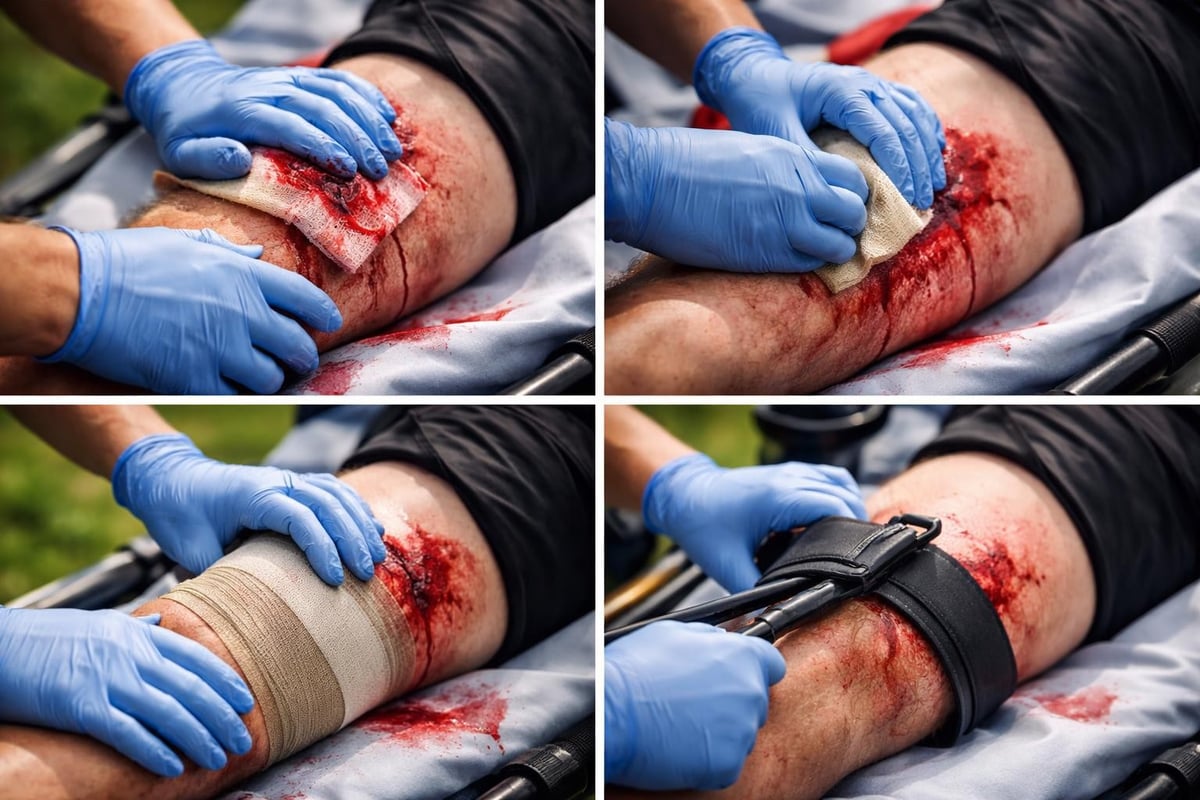
Proper hemorrhage control requires:
- Direct pressure application as the first-line intervention
- Hemostatic agent deployment for wounds unsuitable for tourniquets
- Tourniquet placement for life-threatening extremity bleeding
- Pressure dressing maintenance until professional care arrives
- Continuous monitoring for breakthrough bleeding
The Department of Homeland Security emphasizes that trauma-type first aid kits for emergency responders must contain equipment specifically designed for field environments where traditional medical infrastructure is unavailable.
Wound Care and Burn Management Essentials
Beyond controlling active bleeding, a first aid kit emergency kit must address wound cleaning, protection, and specialized injury types. Proper wound care prevents infection and promotes healing while maintaining patient comfort during transport or waiting for advanced care.
Burn injuries require specialized supplies that differ significantly from standard wound care equipment. Quality burn dressings provide cooling relief while protecting damaged tissue from contamination. Understanding burn classification helps responders select appropriate interventions.
Comprehensive Wound Care Inventory
Cleaning and preparation supplies:
- Sterile saline for irrigation
- Antiseptic wipes and solutions
- Medical-grade soap
- Irrigation syringes or bottles
Closure and protection materials:
- Butterfly wound closures for appropriate lacerations
- Adhesive strips in multiple sizes
- Non-adherent dressing pads
- Transparent film dressings
Specialized burn treatment:
- Water-based burn gels
- Non-stick burn pads
- Sterile sheets for large-area burns
- Cold packs for immediate cooling
The ACLS Certification Association provides detailed guidance on first aid kit components and administration directives that emphasize proper supply selection and deployment.
Medications and Pharmacological Interventions
A comprehensive first aid kit emergency kit requires carefully selected medications that address common emergency scenarios without requiring prescriptions. Understanding proper dosing, contraindications, and expiration management ensures these supplies remain effective when needed.
Pain management represents a primary concern for injured individuals. Over-the-counter analgesics provide relief while avoiding complications associated with prescription medications. Stock both acetaminophen and ibuprofen to accommodate different patient needs and contraindications.
Critical Medication Categories
| Medication Type | Purpose | Examples | Storage Considerations |
|---|---|---|---|
| Analgesics | Pain relief | Acetaminophen, ibuprofen, aspirin | Monitor expiration dates quarterly |
| Antihistamines | Allergic reactions | Diphenhydramine, loratadine | Include both oral and topical |
| Gastrointestinal | Stomach issues | Antacids, anti-diarrheal | Protect from temperature extremes |
| Topical Antibiotics | Infection prevention | Bacitracin, triple antibiotic | Single-use packets preferred |
Allergic reactions can escalate from minor nuisances to life-threatening emergencies rapidly. While prescription epinephrine auto-injectors require medical authorization, antihistamines provide first-line defense against moderate reactions. An emergency medication box should organize pharmaceuticals for quick access during crisis situations.
Insect bites and stings occur frequently in outdoor environments. Specialized bite relief ampules offer immediate symptom reduction while monitoring for signs of severe allergic response.
Equipment for Airway Management and Breathing Support
Respiratory emergencies demand immediate intervention to prevent brain damage or death. A first aid kit emergency kit designed for serious emergency response must include equipment that protects airways and supports breathing when patients cannot maintain adequate respiration independently.
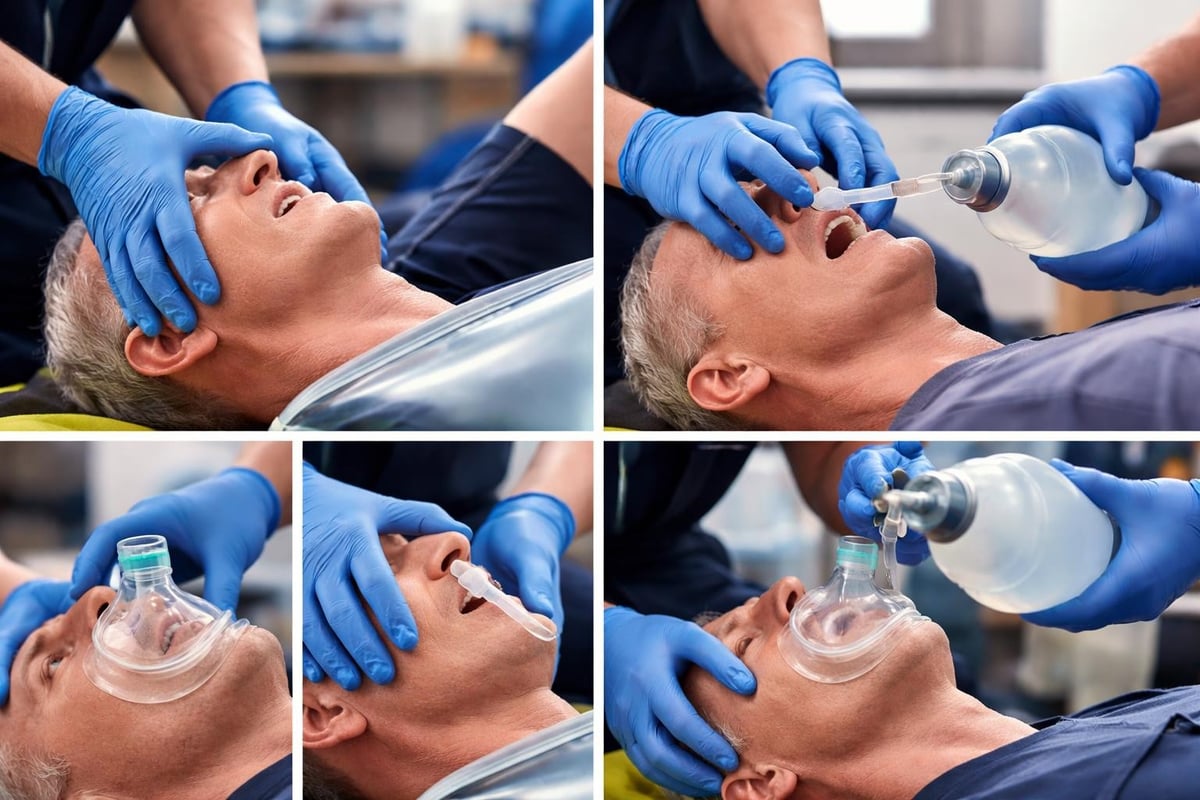
Basic airway adjuncts like oral and nasal airways help maintain patency in unconscious patients. These simple devices prevent the tongue from obstructing the airway, buying critical time until advanced medical care arrives. Proper sizing ensures effectiveness without causing additional trauma.
Breathing Barrier and Ventilation Tools
Personal protection devices:
- CPR face shields with one-way valves
- Pocket masks with oxygen ports
- Disposable ventilation barriers
- Eye protection for rescuers
Advanced support equipment:
- Bag-valve masks for assisted ventilation
- Supplemental oxygen delivery systems
- Chest seals for penetrating thoracic injuries
- Suction devices for airway clearance
Understanding the differences between bag-valve masks and CPR masks helps responders select appropriate equipment based on patient presentation and available assistance. Solo responders face different challenges than team-based emergency response.
Organizational Systems and Accessibility Optimization
Even the most comprehensive first aid kit emergency kit fails if responders cannot quickly locate needed supplies during high-stress emergencies. Effective organization transforms a collection of medical supplies into a functional emergency response system.
Color-coding provides immediate visual recognition of supply categories. Many professional responders use red for hemorrhage control, blue for airways and breathing, and yellow for wound care. This system enables untrained assistants to locate specific items quickly when directed by more experienced personnel.
Modular Storage Strategies
Consider organizing supplies into functional modules rather than grouping by item type. A trauma module contains tourniquets, hemostatic agents, pressure dressings, and trauma shears in one easily accessed compartment. A wound care module consolidates bandages, closure devices, and antiseptics.
Effective labeling includes:
- Large, high-contrast text visible in low light
- Contents listed on exterior packaging
- Expiration dates prominently displayed
- Simple icons for illiterate or non-English speakers
- Instructions for complex items
The concept of an individual first aid kit (IFAK) emphasizes immediate accessibility of critical supplies. Whether attached to a belt, stored in a vehicle, or packed in outdoor gear, location matters as much as contents.
Maintenance Protocols and Supply Rotation
A first aid kit emergency kit represents a living system requiring regular attention rather than a static collection assembled once and forgotten. Medications expire, supplies get used during training or actual emergencies, and equipment standards evolve as medical knowledge advances.
Establish a quarterly inspection schedule as a minimum standard. Monthly checks provide better assurance for high-use environments or kits exposed to temperature extremes. Document each inspection with dated records showing what was checked, replaced, or updated.
Systematic Inspection Procedures
Create a standardized checklist covering all kit contents. This approach ensures nothing gets overlooked during routine maintenance. FloridaHealthFinder's health encyclopedia emphasizes that good first aid kits require variety in bandages, medications, and equipment with all items properly maintained.
Monthly maintenance tasks:
- Verify seal integrity on sterile packaging
- Check medication expiration dates
- Replace used or missing items
- Inspect for damage from moisture or temperature
- Test battery-powered equipment
- Update emergency contact information
Annual comprehensive reviews:
- Evaluate kit contents against current medical standards
- Replace aging supplies even if unexpired
- Upgrade equipment as better options become available
- Reassess risks and adjust contents accordingly
- Conduct training refreshers with all potential users
Understanding first aid kit resupply processes ensures you maintain readiness without allowing critical supplies to become depleted. Establishing relationships with reliable suppliers prevents last-minute scrambling when replacements are needed.
Training and Competency Development
Owning a first aid kit emergency kit provides false security without the knowledge and skills to use its contents effectively. Equipment alone saves no lives. Trained responders equipped with proper supplies make the difference between successful outcomes and preventable tragedies.
Formal certification programs provide structured training that builds competency systematically. CPR and first aid courses teach fundamental skills applicable to the majority of emergencies. Advanced programs address trauma response, wilderness medicine, and tactical casualty care depending on specific needs.
Building Practical Response Skills
FirstAidWeb's Universal First Aid Course emphasizes tailoring kits to specific needs while regularly checking contents, connecting equipment readiness with operator competency. Theory must translate into practical ability to perform under stress.
Hands-on training priorities:
- Tourniquet application with single-hand techniques
- Wound packing using hemostatic gauze
- Chest seal placement for penetrating injuries
- CPR with proper compression depth and rate
- Recovery position for unconscious breathing patients
- Systematic patient assessment protocols
Practice sessions should simulate realistic stress conditions. Working in low light, wearing gloves, or managing multiple casualties simultaneously reveals gaps in knowledge that classroom learning misses. Regular skill refreshers combat the natural decay of abilities not used frequently.
Joining communities of practice connects individuals with experienced mentors. The Medical Gear Outfitters team, led by paramedic professionals, provides not just equipment but the educational resources necessary to use supplies effectively during actual emergencies.
Specialized Kits for Unique Environments
While comprehensive first aid kit emergency kit preparation covers common scenarios, certain situations demand specialized equipment addressing unique challenges. Recognizing when standard kits prove insufficient prevents dangerous capability gaps.
Motorcycle riders face distinct injury patterns requiring motorcycle-specific trauma kits emphasizing road rash management and extremity trauma care. The compact nature of motorcycle storage demands creative organization solutions that maintain accessibility.
Industry and Activity-Specific Considerations
Workplace safety regulations often mandate specific first aid kit contents based on industry hazards. Company first aid compliance requires understanding both OSHA standards and practical response needs for your specific business operations.
Parents preparing for pediatric emergencies need different supplies than those focused on adult care. Newborn first aid kits address the unique physiology and common emergencies affecting infants requiring specialized equipment sized appropriately.
Specialized kit categories:
- Tactical medicine for law enforcement and military
- Wilderness medicine for extended backcountry operations
- Marine safety for boating and water activities
- Vehicle-based for automotive emergencies
- Workplace compliance for specific industries
Understanding relevant standards helps ensure compliance while building effective capabilities. ANSI/ISEA standards provide guidance on appropriate medical kit specifications matching organizational size and risk levels.
Strategic Placement and Redundant Preparedness
A perfectly assembled first aid kit emergency kit provides no benefit if inaccessible during actual emergencies. Strategic placement thinking considers where incidents occur versus where supplies are stored, minimizing response delays when seconds matter.
Most people need multiple kits addressing different scenarios rather than a single comprehensive collection. A vehicle kit addresses roadside emergencies and commuting risks. A home kit covers domestic accidents and natural disasters. A workplace kit complies with safety regulations while addressing job-specific hazards.
Multi-Location Preparedness Strategy
Home placement considerations:
- Kitchen for cooking-related burns and cuts
- Bathroom for easy access during nighttime emergencies
- Garage workshop for tool and equipment injuries
- Master bedroom for rapid access during medical events
Vehicle kit locations:
- Passenger compartment for immediate accessibility
- Trunk storage for comprehensive supplies
- Motorcycle saddle bags for rider-specific trauma gear
- Boat safety compartments for marine emergencies
Work environment distribution:
- Central stations meeting regulatory spacing requirements
- Department-specific kits addressing unique hazards
- Mobile responder bags for large facility coverage
- Emergency vehicle equipment for security teams
Consider environmental protection when selecting storage locations. Extreme temperatures degrade medications and damage equipment. Humidity promotes mold growth and corrosion. Direct sunlight accelerates deterioration of plastic components and pharmaceutical compounds.
Documentation and Emergency Contact Integration
Medical emergencies generate confusion and stress that impairs decision-making even among trained responders. A first aid kit emergency kit should include documentation supporting effective response rather than relying solely on memory during crisis situations.
Quick reference cards provide step-by-step guidance for common interventions. Laminated instruction sheets resist moisture and blood contamination while remaining readable under stress. Include cards covering CPR, choking, severe bleeding, shock, and other high-priority scenarios.
Critical Information Management
Essential documentation includes:
- Emergency contact numbers for local services
- Poison control center information
- Medical history forms for kit owners
- Allergy and medication lists
- Insurance and identification copies
Instructional materials should cover:
- Systematic patient assessment procedures
- Specific intervention techniques
- When to activate emergency medical services
- Legal considerations and good samaritan protections
- Post-incident reporting and follow-up
Personal medical information proves invaluable when treating individuals with known conditions or allergies. Health kit organization should include sections for documenting relevant medical histories that responders can quickly reference.
Wikipedia's comprehensive overview of first aid kit purpose and variations demonstrates how different settings require tailored approaches to emergency preparedness, reinforcing the importance of customization rather than one-size-fits-all thinking.
Effective emergency preparedness depends on combining quality equipment with proper knowledge, systematic organization, and regular maintenance practices. Whether you're equipping your family for home emergencies, preparing your workplace for safety compliance, or building personal response capabilities for outdoor adventures, a comprehensive first aid kit emergency kit provides the foundation for confident action when others need help most. Medical Gear Outfitters brings paramedic expertise to both product selection and the training necessary to use emergency supplies effectively, ensuring you're prepared to act as a first responder when situations demand immediate intervention.