
Emergency Medication Box: Essential Guide for 2026
When disaster strikes or medical emergencies occur, having immediate access to essential medications can mean the difference between a manageable situation and a critical health crisis. An emergency medication box serves as your first line of defense, ensuring that you and your family have the necessary pharmaceutical supplies readily available when healthcare facilities may be inaccessible or when time is of the essence. Whether you're preparing for natural disasters, planning extended travel, or simply want to be ready for unexpected health situations, understanding how to properly assemble and maintain this crucial resource is fundamental to comprehensive emergency preparedness.
Building Your Foundation: Core Medication Categories
Creating an effective emergency medication box requires understanding which pharmaceutical categories provide the broadest protection for common medical situations. Your foundation should address pain management, allergic reactions, digestive issues, and chronic condition maintenance.
Pain relievers form the cornerstone of any medication emergency kit. Include both acetaminophen and ibuprofen, as they work through different mechanisms and address various pain types. Acetaminophen excels at fever reduction and general pain relief, while ibuprofen provides anti-inflammatory benefits crucial for injuries and muscle strain.
Prescription Medication Management
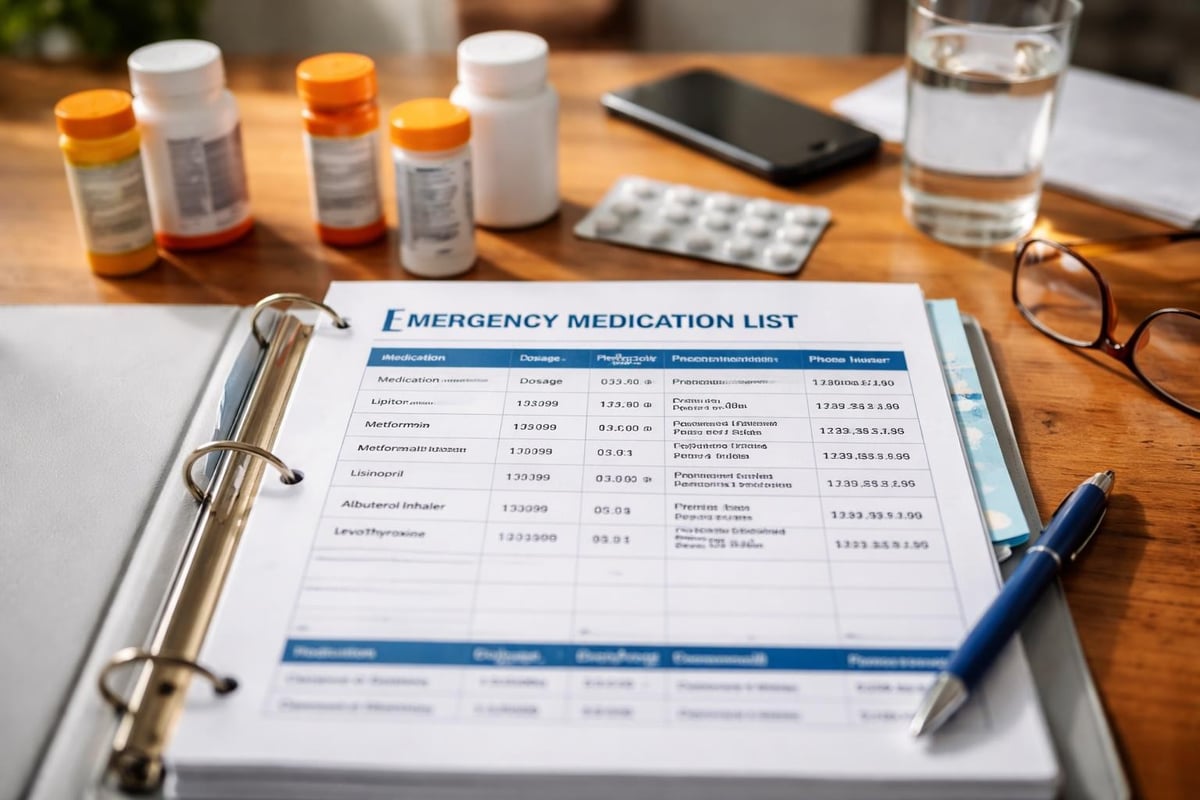
For individuals with chronic health conditions, maintaining an adequate supply of prescription medications within your emergency medication box becomes paramount. The Virginia Department of Health recommends preparing your medicine cabinet with a minimum two-week supply of all essential prescriptions.
- Heart medications: Beta-blockers, ACE inhibitors, and anticoagulants
- Respiratory treatments: Inhalers, nebulizer solutions, and corticosteroids
- Diabetes management: Insulin, glucose tablets, and testing supplies
- Mental health medications: Antidepressants, anti-anxiety medications, and mood stabilizers
- Seizure medications: Anticonvulsants and rescue medications
Contact your healthcare provider well in advance to request emergency supplies, as insurance companies often allow early refills for disaster preparedness purposes. Document all medications with generic names, dosages, and prescribing physicians to facilitate refills if you're displaced from your usual pharmacy.
Over-the-Counter Essentials and Specialized Treatments
Beyond prescription requirements, essential over-the-counter medications provide versatile treatment options for various common ailments. Your emergency medication box should include antihistamines for allergic reactions, with both sedating and non-sedating options available depending on the situation.
Gastrointestinal and Digestive Support
Stomach-related emergencies can quickly become debilitating without proper medication access. Stock antacids for heartburn and acid reflux, anti-diarrheal medications for bacterial or viral infections, and laxatives for constipation that commonly occurs during stressful situations or dietary changes.
| Medication Type | Primary Use | Recommended Quantity |
|---|---|---|
| Antacids | Heartburn, acid reflux | 30-50 tablets |
| Anti-diarrheal | Diarrhea, stomach upset | 20-30 doses |
| Laxatives | Constipation relief | 15-20 doses |
| Anti-nausea | Motion sickness, nausea | 20-30 tablets |
Electrolyte replacement solutions deserve special attention in your emergency medication box. Dehydration from illness, heat exposure, or inadequate water intake can rapidly deteriorate into serious medical conditions. Powdered electrolyte packets offer long shelf life and easy portability compared to liquid formulations.
Life-Threatening Allergy Preparedness
For individuals with known severe allergies, anaphylaxis emergency kit contents must include epinephrine auto-injectors as the primary treatment. Store two auto-injectors in your emergency medication box, as severe reactions may require a second dose if symptoms don't resolve within 15 minutes.
Critical allergy medication components:
- Two epinephrine auto-injectors (check expiration dates quarterly)
- Antihistamines in both oral and liquid forms
- Corticosteroids for delayed allergic responses
- Written emergency action plan with administration instructions
- Emergency contact information for medical providers
Temperature-sensitive medications like epinephrine require special storage considerations. While these medications should remain at room temperature, extreme heat or cold can reduce effectiveness. Consider insulated medication cases for vehicle storage or travel situations.
Storage Solutions and Organization Systems
The physical container housing your emergency medication box significantly impacts medication preservation and accessibility during crises. Choose containers that protect contents from light, moisture, and temperature fluctuations while providing easy organization and transport capabilities.
Hard-sided plastic cases with compartmentalized sections offer superior protection compared to soft bags. Look for containers with:
- Waterproof seals to prevent moisture damage
- Individual compartments for medication separation
- Clear labeling areas for quick identification
- Carrying handles or straps for portability
- Sufficient capacity for expansion as needs change
Climate Control and Shelf Life Management
Most medications maintain potency when stored between 68°F and 77°F with minimal humidity exposure. Your emergency medication box should reside in a climate-controlled environment away from bathrooms, which experience high humidity and temperature fluctuations that accelerate medication degradation.
Implement a rotation system ensuring medications remain within their effective date ranges. Create a spreadsheet or use smartphone apps to track expiration dates, setting reminders six months before expiration to allow adequate replacement time. Many pharmacies offer medication synchronization services that align refill dates, simplifying this management process.
Safety Protocols and Access Control
Secure storage of prescription and over-the-counter drugs prevents accidental poisonings, particularly in households with children or individuals with cognitive impairments. Your emergency medication box requires balance between accessibility during genuine emergencies and protection against unauthorized access.
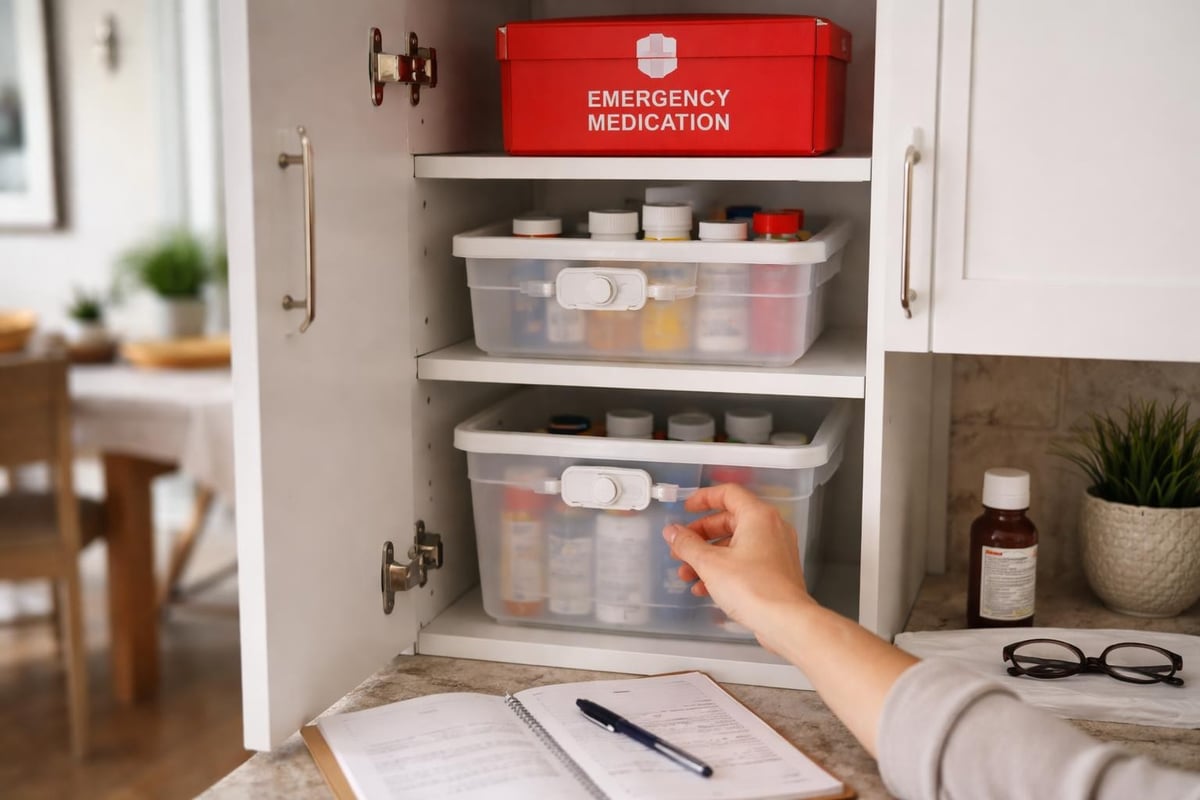
Consider lockable medication cases for homes with young children. Combination locks eliminate lost key concerns while providing robust security. Ensure all household adults know the combination and understand which situations warrant emergency medication box access.
Medication Administration Documentation
During actual emergencies, stress and confusion can lead to medication errors. Include a medication log sheet within your emergency medication box to record:
- Medication name and dosage administered
- Exact time of administration
- Individual receiving medication
- Reason for administration
- Any adverse reactions or side effects observed
This documentation proves invaluable when seeking professional medical care, providing healthcare providers with precise treatment information that guides their clinical decisions.
Specialized Kits for Specific Scenarios
Different emergency situations demand tailored medication approaches. While a comprehensive home medicine kit covers general household needs, consider developing specialized emergency medication boxes for particular contexts.
Travel and Portable Emergency Kits
Travel scenarios require compact versions of your home emergency medication box. Consumer Reports suggests assembling a medication go bag containing seven days' worth of essential medications plus basic over-the-counter supplies. TSA regulations permit medications in carry-on luggage, though liquids must comply with volume restrictions or include physician documentation.
Travel medication essentials include:
- Prescription medications in original labeled containers
- Motion sickness remedies
- Altitude sickness prevention for mountain destinations
- Travelers' diarrhea treatment
- Sunburn and heat exhaustion medications
- Insect bite and sting treatments
International travel introduces additional considerations. Research destination countries' medication importation laws, as some nations prohibit common medications available over-the-counter in the United States. Carry physician letters documenting medical necessity for controlled substances or injectable medications.
Workplace Emergency Medication Protocols
Employers increasingly recognize the value of comprehensive workplace emergency preparedness, including medication availability. While company first aid requirements typically focus on trauma supplies, forward-thinking organizations include basic emergency medication boxes in their safety programs.
Workplace emergency medication boxes face unique regulatory considerations. OSHA guidelines permit employers to provide certain over-the-counter medications but restrict prescription medication distribution. Consult legal counsel before implementing workplace medication programs to ensure compliance with liability and employment laws.
Integration with Comprehensive First Aid Systems
An emergency medication box functions most effectively when integrated into broader emergency preparedness systems. Medications address internal medical issues, while first aid kits handle external injuries and trauma situations.
| Emergency Supply Type | Primary Function | Ideal Storage Location |
|---|---|---|
| Emergency Medication Box | Internal medical conditions | Climate-controlled, secure area |
| Trauma Kit | Severe bleeding, fractures | Multiple accessible locations |
| Basic First Aid Kit | Minor injuries, wound care | Kitchen, bathroom, vehicle |
| Specialized Medical Equipment | Chronic condition support | Bedroom, living area |
Consider your household's specific medical needs when determining how many emergency medication boxes to maintain. Multi-story homes benefit from medication supplies on each level, while single-story residences may require only one central location with backup supplies in vehicles.
Vehicle-Based Emergency Medication Storage
Vehicle emergency medication boxes address roadside medical situations and provide backup supplies when displaced from home. However, extreme temperature fluctuations inside parked vehicles can damage many medications. Select only temperature-stable medications for vehicle storage or use insulated cases with ice packs during summer months.
Rotate vehicle emergency medication boxes more frequently than home supplies due to harsh storage conditions. Monthly inspections ensure medications haven't been damaged by heat, cold, or sunlight exposure.
Advanced Considerations for Medical Professionals and First Responders
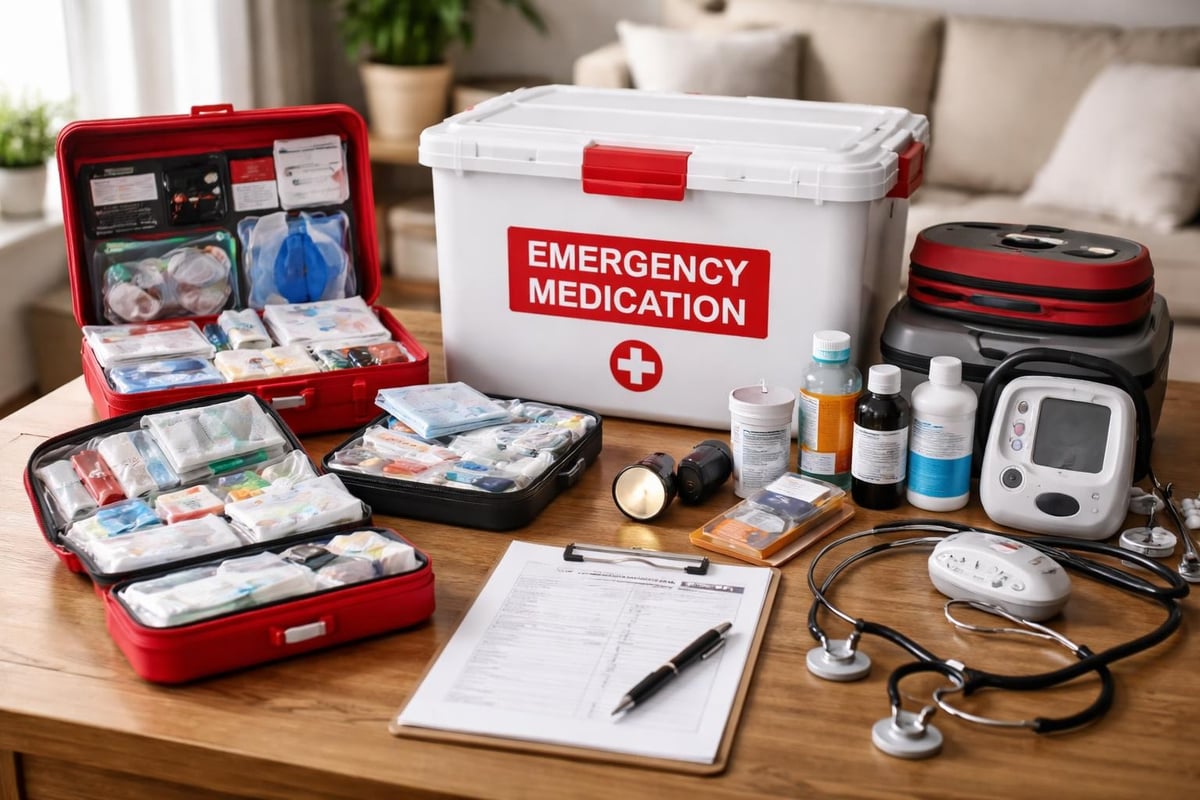
Healthcare professionals and trained first responders maintain emergency medication boxes with expanded capabilities beyond typical household needs. Understanding survival medic principles helps these individuals prepare for scenarios where traditional medical infrastructure becomes unavailable.
Advanced emergency medication boxes may include:
- Injectable medications for severe allergic reactions beyond epinephrine
- Prescription pain management for traumatic injuries
- Antibiotics for infection treatment when medical care is delayed
- Advanced airway management medications
- Cardiac emergency medications for trained providers
Legal and ethical considerations govern advanced medication storage. Only store medications you're legally authorized and properly trained to administer. Paramedics, EMTs, and other certified medical professionals should verify that their emergency medication boxes comply with current scope of practice regulations and medical director protocols.
Pediatric and Geriatric Medication Adaptations
Children and elderly individuals require specialized medication approaches within your emergency medication box. Pediatric formulations offer appropriate dosing for body weight and developmental stages, while geriatric considerations address polypharmacy concerns and age-related medication sensitivities.
Pediatric Emergency Medication Essentials
Children's medication needs differ substantially from adult requirements. Medication safety and storage for children emphasizes age-appropriate formulations and precise weight-based dosing to prevent overdose or underdose situations.
Stock your pediatric emergency medication box with:
- Weight-appropriate pain relievers and fever reducers
- Child-safe antihistamine formulations
- Pediatric electrolyte solutions
- Age-specific dosing syringes and measuring devices
- Updated weight records for accurate dose calculations
Never administer adult medications to children without explicit medical guidance. Many medications safe for adults pose serious risks to pediatric patients due to different metabolism rates and organ development stages.
Geriatric Medication Management
Older adults typically manage multiple chronic conditions requiring numerous daily medications. Their emergency medication boxes must accommodate complex medication regimens while addressing age-related concerns like vision impairment, arthritis affecting medication bottle opening, and cognitive changes impacting medication adherence.
Implement organizational systems with large-print labels, easy-open containers, and clear daily scheduling aids. Pill organizers with alarm features help maintain medication schedules during stressful emergency situations when normal routines become disrupted.
Training and Knowledge Components
Physical medication supplies provide limited value without proper knowledge for safe and effective use. Your emergency medication box should include comprehensive reference materials guiding appropriate medication selection, dosing, and administration techniques.
Include laminated quick-reference cards with:
- Common medication indications and contraindications
- Age and weight-based dosing charts
- Drug interaction warnings for household medications
- Allergic reaction recognition and treatment protocols
- Emergency contact numbers for poison control and medical consultation
Educational preparation extends beyond written materials. Consider formal training programs covering medication administration, emergency medical response, and first aid techniques. Organizations like Medical Gear Outfitters offer resources helping individuals develop skills necessary for effective emergency response.
Regular Maintenance and Audit Schedules
An emergency medication box requires ongoing maintenance to ensure continued effectiveness when genuine emergencies arise. Establish quarterly audit schedules reviewing expiration dates, supply levels, and storage condition integrity.
Quarterly maintenance checklist:
- Verify all medications remain within expiration dates
- Check storage temperature and humidity conditions
- Confirm prescription medications reflect current prescriptions
- Replace used or expired supplies
- Update documentation reflecting household medication changes
- Test battery-operated devices like thermometers
- Review and refresh household members' emergency response knowledge
Schedule medication box reviews during regular household activities like seasonal time changes, creating consistent reminders that prevent neglect. Document each audit in a maintenance log, tracking when specific medications were replaced and noting any storage concerns requiring attention.
Budget-Conscious Emergency Medication Strategies
Building a comprehensive emergency medication box requires financial investment, but strategic approaches minimize costs while maintaining preparedness standards. Generic medications offer identical active ingredients as brand-name equivalents at substantially reduced prices, making them ideal for emergency supply stockpiling.
Purchase larger quantity bottles when economically advantageous, dividing contents between your primary emergency medication box and backup supplies. Many retailers offer significant per-unit discounts on bulk purchases, though ensure you can use quantities before expiration dates arrive.
Consider establishing a phased acquisition approach rather than purchasing all supplies simultaneously. Prioritize medications addressing your household's most likely emergency scenarios, gradually expanding your emergency medication box as budget permits. Start with prescription medications and basic pain relievers before adding specialized supplies for less common situations.
Proper emergency medication preparation requires careful planning, ongoing maintenance, and comprehensive knowledge of pharmaceutical safety and administration. By thoughtfully selecting medications addressing your specific household needs, implementing secure storage systems, and maintaining regular audit schedules, you create a reliable resource providing critical support during medical emergencies. Whether you're a medical professional, outdoor enthusiast, or simply someone committed to family safety, building and maintaining an emergency medication box represents a fundamental component of responsible preparedness. Medical Gear Outfitters provides the high-quality supplies, expert guidance, and training resources necessary to develop comprehensive emergency response capabilities, ensuring you're prepared to act effectively when medical situations demand immediate action.

