Survival Medic Guide: Essential Skills for 2026 Emergencies
Imagine facing a sudden blackout, natural disaster, or civil emergency. In those critical moments, having the right knowledge could mean the difference between chaos and control.
This guide is designed to help you become a survival medic, giving you the confidence and skills to protect your loved ones when help is delayed or unavailable.
You will learn essential first aid, trauma management, improvised medical care, and what supplies to pack for any emergency. By the end, you will be motivated to take preparedness seriously and ready to act when it matters most.
Understanding the Survival Medic Role in 2026 Emergencies
Emergencies in 2026 are more complex, frequent, and unpredictable than ever before. The role of the survival medic has evolved in response to these shifting threats, demanding both advanced knowledge and adaptability. Whether facing a sudden blackout or a widespread natural disaster, being ready to act can make all the difference.
The Evolving Threat Landscape
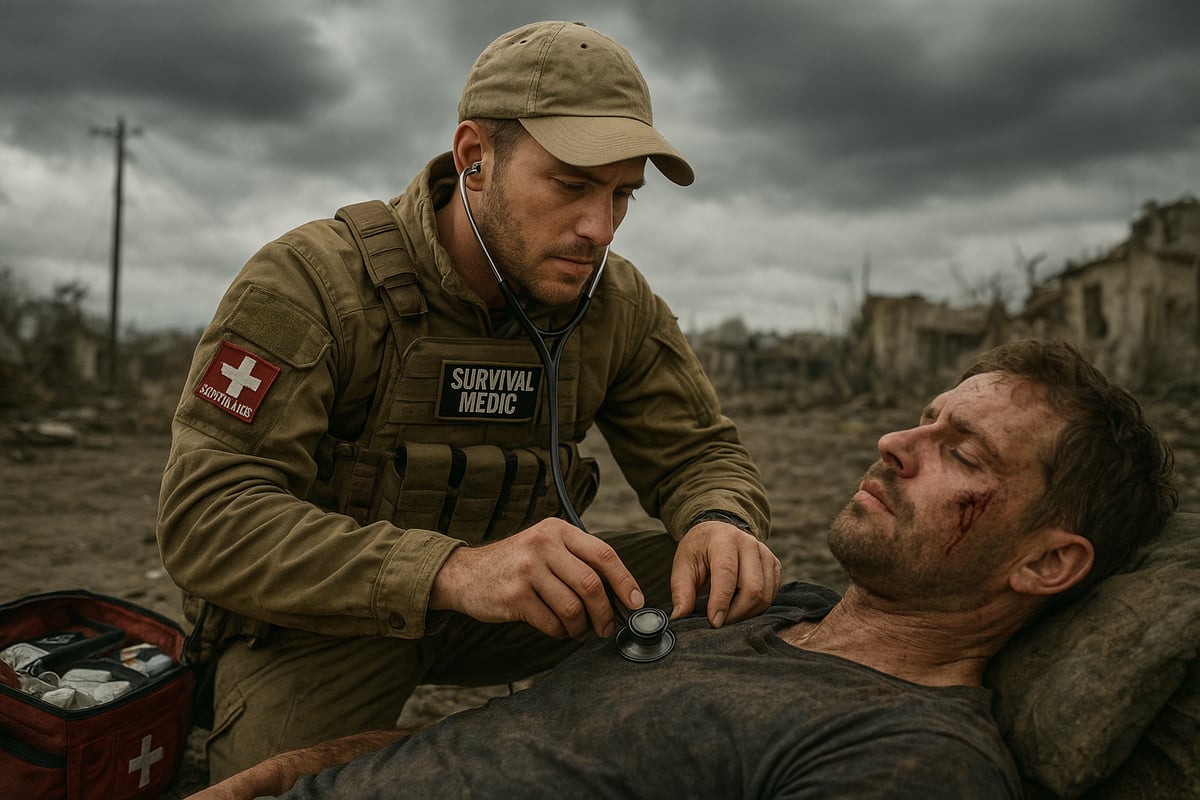
In recent years, the world has seen a marked increase in natural disasters and civil emergencies. Extreme weather events, wildfires, and hurricanes have become more common, with NOAA reporting a record 28 billion-dollar disasters in 2023. Civil unrest and global health crises have further strained emergency systems.
This evolving landscape is influenced by climate change and rapid urbanization, which amplify the scale and impact of emergencies. As a result, professional emergency response teams often experience delays, leaving communities vulnerable during critical moments. The survival medic steps into this gap, providing immediate care when every minute counts.
Self-sufficiency has become essential. Cross-training in survival and medical skills is now a necessity, not a luxury, as traditional support may be unavailable when it is needed most. The survival medic must be prepared to adapt quickly and act decisively.
Core Responsibilities of a Survival Medic
A survival medic operates in austere, resource-limited environments where professional help may be hours or even days away. Their core responsibilities include:
- Providing immediate care for trauma, wounds, and medical emergencies.
- Assessing and triaging multiple casualties quickly and accurately.
- Stabilizing patients to prevent further harm until evacuation or advanced care is possible.
- Managing both serious injuries and minor medical issues, such as infections or sprains.
- Offering psychological support and stepping into leadership roles under stress.
The survival medic is often the difference between life and death in remote or chaotic scenarios. Their ability to prioritize care and maintain composure creates a safer environment for everyone involved.
Key Characteristics and Mindset
The mindset of a survival medic is as important as their technical skills. Essential characteristics include:
- Remaining calm and focused under intense pressure.
- Adapting to rapidly changing conditions and limited resources.
- Solving problems creatively, often improvising with whatever materials are available.
- Committing to continuous learning and regular practice of medical and survival techniques.
- Prioritizing personal and group preparedness through planning and teamwork.
A survival medic’s readiness is built on both mental resilience and practical competence. Regular training and scenario-based drills help ensure that skills remain sharp and effective in real emergencies.
Real-World Examples
Recent wildfires, hurricanes, and mass power outages have highlighted the crucial role of the survival medic. For example, during the 2023 wildfires in the western United States, individuals with basic medic skills were able to provide life-saving aid before first responders arrived.
In hurricane aftermaths, survival medics have organized community triage points, managed wound care, and stabilized injured neighbors. Stories have emerged where simple actions—like applying a tourniquet or calming a panicked group—changed the outcome for entire families.
Lessons from these events reinforce the need to practice and maintain survival medic skills. Each emergency provides new insights, driving the evolution of training and preparedness for future challenges.
Building Your Survival Medic Kit: Essential Supplies for 2026
A well-prepared survival medic kit is your lifeline during any crisis. Building the right kit means being ready to handle emergencies, whether you are at home, on the road, or outdoors. Let us break down the critical supplies, tools, and tips to ensure your kit is both comprehensive and practical for 2026.

Core Medical Supplies for Every Kit
Every survival medic kit starts with the essentials. You will need a tourniquet, pressure bandages, hemostatic agents, chest seals, trauma shears, wound dressings, nitrile gloves, and antiseptics. These items are crucial for both trauma and minor injuries, allowing you to treat bleeding, burns, cuts, and more.
Including both trauma tools and basic first aid supplies ensures your survival medic kit is versatile. Review competitor kits and see items such as the SOL Emergency Blanket, Fire Lite Fire Striker, bandages, gauze, and antiseptic wipes. For a detailed checklist, check out Building a Survival Kit: 21 Essentials.
Survival Tools to Include
A survival medic is only as effective as the tools they carry. Fire-starting gear is vital, so pack lighters, ferro rods, waterproof matches, and reliable tinder. For signaling, include a whistle, signal mirror, and a compact flashlight with spare batteries.
Navigation aids help you stay oriented, whether you use a button compass, printed maps, or GPS alternatives. Shelter items like emergency blankets, ponchos, duct tape, and paracord provide warmth and protection from the elements. Your survival medic kit should balance medical and survival tools to cover all scenarios.
Waterproofing and Portability
Keeping your survival medic kit dry is essential. Use waterproof pouches, like a Dry Flex Pouch, to protect supplies from rain, flooding, or accidental spills. Organize your kit so you can quickly access critical items in an emergency.
Weight and size matter, especially if you plan to carry your kit daily or in a bug-out bag. Select compact, lightweight gear and pack items in logical groups. A well-organized survival medic kit ensures you are not fumbling when seconds count.
Supplementing and Customizing Your Kit
No two survival medic kits are identical. Assess your personal, family, and regional needs. If you require prescription medications or allergy treatments, add extra doses to your kit and include a list of emergency contacts.
Rotate and restock supplies regularly, checking expiration dates and replacing used items after drills or real events. Specialty items, such as glucose gel for diabetics or EpiPens for severe allergies, can make a critical difference in your survival medic kit.
Example Kit Breakdown
Comparing different survival medic kits helps you find the best fit. Civilian kits, like Adventure Medical Kits, tend to focus on general first aid, while tactical kits offer advanced trauma care and durable gear. Pre-made kits save time but may include unnecessary items. DIY kits allow full customization, ensuring every item fits your needs.
| Kit Type | Pros | Cons |
|---|---|---|
| Pre-made | Quick, convenient, tested | May lack personalization |
| DIY | Fully customizable | Requires more planning |
| Tactical | Advanced trauma support | Heavier, pricier |
Choose the survival medic kit style that matches your environment and skill level. Review contents regularly to maintain readiness.
Life-Saving First Aid Skills: Step-by-Step Guide for Emergencies
Emergencies can strike without warning, making the ability to deliver immediate, effective first aid a defining skill for any survival medic. When professional responders are delayed, your knowledge and composure can mean the difference between life and death. By mastering these step-by-step techniques, you will be equipped to manage a range of critical situations, safeguard your group, and serve as a reliable survival medic in any crisis.
Assessing the Situation and Ensuring Scene Safety
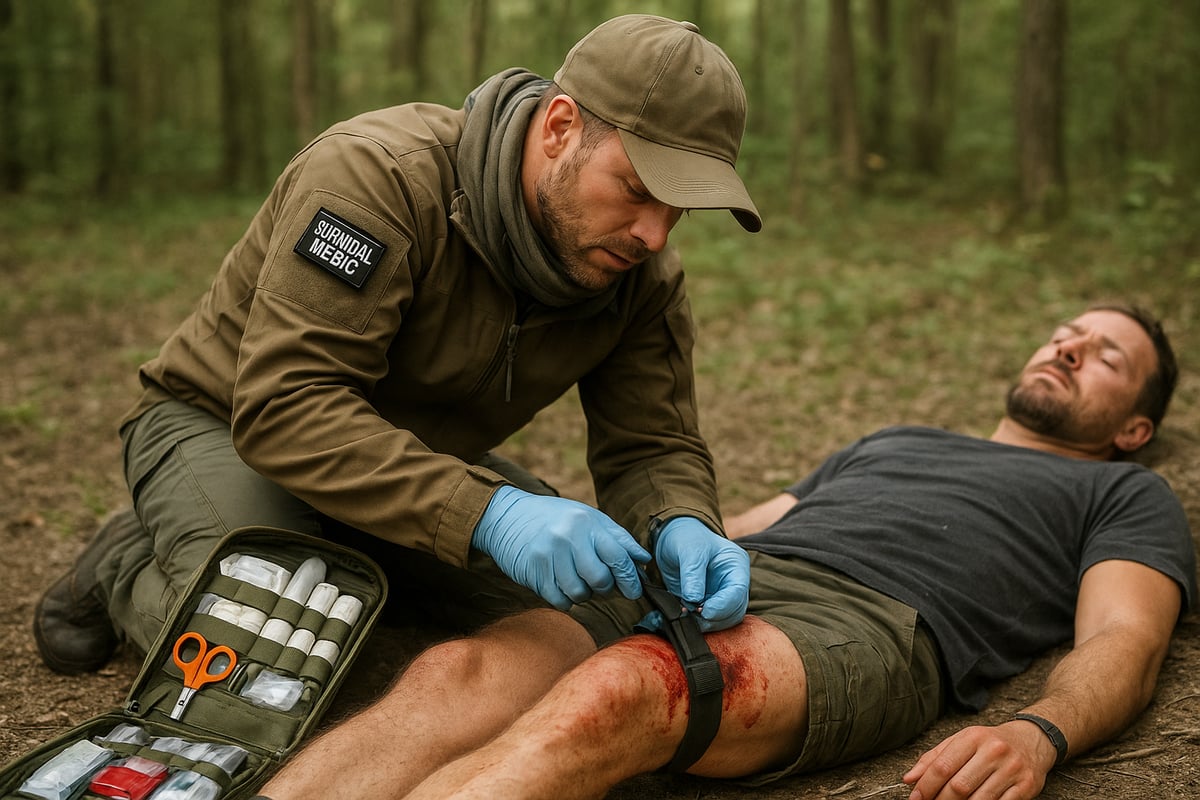
Before administering care, a survival medic must first ensure the environment is safe for both rescuer and patient. Scan for hazards such as fire, unstable structures, or aggressive individuals. Approach only when it is clear.
Once it is safe, perform a primary survey. Check if the patient is conscious, breathing, and has any visible bleeding. Always use personal protective equipment like gloves to reduce contamination risk.
Rapid assessment is crucial. Ask simple questions to gauge responsiveness. Look for chest rise to confirm breathing. Visually scan for life-threatening injuries. By following this process, a survival medic can prioritize urgent needs and avoid becoming a casualty themselves.
Airway, Breathing, and Circulation (ABC) Management
The ABCs are the cornerstone of emergency care for every survival medic. First, ensure the airway is open. Use the head-tilt, chin-lift maneuver unless a spinal injury is suspected. If necessary, roll the patient into the recovery position to maintain an open airway.
Next, check for normal breathing. Listen for breath sounds and watch for chest movement. If the patient has trouble breathing, clear obstructions and provide rescue breaths if trained.
For circulation, control severe bleeding immediately. Apply direct pressure with clean dressings. If bleeding is not controlled, use a tourniquet or hemostatic agent. For a detailed guide on bleeding control, see How to Stop a Major Bleed. Monitor for signs of shock, such as clammy skin or confusion, and keep the patient warm and calm. These steps are vital for every survival medic to stabilize critical patients.
Wound Care and Infection Prevention
Effective wound care is an essential responsibility for the survival medic. Start by cleaning wounds with antiseptic wipes or clean water to remove debris. Dry the area gently, then cover with sterile dressings.
Monitor wounds for redness, swelling, or pus, which may indicate infection. Change dressings regularly and keep wounds dry. In resource-limited settings, improvise with clean cloth or plastic wrap if necessary.
If infection develops, escalate care as soon as possible. Consider using improvised bandages, but always prioritize cleanliness. By focusing on infection prevention, a survival medic helps ensure injuries do not worsen over time.
Fracture and Sprain Management
When dealing with fractures, sprains, or dislocations, a survival medic must act swiftly to prevent further harm. Look for deformity, swelling, or inability to move a limb. Ask about pain and observe for unnatural positioning.
To immobilize, create a splint using sticks, rolled magazines, or sturdy materials. Secure the limb above and below the injury with cloth or tape. For arm injuries, fashion a sling from a scarf or jacket.
Minimize movement and elevate the injured part if possible. Apply cold packs if available to reduce swelling. Pain management is important, so reassure the patient and keep them comfortable. These actions allow a survival medic to safely manage musculoskeletal injuries until evacuation.
Burn and Environmental Injury Treatment
Burns and environmental injuries require prompt attention from a survival medic. For burns, cool the area with clean water for at least ten minutes. Remove restrictive clothing or jewelry, but do not pop blisters.
Cover burns loosely with sterile, non-stick dressings. Watch for signs of infection and avoid using ice directly on the skin. In cold environments, treat hypothermia by wrapping the patient in emergency blankets and insulating them from the ground.
For heatstroke, move the patient to shade, offer small sips of water, and cool their skin with damp cloths. Insect bites and stings should be cleaned, and allergic reactions managed with antihistamines or prescribed epi-pens if available. Each of these skills is part of the core toolkit for a survival medic.
When and How to Call for Help
Knowing when and how to seek outside help is a defining trait of a skilled survival medic. Use signaling devices such as whistles, mirrors, or flashlights to attract attention. Build signal fires or create ground symbols visible from the air.
Communicate your location and the patient's condition clearly if you have radio or phone access. Decide when evacuation is necessary by weighing the risks of staying versus moving.
Prepare the patient for transport by stabilizing injuries and protecting them from the elements. Remain calm and provide reassurance throughout the process. With these steps, a survival medic maximizes the chances of a safe rescue.
Improvised Medical Solutions: Adapting When Supplies Run Out
When disaster strikes, even the most prepared survival medic can run out of supplies. Knowing how to adapt with what is on hand can make the difference between life and death. Improvisation is a core skill for every survival medic, and it starts with thinking creatively and staying calm under pressure.
Using Everyday Items for Medical Care
In emergencies, a survival medic must turn ordinary items into lifesaving tools. Torn clothing can become bandages or slings. A sturdy belt or scarf may serve as an emergency tourniquet if bleeding is severe. Duct tape, one of the most versatile items in any kit, works for wound closure, splinting, and even waterproofing dressings.
- Shirts or towels for pressure bandages
- Belts, scarves, or cloth strips for tourniquets
- Duct tape for wound closure or securing splints
Quick thinking and improvisation allow the survival medic to provide care even in resource-scarce settings.
Water Purification and Hydration
Safe hydration is essential for both patient care and the survival medic. If commercial filters or tablets are unavailable, water can be boiled over a fire to kill pathogens. If fire is not possible, improvised filters made from cloth, sand, or charcoal can help remove debris, but chemical treatment or boiling is still needed for safety.
Signs of dehydration must be recognized early. Oral rehydration solutions can be mixed from salt, sugar, and clean water. Every survival medic should know these basic principles to avoid further complications in any emergency.
Fire and Shelter for Survival
A survival medic often needs to create warmth and shelter to prevent hypothermia or heat illness. Fire can be started with a fire striker, matches, or even a battery and steel wool if standard options are gone. For shelter, tarps, ponchos, or even large trash bags can be rigged with paracord, rope, or duct tape.
- Fire striker or battery/steel wool for emergency fire
- Tarps or ponchos for quick shelter
- Paracord or tape for securing materials
Maintaining body temperature is a top priority for the survival medic, especially in adverse weather.
Improvised Splints, Stretchers, and Patient Movement
Transporting or stabilizing injured patients often requires resourcefulness. The survival medic can use sticks, trekking poles, or rolled-up magazines as splints. To move a patient, a tarp, jacket, or even a sturdy blanket can be fashioned into a makeshift stretcher.
- Sticks or poles for splinting fractures
- Tarps or jackets for stretchers
- Rope or belts to secure limbs
These techniques help the survival medic avoid further injury during evacuation or stabilization.
Psychological First Aid
Emergencies impact mental health as much as physical well-being. A survival medic supports group morale by remaining calm, offering reassurance, and using grounding techniques to reduce panic. Listening and validating emotions can prevent long-term trauma. For a deeper dive into this vital skill, review the Psychological Mistakes of Emergency Preparedness guide, which outlines practical tips for maintaining psychological resilience in crisis.
Limitations and Risks of Improvised Care
Improvisation is not always the safest solution. The survival medic must know when to improvise and when it is too risky. Makeshift tourniquets may be less effective than commercial options and can cause harm if misapplied. Always seek advanced help when possible, and never exceed your training or comfort level.
Every survival medic should recognize the limits of improvised care and prioritize safety above all.
Training and Practice: How to Stay Ready for 2026 Emergencies
Staying ready as a survival medic means more than collecting gear. It requires ongoing training, regular practice, and commitment to learning. Emergencies are unpredictable, so your skills must be sharp and up to date.
Essential Training for Survival Medics
Every survival medic should start with foundational certifications. Look for courses in basic first aid, CPR, Stop the Bleed, and wilderness medicine. Programs like the NOLS Wilderness First Aid Course Details offer comprehensive hands-on training that prepares you for remote or resource-limited scenarios.
Scenario-based drills are crucial. Practice responding to injuries, medical emergencies, and environmental hazards. Training with realistic simulations builds confidence and ensures you can act decisively when every second counts.
Resources for Learning and Improvement
Continuous learning is vital for the survival medic. Seek out reputable books, field manuals, and online courses. For a structured approach, review the Scouting America: Wilderness First Aid Curriculum to identify key skills and elective modules worth mastering.
Join local preparedness groups or attend community workshops. These settings offer valuable peer learning and hands-on experience. Regularly update your knowledge to keep pace with evolving best practices.
Building a Training Routine
Consistency is key for any survival medic. Set up monthly or quarterly practice sessions with family or your preparedness team. Rotate roles to ensure everyone can assess, treat, and manage different scenarios.
Track your progress using a simple table or checklist:
| Skill | Last Practiced | Confidence Level |
|---|---|---|
| CPR | 03/2026 | High |
| Wound Management | 02/2026 | Moderate |
| Splinting | 01/2026 | Needs Practice |
Review your strengths and target weak spots for extra attention.
Staying Informed on Latest Techniques and Gear
The world of emergency response evolves rapidly. A survival medic must follow reputable blogs, YouTube channels, and emergency preparedness news. Subscribe to updates from organizations like the Red Cross or FEMA.
Regularly review and update your survival medic kit contents. New gear, techniques, and standards emerge each year, so staying informed ensures your readiness never lags behind.
Practicing Under Stress
Real emergencies are chaotic. Simulate high-pressure conditions during drills to build resilience. Practice making quick decisions and managing multiple patients or hazards.
Involve your team in timed challenges or unexpected scenarios. This approach helps a survival medic remain calm, adaptable, and effective, even when the stakes are high.
Medical Gear Outfitters: Expert-Curated Survival Medical Supplies
When preparing to become a survival medic, choosing the right gear is critical. Medical Gear Outfitters stands out as a paramedic-owned provider specializing in expertly curated first aid and trauma kits for both professionals and the public. Their survival medic kits are designed with real-world emergencies in mind, ensuring you have reliable tools when you need them most.
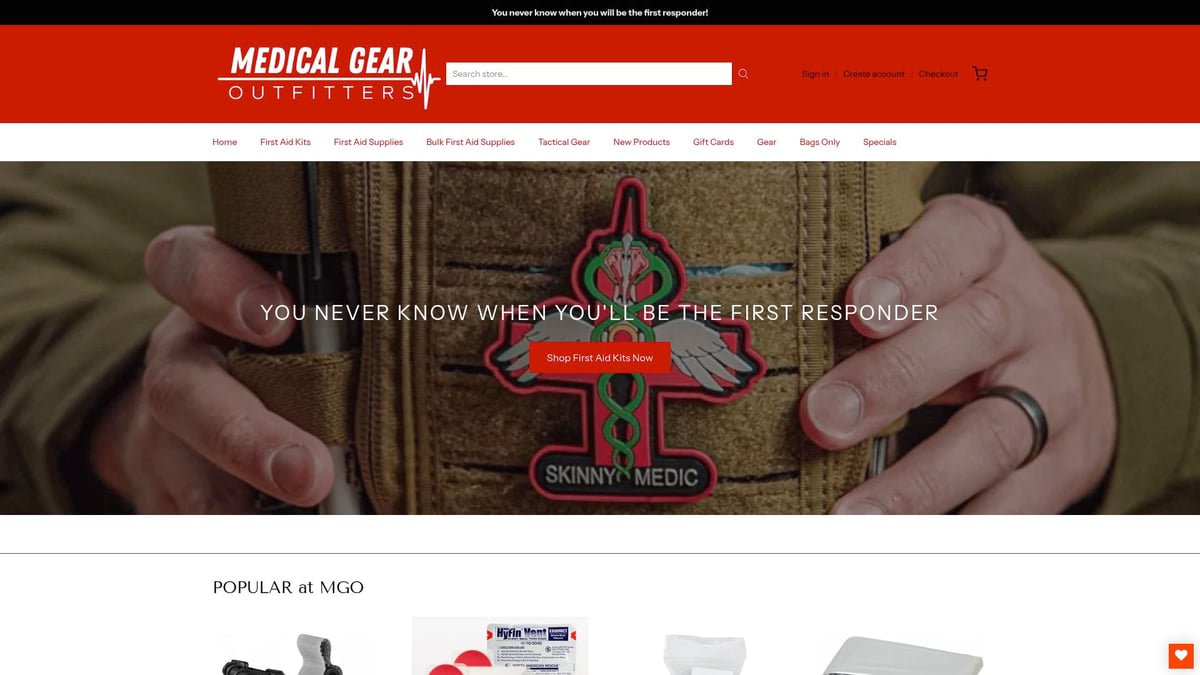
Each kit features essentials such as trauma supplies, airway management tools, and tactical gear that address a wide range of scenarios. For those looking to deepen their knowledge, Medical Gear Outfitters offers a wealth of educational resources, including blog articles, training videos, and step-by-step guides. If you want to understand the differences between vital trauma tools, their detailed article on Tourniquet vs. Trauma Dressing is an excellent place to start.
Customization is a core feature, allowing you to build or supplement your own survival medic kit based on your family or organizational needs. Bulk purchasing options and access to trusted brands make it easy to stay prepared for any emergency in 2026.
The mission of Medical Gear Outfitters is clear: empower every individual to become a capable, confident survival medic responder. With expert support and quality supplies, you can take the next step in your emergency preparedness journey.

