
9 Essential Medicine Kit for Home Items You Need in 2026
Being prepared for unexpected medical emergencies at home is more important than ever in 2026. With the rapid growth of home healthcare and a focus on self-care, households face new challenges and health risks. Having a medicine kit for home ensures you can respond quickly, reduce stress, and possibly save lives when every second counts. In this guide, discover the 9 essential items your kit should include to meet the latest recommendations and keep your family safe and confident in any situation.
Expert Opinion: Every home medicine kit should have these 9 essentials: a comprehensive first aid kit, a digital thermometer, antiseptic wipes and solutions, allergy relief (antihistamines), pain and fever reducers (acetaminophen/ibuprofen), sterile gauze pads and adhesive bandages, an emergency mylar blanket, nitrile (non-latex) gloves, and a CPR face shield. Together they handle the most common household injuries and illnesses. Then customize for your family, infants, seniors, or chronic conditions, store it somewhere cool, dry, and accessible (not the bathroom), and check expiration dates regularly. Full breakdown below.
Why a Modern Home Medicine Kit Matters in 2026
The landscape of home healthcare has evolved rapidly since the pandemic, and in 2026, being prepared for emergencies is no longer optional. More families are embracing self-sufficiency, recognizing that a well-equipped medicine kit for home is a crucial line of defense. The convenience of immediate access to essential supplies can turn a crisis into a manageable situation.
Recent statistics highlight that household accidents and medical emergencies remain among the leading causes of injury in the home. Cuts, burns, allergic reactions, and sudden illnesses strike without warning. With the rise of telemedicine, doctors can guide you remotely, but only if you have the right medicine kit for home to follow their instructions. This shift makes having basic medical tools and supplies more important than ever.
In 2026, new health risks are emerging. Environmental changes have contributed to a spike in allergies, while chronic conditions are affecting more people of all ages. Families need to be ready for these challenges, which means updating the contents of their medicine kit for home to address both old and new threats. Adapting your kit to these modern risks ensures you are not caught off guard.
Health authorities and government bodies now recommend every household maintain a well-stocked medicine kit for home. Expert guides, such as Essential Items for Home Medical Kits, provide comprehensive lists to help families prepare. These recommendations are based on real-life scenarios where timely access to the right supplies prevented complications or even saved lives.
Despite the growing awareness, many people make critical mistakes when assembling a medicine kit for home. Common pitfalls include forgetting to check expiration dates, omitting key items like allergy medication, or failing to tailor the kit to family needs. Avoid these errors by regularly reviewing your kit and ensuring it meets the unique requirements of your household. A thoughtful approach to preparation can make all the difference when seconds count.
9 Essential Medicine Kit for Home Items You Need in 2026
When it comes to safeguarding your family in 2026, a well-equipped medicine kit for home is not just a convenience—it is a necessity. Medical emergencies can happen at any time, and being prepared allows you to respond quickly, prevent complications, and even save lives.
This year, recommendations for home care have evolved, reflecting new health risks and technological advancements. Below, you will find the nine essential items every medicine kit for home should include in 2026. Each item is carefully selected to address a broad range of emergencies, from minor injuries to serious incidents, ensuring your household is ready for the unexpected.
Comprehensive First Aid Kit (Medical Gear Outfitters)
A comprehensive first aid kit is the backbone of any medicine kit for home. These kits, ranging from basic "Boo Boo Kits" to advanced trauma kits, provide everything you need for immediate response to injuries.
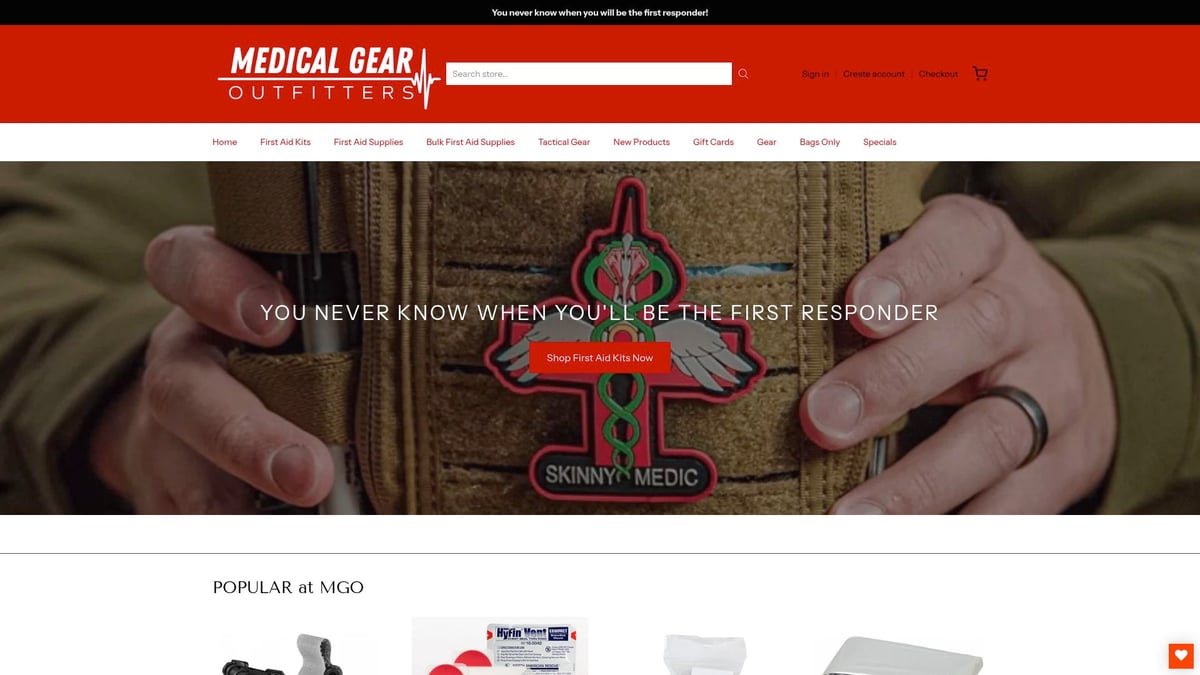
Inside, you will find essentials such as bandages, antiseptics, trauma shears, tourniquets, wound care supplies, and even burn treatment options. Paramedic-curated and professional-grade, these kits are trusted by both families and first responders alike.
One major advantage is customization. You can tailor your medicine kit for home to fit your family's unique needs, whether you have kids, seniors, or specific medical conditions. Educational resources, bulk options, and FSA/HSA eligibility make these kits a smart investment.
However, advanced trauma kits may be pricier and could include items unnecessary for basic users. Evaluate your household's needs before choosing a kit. Remember, having a comprehensive solution means greater peace of mind and readiness for any situation.
Digital Thermometer
A digital thermometer is a vital component of any modern medicine kit for home. Accurate temperature readings help you monitor fevers, track illness progression, and decide when to seek medical attention, especially with children or elderly family members.
Most digital thermometers offer fast readings, a clear digital display, and a flexible tip for comfort. These features are essential for quick and hygienic checks, minimizing discomfort during stressful moments.
The memory recall function allows you to track temperature trends, which can be invaluable for ongoing health concerns. Affordable pricing and ease of use make digital thermometers accessible for every household.
Keep in mind that these devices require batteries and may not be suitable for infants, depending on the model. Still, the ability to quickly assess health changes makes a thermometer indispensable in your medicine kit for home.
Antiseptic Wipes and Solutions
The inclusion of antiseptic wipes and solutions in your medicine kit for home is critical for preventing infections. These individually wrapped wipes, often alcohol or benzalkonium chloride-based, allow for effective cleaning of cuts, scrapes, and wounds.
Their single-use packaging reduces the risk of cross-contamination, making them a hygienic choice for families with active children or frequent travelers. Antiseptic wipes are compact, easy to store, and fit conveniently in any medicine kit for home.
However, if the packaging is compromised, wipes can dry out and become ineffective. Some individuals may also experience irritation on sensitive skin, so it is wise to have alternative options on hand.
Regularly check your supply and replace any dried-out wipes to keep your medicine kit for home fully functional and ready for emergencies.
Allergy Relief Medication (Antihistamines)
Allergy relief medication is a non-negotiable inclusion in your medicine kit for home, especially in 2026, with allergies on the rise. Fast-acting antihistamine tablets can provide immediate relief for allergic reactions, hives, or seasonal discomfort.
Over-the-counter options come in both drowsy and non-drowsy formulations, allowing you to choose what best fits your lifestyle. Healthcare professionals widely recommend these medications for managing sudden symptoms.
Families with pets, pollen sensitivities, or a history of allergies should ensure their medicine kit for home is always stocked with antihistamines. They are effective, easy to obtain, and available in various formulations.
Be mindful of side effects like drowsiness, and always check age restrictions before administering to children. Having the right allergy relief on hand can make a significant difference in an emergency.
Pain and Fever Reducers (Acetaminophen/Ibuprofen)
Pain and fever reducers are must-haves for any medicine kit for home. Whether you are dealing with headaches, muscle pain, or high fevers, medications like acetaminophen and ibuprofen provide reliable relief.
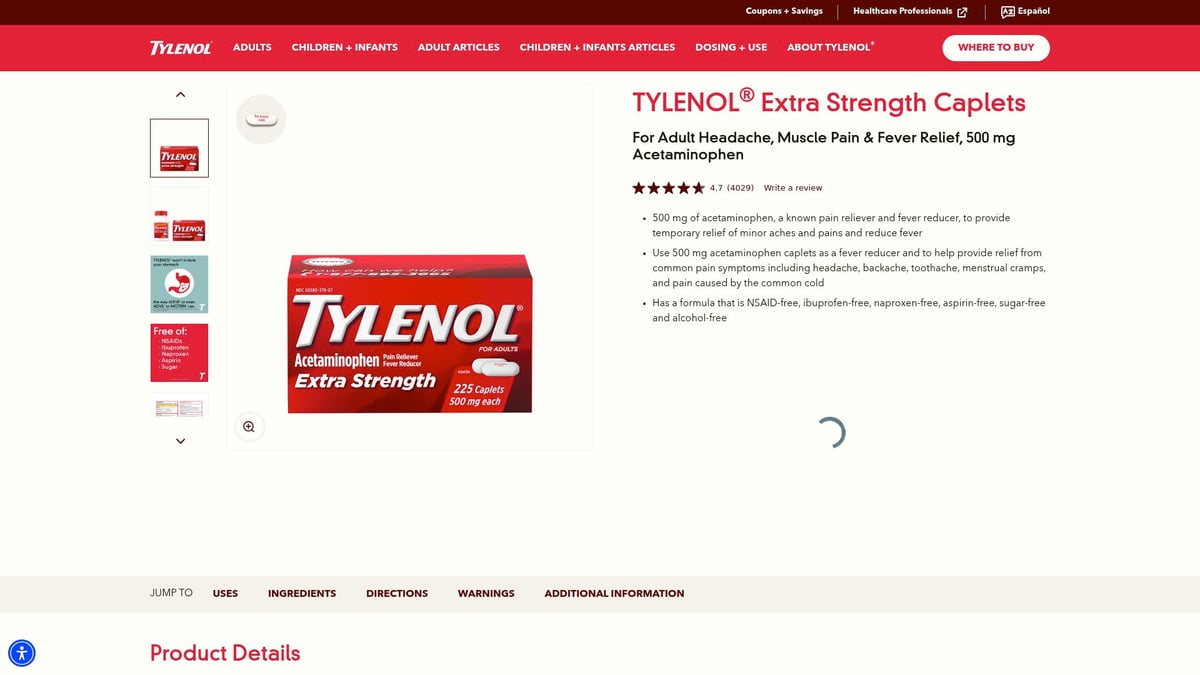
These products come in tablets or liquid form, with dosages suitable for both adults and children. Well-known brands offer trusted quality, and pediatric formulations ensure safety for younger family members.
Having these medications readily available in your medicine kit for home means you can respond quickly to pain or fever, reducing discomfort and potential complications. They are versatile, widely available, and easy to dose.
However, improper use can lead to overdose or interact with existing health conditions. Always follow dosing instructions and consult a healthcare provider if you have concerns about compatibility with other medications.
Sterile Gauze Pads and Adhesive Bandages
Sterile gauze pads and adhesive bandages are fundamental to any medicine kit for home. These items protect wounds, absorb blood, and support the healing process after minor accidents.
Gauze pads come in various sizes and are typically non-stick, making them gentle on sensitive skin. Adhesive bandages are hypoallergenic and designed for easy application and removal, reducing discomfort during dressing changes.
A well-stocked medicine kit for home should include a range of bandage options to cover everything from small cuts to larger abrasions. Regular restocking is important, as supplies can be depleted quickly.
Improper wound care can impede healing or lead to infection. For practical guidance, refer to 7 Steps to Wrap a Finger Wound to ensure you are using your supplies effectively and safely.
Emergency Mylar Blanket
An emergency Mylar blanket is an often-overlooked but essential part of your medicine kit for home. These lightweight, compact blankets are designed to retain body heat, preventing hypothermia during power outages, natural disasters, or unexpected exposure.

They are waterproof and windproof, making them suitable for a variety of emergency scenarios. Mylar blankets are reusable, easy to store, and fit neatly into your medicine kit for home without taking up much space.
Households in colder climates or regions prone to severe weather events should prioritize this item. Despite their durability, some blankets are single-use and may tear if handled roughly, so consider keeping extras available.
Adding an emergency blanket to your medicine kit for home enhances your preparedness for a broad range of scenarios, from winter storms to camping mishaps.
Medical Gloves (Nitrile or Latex-Free)
Medical gloves are indispensable for maintaining hygiene and preventing cross-contamination in your medicine kit for home. Nitrile gloves are a popular choice due to their hypoallergenic, latex-free construction, catering to individuals with sensitivities.
These gloves are disposable, powder-free, and available in multiple sizes, ensuring a good fit for all family members. They protect both the caregiver and the injured person during wound care, making them a staple in any medicine kit for home.
Affordable and easy to store, gloves help maintain a sterile environment when handling injuries or administering first aid. However, they are single-use and contribute to household waste, so dispose of them responsibly.
Always keep a box of gloves in your medicine kit for home and replace them as needed to ensure you are ready for any emergency.
CPR Face Shield or Mask
A CPR face shield or mask is a crucial addition to your medicine kit for home, especially if someone in your household is trained in CPR. These devices feature a one-way valve, allowing for safe and hygienic mouth-to-mouth resuscitation.
Compact keychain designs make them highly portable, so you can keep one in your kit and another in your car or bag. The American Red Cross recommends these shields for anyone likely to perform first aid.
Having a CPR mask in your medicine kit for home not only protects against disease transmission but also empowers you to act confidently in a life-threatening situation. They are affordable, easy to use, and can make a real difference during emergencies.
Note that these shields are typically single-use, and their effectiveness depends on basic CPR knowledge. Consider taking a certified course to ensure you are prepared to use this tool when it matters most.
Summary Table: Essential Medicine Kit for Home Items
| Item | Purpose | Key Features | Pros | Cons |
|---|---|---|---|---|
| First Aid Kit | Immediate response | Customizable, pro-grade | Comprehensive, expert-chosen | Higher price for advanced kits |
| Digital Thermometer | Fever monitoring | Fast, flexible, digital | Reliable, quick, affordable | Batteries needed |
| Antiseptic Wipes | Wound cleaning | Individually wrapped | Hygienic, portable | Can dry out |
| Allergy Meds | Allergy relief | Fast, OTC, non-drowsy | Effective, accessible | Drowsiness, age limits |
| Pain/Fever Reducers | Pain control | Tabs/liquid, all ages | Multi-use, trusted | Overdose risk |
| Gauze/Bandages | Wound protection | Sterile, hypoallergenic | Versatile, essential | Needs restocking |
| Mylar Blanket | Heat retention | Compact, reusable | Multi-use, cheap | May tear |
| Medical Gloves | Hygiene | Latex-free, disposable | Safe, affordable | Single-use |
| CPR Mask | Resuscitation | One-way valve | Safe, compact | Single-use, needs training |
With these nine essentials, your medicine kit for home will be ready for the challenges of 2026, providing security and swift action when every second counts.
How to Customize Your Home Medicine Kit for Your Family’s Needs
Every household is unique, so a one-size-fits-all approach does not work when building a medicine kit for home. Customizing your kit ensures every family member's needs are covered, from daily medications to age-specific supplies.
Tailoring Your Medicine Kit for Home to Family Needs
Start by assessing your household's unique characteristics. Family size determines how much of each item you need in your medicine kit for home. For example, larger families require more bandages and gloves. Consider ages—children, adults, and seniors can need different dosages and forms of medication.
Lifestyle also matters. Active families may want extra cold packs, blister care, or joint support. If anyone has known allergies, include specific antihistamines or EpiPens. It is also crucial to keep a list of prescription medications and ensure these are always stocked, rotating out expired ones regularly.
For additional guidance, the Caregiver's Guide to Home Medical Kits offers detailed advice on tailoring supplies to family needs.
Special Considerations: Infants, Elderly, Chronic Illnesses
Infants and young children need age-appropriate supplies in any medicine kit for home. Include infant pain relievers, saline drops, and gentle thermometers. Childproof packaging is a must to prevent accidental ingestion.
Elderly family members may require duplicate pairs of reading glasses, pill organizers, or blood pressure monitors. For those with chronic illnesses, keep an updated list of diagnoses and emergency contacts, plus a backup supply of critical medicine.
If someone in the home is immunocompromised, prioritize sterile items and single-use tools. Check expiration dates often, as certain medications and supplies degrade faster in humid or warm environments.
Customization Examples and Checklist
Active families can benefit from extra ice packs, athletic tape, and wound cleansers in their medicine kit for home. Allergy sufferers should include both daily and emergency allergy medications. Pet owners might add pet-safe antiseptics.
Use this basic checklist as a starting point for personalization:
- List all prescription and over-the-counter medicines
- Include age-specific dosing tools
- Add specialty items for chronic conditions
- Keep emergency phone numbers and allergy lists
- Rotate supplies annually
Annual Review and Update
Review your medicine kit for home every year. Update contents as your family's health needs change, and always restock any used or expired items to keep your kit ready for anything.
Safe Storage, Maintenance, and Regular Updates for Your Medicine Kit
Proper storage, maintenance, and regular updates are crucial for ensuring your medicine kit for home remains effective and ready for any emergency. A well-organized kit not only saves valuable time but also increases safety and reduces the risk of medication misuse.
Where to Store Your Medicine Kit for Home
Choose a cool, dry, and easily accessible location for your medicine kit for home. Bathrooms are common, but humidity can degrade supplies, so consider a hallway closet or kitchen cabinet out of children’s reach. The kit should be visible and reachable to all adults in the household.
Avoid areas exposed to direct sunlight or high temperatures, as these conditions can reduce the effectiveness of medications and sterile supplies. For families with children or elderly members, ensure the kit is stored at an appropriate height and marked clearly.
Checking Expiration Dates and Replenishing Supplies
Regularly check the contents of your medicine kit for home for expired or used items. Medications, ointments, and sterile products should all have visible expiration dates. Set a reminder every six months to review and replace supplies as needed.
Expired medications can lose potency or become unsafe. Replace any damaged packaging or items that have been exposed to moisture. Keep a simple inventory checklist inside the kit to track what needs replenishing.
Organizing and Labeling for Fast Access
Proper organization is key for using your medicine kit for home efficiently during emergencies. Use labeled compartments or small containers to separate items such as pain relievers, wound care supplies, and emergency tools. Clear labeling helps every family member find what they need quickly.
Attach simple instructions for using critical items, like the digital thermometer or CPR mask, especially if not everyone is familiar with them. For more detailed guidance, consider reviewing resources like How to Move Someone in an Emergency, which outlines practical steps for common home emergencies.
Setting Reminders and Avoiding Common Storage Mistakes
Set calendar reminders on your phone or use a sticky note system to prompt regular kit checks. Many cases of medication misuse result from poor storage, expired drugs, or confusion during emergencies. According to recent studies, improper storage contributes to thousands of accidental poisonings each year.
Incorporate your medicine kit for home review into seasonal routines, such as spring cleaning or back-to-school preparation. This habit ensures your kit remains current and ready for any situation.
Educating Your Household: Basic First Aid Skills and Emergency Preparedness
A medicine kit for home is only as effective as the people who know how to use it. In 2026, educating every household member in basic first aid and emergency response skills is essential. Preparation empowers families to act swiftly and confidently, turning potential panic into purposeful action.
Why Everyone Needs First Aid and CPR Skills
Emergencies can happen when least expected. Whether it is a minor cut or a more serious accident, knowing how to use your medicine kit for home can make a critical difference. First aid and CPR training prepare you to respond effectively, reducing the risk of complications before professional help arrives.
Statistics show that households with first aid knowledge experience better outcomes during medical crises. From treating burns to managing severe bleeding, the right skills can save lives. For advanced situations, such as traumatic injuries, practical guides like Basic First Aid for a Gunshot Wound provide invaluable step-by-step instructions.
Accessible Training Resources and Practice
Obtaining first aid and CPR skills is easier than ever. Organizations like the Red Cross, local hospitals, and trusted online platforms offer in-person and digital courses. Many video tutorials break down techniques into simple steps, making it accessible for all ages and learning styles.
Regular practice ensures these skills stay sharp. Schedule periodic family drills using your medicine kit for home so everyone remembers where supplies are and how to use them. Keep instructions visible and walk through scenarios, such as treating a sprain or responding to an allergic reaction.
Involving Children and Building a Family Emergency Plan
Children also benefit from age-appropriate first aid education. Teach them how to call emergency services, recognize warning signs, and use basic items from the medicine kit for home. This knowledge fosters confidence and helps them remain calm under pressure.
Create a clear family emergency plan. Assign roles, outline escape routes, and establish a communication strategy. Practice these plans regularly and review them at least once a year to keep everyone prepared.
Quick Tips for Household Emergency Readiness:
- Enroll all family members in basic first aid and CPR courses.
- Keep your medicine kit for home in an easy-to-access location.
- Review and practice emergency procedures together.
- Update your kit and skills annually.
- Encourage open discussions about safety and preparedness.
With the right training and a well-stocked medicine kit for home, your household will be better equipped to handle emergencies with clarity and confidence.
Home Medicine Kit FAQs
What should be in a home medicine kit?
A well-stocked home medicine kit includes a comprehensive first aid kit, a digital thermometer, antiseptic wipes, antihistamines, pain and fever reducers (acetaminophen and ibuprofen), sterile gauze and adhesive bandages, an emergency blanket, nitrile gloves, and a CPR face shield, plus any personal medications. Tailor it to your household's specific needs.
What are the most essential items for a home first aid kit?
If you start with the basics, prioritize adhesive bandages, sterile gauze and tape, antiseptic wipes, gloves, a thermometer, pain and fever reducers, and an antihistamine. From there, add a CPR shield and an emergency blanket, and consider bleeding-control gear for more serious emergencies.
Where should I store a home medicine kit?
Keep it in a cool, dry, easily accessible spot that adults can reach quickly but children can't, such as a hallway or kitchen cabinet. Avoid the bathroom, where heat and humidity can degrade medications and supplies, and make sure everyone in the household knows where it is.
How often should I check and replace items?
Review your kit at least twice a year and after any use. Replace expired medications, restock anything you've used, and check that sterile items and packaging are intact. Setting a recurring reminder makes it easy to stay on top of.
What's the difference between a medicine kit and a first aid kit?
A first aid kit focuses on treating injuries, bandages, gauze, antiseptics, and tools. A home medicine kit is broader, adding medications like pain relievers and antihistamines, plus items for everyday illness, so it covers both injuries and common health needs.
How do I customize a home medicine kit for my family?
Add items for the people you care for: infant-appropriate medications and a soft thermometer for babies, any prescriptions and a medication list for seniors or those with chronic conditions, and extras for allergies or specific risks. Review and adjust the kit as your family's needs change.
Do home first aid and medicine kit supplies expire?
Yes. Medications, antiseptics, and sterile items all have expiration dates, and adhesives and packaging degrade over time. Check dates regularly, rotate stock, and replace anything expired or with damaged packaging so the kit is ready when you need it.
Should every household know basic first aid and CPR?
Yes. Supplies are only as useful as the skills to use them. Basic first aid and CPR training helps everyone respond confidently in an emergency, and many organizations offer accessible in-person and online courses for families.

