First Aid and Kit: Essential Guide for 2026
Every emergency situation demands immediate response, and having the right first aid and kit can mean the difference between a minor incident and a life-threatening situation. Whether you're preparing for workplace emergencies, outdoor adventures, or home safety, understanding the components, standards, and best practices for emergency medical supplies is essential. This comprehensive guide explores everything you need to know about building, maintaining, and effectively utilizing a first aid and kit in 2026.
Understanding First Aid and Kit Standards
The landscape of emergency preparedness has evolved significantly, with regulatory bodies establishing clear guidelines for first aid and kit requirements. Organizations must comply with ANSI/ISEA standards, which categorize kits based on workplace size and hazard levels. The ANSI classification system distinguishes between Class A and Class B kits, each designed for specific environments and risk profiles.
Regulatory Framework for Emergency Supplies
Compliance isn't just about checking boxes on a form. It represents a commitment to worker safety and legal responsibility. The Occupational Safety and Health Administration (OSHA) requires employers to provide medical and first aid personnel and supplies commensurate with the hazards of the workplace. Understanding first aid kit regulations helps organizations avoid penalties while ensuring employees have access to necessary medical resources during emergencies.
Key regulatory considerations include:
- Workplace hazard assessment
- Kit accessibility within four minutes of all work areas
- Regular inspection and restocking protocols
- Staff training requirements
- Documentation and record-keeping
The distinction between workplace kits and personal kits matters significantly. While OSHA mandates certain workplace standards, individuals should consider their specific needs when selecting a first aid and kit for home, vehicle, or recreational use.
Essential Components of a Comprehensive First Aid and Kit
Building an effective first aid and kit requires thoughtful consideration of potential emergencies and the supplies needed to address them. A well-stocked kit balances comprehensiveness with portability, ensuring responders can quickly access the right tools without overwhelming themselves with unnecessary items.
Wound Care Fundamentals
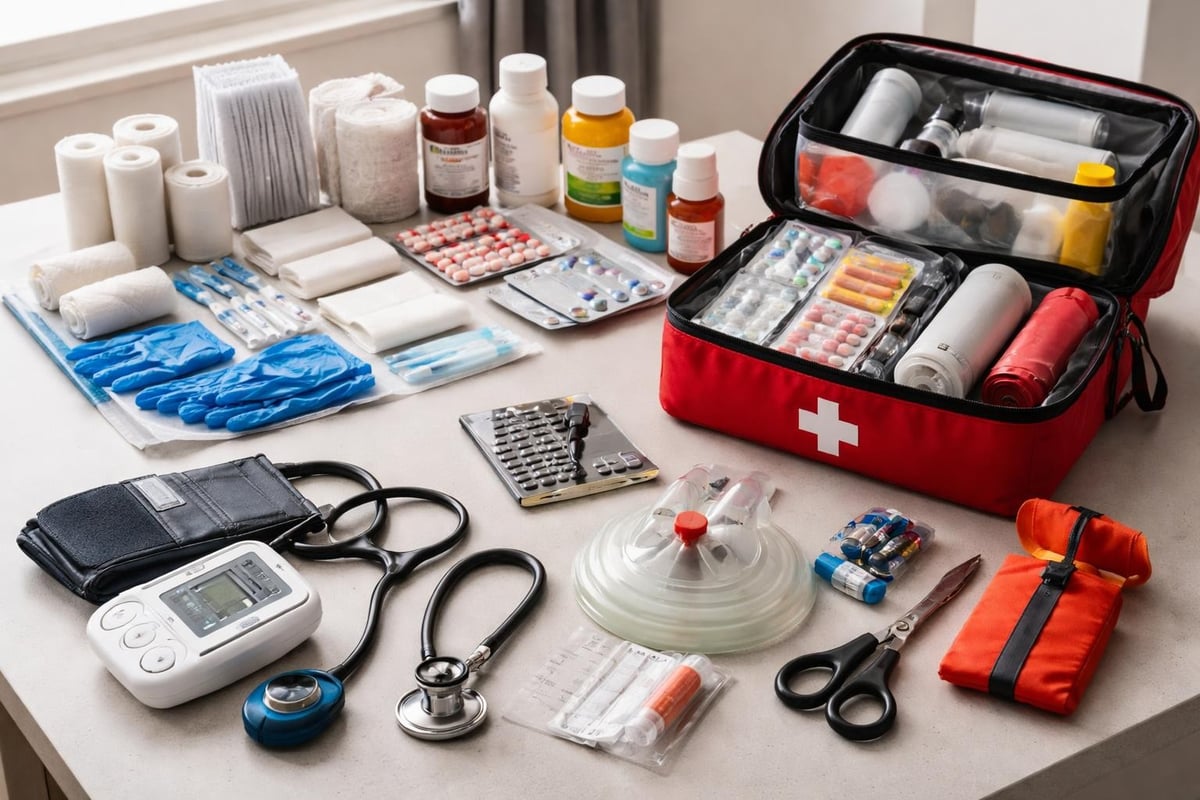
Every first aid and kit must contain supplies for managing bleeding and preventing infection. These fundamentals form the foundation of emergency response capability.
| Supply Category | Essential Items | Purpose |
|---|---|---|
| Adhesive Bandages | Multiple sizes, fabric and plastic | Minor cuts and abrasions |
| Gauze Products | Sterile pads, rolled gauze, self-adherent wrap | Wound coverage and securing dressings |
| Antiseptics | Alcohol wipes, iodine prep pads, antibiotic ointment | Infection prevention |
| Tape | Medical tape, waterproof tape | Securing bandages and dressings |
Proper first aid kit supplies extend beyond basic bandages. Advanced wound care items like pressure bandages and hemostatic agents can address severe bleeding scenarios that standard gauze cannot manage effectively.
Medications and Treatment Supplies
Pain management and symptom relief medications play a crucial role in emergency care. A comprehensive first aid and kit should include over-the-counter medications that address common medical situations.
- Acetaminophen and ibuprofen for pain and fever
- Antihistamines for allergic reactions
- Antacids for digestive issues
- Aspirin for cardiac emergencies
- Hydrocortisone cream for skin irritation
Important note: All medications should be clearly labeled with expiration dates and replaced regularly. Temperature-sensitive medications require proper storage conditions to maintain effectiveness.
Diagnostic and Utility Tools
Beyond bandages and medications, a functional first aid and kit needs tools that enable proper assessment and treatment delivery. These items enhance a responder's ability to evaluate injuries and provide appropriate care.
Thermometers allow temperature monitoring for illness assessment. Tweezers remove splinters and foreign objects. Scissors cut bandages, clothing, and tape. Safety pins secure slings and bandages. Instant cold packs reduce swelling and pain. Disposable gloves protect both responder and patient from cross-contamination.
Specialized First Aid and Kit Configurations
Different environments and activities demand customized approaches to emergency preparedness. A one-size-fits-all mentality fails to address the unique risks present in various settings.
Workplace Applications
Industrial environments face distinct hazards requiring specialized supplies. Chemical exposure, machinery accidents, and repetitive stress injuries demand equipment beyond standard first aid items. Workplace first aid cabinets should be strategically positioned and regularly maintained according to site-specific policies.
Construction sites benefit from trauma-focused kits containing tourniquets, Israeli bandages, and chest seals. Office environments can utilize smaller kits emphasizing minor injury care and common medical issues. Manufacturing facilities require burn treatment supplies and eye wash stations.
Vehicle Emergency Kits
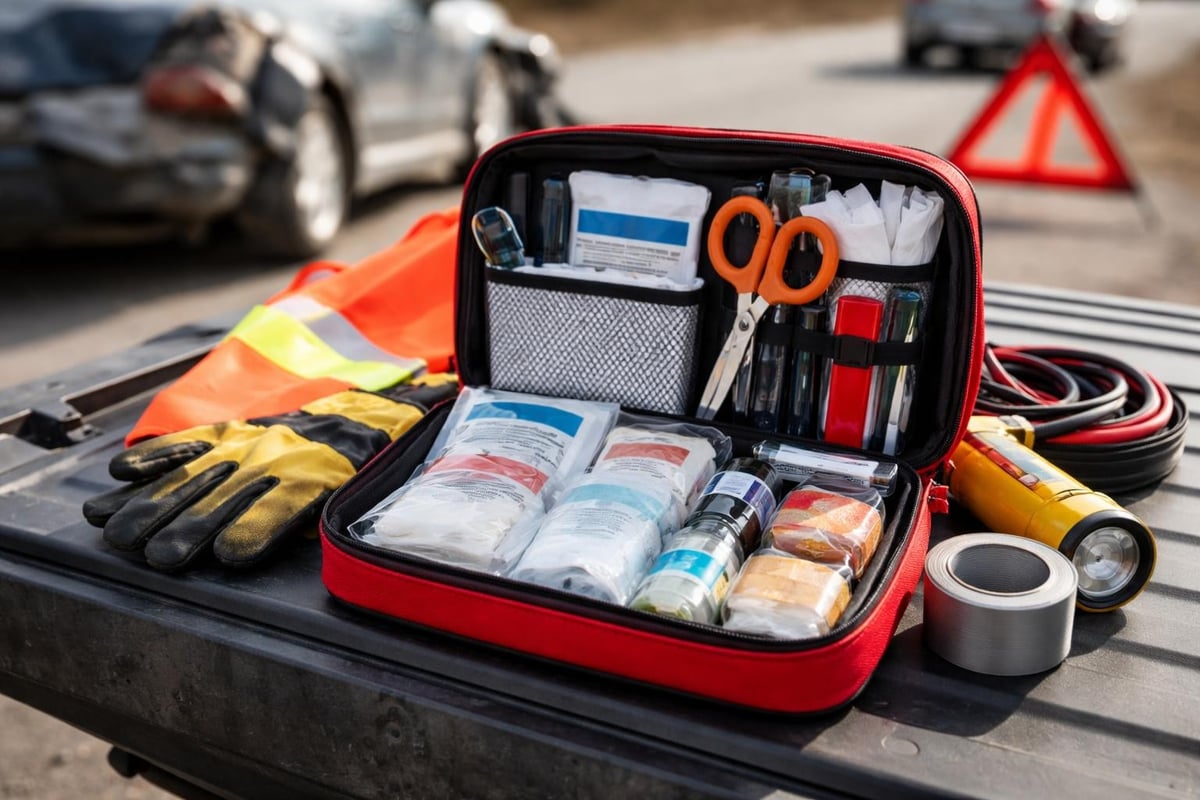
Transportation presents unique emergency scenarios requiring portable, durable solutions. The BS 8599-2 standard specifies contents for motor vehicle first aid kits, ensuring drivers can respond to roadside emergencies effectively.
Vehicle kits should withstand temperature extremes and remain accessible during collisions or breakdowns. Reflective triangles, flashlights, and emergency blankets complement medical supplies in automotive first aid and kit configurations.
Outdoor and Adventure Kits
Recreational activities in remote locations demand lightweight, comprehensive solutions. Hikers, campers, and outdoor enthusiasts need first aid and kit options that balance weight with capability. Distance from professional medical care increases the importance of proper supplies and training.
Outdoor kit enhancements include:
- Blister treatment and foot care
- Insect bite and sting relief
- Sunburn and heat illness supplies
- Hypothermia prevention items
- Snake bite and wildlife emergency equipment
- Water purification tablets
- Emergency shelter materials
The Deuter First Aid Kit Active represents purpose-built solutions for adventure medicine, featuring compact organization and weather-resistant construction.
Building Your First Aid and Kit Strategy
Creating an effective emergency response capability requires more than purchasing pre-assembled kits. Thoughtful planning ensures supplies match actual risks and user capabilities.
Hazard Assessment Process
Begin by identifying potential emergencies specific to your environment. Workplace safety managers should review injury reports and near-miss incidents. Families should consider home hazards, neighborhood risks, and health conditions of household members. Outdoor enthusiasts must evaluate terrain, climate, and remoteness factors.
This assessment drives supply selection and training priorities. A family first aid kit for a household with young children differs significantly from one designed for elderly individuals with chronic conditions.
Choosing Between Pre-Made and Custom Kits
Pre-assembled kits offer convenience and compliance assurance, while custom-built solutions provide precise hazard matching. Complete kits from reputable suppliers meet ANSI standards and include appropriate quantities for their designated class. However, supplementing standard kits with specialized items creates optimal preparedness.
| Approach | Advantages | Considerations |
|---|---|---|
| Pre-Made Kits | Standards compliance, immediate availability, cost-effective | May contain unnecessary items, possible shortfalls for specific needs |
| Custom Built | Precise hazard matching, optimal contents, personal preferences | Requires expertise, time investment, potential compliance gaps |
| Hybrid Method | Best of both approaches, flexibility, comprehensive coverage | Requires inventory management, periodic review |
Many organizations start with compliant base kits and add environment-specific supplies. This hybrid approach balances efficiency with customization.
Container Selection and Organization
The container housing your first aid and kit affects accessibility and usability during emergencies. Hard-shell cases protect contents but add weight and bulk. Soft bags offer portability and flexible storage options. Wall-mounted cabinets provide fixed-location accessibility for facilities.
Organization within containers significantly impacts response time. Color-coded sections, clear labeling, and logical grouping help users quickly locate needed supplies. Zippered compartments separate categories while maintaining visibility. Transparent pockets allow inventory checks without unpacking contents.
Maintenance and Readiness Protocols
Purchasing a first aid and kit represents only the initial step in emergency preparedness. Ongoing maintenance ensures supplies remain effective when needed most.
Regular Inspection Schedules
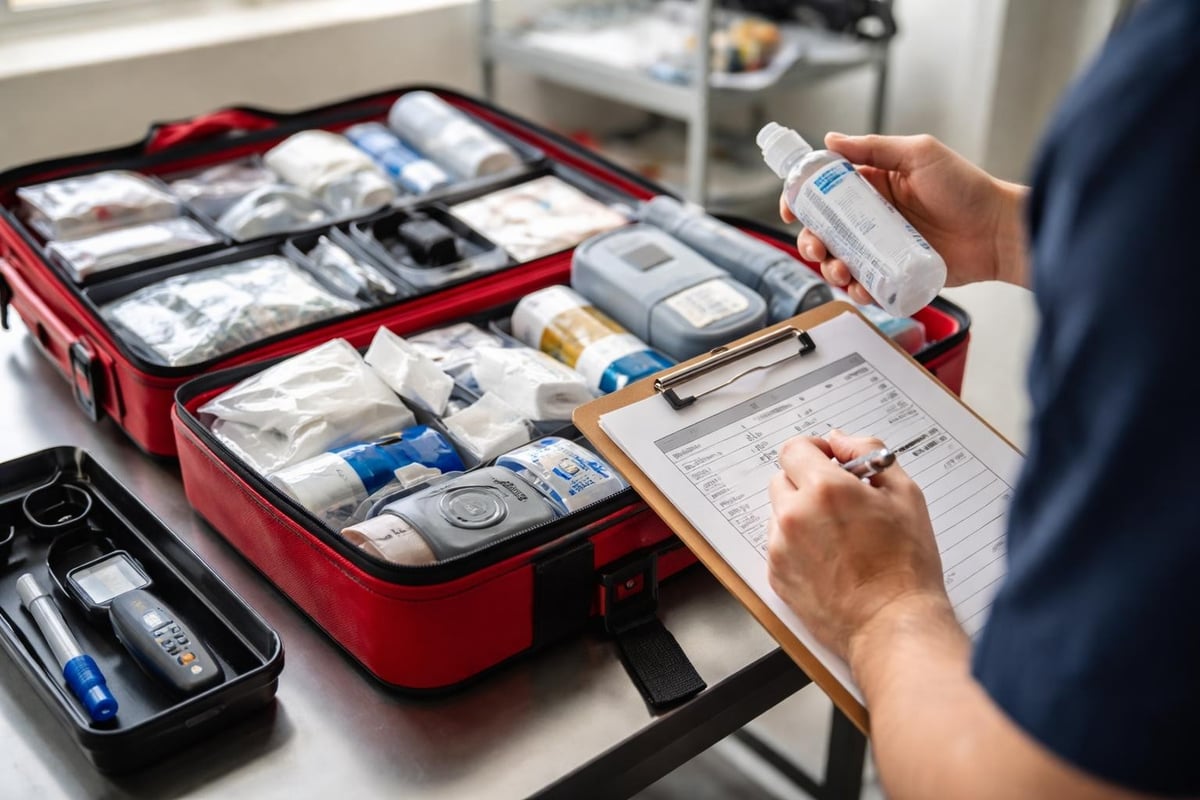
Establish monthly, quarterly, and annual inspection routines based on kit location and usage frequency. High-traffic workplace kits require more frequent checks than home emergency supplies. Workplace first aid guidance recommends monthly inspections for compliance and readiness.
Monthly checks should verify:
- All items present and properly stored
- No visible damage to packaging
- Sterile items remain sealed
- Medications within expiration dates
- Inventory levels meet minimum requirements
Quarterly inspections involve deeper assessment, including testing equipment like thermometers and scissors. Annual reviews should evaluate entire kit contents against current standards and emerging needs.
Resupply and Replacement Systems
Used supplies require immediate replacement to maintain readiness. Designate responsibility for restocking and establish clear procurement procedures. First aid resupply systems prevent dangerous gaps in emergency coverage.
Create inventory logs tracking usage patterns and identifying frequently needed items. This data informs purchasing decisions and reveals training opportunities. If certain supplies never get used, they may be unnecessary. If items deplete rapidly, increase baseline quantities.
Expiration management prevents relying on degraded medications and sterile supplies. Rotate stock using first-in-first-out principles. Some organizations donate near-expiration items to training programs rather than discarding usable supplies.
Training and Effective Use
The most comprehensive first aid and kit provides limited value without trained users. Equipment effectiveness depends entirely on responder knowledge and skills.
Essential First Aid Training
Basic first aid courses teach assessment, treatment priorities, and proper supply use. Certification programs from organizations like the American Red Cross and American Heart Association provide standardized instruction. Workplace safety regulations often mandate specific training levels for designated responders.
Core competencies include:
- Scene safety assessment
- Patient evaluation and vital signs
- Bleeding control techniques
- Shock prevention and management
- Wound care and infection prevention
- Cardiac emergency response
- Choking intervention
Advanced training for medical professionals and serious enthusiasts covers trauma care, advanced airway management, and extended care scenarios. Trauma kits containing tourniquets, hemostatic agents, and chest seals require proper instruction before use.
Practical Application Scenarios
Understanding when and how to use specific supplies transforms theoretical knowledge into life-saving action. Practice scenarios build confidence and reveal kit shortcomings before real emergencies occur. Regular drills familiarize users with kit contents and locations.
Simulation exercises should match actual risks identified during hazard assessment. Manufacturing facilities might practice chemical exposure response. Schools benefit from bleeding control scenarios. Outdoor groups should rehearse wilderness emergency procedures including patient evacuation considerations.
These exercises highlight the importance of having appropriate emergency hospital bags ready for situations requiring professional medical transport. The first aid and kit stabilizes patients, but knowing when to activate emergency medical services remains critical.
Specialized Considerations for Different Users
Medical professionals, workplace safety managers, and general public members each bring different perspectives to first aid and kit preparation.
Professional vs. Lay Responder Needs
Paramedics and EMTs carry advanced equipment reflecting their training and scope of practice. These first responder kits include diagnostic tools, airway management devices, and pharmaceutical interventions unavailable to untrained users. However, the fundamental principles of proper preparation apply regardless of expertise level.
Lay responders should focus on supplies they can confidently use within their training level. Overequipping creates false confidence and potential harm. A well-maintained basic kit with trained users outperforms an advanced kit with uncertain operators.
Industry-Specific Configurations
Healthcare facilities require different first aid and kit configurations than construction sites or retail stores. Medical environments already maintain extensive supplies but need portable options for outreach and transport situations. Industrial settings emphasize trauma care and chemical exposure response.
Schools balance minor injury frequency with potential mass casualty preparedness. Religious organizations and community centers serving diverse populations should consider cultural competence in emergency response. Each environment demands thoughtful customization beyond generic commercial offerings.
The importance of well-stocked first aid kits extends across all environments, with proper selection matching specific needs and capabilities.
Emerging Trends and Future Developments
Emergency preparedness continues evolving with new technologies, materials, and understanding of best practices. Staying current ensures your first aid and kit remains effective as standards and capabilities advance.
Advanced Materials and Technologies
Hemostatic gauze has revolutionized bleeding control, enabling lay responders to manage severe hemorrhage previously requiring professional intervention. Compact chest seals address penetrating trauma with simple application procedures. Innovative bandage designs combine multiple functions into single-use items.
Temperature-stable medications extend shelf life and reduce maintenance burden. Smart packaging indicates exposure to degrading conditions through color changes. RFID inventory systems automate tracking and expiration management for large organizations maintaining multiple kits.
Integration with Emergency Response Systems
Modern first aid and kit preparation increasingly connects with broader emergency management infrastructure. Mobile applications guide users through assessment and treatment steps. QR codes on supplies link to instructional videos and documentation. Automated external defibrillators (AEDs) communicate with emergency dispatch during cardiac events.
These technological enhancements supplement rather than replace fundamental preparedness. The best equipped kit with latest technology fails without basic supplies properly maintained and users trained in their application.
Proper first aid and kit preparation combines regulatory compliance, thoughtful supply selection, rigorous maintenance, and comprehensive training to create true emergency readiness. Whether protecting employees, family members, or yourself during outdoor adventures, the investment in quality supplies and knowledge pays dividends when seconds count. Medical Gear Outfitters provides paramedic-curated kits and components designed for real-world emergency response, backed by the expertise to help you select and maintain the right solutions for your specific needs. Building preparedness today ensures you're ready to respond effectively when emergencies strike tomorrow.

