Top 10 First Aid Kit Supplies Everyone Should Have in 2026
Imagine you are confronted with a sudden medical emergency. Would you have the right first aid kit supplies nearby to handle the situation quickly and effectively? In 2026, keeping first aid kit supplies current is no longer optional—it is critical for every home, car, workplace, and outdoor adventure. This guide uncovers the top 10 first aid kit supplies you should always have, explains why each item matters, and gives you the knowledge needed to stay ready for any emergency. Discover how the right first aid kit supplies can help you respond with confidence and protect those you care about.
The Importance of an Up-to-Date First Aid Kit in 2026
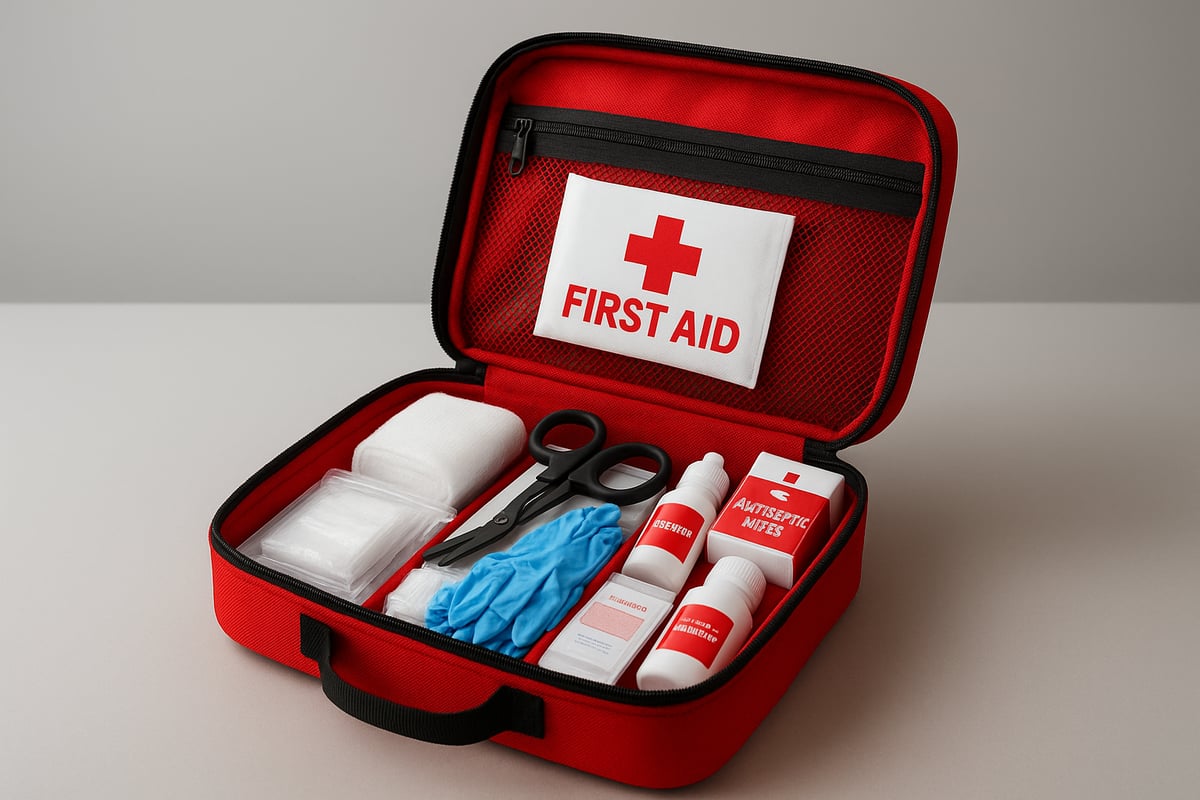
Having the right first aid kit supplies in 2026 is no longer a luxury, but a necessity for every environment. Emergencies can strike at home, on the road, in the workplace, or during outdoor adventures. Staying prepared with up-to-date first aid kit supplies can make the difference between a minor incident and a life-altering event.
The Evolving Landscape of First Aid Needs
The world in 2026 faces a rapidly changing risk landscape. Natural disasters, like floods and wildfires, have become more frequent. At the same time, more people are heading outdoors for recreation and traveling post-pandemic, exposing themselves to new types of injuries and accidents. Updated medical guidelines and technological advances mean that first aid kit supplies must keep pace.
In many emergencies, first aid kit supplies are the crucial bridge before professionals arrive. For example, in 2024, a hiker’s quick access to a tourniquet prevented a tragedy after a severe leg injury. This highlights why adapting your first aid kit supplies for home, vehicle, workplace, and outdoor use is so important.
Consider these facts:
| Environment | Key Risk | Kit Adaptation Needed |
|---|---|---|
| Home | Burns, cuts | Burn dressings, bandages |
| Vehicle | Accidents, trauma | Tourniquet, trauma shears |
| Workplace | Falls, machinery | Eye wash, gauze pads |
| Outdoors | Bites, exposure | Emergency blanket, tweezers |
According to the American College of Emergency Physicians, over 70% of non-fatal injuries can be managed with proper first aid kit supplies. This means your readiness directly impacts outcomes in real-world emergencies.
What Makes a First Aid Kit “Essential” Today
The definition of “essential” first aid kit supplies continues to evolve. Versatility, accessibility, and ease of use are core requirements. Modern kits include both traditional items, like bandages and antiseptics, and advanced supplies, such as digital thermometers and emergency medications.
Customization is key. Kits should be tailored for allergy sufferers, those with chronic conditions, and children. Expired or missing first aid kit supplies can lead to poor outcomes, so regular kit checkups are vital. Pre-assembled kits offer convenience, but customizing your kit ensures it meets your family’s unique needs.
When choosing what to include, weigh the pros and cons of ready-made versus DIY kits. Training all family members in basic first aid and kit usage is just as important as having the right supplies. For further details on what to include, review the HSE First Aid Kit Guidelines, which outline essential components for compliance and safety.
Regularly updating your first aid kit supplies and practicing their use builds confidence and readiness. In a crisis, being prepared is the greatest advantage you can give yourself and your loved ones.
Top 10 First Aid Kit Supplies Everyone Should Have in 2026
Having the right first aid kit supplies can mean the difference between a quick recovery and a worsening emergency. As we move into 2026, the demands on first aid preparedness have changed, requiring both traditional and advanced supplies for a truly comprehensive kit. Modern emergencies, from minor scrapes to severe trauma, call for resources that are versatile, accessible, and up to date.
A well-equipped kit is not just about having the basics, but also about tailoring your selection to your family's needs, your environment, and the latest medical guidelines. According to emergency physicians and organizations like the Red Cross, certain first aid kit supplies are indispensable regardless of where you keep your kit. For those seeking a full breakdown of what a robust kit should include, the Large First Aid Kit Contents page offers practical guidance and examples.
Below, we reveal the top 10 first aid kit supplies everyone should consider for 2026. Each item is chosen for its proven effectiveness, ease of use, and critical role in managing a wide range of injuries and emergencies. Let’s explore why these essentials matter and how they keep you prepared for the unexpected.
1. Adhesive Bandages (Assorted Sizes)
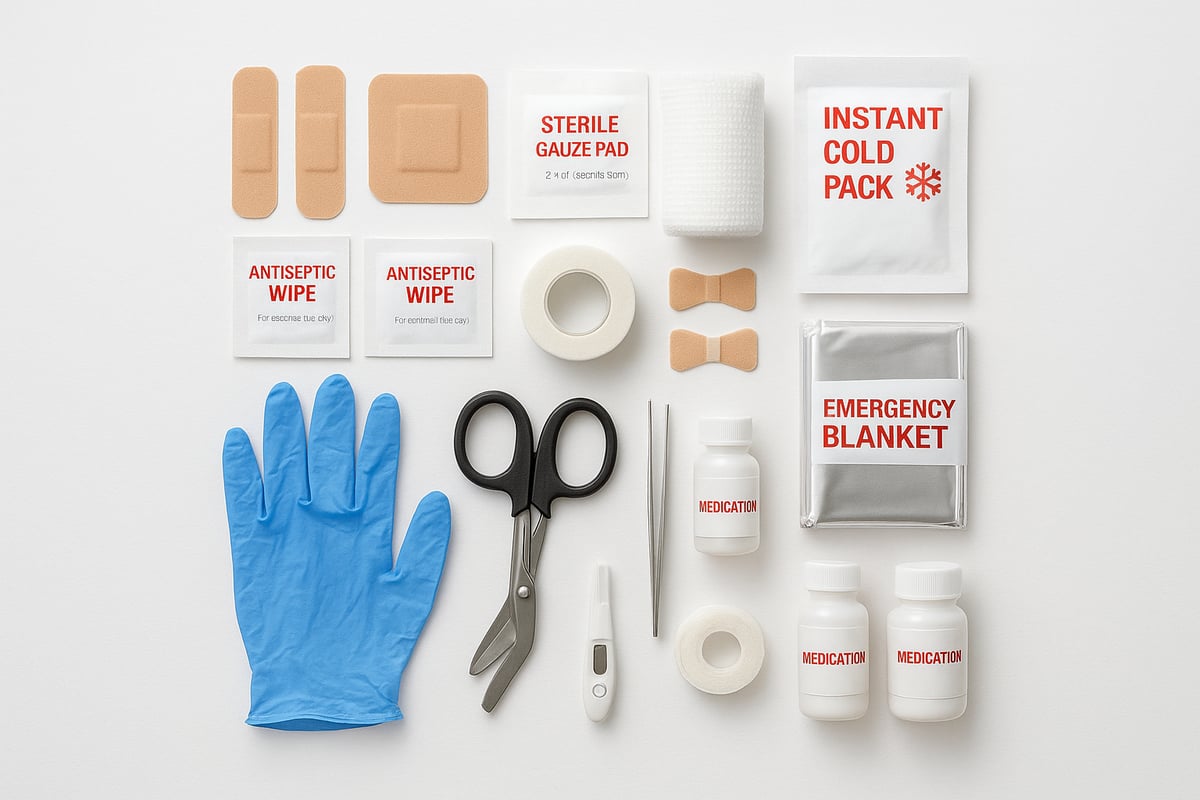
Adhesive bandages are the cornerstone of all first aid kit supplies. They cover minor cuts, scrapes, and blisters, creating a barrier against dirt and infection. Stocking multiple sizes—such as finger strips, knuckle shapes, and larger patches—ensures you can address various wound types effectively.
Modern options include waterproof and hypoallergenic bandages, ideal for sensitive skin or children. Latex-free choices are essential for allergy safety. For example, treating a scraped knee at the playground requires a quick, secure bandage to keep the wound clean and promote healing.
Did you know that over 50% of first aid kit supplies are used for minor wound care? Bandages not only prevent infection but also speed up recovery by protecting the skin. Always check for expiration dates, as adhesives can lose effectiveness over time.
2. Sterile Gauze Pads and Rolls
Sterile gauze pads and rolls are among the most versatile first aid kit supplies. They help control bleeding, dress larger wounds, and absorb fluids. Choose non-stick, individually wrapped pads to maintain sterility and reduce pain during removal.
Layering gauze is key for effective wound management. When dealing with a deep cut while camping, start with a sterile pad to cover the wound, then secure it with a roll for extra protection. Pairing gauze with medical tape ensures it stays in place until professional help arrives.
Gauze is a staple in both minor and major injury care. Its adaptability makes it a fundamental part of all first aid kit supplies, especially for situations where you need to manage multiple injuries quickly.
3. Antiseptic Wipes and Solutions
No list of first aid kit supplies is complete without antiseptic wipes and solutions. These products are essential for cleaning wounds and preventing infection. Available options include alcohol wipes, povidone-iodine swabs, and hydrogen peroxide.
Proper wound cleaning minimizes tissue damage and reduces infection risk by up to 70% when antiseptics are used promptly. For instance, disinfecting a puncture wound after stepping on a nail can prevent serious complications.
Single-use packets keep antiseptics sterile and easy to carry. Include options suitable for sensitive skin, especially if your kit serves children or individuals with allergies. Antiseptics are a must-have among first aid kit supplies for every environment.
4. Medical Tape and Butterfly Closures
Medical tape and butterfly closures are critical first aid kit supplies for securing dressings and closing small wounds. Hypoallergenic, easy-tear, and waterproof varieties are widely available for different needs.
Butterfly closures help approximate wound edges without the need for stitches, making them perfect for sports injuries or active children. For example, quickly closing a laceration during a soccer game can reduce bleeding and scarring.
Medical tape is used in 40% of wound management cases. It is important to keep both standard tape and advanced closure strips in your kit. For more on their uses, explore First Aid Bandage Tape Uses.
Using both tape and closures together enhances healing and offers flexibility, solidifying their place among essential first aid kit supplies.
5. Disposable Nitrile Gloves
Disposable nitrile gloves are non-negotiable first aid kit supplies for protecting both the responder and the injured person from bloodborne pathogens. Compared to latex and vinyl, nitrile gloves offer superior resistance to punctures and chemicals, and they are less likely to cause allergic reactions.
Knowing the correct technique for removing gloves prevents contamination. Whether assisting with a nosebleed at school or handling larger wounds, always use gloves to maintain hygiene. The CDC recommends gloves for all blood or body fluid exposures.
It is wise to store multiple pairs in sealed bags to keep them clean and ready for use. Nitrile gloves are a core part of modern first aid kit supplies and should be included in every kit, from home to workplace.
6. Trauma Shears and Tweezers
Trauma shears and tweezers are practical first aid kit supplies designed for quick and safe intervention. Shears with blunt tips can easily cut through clothing or seatbelts during emergencies, while medical-grade stainless steel ensures reliability.
Tweezers are ideal for removing splinters, glass, or ticks. For example, removing a bee stinger during a picnic requires precision and safety. Trauma shears are found in 90% of professional kits, underlining their importance.
Choose medical-grade tools that can handle a range of scenarios, from minor irritants to major trauma. Keeping both tools in your first aid kit supplies prepares you for unexpected challenges.
7. Instant Cold Packs
Instant cold packs are indispensable first aid kit supplies for treating swelling, pain, and inflammation. They are activated by simply squeezing or shaking, triggering a chemical reaction that produces cold therapy on demand.
Cold packs are perfect for sprains, strains, insect bites, or bruises. If you twist an ankle while hiking, applying a cold pack within 30 minutes can reduce swelling by 35%. Their single-use, lightweight design makes them portable and easy to store in both home and vehicle kits.
These packs are a simple yet effective addition to your first aid kit supplies, ensuring you are ready for sudden injuries wherever you go.
8. Emergency Mylar Blanket
An emergency mylar blanket is a vital part of first aid kit supplies, especially for preventing shock and hypothermia. Made from lightweight, heat-reflective material, mylar blankets can retain up to 90% of body heat.
They are compact and multipurpose, suitable for outdoor emergencies, car breakdowns, and disaster kits. For instance, keeping a child warm during a winter car accident can be life-saving. Mylar blankets can also serve as makeshift shelters or signaling devices.
Their versatility and effectiveness make them a must-have among first aid kit supplies for all seasons and environments.
9. Digital Thermometer
A digital thermometer is an essential diagnostic tool in your first aid kit supplies. It allows you to quickly and accurately monitor for fever or illness, which is crucial for early intervention.
Choose from oral, rectal, or forehead models to suit your family’s needs. For example, checking for fever during a flu outbreak helps you decide when to seek medical care. Digital models are preferred for hygiene and ease of use.
Remember to include spare batteries and disinfectant wipes. Keeping a reliable thermometer in your first aid kit supplies ensures you are prepared for health emergencies at any time.
10. Pain Relievers and Emergency Medications
Pain relievers and emergency medications round out the list of essential first aid kit supplies. Stock acetaminophen, ibuprofen, and aspirin (for adults), as well as antihistamines for allergic reactions. If prescribed, include an epinephrine auto-injector.
Store all medications in childproof containers with clear labeling, and check expiration dates regularly. For example, administering aspirin during suspected heart attack symptoms can reduce mortality by 23% if given promptly.
Tailor your selection to your household’s needs, including medications for chronic conditions. These preparations ensure your first aid kit supplies are ready for both everyday ailments and critical emergencies.
How to Customize Your First Aid Kit for Your Lifestyle
Customizing your first aid kit supplies ensures that you are ready for emergencies wherever life takes you. A one-size-fits-all approach can leave critical gaps, so tailoring your kit to your lifestyle is essential. Whether you are at home, commuting, working, or enjoying the outdoors, having the right first aid kit supplies can make a significant difference in response time and outcome.
Adapting Kits for Home, Work, Car, and Outdoor Use
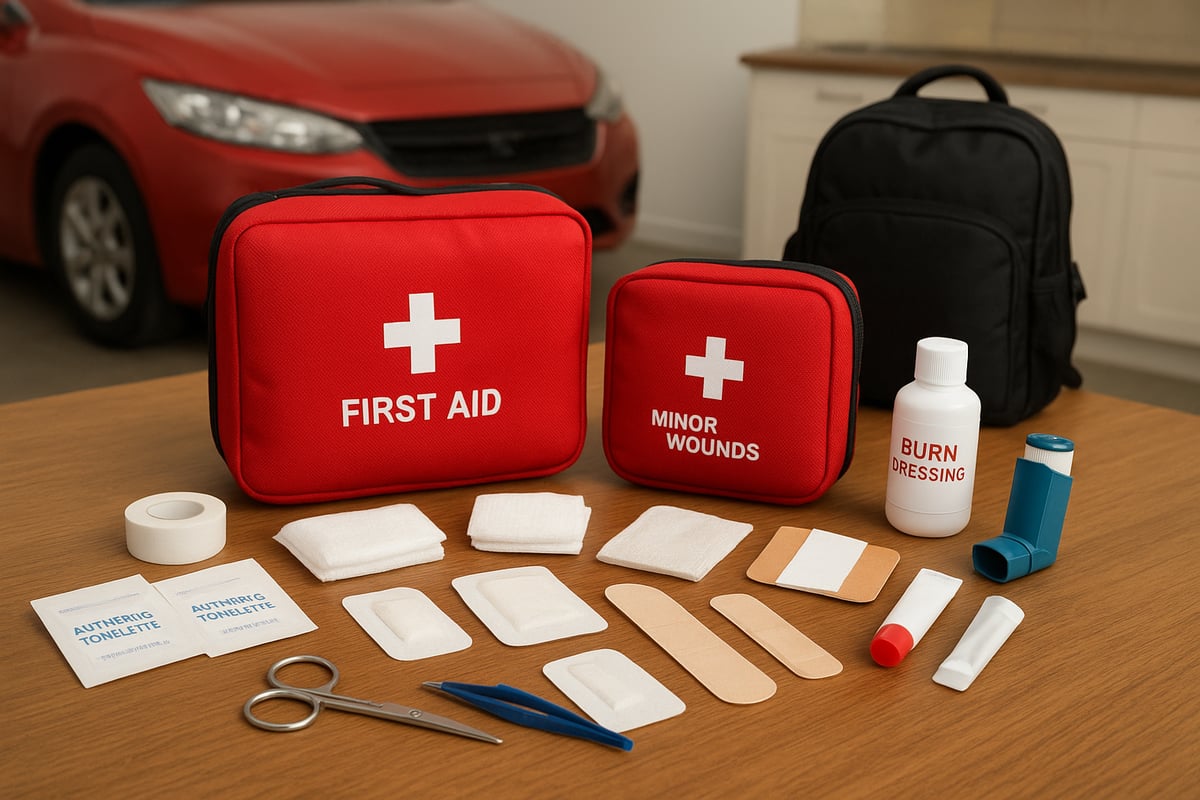
Begin by assessing the unique risks in each environment where your first aid kit supplies will be used. At home, burns and kitchen cuts are common, so include burn dressings and adhesive bandages. For the workplace, consider risks such as machinery injuries or chemical exposure and add items like eye wash or extra gloves. Car kits should prepare you for accidents or breakdowns, so include trauma shears, instant cold packs, and a reflective emergency blanket. Outdoor kits benefit from insect repellent, sunscreen, and tick removal tools.
A quick checklist for environment-specific supplies:
- Home: burn dressings, splinter tweezers, digital thermometer
- Work: eye wash, extra gloves, CPR mask
- Car: emergency blanket, trauma shears, reflective vest
- Outdoors: insect repellent, sunscreen, tick removal kit
Considering Family, Health, and Special Needs
When selecting first aid kit supplies, take into account the ages and health conditions of your household. For children, choose hypoallergenic bandages and antiseptics suitable for sensitive skin. Households with elderly members or those managing chronic conditions should include specialty medications, such as nitroglycerin or extra inhalers. For people with diabetes, pack glucose gel or tablets. Always label medications clearly and use childproof containers.
It is wise to add emergency contact cards and medical history forms to every kit. These documents provide crucial information to first responders and can save valuable time in a crisis. For families with allergies, include antihistamines and, if prescribed, an epinephrine auto-injector.
The Growing Demand for Customization
Today, more people recognize that first aid kit supplies need to be tailored to specific lifestyles and environments. According to the First Aid Kits Analysis Report 2024, consumer demand for customized kits is driving innovation in the market. Modular designs let you add or swap components as your needs change.
Data shows that 60% of injuries happen outside the home, highlighting the need for portable, adaptable kits. Modular first aid kit supplies make it easy to restock and ensure you have the right items for every scenario.
Staying Prepared and Organized
Regularly review and update your first aid kit supplies. Set reminders to check expiration dates and replenish any used or outdated items. Store your kits in accessible but secure places, and make sure everyone in your household knows where they are kept. Training family members or coworkers in basic first aid can further enhance the effectiveness of your supplies.
By thoughtfully customizing your first aid kit supplies, you can respond confidently and effectively in any emergency. Tailored preparation means peace of mind, no matter where you are.
Maintaining and Replenishing Your First Aid Kit
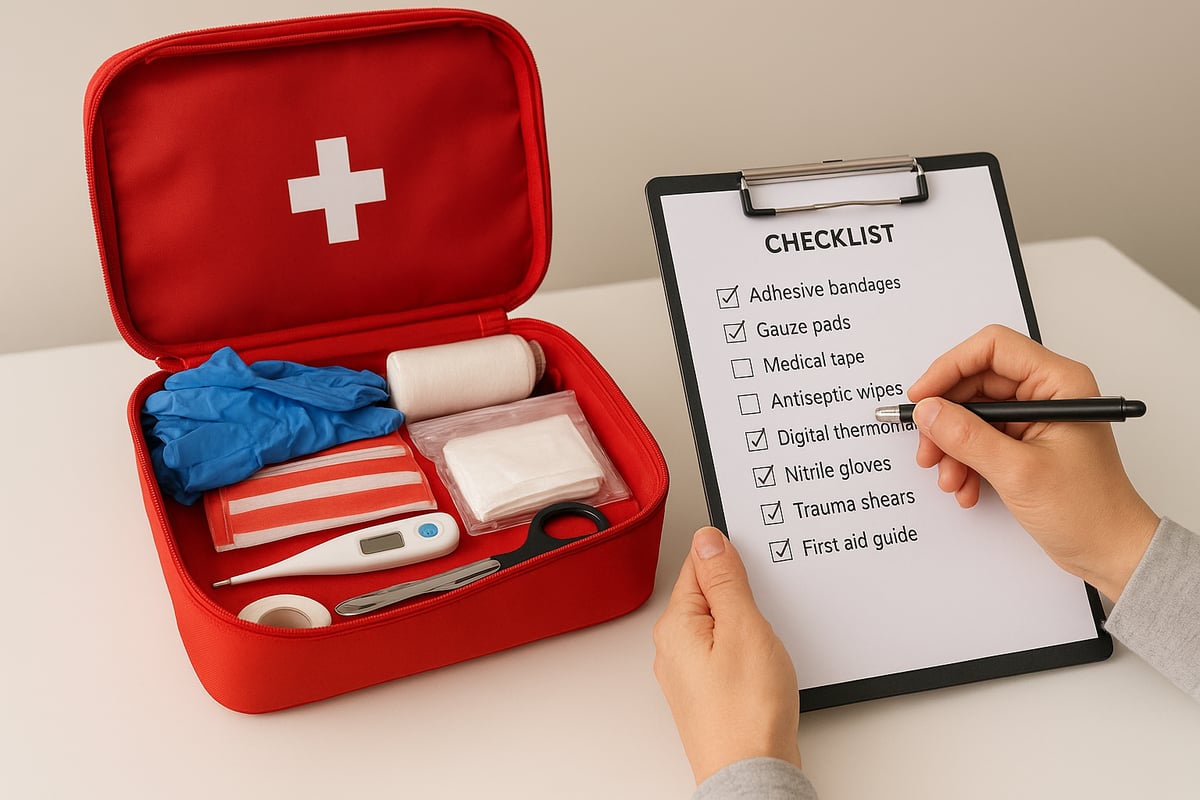
A well-maintained set of first aid kit supplies can make the difference between a manageable incident and a serious emergency. Over time, items in your kit may expire, become depleted, or lose their effectiveness. Regular maintenance ensures that your kit is always ready for action, whether at home, in your car, or at work.
Best Practices for Kit Management
Begin by scheduling regular reviews of your first aid kit supplies. Quarterly checks are ideal, but at minimum, inspect your kit twice a year. During each review, check expiration dates on medications, ointments, and sterile items. Replace anything used, damaged, or expired immediately. According to research, expired supplies can lose effectiveness by up to 50%, which may compromise care during an emergency.
To keep track, mark your kit with a visible “last checked” date. This simple habit improves accountability and ensures nothing is overlooked. Store your kit in an accessible location, but out of reach of young children and pets. Consider having separate kits for high-risk areas, such as the kitchen or garage, and a portable kit for your car.
Training is also essential. All family members or coworkers should know the location of your first aid kit supplies and how to use them. Practice basic first aid skills and review the kit’s contents together. Use digital reminders and inventory checklists to streamline maintenance. Apps or calendar alerts can help you remember when it is time for another check.
When replenishing specific items, such as Blue Nitrile Gloves for Safety, choose quality supplies that meet current safety standards. This not only protects users during emergencies but also aligns with best practices recommended by emergency professionals.
The growing importance of maintaining first aid kit supplies is reflected in recent market trends. For instance, the First Aid Kit Market Growth & Trends report highlights increased global demand, emphasizing the need for well-stocked and regularly updated kits.
Ultimately, a proactive approach to maintaining first aid kit supplies creates peace of mind. Well-stocked, up-to-date kits save lives, reduce anxiety, and ensure you are always prepared for the unexpected.

