
The Essential Family First Aid Box Guide for 2026
Imagine your loved ones facing an unexpected emergency at home. Would you know exactly what to do in those critical first moments?
Today, accidents and sudden health crises remain among the leading causes of injury for families around the world. Being prepared for these situations is more important than ever.
A well-stocked, up-to-date family first aid box brings peace of mind. It means you are ready to respond quickly and effectively when it matters most.
This guide is designed to help you confidently build, maintain, and use a family first aid box that meets the needs of modern families in 2026.
You will learn about the essential components, step-by-step assembly, smart storage strategies, maintenance schedules, and how to use your kit in real emergencies.
Why Every Family Needs a First Aid Box in 2026
Imagine a sudden accident at home. Would your family know what to do in the first few minutes? Having a family first aid box is crucial for modern households. Let us explore why every home should be equipped and ready for emergencies, especially as we approach 2026.
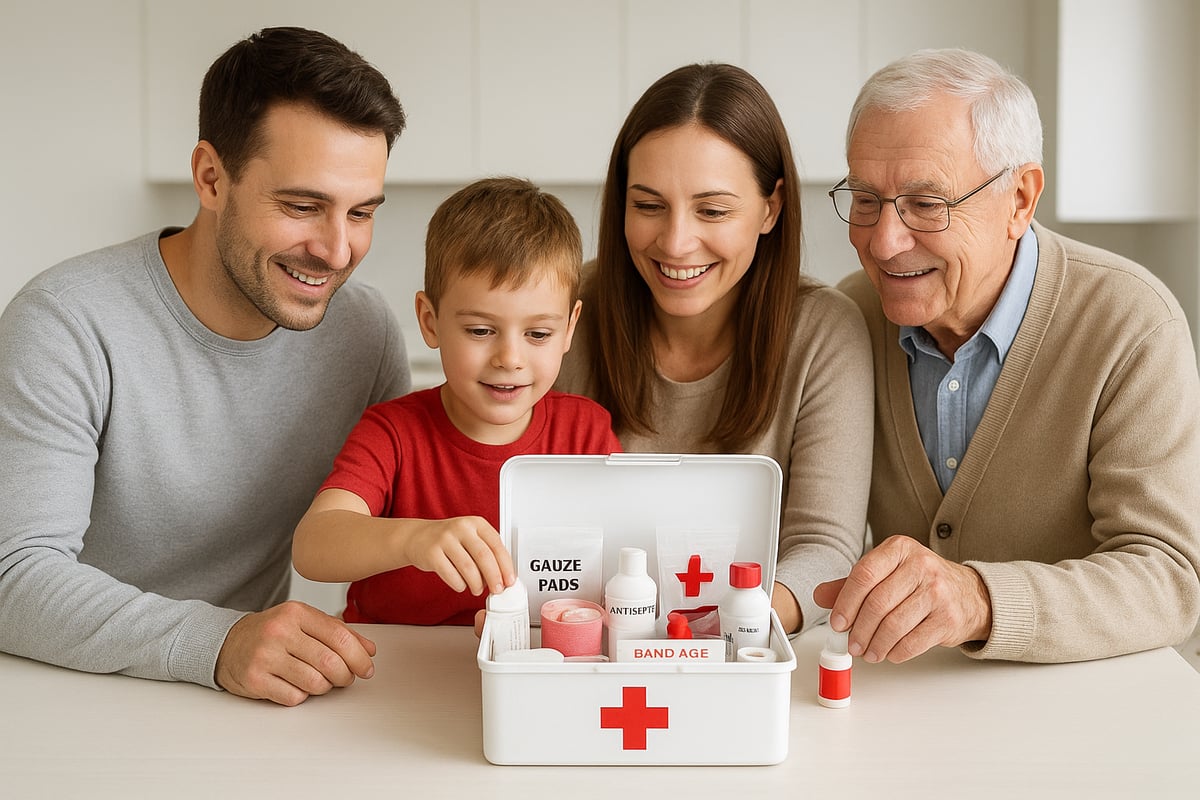
Growing Home Safety Concerns
Home accidents remain a leading cause of injury worldwide. According to recent home injury statistics, incidents like cuts, burns, falls, and allergic reactions continue to rise. With more families working and learning from home, exposure to these risks is higher than ever.
Emergency medical services often face delays, especially in rural areas, making immediate action essential. The experience of the COVID-19 pandemic has also reminded us of the importance of self-sufficiency. A family first aid box helps bridge the gap until professional help arrives.
The Role of First Aid in Reducing Severity
Prompt use of a family first aid box can make a significant difference in outcomes. Studies show that immediate care reduces the risk of complications and speeds up recovery. For instance, cleaning and dressing a wound quickly can prevent infection, while timely allergy treatment can be life-saving.
Consider a scenario where a family member suffers a deep cut. If you have the right supplies and know-how, you can stabilize the injury before emergency responders arrive. This preparedness can be the difference between a minor incident and a serious medical event.
Legal and Social Responsibility
Modern families have a duty of care to protect children, elderly relatives, and guests. Many workplaces and schools require first aid kits, and the same level of preparedness should extend to the home. Insurance providers may also consider the presence of safety equipment when assessing claims.
Being prepared with a family first aid box reflects social responsibility. It shows you are committed to the safety and well-being of everyone in your home. As expectations for home safety rise, being proactive is both smart and considerate.
Psychological Benefits of Preparedness
Knowing that a family first aid box is always ready offers peace of mind. It reduces anxiety for parents and empowers children to feel more secure. Involving all family members in first aid readiness builds teamwork and resilience.
Families that practice first aid drills together are better equipped to handle real emergencies. This confidence can help everyone stay calm and focused when it matters most, turning a stressful event into a manageable situation.
Adapting to Modern Health Risks
Health risks continue to evolve. Allergies, chronic conditions, and new threats such as medication shortages make self-reliance vital. A well-stocked family first aid box can be customized to include items for asthma, diabetes, or even pet emergencies.
Supply chain disruptions have highlighted the need for households to manage their own health resources. Keeping your kit current ensures your family can respond to both everyday mishaps and emerging health challenges in 2026.
Essential Components of a Family First Aid Box
A well-prepared family first aid box is your first line of defense in a household emergency. The right mix of medical supplies, modern tools, and smart organization can make all the difference. To help you build a truly effective kit, here is a breakdown of the most important components every family should consider for 2026.
Core Medical Supplies for 2026
Every family first aid box should be equipped with core medical supplies to manage everyday injuries and more serious incidents. Essentials include adhesive bandages in various sizes, sterile gauze pads, and antiseptic wipes for cleaning wounds. Burn dressings and instant cold packs help manage burns and swelling.
You should also have tweezers for splinter removal, medical scissors for cutting tape or clothing, and several pairs of disposable gloves for hygiene. A digital thermometer is crucial for quick temperature checks, while an instant cold compress can provide immediate relief for strains or sprains.
For a detailed checklist of the most important items, see The 9 Items You Must Have in Your First Aid Kit. These basics form the foundation of a reliable family first aid box.
Medications and Treatments to Include
A comprehensive family first aid box should always contain a selection of key medications and topical treatments. Stock over-the-counter pain relievers such as acetaminophen and ibuprofen for fevers or aches. Allergy emergencies require antihistamines and, if prescribed, an epinephrine auto-injector.
Topical antibiotics help prevent infection in minor wounds, while hydrocortisone cream soothes rashes and insect bites. Do not forget to include personal prescription medications for each family member, along with reminders to rotate them before expiry.
These medications ensure your family first aid box is ready for a range of health concerns.
Tools for Modern Emergencies
Advanced tools are essential for a family first aid box, especially in 2026. Include a CPR face shield or mask for safe resuscitation. Tourniquets and pressure bandages are critical in controlling severe bleeding, while splints and elastic bandages provide support for fractures and sprains.
An emergency blanket is useful for shock or cold exposure, and a sterile eye wash bottle can address eye injuries. These tools help your family first aid box tackle a broader range of emergencies with confidence.
Family-Specific Customizations
No two families are alike, so your family first aid box should reflect your unique needs. If you have infants or elderly members, add age-appropriate medications and supplies. For chronic conditions, include asthma inhalers, diabetes testing kits, or other necessary equipment.
Pet owners should add basic pet first aid items. Multilingual instruction cards can be invaluable for families who speak multiple languages or host international guests. Customizing your family first aid box ensures everyone’s safety.
Technology and First Aid: 2026 Innovations
The family first aid box is evolving with technology. Smart boxes now feature inventory tracking to alert you when supplies run low. QR codes on packaging offer instant access to video instructions for key procedures.
Many kits integrate with emergency apps and digital health records, making it easier to share information with healthcare providers. In 2026, top-rated smart first aid boxes combine these innovations for a safer, more efficient response to emergencies.
Storage and Organization Tips
Proper storage is vital for your family first aid box. Use a durable, waterproof container to protect supplies from damage. Organize items in clearly labeled compartments so you can find what you need quickly, even in stressful moments.
Balance accessibility with child safety by choosing lockable boxes or storing the kit out of reach of young children. Refer to best practices from organizations like the Red Cross when setting up your family first aid box for optimal results.
Medical Gear Outfitters: Trusted Source for First Aid Supplies
Medical Gear Outfitters is a leading provider of expertly curated first aid kits and components, ideal for building your family first aid box. Their selection ranges from compact kits for minor injuries to advanced trauma supplies, all chosen by experienced paramedics.
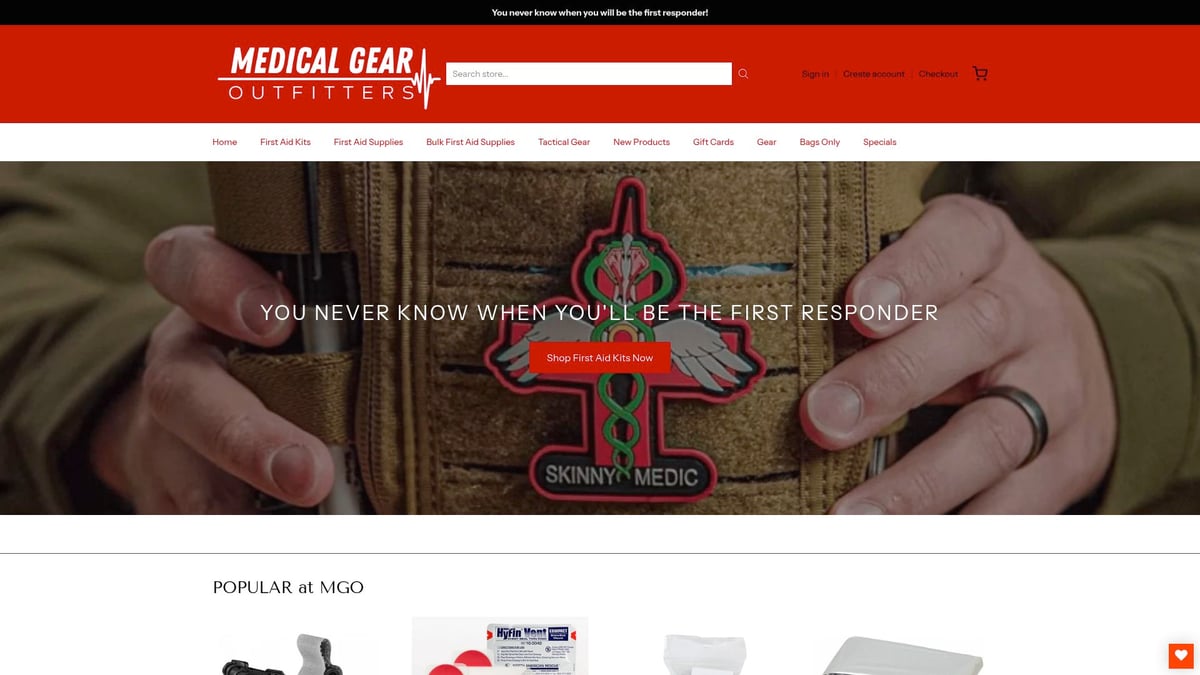
They focus on quality brands and up-to-date medical guidance, ensuring your family first aid box is both reliable and effective. Educational resources and customization options help families tailor their kits to unique needs, while bulk ordering supports organizations and larger households.
Step-by-Step Guide: Building and Assembling Your Family First Aid Box
Building a family first aid box is a practical investment in your family’s well-being. By following these structured steps, you will create a kit that is tailored, accessible, and ready for any emergency. Let’s walk through the process to ensure your family first aid box covers every essential detail for 2026.
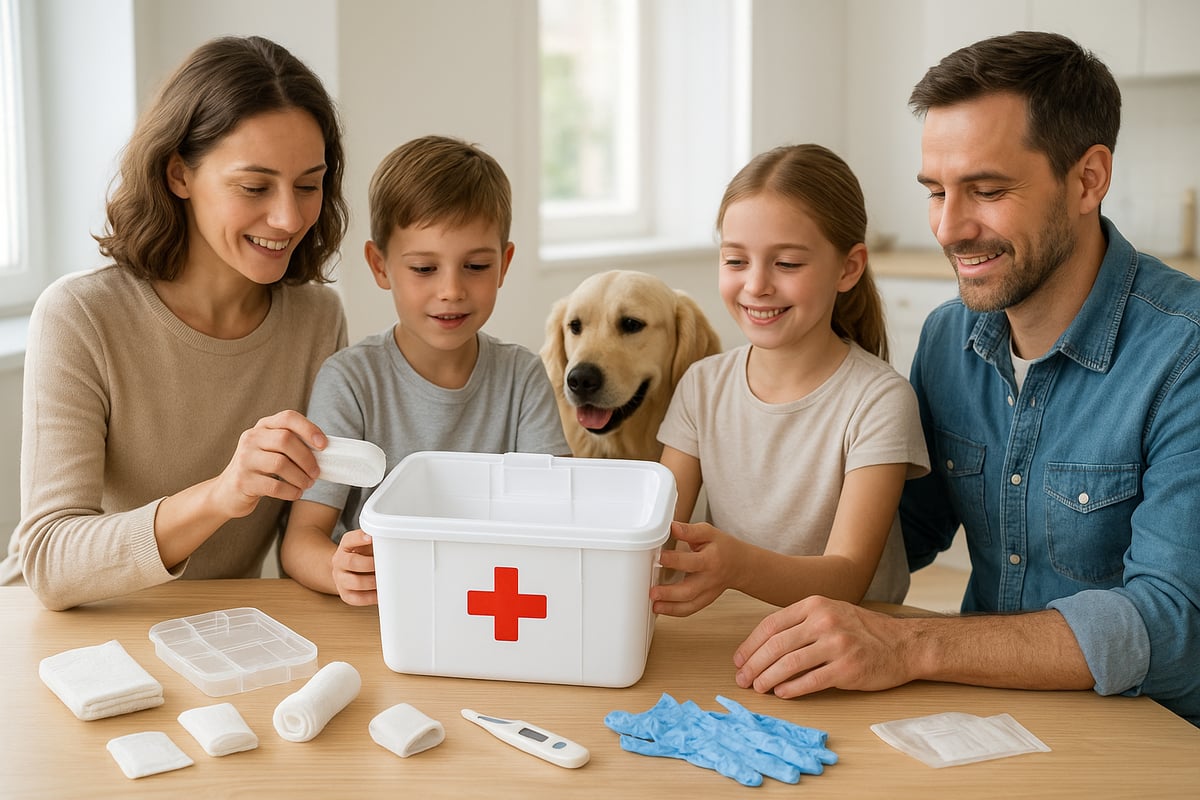
Step 1: Assess Your Family’s Unique Needs
Begin by listing every member of your household, including children, elderly relatives, and even pets. Note any allergies, chronic conditions, or medical devices that require special supplies in your family first aid box. Consider frequent visitors or caregivers who may need access.
Evaluate your living environment. Do you have a pool, workshop, or kitchen hazards? Identifying these risk factors helps you customize your family first aid box. For example, a family with asthma and severe allergies will need inhalers and epinephrine auto-injectors readily available. This step ensures your kit meets the specific demands of your home.
Step 2: Choose the Right Container
Selecting the appropriate container is crucial for the effectiveness of your family first aid box. Compare wall-mounted cabinets, portable cases, and backpacks to determine what suits your lifestyle. Material matters—plastic, metal, and waterproof options each have their benefits.
Think about accessibility and security. In homes with young children, a lockable box keeps dangerous items out of reach. A portable container is ideal for families on the go or for keeping a secondary kit in your car. The right choice will keep your family first aid box organized and protected from damage.
Step 3: Gather Essential Supplies
With your needs assessed and a container selected, it’s time to gather the core items for your family first aid box. Stock up on adhesive bandages, gauze pads, antiseptics, burn dressings, pain relievers, and tools like scissors and tweezers. Do not forget to include personal prescription medications and a digital thermometer.
Check expiry dates and track batch numbers for medications. For a comprehensive, expert-curated checklist and sourcing tips, consult guides like How to Build a Family First Aid Kit. This ensures your family first aid box is both thorough and up to date.
Step 4: Organize and Label Contents
Organization is key to making your family first aid box user-friendly during stressful situations. Group supplies by category: wound care, medications, emergency tools, and instructions. Use labeled pouches or transparent dividers for quick identification.
Include printed instruction sheets and emergency contact information in a visible compartment. Multilingual cards are helpful for diverse households. A well-organized family first aid box saves precious time and reduces confusion when every second counts.
Step 5: Store for Easy Access and Safety
Find strategic locations for your family first aid box, such as the kitchen, bathroom, or main hallway. For larger homes, consider placing kits on each floor and in vehicles. Store your kit away from direct sunlight, heat, or humidity to preserve supplies.
Balance easy access with safety, especially in homes with children or pets. Use childproof locks if necessary. The goal is to make your family first aid box accessible to adults in an emergency but secure from curious hands.
Step 6: Educate and Involve the Family
A family first aid box is only effective if everyone knows how to use it. Hold a family meeting to review the contents, demonstrate how to use key supplies, and explain when to call emergency services. Teach children age-appropriate basics and encourage them to ask questions.
Practice scenarios and first aid drills regularly. Involving the whole family builds confidence and ensures that everyone can act quickly and effectively if needed. This shared knowledge transforms your family first aid box into a true safety asset.
Step 7: Document and Maintain Your Kit
Keep an inventory list with purchase and expiry dates for every item in your family first aid box. Schedule regular checks—at least every three to six months—to restock used or expired supplies. Digital tools or reminders can help you stay organized.
After each use, promptly update your inventory and replace items. Proper documentation and maintenance keep your family first aid box reliable and ready for any situation. This proactive approach sustains your family’s preparedness year-round.
Maintaining and Updating Your First Aid Box: 2026 Best Practices
Keeping your family first aid box effective requires ongoing attention. A well-maintained kit is your frontline defense in emergencies, ensuring you never face a critical moment unprepared. Let us walk through the best practices for keeping your supplies current, your knowledge fresh, and your family protected.
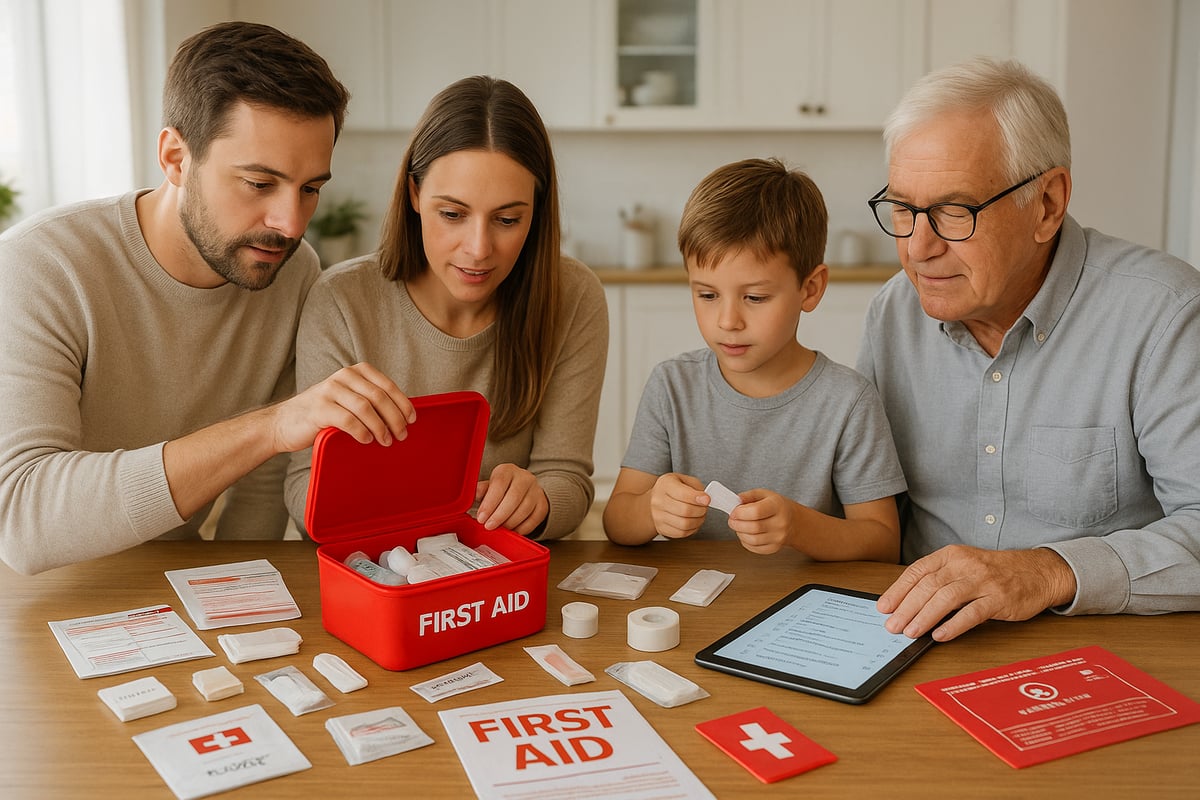
Regular Inspection and Restocking
Routine checks are the backbone of maintaining your family first aid box. Every 3 to 6 months, set aside time to inspect all items. This includes looking for expired medications, damaged packaging, and depleted supplies.
Create a checklist to guide your inspection:
- Verify expiry dates on ointments, pills, and other perishables
- Replace used or missing items immediately after any use
- Test batteries in flashlights and electronic devices
Keeping a printed or digital inventory inside your family first aid box makes restocking easier. Regular attention prevents last-minute surprises when emergencies occur.
Adapting to Seasonal and Life Changes
Your family first aid box should evolve as your family does. Changes in household members, health conditions, or even the seasons can affect your supply needs. For example, summer may call for extra burn ointments and insect bite relief, while winter might demand more cold and flu medications.
Consider these scenarios:
- New baby or elderly relative joins the household
- Family member develops an allergy or chronic illness
- Vacation or travel plans require portable supplies
Remember, children's needs are unique. For guidance on child-specific supplies, see First Aid Supplies for Children. By reviewing your kit every season and after major life events, you ensure your family first aid box always matches your family's reality.
Keeping Up with Medical Guidelines
First aid standards change as medical knowledge advances. To keep your family first aid box up to date, follow recommendations from trusted sources like the Red Cross, CDC, and WHO.
In 2026, new guidelines may include supplies for emerging health threats or advanced wound care. Stay informed by subscribing to medical newsletters or alerts. For the latest on first aid protocols, including management of opioid overdoses and seizures, refer to First aid guidelines update 2024.
Adapting your family first aid box to reflect current best practices ensures you are always prepared for modern emergencies.
Digital Tools for Inventory Management
Harness technology to streamline your family first aid box maintenance. Inventory management apps can track item quantities, expiry dates, and send reminders when it is time to restock.
Some smart first aid boxes in 2026 come equipped with QR codes for quick supply checks. These digital tools minimize errors and save time, especially for busy families.
A simple spreadsheet or mobile app can also help you log purchase dates and batch numbers. This proactive approach keeps your family first aid box accurate and ready for any situation.
Training and Refreshers for the Family
A family first aid box is only as effective as the people who use it. Schedule annual training sessions, either in-person or online, so every family member knows how to use each item correctly.
Practice with new equipment, review emergency procedures, and encourage children to participate. Family drills build confidence and ensure everyone can respond calmly when needed.
Refreshers help reinforce knowledge and keep skills sharp. By making training a regular event, you empower the entire household to make the most of your family first aid box.
How to Use Your Family First Aid Box in Real Emergencies
Knowing how to use your family first aid box during a real emergency can make all the difference in outcomes. A well-prepared response helps you stay calm and act quickly, even under stress. The following steps will guide you to confidently handle urgent situations and make the most of your first aid supplies.
Assessing the Situation Quickly
When an emergency strikes, your first action is to ensure the scene is safe for everyone. Before reaching for your family first aid box, check for hazards like fire, sharp objects, or spilled chemicals. Only approach if it is safe to do so.
Next, rapidly assess the injured person's condition. Is it a minor issue, such as a small cut, or something more serious like heavy bleeding or difficulty breathing? These observations help you decide if you can manage the situation with your family first aid box or need to call emergency services immediately.
If there is any doubt, call for professional help right away. Remember, your family first aid box is a tool for immediate care until experts arrive.
Step-by-Step Response for Common Emergencies
Your family first aid box should be organized so you can access essentials fast. For minor wounds, clean the area with antiseptic wipes, apply a sterile bandage, and monitor for infection. In case of burns, cool the skin with water, cover it with a burn dressing, and avoid popping blisters.
For allergic reactions, quickly locate antihistamines or an epinephrine auto-injector from your family first aid box and administer as directed. Sprains and fractures require immobilization with splints or elastic bandages until professional care is available.
For more tips on preventing household injuries and being proactive, see these household injury prevention tips.
Using Advanced Supplies Safely
Some emergencies require advanced tools from your family first aid box, such as tourniquets or CPR masks. It is vital to know how to use these items correctly to avoid harm.
- For severe bleeding, apply pressure first, then use a tourniquet if bleeding does not stop.
- Use chest seals for penetrating chest wounds and burn dressings for serious burns.
- Always follow instructions provided in your kit or on instructional cards.
For a deeper dive into bleeding control skills and equipment, review The Complete Guide to Bleeding Control.
Communicating with Emergency Responders
If you need to call emergency services, provide clear information about what happened and what first aid steps you have completed using your family first aid box. Share important details such as allergies, medications given, and the injured person's medical history.
Prepare used packaging and a brief note of actions taken for a smooth handover when professionals arrive. This ensures continuity of care and helps responders act swiftly.
Learning from Each Emergency
After every incident, gather your family to discuss what went well and what could improve. Replenish any used items in your family first aid box immediately to keep it ready for future needs.
Encourage everyone to share their experience and feelings. This reflection helps build confidence and strengthens your family's emergency response skills over time.

