Essential Guide to Health Kits: What You Need in 2026
In a rapidly changing world, being prepared for health emergencies is more crucial than ever. The need for reliable health kits is rising, as individuals, families, and organizations face evolving risks in 2026.
Modern health kits now play a vital role in everyday readiness. This guide will help you confidently select, assemble, and maintain a health kit that fits today’s demands. From smaller first aid kits to larger trauma kits, it is imperative to understand what you need and when.
You will discover essential kit components, explore the latest trends, and gain expert recommendations. Practical tips will empower you to stay ready for any situation. Take the first step toward preparedness—your safety may depend on it.
The Evolving Role of Health Kits in 2026
In 2026, health kits have transformed from simple boxes of bandages into lifelines designed for a complex world. Their evolution reflects a shift in how individuals, families, and organizations approach preparedness. As global health risks increase and emergencies grow more unpredictable, the role of health kits becomes vital for everyone.
The Shift from Basic First Aid to Comprehensive Health Solutions
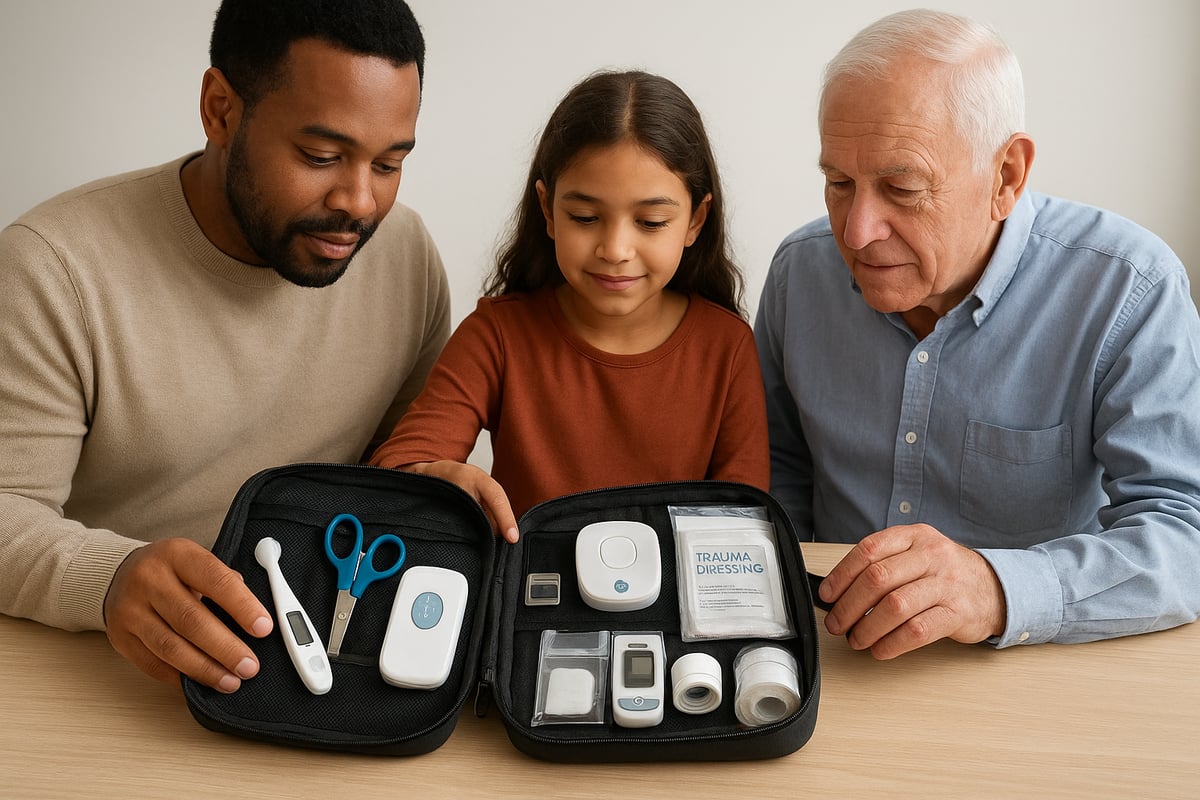
Health kits in 2026 go far beyond the basics. Today’s kits are designed to manage trauma, control infection, and support chronic conditions, making them indispensable in a wide range of scenarios. The impact of recent global emergencies, such as pandemics and natural disasters, has driven innovation in health kits, pushing manufacturers to incorporate more robust solutions.
One major transformation is the integration of digital health tools. Many modern health kits now include Bluetooth-enabled devices like pulse oximeters and digital thermometers, facilitating real-time health monitoring and remote consultation. With healthcare systems facing strain and extended response times, self-sufficiency is more important than ever.
Regulatory bodies, including the World Health Organization and the CDC, have updated guidelines to ensure that health kits meet new standards for quality and readiness. For instance, the WHO’s Emergency Health Kits and HealthFirst’s STAT KIT® series exemplify comprehensive solutions designed for rapid deployment during crises.
The growing adoption of advanced health kits is evident in both households and workplaces. According to Deloitte's 2026 global health care outlook, the demand for sophisticated, well-equipped health kits is expected to continue rising as organizations and individuals prioritize preparedness, digital integration, and regulatory compliance.
Who Needs a Health Kit in 2026?
The necessity of health kits has expanded well beyond medical professionals. In 2026, households, workplaces, schools, public venues, travelers, and outdoor enthusiasts all rely on health kits to address emergencies quickly and effectively. Special populations, such as the elderly, individuals with chronic illnesses, children, and those living in remote areas, have unique needs that modern health kits now address.
Consider the following table summarizing who benefits most from health kits:
| Group | Key Needs Addressed |
|---|---|
| Households | First aid, chronic care, infection control |
| Workplaces | Trauma response, compliance, staff safety |
| Schools | Pediatric care, allergy management |
| Travelers/Outdoor Users | Portable, modular, environmental risks |
| Elderly/Chronic Illness | Medication management, monitoring devices |
Real-world emergencies highlight the importance of being prepared. There are numerous documented cases where timely access to health kits has saved lives, reduced complications, and minimized downtime during crises. In today’s world, health kits are no longer optional. They have become a core element of modern preparedness, ensuring everyone has the tools and resources to respond to unexpected health challenges.
Core Components of a Modern Health Kit
Today's health kits are engineered to address a wider range of emergencies and medical needs than ever before. With evolving threats and diverse user requirements, assembling a truly effective kit requires careful selection of both traditional and cutting-edge supplies. Whether for home, work, or travel, understanding the core components of modern health kits is the first step toward comprehensive preparedness.
Essential Medical Supplies
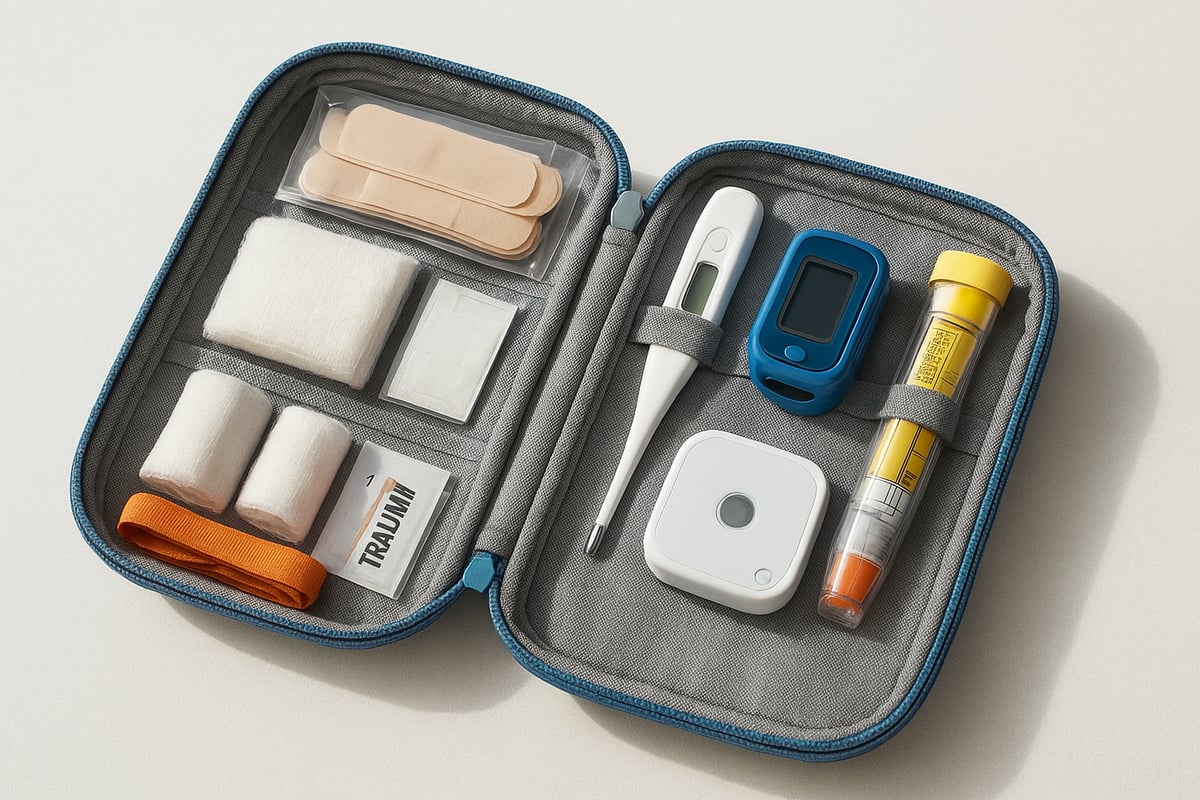
Every effective health kit starts with foundational items that address common injuries and emergencies. These core supplies allow users to respond quickly to cuts, scrapes, burns, and minor trauma while maintaining infection control.
Key essentials include:
- Bandages and gauze pads for wound dressing
- Antiseptic wipes and solutions to clean injuries
- Adhesive tape for securing dressings
- Sterile gloves and masks for infection prevention
- Pain relievers and basic medications
- Burn dressings and hydrogel pads
- CPR masks and pocket resuscitators
Trauma care is a growing focus. Modern health kits often feature tourniquets, hemostatic agents, and pressure dressings, enabling immediate action for severe bleeding. Infection control has also become critical, with gloves, masks, hand sanitizers, and disinfectants now standard. For a detailed breakdown of what to include, see basic first aid box contents.
By ensuring these elements are present, health kits provide a dependable response for the most frequent emergencies.
Advanced Equipment for 2026
As technology advances, so do the expectations for health kits. Many now incorporate medical devices once found only in clinics, empowering lay responders and professionals alike.
Modern kits may include:
- Automated External Defibrillators (AEDs) for cardiac emergencies
- Emergency oxygen supplies for respiratory distress
- Digital thermometers and pulse oximeters for vital sign monitoring
- Bluetooth-enabled health monitors that sync with smartphones
- Secure medication storage with digital expiry tracking
Integration with smart devices is a significant trend. Systems like HealthFirst’s OnTraq not only manage inventory but also send alerts for expiring supplies. This digital integration ensures health kits remain ready and compliant, reducing the risk of expired or missing items.
Compact monitors, app-based recordkeeping, and telehealth readiness are all features that set advanced health kits apart in 2026. These tools reinforce self-sufficiency and support timely medical decisions during emergencies.
Specialized Additions
To truly address the needs of all users, health kits in 2026 go beyond the basics. Specialized additions cater to chronic illnesses, age-specific requirements, and mental health support.
Consider including:
- Glucose meters and insulin supplies for diabetes management
- EpiPens and asthma inhalers for allergy and respiratory emergencies
- Pediatric dosing tools and child-friendly medications
- Geriatric care items, such as pill organizers and mobility aids
- Calming aids and emergency contact cards for mental health crises
- Multilingual instructions and pictogram labels for accessibility
These specialized supplies ensure health kits are adaptable for families, workplaces, and anyone with unique health profiles. By tailoring your kit, you maximize its value and effectiveness in any scenario.
Modern health kits are not just a collection of supplies, but a personalized readiness solution. Regularly review and update your kit to keep pace with new risks and innovations.
Building Your Own Health Kit: Step-by-Step Guide
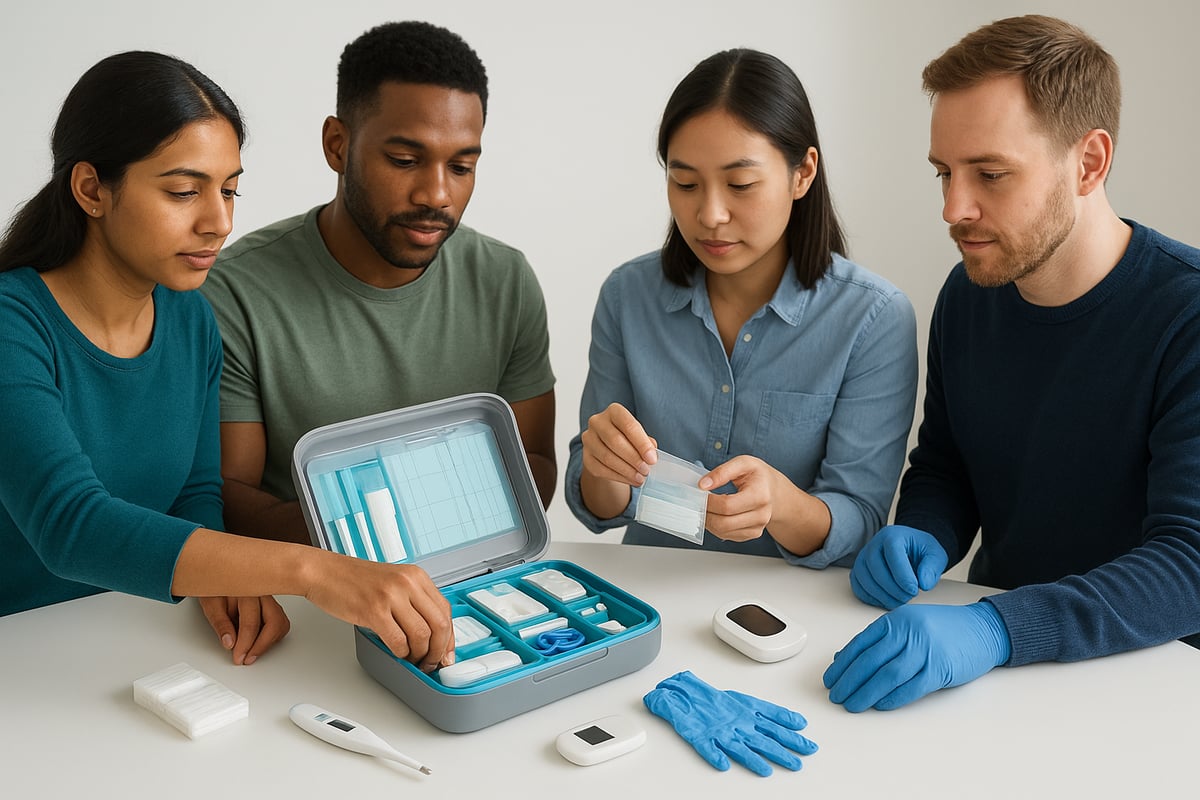
Creating effective health kits in 2026 requires careful planning and regular attention. Whether you are preparing for home, workplace, or travel use, following a step-by-step process ensures your kit meets current standards and your unique needs. Let us break down each phase for clarity and confidence.
Step 1: Assess Your Risks and Needs
Start by evaluating your specific environment and personal circumstances. Consider the number of people in your household, workplace, or group. Think about location, such as urban or remote settings, and note common hazards like natural disasters or workplace injuries.
Identify any special health considerations. Are there children, elderly, or individuals with chronic conditions or allergies? Pets may also require tailored supplies. Review local emergency response times and healthcare access to determine how self-sufficient your health kits must be.
List potential scenarios, from minor injuries to severe emergencies. This risk assessment forms the foundation for building health kits that are truly relevant and comprehensive.
Step 2: Select the Right Supplies
With your risks outlined, begin selecting the supplies your health kits will need. Use reputable checklists from organizations like WHO or CDC to ensure you cover essentials. Prioritize quality—choose medical-grade items, and always check expiration dates for medications and sterile products.
Decide whether to build your own kit or purchase a pre-assembled one. Custom assembly lets you tailor contents to your needs, while commercial kits like the STAT KIT® series offer convenience and reliability. For a deeper look at the pros and cons of each approach, see Building your own first aid kit.
Compare options in a table to visualize what best fits your situation:
| Item Type | Custom Kit | Pre-assembled Kit |
|---|---|---|
| Personalization | High | Moderate |
| Cost | Variable | Fixed |
| Convenience | Moderate | High |
Choose supplies that make your health kits adaptable and up to date.
Step 3: Organize and Store Your Kit
Proper organization is key to making health kits accessible and effective. Use sturdy, clearly labeled containers for storage. Transparent or color-coded compartments help users quickly locate what they need in an emergency.
Arrange supplies by category, such as trauma care, medications, and tools. Place the most critical items on top or in easy-to-reach pockets. Keep instructions and emergency contacts visible inside the kit.
Store health kits in a location that is easy to access for all users, including those with disabilities. Avoid damp or hot areas that might degrade supplies. This step ensures your health kits are always ready when needed.
Step 4: Maintain and Update Regularly
Health kits require ongoing attention to remain effective. Set calendar reminders to check expiration dates and restock depleted items. Rotate medications and replace batteries in digital devices on a regular schedule.
Leverage digital tools to streamline this process. Some modern kits feature automatic tracking systems and dashboards, providing alerts for upcoming expirations or low inventory. This technology makes maintaining health kits less burdensome and more reliable.
Document all updates and keep a checklist inside the kit. Regular maintenance prevents unpleasant surprises during an emergency and supports long-term preparedness.
Step 5: Train and Educate All Users
Even the best health kits are only as effective as the people using them. Provide first aid and kit usage training to all household members or staff. Use online courses, community workshops, or professional trainers to ensure everyone is confident in emergency response.
Schedule regular drills to practice using health kits in realistic scenarios. Encourage feedback and update procedures based on lessons learned. Make sure training materials are accessible, with multilingual instructions if necessary.
Empowering every user with knowledge and practice maximizes the value of health kits. In 2026, this proactive approach transforms simple supplies into lifesaving resources, elevating preparedness for any situation.
Innovations and Trends in Health Kits for 2026
Staying ahead of emerging risks means understanding the latest innovations in health kits. In 2026, the evolution of health kits is driven by technology, sustainability, and personalization. These trends are reshaping how individuals and organizations approach health preparedness.
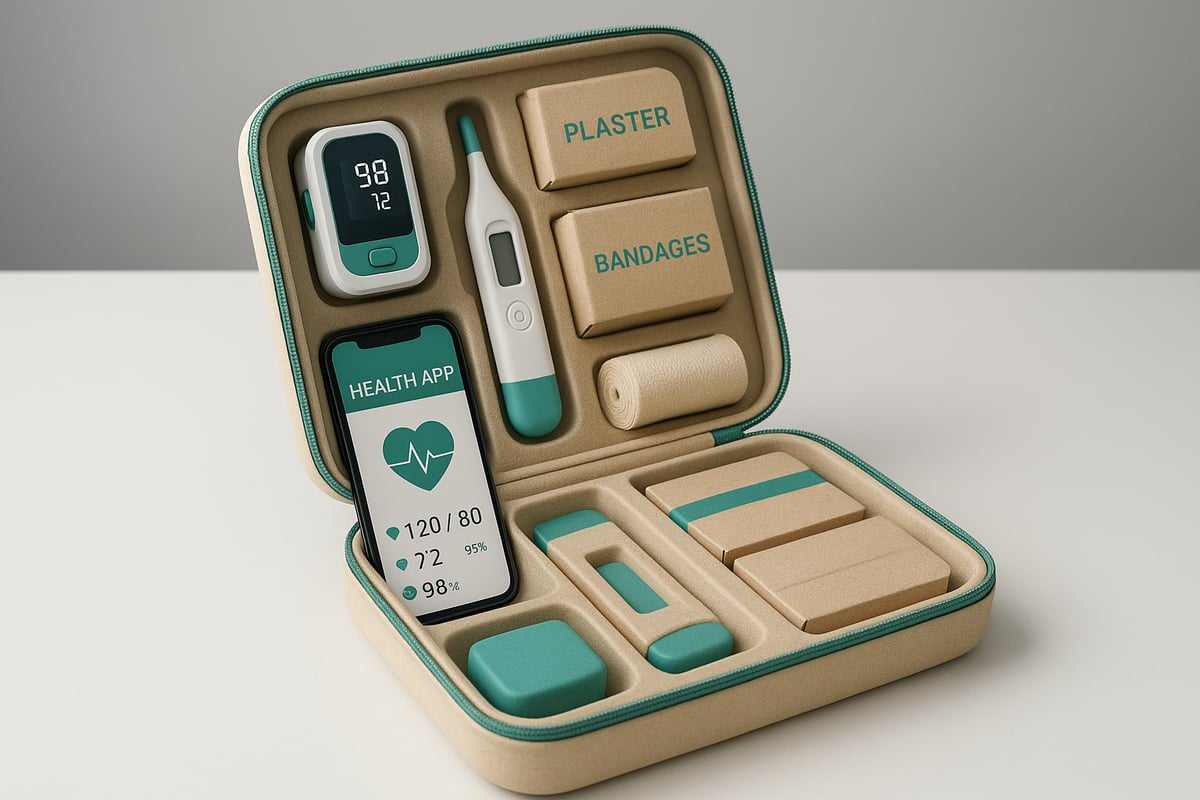
Smart Health Kits and Digital Integration
Digital transformation is revolutionizing health kits. Modern kits now integrate with mobile apps, allowing users to manage inventory, receive emergency alerts, and track usage in real time. This makes it easier than ever to ensure supplies are up to date and accessible.
Bluetooth-enabled diagnostic tools are becoming standard. Devices like digital thermometers, pulse oximeters, and ECG monitors can sync with smartphones, providing instant health data. Many health kits now offer telehealth compatibility, enabling remote consultations during emergencies.
A summary of key digital features in 2026 health kits:
| Feature | Benefit |
|---|---|
| App integration | Real-time inventory tracking |
| Bluetooth devices | Instant health monitoring |
| Telehealth-ready | Remote emergency guidance |
As digital health continues to expand, global digital health market projections suggest that these integrated solutions will become a standard expectation for health kits worldwide.
AI and Automation in Kit Management
Artificial intelligence is playing a significant role in the way health kits are managed. Automated notifications alert users when items are approaching expiration or need replenishment, reducing human error and ensuring constant readiness.
AI-driven platforms can analyze user profiles, local risks, and historical usage to recommend personalized kit contents. This ensures that health kits are tailored to the unique needs of each household or organization.
Key AI-driven features include:
- Automated expiry and stock alerts
- Customization suggestions based on user data
- Integration with digital dashboards for easy management
The adoption of automated systems is helping organizations maintain compliance and improve emergency response, making health kits more reliable than ever.
Sustainability and Eco-Friendly Packaging
Environmental responsibility is now a core consideration in the design of health kits. Manufacturers are increasingly using biodegradable materials, recyclable packaging, and refillable containers to reduce waste.
Leading brands are also offering bulk refill packs, allowing users to restock essential items without discarding entire kits. This not only supports sustainability but also lowers long-term costs.
Common eco-friendly practices in health kits:
- Compostable bandage wrappers
- Reusable containers and modular inserts
- Minimalist, recyclable outer packaging
As demand for greener solutions rises, eco-friendly health kits are becoming the preferred choice for both individuals and organizations.
Personalization and Modular Design
Personalization is taking center stage in the health kits market. Kits are now available in modular formats, allowing users to customize contents based on specific activities or health profiles. For instance, a traveler might add modules for altitude sickness and water purification, while a family with young children can include pediatric care items.
Modular health kits simplify organization and make it easy to adapt to changing needs. Popular modular add-ons include:
- Trauma care modules
- Pediatric and geriatric support packs
- Pet emergency supplies
This trend empowers users to build health kits that reflect their unique lifestyles, ensuring preparedness in any situation.
Health Kits for Organizations: Compliance and Readiness
In 2026, organizations face increased responsibility to ensure their teams and communities are protected with reliable health kits. Not only do these kits serve as the backbone of workplace safety, but they are also integral to regulatory compliance and operational readiness. As standards evolve, both public and private organizations must adapt their approach to health kits, blending best practices with modern tools to maximize safety and efficiency.
Regulatory and Industry Requirements
Organizations must comply with a complex network of health and safety regulations governing health kits. Agencies such as OSHA mandate minimum supply standards and accessibility in workplaces, while local laws may require specific items or training certifications. Healthcare facilities face additional oversight, including strict medication management and emergency protocols.
Adhering to up-to-date WHO guidelines on infection prevention and control is increasingly common, especially for organizations operating globally. These standards help ensure that health kits are equipped to manage both routine injuries and large-scale health threats.
Key compliance actions include:
- Regularly reviewing legal requirements for kit content and maintenance
- Ensuring all supplies are within expiration dates and properly labeled
- Documenting inspections and training for accountability
By following these guidelines, organizations can reduce liability and foster a culture of preparedness.
Inventory Management and Auto-Replenishment
Managing health kits at scale demands robust systems to track inventory, monitor expiration dates, and automate restocking. Manual checks are prone to error, so many organizations now use digital dashboards and smart inventory solutions. Automated platforms can send alerts for low stock or expiring items, ensuring kits remain fully operational at all times.
Benefits of automated inventory management include:
- Timely replenishment, preventing stockouts
- Accurate tracking across multiple locations
- Streamlined compliance reporting
For organizations with high-risk environments, integrating specialized trauma kit essentials and options can further enhance readiness. With these systems in place, organizations can focus on other safety priorities, confident that their health kits are always up to standard.
Training and Emergency Response Integration
Having well-stocked health kits is only effective if staff know how to use them. Organizations are increasingly required to provide training on kit usage, first aid, and emergency protocols. This training is often mandated by regulatory bodies and must be documented for compliance purposes.
Best practices for training include:
- Offering regular first aid and CPR certification courses
- Conducting scenario-based drills to reinforce practical skills
- Posting clear instructions and emergency contacts near kits
Integrating health kit usage into broader emergency response plans ensures that every team member is prepared to act quickly and effectively when needed.
Case Studies and Best Practices
Real-world examples highlight the impact of comprehensive health kit management. In schools, the adoption of digital inventory systems has led to faster response times and improved safety outcomes. Offices using automated restocking have reported fewer compliance issues and higher staff confidence.
Clinics that standardize health kits according to international guidelines have seen measurable reductions in downtime during emergencies. These best practices underscore the essential role of health kits in organizational resilience.
By learning from these cases, organizations can refine their own strategies, ensuring that health kits remain a cornerstone of workplace safety and emergency readiness.
Practical Tips for Health Kit Readiness in 2026
Staying prepared with health kits is no longer just a precaution, it is an essential part of daily life in 2026. Having the right supplies is only the beginning. To ensure your health kits are always ready to serve their purpose, you need to apply consistent, practical strategies that address evolving risks, accessibility, and the latest technological advancements. Here is how you can keep your health kits effective and up to date for any emergency.
Regular Reviews and Drills
To maintain the effectiveness of health kits, schedule regular inspections and practice drills. For organizations, monthly reviews are ideal, while households should aim for quarterly checks. Use a checklist to verify that all supplies are present, undamaged, and within expiration dates. Include essential items like bandages, medications, and digital tools.
Conduct mock emergencies to ensure everyone knows how to use the contents of your health kits. These drills help identify any gaps or outdated items. For more detailed guidance on what to check and how to prepare, explore Prepper first aid kit recommendations to enhance your routine. Keeping health kits ready through regular practice not only increases confidence but also saves valuable time during real emergencies.
Adapting to Changing Risks
The landscape of health risks is constantly shifting, which means your health kits must evolve as well. Update your kits in response to new threats, such as emerging diseases, changing local hazards, or shifts in household or staff composition. Pay attention to public health advisories and local news for relevant updates.
Whenever someone in your home or organization develops a new allergy, medical condition, or requires special care, review and adapt the kit accordingly. Replace or add supplies as needed, including medications, protective equipment, or specialized tools. By staying proactive, you ensure your health kits remain relevant and fully equipped to handle whatever comes your way.
Accessibility and Communication
Accessibility is a crucial aspect of effective health kits. Place your kits in clearly visible and easily reachable locations for everyone, including individuals with disabilities. Label each kit with large, readable text and include pictogram labels to support users who may not speak the primary language.
Post clear instructions and emergency contact information near every kit. For diverse environments, provide multilingual resources to ensure all users can understand how to access and use the contents. Good communication and thoughtful placement help make sure your health kits are truly ready to serve everyone in a crisis.
Community Engagement and Shared Preparedness
Preparedness is more powerful when shared. Encourage your neighbors, coworkers, and community groups to develop and maintain their own health kits. Organize training events, resource-sharing sessions, and group drills to build a culture of readiness.
Pooling resources and knowledge can uncover new ideas and fill gaps that might be missed individually. Sharing best practices helps everyone benefit from collective experience. By supporting community engagement, you multiply the impact of your own health kits and foster resilience across your network.
Leveraging Technology
Modern health kits benefit greatly from digital tools. Use inventory management apps and dashboards to track supplies, expiration dates, and upcoming maintenance. Many platforms offer automatic reminders for replenishing items and can be integrated with emergency alert systems.
Consider subscribing to automatic replenishment services for critical supplies, reducing the risk of running out. For organizations, digital platforms can assist in compliance and readiness at scale. For more on integrating digital systems into your preparedness, consider reviewing resources like WHO's Digital Adaptation Kit for Family Planning, which highlights operational requirements for digital health solutions. Leveraging technology ensures your health kits are always ready, up to date, and tailored to your needs.
According to WHO, rapid access to well-stocked emergency kits can reduce morbidity and mortality in crisis situations by up to 50 percent. By following these practical tips, you are not just maintaining your health kits, you are investing in safety and peace of mind for yourself and those around you.

