
9 Essential Basic First Aid Box Items Everyone Needs in 2026
Imagine you or a loved one facing a sudden injury at home or while hiking in 2026. Would you know exactly what to do, and would you have the right supplies on hand?
Recent studies show that household accidents and outdoor emergencies are on the rise, making first aid preparedness more important than ever. A well-equipped basic first aid box can turn a chaotic moment into a manageable situation.
This article will guide you through the 9 essential items every basic first aid box must include for effective emergency response in 2026. You will discover why these items matter, how they address new health and safety challenges, and practical tips for choosing the best supplies. Stay prepared, stay confident—let’s get started.
Why a Well-Stocked First Aid Box Is Vital in 2026
The world in 2026 brings a new level of urgency when it comes to accident and emergency preparedness. Household incidents, outdoor injuries, and workplace mishaps are on the rise. According to the CDC, accidental injuries remain one of the leading causes of death in the United States, with recent accident mortality statistics by state underlining the need for immediate action at home and on the go. Keeping a basic first aid box within reach is now more important than ever.
Modern lifestyles have evolved, with more people working remotely and spending increased time outdoors. This shift has led to a wider range of potential injuries, from kitchen burns to hiking sprains. At the same time, 2026 brings new health threats, including emerging infectious diseases and climate-related hazards like heatstroke or severe allergic reactions. A well-chosen basic first aid box is crucial to address these evolving risks quickly.
The benefits of having a basic first aid box are immediate and measurable. Quick access to first aid supplies can reduce the severity of injuries, speed up recovery, and sometimes even save lives before professional help arrives. Imagine a child falling off a bike or a family member cutting themselves while preparing dinner—having the right supplies on hand can make all the difference in those critical first moments.
Consider these core advantages of a well-stocked kit:
| Benefit | Description |
|---|---|
| Faster Response | Immediate care minimizes complications |
| Infection Prevention | Proper cleaning and dressing prevent escalation |
| Versatility | Handles a wide range of emergencies |
| Confidence | Peace of mind for families and individuals |
Many believe that access to advanced medical care means a basic first aid box is unnecessary. In reality, even with modern hospitals nearby, delays in treatment can worsen outcomes. Experts, including the Red Cross and Mayo Clinic, recommend that every home, vehicle, and travel bag include a kit tailored to common emergencies. This simple step empowers you to act effectively when it matters most.
A basic first aid box is not just a collection of supplies—it is an essential safeguard that brings peace of mind and readiness to every environment.
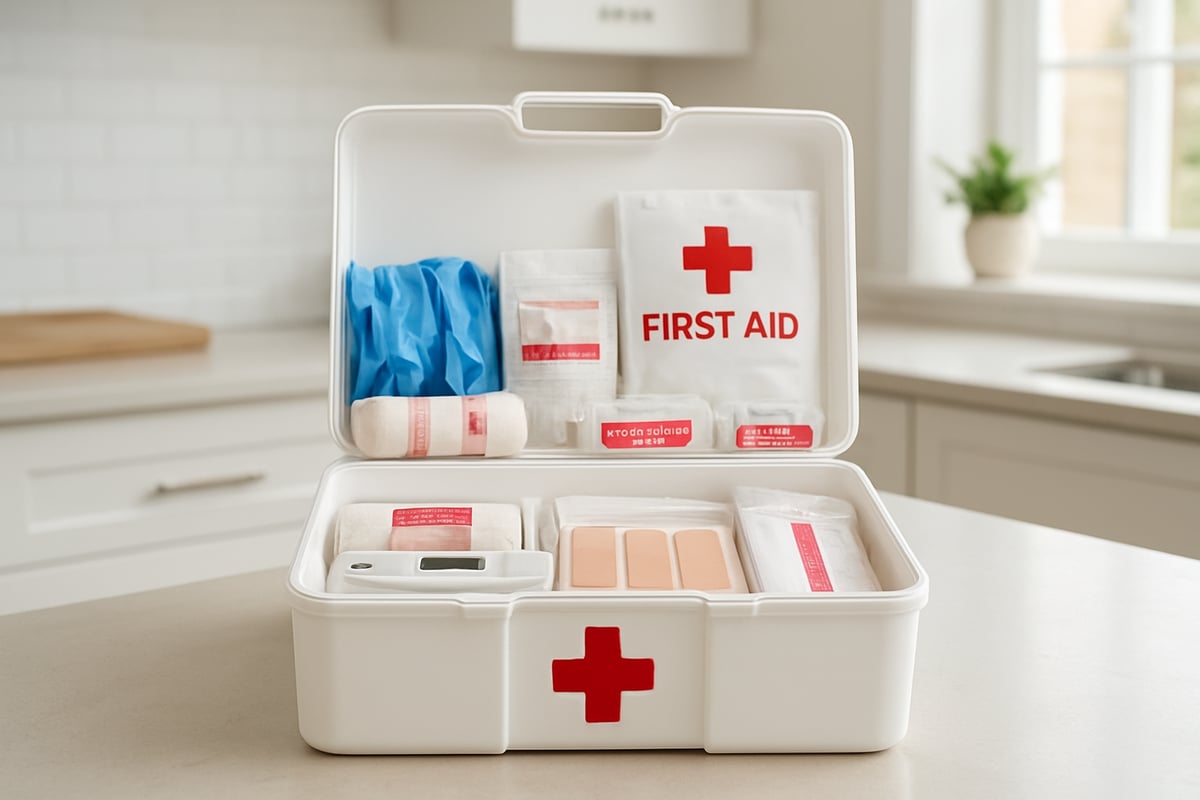
9 Essential Basic First Aid Box Items Everyone Needs in 2026
Choosing the right supplies for your basic first aid box in 2026 means more than grabbing random bandages and ointments. As health risks evolve and emergencies become less predictable, having the correct essentials on hand can make a critical difference. What sets an “essential” item apart today? It’s a mix of versatility, proven effectiveness, and adaptability to new medical guidelines and risks.
When assembling your basic first aid box, prioritize high-quality, up-to-date supplies. Outdated products can fail when you need them most, so regular checks are vital. Below, we detail the nine must-have items for any basic first aid box in 2026, each chosen for their ability to address both common injuries and emerging threats.
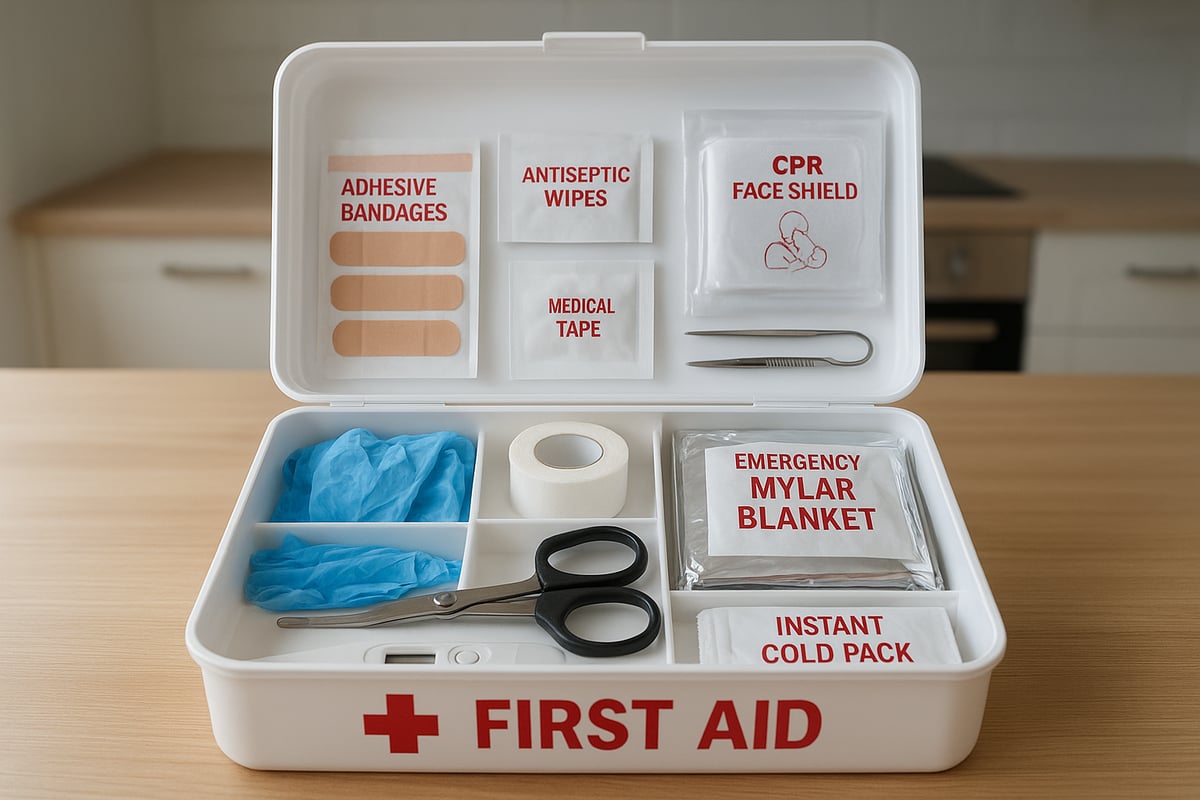
1. Adhesive Bandages (Assorted Sizes)
Adhesive bandages are the backbone of any basic first aid box. Their main role is to protect minor cuts, scrapes, and blisters from infection and further injury. In 2026, the importance of having a range of sizes cannot be overstated, as wounds come in all shapes and locations.
- Include various shapes and sizes for fingers, knees, and large or small cuts.
- Opt for latex-free varieties to avoid allergic reactions, especially in children.
- Choose durable, waterproof options for active lifestyles or outdoor activities.
- Bandages with quick-adhesion features make application easier in emergencies.
For example, a kitchen knife slip or a playground tumble can both be quickly addressed with the right adhesive bandage from your basic first aid box. Having an assortment ensures you’re prepared for both tiny nicks and larger scrapes. Always store bandages in their original packaging to maintain sterility and effectiveness.
2. Antiseptic Wipes and Solutions
Infection control is paramount when treating wounds, making antiseptic wipes and solutions a must for every basic first aid box. These products clean injuries and help prevent bacteria and viruses from taking hold.
- Alcohol-based wipes offer strong disinfection but can sting sensitive skin.
- Non-alcohol options are ideal for young children or those with sensitivities.
- Single-use packets promote hygiene and prevent cross-contamination.
- In 2026, look for wipes effective against new and resistant pathogens.
Before applying a bandage, clean the wound thoroughly with an antiseptic wipe from your basic first aid box. Quick, proper cleaning reduces infection risks, especially with emerging infectious diseases. Store these wipes in a sealed pouch to keep them moist and effective.
3. Sterile Gauze Pads and Medical Tape
For wounds that need more than a bandage, sterile gauze pads and medical tape are indispensable. Gauze pads absorb blood and exudate while protecting the wound, and medical tape secures everything in place.
- Use non-stick, individually wrapped sterile gauze for safety and convenience.
- Medical tape should be strong yet gentle, offering flexible coverage.
- These supplies are essential for managing moderate bleeding or larger abrasions.
- Always layer gauze pads for extra absorption and secure with tape.
Outdoor sports injuries or workplace accidents often require more support than a simple bandage. In such cases, your basic first aid box should have both gauze and tape at the ready. For expert tips on selecting and using different tape types, see the First Aid Bandage Tape Guide.
4. Disposable Gloves
Whenever you open your basic first aid box to treat someone, disposable gloves are crucial for safety. They protect both the caregiver and patient from bloodborne pathogens and cross-contamination.
- Nitrile gloves are the preferred choice for durability and allergy safety.
- Latex gloves offer flexibility but can cause allergic reactions.
- Always use single-use gloves and dispose of them properly after care.
- Essential during infectious outbreaks or when dealing with bodily fluids.
Proper glove removal is just as important as wearing them. Avoid touching the outside of the gloves with bare skin, and always wash hands after use. Including gloves in your basic first aid box ensures a hygienic response to any emergency.
5. Digital Thermometer
A digital thermometer is a non-negotiable tool in your basic first aid box. Monitoring body temperature can reveal early signs of infection or illness, especially during flu seasons or pandemics.
- Digital thermometers provide accurate, quick readings.
- Infrared models allow for no-contact measurements, reducing germ spread.
- Safer than mercury thermometers, which can be hazardous if broken.
- Essential for families with children, elderly, or immunocompromised members.
For example, detecting a sudden fever in a child can prompt timely medical care and prevent complications. Keep the thermometer clean and store extra batteries in your basic first aid box for reliability.
6. CPR Face Shield or Mask
Emergencies involving unconscious individuals or cardiac arrest require immediate action. A CPR face shield or mask is a compact, lifesaving addition to your basic first aid box.
- Shields feature a one-way valve to prevent disease transmission during rescue breaths.
- Compact designs fit easily in pockets or small kits.
- Essential for families, workplaces, and schools.
- Enables safer assistance in choking or cardiac emergencies.
If someone collapses and stops breathing, a CPR face shield from your basic first aid box allows you to provide rescue breaths safely. Training in CPR is also recommended to maximize the effectiveness of this item.
7. Tweezers and Trauma Shears
Tweezers and trauma shears are versatile tools in any basic first aid box. They help remove splinters, ticks, or debris and can quickly cut clothing or bandages during emergencies.
- Stainless steel construction allows for easy sterilization and durability.
- Rounded tip tweezers prevent accidental injury.
- Trauma shears are designed to cut through tough fabric or seatbelts.
- Compact and easy to handle in stressful situations.
For instance, on a hiking trip, a splinter or insect bite can be managed immediately with tweezers, while trauma shears can help access a wound fast. Always clean these tools before and after use to maintain hygiene in your basic first aid box.
8. Emergency Mylar Blanket
An emergency mylar blanket is a lightweight, space-saving essential for your basic first aid box. It helps manage body temperature, which is critical in cases of shock or hypothermia.
- Reflects up to 90% of body heat to prevent heat loss.
- Waterproof and windproof, suitable for various environments.
- Doubles as a makeshift shelter, signaling device, or ground cover.
- Fits into any compact kit, making it ideal for travel and outdoor use.
If you experience a car breakdown in cold weather or a hiking mishap, wrapping up in a mylar blanket from your basic first aid box can significantly improve survival rates by maintaining warmth until help arrives.
9. Instant Cold Pack
Instant cold packs are vital for managing swelling, bruising, and pain from acute injuries. Every basic first aid box should include at least one, as they require no refrigeration and activate with a simple squeeze.
- Reduces inflammation from sprains, strains, or impacts.
- Safe for adults and children.
- Compact packaging for easy storage and transport.
- Essential for sports activities, travel, and home use.
After a fall or sports injury, applying an instant cold pack from your basic first aid box can minimize swelling and speed up recovery. Store cold packs in a cool, dry place to preserve their effectiveness.
How to Customize Your First Aid Box for Your Needs
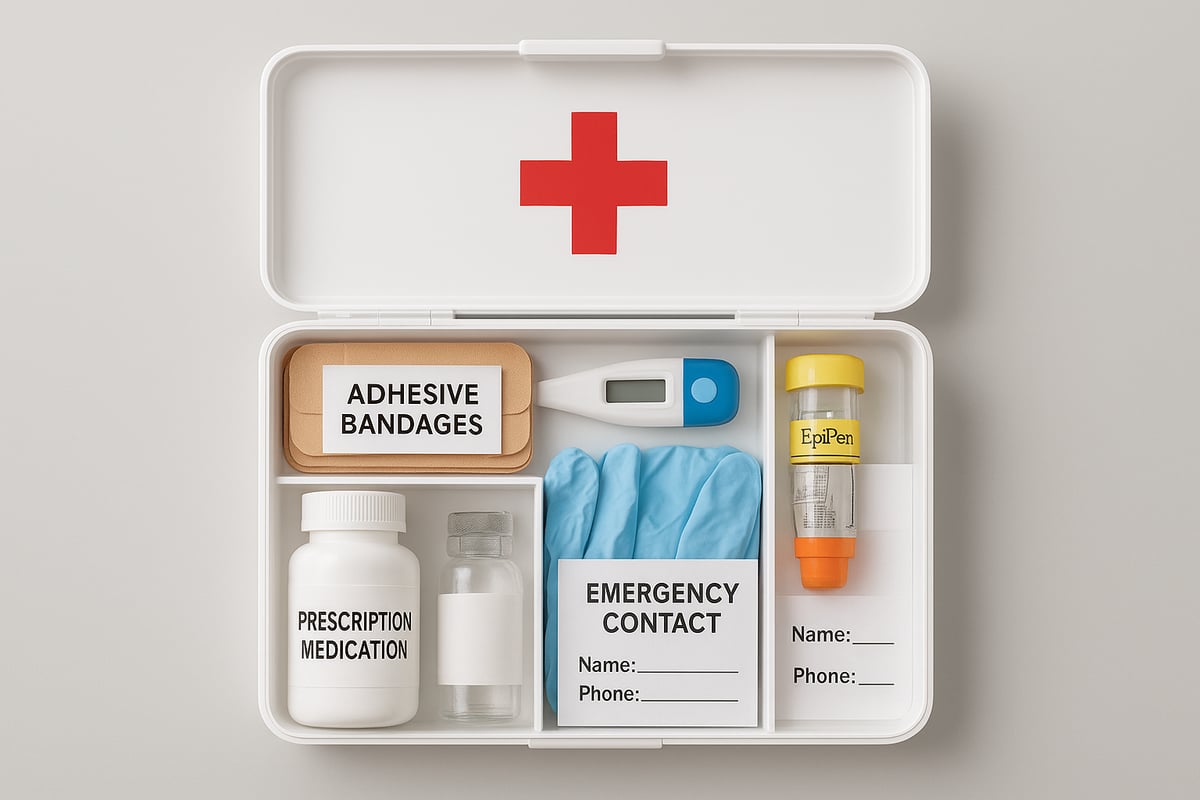
Every household and individual faces unique health scenarios, so customizing your basic first aid box is essential for true preparedness. Start by assessing the specific needs of your family or group. Consider factors such as allergies, chronic illnesses, and the presence of children or elderly members. If someone in your home has severe allergies, for example, your basic first aid box should include antihistamines or an epinephrine auto-injector. For families with kids, extra adhesive bandages and child-safe medications are smart additions.
Think about your lifestyle and activities. If you travel often, hike, or play sports, adapt your basic first aid box with items tailored to those environments. Pack blister pads, insect bite treatments, or compact emergency blankets for outdoor adventures. For the workplace or vehicle, include burn ointments and trauma shears. A well-rounded kit ensures you can address injuries and illnesses wherever life takes you. For inspiration and practical assembly steps, check out this How to Build a Family First Aid Kit guide.
Medications are another critical aspect of your basic first aid box. Besides standard pain relievers and antiseptic wipes, it is wise to include personal prescriptions, inhalers, or glucose tablets if needed. Store medications in original packaging, and label them clearly to avoid confusion. Remember to review expiration dates regularly and replace items as needed. This attention to detail can make all the difference during an emergency, especially when seconds count.
Documentation is just as important as physical supplies in your basic first aid box. Include a list of emergency contacts, allergies, and any critical medical information for all household members. Tuck a basic first aid manual or printed instructions inside, so anyone can confidently use the kit in a crisis. Make a habit of checking your kit every few months, removing expired products, and restocking essentials. For more on this, refer to the First Aid Kit Expiration Guidelines.
Let us consider a real-world example: A family with a child who has asthma should always include a spare inhaler and a written asthma action plan in their basic first aid box. Households with severe allergies might keep extra antihistamines and an EpiPen. Customization is not just about adding more items, but about choosing supplies that reflect your specific risks and routines. Following expert recommendations, such as those from the Red Cross or Mayo Clinic, will help you build a kit that is both practical and comprehensive.
Expert Tips for First Aid Box Maintenance and Usage
A well-maintained basic first aid box is your first line of defense in an emergency. Without regular attention, even the best-stocked kit can fall short when you need it most. Imagine reaching for a bandage only to find the adhesive has dried out or searching for gloves that are no longer intact. Staying proactive with your kit is essential for effective response.
Routine Maintenance Matters
Consistency is key. Set a reminder every three to six months to inspect your basic first aid box. During each check, look for expired medications, damaged packaging, or missing supplies. Replace anything that is outdated or compromised to maintain your kit's reliability.
Here is a simple checklist for routine inspections:
- Review expiration dates on medications and ointments
- Check that all sterile items remain sealed and intact
- Ensure digital devices, like thermometers, have working batteries
- Confirm that gloves and bandages are not brittle or discolored
For a comprehensive list of what to include and how to maintain your kit, consult the First Aid Kit Essentials resource from Mayo Clinic.
Smart Storage and Accessibility
The location of your basic first aid box can make all the difference during an emergency. Store your kit in a visible, easily accessible area known to all household members. Avoid places with extreme temperatures or humidity, which can degrade supplies.
If you have multiple floors or a large household, consider having additional kits strategically placed. For families who travel or participate in outdoor activities, a portable version is invaluable.
Educate and Prepare Your Household
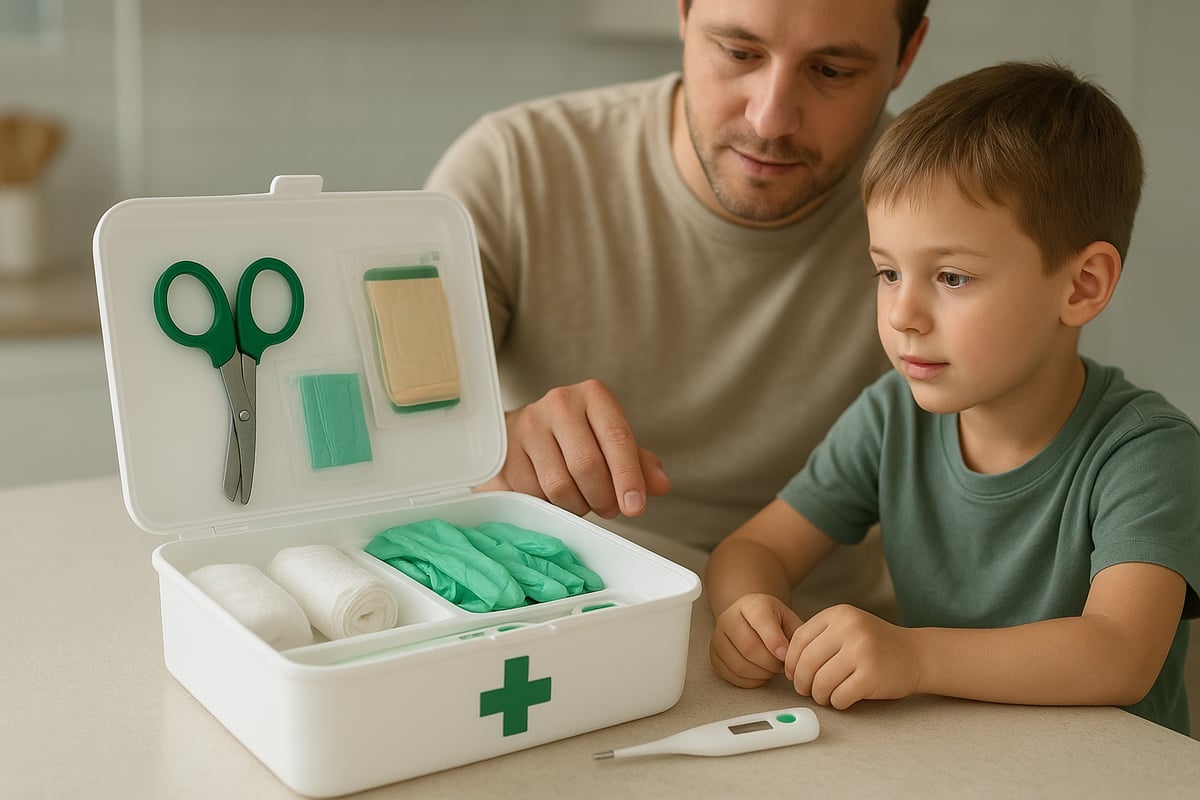
A basic first aid box is only as effective as the people using it. Take time to familiarize everyone in your home or workplace with the contents and proper use of each item. Keep a first aid manual or quick-reference guide inside the box for instant support during high-stress situations.
Practice emergency scenarios, such as treating a minor cut or responding to a sprain, to build confidence. Encourage older children and coworkers to participate, so everyone is ready to act when needed.
Safe Disposal and Real-Life Example
Proper disposal of expired or contaminated supplies is crucial. Do not throw medications or sharps in regular trash. Use designated disposal bins or consult your local pharmacy for guidance. Safe disposal keeps your basic first aid box sanitary and ready for action.
Consider this: A family recently experienced a kitchen accident. Thanks to routine checks, their kit was stocked with fresh gloves, bandages, and antiseptic wipes. The immediate response prevented infection and minimized downtime, underscoring the value of regular maintenance.
By treating your basic first aid box as a dynamic resource, you ensure peace of mind and readiness for any situation.

