Contents of IFAK: Essential Components for 2026
An Individual First Aid Kit, commonly known as an IFAK, serves as a cornerstone of emergency preparedness for military personnel, law enforcement officers, first responders, and increasingly, prepared civilians. Understanding the contents of IFAK kits enables individuals to respond effectively during critical moments when professional medical help may be minutes or hours away. The standardized composition of these kits has evolved through decades of combat experience and emergency medical research, focusing on treating life-threatening injuries that can be addressed by trained individuals before advanced medical care arrives. Whether you're assembling your first kit or upgrading an existing one, knowing what belongs inside and why each component matters can make the difference between life and death.
Quick answer: An IFAK (Individual First Aid Kit) is a compact trauma kit built to treat one person's life-threatening injuries, organized around the M.A.R.C.H. priorities (Massive hemorrhage, Airway, Respiration, Circulation, Hypothermia). Core contents are a tourniquet, hemostatic gauze, a pressure dressing, compressed gauze, a nasopharyngeal airway, a chest seal, medical tape, nitrile gloves, trauma shears, a marker, and an emergency blanket, with advanced items like a decompression needle reserved for trained providers. Keep it organized for fast, one-handed access, carry it where injuries could happen, and train with it. Full component breakdown below. Educational only — get trained.
The Foundation of IFAK Contents
The contents of IFAK systems are specifically designed to address traumatic injuries that pose immediate threats to life. Unlike general first aid kits that include band-aids and antiseptic wipes, individual first aid kits concentrate on stopping massive bleeding, maintaining airways, treating tension pneumothorax, and preventing shock.
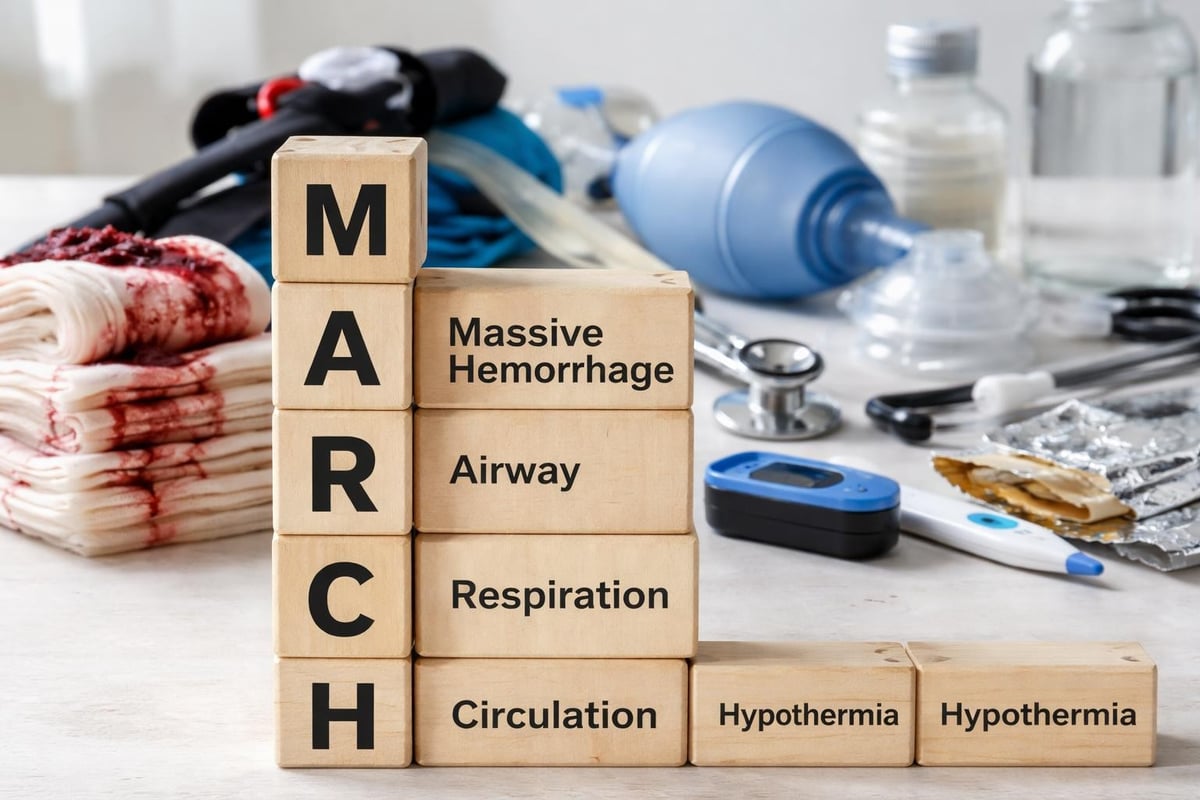
Modern IFAK design follows the M.A.R.C.H. algorithm, a systematic approach to trauma care that prioritizes interventions based on their life-saving potential. This methodology ensures that the most critical threats are addressed first, maximizing survival chances in high-stress situations.
Understanding the M.A.R.C.H. Protocol
The M.A.R.C.H. algorithm guides both the contents of IFAK assemblies and their proper application:
- Massive hemorrhage control comes first
- Airway management ensures breathing capability
- Respiration addresses breathing complications
- Circulation and shock prevention maintain blood flow
- Hypothermia prevention protects core temperature
According to official military standards, this structured approach has been validated through international research and battlefield experience. Each component within an IFAK directly supports one or more steps of this protocol.
Hemorrhage Control Components
Massive bleeding represents the leading cause of preventable death in trauma situations. The contents of IFAK kits therefore prioritize multiple hemorrhage control tools to address both extremity and junctional bleeding.
Tourniquets
A quality tourniquet stands as the single most important item in any IFAK. The Combat Application Tourniquet (CAT) and SOF Tactical Tourniquet (SOFTT) represent the current standards, both proven effective through extensive field use.
Key tourniquet characteristics include:
- One-handed application capability
- Windlass system for pressure generation
- Time strip for documentation
- Proven track record in combat environments
Many prepared individuals carry two tourniquets in their IFAK, recognizing that severe trauma may affect multiple limbs or that a single tourniquet may fail under extreme conditions.
Hemostatic Agents
When tourniquets cannot be applied, such as with junctional wounds in the groin, armpit, or neck areas, hemostatic dressings become critical. Understanding how QuikClot and Celox work helps users select the right product for their needs.
| Hemostatic Type | Primary Mechanism | Application Area | Shelf Life |
|---|---|---|---|
| QuikClot Combat Gauze | Kaolin-based clotting | Wounds with significant depth | 5 years |
| Celox Gauze | Chitosan-based clotting | All bleeding wounds | 5 years |
| HemCon Bandage | Chitosan pad | Surface wounds | 4-5 years |
The contents of IFAK packages typically include at least one hemostatic dressing, with many professionals carrying two different types for versatility.
Pressure Dressings
The Emergency Trauma Dressing, often called the Israeli bandage, provides both wound packing material and pressure application in a single package. These versatile dressings handle multiple wound types and can be applied with one hand when necessary.
Additional pressure bandages in the contents of IFAK setups provide backup options and address multiple casualty scenarios. The 4-inch width accommodates most extremity wounds, while 6-inch versions handle larger injuries.
Airway and Breathing Equipment
Maintaining an open airway and adequate breathing represents the second priority after hemorrhage control. The contents of IFAK assemblies address these needs through several specialized tools.
Nasopharyngeal Airways
The nasopharyngeal airway (NPA) provides a simple method to maintain airway patency in unconscious casualties who retain a gag reflex. This lubricated tube slides through the nostril into the pharynx, preventing tongue-based airway obstruction.
Standard NPA specifications:
- 28 French diameter for most adults
- Pre-lubricated with water-soluble gel
- Beveled tip for easier insertion
- Safety pin to prevent over-insertion
Chest Seals
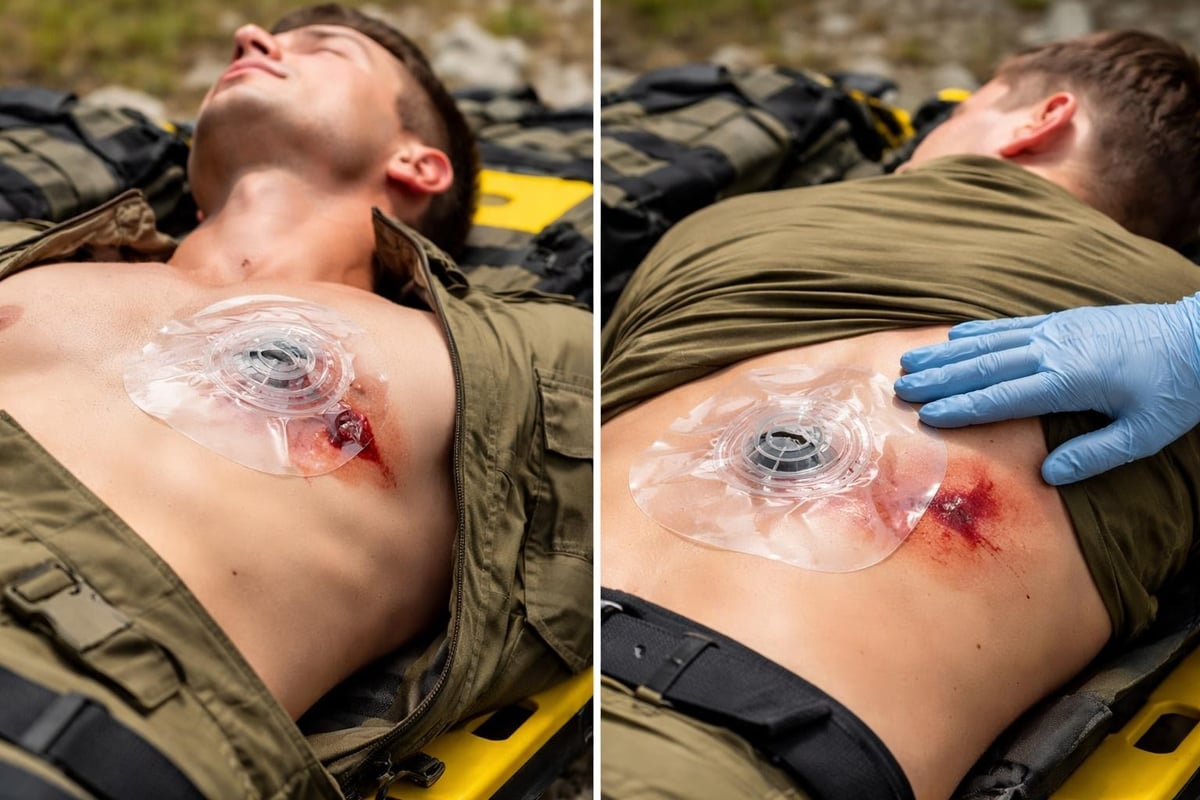
Penetrating chest injuries create life-threatening conditions that require immediate treatment. Modern chest seals in the contents of IFAK kits feature advanced adhesive systems and vented designs that prevent tension pneumothorax while allowing air escape.
The current standard involves carrying two chest seals to address both entry and exit wounds. Vented designs from manufacturers like Hyfin and Russell have proven superior to older occlusive dressing methods, particularly in preventing tension pneumothorax complications.
Wound Management Materials
Beyond immediate life-saving interventions, the contents of IFAK systems include materials for wound packing, protection, and stabilization. These components bridge the gap between initial trauma care and advanced medical treatment.
Compressed Gauze
Multiple rolls of compressed gauze serve essential functions in wound packing and hemorrhage control. The standard contents of IFAK configurations include 4.5-inch compressed gauze rolls, which expand significantly when removed from packaging.
Gauze serves multiple purposes including direct pressure application, wound packing for deep injuries, and absorption of blood and fluids. Professional trauma kits typically contain 2-3 gauze rolls to handle extensive injuries or multiple casualties.
Medical Tape and Adhesives
Quality medical tape secures dressings, chest seals, and other components during patient movement. The contents of IFAK packages should include both standard medical tape and specialized adhesive products designed for high-stress environments.
Considerations for tape selection include water resistance, adhesion to bloody or sweaty skin, and conformability to irregular body surfaces. Military-grade tape often outperforms civilian alternatives in these critical areas.
Circulation and Shock Management
After addressing immediate bleeding and breathing threats, the contents of IFAK kits help manage circulation issues and prevent shock development.
Hypothermia Prevention
Emergency blankets, though often overlooked, play a critical role in preventing hypothermia, which can complicate shock and reduce survival chances. Compact emergency blankets fit easily into IFAK pouches while providing substantial thermal protection.
Advanced options include vacuum-sealed casualty blankets and heat-reflective sleeping bag inserts. These items become particularly important in extended care situations where evacuation may be delayed.
Documentation Tools
The often-forgotten contents of IFAK assemblies include permanent markers for documenting treatment times, particularly tourniquet application. This simple tool provides critical information to receiving medical facilities and helps prevent complications from prolonged tourniquet use.
Additional Critical Components
Professional-grade IFAKs expand beyond basic life-saving equipment to include tools that enhance treatment effectiveness and patient comfort.
Trauma Shears
Quality trauma shears cut through clothing, gear, and even light metal to expose injuries for treatment. The contents of IFAK setups benefit significantly from including these versatile tools, which enable rapid access to wounds without causing additional trauma.
Gloves and Protective Equipment
Personal protective equipment protects both the rescuer and the casualty. Nitrile gloves in multiple sizes accommodate different hand dimensions while providing barrier protection against bloodborne pathogens.
PPE considerations include:
- Two or more pairs of gloves for equipment changes
- Nitrile material for latex allergy prevention
- Textured surface for improved grip when wet
- Compact packaging to conserve space
Decompression Needles
Advanced contents of IFAK systems may include 14-gauge decompression needles for treating tension pneumothorax. However, these items require specific training for safe and effective use, making them appropriate only for individuals with proper certification and regular practice.
The Tactical Combat Casualty Care Handbook provides detailed guidance on chest decompression procedures and equipment selection for qualified users.
Packaging and Organization
The container holding your IFAK contents affects accessibility during high-stress situations. Proper organization enables rapid access to needed items while maintaining protection from environmental hazards.
Pouch Design Considerations
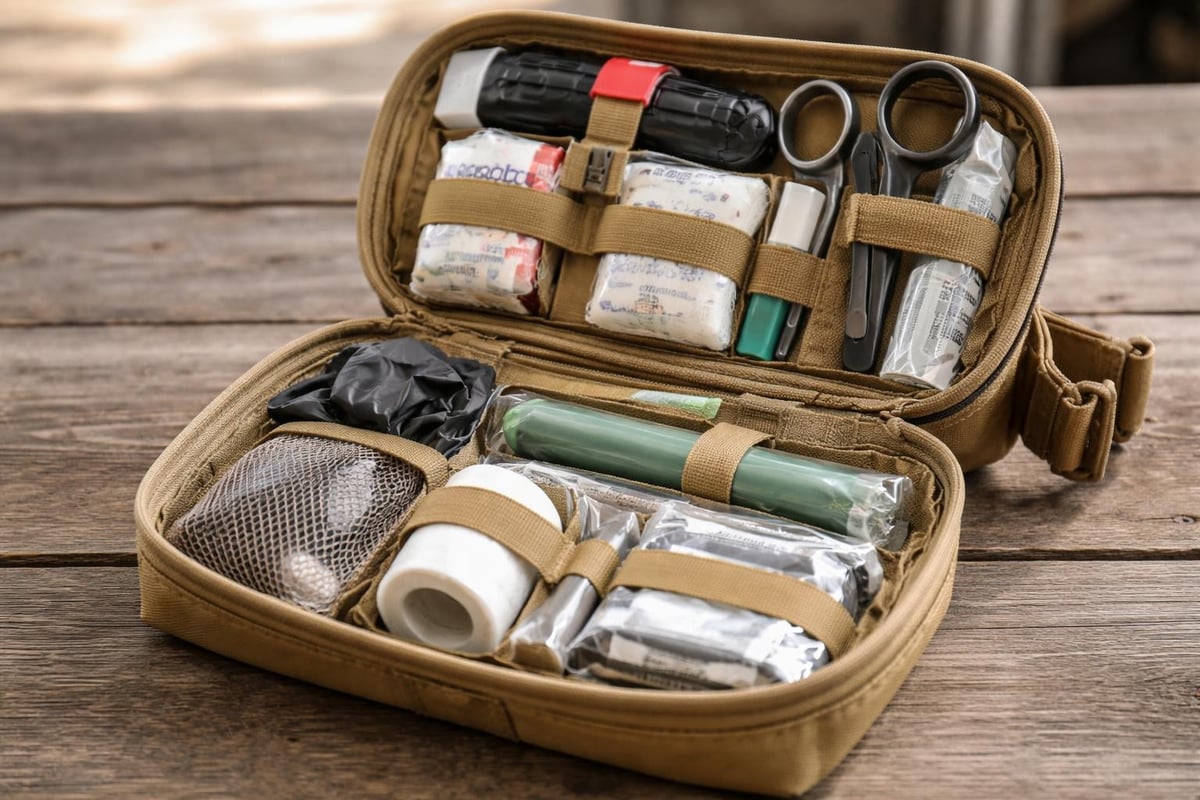
IFAK pouches should provide quick access, environmental protection, and secure attachment to gear or clothing. MOLLE-compatible designs offer versatility for tactical users, while civilian options prioritize belt or pocket carry.
Color coding helps users quickly identify specific components within the pouch. Many professionals organize their contents of IFAK systems using clear plastic bags or color-coded packaging to enhance speed during emergencies.
Accessibility Standards
The contents of IFAK kits lose effectiveness if they cannot be accessed rapidly under stress. Best practices include:
- Place most-used items in easily accessible locations
- Organize components in order of M.A.R.C.H. priority
- Use tear-away pouches for rapid deployment
- Train regularly with your specific IFAK configuration
- Maintain consistent organization across multiple kits
Specialized IFAK Configurations
Different operational environments and user capabilities influence the optimal contents of IFAK systems. Understanding these variations helps individuals build kits appropriate for their specific needs.
Military vs. Civilian IFAKs
Military IFAKs typically contain items designed for combat trauma, including penetrating injuries from bullets and shrapnel. Civilian versions may emphasize different injury patterns while maintaining core life-saving capabilities.
| Feature | Military IFAK | Civilian IFAK |
|---|---|---|
| Primary Focus | Penetrating trauma | Blunt trauma, lacerations |
| Chest Seals | Always included | Recommended but optional |
| Hemostatic Agents | Military-grade required | Civilian-approved options |
| Tourniquets | Minimum 1-2 per kit | Minimum 1 per kit |
| Decompression Needles | Common with trained users | Rare, requires certification |
Professional vs. Personal IFAKs
First responder kits designed for professional use typically contain more extensive contents than personal IFAKs. Professionals may treat multiple casualties or encounter varied injury patterns requiring additional equipment diversity.
Personal IFAKs focus on self-care and immediate companion assistance, containing enough supplies for one or two casualties until professional help arrives. An active-duty combat medic's perspective emphasizes matching kit contents to training level and probable use scenarios.
Training Requirements for IFAK Use
Possessing the proper contents of IFAK kits represents only the first step toward emergency preparedness. Effective use requires training, practice, and regular skill maintenance.
Essential Skills
Competent IFAK use demands proficiency in several critical skills:
- Tourniquet application under stress
- Wound packing techniques
- Chest seal placement
- Airway management basics
- Patient positioning for shock prevention
Quality training programs combine classroom instruction with hands-on practice using realistic scenarios. Many providers offer courses specifically designed around tactical casualty care principles that govern IFAK contents and application.
Maintenance and Inspection
Regular inspection ensures the contents of IFAK systems remain functional when needed. Monthly checks should verify:
- Packaging integrity (no tears or damage)
- Expiration dates on all components
- Tourniquet windlass function
- Adhesive quality on chest seals
- Completeness of all items
Annual replacement of expired items prevents equipment failure during emergencies. Some components, particularly those with adhesives or medications, degrade over time regardless of storage conditions.
Cost Considerations and Quality Standards
Building or purchasing an IFAK involves balancing budget constraints against the critical nature of emergency equipment. The contents of IFAK systems vary significantly in price based on component quality and brand reputation.
Budget Allocation
Smart spending prioritizes proven, life-saving components over less critical accessories:
High priority investments:
- Quality tourniquet ($25-35)
- Hemostatic gauze ($40-50)
- Chest seals ($15-20 each)
- Compressed gauze ($8-12 per roll)
Secondary investments:
- NPA with lubricant ($8-12)
- Trauma shears ($10-15)
- Emergency blanket ($5-10)
- Medical tape ($3-5)
Complete pre-assembled IFAKs from reputable manufacturers typically range from $80 to $200 depending on contents and packaging quality. Custom-built kits may cost less but require more research and knowledge to assemble properly.
Quality Verification
Not all IFAK components meet professional standards. Counterfeit tourniquets and substandard medical equipment can fail during critical moments, potentially costing lives.
Verification strategies include purchasing from authorized dealers, checking manufacturer websites for approved vendors, and examining products for quality indicators like proper labeling, construction quality, and included documentation.
Legal and Regulatory Considerations
The contents of IFAK kits may be subject to various legal restrictions depending on location and specific items included. Understanding these limitations helps users remain compliant while maintaining effective emergency capabilities.
Controlled Items
Certain IFAK components require prescriptions or professional certification in some jurisdictions:
- Decompression needles typically require medical licensure
- Some medications need prescription authorization
- Specific hemostatic agents may have regulatory restrictions
Good Samaritan Protections
Most jurisdictions provide legal protection for individuals rendering emergency aid in good faith. However, scope of practice limitations may apply, particularly for advanced procedures requiring specific certification.
Users should familiarize themselves with local laws governing emergency medical treatment and ensure their training level matches the contents of IFAK systems they carry.
Evolution of IFAK Standards
The contents of IFAK configurations continue evolving as new research, technologies, and field experience drive improvements in trauma care. Understanding these trends helps individuals maintain current, effective kits.
Recent Advancements
Several innovations have changed standard IFAK contents in recent years:
- Improved hemostatic agents with faster clotting times
- Vented chest seals replacing simple occlusive dressings
- Compact tourniquets maintaining effectiveness with reduced bulk
- Enhanced packaging providing better environmental protection
Future Developments
Emerging technologies promise additional improvements to IFAK capabilities. Research areas include hemostatic agents effective in hypothermic conditions, enhanced adhesives for difficult environments, and training technologies using augmented reality for skill maintenance.
Staying informed about these developments ensures the contents of IFAK systems remain optimized for life-saving effectiveness. Professional organizations and military medical research programs regularly publish updates on best practices and equipment standards.
Building Your Personal IFAK
Creating an effective IFAK requires matching contents to your specific needs, training level, and probable use scenarios. This personalization ensures your kit provides maximum benefit when emergencies occur.
Assessment Process
Begin by evaluating several factors:
- Your current medical training and certification level
- Environments where you'll carry the IFAK
- Likely injury patterns in your activities
- Number of potential casualties you might encounter
- Time to professional medical care in your area
These considerations guide component selection and quantity determinations. A gunshot wound first aid kit designed for shooting sports differs from a hiking IFAK, though both share core life-saving components.
Component Selection
Choose contents of IFAK systems based on proven effectiveness and your ability to use them properly. Prioritize items that address the leading causes of preventable death: massive hemorrhage, airway obstruction, and tension pneumothorax.
Avoid the temptation to include every possible item. Overcomplicated kits become difficult to use under stress and may distract from critical interventions. Focus on mastering essential components before adding advanced equipment.
Understanding the contents of IFAK systems empowers individuals to respond effectively during medical emergencies, potentially saving lives before professional help arrives. Whether you're a medical professional, outdoor enthusiast, or concerned citizen, having the right equipment and training creates capability when seconds matter. Medical Gear Outfitters provides paramedic-selected trauma kits and individual components backed by real-world experience and professional expertise. Visit Medical Gear Outfitters to explore complete IFAK solutions and ensure you're prepared to act as a first responder when it matters most.
IFAK FAQs
What is an IFAK?
An IFAK is an Individual First Aid Kit, a compact trauma kit designed to treat one person's most serious, life-threatening injuries, especially major bleeding. It's meant to be used on you, by you or a nearby responder, and is carried by military, EMS, and trained civilians.
What should be in an IFAK?
The essentials, organized by the M.A.R.C.H. priorities, are a tourniquet, hemostatic gauze, a pressure dressing, compressed gauze, a nasopharyngeal airway, a chest seal, medical tape, nitrile gloves, trauma shears, a marker, and an emergency blanket. Advanced items like a decompression needle are only for trained providers.
What is the M.A.R.C.H. protocol?
M.A.R.C.H. stands for Massive hemorrhage, Airway, Respiration, Circulation, and Hypothermia. It's the priority order used in tactical and trauma care, reminding responders to stop major bleeding first, then manage the airway, breathing, circulation, and body temperature.
What's the difference between a military and a civilian IFAK?
The core bleeding-control components are similar, but military IFAKs may include advanced items tied to a wider scope and training, such as decompression needles. Civilian IFAKs focus on the skills most people are trained for, hemorrhage control, airway basics, and chest seals.
Do I need training to use an IFAK?
Yes. The most important items, tourniquets, wound packing, and chest seals, require hands-on training to use correctly under stress, and some components (like a decompression needle) should only be used by trained medical providers. Take a Stop the Bleed or equivalent course and practice regularly.
What's the difference between an IFAK and a regular first aid kit?
A regular first aid kit handles everyday minor injuries like cuts and scrapes. An IFAK is a trauma kit focused on stopping life-threatening bleeding and managing major injuries, with a tourniquet, hemostatic gauze, and a chest seal. Many people carry both.
Where should I carry my IFAK?
Carry it where serious injuries could happen and you can reach it fast, on a belt or pack for everyday carry, in your vehicle, and at home. Stage it so the tourniquet and bleeding-control items can be accessed quickly, ideally one-handed.
How often should I check and maintain my IFAK?
Inspect it regularly and after any use. Replace expired items like hemostatic gauze and medications, check that seals and packaging are intact, and confirm the tourniquet is in good condition. Account for heat and cold if it's stored in a vehicle.

