Gun Wound First Aid Kit: Essential Supplies & Training
When seconds matter and severe trauma strikes, having the right medical supplies and knowledge can mean the difference between life and death. A gun wound first aid kit represents a specialized collection of medical equipment designed specifically to address the unique challenges of penetrating trauma, including catastrophic bleeding and chest injuries. Whether you're a law enforcement officer, security professional, outdoor enthusiast, or simply a prepared citizen, understanding what belongs in these kits and how to use them properly is a critical component of emergency preparedness in 2026.
Understanding the Purpose of Specialized Trauma Kits
A gun wound first aid kit differs fundamentally from standard first aid supplies found in most homes and vehicles. While traditional kits excel at treating minor injuries like cuts, burns, and sprains, they lack the advanced hemorrhage control and trauma management tools necessary for life-threatening wounds. Penetrating trauma creates specific medical challenges that demand specialized equipment.
The primary goal of any trauma kit is controlling massive hemorrhage, which remains the leading cause of preventable death in trauma situations. According to comprehensive treatment guidelines from medical authorities, immediate intervention within the first few minutes drastically improves survival outcomes. This reality drives the equipment selection in professional-grade trauma response kits.
Critical Components Every Kit Must Include
Building or selecting an effective gun wound first aid kit requires understanding which supplies address the most common life threats in penetrating trauma scenarios.
Tourniquets form the foundation of any serious trauma kit. Modern combat-tested designs like the Combat Application Tourniquet (C-A-T) have proven effectiveness in stopping arterial bleeding from extremity wounds. Each kit should contain at least two tourniquets, as multiple injuries may occur simultaneously.
Hemostatic gauze represents another essential component. Products like QuikClot Combat Gauze contain agents that accelerate clotting, making them invaluable for wounds in areas where tourniquets cannot be applied, such as the groin, armpit, or neck. These gauzes work by promoting rapid coagulation at the wound site.
Chest seals address one of the most dangerous complications of penetrating chest trauma: tension pneumothorax. The HyFin Chest Seal Twin Pack provides vented seals that allow air to escape while preventing additional air from entering the chest cavity. Every penetrating chest injury requires sealing both entry and potential exit wounds.
Essential Equipment Beyond the Basics
While tourniquets, hemostatic agents, and chest seals form the core of trauma care, a comprehensive gun wound first aid kit includes several additional critical items that support effective treatment.
| Equipment | Primary Function | Usage Priority |
|---|---|---|
| Pressure Dressings | Control widespread bleeding | High |
| Compressed Gauze | Pack deep wounds | High |
| Medical Scissors | Remove clothing/cut materials | Medium |
| Nitrile Gloves | Protect provider from bloodborne pathogens | Critical |
| Permanent Marker | Mark tourniquet application time | High |
Pressure dressings like the OLAES Modular Bandage combine multiple functions in one tool. These versatile bandages can apply direct pressure, pack wounds, and even function as emergency eye protection. Their modular design makes them adaptable to various injury patterns.
Compressed gauze products provide essential wound packing material in a compact form. When dealing with deep or irregular wounds, especially those caused by high-velocity projectiles, proper wound packing prevents blood from pooling in tissue cavities and helps maintain pressure on damaged vessels.
Protection and Documentation Tools
Personal protective equipment cannot be overlooked. Multiple pairs of nitrile gloves protect both the provider and the injured person from bloodborne pathogen transmission. In high-stress situations, gloves frequently tear or become contaminated, making backups essential.
A permanent marker serves a critical documentation function: marking the time a tourniquet was applied directly on the tourniquet itself. Medical professionals receiving the injured person need this information immediately to make critical treatment decisions. This simple tool has saved countless limbs and lives.
Choosing Between Pre-Assembled and Custom Kits
The market offers two primary approaches to acquiring a gun wound first aid kit: purchasing pre-assembled packages or building custom kits tailored to specific needs and scenarios.
Pre-assembled kits provide several advantages. Companies like North American Rescue offer comprehensive gunshot wound kits developed in collaboration with emergency response professionals. These kits ensure all critical components work together cohesively and meet professional standards. For individuals new to trauma care, pre-assembled options eliminate guesswork about what to include.
Benefits of professional pre-assembled kits include:
- Vetted equipment selection by medical experts
- Compact organization for quick access
- Quality assurance across all components
- Often include basic instruction cards
- Designed to fit specific carrying systems
Custom-built kits allow experienced users to tailor contents to anticipated scenarios, personal training levels, and specific environments. Someone working in remote wilderness areas might emphasize different supplies compared to an urban security professional. Building your own kit also facilitates familiarity with each item's location and function.
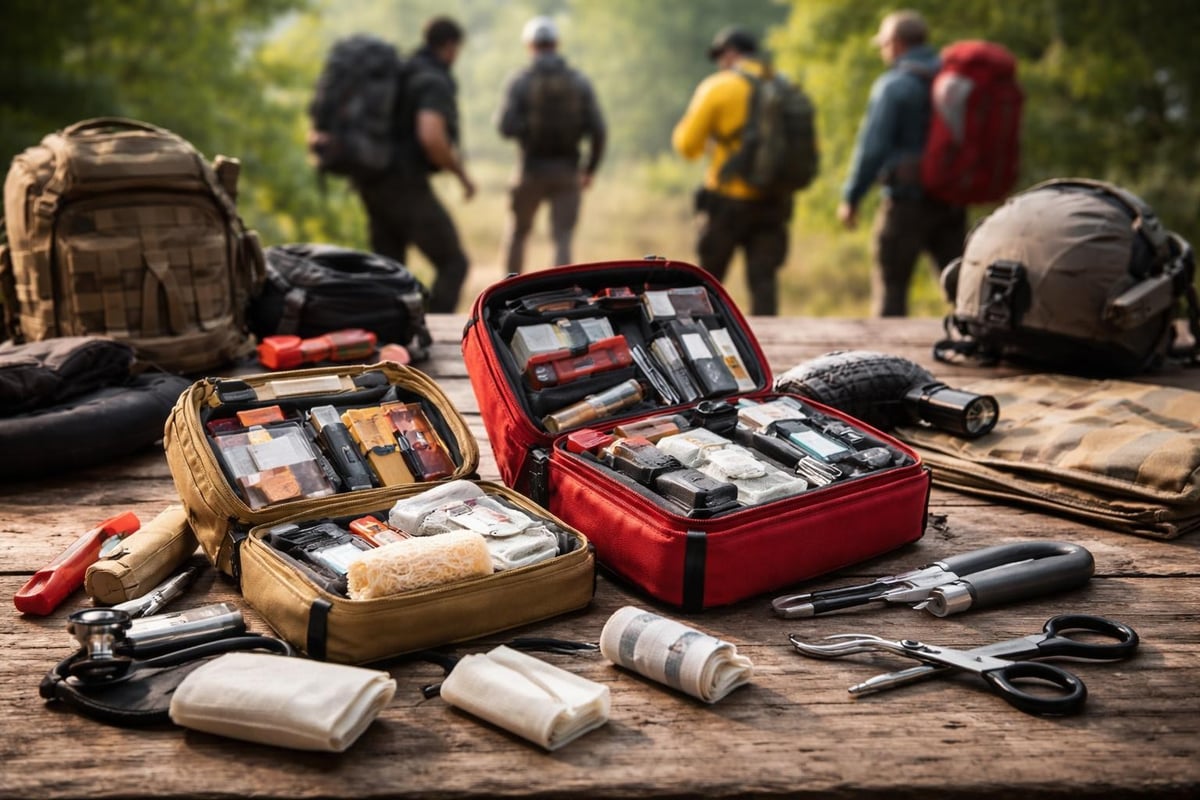
Training: The Most Critical Component
Owning sophisticated medical equipment without proper training creates false confidence and potentially dangerous situations. The most expensive gun wound first aid kit provides zero value if the user cannot correctly apply a tourniquet or identify when a chest seal is needed.
Foundational Skills Every Kit Owner Needs
Stop the Bleed courses have become widely available across the United States since their introduction by the American College of Surgeons. These courses teach civilians the fundamental hemorrhage control techniques that save lives in the critical minutes before professional help arrives. Specialized training programs focused on gunshot wound response provide hands-on practice with the exact techniques needed in penetrating trauma scenarios.
Key skills covered in quality trauma training programs include:
- Rapid injury assessment and threat prioritization
- Correct tourniquet application and conversion techniques
- Wound packing with hemostatic gauze
- Chest seal application for both entry and exit wounds
- Recovery position and airway management
- Scene safety and provider protection
Training should emphasize hands-on practice with the actual equipment in your kit. Different tourniquet models have different application methods. Chest seals vary in their adhesive properties and venting mechanisms. Familiarity with your specific equipment under stress requires repetitive practice.
Specialized Kits for Different Environments
Not all trauma kits serve identical purposes. The ideal configuration for a gun wound first aid kit depends heavily on the environment where it will be deployed and the number of potential casualties it might need to treat.
Personal carry kits prioritize compact size and weight while maintaining essential capabilities. These kits typically focus on treating one or two casualties and fit in cargo pockets, small pouches, or vehicle glove boxes. The Skinny Medic Essentials Kit exemplifies this approach, providing critical trauma supplies in a minimal footprint.
Vehicle-based kits can be more substantial since weight and size constraints relax. These might include multiple tourniquets, larger quantities of gauze, and additional supplies for treating multiple casualties. Many people maintain larger response kits in their vehicles to supplement the compact kits they carry on their person.
Facility kits designed for schools, places of worship, or businesses require different considerations. The BleedSTOP COMPACT 200 kit offered through School Health demonstrates how institutional kits balance accessibility for untrained users with professional-grade effectiveness. These kits often include clear visual instructions and are designed for wall mounting in accessible locations.
| Kit Type | Primary User | Typical Contents | Casualty Capacity |
|---|---|---|---|
| Personal Carry | Individual responder | 1-2 tourniquets, chest seal, compressed gauze | 1-2 casualties |
| Vehicle Kit | Mobile responder | Multiple tourniquets, several bandages, extra supplies | 2-4 casualties |
| Facility Kit | Institutional/public access | Comprehensive multi-casualty supplies with instructions | 4+ casualties |
| Professional Response | Law enforcement/EMS | Advanced airway, multiple trauma supplies | 6+ casualties |
Maintenance and Inspection Protocols
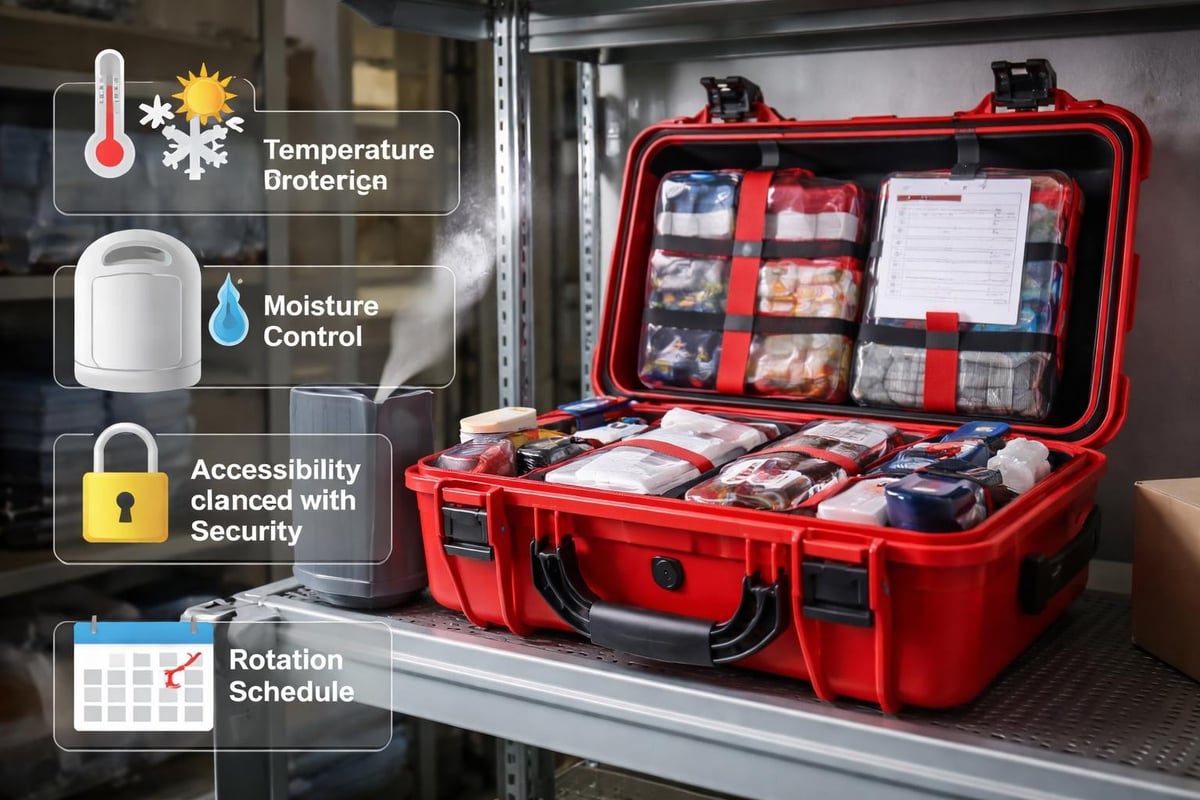
A gun wound first aid kit requires regular inspection and maintenance to ensure reliability when needed. Medical supplies degrade over time, packaging can become compromised, and equipment can shift or become damaged during storage.
Monthly and Annual Checks
Establish a monthly inspection routine that verifies kit accessibility and checks for obvious damage or tampering. This quick check ensures the kit remains where expected and appears intact. Many organizations mark kits with tamper-evident seals that make unauthorized access immediately obvious.
Quarterly detailed inspections should include:
- Checking all expiration dates on medical supplies
- Inspecting packaging integrity on sterile items
- Verifying tourniquets move freely without binding
- Confirming chest seals remain sealed in packaging
- Testing any batteries in equipment like headlamps
Most hemostatic gauze products carry expiration dates between three and five years from manufacture. Chest seals typically last five years if properly stored. Tourniquets without moving parts don't technically expire, but webbing can degrade with UV exposure or contamination.
Replace any expired items immediately rather than waiting until the entire kit needs refreshing. Maintaining current supplies ensures readiness regardless of when an emergency occurs. Keep documentation of inspection dates and replacements, especially for institutional kits where accountability matters.
Legal and Ethical Considerations
Possessing and potentially using a gun wound first aid kit involves important legal and ethical responsibilities that every owner should understand before an emergency arises.
Good Samaritan laws in most states provide legal protection for individuals who render emergency aid in good faith. However, these protections typically require that the responder acts within their training level and doesn't engage in grossly negligent behavior. Exceeding your training or attempting advanced procedures you haven't learned can expose you to liability.
Understanding your legal duty to act (or not act) in your jurisdiction helps inform appropriate responses. Most civilians have no legal obligation to provide aid, though many choose to help anyway. Certain professionals, including some security personnel and designated first responders, may have duty-to-act requirements that activate in emergencies.
Consent and Scene Safety
In conscious patients, obtaining consent before providing care represents both a legal requirement and ethical obligation. Unconscious or severely altered patients fall under implied consent, which assumes they would want life-saving intervention if able to communicate. Documenting your interactions and interventions, even briefly, protects both you and the patient.
Scene safety always takes priority over rushing to aid an injured person. If the threat that caused the initial injury remains active, additional casualties help no one. Professional responders use the phrase "dead heroes save no lives" to emphasize that provider safety enables patient care. Understanding proper trauma response protocols includes recognizing when and how to safely approach casualties.
Integration with Emergency Response Systems
A gun wound first aid kit serves as a bridge between injury occurrence and professional medical care arrival. Understanding how your intervention fits into the broader emergency response system maximizes patient outcomes.
When calling 911 or emergency services, provide clear information about the nature of injuries and interventions you've performed. Dispatchers need to know about tourniquets applied, chest seals placed, and the patient's current condition. This information helps incoming responders prepare appropriate resources and continue care seamlessly.
Handoff procedures matter tremendously. When EMS arrives, quickly brief them on:
- Mechanism of injury and time of occurrence
- Interventions performed and timing
- Changes in patient condition
- Any relevant medical history you've learned
- Remaining hazards or safety concerns
Professional responders need this information delivered efficiently. They're assessing the scene and patient simultaneously while preparing treatment. Organized, concise communication helps rather than lengthy narratives.
Advanced Considerations for Serious Preparedness
Beyond the fundamental components, those seeking maximum preparedness might consider additional specialized equipment for their gun wound first aid kit.
Nasopharyngeal airways help maintain breathing in unconscious patients without advanced airway training requirements. These simple devices keep the tongue from blocking the airway and are relatively easy to use with basic instruction.
Hypothermia prevention becomes critical in trauma care. Shock and blood loss quickly lead to dangerous temperature drops. Space blankets, while simple, provide effective insulation. Some advanced kits include specialized hypothermia wraps designed for trauma patients.
Comprehensive trauma response kits might also include:
- Additional hemostatic agents in different formats
- Specialized bandages for specific wound types
- Medical tape in multiple widths
- Additional trauma shears and cutting tools
- Illumination tools for low-light operations
- Communication devices or signal markers
The key to advanced kit building lies in ensuring every addition serves a purpose you're trained to fulfill. Complex equipment without corresponding knowledge creates clutter and confusion during high-stress emergencies.
Building Your Response Capability
Creating an effective emergency medical response capability extends beyond simply purchasing a gun wound first aid kit. The integrated approach combines quality equipment, proper training, regular practice, and realistic self-assessment.
Start by honestly evaluating your current knowledge and skills. If you've never taken trauma care training, begin with a Stop the Bleed course before investing in expensive equipment. Exploring comprehensive medical kit options helps identify quality equipment that matches your training level and likely scenarios.
Progressive skill development creates confident, capable responders. After mastering basic hemorrhage control, consider advancing to wilderness first aid, tactical emergency casualty care, or even EMT certification if your interest and commitment support it. Each level builds upon previous knowledge while expanding your capability to help in emergencies.
Practice with your actual equipment at least quarterly. Set up scenarios, work through response protocols, and identify any gaps in your kit or knowledge. This rehearsal builds the muscle memory and decision-making patterns that activate automatically under stress. Consider training with partners or family members who might respond alongside you in an emergency.
Preparing for trauma emergencies with a properly equipped gun wound first aid kit and appropriate training represents a serious commitment to readiness that can save lives when minutes matter most. The combination of professional-grade equipment and solid foundational skills empowers ordinary citizens to provide extraordinary help in critical situations. Whether you're building your first trauma kit or upgrading existing capabilities, Medical Gear Outfitters provides the expertise, quality equipment, and guidance needed to ensure you're truly prepared to respond effectively when emergencies strike.

