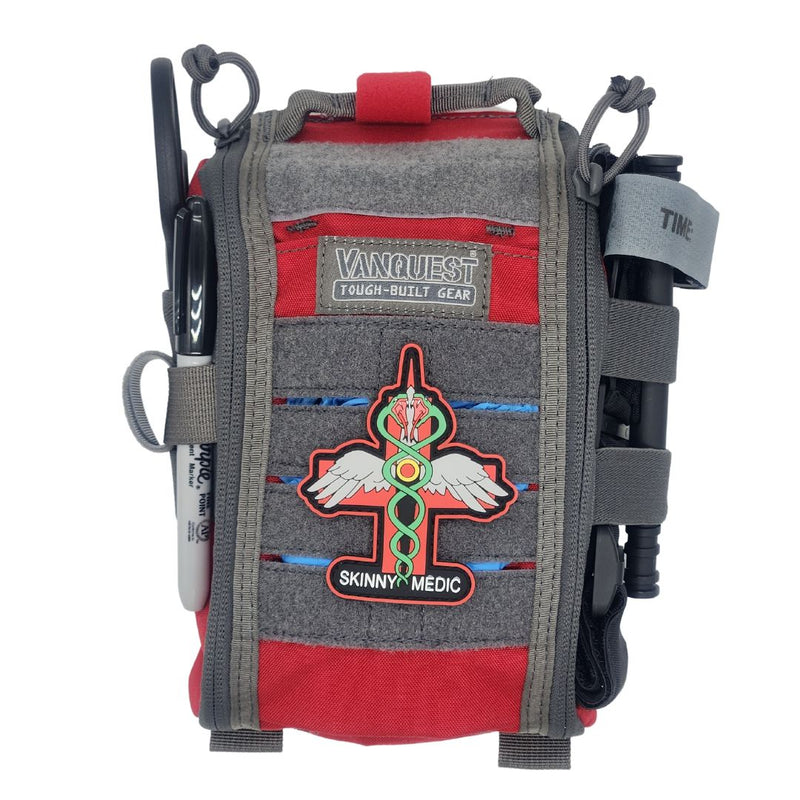
4x4 Gauze Pads Sterile: Essential Guide for First Aid
When it comes to wound care and emergency medical response, having the right supplies can make the difference between effective treatment and potential complications. Among the most fundamental items in any first aid kit, 4x4 gauze pads sterile serve as the cornerstone of proper wound management. Whether you're a medical professional responding to emergencies or a prepared individual maintaining a home first aid kit, understanding these essential supplies ensures you're ready to handle injuries effectively and safely. This comprehensive guide explores everything you need to know about sterile gauze pads, from their construction and regulatory standards to proper application techniques and storage requirements.
Understanding Sterile Gauze Pad Construction
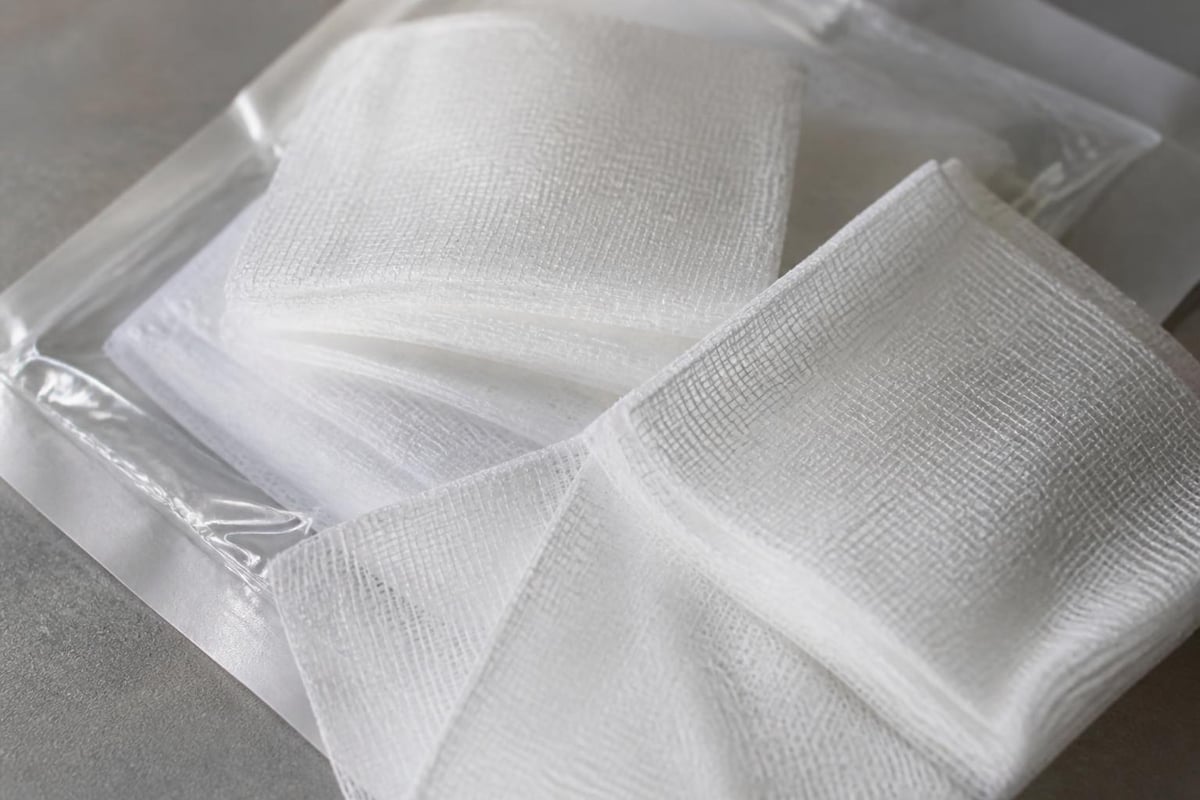
The manufacturing process behind 4x4 gauze pads sterile involves precise quality control measures to ensure both safety and effectiveness. These medical-grade supplies are typically constructed from woven cotton or synthetic materials designed to absorb fluids while remaining gentle against injured tissue.
Material Composition and Standards
Medical gauze pads must meet strict regulatory requirements established by health authorities. According to the FDA's classification for nonresorbable gauze, these products are intended for medical purposes including external application to wounds. The material composition typically includes:
- 100% cotton weave for maximum absorbency
- Rayon-polyester blends for enhanced strength
- Multi-ply construction (usually 8-12 layers)
- Sealed edges to prevent linting and fiber contamination
The four-inch square dimension represents the optimal size for treating most minor to moderate wounds. This standardized measurement allows for consistent coverage while remaining cost-effective for both institutional and individual use.
Sterility Assurance Methods
Manufacturers employ various sterilization techniques to eliminate microorganisms before packaging. The most common methods include ethylene oxide gas sterilization, gamma radiation, or steam autoclaving under pressure. Each sealed package maintains sterility until opened, protecting the gauze from bacterial contamination that could introduce infection into open wounds.
Medical Applications and Proper Usage
The versatility of 4x4 gauze pads sterile makes them indispensable across numerous medical scenarios. Understanding when and how to use these supplies ensures optimal patient outcomes and prevents common application errors.
Primary Wound Care Functions
Healthcare providers and first responders rely on sterile gauze for several critical functions:
- Absorbing blood and exudate from acute injuries
- Protecting wounds from environmental contamination
- Applying topical medications to affected areas
- Cleaning wound surfaces before bandaging
- Creating pressure dressings for hemorrhage control
When responding to emergencies, knowing how to assess if bleeding is serious helps determine whether sterile gauze pads alone will suffice or if additional interventions are necessary.
Application Technique Guidelines
Proper application begins with hand hygiene and glove usage. As outlined in guidance about essential personal protective equipment, barrier protection prevents cross-contamination between caregiver and patient.
Step-by-step application process:
- Wash hands thoroughly and don nitrile gloves
- Open the sterile package without touching the gauze surface
- Remove the pad by grasping only the corners
- Place directly onto the wound without sliding or repositioning
- Secure with medical tape or elastic bandage
- Monitor for strike-through (saturation requiring replacement)
The comprehensive guide on 4x4 gauze pads provides additional context for selecting appropriate application methods based on wound type and severity.
Comparing Sterile Versus Non-Sterile Options
Understanding when sterility is essential versus when it's optional helps optimize both safety and cost-effectiveness in first aid supply management. The distinction between these two product categories carries significant implications for patient care and regulatory compliance.
When Sterility Matters Most
Medical professionals must use 4x4 gauze pads sterile in specific situations where infection risk is elevated. These scenarios include:
- Open wounds with exposed subcutaneous tissue
- Surgical sites requiring aseptic technique
- Burns where skin barrier protection is compromised
- Puncture wounds with deep tissue penetration
- Lacerations requiring cleaning before closure
Resources like the comparison of sterile and non-sterile gauze options help responders make informed decisions about appropriate product selection based on specific injury characteristics.
Cost-Benefit Analysis
| Feature | Sterile Gauze | Non-Sterile Gauze |
|---|---|---|
| Infection Prevention | High | Moderate |
| Regulatory Compliance | Medical-grade | General-purpose |
| Shelf Life | 3-5 years sealed | Indefinite if dry |
| Cost Per Unit | Higher | Lower |
| Appropriate Uses | Open wounds, burns | Padding, cleaning intact skin |
For organizations building comprehensive emergency first aid supplies, maintaining both sterile and non-sterile inventory provides flexibility while controlling expenses.
Packaging Configurations and Quantity Planning
Medical facilities, response teams, and households must determine appropriate quantities of 4x4 gauze pads sterile to maintain adequate supplies without excessive waste from expired products. Packaging options range from individual pouches to bulk boxes containing hundreds of units.
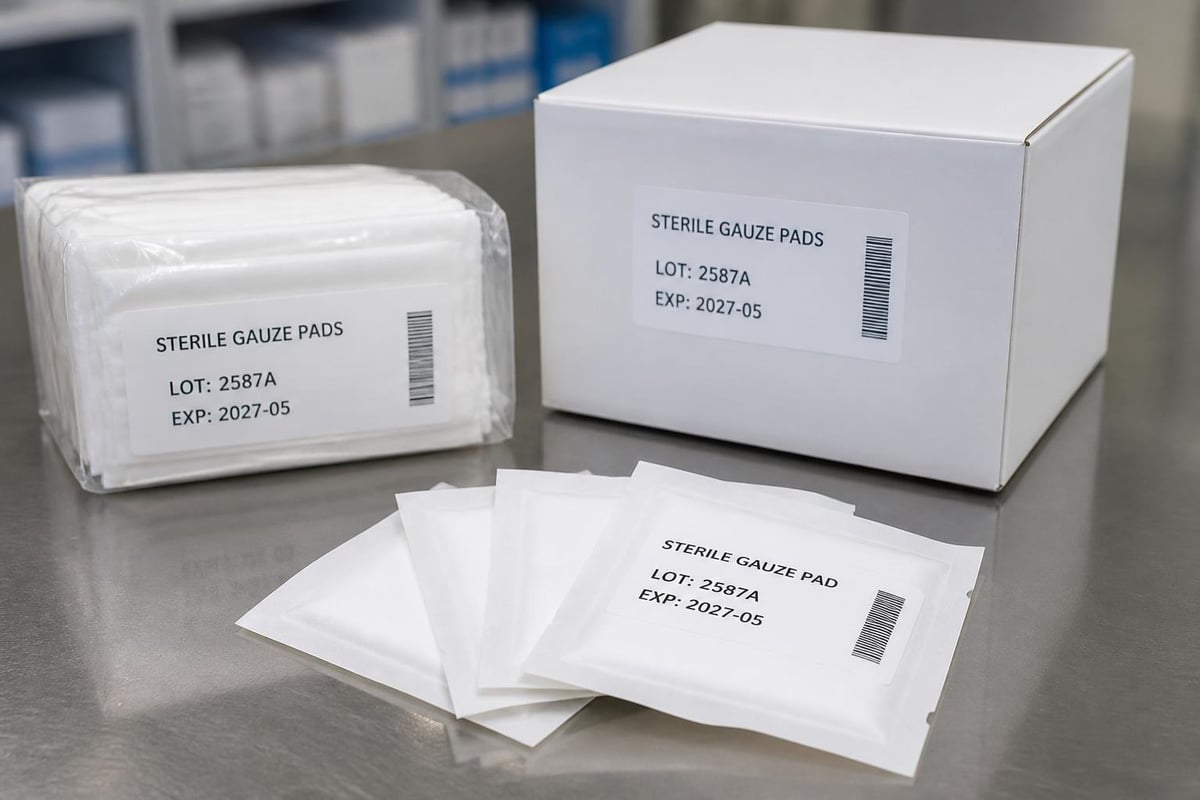
Individual Versus Bulk Packaging
Individual sterile packets offer several advantages:
- Each pad remains protected until needed
- Reduced waste when treating single patients
- Easier rotation in portable medical kits
- Simple inventory tracking by expiration date
Bulk packaging suits high-volume environments:
- Lower per-unit cost for frequent users
- Efficient storage in clinical settings
- Reduced packaging waste
- Requires careful inventory management
Calculating Supply Needs
Determining the right quantity depends on several factors including the number of people covered, anticipated injury types, and resupply accessibility. Most health kits should contain a minimum of 10-20 sterile gauze pads for basic household preparedness.
Professional environments require more extensive supplies. The formula typically considers:
- Employee count multiplied by risk factor
- Average monthly usage plus 50% safety margin
- Resupply lead time in days or weeks
- Expiration dates to prevent waste
Storage Requirements and Shelf Life Management
Maintaining the sterility and effectiveness of 4x4 gauze pads sterile requires attention to environmental conditions and systematic rotation practices. Improper storage can compromise sterility even within sealed packaging, rendering supplies unsuitable for wound care applications.
Optimal Storage Conditions
Temperature and humidity control protect sterile gauze from degradation:
- Temperature range: 59-86°F (15-30°C)
- Relative humidity: Below 70%
- Light exposure: Protected from direct sunlight
- Physical protection: Away from sharp objects that could puncture packaging
- Contamination prevention: Separate from chemicals or soiled materials
The specifications for medical-grade gauze pads include storage recommendations that ensure product integrity throughout the stated shelf life.
Expiration Date Monitoring
Most 4x4 gauze pads sterile carry expiration dates ranging from three to five years from the manufacturing date. Organizations should implement first-in, first-out (FIFO) rotation systems to prevent waste. When building camping emergency kits or other portable supplies, checking expiration dates during annual inspections ensures readiness.
| Inspection Frequency | Action Items | Responsible Party |
|---|---|---|
| Monthly | Visual inspection for package damage | Safety coordinator |
| Quarterly | Expiration date review | Inventory manager |
| Annually | Complete inventory audit | Department head |
| After use | Immediate replacement | All staff |
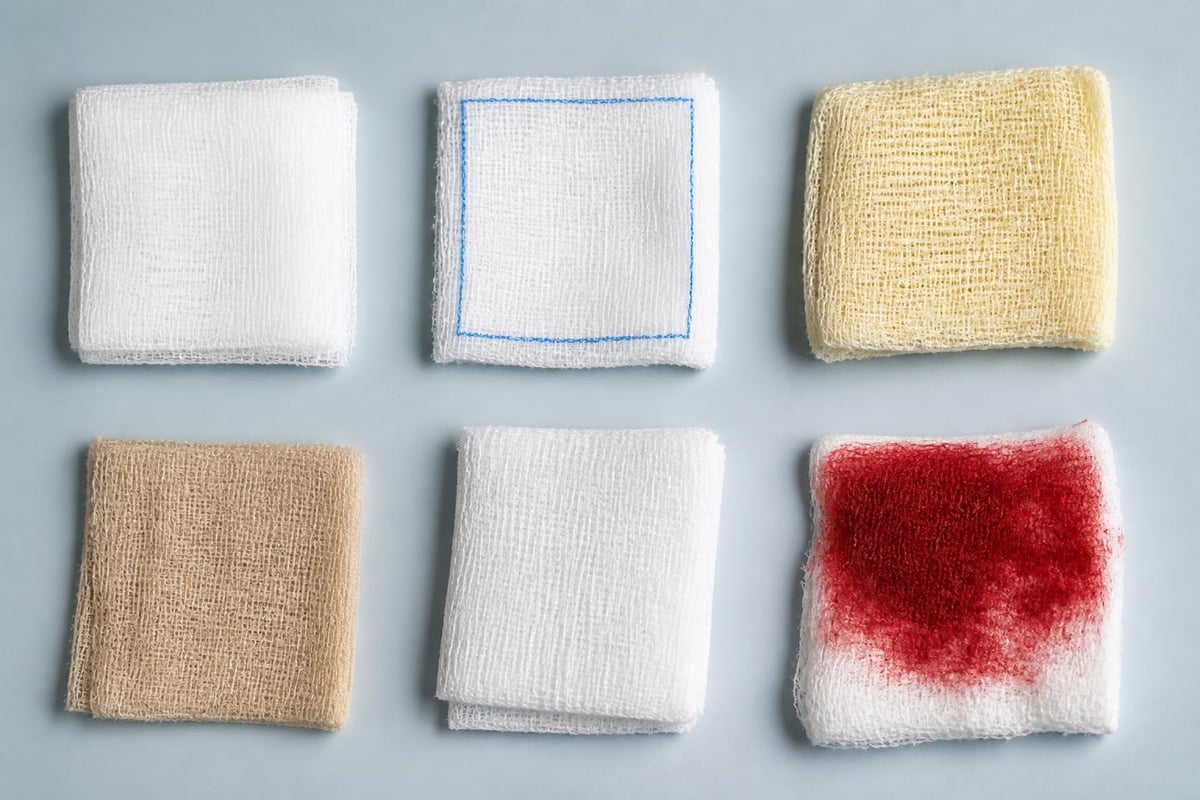
Specialized Gauze Variations and Alternatives
While standard 4x4 gauze pads sterile serve most general wound care needs, specialized variations offer enhanced functionality for specific injury types or clinical applications. Understanding these alternatives helps responders select optimal supplies for diverse scenarios.
Bordered and Adhesive Gauze Pads
Sterile bordered gauze pads feature adhesive edges that eliminate the need for separate tape, streamlining application during time-sensitive emergencies. These products combine the absorbency of traditional gauze with the convenience of sterile adhesive bandages, making them ideal for active patients or situations where securing dressings proves challenging.
The layered construction of bordered pads maintains a moist wound environment, which research demonstrates promotes faster healing compared to dry dressings. This feature makes them particularly valuable for:
- Abrasions with moderate drainage
- Shallow lacerations requiring protection
- Post-procedure wound sites
- Elderly patients with fragile skin
Impregnated Gauze Options
Some specialized gauze pads come pre-treated with substances that enhance healing or prevent infection:
- Petroleum-impregnated gauze prevents dressing adherence to wounds
- Antimicrobial gauze contains silver or other antibacterial agents
- Hemostatic gauze promotes rapid clotting in severe bleeding
For severe hemorrhage situations, understanding when to use advanced interventions alongside hemostatic gauze improves survival outcomes.
Integration with Comprehensive First Aid Systems
The effectiveness of 4x4 gauze pads sterile increases significantly when they're part of a well-designed first aid system that includes complementary supplies and trained responders. Isolated supplies without supporting equipment or knowledge provide limited benefit during actual emergencies.
Essential Companion Supplies
Sterile gauze works optimally alongside these related items:
- Medical tape in various widths for securing dressings
- Elastic bandages for compression and stabilization
- Antiseptic solutions for wound cleaning
- Trauma dressings for larger injuries
- Protective gloves to maintain sterile technique
Many responders also stock triangular bandages for creating slings or securing larger dressings over gauze pads.
Building Layered Response Capabilities
Professional emergency response requires tiered supplies that address injuries from minor to life-threatening. The difference between basic first aid kits and comprehensive emergency kits often centers on this scalability concept.
Basic level (home/vehicle):
- 10-20 sterile 4x4 gauze pads
- Adhesive bandages in assorted sizes
- Medical tape
- Antiseptic wipes
Intermediate level (workplace/team):
- 50+ sterile gauze pads in multiple sizes
- Trauma dressings
- Pressure bandages
- Eye wash solution
Advanced level (professional/tactical):
- 100+ gauze pads with rapid resupply
- Hemostatic agents
- Chest seals
- Advanced trauma supplies
Quality Indicators and Product Selection
Choosing reliable 4x4 gauze pads sterile requires evaluating manufacturers based on quality indicators that ensure consistent performance and regulatory compliance. Not all medical supplies meet the same standards, making informed selection crucial for patient safety.
Certification and Compliance Markers
Reputable manufacturers display several key certifications on their packaging:
- FDA registration confirming regulatory oversight
- ISO 13485 certification for quality management systems
- Lot numbers enabling traceability
- Sterilization method indicators showing the process used
- Clear expiration dating in standardized formats
The material composition details provided by quality manufacturers help purchasers verify they're receiving genuine medical-grade products rather than inferior substitutes.
Evaluating Product Reviews and Testing
Professional buyers should consult multiple information sources before committing to suppliers. Resources like independent gauze pad reviews offer practical insights into real-world performance, including absorbency rates, package integrity, and value comparisons.
Testing protocols for institutional purchases should include:
- Opening multiple packages to verify sterility indicators
- Checking for consistent thickness and ply count
- Examining edge quality for lint-free construction
- Confirming package seals resist casual damage
- Reviewing supplier documentation for authenticity
Training and Competency Development
Even the highest-quality 4x4 gauze pads sterile provide minimal benefit if responders lack the knowledge and skills to apply them correctly. Comprehensive training programs ensure supplies translate into effective patient care during actual emergencies.
Essential Skills for All Responders
Every person with access to first aid supplies should master these fundamental competencies:
- Wound assessment to determine appropriate interventions
- Sterile technique for maintaining infection control
- Proper application methods for various injury types
- Securing techniques using tape and bandages
- Monitoring protocols for detecting complications
Organizations can reference first aid box manuals that provide step-by-step guidance aligned with current medical standards.
Advanced Training Considerations
Medical professionals and serious preparedness enthusiasts benefit from advanced training that covers:
Complex wound management:
- Multi-trauma patient assessment
- Controlling severe hemorrhage
- Treating burns requiring specialized dressings
- Managing contaminated wounds
- Documenting treatment for continuity of care
Supply management:
- Inventory rotation systems
- Refill and restocking procedures
- Emergency procurement protocols
- Budget optimization strategies
Regulatory Considerations for Organizations
Businesses, schools, and other organizations maintaining first aid supplies must navigate various regulatory requirements that govern both product specifications and inventory standards. Compliance protects both the organization and the individuals it serves.
Workplace Safety Standards
OSHA and similar regulatory bodies mandate specific first aid supply requirements based on workplace hazards and employee counts. These standards typically specify minimum quantities of sterile gauze pads alongside other essential items. When planning company first aid compliance, organizations should consult current regulations for their specific industry and jurisdiction.
Common regulatory requirements include:
- Maintaining supplies in readily accessible locations
- Ensuring sterile products remain within expiration dates
- Providing adequate quantities based on workforce size
- Training designated personnel in proper usage
- Documenting inspections and replacements
Industry-Specific Considerations
Different sectors face unique requirements:
| Industry | Specific Needs | Recommended Gauze Quantity |
|---|---|---|
| Construction | Trauma-focused, portable kits | 50+ per site |
| Manufacturing | Burn treatment capabilities | 100+ with specialized types |
| Healthcare | Clinical-grade, bulk supplies | 500+ with rapid resupply |
| Education | Age-appropriate, accessible | 25-50 per building |
| Hospitality | Discreet, guest-accessible | 20-30 per location |
Cost Management and Procurement Strategies
Balancing quality, quantity, and budget constraints requires strategic procurement approaches that ensure adequate supplies without excessive spending. Organizations of all sizes can implement practices that optimize their investment in 4x4 gauze pads sterile and related first aid materials.
Bulk Purchasing Benefits
Large organizations often achieve significant savings through volume purchasing while ensuring they can use supplies before expiration. Typical bulk purchase advantages include:
- 15-30% per-unit cost reduction
- Simplified vendor relationships
- Consistent product quality across locations
- Negotiated payment terms
- Priority allocation during supply shortages
However, bulk purchasing requires careful planning to prevent waste from expired products. Calculating optimal order quantities involves analyzing usage rates, storage capacity, and expiration timelines.
Building Vendor Partnerships
Establishing relationships with reliable suppliers provides benefits beyond pricing. Quality vendors offer:
- Technical support for product selection
- Training resources for proper usage
- Inventory management tools for tracking consumption
- Emergency resupply during disasters or mass casualty events
- Product updates when improved options become available
Working with paramedic-owned suppliers who understand real-world emergency response provides additional value through practical expertise and field-tested product recommendations.
Understanding the critical role of 4x4 gauze pads sterile in effective wound management ensures you're prepared to respond confidently during emergencies. Whether you're equipping a workplace, building a personal preparedness kit, or maintaining professional medical supplies, selecting quality products and maintaining proper inventory creates the foundation for successful patient care. Medical Gear Outfitters combines paramedic expertise with comprehensive supply offerings to help medical professionals and prepared individuals access the high-quality gauze pads and complete first aid systems they need to act effectively as first responders when situations demand immediate action.