
Essential Guide to 4x4 Gauze Pads: Uses, Tips & Selection 2026
Imagine reaching for a first aid kit during a minor accident, only to realize you are unsure which dressing to use. Proper wound care is essential, and 4x4 gauze pads are a staple in both home and clinical settings for a reason.
Many people make simple mistakes that slow healing or increase infection risk. This guide will walk you through everything you need to know about 4x4 gauze pads, from their core uses to expert tips for effective application.
You will learn what 4x4 gauze pads are, their medical and everyday applications, key criteria for selection, and the latest trends for 2026. Ready for reliable wound care solutions? Start here for expert insights and practical advice.
What Are 4x4 Gauze Pads?
4x4 gauze pads are a cornerstone of wound care, trusted in both medical settings and home first aid kits. These pads measure four inches by four inches, making them a versatile size for covering and protecting a wide range of wounds. Their design focuses on delivering effective absorption, breathability, and gentle contact with the skin.

Definition and Basic Features
4x4 gauze pads are square medical dressings, each measuring 4 inches on each side. This standard size is ideal for covering most minor to moderate wounds, making the pads a staple in hospitals, clinics, and first aid kits.
The primary materials used for 4x4 gauze pads include 100% cotton, non-woven synthetic fibers, or blends of both. Cotton pads are valued for their softness and natural absorbency. Non-woven options provide enhanced strength and reduced lint, making them suitable for sensitive wounds.
Sterility is a critical feature. Sterile 4x4 gauze pads are individually packaged and used for open wounds or surgical sites to prevent infection. Non-sterile pads are intended for less critical applications, such as cushioning or cleaning intact skin.
Ply count refers to the number of layers in a single pad. Common options include 4-ply, 8-ply, and 12-ply, with higher ply counts offering greater absorbency and thickness. The table below summarizes ply options:
| Ply Count | Absorbency Level | Common Uses |
|---|---|---|
| 4-ply | Light | Minor cuts, cleaning, everyday use |
| 8-ply | Moderate | Moderate bleeding, wound packing |
| 12-ply | High | Heavily exuding wounds, post-op |
Breathability is essential for proper healing. 4x4 gauze pads are designed to allow airflow while protecting the wound. Some pads have a non-stick coating to prevent them from adhering to healing tissue, while traditional gauze may require wetting before removal to avoid trauma.
Leading brands like Band-Aid, MedPride, Equate, and Ceeport offer a variety of 4x4 gauze pads, each with features tailored to specific needs. Whether you need a pad for daily wound care or more advanced medical use, 4x4 gauze pads provide reliable performance and comfort.
Types and Variations
The market offers a wide array of 4x4 gauze pads to address diverse wound care requirements. Plain gauze pads are the most common, suitable for general wound coverage and cleaning. Bordered or adhesive pads have a gentle adhesive edge that secures the dressing in place, ideal for active individuals or hard-to-bandage areas.
Split or drain gauze pads feature a pre-cut slit, making them perfect for wounds with drainage tubes or catheters. Specialty dressings, such as antimicrobial or moisture-control pads, provide advanced wound management for complex cases.
Packaging plays a significant role in usability. Individually wrapped 4x4 gauze pads maintain sterility and are preferred for emergency kits and travel. Bulk packs are cost-effective for clinics and high-usage environments.
Suitability depends on wound type and care setting. For example, a MED PRIDE 4x4 4-ply non-sterile pad is practical for routine cleaning, while a 12-ply sterile pad is better for post-surgical care or heavily exuding wounds.
To explore the full range of options and see how different dressings compare, you can refer to the Types of dressings and gauze collection, which highlights the versatility of 4x4 gauze pads for various needs.
By understanding the types, packaging, and special features available, you can confidently select the right 4x4 gauze pads for any wound care situation.
Common Uses of 4x4 Gauze Pads
When it comes to wound care, 4x4 gauze pads are among the most versatile and frequently used supplies. Their absorbent, breathable design makes them essential for both everyday incidents and more serious injuries. Whether at home, outdoors, or in a medical setting, these pads offer reliable support for protecting and treating wounds.
First Aid and Emergency Applications
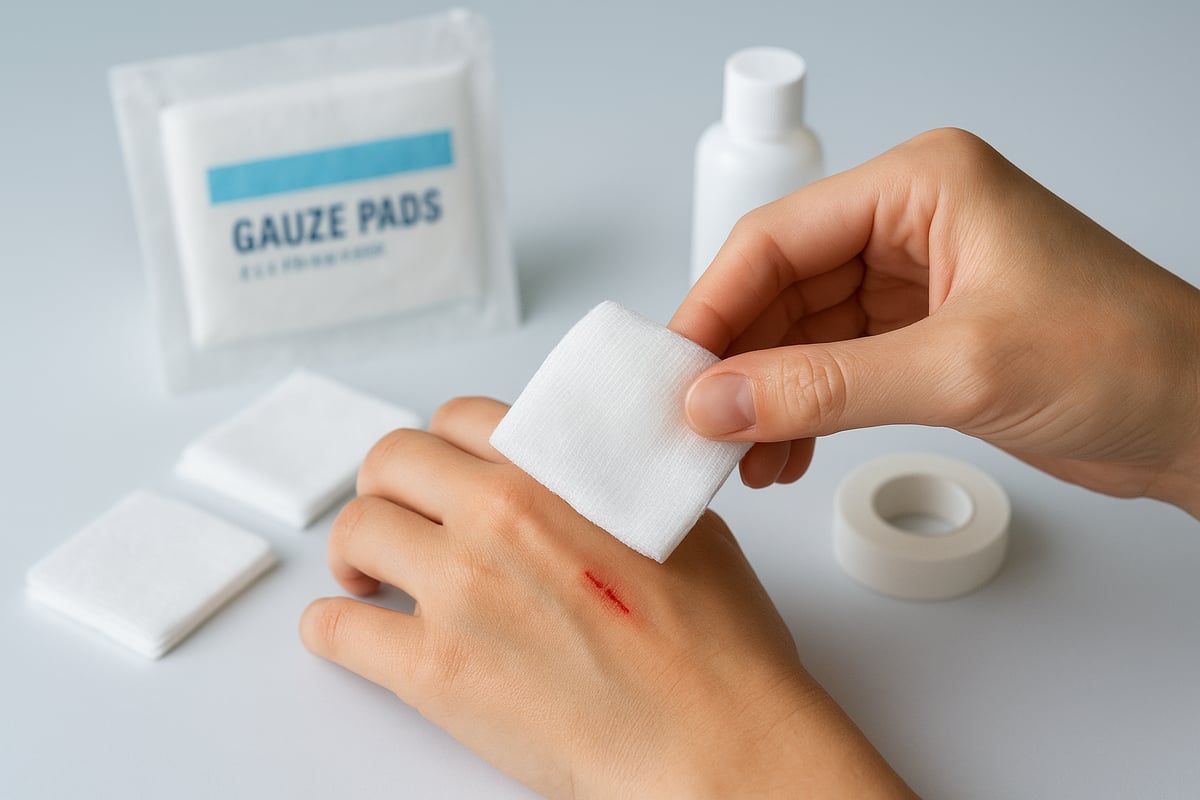
In first aid and emergency situations, 4x4 gauze pads play a vital role in immediate wound management. They are commonly used to clean, cover, and protect minor cuts, scrapes, and burns. Their absorbent nature helps control bleeding and manage exudate, reducing the risk of infection.
Typical scenarios where these pads prove invaluable include:
- Cleaning wounds before applying further dressings.
- Covering injuries to prevent dirt and bacteria from entering.
- Absorbing blood and fluids during initial care or while waiting for medical help.
These pads are standard components in trauma kits and home first aid kits. They are also crucial for treating burns and skin grafts, such as when paired with Xeroform Petrolatum Dressing for moist wound healing. For sports injuries and outdoor emergencies, their compact size and effectiveness make them a preferred choice.
If you are assembling a comprehensive first aid kit, it is important to include a generous supply of 4x4 gauze pads. For a detailed guide on what to pack, see Building a family first aid kit.
Medical and Clinical Settings
In hospitals, clinics, and home healthcare environments, 4x4 gauze pads are indispensable for a wide spectrum of wound care needs. Medical professionals rely on these pads for dressing chronic wounds, ulcers, and surgical incisions. Their versatility allows for use in both minor and more complex procedures.
Key medical uses include:
- Dressing chronic wounds or pressure ulcers that require frequent monitoring.
- Packing and draining wounds with split gauze pads to manage exudate and promote healing.
- Protecting post-surgical sites and minimizing the risk of infection.
- Assisting with wound cleaning during dressing changes.
Data shows that 4x4 gauze pads are among the most commonly used wound care products, with hundreds of millions sold annually for both professional and consumer use. Their presence in nearly every first aid and trauma kit underscores their importance in managing a broad range of injuries.
Selecting the right type of pad and using it correctly ensures optimal healing and comfort for patients, regardless of the setting.
How to Properly Use 4x4 Gauze Pads: Step-by-Step Guide
Proper wound care relies on using the right products and following safe, effective techniques. This step-by-step guide will walk you through how to use 4x4 gauze pads to promote healing, minimize infection risk, and ensure comfort during every stage of wound management.

Preparation and Safety
Before using 4x4 gauze pads, always begin with clean hands. Wash thoroughly with soap and water or use an alcohol-based sanitizer. For open wounds or medical procedures, put on disposable gloves to reduce the risk of contamination.
Choose between sterile and non-sterile 4x4 gauze pads based on the wound type. Sterile pads are essential for fresh, open, or surgical wounds, while non-sterile options work for less critical situations. When selecting your pad, consider absorbency, ply count, and whether a non-stick or traditional pad is more suitable. For more detailed information on gauze types and their proper use, consult the Surgical Gauze Buying Guide.
Open individually wrapped pads just before use. Tear along the edge without touching the pad surface to maintain sterility. Prepare any additional supplies—such as wound cleansers, adhesive tape, or bandages—within reach before starting.
Application Steps
Applying 4x4 gauze pads correctly is crucial for effective wound care. Follow these steps:
- Step 1: Clean the wound with a gentle, appropriate solution. Remove any debris or dirt softly.
- Step 2: Use a fresh 4x4 gauze pad to gently pat the area dry, as needed.
- Step 3: Place a new 4x4 gauze pad directly over the wound, ensuring full coverage.
- Step 4: Secure the pad with medical tape, a bandage, or a bordered pad. Make sure it is snug but not too tight.
- Step 5: Check the pad regularly for saturation. Replace with a fresh 4x4 gauze pad if it becomes soaked or soiled.
Proper application helps the wound stay clean, dry, and protected, which supports faster healing.
Removal and Disposal
When it is time to change 4x4 gauze pads, take extra care to avoid disturbing the healing tissue. Gently lift the edge of the pad. If it sticks, moisten with sterile saline or water to ease removal and reduce pain.
Dispose of used pads in a sealed plastic bag, especially if blood or bodily fluids are present. Follow your local biohazard disposal guidelines if required. Always wash your hands after handling used dressings to prevent cross-contamination.
To minimize skin irritation, avoid pulling adhesive tape too quickly. If the skin appears red or damaged, consider using hypoallergenic tape or a bordered gauze pad for the next application.
Troubleshooting Common Problems
Even with correct technique, some challenges may arise when using 4x4 gauze pads. Here are solutions for frequent issues:
- If the pad sticks to the wound, switch to a non-stick variety or moisten the pad before removal.
- For wounds with heavy exudate, use a higher ply count or combine with an alginate dressing for added absorbency.
- To prevent infection, always use sterile 4x4 gauze pads on open or surgical wounds and change frequently.
- If irritation or allergic reactions occur, select pads labeled as hypoallergenic and latex-free.
- For complex wounds, consult a healthcare provider for advanced dressing options.
Being proactive with these troubleshooting tips ensures 4x4 gauze pads deliver optimal protection and support throughout the healing process.
Key Criteria for Selecting the Best 4x4 Gauze Pads in 2026
Choosing the right 4x4 gauze pads can make a significant difference in wound care outcomes, comfort, and cost-effectiveness. The market in 2026 offers more options than ever, so understanding the essential selection criteria is vital for both personal and professional use.
Material and Construction
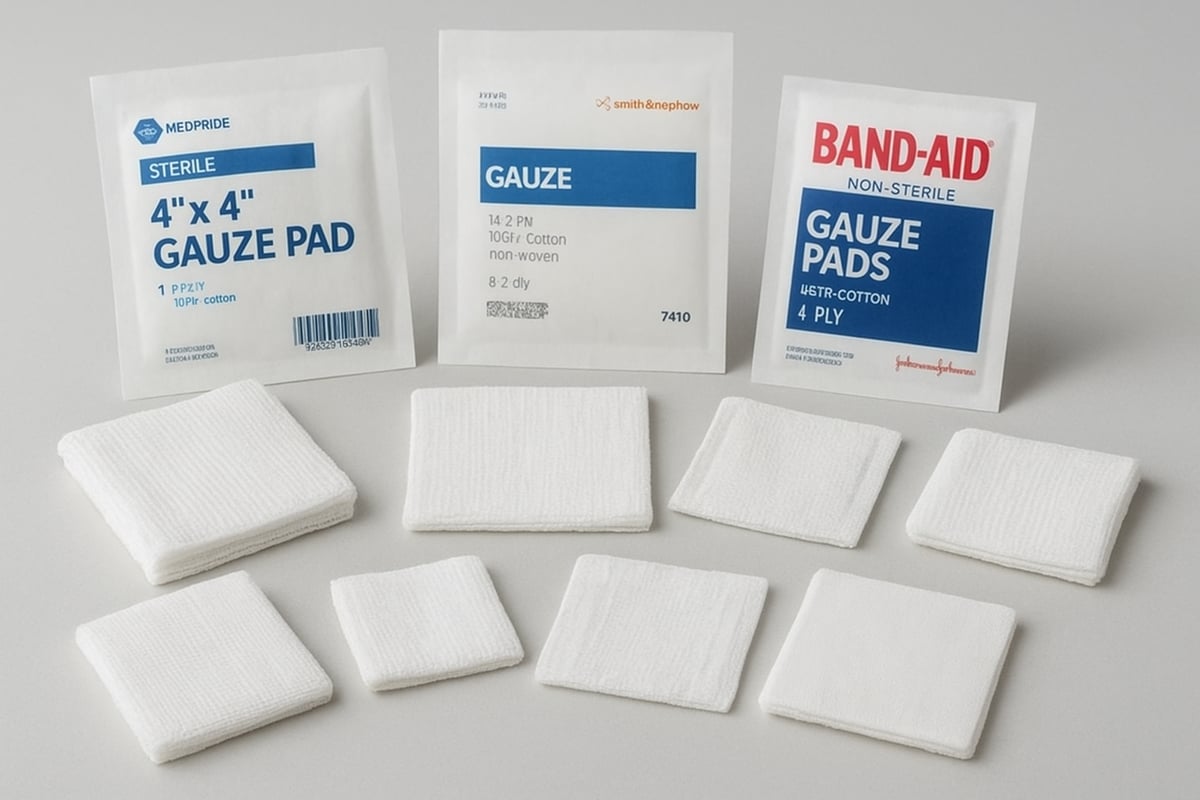
4x4 gauze pads are primarily available in woven and non-woven materials. Woven pads, typically made from 100 percent cotton, offer durability and effective absorbency for most wounds. Non-woven pads, often crafted from rayon or polyester blends, provide a softer, lint-free alternative with less risk of fiber shedding.
Hypoallergenic and latex-free options are essential for sensitive skin and allergy-prone users. Ply count, such as 4-ply, 8-ply, or 12-ply, indicates the number of layers and directly affects absorbency and thickness. Higher ply counts are suitable for wounds with more exudate.
For a comprehensive overview of material choices and industry standards, you can consult this 4x4 Gauze Pads Selection Criteria guide.
Sterility and Packaging
Sterility is a critical factor when selecting 4x4 gauze pads for open or surgical wounds. Sterile pads are individually wrapped to maintain cleanliness, making them suitable for high-risk applications and first aid kits. Non-sterile options are ideal for general cleaning or cushioning needs.
Packaging matters as well. Individually wrapped pads prevent contamination and are convenient for travel or emergency kits. Bulk packaging is cost-effective for clinics or high-usage environments, but proper storage is necessary to preserve pad quality.
Absorbency and Size
Absorbency is a defining feature of 4x4 gauze pads. Matching the pad's absorbency to the wound type ensures optimal moisture management and healing. High-ply or specialty pads are best for wounds with heavy drainage, while lower-ply pads suit minor injuries.
Size is also important. Standard 4x4 gauze pads fit most wounds, but for larger or irregularly shaped injuries, multiple pads or larger dressings may be required. Always assess the wound to determine the most appropriate pad for effective coverage and absorption.
Comfort and Non-Adherence
Comfort can affect healing, especially for sensitive or fragile skin. Non-stick or non-adherent 4x4 gauze pads are designed to minimize trauma during dressing changes. Bordered pads, featuring gentle adhesives, provide secure placement without irritating the skin.
Breathability is another key factor. Pads with good airflow help wounds heal faster and reduce the risk of maceration. For those with allergies or a history of skin reactions, hypoallergenic adhesives and latex-free materials are recommended.
Brand and Price Comparison
Several leading brands offer 4x4 gauze pads, each with unique features and price points. Comparing options helps balance quality with budget. Consider the following data:
| Brand | Sterile/Non-Sterile | Ply Count | Price per Pad | Pack Sizes |
|---|---|---|---|---|
| Band-Aid | Sterile | 4-ply | $0.22 | 25, 50 |
| Equate | Non-Sterile | 8-ply | $0.15 | 100, 200 |
| MedPride | Sterile/Non-Sterile | 12-ply | $0.18 | 50, 100, 200 |
| Ceeport | Sterile | 8-ply | $0.27 | 25, 50 |
| McKesson | Non-Sterile | 4-ply | $0.13 | 200, 400 |
Value packs offer savings for frequent users, while premium brands may provide enhanced features like extra softness or antimicrobial coatings.
Sustainability and Innovations
Sustainability is gaining importance in the selection of 4x4 gauze pads. Many brands now offer eco-friendly packaging and biodegradable materials to reduce environmental impact. In 2026, innovations such as antimicrobial coatings, water-resistant borders, and improved absorbency are widely available.
Consumers should look for pads with certifications for environmental responsibility and consider new technologies that enhance wound healing while minimizing waste. Staying informed about these trends ensures you choose pads that align with both health and environmental values.
Where to Buy 4x4 Gauze Pads: Top Sources and Buying Tips
Finding the right place to purchase 4x4 gauze pads is essential for effective wound care. Whether you need a few pads for personal use or a bulk supply for a clinic, knowing your options helps ensure you get quality, value, and convenience.
Retail and Online Options
You can buy 4x4 gauze pads from a variety of sources, both in-store and online. Local pharmacies and supermarkets often stock single packs and small boxes, making them convenient for everyday needs. For a broader selection, big-box retailers like Walmart and Target, as well as online giants like Amazon, provide everything from economy packs to specialty dressings.
Medical supply stores, both physical and online, offer professional-grade and specialty 4x4 gauze pads. These suppliers are ideal for clinics, first aid trainers, and anyone needing specific features such as higher ply counts or sterile packaging.
- Pharmacies and supermarkets: easy access, limited selection
- Big-box retailers: value packs, brand variety
- Online marketplaces: bulk discounts, reviews, subscription options
- Medical supply stores: specialized products, clinical-grade
Choosing the right source depends on your need for convenience, quantity, and product variety.
What to Look for When Shopping
When purchasing 4x4 gauze pads, always check for product authenticity and expiration dates. Counterfeit or expired items can compromise wound care. Reading customer reviews and checking ratings (aim for products with at least 4.7 out of 5 stars) helps ensure quality.
Compare available pack sizes and calculate the price per pad to find the best value. Look for individually wrapped pads for first aid kits or travel, and bulk packaging for clinics or frequent users. Confirm that the gauze pads are sealed and free from visible defects.
- Verify manufacturer and lot numbers
- Inspect packaging integrity
- Compare unit pricing for savings
A careful approach guarantees you get reliable and safe 4x4 gauze pads every time.
Subscription and Bulk Buying
For those who use 4x4 gauze pads regularly, subscription services and bulk purchases offer convenience and cost savings. Many online retailers and medical suppliers provide recurring delivery options, ensuring you never run out of critical supplies.
Organizations, schools, and businesses can benefit from bulk discounts. Buying in larger quantities often reduces the per-pad cost, making it more economical for high-usage environments. Subscription models are flexible, allowing users to adjust order frequency based on changing needs.
- Automatic delivery reduces last-minute shortages
- Bulk packs lower overall costs
- Customizable plans fit different usage rates
Selecting the right plan can streamline supply management and reduce stress for both individuals and organizations.
FSA/HSA Eligibility
An important consideration when buying 4x4 gauze pads is whether they are eligible for purchase with flexible spending accounts (FSA) or health savings accounts (HSA). Many medical supply retailers, including Amazon and Walmart, clearly mark eligible products, making it easier to use pre-tax dollars for wound care essentials.
Before making a purchase, check that the gauze pads are labeled as FSA/HSA eligible. For more guidance, review these Flexible spending and health savings tips to maximize your benefits and avoid common pitfalls.
Leveraging these accounts can make stocking up on 4x4 gauze pads more affordable and efficient for both individuals and families.
Expert Tips for Maximizing the Effectiveness of 4x4 Gauze Pads
Achieving optimal results with 4x4 gauze pads requires more than just basic application. Proper techniques, smart product choices, and a few insider strategies can improve healing outcomes and comfort. The following expert advice will help you get the most out of your wound care routine with 4x4 gauze pads.
Storage and Shelf Life
Storing 4x4 gauze pads correctly helps maintain sterility and effectiveness. Always keep gauze in a cool, dry place away from direct sunlight. Avoid storing near chemicals or in humid environments, as moisture can compromise packaging.
Check expiration dates regularly. Most sterile gauze pads have a shelf life of several years if unopened. Discard any pads with damaged packaging, as sterility may be compromised. Organize your stock by expiration date, using older supplies first.
| Storage Tip | Benefit |
|---|---|
| Cool, dry location | Preserves sterility |
| Away from sunlight | Prevents degradation |
| Check packaging | Avoids contamination |
Layering and Combining Dressings
Sometimes a single 4x4 gauze pad is not sufficient for wounds with heavy exudate or irregular shapes. In these cases, layering pads can improve absorbency and protection. For complex wounds, consider combining 4x4 gauze pads with specialty dressings like alginate or hydrocolloid to boost moisture control and healing.
Do not over-layer, as excessive bulk may hinder breathability and slow healing. Adjust the number of pads based on wound size and drainage. Always secure layered dressings with appropriate tape or an adhesive border.
Preventing Adhesive Reactions
Sensitive skin can react to adhesives, causing discomfort or further irritation. Choose hypoallergenic tapes and bordered pads to minimize reactions. Conduct a spot test with any new adhesive product before full application.
For an extra layer of protection, opt for non-adherent gauze pads, which reduce sticking and skin trauma. For technical details on these products, refer to the Non-Adherent Gauze Pads Specification. This document explains features that can help you select the best option for sensitive skin.
| Product Feature | Skin Benefit |
|---|---|
| Non-adherent layer | Reduces pain on removal |
| Hypoallergenic tape | Less allergic reaction risk |
Reducing Waste and Cost
To avoid unnecessary waste, match the ply and absorbency of your 4x4 gauze pads to the wound type. High-ply pads are best for wounds with heavy drainage, while standard pads work well for minor injuries. Only change dressings when saturated or as directed by a healthcare professional.
Buy in bulk if you use gauze frequently, but avoid overstocking beyond expiration dates. Proper sizing and selection can also reduce the need for frequent changes, saving both time and money.
When to Seek Medical Attention
While 4x4 gauze pads are effective for many wounds, some situations require professional care. Watch for signs of infection such as increased redness, swelling, pus, or a foul odor. If a wound does not show signs of healing after several days, consult a healthcare provider.
For chronic wounds or those at risk of pressure ulcers, advanced dressings may be necessary. The Pressure Ulcers and Dressings Study provides valuable insights into the effectiveness of different dressings, including gauze, for complex wound care.
Professional Insight: Paramedic and First Aid Expert Recommendations
Experienced paramedics recommend always including quality 4x4 gauze pads in first aid and trauma kits. Select pads that are individually wrapped for sterility and quick access. Wound care specialists also advise re-evaluating your supplies annually to ensure you have the right products for various scenarios.
By following these expert tips, you can confidently manage wounds, maximize healing, and ensure you are prepared for both everyday and emergency situations.
Trends and Innovations in 4x4 Gauze Pads for 2026
The landscape of 4x4 gauze pads is rapidly evolving, keeping pace with advancements in healthcare and consumer demands. As we look to 2026, several key trends are shaping the future of wound care, making these essential supplies more effective, sustainable, and user-friendly than ever.
Advancements in Materials
One of the most exciting developments in 4x4 gauze pads is the introduction of advanced materials. Manufacturers are now offering antimicrobial and silver-infused options, which help reduce the risk of infection for wounds requiring extended care.
Improved non-stick and moisture-wicking technologies are also making a difference. These new features ensure that 4x4 gauze pads do not adhere to wounds, making removal less painful and minimizing skin irritation. Enhanced absorbency is becoming standard, allowing for better management of exudate and reducing the need for frequent dressing changes.
These material innovations are designed to meet the needs of both medical professionals and everyday users, ensuring safety and comfort in a variety of wound care situations.
Sustainability Initiatives
Sustainability is a top priority in healthcare products, and 4x4 gauze pads are no exception. In 2026, more brands are introducing biodegradable and compostable gauze options, helping to reduce medical waste in clinics and homes.
Eco-friendly packaging is also gaining traction, with many manufacturers eliminating unnecessary plastics and using recycled materials. These initiatives not only appeal to environmentally conscious consumers but also support regulatory efforts to minimize the environmental impact of medical supplies.
By choosing sustainable 4x4 gauze pads, organizations and individuals can contribute to greener healthcare practices without sacrificing quality or performance.
Smart Wound Care Products
Technology is transforming wound care with the advent of smart 4x4 gauze pads. Some of the latest products feature built-in indicators that change color when the pad is saturated or if signs of infection are detected. This allows for more precise monitoring and timely dressing changes, which can be critical in both home and clinical settings.
Integration with digital health platforms is also emerging, enabling users and caregivers to track healing progress through connected devices. For severe injuries, understanding the distinctions between dressing types is vital. For more on the critical differences between trauma dressings and other wound care solutions, see this expert resource: Trauma dressing versus tourniquet.
These innovations in 4x4 gauze pads are making wound care smarter, safer, and more personalized than ever before.
Market Data and Consumer Preferences
The demand for 4x4 gauze pads continues to rise, fueled by the growth of home healthcare and self-care trends. Consumers are increasingly choosing subscription and bulk-buying models, ensuring they always have high-quality gauze on hand.
Key trends in consumer preferences include:
- Top-rated products averaging above 4.5/5 stars
- Greater emphasis on eco-friendly and hypoallergenic options
- Increased interest in value packs for cost savings
Healthcare providers and individuals alike are driving innovation by seeking products that balance affordability, performance, and sustainability.
Future Outlook
Looking ahead, the next generation of 4x4 gauze pads promises even more breakthroughs. Expect to see further advancements in antimicrobial technology, increased use of smart monitoring features, and ongoing improvements in sustainability.
As consumers and healthcare professionals continue to shape product development, 4x4 gauze pads will remain at the forefront of wound care, ensuring effective and responsible solutions for every need.

