Sterile Gauze Dressing Pads: A Complete Guide for 2026
When responding to medical emergencies or managing wounds, the quality of your supplies can mean the difference between effective treatment and potential complications. Sterile gauze dressing pads remain one of the most fundamental components in any first aid arsenal, serving as the primary barrier between wounds and environmental contaminants while promoting healing. Whether you're a medical professional, first responder, or someone building a comprehensive home medical kit, understanding these essential supplies ensures you're prepared to deliver appropriate care when it matters most.
Understanding Sterile Gauze Dressing Pads and Their Critical Role
Sterile gauze dressing pads represent a specialized category of wound care materials designed to maintain a contamination-free environment during treatment. Unlike non-sterile alternatives, these pads undergo rigorous manufacturing processes that eliminate bacteria, viruses, and other pathogens.
The sterility factor isn't just a premium feature. It's a critical requirement for preventing infections that can transform minor injuries into serious medical complications. According to World Health Organization specifications for medical supplies, sterile dressings must meet specific standards to ensure patient safety in primary health care settings.
Manufacturing Standards and Sterilization Methods
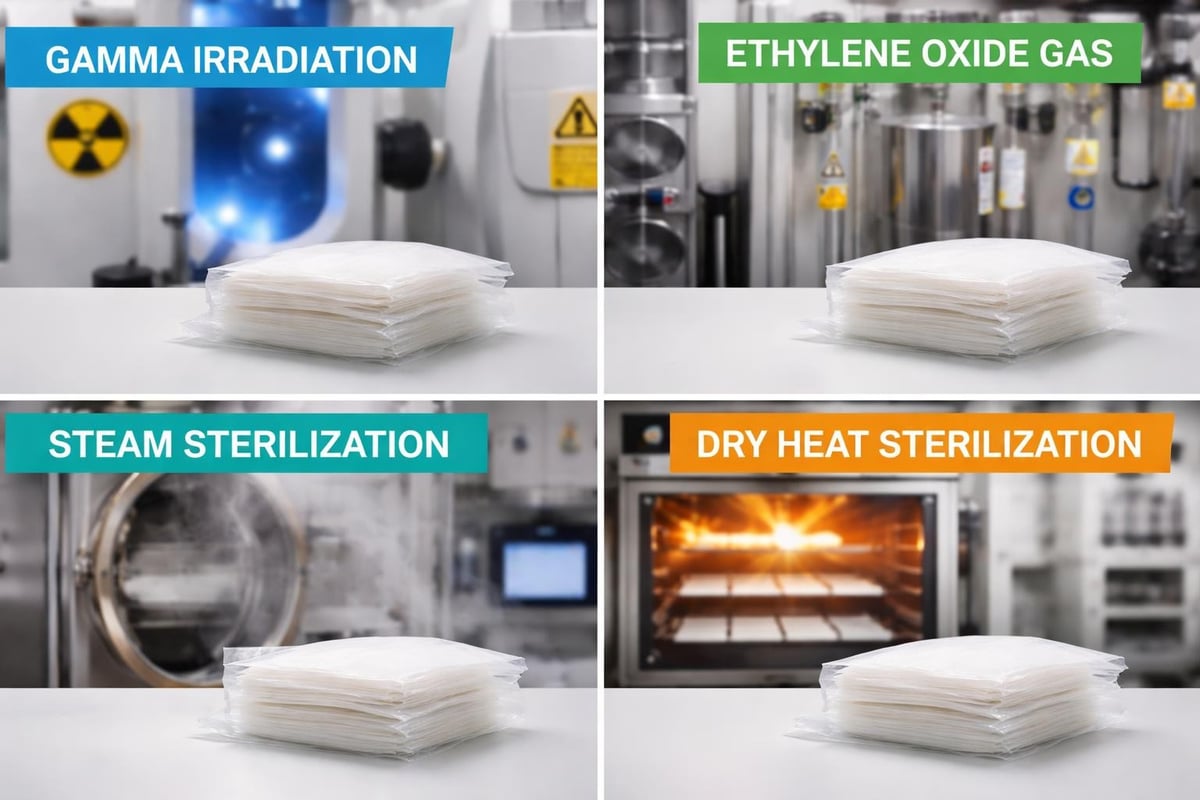
Modern sterile gauze dressing pads undergo several sterilization processes:
- Gamma irradiation - Uses ionizing radiation to eliminate microorganisms
- Ethylene oxide gas treatment - Penetrates packaging to sterilize without heat
- Steam sterilization - High-pressure steam for certain gauze types
- Dry heat sterilization - Alternative method for specific materials
Each method has distinct advantages, but all achieve the same goal: delivering a completely sterile product that maintains its integrity until the package is opened.
Types and Specifications for Different Applications
Not all sterile gauze dressing pads are created equal. The medical supply industry offers numerous variations designed for specific wound types and treatment protocols. Understanding these differences helps you select the right product for each situation.
Woven vs. Non-Woven Construction
| Feature | Woven Gauze | Non-Woven Gauze |
|---|---|---|
| Absorbency | Moderate to high | Excellent |
| Linting | May produce lint | Minimal to none |
| Conformability | Less flexible | Highly flexible |
| Cost | Lower | Moderate to higher |
| Best Use | General wound care | Surgical applications |
Woven gauze features a traditional mesh construction that allows air circulation while absorbing drainage. Non-woven alternatives use synthetic fibers bonded together, creating a surface that produces minimal lint-a crucial factor when dealing with deep wounds or surgical sites.
Size Variations and Selection Criteria
Sterile gauze dressing pads come in standard dimensions ranging from 2x2 inches to 4x4 inches and larger specialty sizes. Your first aid kit contents should include multiple sizes to address various wound dimensions.
Small pads (2x2 inches):
- Facial injuries
- Finger and toe wounds
- Pediatric applications
- Precision wound cleaning
Medium pads (3x3 inches):
- Standard lacerations
- Abrasions
- Post-surgical wound care
- General purpose treatment
Large pads (4x4 inches and above):
- Extensive injuries
- Burns covering larger areas
- Heavily draining wounds
- Multi-layer dressing applications
Proper Application Techniques for Optimal Wound Care
Knowing how to correctly apply sterile gauze dressing pads separates competent first aid from potentially harmful intervention. Even the highest quality supplies lose their effectiveness when improperly used.
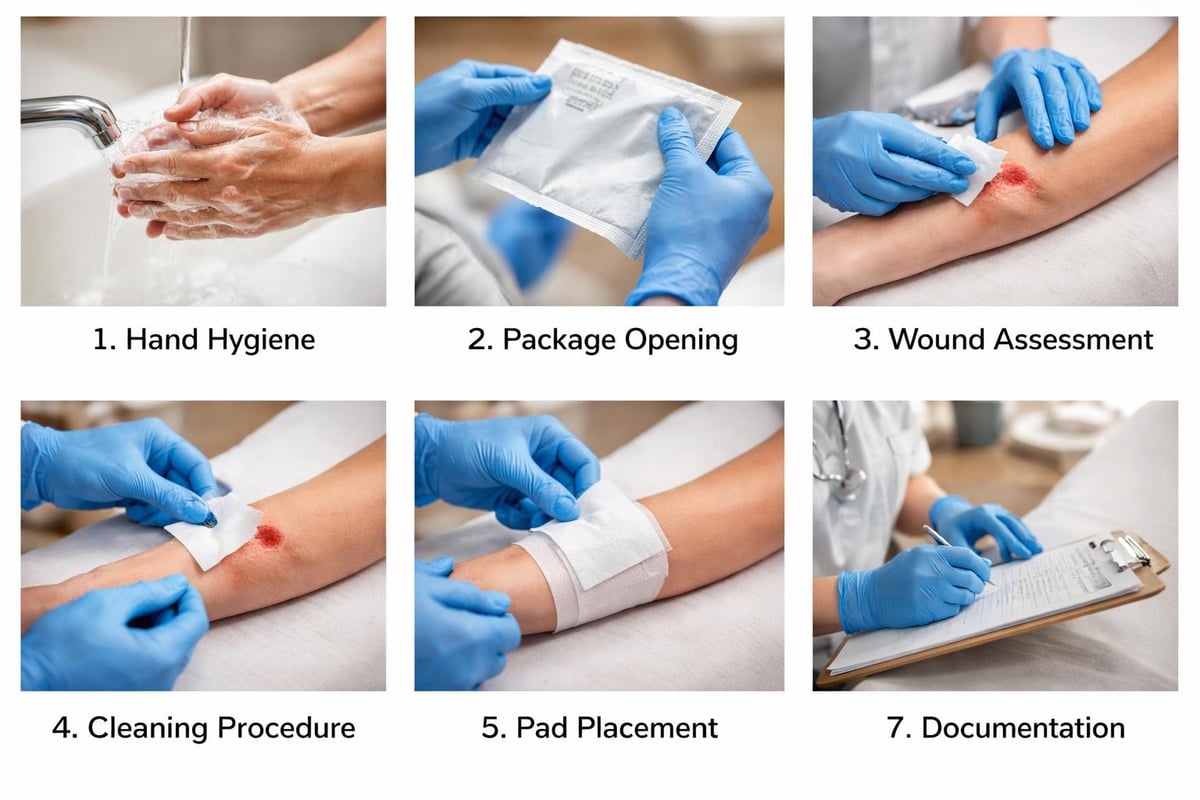
Step-by-Step Application Protocol
- Hand hygiene and glove preparation - Wash hands thoroughly and don medical gloves before touching any sterile materials
- Package opening technique - Tear packaging carefully to avoid contaminating the sterile field
- Wound assessment - Evaluate size, depth, and contamination level
- Cleaning procedure - If appropriate, irrigate the wound with sterile saline
- Pad placement - Apply the sterile gauze without touching the wound-contact surface
- Securing method - Use medical tape or bandages to hold the dressing in place
- Documentation - Note application time and wound characteristics
The importance of choosing sterile gauze pads becomes evident when you understand that contaminated dressings can introduce pathogens directly into compromised tissue.
Common Application Mistakes to Avoid
Even experienced practitioners sometimes develop habits that compromise dressing effectiveness. Be vigilant about these errors:
- Touching the sterile surface - Always handle pads by their edges or use sterile instruments
- Reusing opened packages - Once exposed to air, unused pads lose their sterility
- Applying dry dressings to burns - Burns require specialized non-adherent or moist dressings
- Inadequate wound cleaning - Placing sterile dressings over contaminated wounds traps bacteria
- Over-tightening securing bandages - Restricts circulation and delays healing
Specialty Gauze Products and Advanced Options
Beyond standard sterile gauze dressing pads, the medical supply market offers enhanced products designed for specific clinical challenges. These specialized options deserve consideration when equipping your first aid supplies.
Impregnated Gauze Variations
Manufacturers infuse standard gauze with various compounds to enhance healing properties:
Petrolatum-impregnated gauze:
- Prevents adherence to wound beds
- Maintains moisture balance
- Ideal for burns and skin grafts
- Reduces pain during dressing changes
Antimicrobial-treated gauze:
- Contains silver ions or iodine compounds
- Actively fights bacterial colonization
- Appropriate for infected wounds
- Extends wear time between changes
Hemostatic gauze:
- Impregnated with clotting agents
- Critical for severe hemorrhage control
- Standard in trauma kits
- Requires specific training for proper use
Non-Adherent Pad Technology
Standard gauze can stick to healing tissue, causing pain and damage during removal. Non-adherent pad options feature special coatings or constructions that minimize this problem while maintaining sterility.
These products work exceptionally well for:
- Second-degree burns
- Surgical incisions
- Skin tears in elderly patients
- Wounds requiring frequent assessment
Selection Criteria for Professional and Personal Use
Choosing the right sterile gauze dressing pads requires balancing multiple factors including intended use, storage constraints, and budget considerations. Making informed decisions ensures your medical supplies deliver maximum value when needed.
Quality Indicators and Certification
Look for products meeting recognized industry standards. The FDA regulates medical dressings as Class I devices, but additional certifications indicate higher quality assurance. When selecting the best medical kit components, prioritize manufacturers with documented quality control processes.
| Certification | Significance | Relevance |
|---|---|---|
| FDA Registered | Facility meets basic requirements | Essential minimum |
| ISO 13485 | Quality management for medical devices | Indicates systematic quality |
| CE Marking | European safety standards | Useful for imported products |
| USP Compliance | United States Pharmacopeia standards | Material purity verification |
Packaging Considerations for Different Environments
Sterile gauze dressing pads come in various packaging formats, each suited to specific applications. Medical professionals and prepared individuals should consider their typical use cases when making purchasing decisions.
Individual wrapping:
- Maximum sterility assurance
- Higher cost per pad
- Ideal for field use
- Reduces waste in single-injury scenarios
Multi-pack envelopes:
- Cost-effective for high-volume users
- Requires careful handling after opening
- Appropriate for clinical settings
- Risk of contamination if not used quickly
Combination packaging:
- Includes multiple sizes in one package
- Convenient for comprehensive first aid kits
- Balances variety with organization
- Good value for complete preparedness
Integration into Comprehensive Medical Kits
Sterile gauze dressing pads function as part of a larger wound care system. Their effectiveness multiplies when combined with complementary supplies and proper training. Building a well-rounded medical capability means understanding how these components work together.
Essential Companion Supplies
Pair your sterile gauze dressing pads with these critical items:
- Medical tape - Secures dressings without damaging skin
- Roller gauze - Provides secondary securing and compression
- Irrigation solution - Sterile saline for wound cleaning
- Trauma shears - Cuts clothing and tape without contaminating sterile field
- Nitrile gloves - Protects both responder and patient from cross-contamination
Your home medicine kit should include these items in quantities proportional to your household size and activity level.
Quantity Planning for Various Scenarios
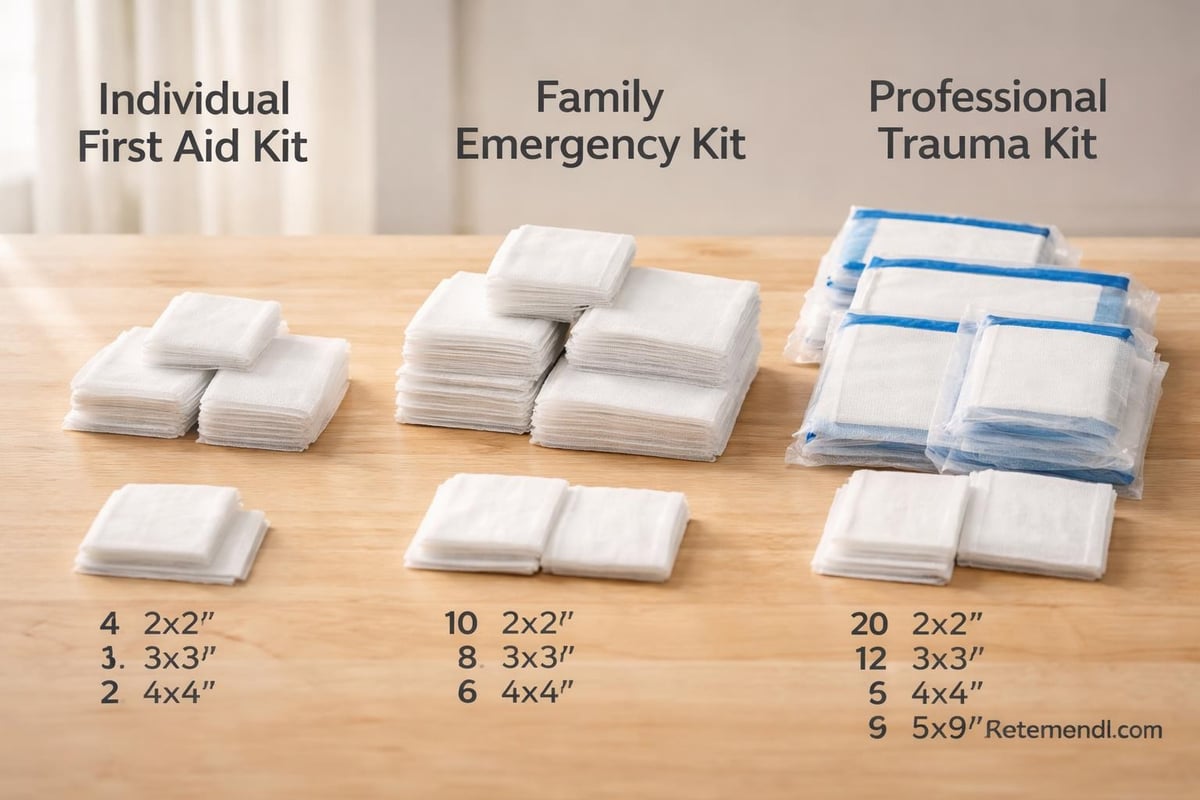
How many sterile gauze dressing pads do you actually need? The answer depends on your specific circumstances and risk assessment. Consider these factors when determining quantities:
For individual first aid kits:
- Minimum 10-15 pads in assorted sizes
- Focus on 2x2 and 3x3 inch varieties
- Replace every 3-5 years or per expiration dates
For family or small group kits:
- 25-40 pads across multiple size ranges
- Include specialty options like non-adherent pads
- Plan for treating multiple injuries simultaneously
For professional or tactical applications:
- 50+ pads distributed across various kit locations
- Emphasize larger sizes (4x4 inches and above)
- Include hemostatic and antimicrobial options
- Coordinate with response kit configurations
Storage, Shelf Life, and Maintenance Protocols
Even the highest quality sterile gauze dressing pads become useless if improperly stored or allowed to exceed their shelf life. Implementing proper inventory management ensures your supplies remain ready when emergencies strike.
Optimal Storage Conditions
Maintaining sterility requires controlling environmental factors:
Temperature requirements:
- Store between 59°F and 86°F (15°C to 30°C)
- Avoid extreme heat that degrades packaging
- Prevent freezing in cold climates
- Keep away from heating vents and direct sunlight
Humidity control:
- Maintain relative humidity below 70%
- Excess moisture compromises packaging seals
- Use desiccant packets in humid environments
- Monitor storage areas in basements or vehicles
Physical protection:
- Prevent crushing or compressing packaged pads
- Organize in rigid containers or dedicated compartments
- Keep away from sharp objects that might puncture packaging
- Regularly inspect for damage or compromised seals
Expiration Dating and Rotation Systems
Sterile gauze dressing pads typically maintain their sterility for 3-5 years from manufacture, but this assumes proper storage. The latest advancements in sterile gauze pad technology have extended shelf life in some cases, but rotation remains critical.
Implement a first-in, first-out (FIFO) system:
- Mark purchase dates - Label all packages with acquisition dates
- Front-load older stock - Place newer supplies behind existing inventory
- Quarterly inspections - Check for damaged packaging or approaching expiration
- Training refreshers - Use near-expired products for practice and education
- Replenishment scheduling - Order replacements before complete depletion
Cost Analysis and Value Optimization
Budget constraints affect purchasing decisions for individuals and organizations alike. Understanding the true cost of sterile gauze dressing pads means looking beyond initial price tags to consider performance, waste, and risk factors.
Price Comparison Framework
| Purchase Method | Cost per Pad | Advantages | Disadvantages |
|---|---|---|---|
| Retail pharmacy | $0.50-$1.50 | Immediate availability | Highest per-unit cost |
| Online medical suppliers | $0.20-$0.60 | Broader selection | Shipping delays |
| Bulk purchasing | $0.10-$0.30 | Lowest per-unit cost | Storage requirements |
| Professional distributors | $0.15-$0.40 | Quality assurance | Minimum order quantities |
When purchasing gauze pads, factor in shipping costs, storage capacity, and realistic usage projections. A case of 1,000 pads might offer excellent per-unit pricing, but represents poor value if half expire unused.
False Economy: When Cheap Becomes Expensive
Some budget options compromise quality in ways that increase overall costs:
- Inadequate sterilization - Leads to infections requiring medical treatment
- Poor absorbency - Necessitates frequent dressing changes
- Weak packaging - Results in contamination and waste
- Excessive linting - Can complicate wound healing
Premium sterile gauze dressing pads from established manufacturers represent an investment in reliability. When evaluating options for dressings and gauze, consider the total cost of ownership rather than just initial purchase price.
Training and Competency Development
Possessing sterile gauze dressing pads means little without the knowledge to use them effectively. Comprehensive preparation includes both acquiring quality supplies and developing the skills to apply them under pressure.
Core Competencies for Proper Use
Effective wound management with sterile gauze dressing pads requires mastering several interconnected skills. Medical professionals and prepared civilians alike benefit from systematic training in:
Assessment capabilities:
- Wound classification (abrasion, laceration, puncture, avulsion)
- Severity determination requiring advanced care
- Contamination level evaluation
- Bleeding control priority setting
Technical procedures:
- Aseptic technique maintenance throughout treatment
- Appropriate dressing size selection for wound dimensions
- Multi-layer application for heavily draining injuries
- Securing methods that balance stability with circulation
Decision-making under stress:
- When sterile technique can be safely modified in austere environments
- Improvisation strategies if supplies are limited
- Recognition of complications requiring medical evacuation
- Documentation for continuity of care
Practical Training Approaches
Knowledge retention peaks when learners actively practice skills rather than passively consuming information. Structure your training program around these proven methods:
- Scenario-based learning - Create realistic wound simulations using moulage techniques
- Timed exercises - Practice rapid application under time pressure
- Equipment familiarization - Handle actual products during training
- Partner practice - Apply dressings to training partners (simulated injuries only)
- Review and critique - Video record applications for detailed feedback
- Regular refreshers - Schedule quarterly skill maintenance sessions
Specialized Applications in Emergency Medicine
While sterile gauze dressing pads serve everyday wound care needs, they also play critical roles in high-stakes emergency scenarios. Understanding these applications prepares you for the most challenging situations.
Hemorrhage Control Applications
Severe bleeding represents one of the most time-sensitive medical emergencies. Sterile gauze dressing pads contribute to multi-step hemorrhage control protocols:
Direct pressure technique:
- Stack multiple pads directly over bleeding source
- Apply firm, sustained pressure for minimum 10 minutes
- Avoid lifting pads to "check" bleeding
- Add additional pads without removing initial layers
Wound packing procedure:
- Used for deep wounds and junctional injuries
- Requires specialized hemostatic gauze for optimal results
- Pack gauze methodically from wound depth to surface
- Maintain pressure on packed wound
- Advanced skill requiring formal training
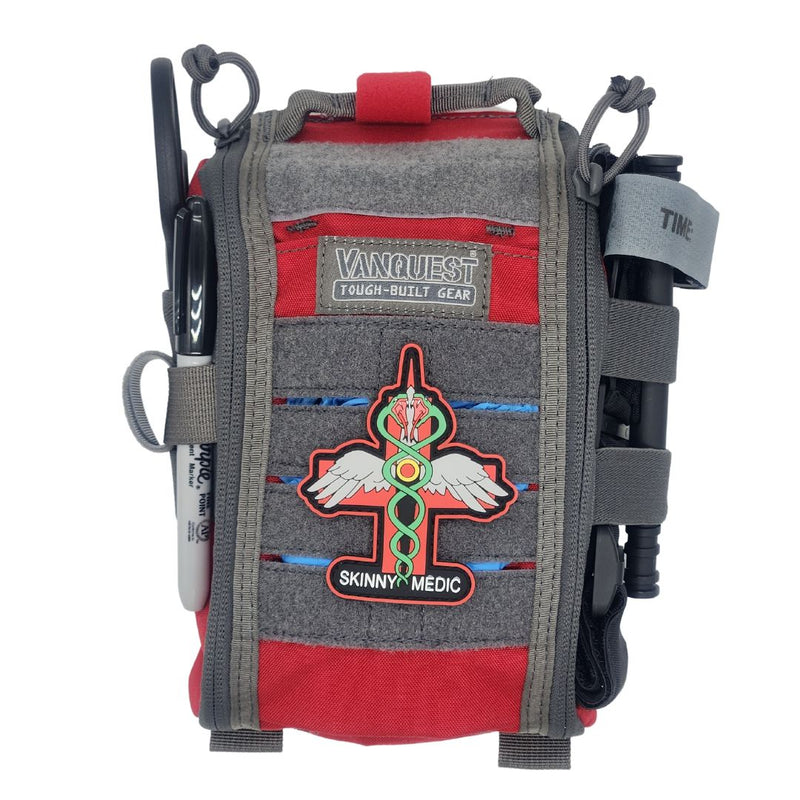
Understanding the contents of an IFAK reveals how sterile gauze integrates with tourniquets and hemostatic agents in trauma care.
Burn Management Protocols
Burns present unique challenges that require modified approaches to sterile gauze dressing application. The primary goals shift from absorption to protection and pain relief.
For first-degree burns:
- Generally don't require sterile dressing coverage
- Cool water treatment followed by air exposure
- Monitor for progression to deeper injury
For second-degree burns:
- Use non-adherent sterile pads to prevent tissue damage
- Apply antibiotic ointment if within scope of practice
- Secure gently to avoid pressure on damaged tissue
- Change dressings per medical guidance
For third-degree burns:
- Cover with dry sterile dressings
- Do not apply ointments or break blisters
- Prevent heat loss with additional insulation
- Immediate medical transport required
Product Recommendations and Review Criteria
Navigating the crowded market of sterile gauze dressing pads requires a systematic evaluation approach. While specific brand endorsements fall outside this guide's scope, understanding what separates excellent products from mediocre ones empowers informed purchasing decisions.
Performance Evaluation Metrics
When reviewing gauze products, assess these critical performance factors:
Absorbency testing:
- Measure liquid retention capacity
- Compare saturation speed across brands
- Evaluate wicking properties for drainage management
- Test performance with various fluid viscosities
Structural integrity:
- Resistance to tearing during application
- Minimal fiber shedding or linting
- Dimensional stability when wet
- Edge security (minimal fraying)
Package reliability:
- Seal strength preventing premature contamination
- Clear expiration date printing
- Easy-tear opening without contaminating contents
- Compact design for efficient storage
Sterility assurance:
- Manufacturer's quality control documentation
- Third-party testing certifications
- Incident history and recall records
- User reviews regarding package compromises
Brand Comparison Considerations
The sterile gauze dressing pad market includes offerings from major medical manufacturers, pharmacy brands, and emerging companies. Each category presents distinct advantages:
Major medical brands:
- Established quality control systems
- Extensive clinical testing and documentation
- Higher price points reflecting R&D investment
- Consistent product availability
Pharmacy store brands:
- Cost-effective for basic applications
- Wide retail availability
- Adequate for general first aid needs
- Limited specialty options
Specialty emergency manufacturers:
- Design optimized for tactical and austere environments
- Rugged packaging for harsh conditions
- Often include hemostatic or antimicrobial treatments
- Premium pricing reflecting specialized capabilities
Regulatory Compliance and Legal Considerations
Understanding the regulatory framework surrounding sterile gauze dressing pads protects you from liability while ensuring you provide appropriate care. These considerations matter whether you're stocking a workplace first aid station or maintaining personal emergency supplies.
FDA Classification and Requirements
The Food and Drug Administration classifies sterile gauze dressing pads as Class I medical devices, indicating they present minimal risk when properly used. However, this classification still imposes specific requirements on manufacturers:
- Good Manufacturing Practices (GMP) compliance
- Facility registration with FDA
- Device listing in FDA database
- Labeling requirements including intended use and warnings
As an end user, verify that products come from FDA-registered facilities. This information typically appears on packaging or manufacturer websites.
Workplace and Organizational Policies
Organizations maintaining first aid supplies must comply with various standards depending on their industry and location. Industry standards and certifications demonstrate due diligence in workplace safety:
OSHA requirements:
- Adequate quantities based on workforce size
- Regular inspection and restocking protocols
- Trained personnel designated for first aid response
- Documentation of supplies and usage
Professional liability considerations:
- Use supplies only within scope of training
- Document all treatments provided
- Maintain current certifications (CPR, First Aid, etc.)
- Follow established protocols and standing orders where applicable
Sterile gauze dressing pads represent one of the most versatile and essential components in any comprehensive medical supply inventory, bridging everyday wound care needs with critical emergency interventions. By understanding product variations, proper application techniques, selection criteria, and integration into broader preparedness strategies, you ensure readiness to provide effective care when it matters most. Whether you're building a basic first aid box or assembling professional-grade trauma kits, Medical Gear Outfitters offers the paramedic-selected supplies and expert guidance you need to confidently face medical emergencies.