Equip First Aid: Complete Guide to Emergency Preparedness
When emergencies strike, the difference between life and death often depends on having the right supplies at your fingertips. To equip first aid capabilities properly, you need more than just a basic kit tucked away in a cabinet. You need a comprehensive approach that includes quality supplies, proper organization, regular maintenance, and the knowledge to use everything effectively. Whether you're outfitting your home, workplace, vehicle, or outdoor gear, understanding how to build and maintain a functional first aid system ensures you're prepared to act when seconds count.
Understanding the Foundation of Emergency Preparedness
Before you equip first aid supplies, you need to assess your specific needs. A construction worker faces different risks than an office manager, and a parent with young children requires different items than a solo hiker. The Wikipedia overview of first aid kits illustrates how varied these collections can be based on environment and regulation.
Consider these critical factors when planning your kit:
- Environment and location: Home, workplace, vehicle, or wilderness setting
- Number of people: Individual use versus group or family coverage
- Specific risks: Industry hazards, outdoor activities, or medical conditions
- Response time: Distance from professional medical services
- Skill level: Training and experience of potential users
The goal is to match your supplies to realistic scenarios you might encounter. A comprehensive approach to first aid kit supplies ensures you're not carrying unnecessary weight while avoiding critical gaps in coverage.
Building Your Core Supply List
Every kit needs fundamental items that address common injuries and medical emergencies. When you equip first aid essentials, start with items that handle bleeding control, wound care, and basic life support. According to ESE International's guidelines, proper contents should reflect both regulatory standards and practical needs.
Bleeding Control Components:
- Gauze pads in multiple sizes (2x2, 3x3, 4x4 inches)
- Roller gauze bandages for wrapping wounds
- Adhesive bandages in assorted sizes
- Trauma dressings for severe bleeding
- Medical tape (cloth and waterproof varieties)
- Tourniquets for life-threatening extremity bleeding
Wound Care and Infection Prevention:
Antibiotic ointments like triple antibiotic formulations prevent infection in minor cuts and scrapes. Pair these with sterile wound irrigation solutions, antiseptic wipes, and burn dressings. Proper wound care supplies bridge the gap between initial injury and professional medical treatment.
Advanced Equipment for Serious Emergencies
Basic supplies handle everyday injuries, but to truly equip first aid capabilities for critical situations, you need trauma-focused equipment. Medical professionals and trained first responders should consider advanced items that address life-threatening conditions.
| Equipment Category | Purpose | Key Items |
|---|---|---|
| Airway Management | Maintain breathing | Oropharyngeal airways, rescue masks, suction devices |
| Circulation Support | Control severe bleeding | Hemostatic gauze, pressure dressings, tourniquets |
| Breathing Assistance | Chest injuries | Chest seals, decompression needles (trained users) |
| Fracture Management | Stabilize injuries | SAM splints, triangular bandages, elastic wraps |
Trauma kits represent a higher level of preparedness, designed for scenarios where professional help may be delayed. These kits often include Israeli compression bandages that combine pressure application with wound coverage in a single device.
The equipment you choose should match your training level. Purchasing advanced supplies without proper instruction creates false confidence and potential liability. Invest in quality training alongside quality equipment to ensure you can intervene effectively during critical moments.
Medications and Pharmaceutical Supplies
When you equip first aid medications, focus on treating common conditions while respecting legal and safety boundaries. Over-the-counter medications provide relief for pain, allergies, and gastrointestinal issues, but proper storage and rotation prevent degradation.
Essential Medications:
- Pain relievers (acetaminophen, ibuprofen, aspirin)
- Antihistamines for allergic reactions
- Anti-diarrheal medication
- Antacids for digestive discomfort
- Hydrocortisone cream for skin irritation
- Oral rehydration salts
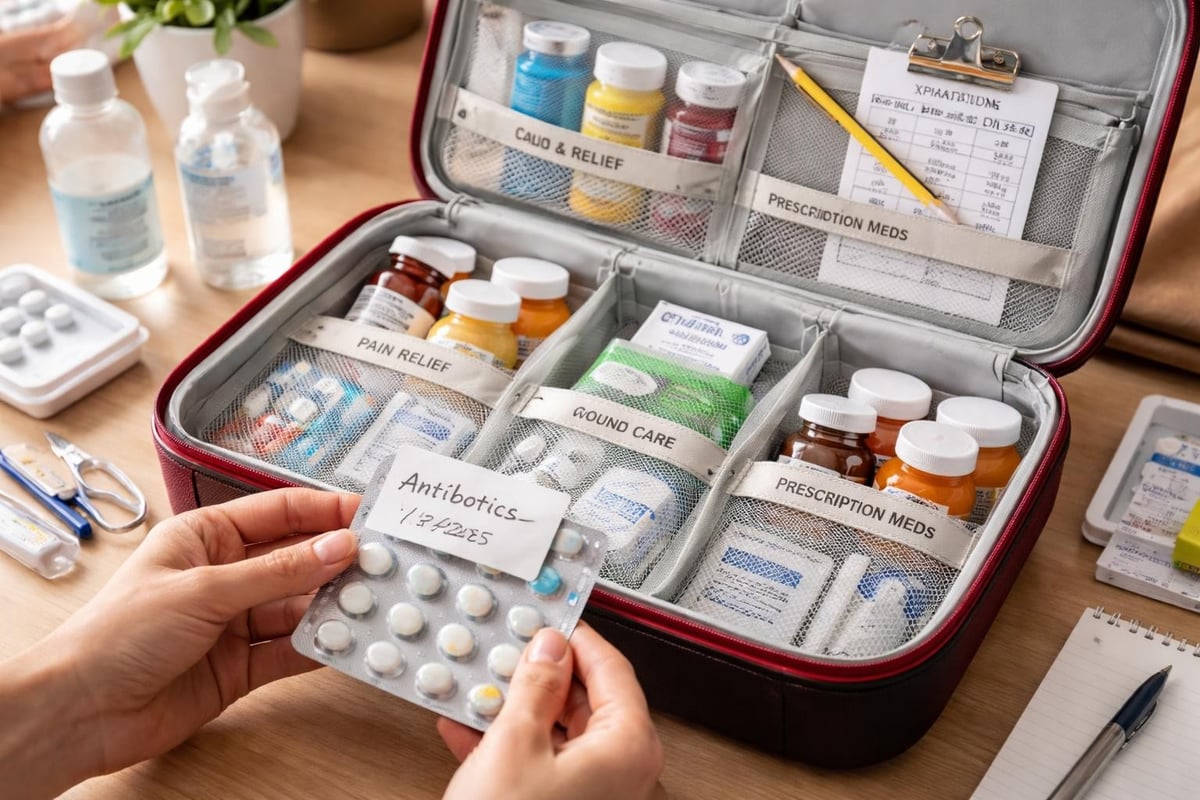
Store medications in cool, dry locations away from direct sunlight. PADI Pros emphasizes the importance of checking expiration dates regularly, as degraded medications lose effectiveness and may produce harmful breakdown products. Label each medication clearly with its purpose, dosage, and expiration date.
Maintenance Systems That Ensure Readiness
Even the best-stocked kit fails if supplies have expired, packaging has deteriorated, or items have been used without replacement. To equip first aid systems that remain functional, establish regular maintenance protocols that catch problems before emergencies arise.
Creating an Inspection Schedule
Schedule monthly quick checks and quarterly comprehensive audits. MediBC's maintenance guidance recommends creating detailed checklists that cover every component. During monthly inspections, verify that the kit remains in its designated location, packaging looks intact, and no obvious gaps exist.
Quarterly audits require deeper examination:
- Remove every item from the kit
- Check expiration dates on all medications and sterile supplies
- Inspect packaging for tears, moisture damage, or contamination
- Test any electronic devices (flashlights, thermometers)
- Verify quantities match your inventory list
- Clean the container and reorganize contents
- Document findings and replacement needs
The first aid kit maintenance checklist from Firstaid4sport provides a framework for ensuring components remain sterile, current, and undamaged. Regular maintenance transforms a forgotten box into a reliable resource.
Implementing Replacement Protocols
Establish a system for first aid resupply that keeps your kit fully stocked. After any emergency use, replace consumed items immediately rather than waiting for scheduled maintenance. This prevents the dangerous situation of reaching for supplies that were used weeks earlier.
Replacement Best Practices:
- Keep a running inventory list with item names and quantities
- Set calendar reminders for items with upcoming expiration dates
- Maintain a small stock of commonly used items (bandages, antiseptic wipes)
- Source replacements from reliable suppliers who guarantee quality
- Consider bulk purchasing options for frequently replaced items
Document every inspection and restocking activity. This record-keeping proves invaluable for workplace compliance, reveals usage patterns, and helps budget for ongoing costs.
Specialized Kits for Specific Environments
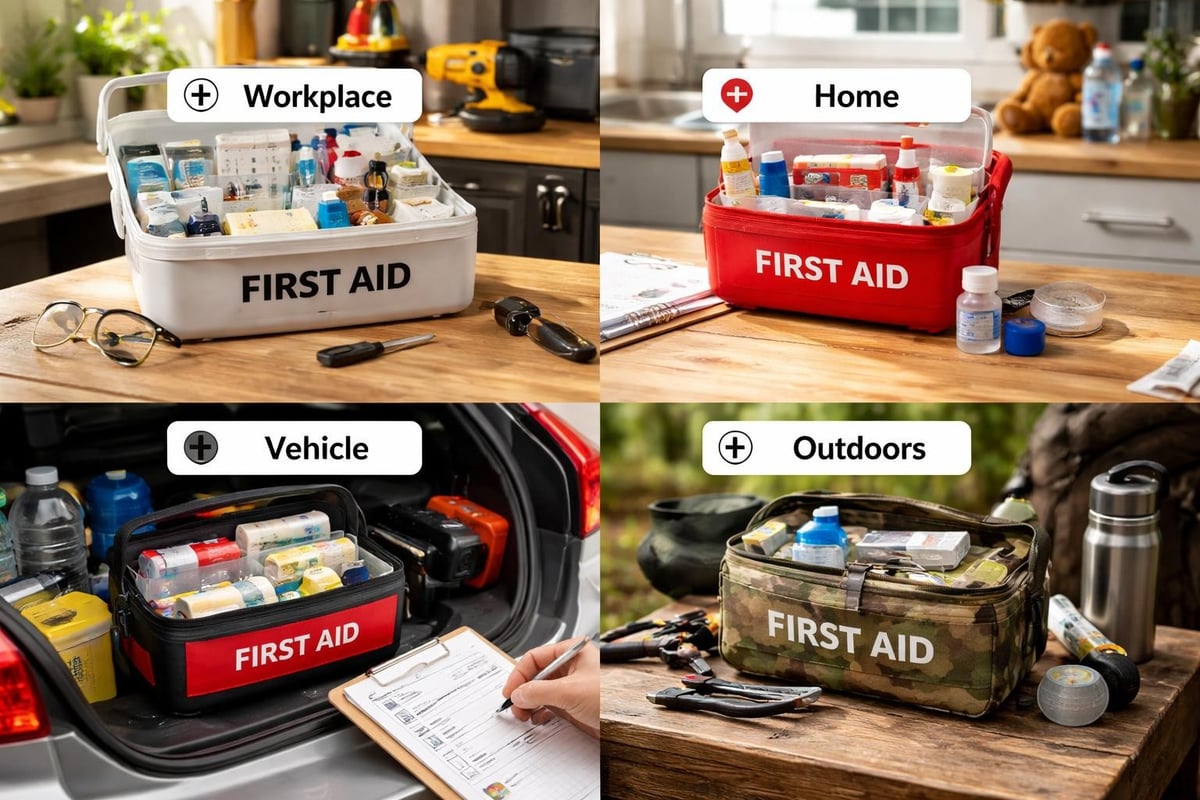
Different settings demand tailored approaches when you equip first aid resources. A one-size-fits-all mentality leaves critical gaps in coverage and wastes space on unnecessary items.
Workplace First Aid Solutions
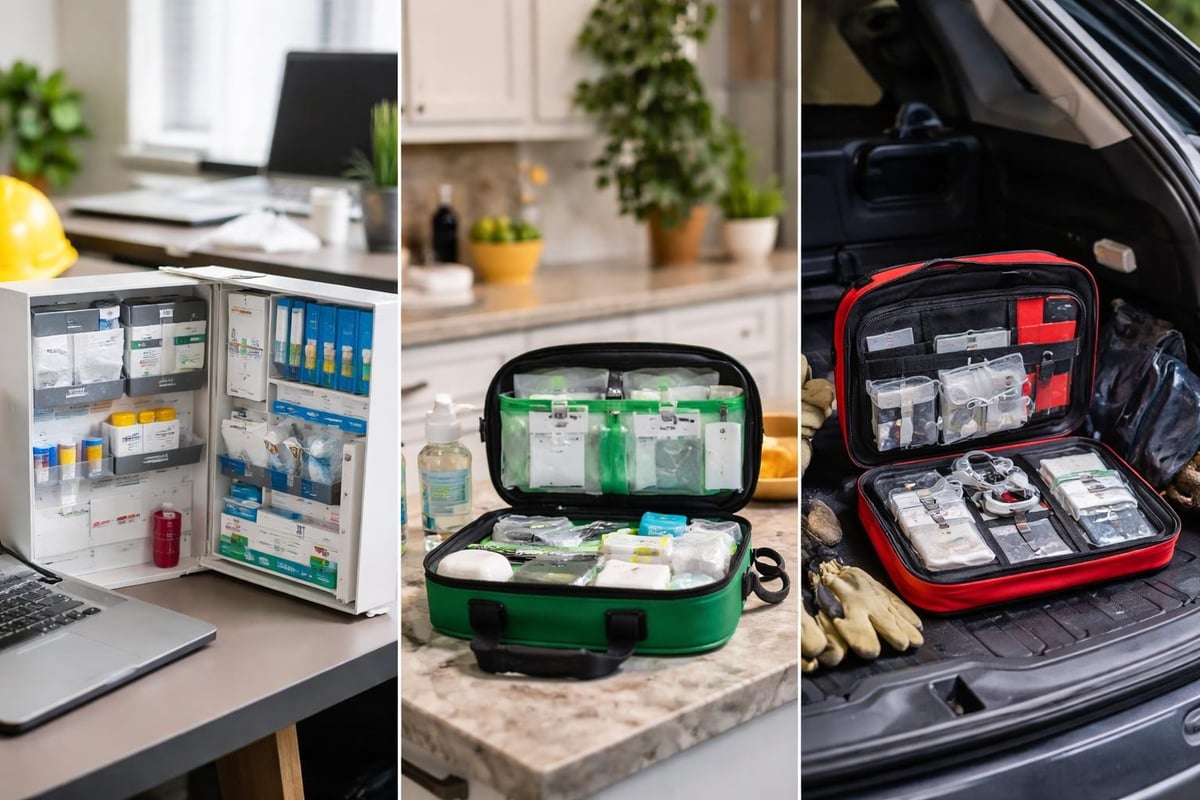
Occupational settings require compliance with regulatory standards while addressing industry-specific hazards. Brenniston's workplace kit guide emphasizes accessibility and clear signage so employees can locate supplies quickly during emergencies.
Manufacturing environments need extensive eye wash stations, burn treatments, and supplies for chemical exposures. Office settings focus more on basic wound care, cardiac emergency equipment like AEDs, and comfort items for common ailments. Construction sites require trauma supplies, splinting materials, and equipment for crushing injuries.
Position multiple kits throughout large facilities rather than relying on a single central location. Every employee should reach first aid supplies within 30 seconds from any work area.
Family and Home Preparedness
When you equip first aid for household use, consider the needs of every family member from infants to elderly residents. A family first aid box should address common childhood injuries, chronic conditions, and age-specific concerns.
| Age Group | Priority Supplies | Special Considerations |
|---|---|---|
| Infants/Toddlers | Infant pain reliever, bulb syringe, thermometer | Smaller bandage sizes, choking rescue devices |
| Children | Colorful bandages, sting relief, cold packs | Child-safe medication doses, comfort items |
| Adults | Standard first aid supplies | Prescription backup, chronic condition support |
| Seniors | Medication organizers, glucose monitoring | Fall-related injury supplies, magnifying tools |
Store home kits in climate-controlled areas accessible to adults but secured from young children. The kitchen, master bedroom, and garage represent strategic locations that balance accessibility with safety.
Vehicle and Travel Kits
Mobile first aid kits face unique challenges including temperature extremes, space limitations, and varying access to professional medical care. When you equip first aid for vehicles, prioritize compact, durable packaging that withstands vibration and temperature fluctuations.
Vehicle Kit Essentials:
- Trauma supplies for accident-related injuries
- Emergency blanket and hand warmers
- Flashlight with extra batteries
- Road flare or reflective triangle
- Emergency contact information
- Compact response kit designed for immediate deployment
Vehicle kits require more frequent inspection due to harsh conditions. Summer heat degrades adhesives and medications faster, while winter cold can freeze liquids and reduce battery life in electronic devices. Check vehicle kits every three months regardless of use.
Training and Knowledge Integration
Supplies alone don't save lives. To truly equip first aid readiness, pair quality equipment with comprehensive training that builds confidence and competence. Medical Gear Outfitters recognizes that knowledge and supplies work together to create effective emergency response.
Essential Skills Everyone Should Master
Basic first aid training covers fundamental techniques that apply across most emergency scenarios. Formal certification courses through organizations like the American Red Cross or American Heart Association provide structured learning and hands-on practice.
Core Competencies:
- CPR and AED operation for cardiac emergencies
- Bleeding control techniques from direct pressure to tourniquet application
- Shock recognition and management
- Burn assessment and treatment
- Fracture stabilization and splinting
- Environmental emergencies (heat stroke, hypothermia)
Practice skills regularly to maintain proficiency. Knowledge degrades over time without reinforcement, so schedule refresher training every two years minimum. Many employers offer free or subsidized training, making certification accessible to most people.
Matching Supplies to Training Levels
Purchase equipment you're trained to use. Advanced supplies like hemostatic agents, chest seals, or decompression needles require specific instruction to deploy safely and effectively. Understanding tourniquets includes both selection criteria and proper application technique.
Start with basic supplies and expand your kit as you acquire additional skills. This approach prevents wasting money on equipment you can't use while ensuring you have appropriate tools for your competency level. As your training advances, upgrade your supplies to match your expanded capabilities.
Quality Considerations and Supplier Selection
Not all first aid supplies offer equal performance. When you equip first aid resources, source products from reputable manufacturers who maintain rigorous quality standards. Cheap alternatives may fail during critical moments, while professional-grade equipment performs reliably under stress.
Evaluating Product Quality
Medical-grade supplies undergo testing and quality control that consumer-grade products may skip. Look for certifications, FDA approvals where applicable, and manufacturer reputation when selecting components. Professional responders trust certain brands because consistent performance has been proven through field use.
Quality Indicators:
- Clear lot numbers and expiration dates
- Intact, moisture-resistant packaging
- Detailed usage instructions
- Manufacturer contact information
- Professional endorsements or certifications
Price shouldn't be the only factor in purchasing decisions. A tourniquet that fails under tension, gauze that shreds during application, or tape that won't adhere to skin represents false economy that endangers lives.
Building Relationships with Trusted Suppliers
Establish ongoing relationships with suppliers who understand emergency preparedness needs. Companies operated by medical professionals bring practical experience that informs product selection and customer support. They can recommend supplies for specific scenarios, explain proper usage, and ensure you're getting equipment that matches professional standards.
Regular suppliers simplify the restocking process, often offering automatic shipment options that prevent running out of critical items. They track your purchase history, making reorders efficient and ensuring consistency in the products you rely on.
Strategic Organization for Emergency Access
How you organize supplies impacts response effectiveness as much as what you include. When you equip first aid systems, think through the chaos of actual emergencies where stress, poor lighting, and time pressure challenge even trained responders.
Container Selection and Layout
Choose containers that protect contents while allowing quick access. Hard cases resist crushing and moisture better than soft bags, but they're heavier and bulkier. Soft bags offer flexibility and weight savings, suitable for backpacking or vehicle storage where space is limited.
Organize contents by category and frequency of use:
- Immediate access layer: Most commonly needed items (bandages, antiseptic, gloves)
- Secondary layer: Moderate frequency items (medications, burn treatment, eye wash)
- Deep storage: Rarely needed but critical items (trauma supplies, splints, emergency blanket)
Use clear pouches or labeled compartments so items remain visible. Color-coding helps during stressful situations when fine motor skills decline and reading becomes difficult. Red for bleeding control, blue for airways and breathing, and green for medications creates intuitive organization.
Documentation and Instructions
Include quick reference guides that support decision-making during emergencies. Laminated instruction cards resist moisture and tearing while providing step-by-step guidance for critical skills. List emergency contact numbers, allergies, and medical conditions for family members or employees who might need treatment.
Create an inventory list attached to the container lid showing exactly what should be inside. This enables quick checks to verify nothing is missing and helps untrained users locate specific items when directed by emergency services over the phone.
Preparing for emergencies requires thoughtful planning, quality equipment, and ongoing commitment to maintenance and training. When you equip first aid capabilities properly, you create safety nets that protect your family, coworkers, and community during critical moments. Medical Gear Outfitters combines paramedic expertise with comprehensive product selection to ensure you have both the supplies and knowledge needed to respond effectively when emergencies strike.

