
Essential Guide to Israeli Compression Bandage Use 2026
In an emergency, every second counts when it comes to stopping severe bleeding. The israeli compression bandage stands out as an essential tool that has transformed trauma care for both professionals and everyday responders.
This guide delivers the latest insights and practical tips for using the israeli compression bandage in 2026. You will discover its advanced features, recent innovations, step-by-step usage, and crucial safety practices for a variety of real-world situations. Prepare yourself to act decisively and confidently—your knowledge could save a life.
Expert Opinion: the Israeli compression bandage (emergency bandage) is a sterile, all-in-one dressing that controls severe bleeding by combining a non-adherent pad, an elastic wrap, and a built-in pressure bar that focuses pressure on the wound, and it can be applied with one hand. To use it: place the pad on the wound, wrap the elastic around the limb, feed it through the pressure bar, reverse direction to apply pressure, then wrap the rest and lock it with the closure bar. It's single-use, comes in 4-inch, 6-inch, and abdominal sizes, and pairs well with hemostatic gauze. Full step-by-step, sizes, and storage below.
Understanding the Israeli Compression Bandage
The israeli compression bandage has become a cornerstone of modern trauma care. Its design and effectiveness have evolved over decades, making it a must-have in both professional and civilian first aid kits. To fully appreciate its value, it is essential to explore its history, features, types, and proven results in emergency situations.
History and Development
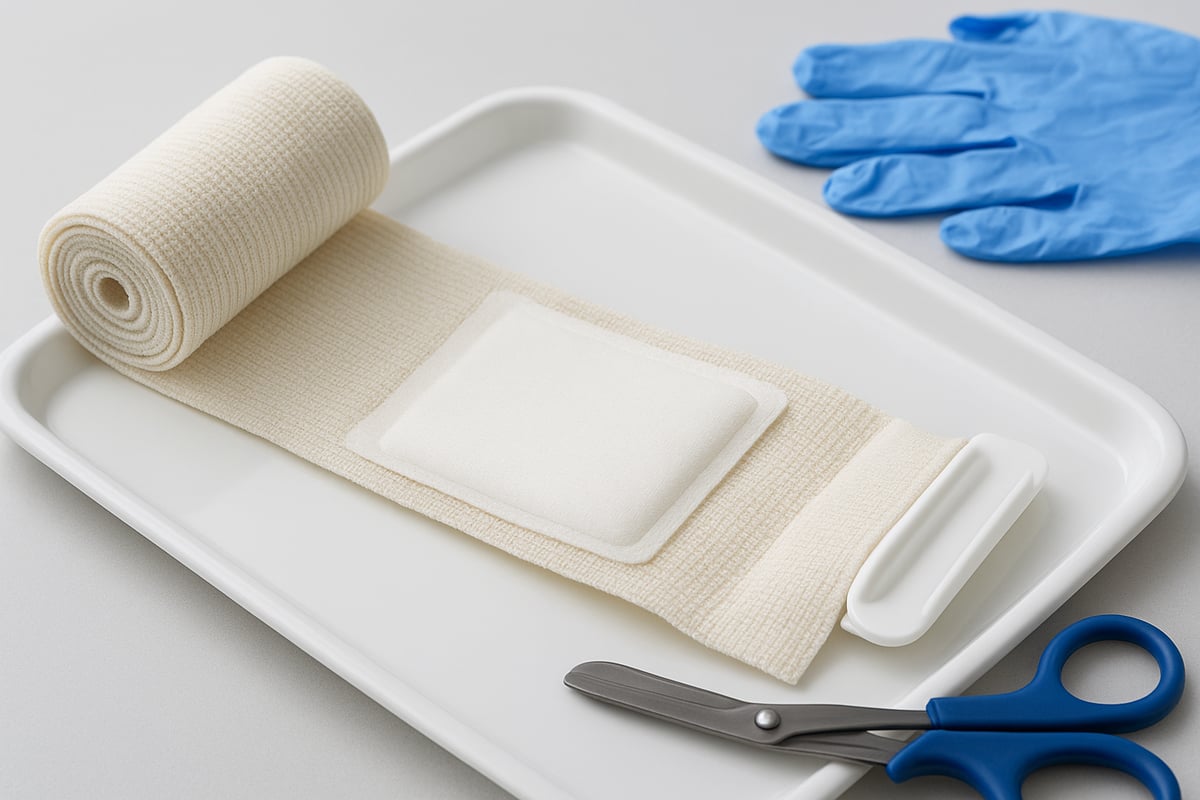
The israeli compression bandage originated in the Israeli Defense Forces during the 1990s. Military medics needed a reliable way to control life-threatening bleeding quickly and efficiently in the field. Traditional gauze and cloth bandages often failed to apply enough pressure or secure wounds under stressful conditions.
Key milestones in its evolution include its introduction to civilian emergency medical services and its rapid adoption by militaries worldwide. The bandage’s innovative design proved far superior to conventional options, transforming trauma care by enabling faster, more effective hemorrhage control.
Compared to classic bandages, the israeli compression bandage combines several components into a single device, reducing treatment time and improving patient outcomes. Its widespread use has set a new standard for emergency bleeding control.
Core Features and Innovations (2026 Update)
The israeli compression bandage stands out due to its unique combination of an elasticized wrap, non-adherent absorbent pad, and built-in pressure applicator. The elastic wrap provides adjustable compression, while the pad protects the wound and absorbs blood. The pressure applicator allows focused force to stop bleeding quickly.
In 2026, manufacturers have introduced new materials for enhanced durability and hypoallergenic options for sensitive skin. Many models now feature antimicrobial coatings to reduce infection risk. Packaging has been improved for faster access, and one-handed application techniques have become more intuitive.
For a closer look at these advancements, you can review the Israeli Bandage Dressing 6", which details the latest design improvements and user-friendly features.
These updates make the israeli compression bandage even more reliable for both professional responders and prepared individuals.
Types, Sizes, and Variations
The israeli compression bandage comes in several sizes to accommodate different injuries and body parts. Common widths include 4 inches, 6 inches, and 8 inches. Each size is tailored for specific scenarios, such as limb wounds or larger torso injuries.
Specialized versions are available for pediatric use, tactical operations, and civilian first aid. Pediatric models offer smaller pads and gentler compression. Tactical versions may feature subdued colors for concealment, while high-visibility options help responders locate wounds quickly in chaotic environments.
A variety of color options and packaging styles ensure the israeli compression bandage meets the needs of diverse users, from law enforcement to families.
| Size | Intended Use | Special Features |
|---|---|---|
| 4" | Small limbs, kids | Pediatric, compact |
| 6" | Arms, legs, adults | Standard, most common |
| 8" | Large wounds, torso | Extra pad, tactical |
Effectiveness and Statistics
The israeli compression bandage has a proven track record of controlling severe bleeding. Studies show it delivers effective pressure with minimal training. Compared to traditional bandages, it significantly increases survival rates in trauma cases.
Emergency medical services, law enforcement, and military units have adopted the israeli compression bandage worldwide. Reports indicate that its use in pre-hospital settings reduces time to bleeding control and improves patient outcomes.
Real-world examples highlight its impact. In mass casualty events and active shooter responses, the israeli compression bandage has repeatedly helped save lives by providing rapid, reliable hemorrhage control. Data from recent emergencies confirm its essential role in modern first aid and trauma care.
When and Why to Use an Israeli Compression Bandage
Rapid control of bleeding is a life-saving skill in emergencies. The israeli compression bandage stands out as a versatile, effective tool, trusted by professionals and civilians alike. Knowing when and why to use this bandage can make the difference between life and death.
Indications for Use
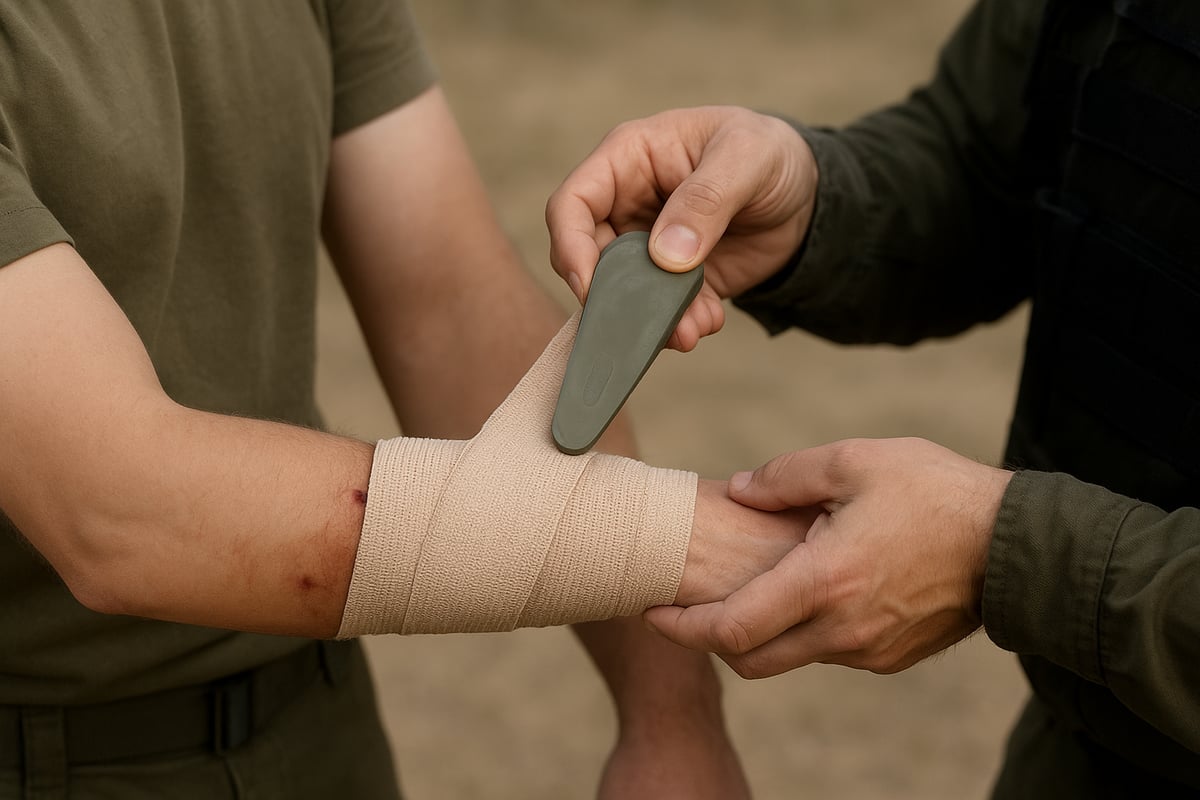
The israeli compression bandage is designed for rapid response to severe bleeding. It is most effective for traumatic injuries such as deep lacerations, gunshot wounds, and amputations. This bandage is also invaluable for controlling hemorrhage in mass casualty incidents or remote locations where immediate medical care is not available.
Unlike simple gauze or basic wraps, the israeli compression bandage combines a sterile non-adherent pad, elastic wrap, and pressure applicator for targeted compression. This makes it the first choice for injuries with active, life-threatening bleeding. In scenarios where a tourniquet is not appropriate or cannot be applied, such as wounds on the torso or head, the bandage offers critical bleeding control.
When building emergency kits, many experts recommend including the israeli compression bandage as a core component. For a comprehensive solution, consider Trauma Kits for Bleeding Control, which often feature these bandages alongside other essential supplies.
Benefits over Other Bandages
The israeli compression bandage delivers superior pressure and stabilization compared to traditional bandages. Its unique design allows for focused compression on the wound, greatly improving the chances of stopping severe bleeding.
Key benefits include:
- Consistent Pressure: The built-in pressure applicator creates direct force over the wound.
- Reduced Slippage: Elastic material holds the bandage securely, even during movement.
- Ease of Use: The bandage can be applied quickly, even under stress or with limited training.
- Minimal Extra Supplies Needed: No need for additional securing materials or separate pads.
Compared to standard gauze or wraps, the israeli compression bandage is much less likely to shift or loosen, which is vital during transport or prolonged care. Its all-in-one design streamlines first aid in high-pressure situations.
Limitations and Contraindications
While the israeli compression bandage is highly effective, it is not suitable for every wound. It should not be used on minor abrasions, superficial cuts, or chemical burns. For these injuries, a simple adhesive dressing or light gauze is more appropriate.
Potential complications can arise if the bandage is applied too tightly, leading to impaired circulation. Signs include numbness, pale skin beyond the bandage, or loss of pulse. It is important to check for these issues after application and adjust as needed.
In cases of severe bleeding that cannot be controlled with a compression bandage, or when wounds involve large arteries, a tourniquet or immediate advanced medical care may be necessary. Always seek professional help as soon as possible after applying first aid.
Real-Life Scenarios and Examples
The effectiveness of the israeli compression bandage is demonstrated in countless real-world emergencies. In a recent school incident, a staff member used the bandage to control a student’s arm laceration until EMS arrived, significantly reducing blood loss and improving the outcome.
EMS reports show that survival rates in trauma cases have improved with the adoption of the israeli compression bandage. Compared to standard gauze, patients treated with this bandage experience faster stabilization and fewer complications during transport.
In mass casualty events and active shooter incidents, responders rely on the israeli compression bandage for its speed, reliability, and adaptability. Its proven track record makes it a preferred choice for both professionals and prepared civilians.
Step-by-Step Guide: How to Apply an Israeli Compression Bandage
Applying an Israeli compression bandage quickly and correctly can be the difference between life and death during severe bleeding. This step-by-step guide will help you master the process, ensuring you are ready to act confidently in any emergency.
Preparation and Safety Precautions
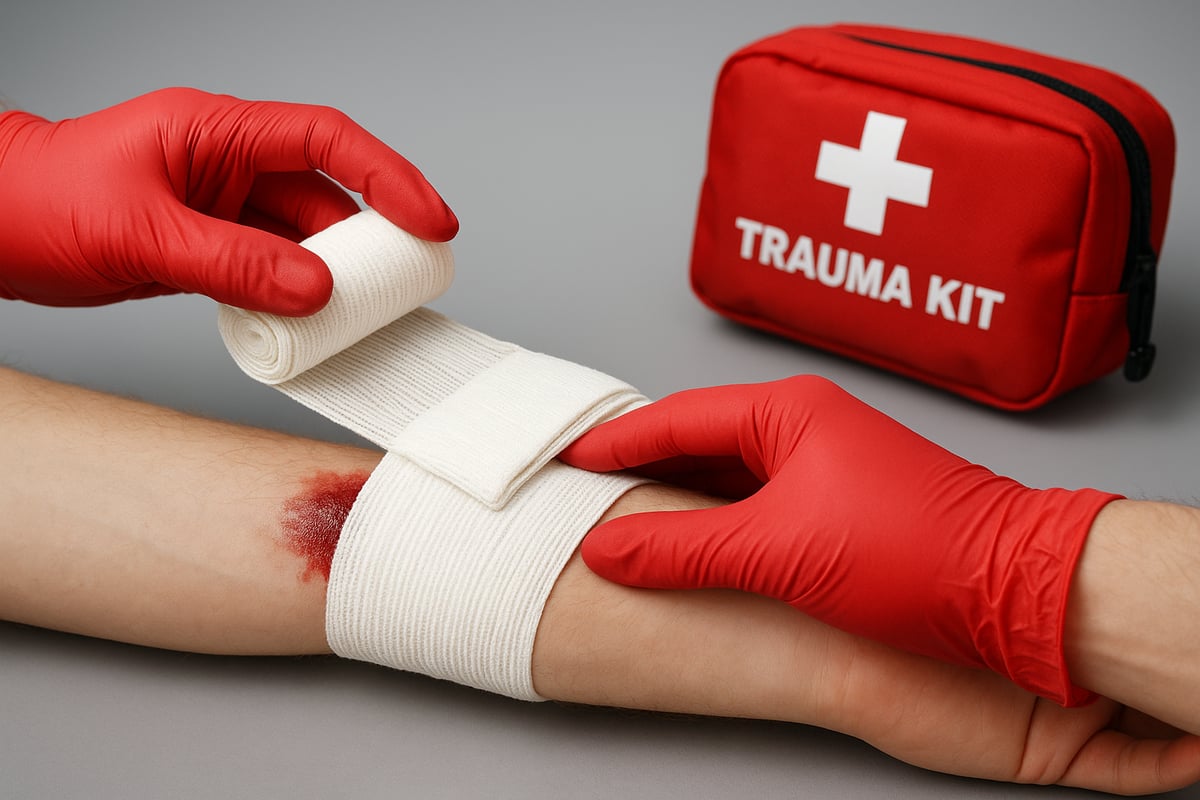
Before using an Israeli compression bandage, always prioritize your own safety and infection control. Assess the scene to ensure it is safe to approach the injured person. Put on medical gloves to protect yourself and the patient from bloodborne pathogens.
Gather all necessary supplies: the Israeli compression bandage, gloves, and any additional dressings if needed. Place the bandage within easy reach. Remove clothing around the wound to fully expose the injury and allow for accurate assessment.
Check the wound for debris or objects. If possible, clean around the area, but do not delay bleeding control. Having a clear view helps ensure the Israeli compression bandage is placed directly over the bleeding site. Remember to reassure the patient and explain what you are doing to keep them calm.
In high-stress situations, keeping your supplies organized and accessible is key. Practice these steps regularly so that applying the Israeli compression bandage becomes second nature.
Application Steps (Chronological)
Applying the Israeli compression bandage involves a series of precise actions:
- Expose the wound and assess the severity of bleeding.
- Place the non-adherent pad directly over the bleeding site.
- Hold the pad firmly in place, then start wrapping the elastic bandage around the limb or body part.
- Use the built-in pressure applicator to focus compression directly on the wound, maximizing clotting.
- Continue wrapping the elastic bandage, maintaining firm, even tension as you cover the pad and surrounding area.
- Secure the closure bar or clip to lock the bandage in place, ensuring it will not loosen during movement.
Proper application ensures enough pressure to control bleeding without cutting off circulation. Studies such as Pressure applied by the Emergency/Israeli bandage confirm its effectiveness in delivering focused pressure safely.
Check for continued bleeding. If blood soaks through, apply a second Israeli compression bandage on top or add additional pressure. Never remove the initial bandage, as this could disrupt clot formation.
Tips for One-Handed and Self-Application
Emergencies may require you to use an Israeli compression bandage on yourself, sometimes with only one hand. To practice, keep the bandage pre-staged in your kit for fast access.
To self-apply on an arm, hold the pad against the wound with your thumb, then use your teeth or the inside of your elbow to anchor the bandage as you wrap. For a leg injury, anchor the bandage under your foot or against a stable object.
Practice wrapping, using the pressure applicator, and securing the closure with one hand. Many modern Israeli compression bandage models are designed for easier self-application, with tabs and features that help keep the bandage in place during the process.
Regular training builds muscle memory, ensuring you can use the Israeli compression bandage effectively even under stress.
Special Considerations for Different Body Parts
Not all wounds are the same, and applying an Israeli compression bandage requires adaptation for different body parts.
| Body Part | Adjustment Needed |
|---|---|
| Head | Use extra padding, avoid wrapping around the neck |
| Torso | Secure with additional tape or bandage as needed |
| Arms/Legs | Standard application, check circulation regularly |
| Junctional | Apply firm pressure, may need extra support |
| Pediatrics | Choose smaller bandage size, avoid excessive pressure |
For head wounds, never wrap completely around the neck. On the torso, ensure the bandage stays in place with extra securing materials if necessary. For pediatric patients, select the appropriate size and monitor for signs of impaired circulation.
Always tailor your approach to the wound location, keeping the Israeli compression bandage snug but not overly tight.
Common Mistakes and How to Avoid Them
Mistakes during application can compromise the effectiveness of the Israeli compression bandage. Over-tightening may restrict blood flow, causing numbness or discoloration below the bandage. To avoid this, check for a pulse and warmth in the extremity after application.
Applying insufficient pressure may allow bleeding to continue. Ensure the pressure applicator is positioned directly over the wound and the bandage is wrapped firmly.
Other common errors include skipping steps, not securing the closure bar properly, or failing to monitor the patient. Always double-check your work, and if in doubt, apply a second Israeli compression bandage or seek advanced medical care.
Practice and familiarity with the Israeli compression bandage will reduce errors and improve outcomes in real emergencies.
Maintenance, Storage, and Readiness
Maintaining your israeli compression bandage is essential to ensure it performs reliably in emergencies. Proper storage, regular inspections, and ongoing training all contribute to a state of readiness when seconds count. Let us break down the best practices for each area so your bandage is always ready for action.
Proper Storage Guidelines
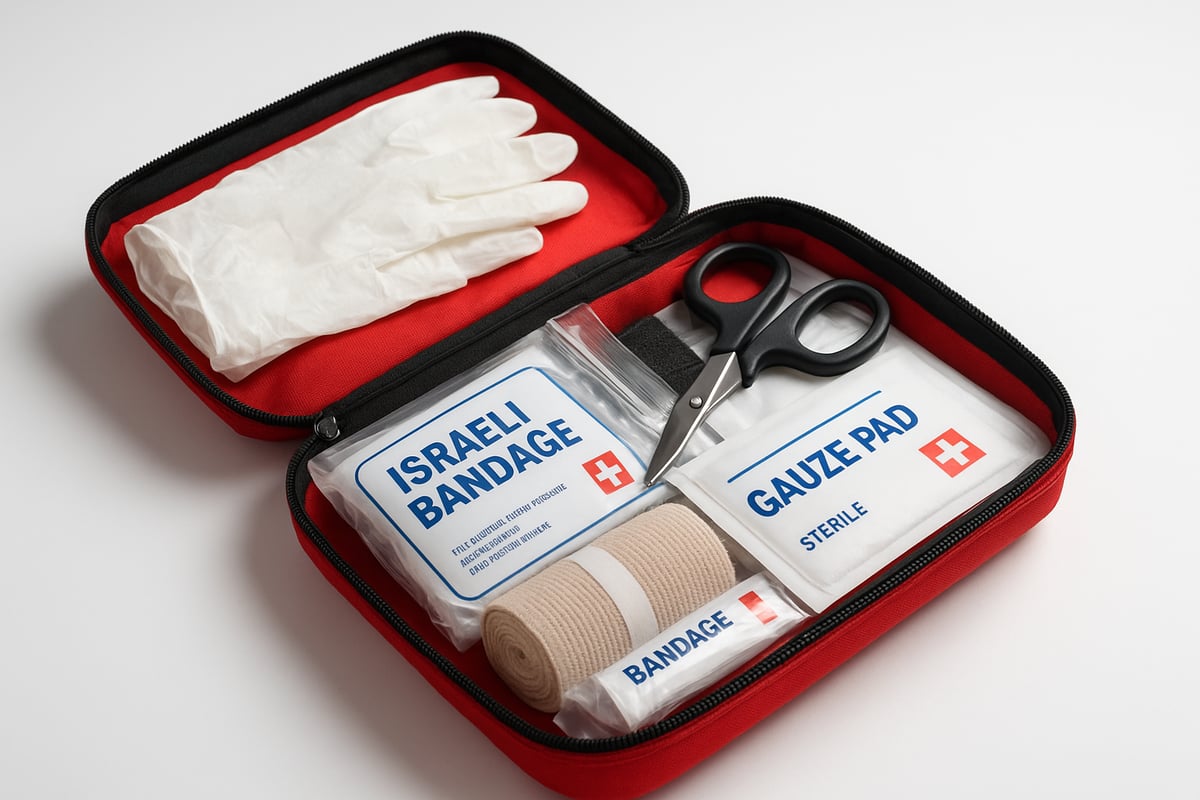
Storing your israeli compression bandage correctly preserves its integrity and effectiveness. Always keep the bandage in a cool, dry place, away from direct sunlight or extreme temperatures. Humidity can compromise the packaging and materials, so consider using airtight containers or resealable bags if you live in damp climates.
Pay close attention to expiration dates, which are typically printed on the packaging. In 2026, most israeli compression bandage models have a shelf life of five to eight years, depending on manufacturer updates. Inspect packaging regularly for any tears, punctures, or signs of moisture. Damaged packaging can expose the bandage to contaminants, making it unsafe for use.
If you carry your israeli compression bandage in a vehicle, avoid prolonged exposure to heat, as high temperatures may degrade elastic components. For outdoor or tactical use, select models with reinforced packaging or weather-resistant features. By following these storage guidelines, you maximize the reliability of your israeli compression bandage.
Routine Checks and Maintenance
Routine inspection of your israeli compression bandage ensures it remains ready for immediate use. Set a schedule to examine your first aid kit at least every six months. During each check, verify that the bandage packaging is intact and free from dirt, moisture, or other contaminants.
Replace any israeli compression bandage that shows signs of damage, expired dates, or compromised sterility. Organize your kit so the bandage is easily accessible, and avoid burying it under other supplies. Group related trauma items together for rapid deployment during emergencies.
Keep a log or checklist of your kit’s contents, including the number of israeli compression bandage units and their expiration dates. This helps you track usage and plan timely replacements. Remember, a well-maintained first aid kit is only as effective as its components, so prioritize routine maintenance for your israeli compression bandage.
Training and Practice Recommendations
Regular training is crucial for effective use of the israeli compression bandage. Hands-on practice builds muscle memory, enabling rapid and correct application under stress. Attend certified first aid courses or participate in community preparedness drills to stay updated on the latest techniques.
Resources like online tutorials and simulation exercises can supplement your in-person training. According to recent data, individuals who practice with the israeli compression bandage at least twice a year demonstrate faster response times and higher success rates in bleeding control. For more tips on organizing your kit and skill-building, explore the Prepper First Aid Kit Essentials guide.
Encourage household members or coworkers to join in practice sessions. Familiarity with the israeli compression bandage across your team ensures everyone is prepared to respond confidently when emergencies arise.
Israeli Compression Bandage in Civilian, Tactical, and Professional Settings
The israeli compression bandage has become an essential tool for emergency preparedness across all walks of life. Its versatility and proven effectiveness make it a vital addition to homes, vehicles, and workplaces. In this section, we explore its role in civilian, tactical, and professional environments, providing insights into why this bandage is trusted by so many.
Civilian Preparedness and Everyday Carry
Every household, vehicle, and workplace should include an israeli compression bandage in their first aid kit. Rapid bleeding can occur unexpectedly, whether from home accidents, road incidents, or outdoor activities. Having this bandage on hand empowers bystanders to act quickly and effectively before professional help arrives.
Community programs increasingly promote carrying trauma supplies, including the israeli compression bandage, as part of personal preparedness. Its compact design fits easily into go-bags, glove compartments, or desk drawers. Schools and businesses are also integrating these bandages into public access bleeding control stations.
Statistics show that bystander intervention with proper tools can significantly increase survival rates in emergencies. Being equipped with an israeli compression bandage not only boosts confidence but also helps bridge the gap until EMS arrives, making it a cornerstone of community resilience.
Tactical and Law Enforcement Use
For law enforcement officers and tactical teams, the israeli compression bandage is indispensable. In active shooter situations or mass casualty incidents, rapid hemorrhage control can mean the difference between life and death. The bandage’s rugged construction and reliable pressure application make it compatible with tactical gear and quick deployment protocols.
Many agencies require officers to carry an israeli compression bandage as part of their standard kit. Its ease of use allows for self-application or buddy aid, even under stress. Training programs routinely emphasize the importance of integrating the bandage with other bleeding control tools, such as those featured on the Best Tourniquets and Hemorrhage Tools page, to create comprehensive trauma response systems.
Lessons learned from military and police operations highlight the value of preparedness and the need for high-quality equipment. The israeli compression bandage stands out for its reliability in the most demanding conditions, making it a trusted choice for professionals on the front lines.
EMS and Medical Professional Protocols
In emergency medical services, the israeli compression bandage is a standard component of trauma kits in ambulances and advanced life support units. EMS protocols have evolved to prioritize rapid bleeding control, with updated guidelines for 2026 emphasizing the role of this bandage in both urban and remote settings.
Recent market research, such as the Emergency Bandage Market Report 2025-2034, indicates increasing adoption of the israeli compression bandage among first responders worldwide. Protocols now require regular hands-on training and documentation to ensure proficiency and accountability.
Coordination between field responders and hospital teams is crucial. The israeli compression bandage offers a reliable bridge from prehospital care to advanced interventions, reducing complications and improving patient outcomes. As EMS systems continue to modernize, this bandage remains a cornerstone for effective trauma management.
Advanced Tips, Troubleshooting, and FAQs
When using an israeli compression bandage, understanding advanced application tips and common troubleshooting steps is essential for maximizing effectiveness. Whether you are a first responder, medical professional, or prepared civilian, mastering these skills can make a significant difference in emergencies.
Troubleshooting Common Issues
Even with proper training, users may encounter challenges when applying the israeli compression bandage. If bleeding persists after application, reassess the pad's placement and ensure direct pressure on the wound. Sometimes, inadequate tension or misalignment can reduce effectiveness.
Signs of impaired circulation, such as numbness, pallor, or swelling below the bandage, indicate it may be too tight. Loosen and re-secure the wrap, checking for a pulse beyond the bandage. To manage slippage, especially during patient movement, secure the closure bar firmly and rewrap as needed. Practice enhances confidence and reduces errors during real emergencies.
Frequently Asked Questions (2026 Edition)
Many questions arise regarding the israeli compression bandage, especially with ongoing innovations. Can the bandage be reused? No, it is designed for single use to prevent infection. Dispose of after application.
How should you address multiple injuries? Apply a separate israeli compression bandage to each severe bleeding site if resources allow. Is it compatible with hemostatic agents? Yes, apply the agent first, then place the bandage over it for optimal hemorrhage control. Always monitor for continued bleeding and be prepared to adjust as needed.
Integrating with Other First Aid Tools
The israeli compression bandage forms a cornerstone of modern trauma kits, but integration with other tools enhances outcomes. When severe bleeding cannot be controlled by pressure alone, combine the bandage with a tourniquet—apply the tourniquet proximal to the wound, then use the bandage for additional compression or to secure the dressing.
In cases of chest injuries, pair with chest seals to prevent air entry. For complex wounds, layer with gauze or hemostatic dressings. For more on comparative effectiveness, see A meta-review of compression therapy on venous leg ulcer healing, which offers insights into compression system performance. Practice these combinations during drills to ensure seamless response.
Future Innovations and Trends
Looking ahead, the israeli compression bandage continues to evolve. Smart bandages with embedded sensors are being developed to monitor pressure levels and detect ongoing bleeding, providing real-time feedback to users. Biodegradable materials and eco-friendly packaging are anticipated in upcoming models, aligning with sustainability goals.
Updates to first aid guidelines in 2026 may include new protocols for integrating digital monitoring or enhanced antimicrobial coatings. Staying informed about these trends ensures you are prepared to use the latest israeli compression bandage technology effectively in critical situations.
Resources for Continued Learning
Competence with the israeli compression bandage relies on regular training and access to updated resources. Enroll in certified first aid courses that include hands-on practice with trauma dressings. Many organizations offer online tutorials and simulation exercises to reinforce skills.
Join community preparedness groups to stay connected and share experiences. Review manufacturer updates and professional guidelines annually, as protocols and product features may change. Continuous learning ensures rapid, effective response when it matters most.
What is an Israeli compression bandage?
It's a sterile emergency bandage that combines a non-adherent wound pad, an elastic wrap, and a built-in pressure bar into one device. The pressure bar lets you apply firm, focused pressure to control severe bleeding, and the design allows fast, one-handed application.
How do you apply an Israeli compression bandage?
Place the pad directly on the wound, wrap the elastic around the limb, feed it through the pressure bar, and reverse direction to load pressure onto the pad. Continue wrapping over the entire pad and limb, then secure the end with the closure bar. The result is steady, even pressure on the wound.
Can you apply an Israeli compression bandage with one hand?
Yes. It's specifically designed for one-handed, self-application, which is why it's a staple of personal trauma kits. The pressure bar lets you wrap, change direction, and apply pressure using only your uninjured hand.
Can an Israeli compression bandage be reused?
No. It's designed for single use to keep the wound pad sterile and prevent infection. Dispose of it after application and replace it in your kit.
How do you handle multiple injuries?
Apply a separate Israeli compression bandage to each site of severe bleeding when resources allow. Prioritize the most life-threatening bleeds first, and use tourniquets for limb hemorrhage that a pressure dressing can't control.
Can you use it with hemostatic agents?
Yes. For deep or heavy bleeding, pack the wound with a hemostatic agent or gauze first, then apply the Israeli compression bandage over it for optimal hemorrhage control. Monitor for continued bleeding and adjust as needed.
What sizes does the Israeli compression bandage come in?
Common versions include 4-inch and 6-inch bandages, plus an abdominal version with a larger pad for big or torso wounds. The 6-inch is a versatile all-around choice for most trauma kits.
How should you store an Israeli compression bandage and does it expire?
Store it sealed in a cool, dry place and check it periodically. Because the pad is sterile, the bandage has an expiration date and the sterile barrier can degrade over time, so replace any bandage that is expired or has damaged or opened packaging.

