First Aid Content: Essential Guide for 2026
Creating comprehensive and effective first aid content has become increasingly critical as workplaces, schools, and community organizations recognize the importance of emergency preparedness. Whether you're developing training materials for employees, educational resources for the public, or compliance documentation for regulatory requirements, the quality and accuracy of your first aid content directly impacts how well people respond during emergencies. As a paramedic-owned company, we understand that proper first aid content goes beyond simply listing supplies-it must educate, empower, and prepare individuals to act confidently when seconds matter.
Understanding the Foundations of First Aid Content
First aid content serves multiple purposes across different contexts and audiences. For medical professionals, this content provides standardized protocols and advanced intervention techniques. For the general public, it offers accessible guidance on handling common emergencies until professional help arrives.
The most effective first aid content balances technical accuracy with practical application. It must be detailed enough to guide proper technique while remaining clear enough for someone under stress to follow. This dual requirement makes content development particularly challenging, as materials must serve both educational and reference purposes.
Key Components of Comprehensive First Aid Materials
Developing robust first aid content requires addressing several fundamental elements that form the backbone of any effective resource:
- Evidence-based protocols aligned with current medical standards and guidelines
- Clear, actionable instructions that can be followed under pressure
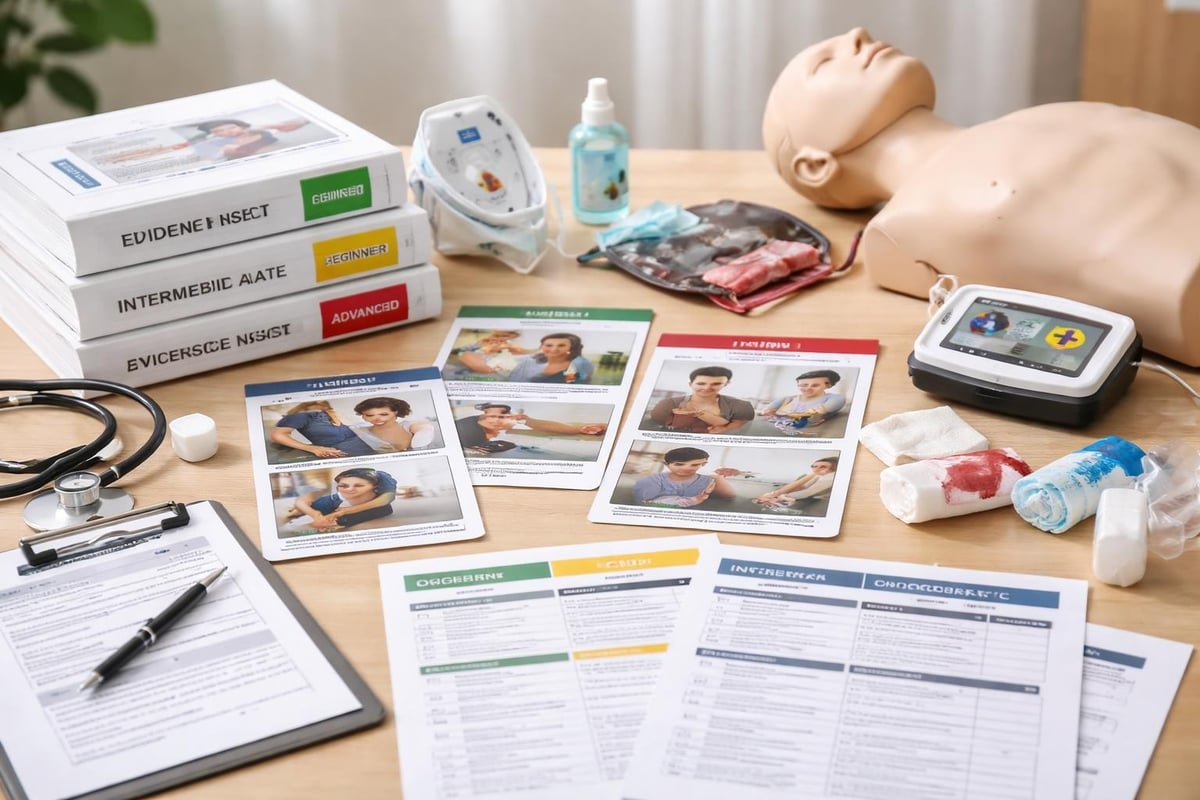
- Visual aids and diagrams that reinforce written instructions
- Scenario-based examples that help learners apply knowledge to real situations
- Regular updates reflecting the latest emergency response techniques
According to OSHA's recommendations for workplace first aid kits, content must also address specific workplace hazards and include supplies tailored to those environments. This requirement means generic first aid content often falls short of meeting actual needs.
Creating First Aid Content for Different Audiences
The approach to developing first aid content varies significantly based on the intended audience and their level of medical training. Professional responders require different information depth than civilian first responders or workplace safety coordinators.
Content for Medical Professionals and First Responders
Medical professionals need first aid content that goes beyond basics. These materials should cover advanced interventions, including trauma response protocols and hemostatic agents that control severe bleeding. Professional-level content assumes foundational knowledge and focuses on decision-making algorithms, triage procedures, and complex medical scenarios.
When creating content for this audience, include detailed specifications for equipment, proper technique variations for different patient presentations, and troubleshooting guidance for complications. Professional first aid content should also address legal considerations, documentation requirements, and integration with advanced life support systems.
Educational Materials for General Public
First aid content designed for the general public must prioritize clarity and accessibility. These resources should use plain language, avoid unnecessary medical jargon, and break complex procedures into manageable steps. The American Red Cross anatomy of a first aid kit provides an excellent example of presenting essential information in an approachable format.
Public-facing first aid content should focus on:
- Recognition of emergency situations requiring intervention
- When to call 911 versus when to self-treat
- Step-by-step instructions for common injuries
- Proper use of basic first aid supplies
- Safety considerations for the responder
| Audience Type | Content Depth | Technical Language | Primary Focus |
|---|---|---|---|
| Medical Professionals | Advanced protocols | Medical terminology | Complex interventions |
| First Responders | Intermediate techniques | Balance of both | Stabilization procedures |
| General Public | Basic interventions | Plain language | Common emergencies |
| Workplace Safety | Compliance-focused | Industry-specific | Regulatory requirements |
Structuring First Aid Kit Content and Documentation
Effective first aid content must clearly document kit contents and their proper usage. This documentation serves both educational and compliance purposes, ensuring users understand what supplies they have and how to deploy them correctly.
Inventory and Supply Lists
Comprehensive inventory documentation forms the foundation of quality first aid content. These lists should go beyond simple item names to include quantities, expiration dates, and replacement schedules. The University of Texas Environmental Health & Safety guidelines detail ANSI standard requirements that many organizations must meet.
When documenting complete first aid kits, organize supplies by category: wound care, bleeding control, burns, sprains and strains, medications, and tools. This categorical approach helps users quickly locate needed items during emergencies.
Essential categories for first aid content organization:
- Bleeding Control: Tourniquets, hemostatic gauze, pressure dressings, standard gauze pads
- Wound Care: Adhesive bandages, antibiotic ointment, wound closure strips, irrigation solutions
- Trauma Response: Chest seals, occlusive dressings, splinting materials, emergency blankets
- Tools and Equipment: Scissors, tweezers, thermometers, gloves, CPR barriers
- Medications: Pain relievers, antihistamines, burn gel, eye wash
Usage Instructions and Protocols
First aid content must include clear instructions for each supply item. Generic descriptions prove insufficient during emergencies when users need specific, actionable guidance. For specialized items like chest seals, detailed application procedures can mean the difference between effective treatment and improper use.
Create standardized instruction templates that address:
- When to use the item (indications)
- How to prepare for application
- Step-by-step application technique
- What to expect after application
- When to seek advanced medical care
Developing Scenario-Based First Aid Content
Theory alone doesn't prepare people for real emergencies. Effective first aid content incorporates realistic scenarios that challenge learners to apply knowledge under simulated pressure. This approach builds confidence and muscle memory that proves invaluable during actual incidents.
Common Emergency Scenarios
Structure your first aid content around situations people actually encounter. Workplace incidents, outdoor recreation accidents, and home emergencies each present unique challenges requiring tailored responses. For example, gun wound first aid requires immediate hemorrhage control and proper wound management that differs significantly from treating minor cuts.
Present scenarios in narrative format that walks through assessment, decision-making, and intervention steps. Include complications that might arise and how to adapt techniques accordingly. This contextual learning helps cement proper procedures far better than abstract instruction lists.
Skill-Building Progressions
Quality first aid content builds skills progressively, starting with foundational techniques before advancing to complex interventions. Begin with basic wound care like properly wrapping finger wounds before progressing to multi-casualty triage or advanced airway management.
Structure progressive content modules that:
- Establish baseline knowledge through basic concepts
- Introduce hands-on skills with simple procedures
- Layer additional complexity through combined techniques
- Test competency with challenging scenarios
- Provide refresher materials for skill maintenance
Compliance and Regulatory First Aid Content
Organizations face specific legal requirements regarding first aid preparedness and documentation. Creating compliant first aid content requires understanding applicable regulations and ensuring materials meet or exceed these standards.
ANSI and OSHA Standards
The ANSI standard requirements documented by Minnesota Department of Labor establish minimum contents for workplace first aid kits. Your first aid content must address these requirements while explaining the rationale behind each mandated item. Compliance-focused content serves dual purposes: meeting regulatory obligations and actually preparing people to respond effectively.
When developing compliance materials, cross-reference regulatory citations with practical applications. Simply stating "ANSI requires item X" provides less value than explaining "ANSI requires item X because situation Y commonly occurs in this workplace setting, and proper treatment prevents complication Z."
Industry-Specific Requirements
Different industries face unique hazards requiring specialized first aid content. Construction sites need trauma kits addressing fall injuries and crush wounds. Chemical facilities require specific decontamination protocols and specialized burn treatments. Manufacturing environments may need extensive eye wash stations and cut-resistant injury management.
Tailor your first aid content to address actual risks present in each environment. Generic materials fail to prepare responders for the specific emergencies they're most likely to encounter. Review incident reports, near-miss data, and industry statistics to identify priority topics for content development.
Digital First Aid Content and Accessibility
Modern first aid content increasingly exists in digital formats, from mobile apps to online training platforms. These formats offer advantages including real-time updates, multimedia integration, and instant accessibility during emergencies.
Mobile-Optimized Resources
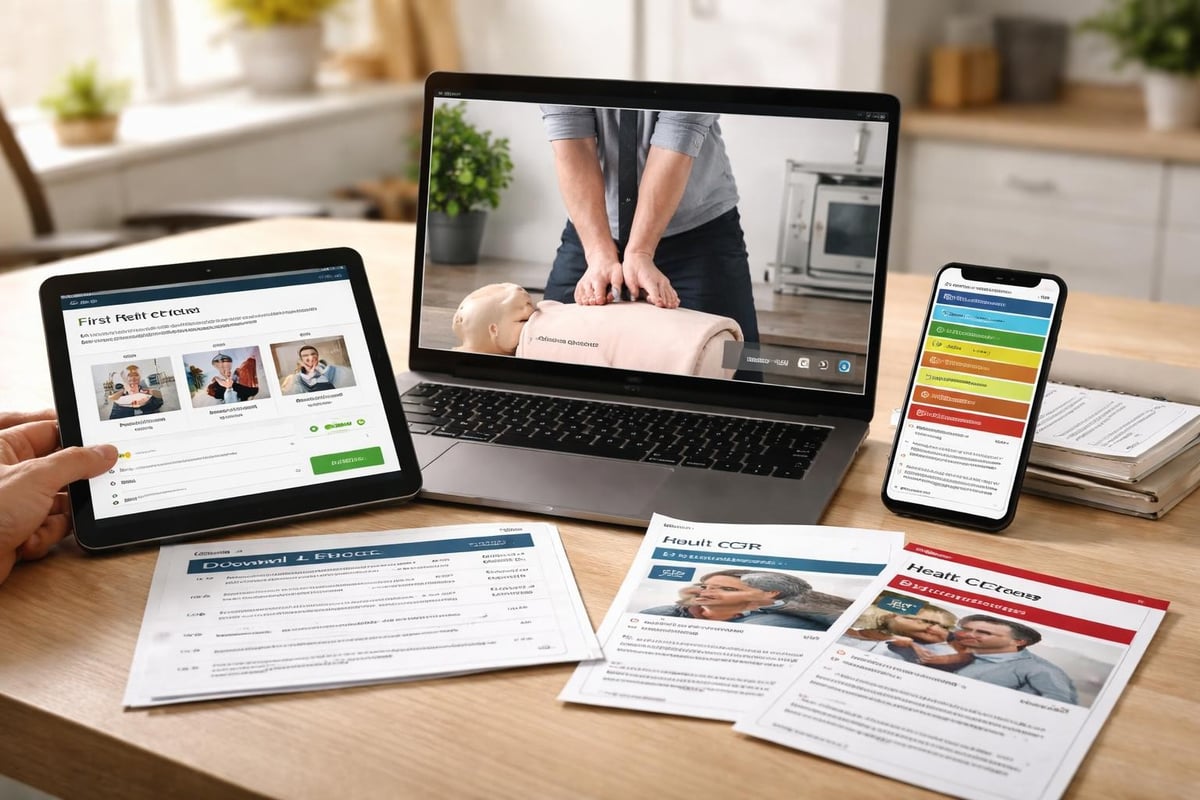
First aid content must function effectively on smartphones and tablets since these devices are readily available during emergencies. Design content with mobile-first principles: short paragraphs, clear headings, high-contrast text, and touch-friendly navigation. Videos demonstrating techniques prove particularly valuable on mobile platforms.
Consider offline accessibility for digital first aid content. Network connectivity may be unavailable during disasters or in remote locations where emergencies occur. Downloadable resources ensure critical information remains accessible regardless of circumstances.
Multimedia Integration
Incorporating video demonstrations, interactive diagrams, and audio instructions enhances first aid content effectiveness. Visual learners benefit from watching proper technique, while audio guidance helps users maintain focus on the patient rather than reading instructions. Understanding different first aid kit types becomes clearer when users can see and interact with examples rather than simply reading descriptions.
Effective multimedia elements for first aid content:
- Step-by-step video tutorials with voiceover narration
- Interactive checklists that guide assessment procedures
- Annotated photographs showing correct vs. incorrect techniques
- Animation sequences demonstrating internal processes (how tourniquets stop bleeding)
- Quick reference cards optimized for screenshot and printing
Maintaining and Updating First Aid Content
First aid best practices evolve as medical research advances and new products enter the market. Outdated first aid content can be worse than no content at all, potentially teaching techniques that have been superseded by more effective approaches.
Review Cycles and Version Control
Establish regular review schedules for all first aid content. Annual reviews catch most necessary updates, though significant medical developments may require interim revisions. Track content versions carefully, clearly marking materials with creation and revision dates so users know they're referencing current information.
When updating first aid content, highlight changes from previous versions. If a technique has changed, explain why the new approach proves superior. This transparency helps experienced users unlearn outdated methods and adopt improved practices. For example, updates to hemostatic agent applications reflect ongoing research into optimal bleeding control techniques.
Incorporating User Feedback
The most valuable first aid content improvements often come from end users who've applied materials during actual emergencies or training exercises. Create feedback mechanisms that capture user experiences, questions, and suggestions. Common confusion points indicate where content needs clarification or additional examples.
Review frequently asked questions to identify gaps in existing first aid content. If multiple users ask the same question, your materials haven't adequately addressed that topic. Use this feedback to refine explanations, add missing scenarios, or reorganize information for better flow.
Specialized First Aid Content Development
Certain environments and activities require highly specialized first aid content beyond standard emergency response materials. Developing these niche resources demands subject matter expertise and understanding of unique risk factors.
Outdoor and Wilderness First Aid
Wilderness first aid content addresses extended care situations where professional medical help may be hours or days away. These materials cover improvisation techniques, extended patient monitoring, and evacuation decision criteria not relevant in urban settings. Content must address environmental hazards like hypothermia, altitude sickness, and wildlife encounters.
For outdoor enthusiasts, mountain biking first aid kits require specific content addressing trail injuries, remote location challenges, and equipment that fits easily into packs. This specialized first aid content balances comprehensive care capability against weight and space constraints.
Tactical and High-Risk Environments
Law enforcement, military, and security personnel face elevated risks requiring advanced first aid content focused on penetrating trauma, mass casualty incidents, and care under fire principles. These materials assume high-stress environments where conventional approaches may be impossible.
Tactical first aid content emphasizes rapid hemorrhage control, airway management under austere conditions, and movement of casualties from danger zones. Materials should address proper tourniquet selection and application, pressure dressing techniques, and prioritization when resources are limited.
| Environment Type | Primary Hazards | Key Content Focus | Special Considerations |
|---|---|---|---|
| Workplace/Office | Falls, cuts, burns | Basic interventions | OSHA compliance |
| Industrial | Machinery injuries, chemical exposure | Trauma care, decontamination | Heavy bleeding control |
| Wilderness | Fractures, hypothermia, wildlife | Extended care, improvisation | Evacuation planning |
| Tactical | Gunshot wounds, blast injuries | Hemorrhage control, triage | Care under fire |
Training Integration and First Aid Content
First aid content reaches maximum effectiveness when integrated into comprehensive training programs. Written materials support hands-on practice and scenario-based learning but cannot replace actual skill development under qualified instruction.
Blended Learning Approaches
Combine self-paced first aid content with instructor-led sessions for optimal knowledge retention. Online modules establish foundational concepts and terminology, freeing classroom time for hands-on practice and scenario work. This blended approach accommodates different learning styles while ensuring skill competency.
Structure first aid content to support this integration: pre-training reading assignments, in-class reference materials, and post-training reinforcement resources. Each piece serves a specific purpose within the larger educational framework.
Certification and Competency Documentation
Professional first aid training often requires demonstration of competency and ongoing certification maintenance. Your first aid content should support these requirements by clearly identifying learning objectives, skill demonstration criteria, and assessment methods. For organizations offering first responder training, comprehensive content documentation proves essential for program accreditation.
Include competency checklists within first aid content that instructors can use to verify skill proficiency. These assessment tools ensure consistent evaluation standards across different training sessions and locations.
Quality Assurance for First Aid Content
Accuracy and clarity in first aid content directly impact patient outcomes. Rigorous quality assurance processes ensure materials meet professional standards and effectively serve their intended purposes.
Expert Review and Validation
All first aid content should undergo review by qualified medical professionals before publication. Paramedics, emergency physicians, and certified instructors can identify technical errors, unclear instructions, or missing critical information. This expert validation provides credibility and ensures content reflects current medical consensus.
Consider establishing an advisory board of medical professionals who regularly review content updates and new material development. Their ongoing involvement maintains quality standards and keeps content aligned with evolving best practices. Resources discussing essential medical kit components benefit greatly from practitioner input regarding real-world utility.
Field Testing and Usability Studies
Testing first aid content with representative users reveals clarity issues and usability problems that subject matter experts might miss. Watch novice users attempt to follow your instructions during simulated emergencies. Note where they hesitate, become confused, or make errors. These observations guide content refinement.
Conduct usability testing across different formats: printed quick reference cards, mobile apps, wall-mounted guides. Each format presents unique advantages and challenges that impact content effectiveness. What works well in a detailed training manual may prove too complex for an emergency reference card.
Building First Aid Content Libraries
Comprehensive first aid programs require extensive content libraries addressing diverse situations and skill levels. Organizing these resources for easy access and appropriate use demands thoughtful information architecture.
Content Organization Systems
Structure first aid content libraries using multiple classification schemes that support different user needs. Organize by emergency type (bleeding, breathing, burns), body system (cardiovascular, neurological, musculoskeletal), or intervention level (basic, intermediate, advanced). Robust search functionality and cross-referencing help users quickly locate needed information.
Tag content with relevant metadata: target audience, skill level required, equipment needed, time to complete. These tags enable filtering that directs users to appropriate materials. Someone seeking information about burn treatment shouldn't wade through unrelated trauma care protocols.
Customization and Personalization
Allow organizations to customize first aid content libraries for their specific needs. A construction company requires different emphasis than a school or office building. Enable content selection, ordering, and supplementation with organization-specific protocols or contact information. This customization increases relevance and user engagement.
Developing effective first aid content requires balancing medical accuracy, practical application, and accessibility for diverse audiences. The materials you create directly impact how confidently and competently people respond during emergencies, making content quality a matter of genuine importance. Whether you're building training programs, compliance documentation, or public education resources, investing in comprehensive and current first aid content pays dividends when those critical moments arrive. Medical Gear Outfitters combines paramedic expertise with quality supplies to ensure you have both the knowledge and equipment necessary for effective emergency response. Explore our comprehensive resources and professionally curated kits to elevate your emergency preparedness today.

