Mediplast Gauze Pad: Essential Guide for First Aid Kits
When assembling a comprehensive first aid kit, selecting the right wound care supplies can make the difference between effective emergency response and inadequate care. The mediplast gauze pad stands as a fundamental component in both professional medical settings and home first aid kits, offering reliable absorbency and protection for various wound types. Understanding the specifications, applications, and proper use of these medical supplies ensures you're prepared to respond effectively when emergencies arise. As a paramedic-operated organization, we know that quality gauze pads represent more than just basic supplies-they're essential tools that bridge the gap between injury and recovery.
Understanding Mediplast Gauze Pad Construction and Specifications
The mediplast gauze pad features a distinctive construction that sets it apart in the medical supply market. Made from absorbent cotton with a 24×20 mesh construction, these pads provide optimal balance between absorbency and structural integrity. This specific mesh count ensures the material can absorb wound exudate effectively while maintaining enough strength to avoid leaving fibers in the wound bed.
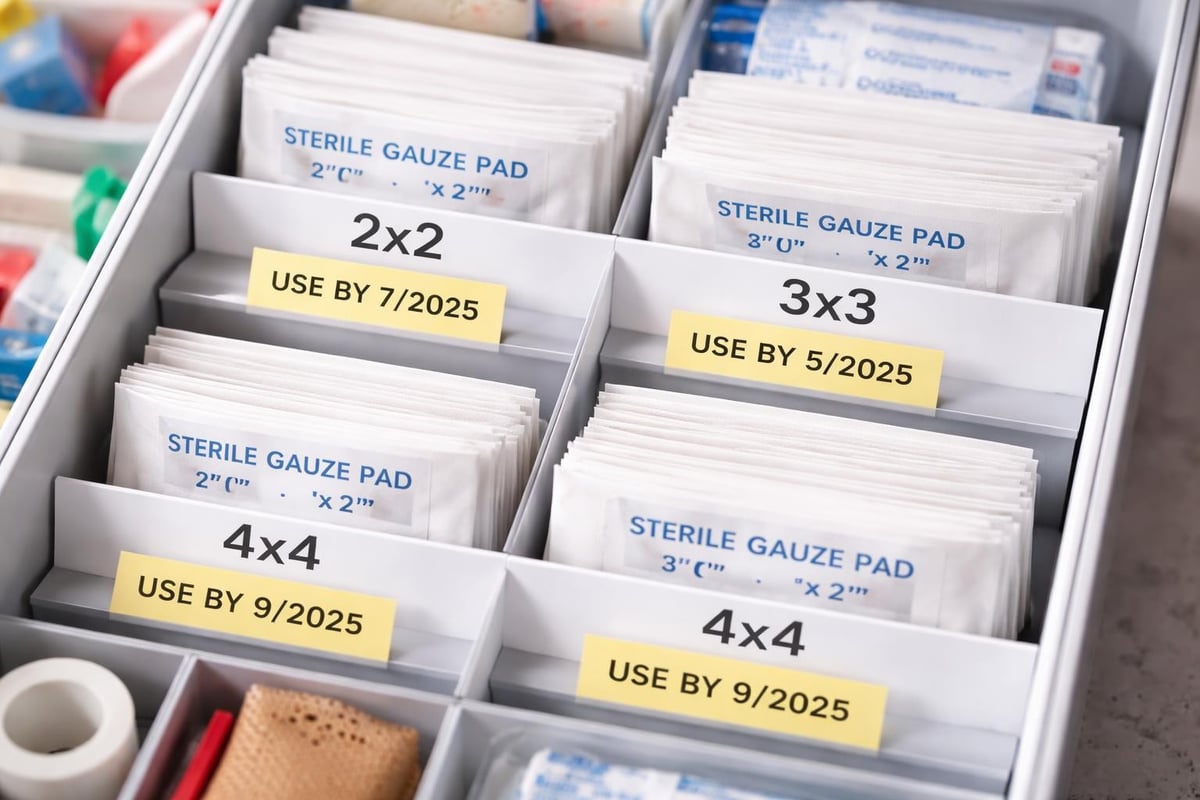
Available in multiple sizes, the mediplast gauze pad comes in 2x2, 3x3, and 4x4 inch configurations, allowing medical professionals and first responders to select the appropriate size for different wound dimensions. The 2x2 inch pads work well for small cuts and abrasions, while the larger 4x4 inch options accommodate more substantial wounds or provide coverage for multiple smaller injuries.
Material Quality and Sterilization Standards
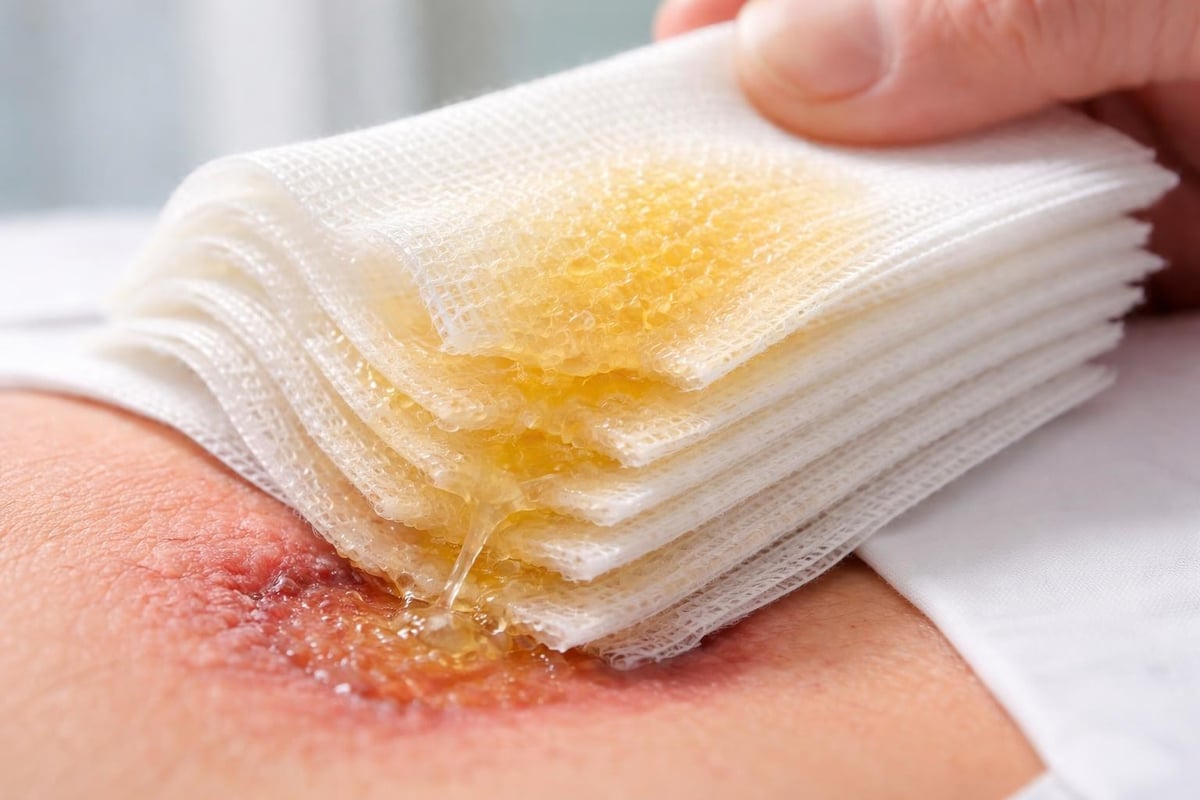
Each mediplast gauze pad undergoes rigorous sterilization processes to ensure patient safety and prevent infection. The 12-ply construction provides superior absorption capacity, creating multiple layers that wick moisture away from the wound surface. This multi-layered approach prevents saturation breakthrough, which could compromise wound protection.
The peroxide-bleached cotton material offers several advantages:
- Chemical-free processing that reduces skin irritation potential
- High absorbency rates for managing wound drainage
- Soft texture that minimizes trauma during dressing changes
- Breathable construction allowing air circulation to promote healing
Applications in Emergency Response and Wound Management
The versatility of the mediplast gauze pad makes it indispensable across various emergency scenarios. From minor household injuries to more serious trauma situations, these pads serve multiple functions that extend beyond simple wound coverage. When building your first aid and kit, gauze pads should occupy a prominent position in your supply inventory.
Primary Wound Dressing Applications
Medical professionals and trained first responders utilize mediplast gauze pads as primary dressings for clean, minor wounds. The sterile surface contacts the wound directly, providing a protective barrier against environmental contamination while absorbing blood and serous fluid. This direct application requires proper technique to maintain sterility until the pad contacts the wound.
For home medicine kits, stocking various sizes ensures you can address different injury types effectively. The 3x3 inch size represents an excellent middle ground for general household use, providing adequate coverage for common injuries without excessive material waste.
Secondary Dressing and Absorption Layer
Beyond primary wound contact, the mediplast gauze pad excels as a secondary absorption layer beneath other dressing types. When managing heavily draining wounds, multiple gauze pads can be layered to increase total absorption capacity. This technique proves particularly valuable in trauma situations where controlling hemorrhage requires staged intervention.
| Application Type | Recommended Size | Typical Use Case |
|---|---|---|
| Minor cuts/scrapes | 2x2 inches | Finger injuries, small abrasions |
| Moderate wounds | 3x3 inches | Facial injuries, palm wounds |
| Large wounds | 4x4 inches | Leg/arm trauma, surgical sites |
| Packing material | 4x4 inches | Deep wounds requiring hemostasis |
Proper Technique for Gauze Pad Application
Effective wound care requires more than simply placing a sterile pad on an injury. Understanding proper application techniques ensures you maximize the protective and therapeutic benefits of the mediplast gauze pad while minimizing contamination risk and patient discomfort.
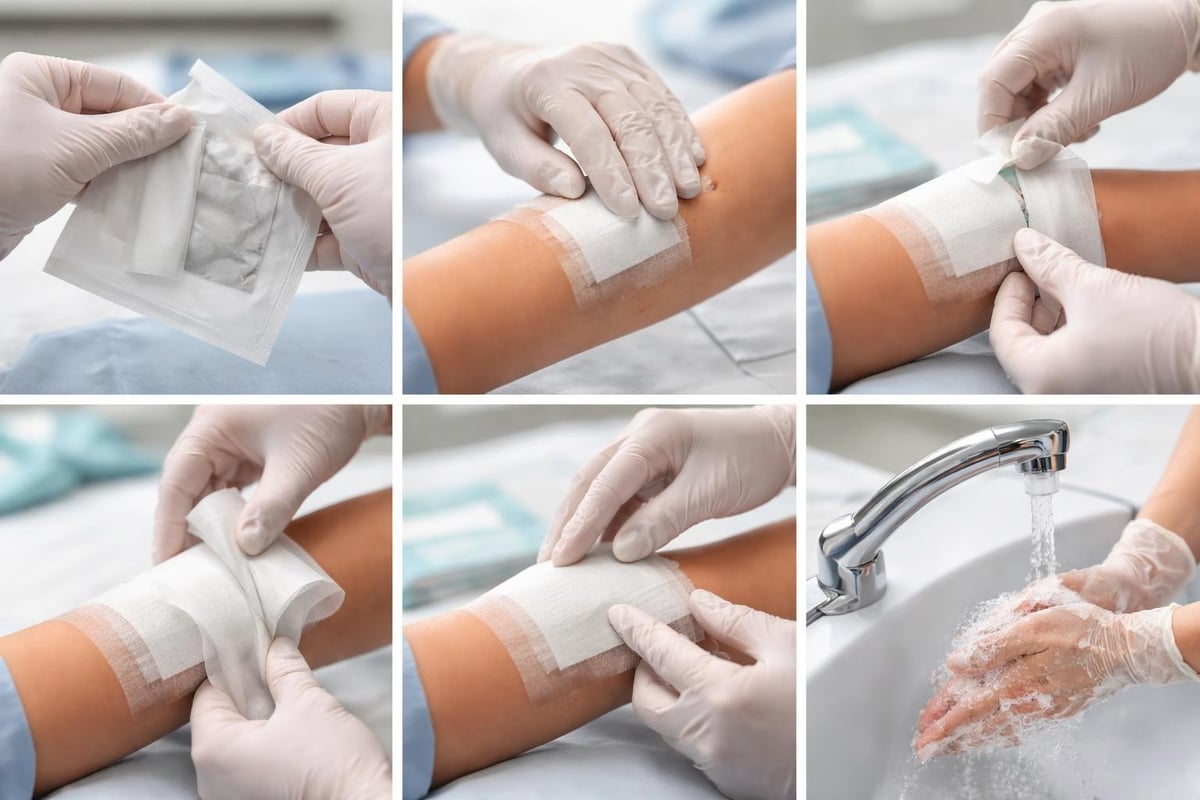
Step-by-Step Application Process
- Perform hand hygiene and don appropriate protective gloves before touching any sterile supplies
- Assess the wound to determine appropriate pad size and number required
- Open the sterile packaging carefully, avoiding contact with the gauze surface
- Position the pad directly over the wound without sliding it across the skin
- Secure the dressing with appropriate tape or bandaging material
- Monitor for strike-through where blood or fluid saturates through all layers
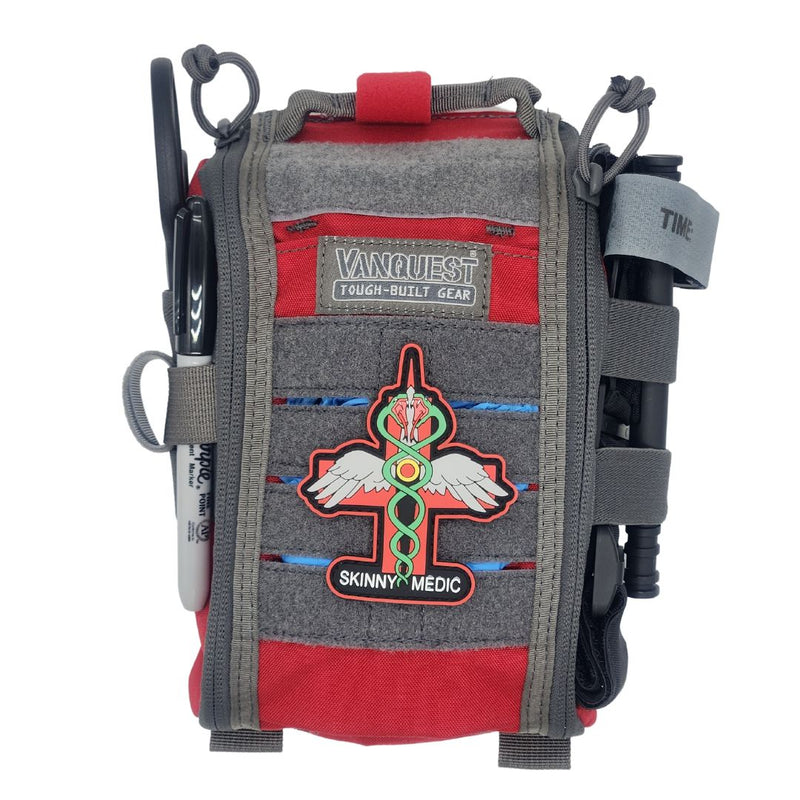
The contents of IFAK kits often include multiple gauze pad sizes to accommodate various trauma scenarios. This redundancy ensures responders can address multiple casualties or apply layered dressings as needed.
Common Application Errors to Avoid
Even experienced first responders occasionally make mistakes when applying gauze dressings. Recognizing these errors helps improve wound care outcomes:
- Touching the sterile surface before application compromises infection control
- Using insufficient padding for the wound size leads to inadequate protection
- Applying excessive pressure during initial placement can disrupt clot formation
- Failing to secure edges properly allows environmental contamination
- Changing dressings too frequently disrupts healing in stable wounds
Integration with Advanced Wound Care Products
While the mediplast gauze pad serves as an essential basic supply, modern wound care often involves integration with more specialized products. Understanding how gauze pads complement advanced dressing materials helps responders select appropriate treatment combinations for different injury types.
Combining Gauze with Film Dressings
Mediplast's film dressing products feature semi-permeable membranes that provide bacterial and viral barrier properties while allowing moisture vapor transmission. When used over gauze pads, these films create a comprehensive protective system that manages exudate while preventing external contamination.
The combination approach offers several advantages:
- Extended wear time compared to gauze-only dressings
- Improved patient comfort with reduced dressing bulk
- Visual wound monitoring through transparent film layers
- Water-resistant protection for daily activities
Nonwoven Dressing Integration
For wounds on mobile body areas, nonwoven dressings with absorption pads provide flexibility that traditional gauze pads cannot match alone. These products conform to body contours while maintaining the absorption properties needed for effective wound management. Using standard gauze pads as supplementary absorption layers beneath nonwoven dressings creates an economical, effective wound care system.
Mediplast Gauze Pad Specifications for Different Settings
The versatility of the mediplast gauze pad extends across multiple care environments, from emergency medical services to clinical settings and home first aid. Each environment presents unique requirements that influence product selection and usage protocols.
Professional Medical and EMS Applications
Emergency medical personnel require gauze pads that meet stringent quality standards while remaining cost-effective for high-volume use. The sterile gauze pads in 12-ply construction provide the reliability needed in pre-hospital emergency care where environmental conditions challenge wound sterility.
Paramedics and EMTs typically stock multiple gauze pad sizes in their response bags, ensuring they can address injuries ranging from minor abrasions to significant trauma. The individually wrapped sterile packaging allows providers to open only what they need, reducing waste in field situations.
Home First Aid Kit Requirements
For households preparing comprehensive first aid kits, the mediplast gauze pad represents an essential component that addresses common injury scenarios. Families should maintain adequate supplies of various sizes, replacing used pads promptly to ensure readiness.
Recommended home inventory levels:
- Minimum 10 pads per size category (2x2, 3x3, 4x4 inches)
- Additional 4x4 pads for larger wound coverage
- Regular expiration date checks and rotation
- Storage in cool, dry locations away from direct sunlight
The availability of mediplast gauze pads in various sizes makes it convenient for families to stock appropriately without investing in specialized medical supplies beyond their training level.
Specialized Surgical and Clinical Uses
Beyond basic wound care, mediplast products extend into specialized surgical applications that demand exacting standards for patient safety and procedural effectiveness. Understanding these advanced uses provides context for the company's commitment to quality across its entire product range.
Surgical Swab Applications
In surgical settings, Mediplast's abdominal swabs made from x-ray detectable gauze represent a critical safety innovation. These specialized products contain radiopaque threads that appear clearly on radiographic imaging, preventing retained surgical items-a serious complication in operative procedures.
While standard mediplast gauze pads serve general wound care needs, surgical applications require these enhanced safety features. The same quality construction principles apply across both product lines, demonstrating the manufacturer's commitment to excellence regardless of application.
Clinical Wound Care Protocols
Healthcare facilities implement specific protocols for wound care that dictate gauze pad selection and usage. The comprehensive range of Mediplast dressing and wound care products reflects ongoing collaboration with end-users to develop solutions that address real-world clinical challenges.
Clinical considerations include:
- Infection control standards requiring documented sterility assurance
- Cost-effectiveness analysis balancing quality with budget constraints
- Patient comfort assessment minimizing dressing-related discomfort
- Evidence-based protocols incorporating current wound care research
Storage, Shelf Life, and Inventory Management
Proper storage and inventory rotation ensure your mediplast gauze pads remain effective when emergencies arise. Degraded or expired supplies compromise patient care and waste valuable resources, making systematic management essential for both professional and home settings.
Optimal Storage Conditions
Sterile gauze pads require specific environmental conditions to maintain their integrity and sterility throughout their shelf life. Store packages in locations that meet these criteria:
- Temperature range: 59-86°F (15-30°C)
- Humidity levels: Below 70% relative humidity
- Light exposure: Protected from direct sunlight
- Physical protection: Away from crushing or puncture hazards
The individual packaging on each mediplast gauze pad provides excellent protection, but bulk storage still requires attention to environmental factors. Avoid storing gauze in areas prone to moisture exposure, such as bathrooms or outdoor storage sheds.
Expiration Date Tracking Systems
Professional medical providers implement formal tracking systems to ensure supplies remain current. Home users can adopt simplified versions of these systems to maintain their first aid kit effectiveness:
| Tracking Method | Complexity | Best For |
|---|---|---|
| Written log | Low | Small home kits |
| Spreadsheet | Medium | Large family kits |
| Inventory software | High | Professional settings |
| Visual inspection | Ongoing | All environments |
Comparing Mediplast to Alternative Gauze Products
The medical supply market offers numerous gauze pad options, making informed selection essential for those building effective first aid capabilities. Understanding how the mediplast gauze pad compares to alternatives helps justify investment decisions and ensure optimal wound care outcomes.
Quality Differentiators
Several factors distinguish premium gauze pads from economy alternatives. The 24×20 mesh construction of mediplast products provides superior absorption compared to lower thread count options. This tighter weave prevents fiber shedding while maintaining flexibility for wound conformity.
Key quality indicators include:
- Consistent ply thickness throughout the pad
- Minimal loose threads or manufacturing defects
- Secure packaging that maintains sterility until use
- Clear labeling with size and expiration information
Budget-conscious buyers sometimes opt for non-sterile gauze to reduce costs, but this approach introduces infection risks that outweigh the modest savings. For comprehensive medical kits, investing in sterile supplies demonstrates commitment to proper preparedness standards.
Cost-Effectiveness Analysis
Evaluating gauze pad costs requires looking beyond simple per-unit pricing to consider total value delivered. The 4x4 inch sterilized gauze pads may cost more per pad than generic alternatives, but their superior absorption often means fewer pads needed per dressing change, reducing overall consumption.
Professional users calculate cost per patient encounter rather than cost per item, recognizing that reliable products reduce complications and improve outcomes. Home users should apply similar thinking, considering the value of effective wound protection against the risk of infection or delayed healing from inferior products.
Training and Competency Development
Possessing high-quality medical supplies like the mediplast gauze pad provides no benefit without the knowledge and skills to use them effectively. Comprehensive preparedness requires investing in training alongside equipment acquisition.
Basic First Aid Training Fundamentals
Entry-level first aid courses cover essential wound care techniques including proper gauze pad application. These programs teach participants to assess wounds, select appropriate dressing materials, and apply them using sterile technique. Organizations like the American Red Cross and American Heart Association offer standardized curricula that establish baseline competencies.
Home users preparing family first aid kits should ensure at least one household member completes formal first aid training. This knowledge transforms a collection of supplies into an effective emergency response capability.
Advanced Wound Care Skills
Medical professionals and serious preparedness enthusiasts may pursue advanced training in wound management techniques. These programs cover topics including:
- Wound assessment and classification systems
- Selection of appropriate dressing materials for wound types
- Management of infected or contaminated wounds
- Documentation and monitoring of wound healing progress
- Recognition of complications requiring professional medical care
Paramedic-level training provides comprehensive wound care education that includes both basic and advanced techniques. This expertise informs product selection and usage protocols at organizations committed to excellence in emergency preparedness.
Regulatory Compliance and Quality Assurance
Medical devices, including sterile gauze pads, fall under regulatory oversight that ensures products meet safety and effectiveness standards. Understanding these requirements helps users select compliant products and maintain proper documentation for professional applications.
FDA Medical Device Classification
In the United States, sterile gauze pads classify as Class I medical devices subject to general controls under FDA regulations. Manufacturers must implement quality management systems and maintain device master records documenting design specifications and production processes. This oversight ensures consistency and safety across production batches.
Users should verify that gauze pad suppliers maintain appropriate regulatory compliance, particularly when purchasing for professional medical use. While home users face fewer documentation requirements, selecting FDA-compliant products ensures baseline quality standards.
International Quality Standards
Global manufacturers like Mediplast often implement quality systems exceeding minimum regulatory requirements. ISO 13485 certification demonstrates commitment to comprehensive quality management specifically designed for medical device manufacturing. These voluntary standards provide additional assurance of product reliability and consistency.
When evaluating wound care supplies, consider manufacturers' quality certifications as indicators of their commitment to excellence beyond basic compliance.
Environmental Considerations and Waste Management
Modern healthcare increasingly emphasizes environmental responsibility alongside clinical effectiveness. Understanding the environmental impact of medical supplies helps organizations and individuals make informed choices that balance patient care needs with sustainability concerns.
Single-Use Medical Waste Challenges
Sterile gauze pads represent single-use disposable medical supplies that contribute to healthcare waste streams. While reprocessing these items would compromise sterility and patient safety, their disposal requires proper handling to prevent environmental contamination and infection transmission.
Medical facilities follow regulated medical waste protocols that classify used gauze as potentially infectious material requiring specialized handling and disposal. Home users should consult local regulations regarding disposal of blood-contaminated materials, as requirements vary by jurisdiction.
Sustainable Packaging Innovations
Progressive manufacturers explore packaging innovations that maintain sterility while reducing environmental impact. Individual pad wrapping ensures sterility but generates more waste than bulk packaging options. Balancing these competing interests requires ongoing innovation in materials science and packaging design.
Consumers can support sustainability by purchasing appropriately sized quantities that minimize waste from expired unused products while maintaining adequate emergency preparedness supplies.
The mediplast gauze pad represents a fundamental component of effective wound care across multiple settings, from professional emergency medical services to prepared households. Understanding the construction, applications, and proper techniques for using these essential supplies ensures you can respond effectively when injuries occur. Whether you're building a comprehensive trauma kit or maintaining basic household first aid supplies, investing in quality sterile gauze pads demonstrates commitment to preparedness. Medical Gear Outfitters brings paramedic expertise to helping both medical professionals and civilians select and properly use high-quality first aid supplies, ensuring you're truly prepared to act as a first responder when every second counts.