Mediplast First Aid Kit: Complete Guide for 2026
When emergencies strike, having immediate access to quality medical supplies can make the difference between a minor incident and a serious complication. The mediplast first aid kit has established itself as a reliable solution for individuals and organizations seeking comprehensive emergency preparedness. Designed with portability and practicality in mind, this kit addresses the fundamental needs of first response while maintaining accessibility for both trained professionals and everyday citizens. Understanding what makes an effective first aid kit, how to maintain it properly, and when to upgrade your emergency supplies forms the foundation of responsible preparedness.
Understanding the Mediplast First Aid Kit Design Philosophy
The mediplast first aid kit represents a thoughtful approach to emergency medical preparedness. Unlike generic medical supply collections, this kit follows evidence-based guidelines established by major health organizations. The American Heart Association's first aid guidelines provide the framework that comprehensive kits should follow, ensuring that supplies align with current emergency care practices.
Portability and Accessibility Features
Emergency situations rarely announce themselves with advance notice. The compact design of a mediplast first aid kit enables quick deployment whether you're at home, in the office, or traveling. Weight distribution and case construction matter significantly when seconds count. A well-designed kit balances comprehensive supply inclusion with manageable portability, typically weighing between two and five pounds when fully stocked.
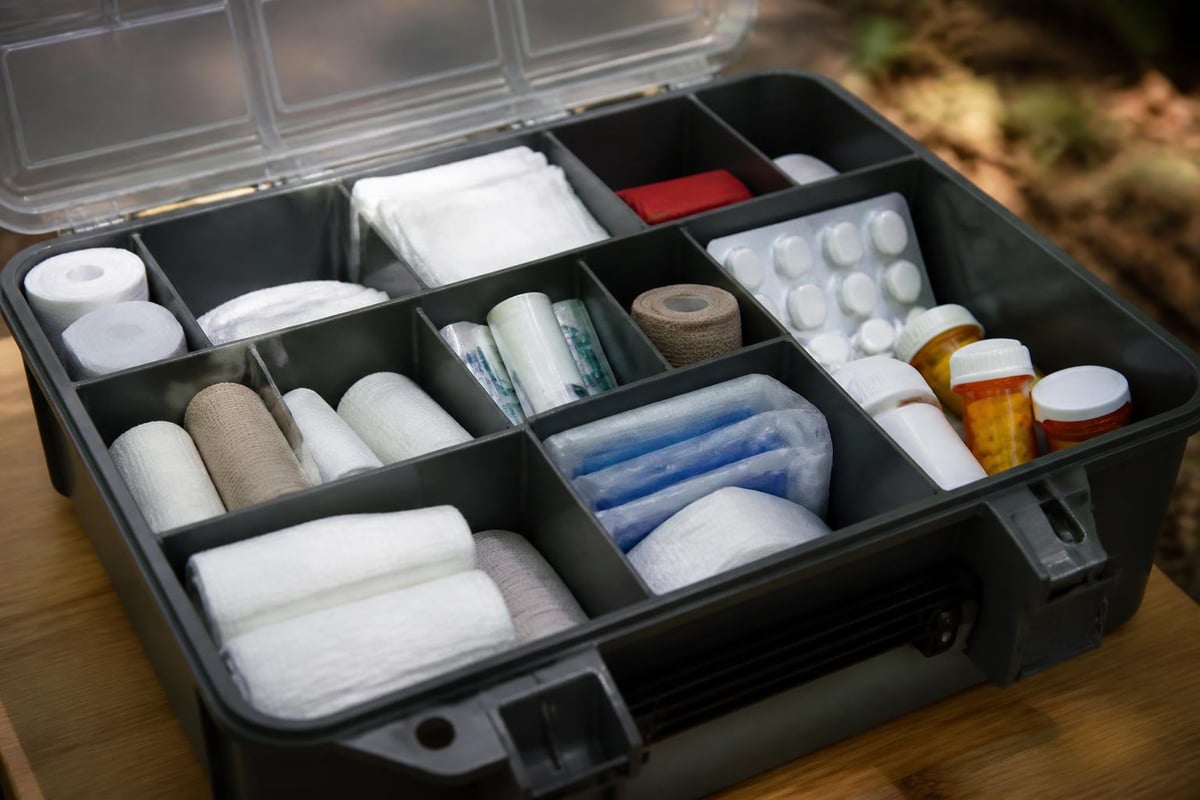
The external case construction uses durable materials resistant to moisture and impact. Interior organization employs labeled compartments that facilitate rapid supply location during high-stress situations. Medical professionals emphasize that supply accessibility directly correlates with response effectiveness, particularly when treating time-sensitive injuries.
Essential Components and Supply Categories
A comprehensive mediplast first aid kit contains supplies organized across multiple treatment categories. Understanding these categories helps users maintain inventory and recognize when replenishment becomes necessary. MedlinePlus guidance on assembling a first aid kit emphasizes the importance of category-based organization for effective emergency response.
Wound Care and Bleeding Control Supplies
Controlling hemorrhage ranks among the most critical first aid interventions. Quality kits include multiple bandage sizes and types:
- Adhesive bandages in assorted sizes for minor cuts and abrasions
- Sterile gauze pads (2x2, 3x3, and 4x4 inch varieties)
- Non-adherent dressing pads for burns and sensitive wounds
- Elastic bandages for compression and joint support
- Medical tape varieties including hypoallergenic options
Proper wound management extends beyond simple bandaging. Understanding first aid paper tape applications improves dressing security while minimizing skin irritation. The mediplast first aid kit typically includes multiple tape types to accommodate different skin sensitivities and application requirements.
Antiseptics and Infection Prevention
Preventing infection ranks equally with treating the initial injury. First aid kit alcohol and other antiseptic solutions serve as your first defense against pathogen introduction:
| Antiseptic Type | Primary Use | Shelf Life |
|---|---|---|
| Alcohol Prep Pads | Skin cleansing before treatment | 2-3 years |
| Povidone-Iodine | Wound irrigation and cleansing | 3 years |
| Antibiotic Ointment | Post-cleaning application | 1-2 years |
| Hydrogen Peroxide | Initial debris removal | 1 year (opened) |
Maintaining fresh antiseptic supplies requires regular inventory checks. Environmental factors including temperature fluctuation and humidity exposure accelerate degradation, making storage conditions nearly as important as initial quality.
Medical Instruments and Diagnostic Tools
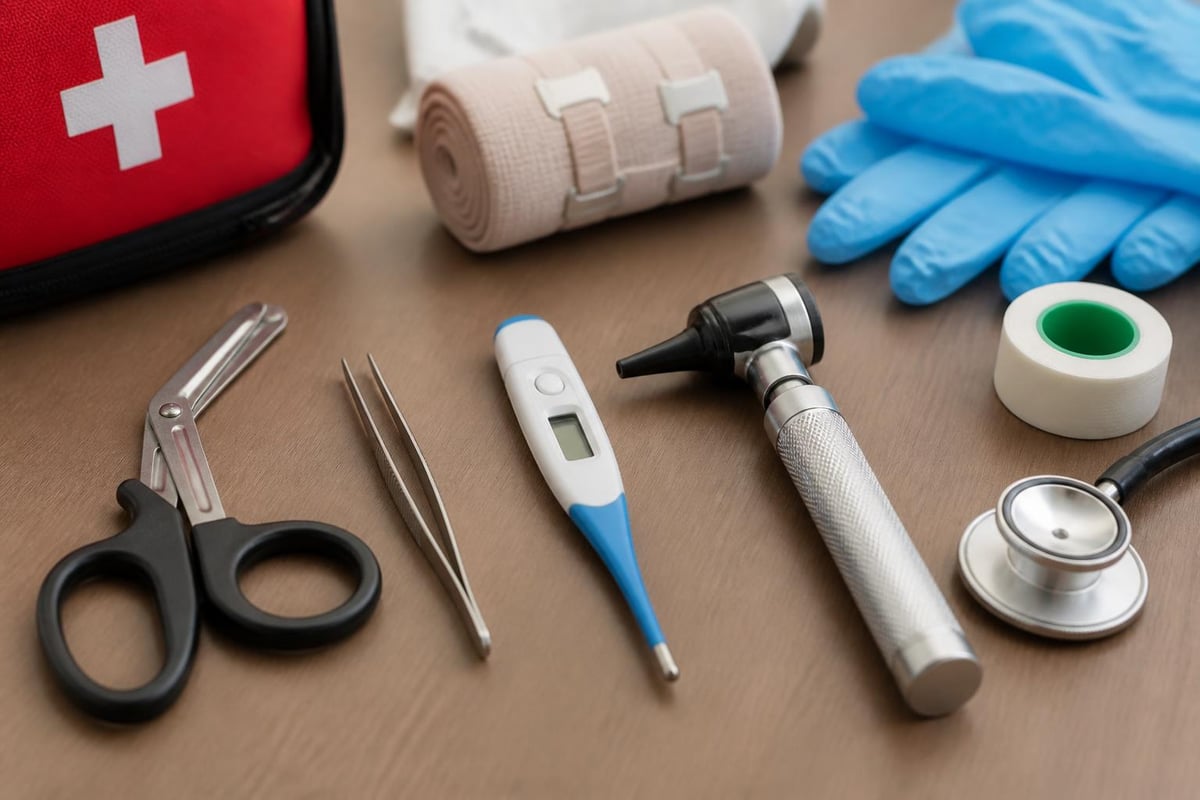
Beyond consumable supplies, effective emergency response requires quality instruments. The mediplast first aid kit incorporates essential tools that enable proper assessment and treatment. These instruments distinguish comprehensive kits from basic supply collections.
Cutting and Precision Instruments
Medical-grade scissors and tweezers enable precise interventions:
- Trauma shears capable of cutting through clothing, seatbelts, and heavy fabrics
- Precision tweezers for splinter and foreign object removal
- Safety pins for sling creation and bandage securing
- Disposable scalpels for specific medical applications
For those seeking expanded surgical capabilities, exploring specialized surgical kit options provides advanced intervention tools suitable for trained responders.
Temperature and Vital Sign Monitoring
Fever assessment and vital sign tracking inform treatment decisions. Digital thermometers provide rapid, accurate readings without mercury exposure risks. Some advanced kits include blood pressure monitoring equipment, though this requires training for accurate interpretation.
Endurance athletes often face unique medical challenges during training and competition. Resources like Your Next Race emphasize proper preparation for physical demands, which extends to carrying appropriate medical supplies during long-distance events where immediate professional help may be delayed.
Medication Categories and Pain Management
Pharmaceutical components form a critical mediplast first aid kit element. Med kit essentials extend beyond bandages to include medications addressing common emergency scenarios. Proper medication selection, storage, and rotation prevent degradation and ensure effectiveness when needed.
Over-the-Counter Pain Relief Options
Pain management medications serve multiple purposes:
- Acetaminophen for fever reduction and general pain relief
- Ibuprofen for inflammation control and moderate pain
- Aspirin for cardiac event response (adult formulation only)
- Topical analgesics for muscle strains and joint injuries
Age-appropriate dosing information should accompany all medications. Pediatric formulations differ significantly from adult versions in concentration and acceptable dosage ranges. Labeling should include expiration dates, dosing guidelines, and contraindication warnings.
Allergy and Respiratory Medications
Allergic reactions range from minor irritations to life-threatening anaphylaxis. Antihistamines address mild to moderate reactions, while severe allergies require epinephrine auto-injectors. The mediplast first aid kit typically includes diphenhydramine or comparable antihistamines in both oral and topical formats.
Respiratory distress medications become particularly important for individuals with known asthma or chronic respiratory conditions. While prescription inhalers remain personal carry items, kits should accommodate storage space for such critical medications.
Specialized Emergency Scenarios
Comprehensive preparedness addresses scenarios beyond common cuts and bruises. The mediplast first aid kit adapts to various emergency types through specialized supply inclusion. Understanding these specialized applications helps users select appropriate kits for specific environments and risk profiles.
Burn Treatment Supplies
Thermal injuries require specific treatment protocols. Quality burn care supplies include:
- Sterile burn dressings with non-stick surfaces
- Burn gel or ointment for pain relief and protection
- Face shield or burn blanket for extensive injuries
- Cooling agents appropriate for first aid application
Emergency thermal blankets serve dual purposes, providing hypothermia prevention while offering burn victim protection when properly deployed. Compact thermal blankets occupy minimal kit space while delivering critical temperature regulation capabilities.
Fracture Immobilization and Sprains
Musculoskeletal injuries benefit from immediate stabilization. Immobilization supplies prevent additional damage during patient transport:
- SAM splints or rigid splinting materials
- Triangular bandages for sling creation
- Elastic wraps for compression and support
- Cold packs for swelling reduction
Proper splinting technique requires training, but having supplies readily available enables bystanders to stabilize injuries before professional help arrives. The American Red Cross first aid kit anatomy provides detailed guidance on optimal supply selection for various injury types.
Environmental Protection and Hygiene Supplies
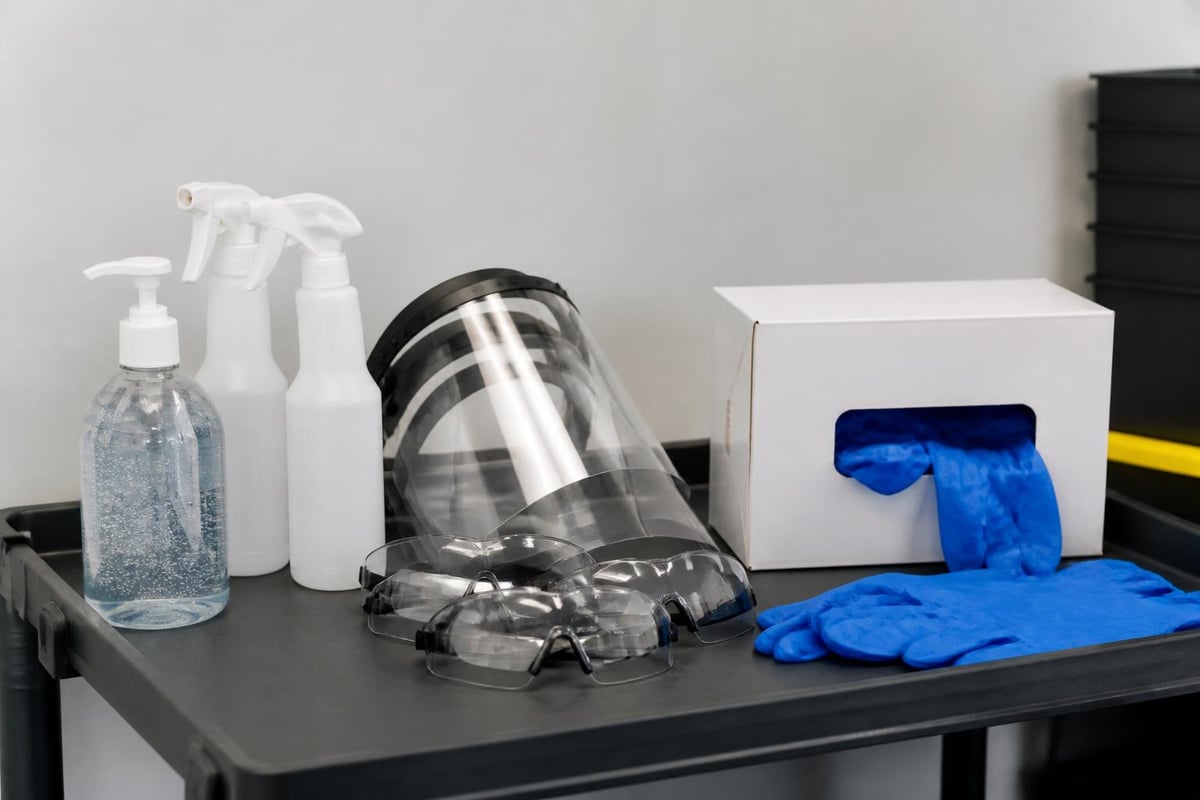
Personal protective equipment protects both responders and patients during emergency treatment. The mediplast first aid kit includes barrier devices that prevent cross-contamination and disease transmission. These supplies have gained increased importance following heightened awareness of infectious disease spread.
Personal Protective Equipment (PPE)
Modern first aid requires appropriate protection:
- Nitrile examination gloves in multiple sizes
- CPR face shields with one-way valves
- Eye protection shields or safety glasses
- Disposable gowns or protective aprons for significant blood exposure
Glove material selection matters significantly. Nitrile gloves offer superior puncture resistance compared to latex while eliminating allergic reaction risks. Maintaining a hygienic environment becomes particularly crucial when dealing with bodily fluids or open wounds. Having quality tissues available for cleanup and sanitation proves valuable, and products like those from Blow Tissues offer sustainable, refillable options that complement environmental consciousness in emergency preparedness.
Hand Sanitization and Clean-Up Materials
Infection prevention extends beyond wound treatment to include responder hygiene:
| Supply Item | Purpose | Quantity Recommended |
|---|---|---|
| Hand Sanitizer (60%+ alcohol) | Hand disinfection when water unavailable | 2-4 oz bottle |
| Antibacterial Wipes | Surface and hand cleaning | 20-30 individual packets |
| Biohazard Bags | Contaminated material disposal | 3-5 bags |
| Paper Towels | General cleaning and drying | 1 roll or 20 sheets |
Commercial and Workplace Applications
Workplace environments present unique first aid requirements. Commercial first aid kit specifications often exceed basic home kit standards due to regulatory requirements and higher-risk environments. The mediplast first aid kit adapts to commercial settings through scalable supply configurations.
Regulatory Compliance Considerations
Certain industries face mandatory first aid kit requirements. Texas Administrative Code specifications exemplify state-level regulations defining minimum kit contents for specific facilities. Compliance requires understanding both federal OSHA guidelines and state-specific mandates.
Manufacturing environments, construction sites, and childcare facilities each present distinct hazard profiles requiring tailored supply selection. Periodic risk assessments identify emerging hazards that may necessitate specialized supply additions beyond standard kit configurations.
Capacity Planning for Groups
Employee count and facility size determine appropriate kit quantity and distribution:
- Small offices (under 25 people): Single comprehensive kit centrally located
- Medium facilities (25-100 people): Multiple kits positioned throughout facility
- Large operations (100+ people): Department-specific kits plus central trauma supplies
- Remote work sites: Portable medical kits for mobile teams
Distribution strategy balances accessibility with maintenance efficiency. Consolidating supplies simplifies inventory management but may increase response time for distant workers.
Travel and Mobile First Aid Solutions
Mobility requirements demand compact, lightweight kit configurations without sacrificing essential capabilities. The mediplast first aid kit's travel-oriented designs prioritize space efficiency while maintaining treatment effectiveness. Philusa Corporation's mediplast specifications highlight features optimized for portability across home, office, and travel environments.
Vehicle-Based Emergency Preparedness
Automotive first aid kits address roadside emergency scenarios:
- Compact storage compatible with glove compartments or trunk organization
- Weather-resistant cases protecting supplies from temperature extremes
- Reflective warning materials for roadside visibility
- Emergency contact information and insurance documentation storage
Vehicle kits benefit from periodic temperature exposure assessment. Extreme heat and cold degrade adhesives, medications, and elastic materials, necessitating more frequent replacement cycles than climate-controlled storage environments.
Adventure and Outdoor Activity Kits
Recreational activities from hiking to camping require specialized considerations. Remote locations delay professional medical response, placing greater emphasis on comprehensive supply inclusion and user training. Medicine kit bags designed for outdoor use incorporate weatherproofing and attachment systems compatible with backpacks and tactical gear.
Wilderness-specific hazards require targeted supplies:
- Snake bite treatment protocols and supplies (see snake bite kits for detailed guidance)
- Blister prevention and treatment materials
- Altitude sickness medications for high-elevation activities
- Extended-duration wound care for multi-day expeditions
- Water purification tablets or filtration equipment
Maintenance and Inventory Management
Kit effectiveness degrades without proper maintenance protocols. The mediplast first aid kit requires systematic inventory review, supply rotation, and damage assessment. Establishing regular inspection schedules prevents supply shortages during critical moments.
Expiration Date Tracking Systems
Medical supplies carry defined shelf lives. Systematic tracking prevents deploying degraded materials:
- Monthly visual inspections for physical damage and tampering
- Quarterly expiration date reviews with replacement ordering
- Annual comprehensive inventory against original kit specifications
- Post-use immediate restocking of consumed supplies
Creating simple spreadsheets or using mobile inventory applications streamlines tracking. Recording purchase dates, expiration dates, and replacement costs informs budgeting and ensures continuous readiness.
Storage Environment Optimization
Environmental factors accelerate supply degradation:
| Storage Factor | Optimal Range | Impact of Deviation |
|---|---|---|
| Temperature | 59-77°F (15-25°C) | Adhesive failure, medication potency loss |
| Humidity | 30-50% relative humidity | Sterile package compromise, corrosion |
| Light Exposure | Dark or opaque container | Chemical degradation, discoloration |
| Accessibility | Unlocked but supervised | Delayed response vs. unauthorized access |
Basic first aid box storage should balance accessibility with environmental protection. Wall-mounted cases in climate-controlled areas provide excellent compromise solutions.
Training and Competency Development
Supplies alone prove insufficient without knowledge and skills. The mediplast first aid kit reaches maximum effectiveness when users receive proper training. Competency development transforms bystanders into effective first responders capable of stabilizing emergencies until professional help arrives.
Formal Certification Programs
Structured training builds systematic response capabilities:
- Basic First Aid and CPR certification through recognized organizations
- Wilderness First Responder courses for outdoor enthusiasts
- Stop the Bleed programs focusing on hemorrhage control
- Pediatric-specific first aid for childcare providers and parents
Certification courses typically require renewal every two to three years, reflecting evolving best practices and maintaining skill proficiency. Hands-on practice sessions prove essential for developing muscle memory in high-stress scenarios.
Practical Scenario Practice
Knowledge retention improves through practical application. Regular scenario drills familiarize users with kit contents and proper supply deployment. Understanding how to stop major bleeding through systematic practice prevents common errors that compromise patient outcomes.
Effective training scenarios include:
- Severe bleeding control using pressure dressings and tourniquets
- Choking response for conscious and unconscious victims
- Burn assessment and initial treatment application
- Fracture stabilization and patient comfort measures
- Allergic reaction recognition and antihistamine administration
Customization and Specialized Additions
While the mediplast first aid kit provides comprehensive baseline coverage, individual circumstances may justify customization. Personal medical conditions, specific environmental hazards, and professional requirements drive targeted supply additions beyond standard configurations.
Medical Condition-Specific Supplies
Chronic conditions require personalized kit modifications:
- Diabetes management supplies including glucose tablets and testing equipment
- Cardiac medication storage for individuals with heart conditions
- Asthma rescue inhalers and spacer devices
- EpiPens for severe allergy management
- Specialized medications for diagnosed chronic conditions
Documentation accompanying personal medications should include dosing instructions, prescribing physician contact information, and emergency response protocols specific to each condition.
Professional-Grade Equipment Additions
Trained medical professionals may incorporate advanced supplies:
- Blood pressure monitoring equipment and stethoscopes
- Advanced airway management devices
- Pharmaceutical-grade wound closure materials
- Diagnostic tools including pulse oximeters and glucometers
- Intravenous access supplies for qualified personnel
Equipment additions should align with training level and legal scope of practice. Liability considerations make proper credentialing essential before deploying advanced medical interventions.
Size and Configuration Selection Guide
The mediplast first aid kit comes in various sizes addressing different needs. Matching kit capacity to intended use prevents both over-purchasing and inadequate supply availability. Small first aid box options suit individual carry, while larger configurations support families and organizations.
Individual and Personal Kits
Personal carry kits emphasize extreme portability:
- Pocket-sized configurations (approximately 4x6 inches)
- Essential supplies only: bandages, antiseptic, pain relievers
- Weight under one pound for everyday carry
- Suitable for purses, backpacks, and glove compartments
These minimal kits handle common minor injuries but require supplementation for comprehensive preparedness.
Family and Household Kits
Home-based kits expand capacity to address multiple people and injury types:
- Mid-sized cases (10x8x3 inches typical)
- Supply quantities supporting 3-5 people
- Comprehensive category coverage including medications, wound care, and tools
- Weight between 2-4 pounds when fully stocked
Household kits should accommodate family-specific needs including pediatric supplies for homes with children and specialized medications for family members with chronic conditions.
Institutional and High-Capacity Kits
Organizations require substantial supply reserves:
- Large cases or wall-mounted cabinets (24+ inches)
- Bulk quantities supporting dozens or hundreds of people
- Specialized equipment for high-risk environments
- Weight considerations secondary to comprehensive coverage
Institutional deployments benefit from centralized storage with satellite mini-kits distributed throughout facilities for immediate response capability.
Effective emergency preparedness combines quality supplies with proper training and systematic maintenance. The mediplast first aid kit provides a solid foundation for responding to common emergencies across home, workplace, and recreational environments. Whether you're equipping a household, outfitting a business, or preparing for outdoor adventures, Medical Gear Outfitters offers paramedic-selected first aid supplies and the expertise to help you build comprehensive emergency readiness that could save lives when seconds matter most.

