
First Aid Kit Bags: Complete Selection and Setup Guide
When emergencies strike, having the right supplies immediately accessible can make the difference between effective care and delayed treatment. First aid kit bags serve as the critical foundation for organized emergency response, whether you're a medical professional responding to trauma calls or a prepared citizen ready to assist in everyday emergencies. The container itself determines how quickly you can locate supplies, how well those supplies remain protected, and how effectively you can deliver care under pressure. Choosing the appropriate bag involves understanding material durability, organizational systems, capacity requirements, and specific deployment scenarios.
Essential Features of Quality First Aid Kit Bags
The construction quality of first aid kit bags directly impacts their reliability during critical moments. Durable materials such as ballistic nylon, Cordura fabric, and water-resistant polymers protect medical supplies from environmental damage while withstanding repeated use in challenging conditions.
Material Specifications and Durability Standards
Modern first aid kit bags utilize materials rated by denier count, with higher numbers indicating thicker, more durable fabrics. Professional-grade bags typically feature 600D to 1000D nylon construction with reinforced stitching at stress points.
Key material considerations include:
- Water resistance ratings (minimum IPX4 for basic splash protection)
- Tear resistance for rough handling and field conditions
- UV stability to prevent degradation from sun exposure
- Chemical resistance for cleaning and decontamination
- Temperature tolerance for vehicle storage
The closure systems matter equally to the bag construction. YKK zippers provide superior reliability compared to generic alternatives, while dual zipper pulls enable access from either direction during emergencies.
Organizational Systems and Accessibility
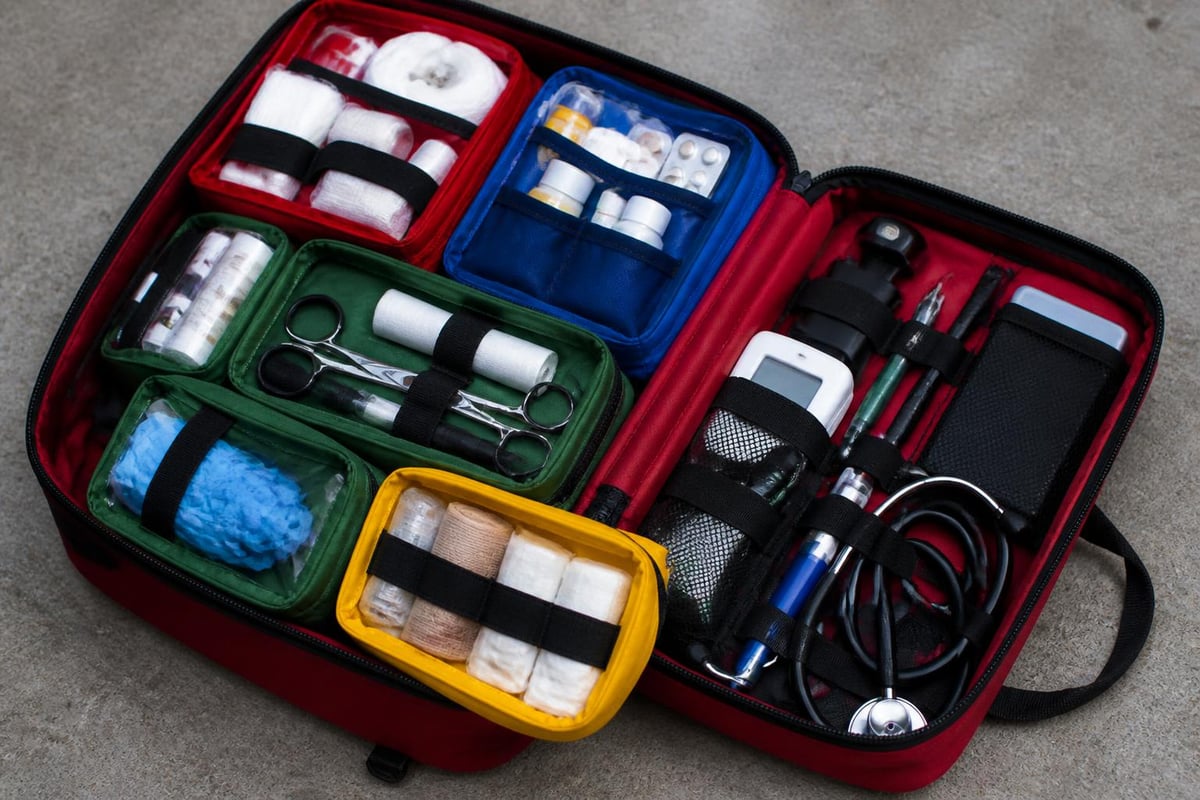
Internal organization separates functional bags from basic containers. Professional first aid kit bags incorporate multiple compartments that categorize supplies by type or injury category, reducing search time during stressful situations.
| Organization Method | Best For | Access Speed | Capacity |
|---|---|---|---|
| Elastic loops | Instruments, shears | Immediate | Limited |
| Mesh pockets | Gauze, bandages | 2-3 seconds | Medium |
| Zippered pouches | Medications, sterile items | 5-10 seconds | High |
| Modular inserts | Customized kits | Variable | Maximum |
The commercial first aid kit approach emphasizes clear labeling and intuitive placement. Supplies used together should remain together, while frequently needed items occupy the most accessible positions.
Size Categories and Capacity Planning
First aid kit bags range from pocket-sized personal kits to large expedition packs capable of treating multiple casualties. Selecting the appropriate size requires analyzing your specific response scenarios, number of potential patients, and deployment environment.
Personal and Individual Carry Options
Individual first aid kits (IFAKs) typically measure 4x6 inches to 6x8 inches, designed for single-person carry on belts, plate carriers, or in pockets. These portable medical kits focus on immediate life-threatening injuries rather than comprehensive care.
Contents capacity ranges from 15 to 40 items, emphasizing:
- Hemorrhage control (tourniquets, hemostatic gauze)
- Airway management (nasopharyngeal airways, chest seals)
- Wound treatment (pressure dressings, trauma shears)
- Minimal basic first aid supplies
The compact design prioritizes weight reduction while maintaining effectiveness for critical interventions. Many responders carry personal kits as primary response tools, supplemented by larger bags in vehicles or facilities.
Family and Household Bag Specifications
Home-based first aid kit bags typically measure 10x12 inches to 12x15 inches, providing comprehensive supplies for common household injuries and illnesses affecting multiple family members.
These bags should accommodate the minimum contents recommended by the American Red Cross, which includes various bandage sizes, antiseptic wipes, medications, and emergency contact information. Household bags benefit from transparent compartments that allow inventory checks without unpacking.
Professional and Response Team Bags
Professional responders require first aid kit bags with 15x18 inch footprints or larger, often incorporating backpack-style designs for hands-free transport. These systems support comprehensive medical kit essentials capable of managing multiple patients with diverse injury patterns.
Response bags frequently employ modular designs where removable pouches contain specific treatment categories. This configuration enables responders to grab relevant modules while leaving unnecessary supplies secured in the main bag.
Regulatory Compliance and Standard Requirements
Different environments face specific regulatory requirements governing first aid kit contents and container specifications. Understanding these standards ensures legal compliance while optimizing preparedness.
Workplace and Vehicle Standards
OSHA guidelines establish baseline requirements for workplace first aid supplies based on employee count and hazard assessment. The ACLS Certification Association notes that small worksites with fewer than three employees should maintain basic kits, while larger or high-hazard workplaces require comprehensive supplies.
New Hampshire regulations specify mandatory contents for multipurpose passenger vehicles, including specific quantities of bandages, antiseptics, and emergency instructions. While state requirements vary, these standards provide excellent baseline guidance for vehicle kits nationwide.
Workplace kit considerations include:
- Minimum item quantities based on employee count
- Specialized supplies for industry-specific hazards
- Accessible mounting locations within facility
- Regular inspection and restocking protocols
- Trained personnel designation
ANSI Standards and Industry Benchmarks
The American National Standards Institute (ANSI) Z308.1-2021 establishes widely recognized standards for workplace first aid kits, specifying minimum quantities for Class A (basic) and Class B (industrial) kits.
| ANSI Class | Minimum Items | Typical Application | Bag Size Range |
|---|---|---|---|
| Class A | 89 pieces | Office, retail | 8x10 to 10x12 inches |
| Class B | 200+ pieces | Industrial, construction | 12x15 to 15x18 inches |
These standards don't mandate specific bag features, but compliance requires containers that protect supplies from contamination and environmental damage while maintaining organization.
Specialized Bag Types for Specific Applications
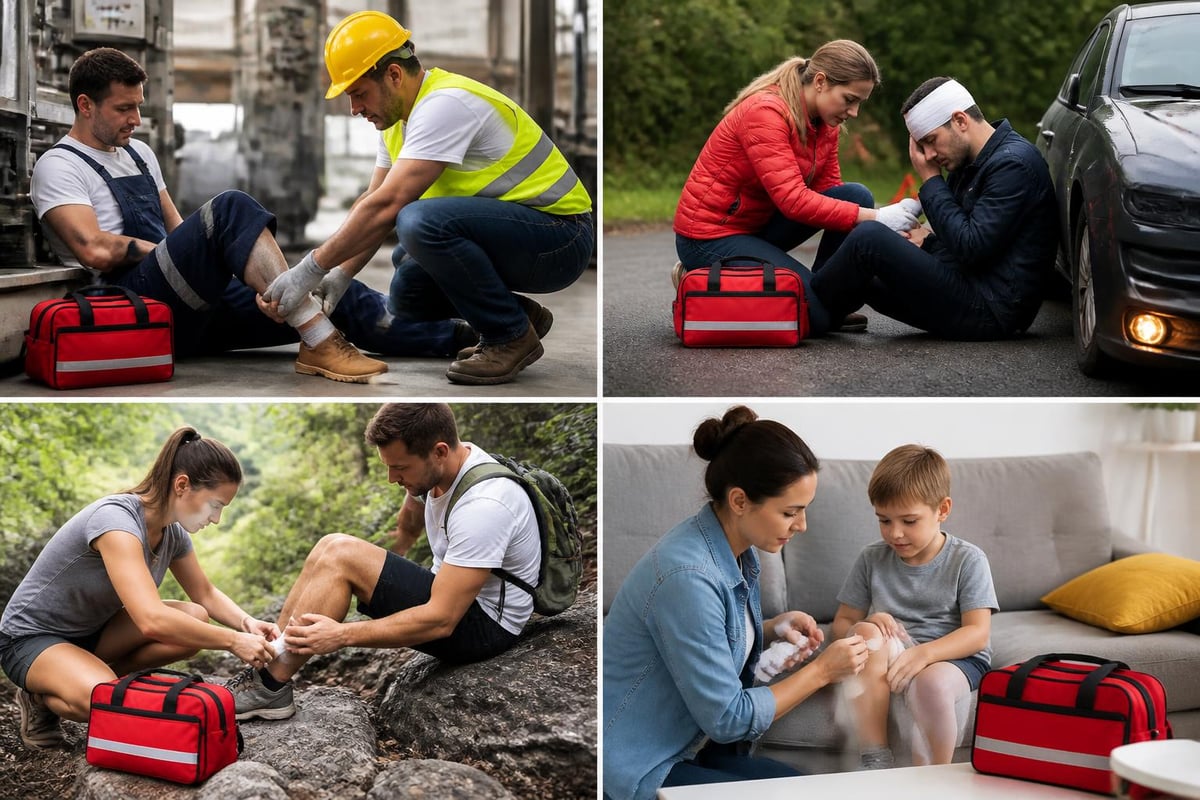
Beyond general-purpose designs, specialized first aid kit bags optimize for particular environments, activities, or medical protocols. Understanding these variations helps match equipment to actual deployment scenarios.
Tactical and Trauma Response Bags
Tactical medical bags prioritize rapid access to life-saving interventions for penetrating trauma, blast injuries, and severe hemorrhage. These bags typically feature MOLLE webbing for attachment to tactical vests, reinforced construction for harsh environments, and quick-release buckles for emergency deployment.
The trauma kit configuration emphasizes hemorrhage control with multiple tourniquets, hemostatic agents, and pressure dressings. Internal organization uses color-coded pouches matching treatment priorities: red for hemorrhage control, blue for airway management, and yellow for wound treatment.
Outdoor Recreation and Wilderness Bags
Wilderness first aid kit bags address extended response times, environmental exposure, and limited evacuation options. These bags incorporate supplies for blister management, wound irrigation, splinting materials, and extended care scenarios.
Wilderness-specific features include:
- Waterproof construction or dry bag integration
- Compression straps to minimize pack volume
- Reflective accents for low-light visibility
- Temperature-stable medication storage
- Insect sting and bite treatment supplies
Weight becomes critical for backpacking applications, requiring careful selection between comprehensive supplies and carrying burden. Many wilderness bags weigh between 1.5 and 3.5 pounds when fully stocked.
Marine and Aquatic Environment Bags
Waterproof first aid kit bags designed for boating, kayaking, and water sports utilize fully sealed construction with roll-top closures or waterproof zippers rated to IPX7 standards. These bags often incorporate bright colors (orange, yellow) for visibility during water rescues.
Strategic Packing and Organization Methods
How you organize supplies within first aid kit bags dramatically affects response efficiency. Professional packing techniques reduce search time, prevent supply damage, and ensure complete inventory maintenance.
Layer-Based Organization Systems
Effective packing uses a layered approach where frequently needed supplies occupy top positions while specialized or backup items remain in lower layers. This strategy follows the 80/20 principle: 80% of emergency responses use 20% of available supplies.
Top layer: Gloves, basic bandages, antiseptic wipes, trauma shears Middle layer: Gauze rolls, tape, splinting materials, medications Bottom layer: Backup supplies, specialized tools, documentation
The small first aid box approach demonstrates efficient organization in compact spaces, maximizing every cubic inch through thoughtful supply selection and nested packing.
Color-Coding and Labeling Protocols
Visual identification systems enable rapid supply location even under stress or poor lighting conditions. Professional responders often employ color-coded pouches matching treatment categories:
- Red pouches: Major bleeding control
- Blue pouches: Breathing and airway supplies
- Yellow pouches: Wound care and bandaging
- Green pouches: Medications and ointments
- Clear pouches: Diagnostic tools and instruments
Labels should use large, high-contrast text readable without removing items from the bag. Waterproof labels withstand repeated handling and environmental exposure.
Inventory Management and Expiration Tracking
Regular inventory checks maintain kit readiness while preventing supply shortages or expired medications. Implementing a systematic approach ensures comprehensive coverage.
| Inspection Frequency | Check Items | Action Required |
|---|---|---|
| Monthly | Seal integrity, visible damage | Replace compromised items |
| Quarterly | Medication expiration dates | Rotate stock, discard expired |
| Annually | Complete inventory count | Replenish missing supplies |
Documentation systems, whether paper checklists or mobile apps, track usage patterns and inform restocking decisions. Recording deployment dates and supplies used provides valuable data for optimizing future kit configurations.
Customization for Specific Medical Protocols
While standard first aid kit bags address common emergencies, customization optimizes response for specific medical training levels, patient populations, and environmental hazards. Tailoring contents requires analyzing actual risk factors and responder capabilities.
Skills-Based Supply Selection
Medical supplies prove effective only when responders possess appropriate training. A comprehensive bag containing advanced airway devices provides no benefit if users lack proper certification and practice.
Basic first aid level (no formal medical training):
- Adhesive bandages in multiple sizes
- Antiseptic wipes and antibiotic ointment
- Basic gauze pads and medical tape
- Over-the-counter pain relievers
- Elastic bandages for sprains
CPR/First Aid certified (lay responder training):
- Previous supplies plus trauma dressings
- CPR barrier devices
- Instant cold packs
- Triangular bandages for slings
- Burn treatment supplies
EMT/Paramedic level (professional medical training):
- Advanced hemorrhage control tools
- Airway adjuncts and suction devices
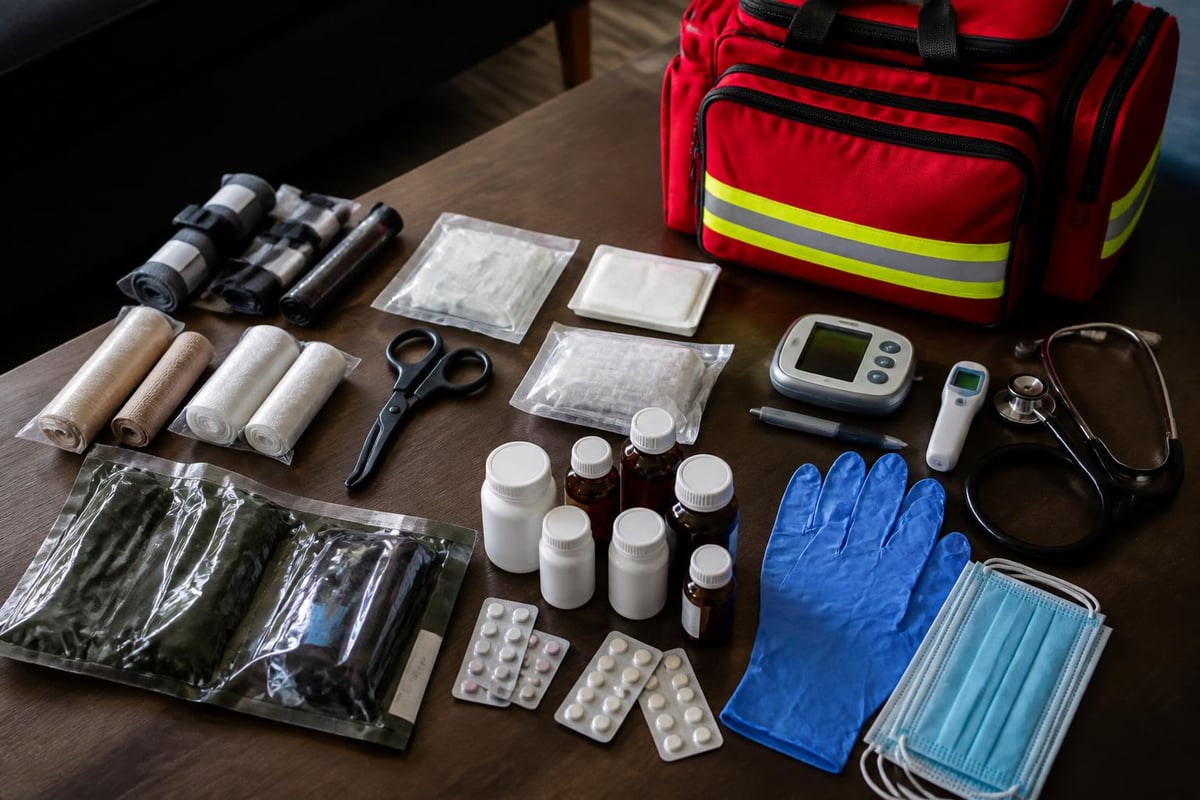
- Diagnostic equipment (blood pressure cuff, stethoscope)
- Injectable medications (where protocols allow)
- Splinting and immobilization devices
The medicine kit bag configuration should reflect actual training certifications, avoiding supplies that exceed user competency while ensuring adequate resources for certified interventions.
Environment-Specific Additions
Different settings present unique hazards requiring specialized supplies beyond standard first aid contents. Conducting thorough risk assessments identifies gaps between baseline kits and actual needs.
Industrial environments benefit from first aid content addressing chemical exposure, severe lacerations, and crush injuries. These kits should include eyewash solutions, heavy-duty trauma dressings, and burn treatment supplies appropriate for thermal and chemical burns.
Outdoor enthusiasts operating in remote areas might add snake bite kits appropriate for their geographic region, along with extended wound care supplies and emergency communication devices.
Maintenance Protocols and Readiness Standards
Even perfectly organized first aid kit bags lose effectiveness without consistent maintenance. Establishing routine inspection schedules and restocking procedures ensures sustained readiness for actual emergencies.
Environmental Storage Considerations
Storage location affects supply longevity and bag accessibility. First aid kit bags should remain stored between 59°F and 77°F when possible, avoiding extreme temperature fluctuations that degrade medications and compromise adhesives.
Vehicle storage presents particular challenges, as passenger compartments experience temperature extremes. Solutions include:
- Storing bags in climate-controlled areas when possible
- Using insulated containers for medication protection
- Rotating temperature-sensitive supplies more frequently
- Selecting medications with broader temperature tolerances
Humidity control prevents mold growth and packaging degradation. Silica gel packets placed within bags absorb excess moisture in humid environments.
Supply Rotation and Replacement Schedules
Supply expiration and maintenance requires attention to manufacturer dating and functional testing. Adhesive bandages lose sticking power over time, even when sterile packaging remains intact. Elastic bandages lose elasticity, while antiseptic wipes dry out.
Creating replacement schedules prevents simultaneous expiration of multiple supplies. Staggered purchasing spreads costs while ensuring partial kit functionality even when some items need replacement.
Recommended replacement intervals:
- Adhesive bandages: 3-5 years
- Medications (tablets): 2-3 years
- Ointments and creams: 1-2 years
- Sterile gauze and dressings: 5 years
- Elastic bandages: 2-3 years
Selection Criteria for Bag Procurement
Purchasing decisions should balance immediate budget constraints against long-term total cost of ownership. Inexpensive bags requiring frequent replacement ultimately cost more than durable options maintained over years.
Quality Indicators and Construction Assessment
Examining specific construction details reveals quality differences not apparent in product descriptions. Brotherhood Mutual's first aid kit guidance emphasizes selecting containers that protect contents while remaining accessible during emergencies.
Quality assessment checklist:
- Stitch count (minimum 6 stitches per inch on seams)
- Zipper tooth engagement and pull strength
- Handle reinforcement and attachment method
- Internal pocket construction and securing mechanism
- Overall bag shape retention when fully loaded
Testing empty bags before purchase by filling with weighted objects simulates loaded carrying conditions, revealing potential weak points or uncomfortable weight distribution.
Value Analysis Beyond Initial Cost
Total cost of ownership includes the bag price, restocking supplies, replacement frequency, and opportunity costs from poor organization. A $30 bag requiring replacement every two years costs more over a decade than a $100 bag lasting ten years.
Professional responders should calculate cost per deployment by dividing total ownership cost by expected usage frequency. High-volume users justify premium bags, while occasional users may accept more frequent replacement of economy options.
Integration with Broader Emergency Preparedness
First aid kit bags function as components within comprehensive emergency response systems rather than standalone solutions. Coordination with other emergency supplies, communication systems, and response protocols maximizes effectiveness.
Complementary Emergency Equipment
Medical care requires supporting resources beyond first aid supplies. Response kits often integrate first aid components with communication devices, lighting, emergency blankets, and rescue tools.
Recommended complementary items:
- Flashlight with extra batteries
- Emergency contact information
- Medical history cards for family members
- Emergency blanket for shock treatment
- Mobile phone charger
- Emergency whistle
Vehicle-based systems benefit from coordination between first aid kit bags, fire extinguishers, emergency triangles, and rescue tools. Storing all emergency equipment in a designated location ensures rapid access during roadside emergencies.
Training and Skill Development
Equipment effectiveness depends entirely on user competency. St John Ambulance emphasizes that assembling proper first aid kits must accompany training in their effective use during actual emergencies.
Regular skills practice maintains proficiency while revealing equipment gaps or organizational inefficiencies. Mock emergency drills conducted quarterly help users memorize supply locations, practice retrieval under pressure, and identify improvement opportunities.
Many medical professionals recommend annual refresher training for CPR and first aid certification, ensuring current knowledge of updated protocols and techniques. This training should incorporate the specific supplies contained within personal first aid kit bags, building familiarity with actual available resources.
Advanced Configurations for Medical Professionals
Healthcare providers operating in non-clinical settings often require enhanced first aid kit bags incorporating supplies and equipment beyond standard kits. These professional configurations bridge gaps between basic first aid and clinical emergency care.
Diagnostic Equipment Integration
Professional bags often incorporate diagnostic tools enabling patient assessment and monitoring. Portable medical kits for professionals may include digital thermometers, compact pulse oximeters, blood pressure cuffs, and stethoscopes.
These tools support clinical decision-making in field environments, helping determine appropriate treatment interventions and transport priorities. Diagnostic equipment requires careful protection within padded compartments and regular calibration checking.
Protocol-Driven Supply Sets
Medical professionals following established protocols benefit from organizing supplies matching specific treatment algorithms. Cardiac emergency supplies group together, separate from trauma interventions or respiratory distress materials.
This organization supports muscle-memory responses during high-stress situations, where practitioners automatically reach for correct supplies following trained sequences. Color-coding reinforces protocol adherence while accelerating supply retrieval.
Selecting and maintaining appropriate first aid kit bags ensures readiness for the emergencies you hope never occur but must prepare to handle effectively. The right bag protects your investment in quality supplies while organizing them for rapid deployment when seconds matter most. Whether you need basic first aid solutions for home use or comprehensive trauma kits for professional response, Medical Gear Outfitters combines paramedic expertise with quality equipment to ensure you're truly prepared. Explore their complete selection of bags and supplies at Medical Gear Outfitters and equip yourself with the confidence that comes from professional-grade preparedness.

