First Aid First Aid Kit: Complete Guide for 2026
When emergencies strike, having a properly stocked and organized first aid first aid kit can mean the difference between a minor incident and a major crisis. Whether you're preparing for workplace emergencies, outdoor adventures, or household accidents, understanding what belongs in your kit and how to maintain it is essential knowledge for anyone committed to emergency preparedness. As we navigate through 2026, the standards and best practices for first aid kits continue to evolve, incorporating lessons learned from both medical professionals and real-world emergency situations.
Understanding First Aid Kit Fundamentals
A first aid first aid kit serves as your frontline defense when medical emergencies occur. The primary purpose extends beyond simply storing bandages and antiseptic wipes. These kits represent a carefully curated collection of medical supplies designed to address immediate health threats, stabilize injuries, and provide critical care until professional medical help arrives.
The core functions of any effective first aid kit include:
- Treating minor injuries such as cuts, scrapes, and burns
- Managing bleeding and preventing infection
- Responding to sudden medical emergencies
- Providing tools for assessment and monitoring
- Maintaining supplies for environmental hazards
The American Red Cross outlines the recommended contents of a first aid kit for a family of four, emphasizing regular checks and customization based on personal needs. This approach recognizes that no two situations are identical, and your first aid first aid kit should reflect your specific environment, activities, and potential risks.
Industry Standards and Compliance
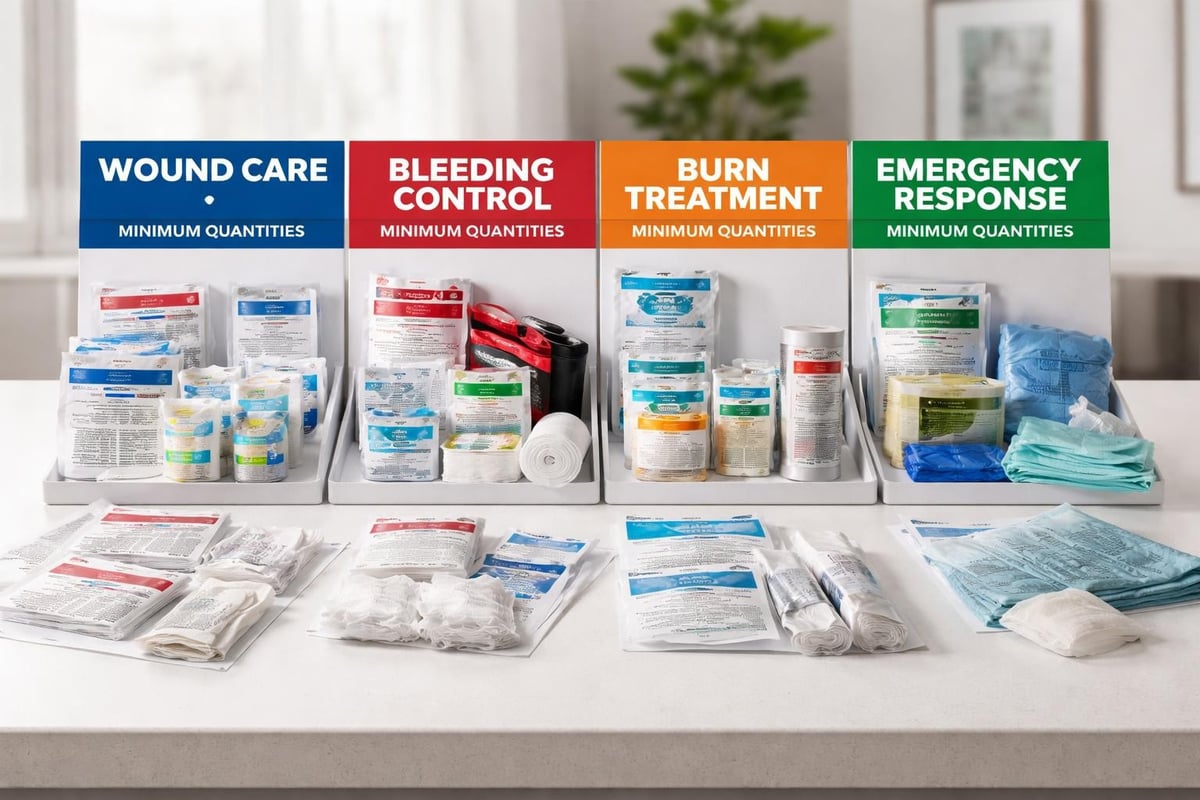
Professional settings require adherence to specific standards. The ANSI/ISEA Z308.1-2021 standard provides comprehensive guidelines for workplace first aid kits, specifying minimum quantities and types of supplies based on the number of employees and workplace hazards. According to guidelines for workplace first aid kits from the University of Texas, recent updates now include items like foil blankets to address thermal emergencies.
Essential Components Every First Aid First Aid Kit Needs
Building a comprehensive first aid first aid kit requires understanding both basic necessities and advanced components. The supplies you include should address the most common injuries while also preparing for serious medical emergencies that demand immediate intervention.
Wound Care and Bandaging Materials
Proper wound management prevents complications and promotes healing. Your kit should contain multiple sizes and types of bandaging materials to address various injury scenarios.
| Item Type | Recommended Quantity | Primary Use |
|---|---|---|
| Adhesive bandages (assorted) | 25-50 pieces | Minor cuts and abrasions |
| Sterile gauze pads (4x4 inch) | 10-15 pads | Wound cleaning and coverage |
| Rolled gauze bandages | 3-5 rolls | Securing dressings, wrapping injuries |
| Elastic bandages | 2-3 rolls | Sprains, strains, compression |
| Trauma dressings | 2-4 packages | Severe bleeding control |
The University of Rochester Medical Center provides a detailed list categorizing supplies into instruments, bandages, medicines, and miscellaneous items. This systematic approach ensures nothing gets overlooked when assembling your first aid first aid kit.
Medical Instruments and Tools
Beyond bandages, your kit requires specific instruments for assessment and treatment. These tools enable you to properly evaluate injuries and provide appropriate care.
Critical instruments include:
- Medical scissors for cutting tape, clothing, and bandages
- Tweezers for splinter and debris removal
- Digital thermometer for monitoring body temperature
- Blood pressure cuff for cardiovascular assessment
- Stethoscope for respiratory and cardiac evaluation
- Disposable gloves for infection control and personal protection
Professional-grade supplies make a significant difference in emergency response effectiveness. Medical Gear Outfitters' complete kits are designed by paramedics who understand what works in real-world scenarios.
Medications and Treatments
Pharmaceutical components address pain, inflammation, allergic reactions, and other immediate medical concerns. Always check expiration dates and replace medications as needed.
- Pain relievers - acetaminophen and ibuprofen for different pain types
- Antihistamines - for allergic reactions and insect stings
- Antiseptic wipes - cleaning wounds before bandaging
- Antibiotic ointment - preventing infection in minor cuts
- Burn gel - immediate treatment for thermal injuries
- Hydrocortisone cream - addressing skin irritation and rashes
Understanding proper medication storage is crucial. Temperature extremes can compromise effectiveness, so storing your first aid first aid kit in climate-controlled environments extends medication shelf life.
Specialized Kits for Specific Situations
Different environments and activities demand customized approaches to first aid preparedness. A generic kit rarely addresses all potential scenarios you might encounter in specialized settings.
Workplace First Aid Kits
Stanford Environmental Health & Safety emphasizes the importance of regular inspections and replenishment for workplace kits. Commercial and industrial settings face unique hazards requiring targeted supplies.
Workplace-specific additions include:
- Eye wash stations or portable eye irrigation
- Chemical burn treatments
- Burn dressings for thermal and chemical exposures
- Extra personal protective equipment
- Emergency contact information and injury reporting forms
Employers must consider employee count, workplace hazards, and proximity to medical facilities when determining company first aid kit requirements. OSHA regulations mandate accessible first aid supplies in all workplaces.
Tactical and Trauma Kits
High-risk activities and environments require advanced medical capabilities. Trauma kits focus on life-threatening injuries rather than minor first aid concerns.
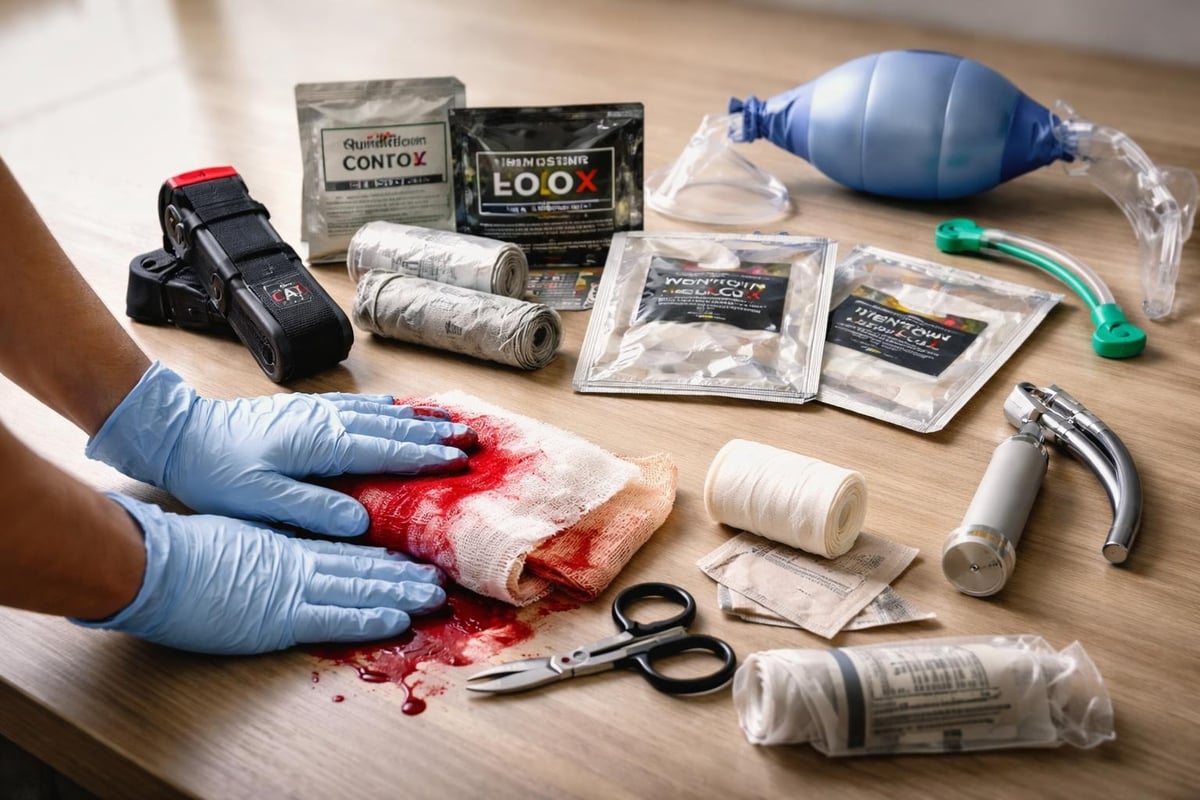
Critical trauma components that transform a basic first aid first aid kit into a life-saving resource include tourniquets for severe extremity bleeding, hemostatic gauze for wound packing, chest seals for penetrating torso injuries, and nasopharyngeal airways for maintaining breathing passages. Tactical trauma kits incorporate military-proven technologies adapted for civilian emergency response.
Home and Family Kits
Residential first aid first aid kit contents should reflect household composition and common domestic emergencies. Families with young children require child-safe medications and supplies for treating common childhood injuries.
Additional home kit considerations encompass prescription medication information for family members, emergency contact lists including poison control, comfort items like instant cold packs, and specialized supplies for chronic conditions affecting household members. Building a comprehensive health kit for your home ensures readiness for the unexpected.
Organization and Maintenance Best Practices
Even the most thoroughly stocked first aid first aid kit fails if supplies are disorganized, expired, or inaccessible during emergencies. Systematic organization and regular maintenance separate effective emergency preparedness from false confidence.
Strategic Organization Methods
Logical organization accelerates response times when seconds matter. Grouping similar items together creates intuitive access patterns that function even under stress.
Effective organization strategies:
- Categorize by injury type - wounds, burns, sprains, medical emergencies
- Use clear containers - quickly identify contents without opening everything
- Label everything - include expiration dates and usage instructions
- Place frequently used items on top or in easily accessible pockets
- Create an inventory list - track what you have and what needs replacement
The container itself matters significantly. Portable medical kit options range from soft pouches for minimal supplies to hard-shell cases protecting sensitive equipment. Choose based on your typical environment and transportation needs.
Maintenance and Inspection Schedules
First aid resupply practices should follow a regular schedule rather than waiting until after emergencies deplete your supplies. Monthly quick checks combined with quarterly detailed inspections maintain kit readiness.
| Inspection Frequency | Tasks to Complete |
|---|---|
| Monthly | Check for used items, verify accessibility, ensure kit location is known |
| Quarterly | Review expiration dates, replace depleted supplies, test equipment batteries |
| Annually | Complete inventory audit, update emergency contacts, refresh medications |
| After each use | Immediately replenish used items, clean contaminated containers |
Temperature and humidity affect supply longevity. Storing kits away from direct sunlight, extreme temperatures, and moisture prevents premature degradation. HSI's overview of first aid kit contents references OSHA and ANSI standards for workplace storage requirements.
Building Your First Aid First Aid Kit From Scratch
Assembling a custom kit allows precise matching of supplies to your specific needs. While pre-packaged options offer convenience, building your own first aid first aid kit ensures nothing essential gets overlooked.
Assessing Your Specific Needs
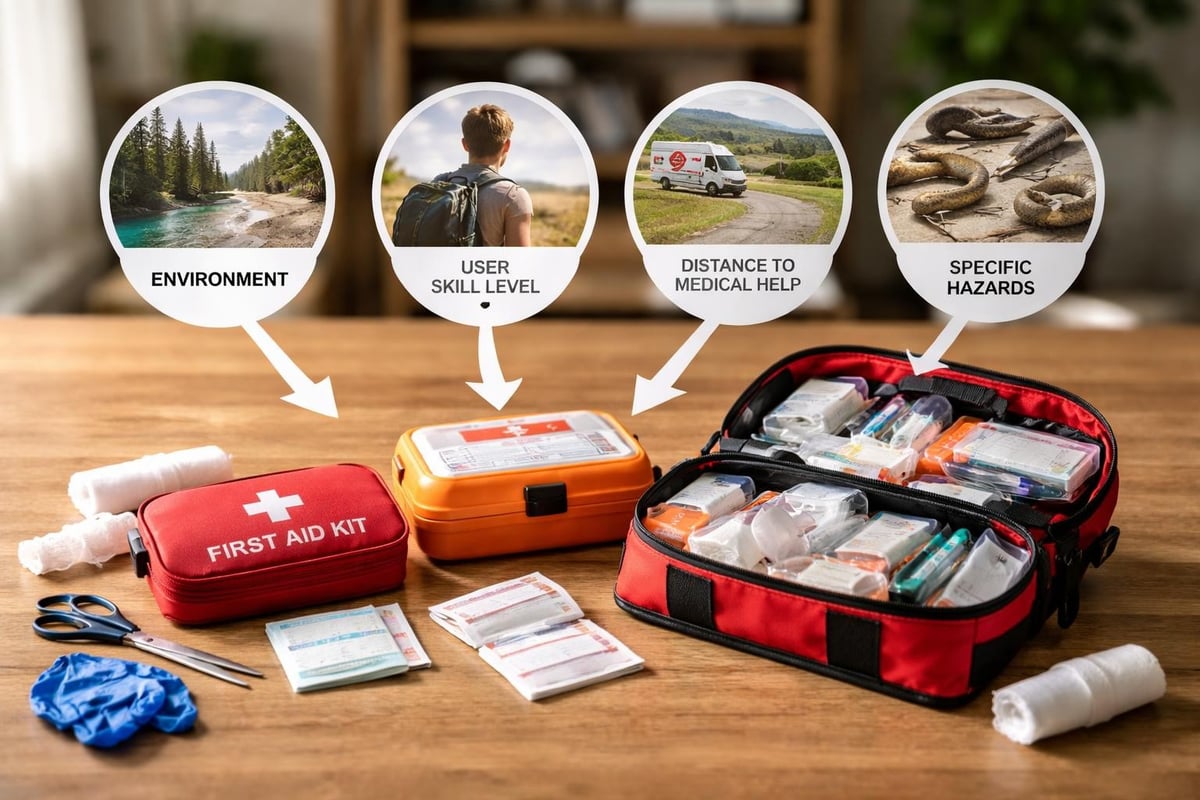
Begin with a thorough risk assessment considering your environment, activities, and potential emergencies. A family with young children faces different risks than outdoor enthusiasts or industrial workers.
Key assessment questions include:
- What are the most common injuries in your environment?
- How far are you from professional medical care?
- Do family members have specific medical conditions?
- What activities create elevated injury risks?
- Are there environmental hazards requiring special preparation?
The Minnesota Department of Labor and Industry fact sheet lists recommended basic supplies in compliance with ANSI standards, providing an excellent starting framework for any first aid first aid kit.
Selecting Quality Components
Not all medical supplies are created equal. Professional-grade components often cost more but provide superior performance when it matters most. Items sourced from reputable medical suppliers undergo rigorous testing and quality control.
Quality indicators to evaluate:
- Sterile packaging integrity for wound care items
- Expiration dates providing adequate usage windows
- Manufacturer reputation and certifications
- Material durability for repeated use items
- Clear usage instructions included with supplies
Medical professionals rely on specific brands proven effective through clinical use. When building a medical first aid kit, prioritizing quality over cost prevents equipment failures during critical moments.
Budget-Conscious Assembly
Financial constraints shouldn't prevent adequate emergency preparedness. Strategic purchasing and prioritization allow effective first aid first aid kit assembly at various price points.
Start with absolute essentials addressing life-threatening emergencies: severe bleeding control, airway management, and basic wound care. Gradually expand capabilities as budget allows, adding specialized items for less common scenarios. Bulk items offer cost savings for frequently replaced supplies like bandages and gauze.
Avoid dollar store medical supplies. While tempting for budget building, inferior quality adhesives, weak materials, and questionable sterility create false security. Invest appropriately in items directly contacting wounds or managing serious injuries.
Training and Knowledge Integration
Possessing a fully stocked first aid first aid kit means nothing without knowledge and training to use the contents effectively. Equipment familiarity and practiced skills separate capable first responders from those who freeze during emergencies.
Essential First Aid Skills
Formal training programs teach systematic approaches to emergency assessment and intervention. Organizations like the American Red Cross, American Heart Association, and professional emergency medical services offer courses ranging from basic first aid through advanced trauma response.
Core competencies for first aid kit users:
- Primary assessment identifying life threats
- CPR and automated external defibrillator (AED) operation
- Bleeding control including tourniquet application
- Wound cleaning and dressing techniques
- Fracture stabilization and splinting
- Recognition of serious medical conditions requiring immediate professional care
Hands-on practice with your actual supplies builds confidence and reveals organizational improvements. Understanding contents of individual first aid kits (IFAK) helps tactical operators maximize limited resources under extreme conditions.
Regular Skills Refreshment
Medical knowledge and protocols evolve continuously. Skills deteriorate without regular practice. Annual refresher training maintains competency and introduces updated techniques proven more effective than previous methods.
Practice scenarios simulate realistic emergency conditions. Timed drills identify organizational problems and reveal gaps in your first aid first aid kit contents. Involving family members or colleagues ensures multiple people can respond effectively regardless of who encounters the emergency first.
Regulatory Compliance and Legal Considerations
Organizations maintaining first aid kits face legal obligations varying by jurisdiction and industry. Understanding applicable regulations prevents compliance violations while ensuring adequate emergency preparedness.
OSHA Requirements
The Occupational Safety and Health Administration mandates first aid supplies in workplaces but provides limited specificity regarding contents. OSHA generally requires adequate first aid supplies "readily available" but defers to ANSI standards for detailed specifications.
Certain industries face additional requirements. Construction sites, for example, must maintain first aid kits accessible within a specific distance of all work areas. Southern Utah University's First Aid Kit Program demonstrates institutional approaches to distribution, maintenance, and tracking across multiple facilities.
Liability Protection
Good Samaritan laws in most states protect individuals providing emergency aid in good faith. However, maintaining current certifications and following established protocols strengthens legal protections should complications arise.
Documentation matters for workplace incidents. Recording first aid treatments, supplies used, and referrals to professional medical care creates clear incident records. This documentation protects both the organization and the individual providing care while identifying training needs and kit improvement opportunities.
Beyond Basic Supplies
Advanced first aid first aid kit components extend capabilities into specialized medical interventions. While basic kits address common injuries, enhanced supplies manage critical emergencies requiring immediate advanced care.
Advanced Airway Management
Maintaining open airways prevents brain damage and death during respiratory emergencies. Beyond basic CPR, advanced supplies include nasopharyngeal airways, oropharyngeal airways, and bag-valve masks for assisted ventilation. These items require proper training but dramatically improve survival chances for unconscious patients with compromised breathing.
Hemostatic Agents
Modern bleeding control extends beyond pressure and elevation. Hemostatic gauze and powders accelerate clotting in severe wounds where traditional methods prove insufficient. Combat-proven technologies like QuikClot and Celox now serve civilian applications, particularly in remote settings where evacuation takes considerable time.
Advanced hemorrhage control progression:
- Direct pressure with standard dressings
- Pressure point techniques
- Hemostatic agent application
- Tourniquet as last resort for extremity bleeding
Specialized hemostatic products represent significant advances in field medicine, reducing preventable deaths from exsanguination.
Environmental Emergency Supplies
Temperature-related emergencies demand specific interventions. Hypothermia treatments include emergency blankets, chemical heat packs, and insulated wraps. Heat illness requires cooling measures, electrolyte replacement, and careful monitoring. A comprehensive first aid first aid kit for outdoor activities must address both temperature extremes.
Common Mistakes to Avoid
Even well-intentioned preparedness efforts fail when common errors undermine effectiveness. Learning from typical mistakes prevents wasted resources and inadequate emergency response.
Frequent first aid kit failures:
- Overpacking with unnecessary items - creates clutter and slows access to critical supplies
- Neglecting expiration dates - medications and sterile supplies degrade over time
- Poor accessibility - storing kits in locked areas or unknown locations
- Insufficient quantities - single-use items inadequate for multiple casualties
- Lack of user familiarity - never opening the kit until an actual emergency
Another critical mistake involves purchasing first aid first aid kit contents without considering user skill levels. Advanced supplies like chest seals or decompression needles require specific training. Untrained users attempting advanced interventions can cause more harm than help.
Customization for Specific Activities
Activity-specific risks demand targeted kit customization. Generic kits rarely address specialized scenarios encountered during particular pursuits.
Outdoor and Wilderness Kits
Remote environments compound medical challenges. Distance from professional care increases treatment duration and complicates evacuation. Wilderness first aid considerations include extended treatment protocols, improvisation techniques, and environmental protection.
Additional wilderness supplies encompass blister treatment for extended hiking, water purification for hydration emergencies, insect sting treatment for allergic reactions, and emergency shelter materials for weather exposure. Weight and bulk limitations require careful prioritization.
Vehicle Emergency Kits
Automotive first aid first aid kit requirements differ significantly from stationary kits. Vehicle accidents create unique injury patterns including severe trauma, burns from fires, and environmental exposure during roadside emergencies.
Vehicle kits should include high-visibility safety items, emergency signaling devices, fire extinguishers rated for automotive fires, and tools for vehicle extrication. Response kits designed for vehicle storage withstand temperature fluctuations and space constraints.
Kitchen-Specific First Aid
Culinary environments present burn risks, lacerations from sharp implements, and potential allergic reactions. Kitchen first aid kit essentials prioritize burn treatments, fingertip bandages for cuts, and eye wash for chemical splashes. Commercial kitchens face additional regulatory requirements under health department codes.
A properly assembled and maintained first aid first aid kit represents your commitment to safety and emergency preparedness, whether for your family, workplace, or adventures. Regular inspection, appropriate customization, and adequate training transform a collection of medical supplies into a life-saving resource ready when emergencies strike. Medical Gear Outfitters combines paramedic expertise with professional-grade supplies to ensure you're equipped not just with the right gear, but with the knowledge to use it effectively. Explore our comprehensive selection of first aid solutions designed by emergency professionals who understand what works when seconds count.

