Medical First Aid Kit: Essential Supplies & Preparation
When emergencies strike, having a properly stocked medical first aid kit can mean the difference between a minor inconvenience and a serious health crisis. Whether you're preparing for everyday household accidents, workplace injuries, or outdoor adventures, understanding what belongs in your kit and how to maintain it ensures you're ready to respond effectively. In 2026, medical first aid kits have evolved beyond simple bandage collections to comprehensive emergency response systems designed for various scenarios and skill levels.
Understanding the Foundation of a Medical First Aid Kit
A medical first aid kit serves as your immediate response tool for injuries and medical emergencies. Unlike basic home kits, a comprehensive medical first aid kit contains supplies appropriate for treating everything from minor cuts to serious traumatic injuries requiring stabilization until professional help arrives.
The American Red Cross outlines minimum contents for standardized first aid kits, providing a baseline for what your kit should contain. These guidelines reflect current medical practices and have been updated to address modern emergency response needs.
Core Components Every Kit Should Include
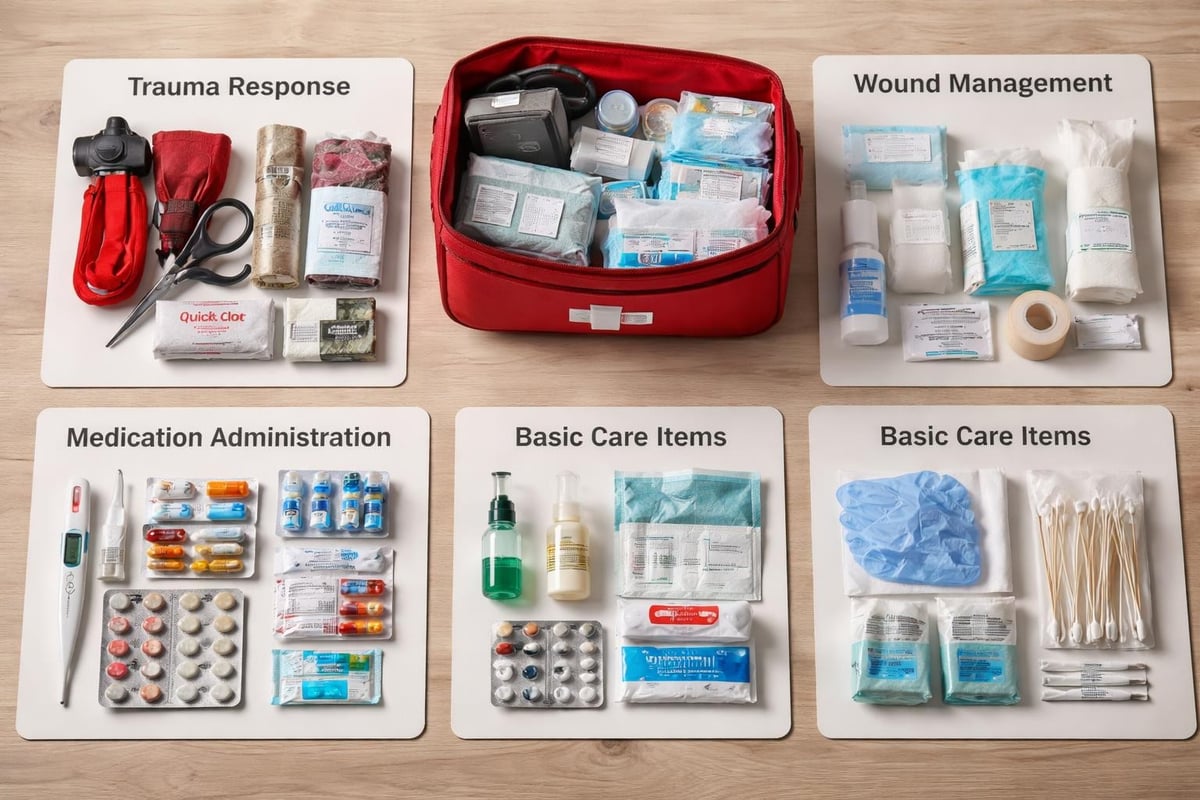
Building an effective medical first aid kit requires understanding the categories of supplies needed:
- Wound care materials including sterile gauze pads, adhesive bandages in various sizes, and medical tape
- Protective equipment such as nitrile gloves, face shields, and eye protection
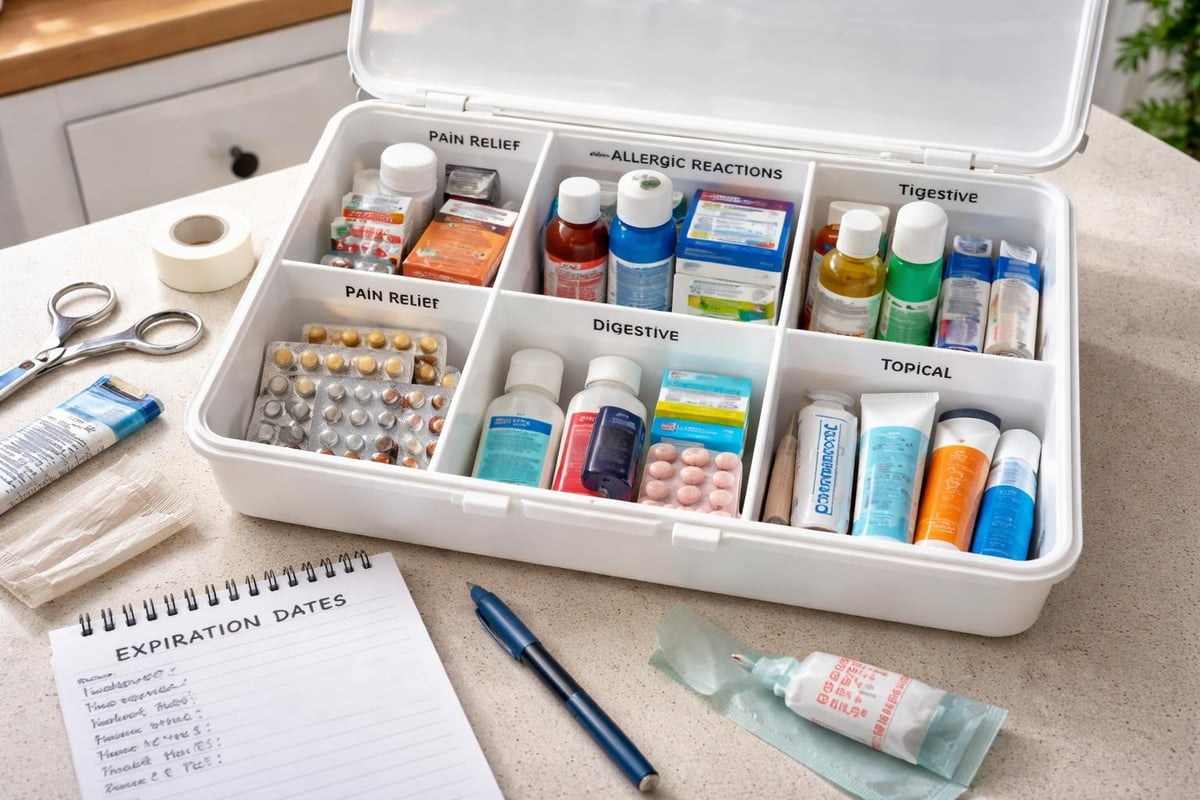
- Medications for pain relief, allergic reactions, and common ailments
- Emergency tools including scissors, tweezers, and thermometers
- Reference materials with quick-access instructions for common emergencies
The fundamental approach to first aid and kit preparation emphasizes matching your kit to your specific environment and anticipated needs. A workplace kit differs significantly from a wilderness survival kit or a home family kit.
Essential Medical Supplies and Equipment
Wound Management Essentials
Proper wound care prevents infections and promotes healing. Your medical first aid kit should contain multiple layers of wound management supplies:
Sterile dressings form the foundation of wound care. Include 2x2 inch, 4x4 inch, and larger sterile gauze pads for different wound sizes. Combine these with non-adherent pads that won't stick to wounds, making dressing changes less painful.
Pressure dressings control severe bleeding and are critical in trauma situations. Modern medical first aid kits increasingly include Israeli bandages or similar compression devices that apply direct pressure while freeing your hands for other emergency tasks.
Adhesive bandages address minor cuts and abrasions. Stock various sizes from small fingertip bandages to larger knuckle and strip varieties. Specialized items like sting and bite pads address specific outdoor emergencies.
| Wound Care Item | Recommended Quantity | Primary Use |
|---|---|---|
| Sterile gauze pads (4x4) | 10-15 pieces | General wound coverage |
| Non-adherent pads | 5-10 pieces | Burns and sensitive wounds |
| Adhesive bandages | 20-30 assorted | Minor cuts and scrapes |
| Medical tape (1-inch) | 2 rolls | Securing dressings |
| Pressure bandages | 2-3 units | Severe bleeding control |
Protective and Safety Equipment
Personal protective equipment (PPE) safeguards both the responder and the patient. Medical gloves are indispensable for preventing cross-contamination and protecting against bloodborne pathogens.
Include multiple pairs of nitrile gloves in your medical first aid kit. Nitrile offers superior puncture resistance compared to latex while accommodating individuals with latex sensitivities. Size variety ensures proper fit for different responders.
Additional protective items:
- CPR face shields or pocket masks for safe rescue breathing
- Eye protection or safety glasses for splashing hazards
- Disposable aprons for significant bleeding situations
- Hand sanitizer and antiseptic wipes for cleaning hands and surfaces
Medications and Treatment Supplies
Over-the-Counter Medications
A well-rounded medical first aid kit includes medications for common medical issues. Always check expiration dates regularly and replace outdated medications promptly.
Pain and fever relief medications include acetaminophen and ibuprofen in both adult and children's formulations if applicable. These address headaches, minor injuries, and fever reduction.
Antihistamines combat allergic reactions ranging from mild environmental allergies to insect stings. Include both regular and non-drowsy formulations for different situations.
Digestive aids such as antacids, anti-diarrheal medication, and laxatives address common gastrointestinal complaints that can occur during travel or stressful situations.
According to MedlinePlus guidelines on first aid supplies, maintaining an organized medication inventory with clear labeling and expiration tracking ensures your medical first aid kit remains effective when needed.
Specialized Treatment Items
Beyond basic medications, include specialized treatment supplies:
- Burn treatments with sterile burn dressings and cooling gel packets
- Eye wash solution in sterile bottles or single-use ampules
- Cold packs for reducing swelling and treating heat-related issues
- Thermometer for monitoring fever and potential infections
- Tweezers and tick removal tools for extracting splinters and removing ticks safely
Workplace and Regulatory Compliance
OSHA Standards for Workplace Kits
Workplace environments require medical first aid kits that meet specific regulatory standards. The OSHA regulations specify minimum acceptable supplies for work sites, ensuring employers provide adequate emergency response capabilities.
These standards vary based on workplace hazards, employee count, and proximity to medical facilities. High-risk environments like construction sites or manufacturing facilities require more comprehensive kits with trauma response capabilities.
Industry-Specific Requirements
Different industries demand specialized medical first aid kit configurations:
- Manufacturing and industrial settings need extensive burn treatment supplies and eye wash stations
- Office environments can utilize basic kits focused on minor injuries and common ailments
- Outdoor and recreational facilities require supplies for heat emergencies, insect bites, and environmental exposure
- Healthcare facilities maintain advanced kits with professional-grade medical equipment
Understanding industry standards and certifications helps organizations select appropriate medical first aid kits that meet legal requirements while protecting employees effectively.
Customizing Your Medical First Aid Kit
Assessing Your Specific Needs
Generic medical first aid kits provide a starting point, but customization addresses your unique circumstances. Consider these factors when building or enhancing your kit:
Environmental factors influence what you need. Desert environments require extra sun protection and heat emergency supplies. Cold weather locations need hypothermia prevention items. Coastal areas should include marine life injury treatments.
User skill level determines appropriate supplies. Basic users need simple, intuitive items with clear instructions. Medical professionals can utilize advanced equipment like airways and diagnostic tools. Complete response kits bridge this gap with tiered supplies for various skill levels.
Number of people covered affects quantity requirements. Family kits differ from group expedition kits or workplace kits serving dozens of employees. Scale your medical first aid kit appropriately.
Home Versus Travel Kits
Home medical first aid kits can be larger and more comprehensive since portability isn't the primary concern. Store these in accessible locations known to all household members. The American Red Cross recommends placing kits in bathrooms, kitchens, and vehicles for quick access.
Travel kits prioritize compact, lightweight design while maintaining essential capabilities. Consider TSA regulations when flying and pack medications in original containers when possible. Specialized medicine bags offer organized, portable solutions for travelers.
| Kit Type | Size/Weight | Key Features | Best For |
|---|---|---|---|
| Home Base Kit | Large (5-10 lbs) | Comprehensive supplies, bulk quantities | Primary residence, fixed location |
| Vehicle Kit | Medium (2-4 lbs) | Weather-resistant, secure storage | Cars, trucks, RVs |
| Personal Travel | Small (1-2 lbs) | TSA-compliant, minimal essentials | Air travel, day trips |
| Outdoor Adventure | Medium (3-5 lbs) | Rugged, waterproof, trauma-focused | Hiking, camping, remote activities |
Maintenance and Inspection Protocols
Regular Inventory Checks
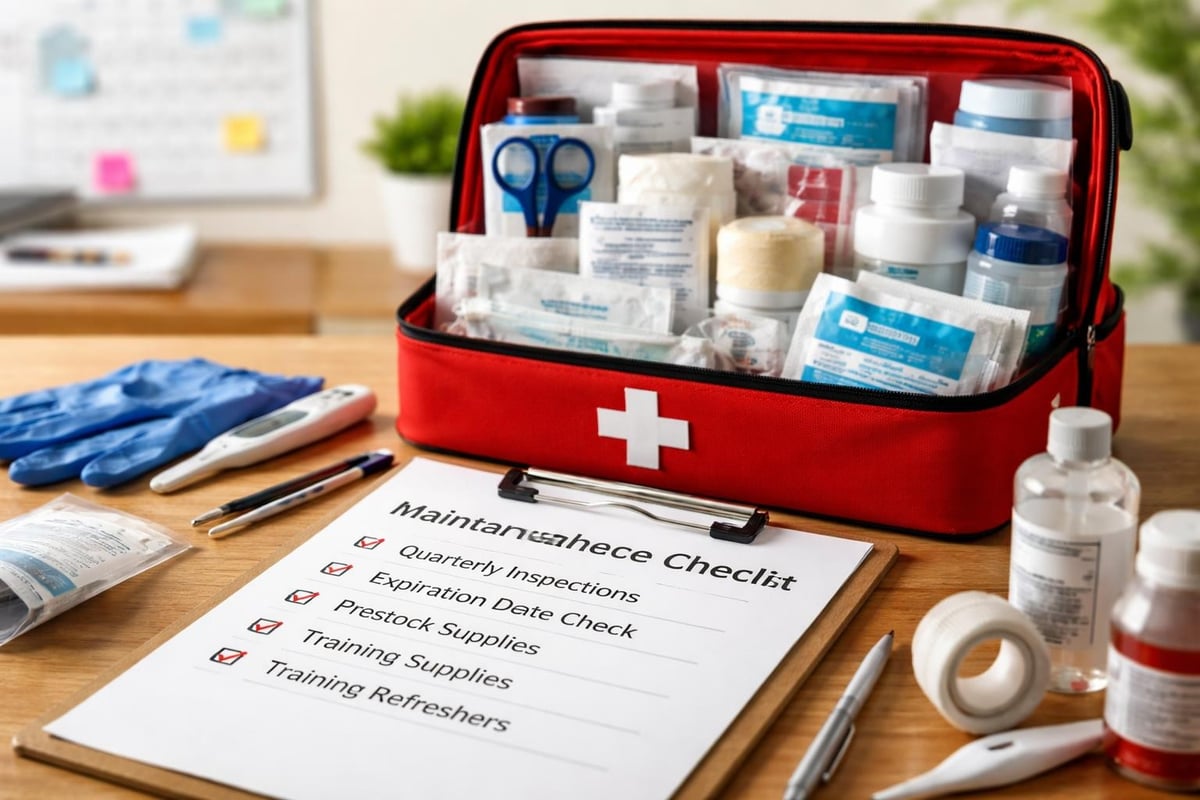
A medical first aid kit loses effectiveness without proper maintenance. Establish a regular inspection schedule, ideally quarterly, to verify supplies remain usable.
Create an inspection checklist:
- Verify all medications remain within expiration dates
- Check that sterile packages maintain their seals
- Confirm quantities match your inventory list
- Test electronic devices like thermometers
- Replace any used or depleted items immediately
Stanford Environmental Health & Safety guidelines emphasize documentation during inspections, creating accountability and ensuring consistent kit readiness.
Environmental Storage Considerations
Proper storage extends the life of your medical first aid kit supplies. Avoid extreme temperatures that degrade medications and damage sensitive items. Excessive heat can melt adhesives and compromise sterile packaging. Freezing temperatures affect liquid medications and make some materials brittle.
Store your kit in a cool, dry location away from direct sunlight. Kitchen and bathroom cabinets work well for home kits if they maintain stable temperatures. Avoid garages or outdoor sheds with significant temperature fluctuations.
Humidity control prevents moisture damage. Use silica gel packets in kits stored in humid environments. Check periodically for condensation inside packaging or containers.
Advanced Trauma Capabilities
Expanding Beyond Basic Care
Basic medical first aid kits address common minor injuries, but serious emergencies require advanced trauma supplies. Trauma kits incorporate specialized equipment for life-threatening injuries.
Hemorrhage control represents the most critical trauma intervention. Tourniquets, hemostatic gauze, and compression bandages stop severe bleeding that can prove fatal within minutes. Modern medical first aid kits increasingly include these items as awareness grows about civilian trauma response.
Airway management tools ensure breathing passages remain open. Basic options include nasopharyngeal airways suitable for trained lay responders. Advanced medical professionals utilize more sophisticated airway adjuncts.
Training Requirements for Advanced Supplies
Equipment alone doesn't save lives-proper training does. Before adding advanced items to your medical first aid kit, seek appropriate education. Tourniquet application requires specific technique to avoid nerve damage. Hemostatic agents need correct placement for effectiveness.
Many organizations offer Stop the Bleed courses teaching hemorrhage control. Wilderness First Responder certifications prepare outdoor enthusiasts for remote emergencies. EMT and paramedic training provides comprehensive emergency medical education.
Match your medical first aid kit contents to your training level. Including supplies you can't use properly wastes resources and may provide false confidence in emergencies.
Special Considerations for Different Populations
Pediatric Modifications
Children require different dosing, equipment sizing, and specialized supplies. A pediatric-focused medical first aid kit includes:
- Smaller wound dressings appropriate for children's injuries
- Age-appropriate medications with proper dosing instructions clearly marked
- Comfort items like colorful bandages that reduce anxiety
- Child safety considerations with lockable medication storage
Parents and caregivers should familiarize themselves with pediatric emergency protocols, as children's responses to injuries and illnesses differ from adults.
Elderly and Chronic Condition Support
Medical first aid kits supporting elderly individuals or those with chronic conditions need customization. Include extra quantities of prescription medications with clear labeling. Add glucose tablets for diabetics and nitroglycerin for cardiac patients (if prescribed).
Accessibility features help seniors use kits independently:
- Large-print instruction cards
- Easy-open packaging adaptations
- Magnifying glass for reading small text
- Medical alert information and emergency contact lists
WebMD's guidance on first aid kits emphasizes tailoring contents to household members' specific health needs rather than relying solely on generic configurations.
Container Selection and Organization
Choosing the Right Container
Your medical first aid kit container affects accessibility and protection. Hard-shell cases offer superior protection for fragile items and maintain organization during transport. Soft bags provide flexibility and often include multiple compartments for categorization.
Waterproof containers protect supplies in marine environments or during outdoor activities. Look for sealed closures and moisture-resistant materials. Clear panels or compartments speed item location during stressful emergencies.
Size appropriateness balances comprehensiveness with practicality. Oversized kits become burdensome and get left behind. Undersized kits lack necessary supplies for effective response.
Organizational Strategies
Logical organization reduces response time during emergencies. Effective first aid content organization groups similar items and uses visual cues for quick identification.
Color-coding systems assign different colored pouches or containers to supply categories. Red for bleeding control, blue for medications, green for wound care creates intuitive organization.
Labeling strategies include:
- External labels listing major categories
- Internal pocket labels for specific items
- Expiration date tracking on medication compartments
- Quick-reference instruction cards attached to relevant supplies
Transparent pouches let you see contents without opening every compartment. This speeds access while maintaining organization.
Integration with Emergency Preparedness
Comprehensive Emergency Planning
A medical first aid kit forms one component of broader emergency preparedness. Coordinate your kit with other emergency supplies like water, food, communication devices, and evacuation plans.
Emergency communication capabilities ensure you can summon professional help. Include emergency contact numbers, local hospital information, and poison control details (1-800-222-1222) with your kit.
Documentation travels with your medical first aid kit. Medical history forms, current medication lists, and allergy information assist emergency responders providing advanced care.
Regular Training and Drills
Equipment and supplies prove useless without knowledge and practice. The American College of Emergency Physicians recommends regular first aid training to maintain skills and build confidence.
Conduct periodic drills practicing common emergency scenarios. Time yourself locating and applying supplies. This reveals organizational weaknesses and reinforces proper techniques.
Training updates keep pace with evolving medical guidelines. CPR protocols change periodically. New treatment methods emerge. Annual refresher courses ensure your skills match current best practices.
Cost-Effective Kit Development
Building Versus Buying Pre-Made Kits
Pre-assembled medical first aid kits offer convenience and often meet specific standards like OSHA compliance. However, building custom kits allows precise tailoring to your needs and can reduce costs.
Advantages of pre-made kits:
- Guaranteed compliance with regulations
- Professional organization and packaging
- Comprehensive coverage without research
- Quick deployment
Benefits of custom building:
- Cost savings on bulk purchases
- Precise matching to your situation
- Learning opportunity about supplies
- Easier ongoing maintenance
Many users combine approaches, starting with a quality base kit then customizing with additional items for their specific circumstances.
Budget-Conscious Supply Sourcing
Quality medical first aid kit supplies don't require excessive spending. Generic medications offer identical active ingredients to name brands at lower costs. Buying bandages and gauze in bulk reduces per-unit expenses significantly.
Cost management strategies include:
- Prioritize essential items first, adding specialized supplies gradually
- Watch for sales and bulk purchasing opportunities
- Join first aid supply subscription services for regular replenishment
- Pool resources with neighbors or coworkers for group purchasing discounts
- Replace only expired or used items rather than entire kits
Remember that cheap supplies may prove costly during emergencies. Balance budget constraints with quality requirements. Tourniquet failure or ineffective hemostatic agents can have serious consequences.
Legal and Liability Considerations
Good Samaritan Protections
Most jurisdictions provide legal protection for individuals providing emergency first aid in good faith. These Good Samaritan laws encourage bystander intervention by limiting liability for non-professional responders.
Protection typically requires:
- Acting within your training level
- Obtaining consent when possible
- Avoiding reckless or intentionally harmful actions
- Not abandoning care once started
Understanding your local laws helps you respond confidently during emergencies while recognizing your limitations.
Workplace Liability Requirements
Employers maintaining medical first aid kits assume responsibility for their adequacy and proper maintenance. Better Health Channel guidance emphasizes regular audits ensuring workplace kits meet current standards.
Designate specific employees for kit oversight. Document all inspections, replenishments, and uses. This creates liability protection demonstrating due diligence in emergency preparedness.
Provide appropriate training to employees expected to use workplace kits. Document this training and offer refresher courses regularly. Untrained employees shouldn't be expected to utilize advanced trauma supplies.
Building and maintaining an effective medical first aid kit represents a critical investment in safety and preparedness that pays dividends when emergencies strike. By selecting appropriate supplies, organizing them logically, maintaining them properly, and matching contents to your training level, you create a reliable emergency response capability for your home, workplace, or adventures. Whether you need a basic household kit or comprehensive trauma supplies, Medical Gear Outfitters provides paramedic-curated equipment and the expertise to ensure you're truly prepared to respond when it matters most.

