
First Aid Alcohol Wipes: Essential Guide for 2026
When seconds matter in an emergency, proper wound preparation can mean the difference between successful treatment and preventable infection. First aid alcohol wipes represent one of the most fundamental yet frequently misunderstood components of modern emergency care. These single-use antiseptic tools have become indispensable in both professional medical settings and home first aid kits, serving as the first line of defense against harmful microorganisms. As we approach mid-2026, understanding the proper selection, application, and limitations of these essential supplies has never been more critical for both medical professionals and civilians preparing to act as first responders.
Understanding First Aid Alcohol Wipes and Their Composition
First aid alcohol wipes contain either isopropyl alcohol or ethyl alcohol as their active antiseptic ingredient, typically in concentrations ranging from 60% to 95%. The CDC emphasizes products with at least 60% alcohol for optimal antimicrobial effectiveness. These pre-moistened pads combine the chemical disinfectant properties of alcohol with the physical cleaning action of wiping, creating a dual-action approach to skin antisepsis.
The substrate material matters significantly in product performance. Quality wipes use non-woven fabrics that resist tearing during application while maintaining sufficient absorbency. Medical-grade wipes typically measure between two and four inches square, providing adequate surface area for thorough skin preparation without excessive waste.
Active Ingredient Concentrations
Different alcohol concentrations serve specific purposes in emergency care situations:
- 70% isopropyl alcohol: Optimal for general skin antisepsis and injection site preparation
- 90-95% concentrations: Faster evaporation but potentially less effective protein denaturation
- 60-70% ethyl alcohol: Alternative formulation with similar antimicrobial properties
- Benzalkonium chloride alternatives: Non-alcohol options for specific sensitivities
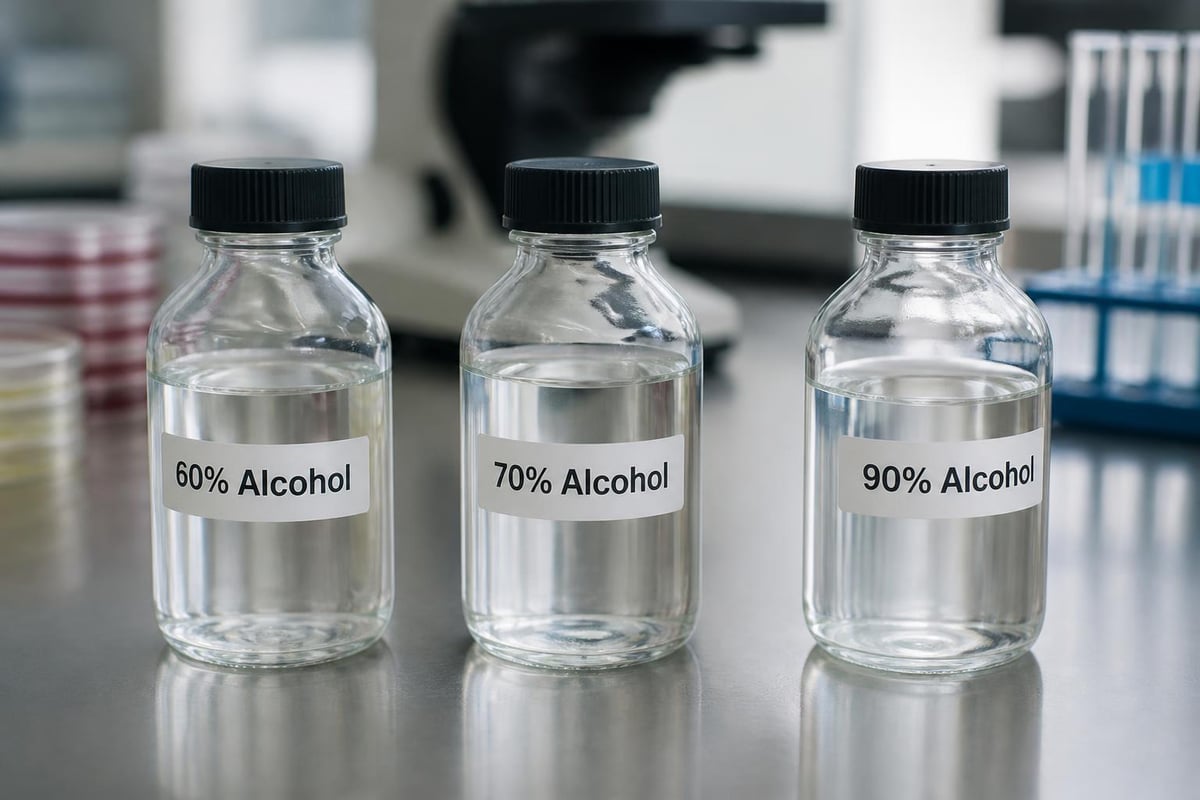
Research continues to validate the importance of proper formulation. The specific alcohol percentage influences contact time requirements, evaporation rates, and ultimately the antimicrobial effectiveness of first aid alcohol wipes in field conditions.
Critical Applications in Emergency Medical Care
Professional responders and trained civilians rely on first aid alcohol wipes across numerous emergency scenarios. Understanding when and how to deploy these tools properly maximizes their protective benefits while avoiding common application errors.
Pre-Injection Skin Preparation
Before administering any injection, proper skin antisepsis reduces the risk of introducing surface bacteria into deeper tissues. The American Heart Association and American Red Cross guidelines recommend thorough skin preparation before invasive procedures, even in emergency settings.
The technique requires specific attention to detail:
- Select an appropriate wipe from your medical kit essentials
- Wipe the injection site using firm, circular motions from center outward
- Allow complete evaporation before needle insertion (minimum 30 seconds)
- Avoid touching the prepared area after antisepsis
| Application Type | Contact Time | Coverage Area | Repeat Required |
|---|---|---|---|
| IM Injection | 30 seconds | 2-inch diameter | No |
| IV Catheter | 30-60 seconds | 3-inch diameter | Yes, if contaminated |
| Minor Wound | 15-30 seconds | Wound margins | As needed |
| Equipment Cleaning | 10 seconds | Full surface | Between patients |
Wound Margin Preparation
While first aid alcohol wipes should never be applied directly into open wounds due to tissue damage concerns, they excel at preparing the intact skin surrounding injuries. This prevents bacteria from the surrounding area migrating into the wound bed during bandaging or further treatment.
When preparing a portable medical kit, include sufficient alcohol wipes to address multiple casualties. A single trauma patient may require three to five wipes for proper wound margin preparation, equipment disinfection, and responder hand hygiene.
Selection Criteria for Professional and Personal Use
Choosing appropriate first aid alcohol wipes demands consideration of multiple factors beyond simple price comparison. Quality variations between manufacturers can significantly impact antiseptic effectiveness and user safety.
Sterility Considerations
Sterile alcohol wipes undergo validated sterilization processes and individual sealed packaging to maintain aseptic conditions until use. These products prove essential for:
- Surgical kit preparation and minor procedure support
- Catheter insertion site preparation
- Any application requiring validated sterility assurance
- Professional medical environments with strict infection control protocols
Non-sterile wipes maintain antiseptic properties without the validated sterile packaging. These cost-effective options suit general skin cleaning, equipment wiping, and routine antisepsis where absolute sterility is not mandated.
Packaging and Shelf Life
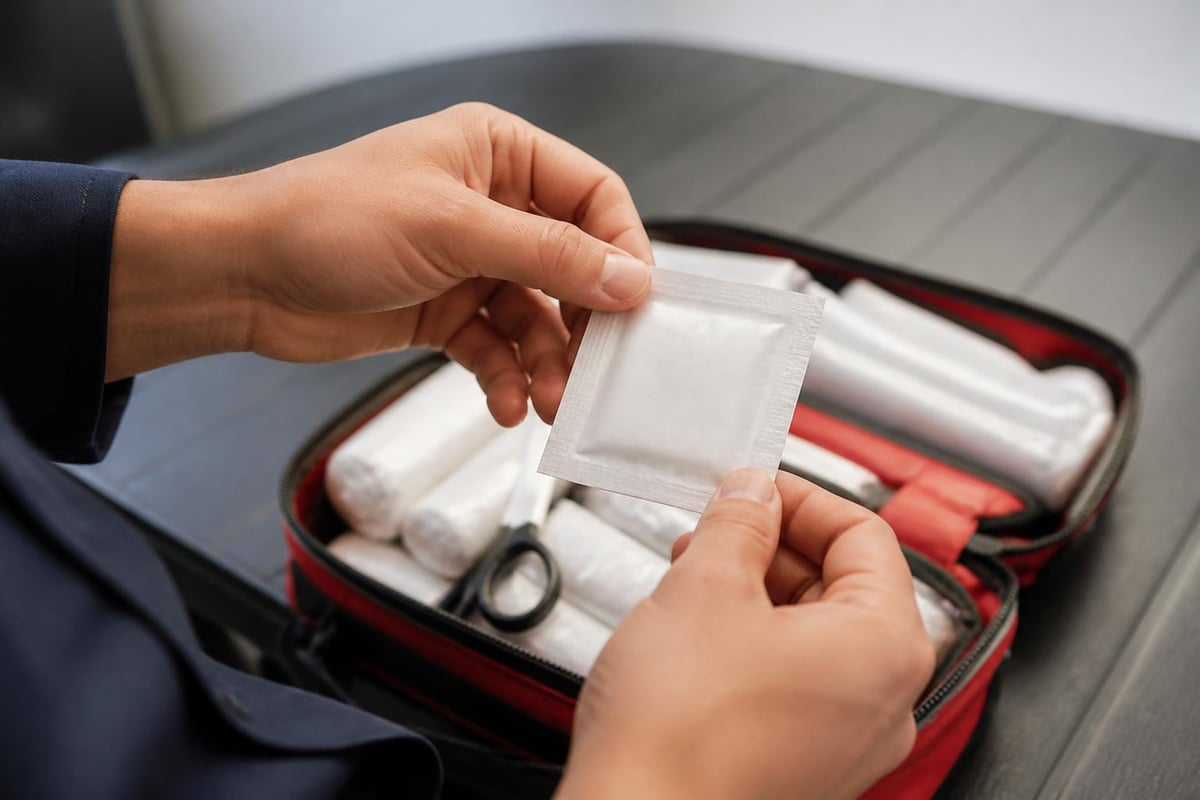
Individual foil pouches provide superior moisture retention compared to tub or canister packaging. The sealed environment prevents premature evaporation of alcohol content, ensuring consistent antiseptic effectiveness throughout the product's shelf life.
- Individual packets: 2-3 year shelf life, optimal for dispersed storage
- Canister packaging: 6-12 month useful life after opening
- Bulk boxes: Cost-effective but require moisture management
Storage conditions dramatically influence product longevity. Keep first aid alcohol wipes away from heat sources and direct sunlight. Temperature extremes accelerate alcohol evaporation even through sealed packaging. When building a commercial first aid kit, plan for regular inventory rotation based on expiration dates.
Proper Application Techniques for Maximum Effectiveness
Incorrect application of first aid alcohol wipes compromises their protective benefits. Many users unknowingly reduce antiseptic effectiveness through rushed or improper technique.
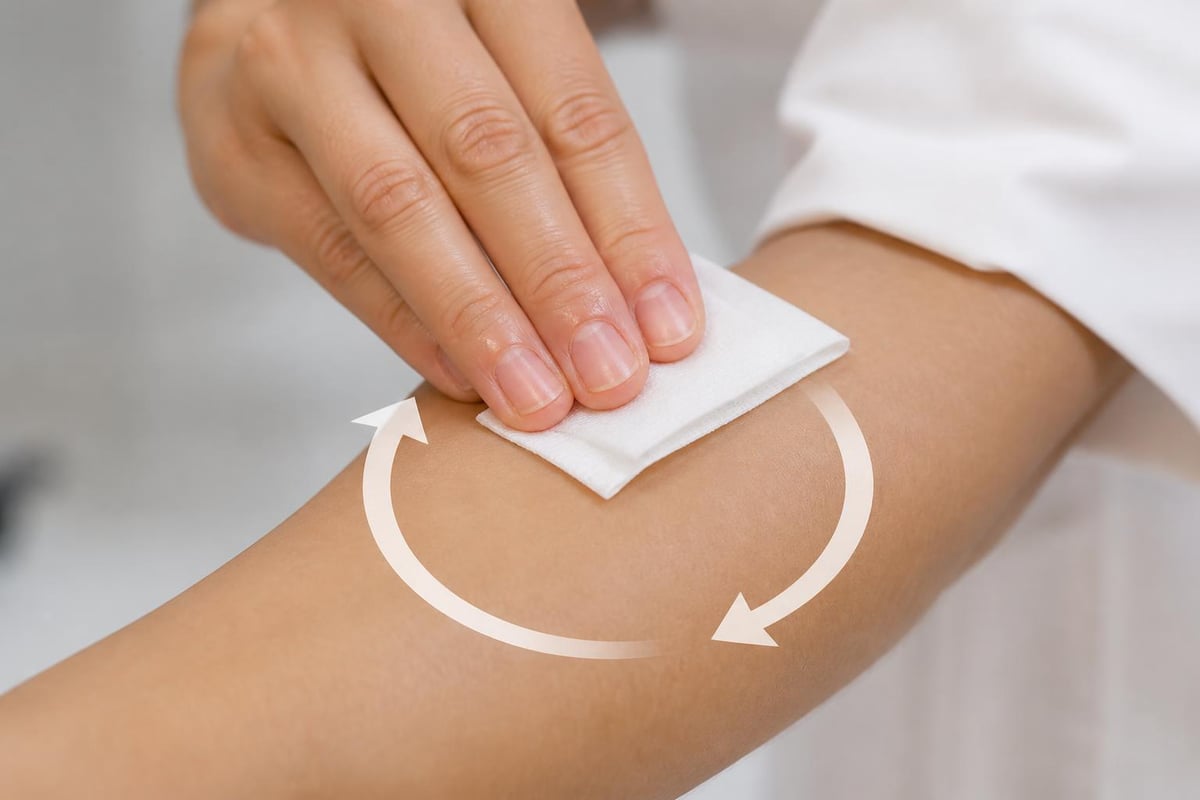
The Contact Time Principle
Alcohol requires sufficient contact time with microbial organisms to achieve antimicrobial action. The CDC's research on alcohol-based products demonstrates that immediate use after application significantly reduces effectiveness.
Minimum contact times by application:
- Intact skin preparation: 30 seconds minimum
- Equipment surface disinfection: 10 seconds for hard surfaces
- Gloved hand decontamination: 15 seconds with complete coverage
- Injection site preparation: 30 seconds with complete air drying
Never blow on prepared skin to accelerate drying. This introduces oral bacteria onto the newly antiseptic surface. Patient comfort concerns should not override proper drying protocols.
Coverage and Pressure Application
Apply firm pressure during wiping to maximize mechanical cleaning action. This physical component removes dead skin cells, oils, and debris that may harbor microorganisms resistant to chemical antisepsis alone.
The prepared area should extend beyond the immediate treatment zone. For a one-inch wound, prepare at least a two-inch diameter surrounding the injury. This margin accounts for hand placement, bandage adhesive contact, and inadvertent contamination during treatment.
Integration with Comprehensive First Aid Systems
First aid alcohol wipes function as one component within a layered infection prevention strategy. Their effectiveness increases when properly integrated with other first aid supplies and protocols.
Complementary Antiseptic Products
Different situations demand different antiseptic approaches:
| Situation | Primary Choice | Alternative | Reason |
|---|---|---|---|
| Open bleeding wound | Sterile saline irrigation | Alcohol-free wound wash | Alcohol damages tissue |
| Intact skin prep | Alcohol wipes 70% | Chlorhexidine wipes | Speed vs. residual effect |
| Mucous membranes | Sterile water | Saline solution | Alcohol causes irritation |
| Deep puncture wound | Povidone-iodine | Professional evaluation | Penetration requirements |
Understanding these distinctions prevents misapplication. A common error involves using first aid alcohol wipes on open wounds, which causes unnecessary pain and may impair healing. Reserve alcohol-based products for intact skin preparation only.
Hand Hygiene in Emergency Response
Responder hand contamination represents a significant infection transmission vector. First aid alcohol wipes provide convenient hand antisepsis when soap and water are unavailable, though they cannot remove visible soil or certain resistant organisms.
Proper hand hygiene sequence in field conditions:
- Remove gross contamination with clean water if available
- Apply alcohol wipe to all hand surfaces
- Include fingers, thumbs, fingernails, and wrists
- Rub until completely dry (approximately 20-30 seconds)
- Apply gloves immediately after drying
When assembling a small first aid box for personal carry, allocate at least ten percent of space to antiseptic supplies including alcohol wipes, ensuring adequate resources for multi-casualty scenarios.
Storage and Inventory Management Protocols
Proper storage extends product effectiveness and ensures readiness when emergencies occur. First aid alcohol wipes deteriorate rapidly under adverse conditions, making inventory management a critical preparedness component.
Environmental Control Requirements
Temperature fluctuations accelerate alcohol evaporation through even intact packaging. Store kits containing alcohol wipes in climate-controlled environments between 59°F and 86°F. Vehicle-stored kits face particular challenges, as interior temperatures can exceed 140°F during summer months.
Storage best practices include:
- Placing kits away from direct sunlight exposure
- Avoiding storage near heating vents or cooling units
- Using insulated containers for vehicle emergency kits
- Conducting quarterly inventory checks for package integrity
- Rotating stock according to expiration dates
The medication and supply rotation principle applies equally to all medicine kit bag contents. Implement a first-in, first-out system to prevent waste while maintaining fresh supplies for actual emergencies.
Package Integrity Inspection
Before relying on first aid alcohol wipes in actual use, verify package integrity through visual and tactile inspection. Compromised packaging allows alcohol evaporation, leaving ineffective wipes that provide false security.
Rejection criteria include:
- Visible tears, punctures, or separations in foil packaging
- Dry or partially dry wipes upon package opening
- Packages that feel lighter than normal or lack moisture when compressed
- Products beyond printed expiration dates
- Discolored packaging suggesting heat or chemical exposure
Common Mistakes and Misconception Clarification
Even experienced medical providers occasionally misuse first aid alcohol wipes due to persistent misconceptions about their capabilities and limitations. Addressing these errors improves overall emergency care quality.
The Open Wound Application Error
Perhaps the most prevalent mistake involves applying alcohol-based products directly into wounds. While first aid alcohol wipes effectively prepare surrounding intact skin, their application to damaged tissue causes:
- Intense unnecessary pain for the patient
- Cellular damage that may impair natural healing
- Tissue irritation without meaningful antiseptic benefit
- Delayed healing compared to appropriate wound care products
Use sterile saline or clean water for wound irrigation instead. Reserve alcohol wipes exclusively for intact skin preparation around wounds, never within them.
Single-Wipe Insufficiency
Many users attempt to prepare multiple sites or large areas with a single wipe. As the wipe accumulates debris and its alcohol content decreases through evaporation, effectiveness declines rapidly. When treating multiple casualties or preparing several areas on one patient, use fresh wipes for each distinct area.
Resource conservation must balance against maintaining antiseptic standards. In true mass casualty situations, prioritize alcohol wipe use for invasive procedures while accepting increased infection risk for minor wound care.
Regulatory Compliance and Product Verification
First aid alcohol wipes fall under FDA regulation as over-the-counter antiseptic products. Understanding regulatory requirements helps consumers select legitimate, effective products while avoiding substandard alternatives.
FDA Registration and Labeling
Legitimate products include specific labeling elements mandated by federal regulations. Verify that purchased products display:
- Active ingredient name and concentration
- Established antiseptic use statements
- Appropriate warnings for flammability and eye contact
- Manufacturer information and lot numbers
- Expiration dates or manufacturing dates
The FDA maintains detailed records on approved products. Consumers can verify specific products through official databases, ensuring their first aid content meets regulatory standards.
Quality Variation Among Manufacturers
Not all first aid alcohol wipes perform identically despite similar labeled concentrations. Factors including substrate quality, alcohol purity, package sealing methods, and manufacturing quality control create performance variations.
Professional-grade products from established medical supply manufacturers typically demonstrate superior consistency. While retail consumer products may cost less per unit, professional offerings justify their premium through reliability, especially in critical applications.
Professional Training and Certification Considerations
Proper use of first aid alcohol wipes forms part of comprehensive first aid training curricula. Organizations providing emergency response training increasingly emphasize infection prevention protocols as core competencies.
Skill Development and Assessment
Competent alcohol wipe application requires practice and periodic skill verification. Training programs should address:
- Site identification for various medical procedures
- Application technique including pressure and motion patterns
- Contact time awareness and patience during evaporation
- Package inspection skills for integrity verification
- Resource allocation decisions in multi-casualty events
Many first aid certification programs now include practical stations where candidates demonstrate proper antiseptic technique. This emphasis reflects growing recognition of infection prevention's importance in overall patient outcomes.
Integration with Trauma Care Protocols
Advanced first aid and trauma care courses teach integration of antiseptic procedures within time-critical interventions. Students learn when antisepsis takes priority versus when immediate hemorrhage control supersedes infection prevention concerns, as discussed in guidance on how to stop a major bleed.
The decision matrix balances immediate life threats against longer-term infection risks. In severe hemorrhage, tourniquets and hemostatic dressings take absolute priority over skin preparation. However, in controlled scenarios without immediate life threats, proper antiseptic technique should never be compromised.
Future Developments and Emerging Technologies
The field of antiseptic products continues evolving with new formulations and delivery systems emerging regularly. Staying current with these developments ensures optimal infection prevention practices.
Enhanced Formulations
Researchers are developing improved first aid alcohol wipe formulations that address traditional limitations:
- Moisturizing additives to reduce skin drying with repeated use
- Residual antimicrobial agents providing extended protection beyond initial application
- Colorimetric indicators showing when adequate contact time has elapsed
- Biodegradable substrates addressing environmental concerns
These innovations may reshape product selection criteria in coming years. Early adopters should monitor professional literature and regulatory approvals before widespread implementation.
Combination Product Systems
Some manufacturers now offer integrated antiseptic systems combining alcohol wipes with complementary infection prevention products. These kits may include pre-procedure skin preparation wipes, sterile gloves, and appropriate dressings, creating comprehensive sterile field solutions for advanced first aid applications.
First aid alcohol wipes remain an indispensable component of effective emergency care, bridging the gap between immediate intervention and long-term infection prevention. Understanding proper selection, application techniques, and integration within comprehensive first aid systems ensures these simple tools deliver maximum protective benefits when seconds count. Whether you're a medical professional maintaining professional standards or a civilian preparing to serve as a first responder, Medical Gear Outfitters provides paramedic-selected antiseptic supplies and the expert guidance necessary to use them effectively in real-world emergency situations.

