Emergency 1st Aid Kit: Essential Guide for 2026
When an emergency strikes, having a properly stocked emergency 1st aid kit can mean the difference between a minor incident and a serious complication. Whether you're preparing for workplace hazards, outdoor adventures, or unexpected home emergencies, understanding what should go into your kit and how to maintain it is critical knowledge every person should possess. This comprehensive guide examines the essential components, regulatory standards, and best practices for building and maintaining an emergency 1st aid kit that truly serves its purpose when seconds matter.
Understanding Emergency First Aid Kit Standards
The foundation of any quality emergency 1st aid kit starts with understanding the regulatory frameworks that govern their contents. The OSHA regulations for workplace first aid kits provide baseline guidance, though these represent minimum requirements rather than optimal preparation. The ANSI/ISEA Z308.1-2015 standard offers more comprehensive recommendations, categorizing kits by the number of people they're designed to serve.
Key regulatory considerations include:
- Workplace size and hazard assessment
- Proximity to professional medical services
- Industry-specific risks and requirements
- State and local compliance obligations
These standards serve as starting points, but experienced emergency responders know that real-world preparedness often demands more than regulatory minimums. The American Heart Association's first aid guidelines emphasize that effective response depends on both equipment availability and user competency.
Basic Components Every Kit Must Include
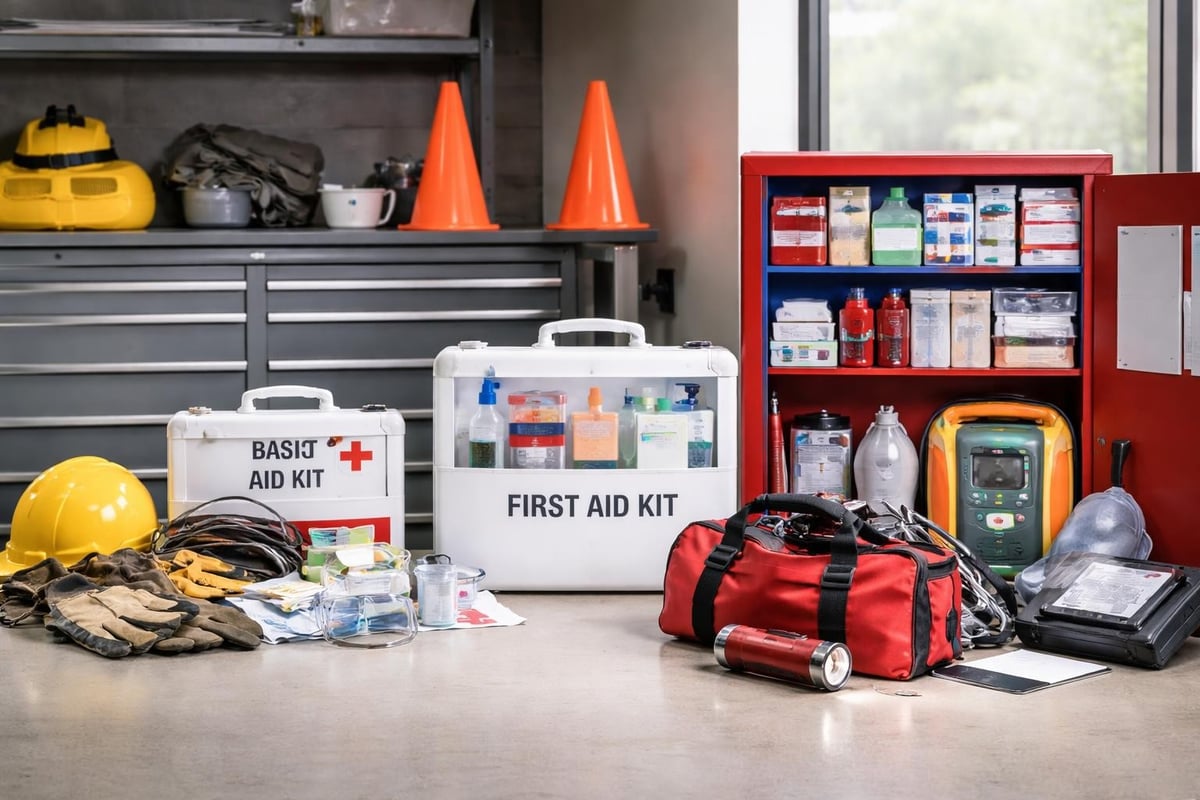
Every emergency 1st aid kit should contain fundamental supplies that address the most common injuries and medical situations. These baseline items handle everything from minor cuts to more significant wounds requiring professional medical attention.
| Supply Category | Essential Items | Quantity Guidelines |
|---|---|---|
| Wound Care | Adhesive bandages, gauze pads, medical tape | Assorted sizes, minimum 25 pieces |
| Trauma Supplies | Compression bandages, trauma dressings | 2-4 units of each size |
| Medications | Pain relievers, antihistamines, antacids | Individual dose packets, 6-10 each |
| Tools | Scissors, tweezers, thermometer | One of each, medical grade |
| Protection | Gloves, CPR barrier, eye protection | Multiple pairs, single-use preferred |
Understanding first aid kit supplies extends beyond simply purchasing items. Proper storage matters significantly. Keep supplies sealed in moisture-resistant packaging, and organize contents logically so anyone can locate critical items quickly during high-stress situations.
Advanced Trauma Supplies for Comprehensive Kits
While basic supplies handle routine injuries, comprehensive emergency preparedness demands trauma-capable equipment. These advanced components address life-threatening hemorrhage, airway emergencies, and severe wounds that exceed typical first aid scenarios.
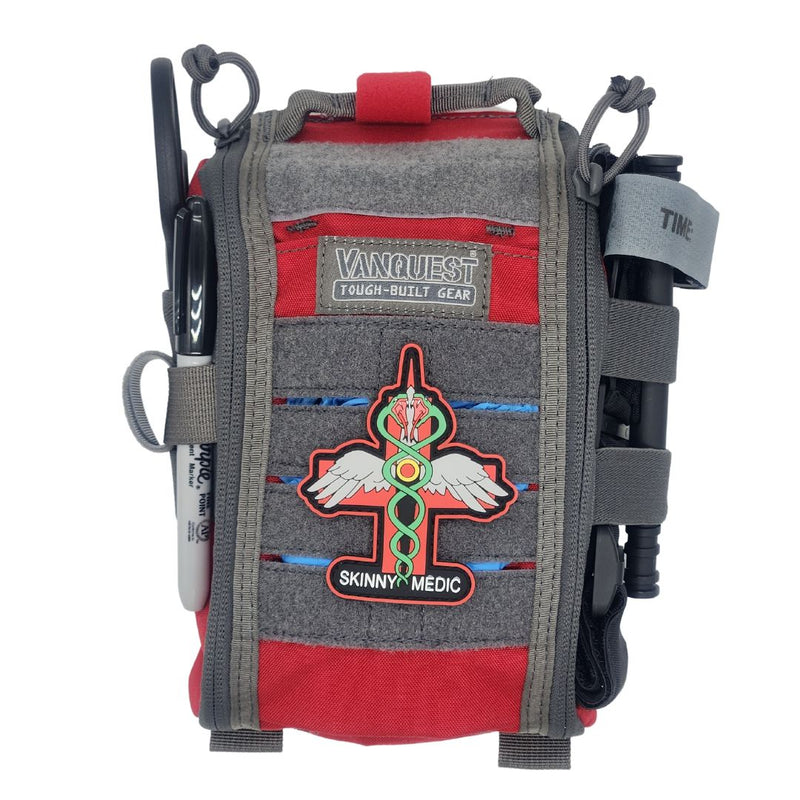
Modern emergency 1st aid kit design incorporates lessons learned from tactical medicine and wilderness response. Items like tourniquets, hemostatic agents, and chest seals represent the evolution of civilian emergency preparedness. The Israeli compression bandage exemplifies this advancement, offering multi-functional wound management in a single compact package.
Hemorrhage Control Equipment
Uncontrolled bleeding remains the leading cause of preventable death in trauma situations. Your emergency 1st aid kit should include:
- Combat Application Tourniquet (CAT) or similar approved device
- Hemostatic gauze such as QuikClot or Celox
- Pressure dressings including Israeli bandages
- Standard gauze in multiple sizes for wound packing
Professional responders emphasize that having a tourniquet for first aid kit means nothing without proper training. These tools save lives when used correctly but can cause harm when applied improperly. Consider pairing your kit with quality training resources or professional instruction.
Additional wound care supplies should include triple antibiotic ointment for preventing infection in minor wounds. Single-use packets maintain sterility and prevent cross-contamination between patients.
Customizing Your Emergency 1st Aid Kit by Environment
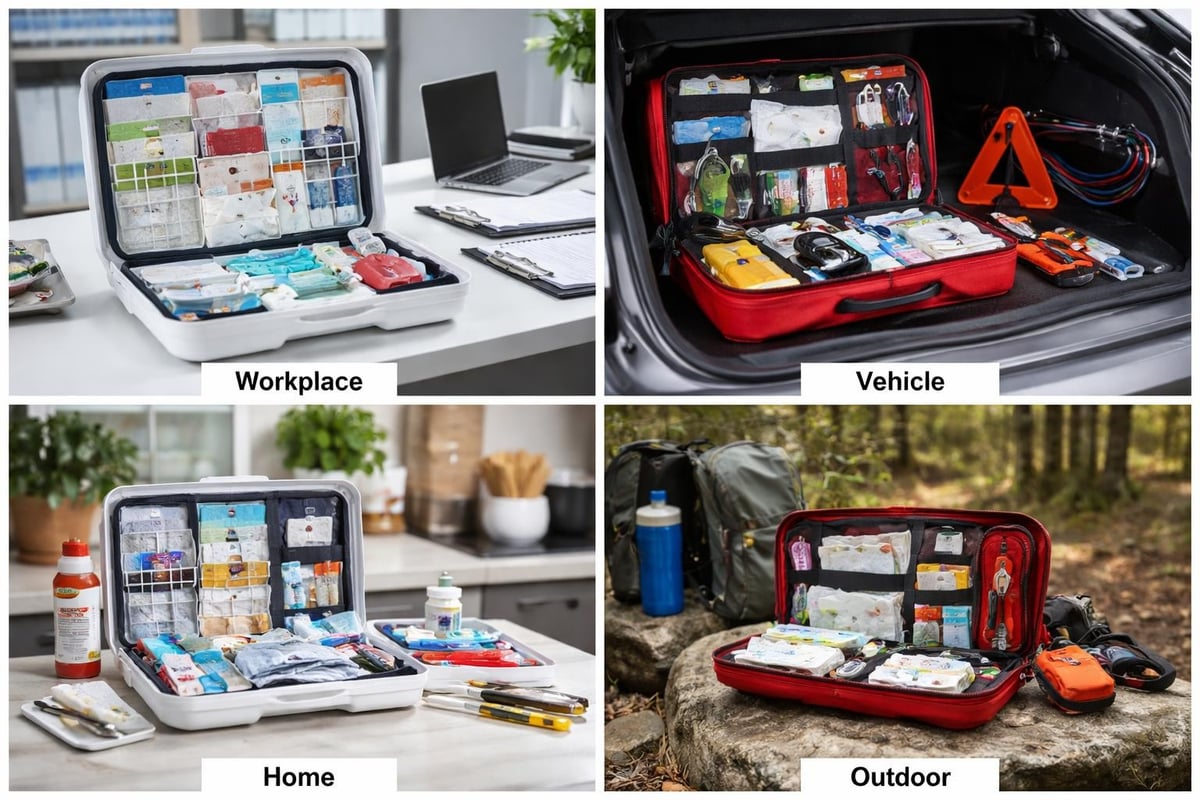
Cookie-cutter approaches rarely serve emergency preparedness well. The ideal emergency 1st aid kit varies dramatically based on where and how you'll use it. Workplace kits differ from vehicle kits, which differ from home storage solutions.
Workplace Emergency Kits
Employers bear legal and ethical responsibility for workplace safety. OSHA workplace first aid standards require kits be readily accessible and maintained in sanitary condition. Workplace-specific considerations include:
- Hazard assessment: Chemical exposure requires eye wash stations and specific antidotes
- Employee count: Larger workforces need proportionally larger supply inventories
- Location logistics: Multiple stations may be necessary in expansive facilities
- Industry risks: Construction sites need different supplies than office environments
The University of Texas workplace first aid guidance emphasizes that accessibility means more than physical location. Employees must know where kits are stored and feel empowered to access them during emergencies.
Home and Family Kits
Home emergency 1st aid kit planning should account for family-specific needs including chronic conditions, allergies, and age-related considerations. Building a family first aid box requires thinking beyond standard supplies to address your household's unique medical profile.
Family kit enhancements might include:
- Prescription medication backup supplies
- Pediatric dosing guides for common medications
- EpiPens for known severe allergies
- Infant and child-sized medical equipment
- Emergency contact information and medical histories
Vehicle and Mobile Kits
Car emergency 1st aid kit design faces unique challenges including temperature extremes, space constraints, and extended storage periods. Medications and certain supplies degrade faster in vehicles, requiring more frequent inspection and rotation.
Consider compact, durable containers that withstand vehicle movement and temperature fluctuations. Include supplies relevant to automotive incidents such as additional trauma dressings for serious collision injuries and tools for vehicle extrication assistance.
Maintenance and Restocking Protocols
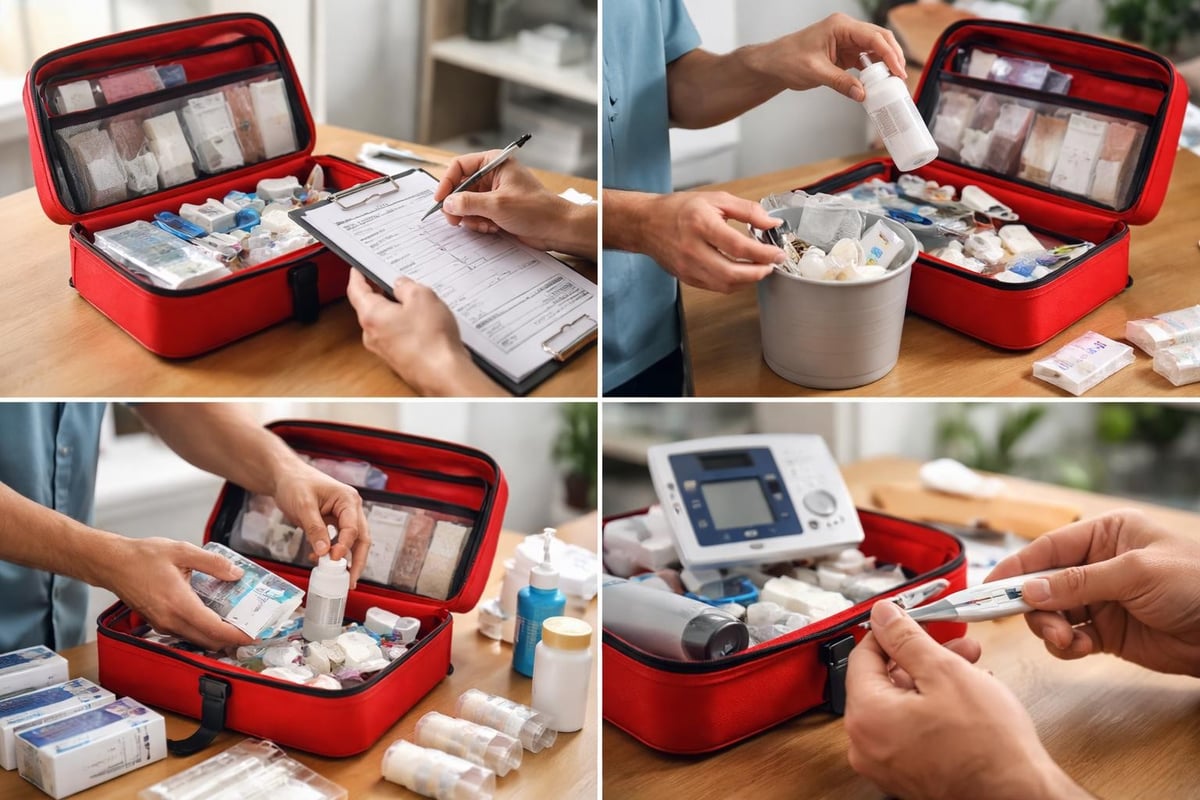
Even the most comprehensive emergency 1st aid kit becomes useless when supplies expire, deplete, or degrade. Systematic maintenance ensures your investment provides protection when needed most. The Stanford first aid kit guidance recommends quarterly inspections at minimum, with monthly checks for high-use environments.
| Maintenance Task | Frequency | Key Actions |
|---|---|---|
| Inventory check | Monthly | Verify all items present, note used supplies |
| Expiration review | Quarterly | Remove expired medications and sterile items |
| Full restocking | As needed | Replace used items immediately after incidents |
| Equipment testing | Semi-annually | Test scissors sharpness, thermometer accuracy |
| Container inspection | Annually | Check seals, clasps, and waterproofing |
Understanding first aid resupply logistics prevents the common pitfall of delaying replacement. Establish relationships with reliable suppliers who can quickly ship needed items. Keep a master inventory list that simplifies reordering and ensures nothing gets overlooked.
Essential Medications and Pharmaceuticals
Pharmaceutical components of your emergency 1st aid kit require special attention due to regulatory considerations, storage requirements, and expiration concerns. Over-the-counter medications form the backbone of most kits, but selection should reflect evidence-based emergency care principles.
Pain Management and Anti-Inflammatory Options
Stock multiple pain relief options to accommodate different situations and patient tolerances:
- Acetaminophen for pain and fever without inflammation
- Ibuprofen for pain with inflammatory component
- Aspirin particularly for suspected cardiac events in adults
Individual dose packets prevent contamination and simplify inventory tracking. The Red Cross first aid reference guide provides dosing information, though users should always read package instructions carefully.
Antibiotic Ointments and Topical Medications
Preventing infection in minor wounds ranks among the most important first aid interventions. Bacitracin zinc ointment offers single-antibiotic protection with lower allergy rates than triple-antibiotic formulations, though both have their place in comprehensive kits.
Additional topical medications worth considering include hydrocortisone cream for allergic reactions and burn gel for thermal injuries. Store these in temperature-stable locations and replace them before expiration dates.
Training and Knowledge Requirements
Equipment alone never saved a life without competent hands operating it. Your emergency 1st aid kit investment should pair with quality training that builds confidence and competence. The psychological dimension of emergency response often receives insufficient attention, yet psychological preparedness proves critical during actual emergencies.
Recommended training includes:
- Basic first aid certification covering wound care and common injuries
- CPR and AED operation for cardiac emergencies
- Stop the Bleed training for hemorrhage control
- Specialized courses matching your environment's unique risks
Professional organizations offer structured curricula, but hands-on practice matters more than theoretical knowledge. Consider scenario-based training that simulates realistic stress and decision-making pressure.
Special Considerations for Professional Responders
Medical professionals and trained first responders require enhanced emergency 1st aid kit capabilities reflecting their advanced training scope. These kits often transition from "first aid" into "trauma kit" territory, incorporating interventions beyond layperson capability.
Advanced airway management tools, medication administration supplies, and diagnostic equipment separate professional kits from civilian versions. However, scope of practice limitations and legal liability considerations demand careful attention to what you carry versus what you're authorized to use.
The Department of Interior medical handbook provides federal guidance on workplace medical supplies including advanced interventions. Professional responders should also consider building an emergency bag for hospital transport that facilitates seamless patient handoff.
Cost-Effective Kit Building Strategies
Quality emergency 1st aid kit assembly need not break the budget, but cutting corners on critical items proves penny-wise and pound-foolish. Strategic purchasing balances cost consciousness with uncompromising quality for life-saving components.
Money-saving approaches include:
- Buying bulk quantities of consumables like gauze and bandages
- Assembling custom kits rather than purchasing pre-made packages
- Focusing premium spending on trauma supplies while economizing on basic items
- Leveraging wholesale emergency kits for organizations needing multiple units
Some medical supplies qualify for purchase with flexible spending accounts or health savings accounts. Understanding these tax-advantaged purchasing options can reduce out-of-pocket costs significantly.
Pre-assembled kits offer convenience but often include unnecessary items while lacking critical components. Building custom kits lets you tailor contents precisely to your needs and quality standards.
Compliance Documentation and Legal Considerations
Organizations maintaining emergency 1st aid kits face documentation requirements beyond simply stocking supplies. J.J. Keller's compliance guidance emphasizes that proper record-keeping protects against liability while ensuring regulatory compliance.
Essential documentation includes:
- Initial kit inventory with purchase dates
- Maintenance logs showing inspection dates and findings
- Incident reports whenever kit supplies are used
- Training records for authorized first aid providers
- Replacement schedules for expiring items
Good Samaritan laws generally protect individuals providing emergency care in good faith, but organizational liability follows different rules. Consult legal counsel about your specific obligations and exposure, particularly in workplace settings where employers bear heightened responsibility.
Integration With Broader Emergency Preparedness
Your emergency 1st aid kit represents one component of comprehensive emergency readiness. Effective preparation integrates medical supplies with communication plans, evacuation procedures, and other survival resources. Building a survival kit extends beyond medical care to encompass food, water, shelter, and security needs.
Consider how your first aid supplies complement other emergency resources. Does your family know where the kit lives? Have you practiced accessing and using it under stress? Integration means more than physical proximity; it requires procedural coordination and mental preparation.
The prepper first aid kit approach emphasizes redundancy and sustainability for extended emergencies. While most situations resolve quickly, planning for prolonged self-sufficiency builds resilience against worst-case scenarios.
Building and maintaining a comprehensive emergency 1st aid kit requires ongoing commitment, but the investment protects what matters most when disaster strikes. From understanding regulatory standards to selecting quality components and maintaining readiness through regular inspection, every element contributes to effective emergency response capability. Whether you're preparing for workplace compliance, family safety, or professional response duties, Medical Gear Outfitters offers paramedic-selected supplies and expert guidance to ensure you're truly prepared when seconds count.