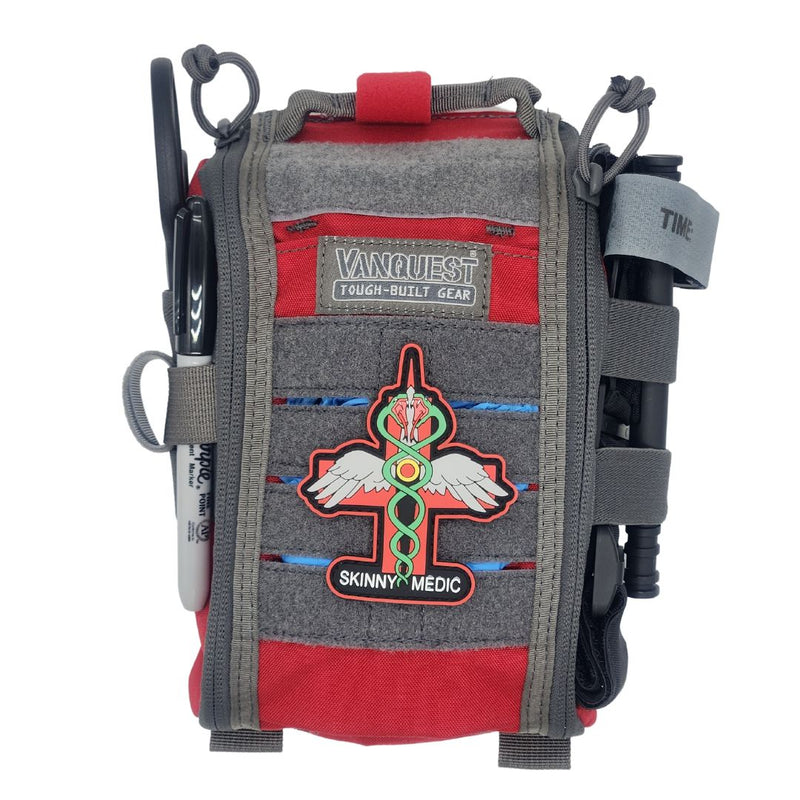
Skinny Medic Shop: Essential Guide to Quality Gear
Medical professionals and prepared civilians understand that quality emergency supplies can mean the difference between life and death. When searching for reliable first aid equipment, many turn to specialized providers who understand real-world emergency response needs. The skinny medic shop approach to emergency preparedness emphasizes practical, field-tested gear that performs when seconds count. This philosophy prioritizes functionality over flashy packaging, ensuring every item serves a critical purpose in emergency situations.
Understanding the Skinny Medic Shop Philosophy
The skinny medic shop concept originated from frontline medical professionals who recognized a gap in the market. Traditional first aid suppliers often focused on basic bandages and over-the-counter medications, while tactical suppliers catered primarily to military and law enforcement. Paramedics and EMTs needed something different: compact, comprehensive kits that balanced weight with capability.
This approach prioritizes several key principles:
- Weight efficiency: Every ounce matters when carrying emergency gear
- Proven reliability: Field-tested equipment that performs under pressure
- Comprehensive coverage: Supplies that address multiple trauma scenarios
- Professional-grade quality: Medical equipment that meets clinical standards
- Practical organization: Logical kit layouts for rapid access during emergencies
The Evolution of Emergency Medical Supplies
Emergency response equipment has transformed significantly over the past decade. Modern trauma kits incorporate lessons learned from military medicine, civilian mass casualty events, and wilderness rescue operations. The skinny medic shop approach integrates these advances while maintaining accessibility for non-professional responders.
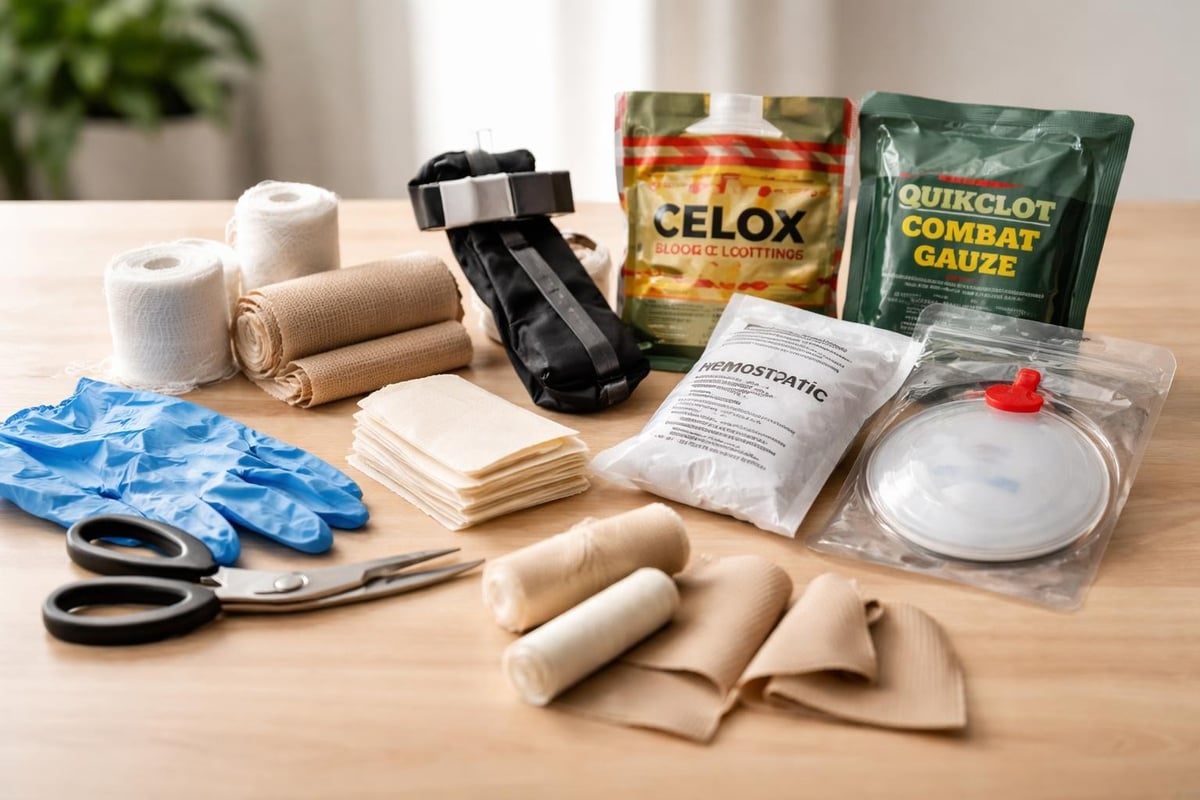
Hemostatic agents represent one major advancement. Products like QuikClot and Celox have revolutionized bleeding control, giving first responders tools that were once available only in surgical settings. Understanding how hemostatic agents work helps explain why modern kits prioritize these life-saving supplies.
Essential Components of Quality First Aid Kits
Professional emergency medical providers understand that effective first aid kits must align with established standards while remaining practical. The ANSI/ISEA Z308.1-2021 standard outlines minimum requirements for workplace first aid kits, providing a framework that skinny medic shop suppliers build upon.
Core Supply Categories
Medical gear falls into distinct categories based on the injuries they address. Each category serves specific functions in emergency response:
- Bleeding control supplies: Tourniquets, pressure dressings, hemostatic gauze
- Wound management: Various gauze types, adhesive bandages, medical tape
- Airway management: CPR barriers, nasal airways, rescue breathing equipment
- Trauma response: Chest seals, splinting materials, trauma shears
- Environmental protection: Emergency blankets, gloves, eye protection
| Supply Type | Primary Function | Recommended Quantity |
|---|---|---|
| Tourniquet | Severe limb bleeding | 1-2 per kit |
| Hemostatic gauze | Deep wound bleeding | 2-3 packages |
| Chest seals | Penetrating chest trauma | 2 pairs (vented) |
| Pressure bandages | Moderate bleeding control | 2-4 bandages |
| Trauma shears | Clothing removal, cutting | 1 pair |
| Nitrile gloves | Barrier protection | 4-6 pairs |
The skinny medic shop methodology emphasizes having the right quantities without excess bulk. A well-designed complete kit balances comprehensive coverage with portability.
Workplace vs. Personal Kit Considerations
Different environments demand different configurations. OSHA guidelines for workplace first aid emphasize hazard assessment to determine appropriate supplies. A construction site requires different equipment than an office environment.
Personal skinny medic shop kits typically focus on:
- Trauma control for penetrating injuries
- Severe bleeding management
- Basic wound care
- Environmental emergencies
- Minimal weight for everyday carry
Workplace kits require broader coverage including burn treatment, eye wash, and supplies for common occupational injuries.
Building Your Emergency Response Capability
Acquiring quality supplies represents only the first step. The skinny medic shop philosophy recognizes that equipment without training provides false confidence. Medical professionals consistently emphasize that knowing when and how to use supplies matters more than simply owning them.
Training and Skill Development
Stop the Bleed courses have become widely available, teaching civilians critical hemorrhage control techniques. These programs demonstrate proper tourniquet application, wound packing with hemostatic agents, and pressure dressing techniques. The American Heart Association's first aid guidelines provide evidence-based recommendations for emergency response.
Consider these training priorities:
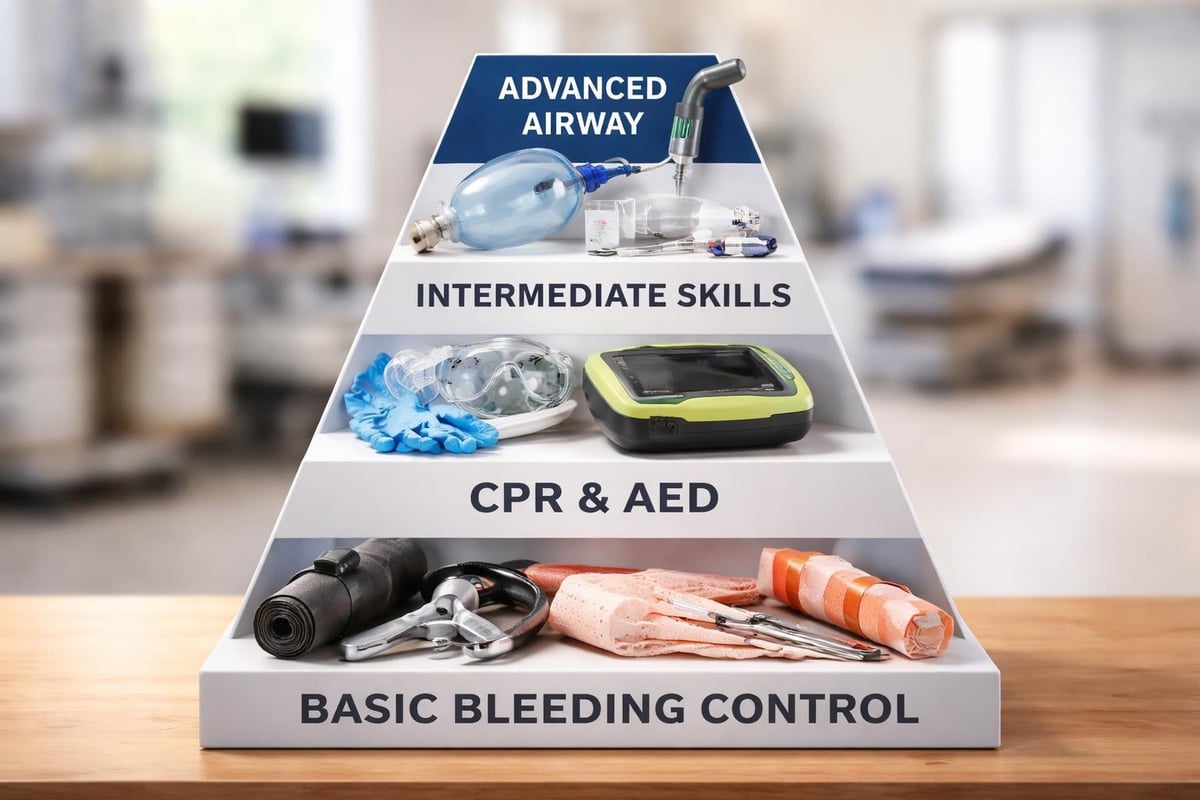
- Severe bleeding control and tourniquet application
- Chest seal placement for penetrating trauma
- Wound packing techniques with hemostatic gauze
- Basic airway management
- Patient assessment and vital signs monitoring
Specialized Equipment Applications
Certain medical supplies require specific knowledge for effective use. Chest seals address sucking chest wounds, a life-threatening condition that demands immediate intervention. Understanding the 10-step process for proper application can save lives in penetrating trauma scenarios.
Similarly, proper wound wrapping techniques prevent complications and promote healing. Learning how to wrap a finger wound correctly demonstrates principles applicable to larger injuries.
Kit Customization for Specific Scenarios
The skinny medic shop approach recognizes that one-size-fits-all solutions rarely work for emergency preparedness. Different activities and environments demand tailored equipment selections.
Outdoor and Wilderness Kits
Backcountry emergencies present unique challenges. Extended evacuation times, limited communication, and environmental factors require specialized preparation. A proper camping first aid kit addresses these concerns with supplies for extended care and improvised treatment.
Wilderness-specific considerations include:
- Extended wound care supplies for multi-day treatment
- Splinting materials for fracture management
- Blister prevention and treatment
- Hypothermia prevention equipment
- Snake bite and insect sting treatment
- Water purification capabilities
Home Medical Preparedness
Residential emergencies often involve family members of varying ages and medical conditions. Home care kits should account for chronic conditions, regular medications, and age-specific supplies for children or elderly household members.
Home kit essentials extend beyond basic first aid:
| Category | Specific Items | Purpose |
|---|---|---|
| Medications | Prescription copies, OTC pain relievers | Ongoing treatment during disruptions |
| Chronic condition supplies | Diabetic supplies, inhalers, etc. | Disease management |
| Pediatric items | Child-sized masks, fever reducers | Age-appropriate care |
| Communication | Emergency contact list, medical histories | Information access |
| Extended care | Bandages, wound cleaning, monitoring tools | Multi-day treatment |
The skinny medic shop mindset applies equally to home preparedness, ensuring families maintain comprehensive capabilities without unnecessary bulk or expense.
Professional-Grade Equipment Standards
Quality matters significantly in emergency medical supplies. Skinny medic shop providers understand that substandard equipment fails when needed most. Medical professionals rely on specific performance standards and proven reliability.
Regulatory Compliance and Certifications
Legitimate medical supply providers adhere to FDA regulations and industry standards. Tourniquets should meet CoTCCC (Committee on Tactical Combat Casualty Care) recommendations. Hemostatic agents require FDA approval for marketed uses. These certifications ensure products perform as advertised under real-world conditions.
The updated ANSI standard for workplace first aid kits includes enhanced bleeding control guidance and mandatory emergency blanket inclusion, reflecting evolving understanding of trauma care priorities.
Material Quality and Shelf Life
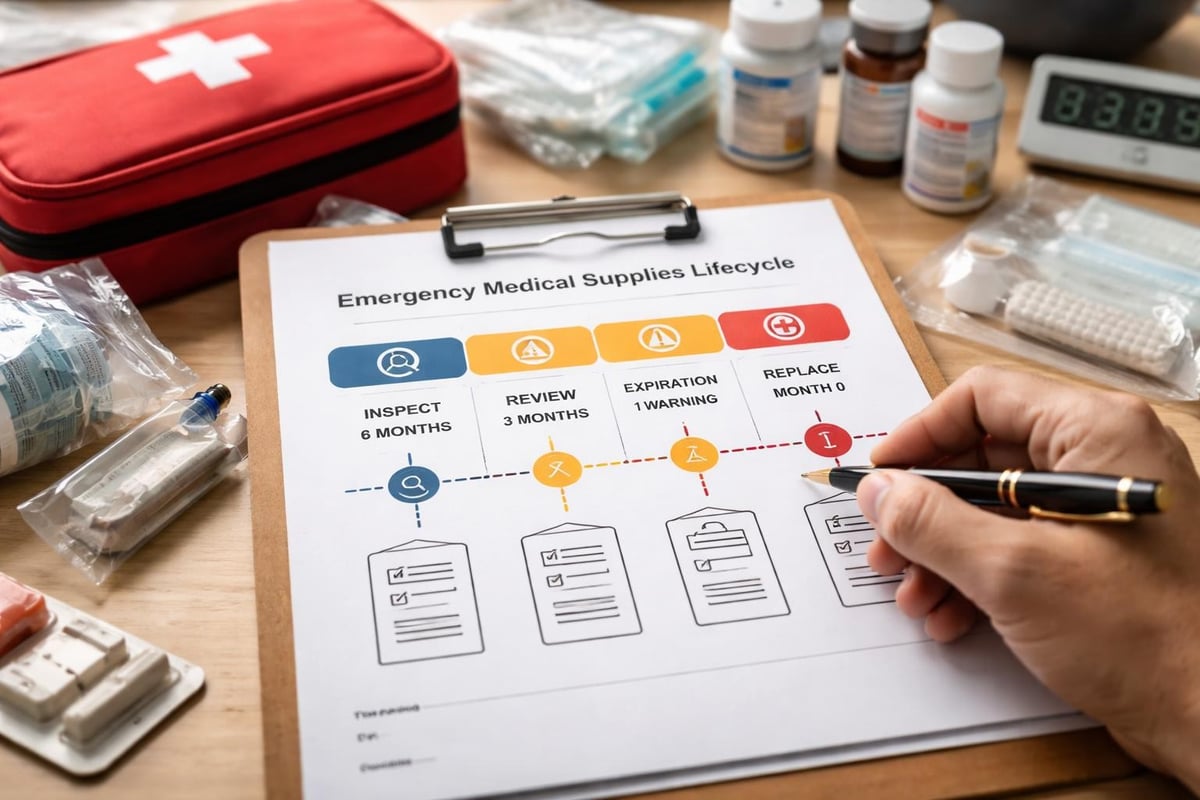
Expiration dates affect all medical supplies. Adhesives deteriorate, medications lose potency, and sterile packaging fails over time. Skinny medic shop best practices include:
- Regular inventory inspection (quarterly recommended)
- Rotation of supplies approaching expiration
- Environmental storage considerations (temperature, humidity)
- Replacement after any kit deployment
- Documentation of maintenance activities
Proper storage extends supply life and ensures reliability. Keep kits in climate-controlled environments away from direct sunlight and extreme temperatures.
Integration with Tactical and Response Gear
The skinny medic shop philosophy originated partly from tactical medicine, where weight and accessibility directly impact survival. This heritage influences modern civilian applications, emphasizing rapid access and efficient carry systems.
Bag and Carrier Selection
Equipment organization significantly affects response time during emergencies. Quality medical bags feature:
- MOLLE compatibility: Modular attachment systems for customization
- Clear organization: Color-coded compartments for rapid identification
- Durable construction: Rip-resistant materials and reinforced stitching
- Weather resistance: Water-resistant coatings protecting contents
- Accessibility: Multiple access points for various carry positions
Different scenarios require different carrier approaches. An everyday carry individual favor compact pouches, while vehicle-based kits accommodate larger configurations. Response kits designed for professional use often incorporate multiple organizational levels.
Tourniquet Positioning and Accessibility
Tourniquet access represents a critical consideration. During severe arterial bleeding, seconds matter. Many skinny medic shop enthusiasts maintain tourniquets in dedicated holders separate from main kit storage, ensuring immediate availability.
Best practices for tourniquet carry include:
- External mounting on bags or belts
- Practice with actual carry configuration
- Protection from environmental damage
- Regular inspection for material degradation
- Multiple tourniquets for multiple casualties
Market Trends and Industry Evolution
The first aid supply market continues expanding as public awareness of emergency preparedness grows. Recent analysis projects the first aid market reaching $6.9 billion by 2032, driven by workplace safety regulations and public awareness initiatives.
Bleeding Control Revolution
Mass casualty events have highlighted the critical importance of immediate hemorrhage control. The skinny medic shop approach aligns with Stop the Bleed initiatives, prioritizing trauma supplies over traditional first aid items. This represents a fundamental shift in civilian emergency preparedness.
Modern kits emphasize:
- Multiple tourniquets for mass casualty scenarios
- Hemostatic gauze as primary wound packing material
- Pressure dressings for moderate bleeding
- Chest seals for penetrating trauma
- Airway management basics
This evolution reflects understanding that preventing death from massive bleeding takes precedence over treating minor injuries.
Technology Integration
Emerging technologies continue enhancing emergency medical capabilities. Smart tourniquet timers, integrated training systems, and improved materials represent ongoing innovations. However, the skinny medic shop philosophy maintains that fundamental skills and proven equipment remain paramount.
Paramedic-Owned Business Advantages
When selecting suppliers, consider the value of paramedic-operated businesses. Professional medical providers bring field experience directly to product selection and customer education. They understand which supplies work under pressure and which represent marketing hype.
Expert Product Curation
Paramedics encounter emergency situations daily, developing intimate familiarity with equipment performance. This experience translates to superior product selection, eliminating ineffective items while highlighting proven solutions. Medical Gear Outfitters exemplifies this approach, offering paramedic-tested equipment backed by real-world experience.
Expert curation benefits:
- Field-tested equipment reliability
- Realistic kit configurations
- Practical training resources
- Accurate product information
- Professional-grade quality standards
Educational Resources and Support
Quality suppliers provide more than products-they offer education. Understanding proper equipment use transforms passive kit ownership into active preparedness. Resources should include application guides, training recommendations, and scenario-specific advice.
The skinny medic shop approach recognizes that informed customers become effective first responders. Comprehensive educational content, from prepper first aid kit guides to specific gun wound first aid protocols, empowers individuals to respond confidently during emergencies.
Cost Considerations and Value Assessment
Quality emergency medical supplies require investment. However, the skinny medic shop philosophy emphasizes value over simple cost minimization. Substandard equipment that fails during emergencies provides no value regardless of price.
Building Kits Strategically
Start with core trauma supplies before expanding to comprehensive coverage. Priority purchases include:
- Quality tourniquet (CAT or SOFTT-W)
- Hemostatic gauze (QuikClot or Celox)
- Chest seals (vented design)
- Pressure bandages
- Trauma shears and gloves
Expand gradually with additional components as budget permits, maintaining focus on high-probability scenarios first.
Wholesale and Bulk Options
Organizations requiring multiple kits benefit from wholesale emergency kits that reduce per-unit costs while maintaining quality. Businesses, churches, schools, and community organizations should explore bulk purchasing for comprehensive preparedness programs.
| Purchase Type | Best For | Typical Savings |
|---|---|---|
| Individual kits | Personal/home use | Retail pricing |
| Multi-kit packages | Small teams (5-10 people) | 10-15% discount |
| Wholesale orders | Organizations, businesses | 20-30% discount |
| Custom bulk | Large deployments (50+) | 30-40% discount |
Strategic purchasing maximizes preparedness capabilities within budget constraints while ensuring quality remains uncompromised.
Building effective emergency response capability requires quality equipment, proper training, and ongoing maintenance. The skinny medic shop philosophy provides a framework for assembling practical, field-tested supplies that perform when lives depend on them. Whether preparing for workplace emergencies, outdoor adventures, or home safety, investing in paramedic-approved equipment ensures readiness for critical situations. Medical Gear Outfitters combines professional emergency medical experience with comprehensive product selection, offering the knowledge and supplies necessary to act confidently as a first responder when emergencies strike.