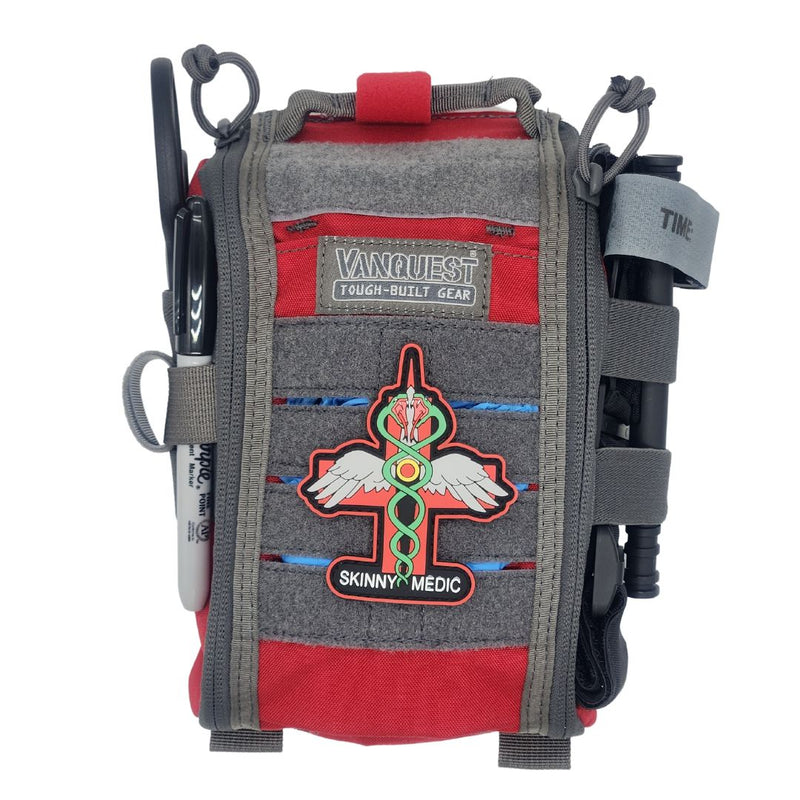
Medic Shop: Essential Guide for First Aid Professionals
When emergencies strike, having immediate access to quality medical supplies can mean the difference between life and death. Whether you're a paramedic, first responder, workplace safety officer, or simply a prepared individual, knowing where to source reliable emergency equipment is crucial. A professional medic shop serves as the foundation for emergency preparedness, offering not just products but expertise, training resources, and the assurance that every item meets rigorous quality standards. Understanding what distinguishes a professional medic shop from generic retailers helps you make informed decisions about the supplies that could save lives.
What Defines a Professional Medic Shop
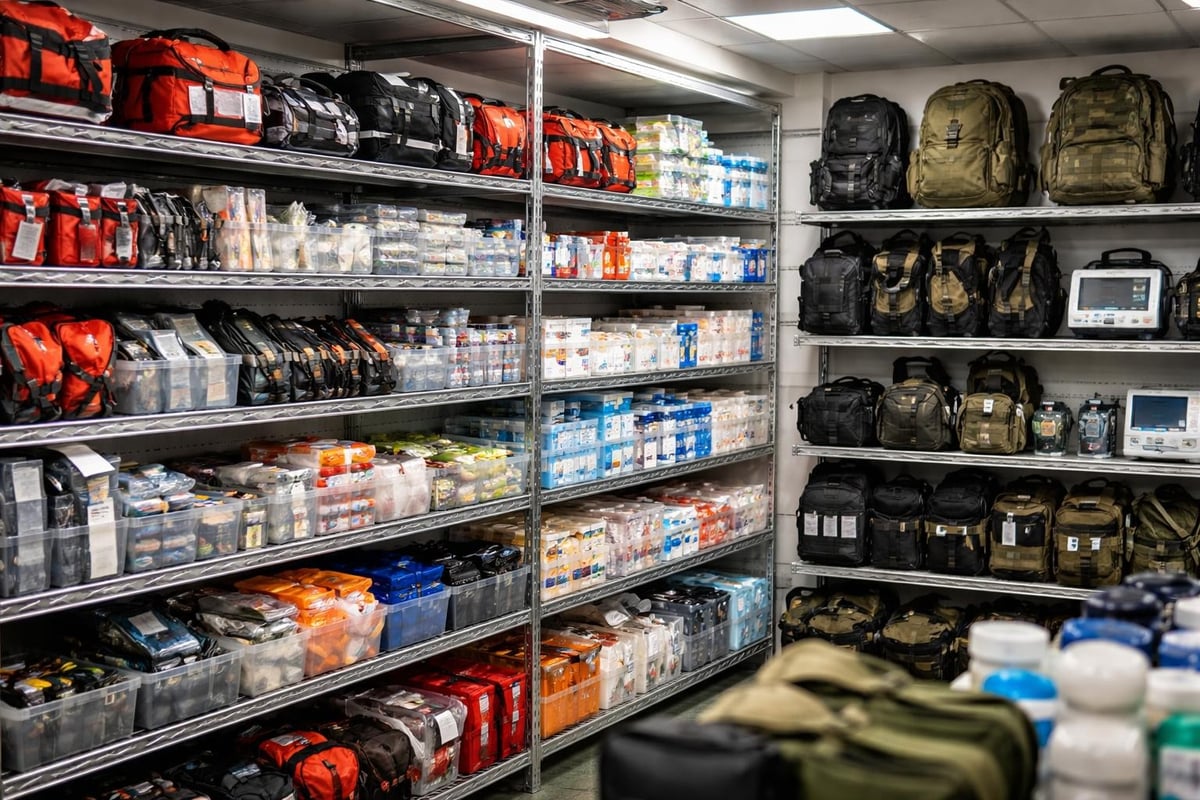
A professional medic shop goes far beyond simply stocking bandages and antiseptic wipes. These specialized retailers curate comprehensive inventories based on real-world emergency scenarios and regulatory compliance requirements. Unlike general retail stores that might carry basic first aid items as an afterthought, a dedicated medic shop prioritizes quality, medical-grade supplies designed for actual emergency response situations.
The distinction becomes clear when examining product selection criteria. Professional medic shops evaluate supplies based on:
- Clinical effectiveness in emergency scenarios
- Shelf life and storage requirements for long-term reliability
- Compliance with OSHA, ANSI, and other regulatory standards
- Feedback from medical professionals and first responders
- Durability under challenging conditions
Many medic shop operations are owned or staffed by individuals with emergency medical backgrounds. This expertise translates into better product recommendations, realistic training guidance, and an understanding of what actually works when seconds count. The paramedic-owned approach ensures that every product has been vetted through the lens of practical field experience rather than purely commercial considerations.
Regulatory Compliance and Standards
Understanding regulatory requirements represents a critical function of any reputable medic shop. The OSHA regulation for first aid kits in workplace settings establishes minimum requirements that employers must meet, but these baseline standards often need enhancement for comprehensive emergency preparedness.
Professional medic shops stay current with evolving standards, including the ANSI/ISEA Z308.1 guidelines that specify workplace first aid kit contents. These standards undergo regular updates, with recent revisions emphasizing appropriate supply quantities based on workplace risk assessments and employee populations.
Essential Categories in a Comprehensive Medic Shop
Trauma and Hemorrhage Control
Severe bleeding control represents the highest priority in emergency medicine. A well-stocked medic shop provides multiple options for hemorrhage management, from basic pressure dressings to advanced hemostatic agents. Tourniquets designed specifically for first aid applications have become standard equipment not just for tactical situations but for workplace and home emergency kits.
Quality medic shops offer various tourniquet models, each with specific application advantages. The key factors include ease of one-handed application, durability under stress, and effectiveness across different limb sizes. Similarly, hemostatic agents and clotting products provide critical capabilities for controlling bleeding in areas where tourniquets cannot be applied.
Wound Management and Dressings
Beyond trauma care, comprehensive wound management supplies form the backbone of any medic shop inventory. This category encompasses:
- Sterile gauze pads in multiple sizes
- Compression bandages for secure wound coverage
- Adhesive bandages for minor injuries
- Specialized dressings including chest seals and occlusive dressings
- Antibiotic ointments like triple antibiotic ointment
The variety ensures appropriate treatment options regardless of injury type or severity. Professional medic shops emphasize sterile, individually packaged supplies that maintain integrity until needed.
Airway and Breathing Equipment
Respiratory emergencies demand immediate intervention. A professional medic shop stocks various airway management tools, from basic pocket masks for CPR to more advanced airway adjuncts. Airway and breathing equipment includes barrier devices, oxygen delivery systems, and suction equipment designed for field use.
These supplies prove especially critical in environments where respiratory hazards exist or cardiac emergencies are more likely. The right equipment, combined with proper training, dramatically improves survival outcomes in respiratory crisis situations.
Building Complete Emergency Response Kits
Workplace First Aid Compliance
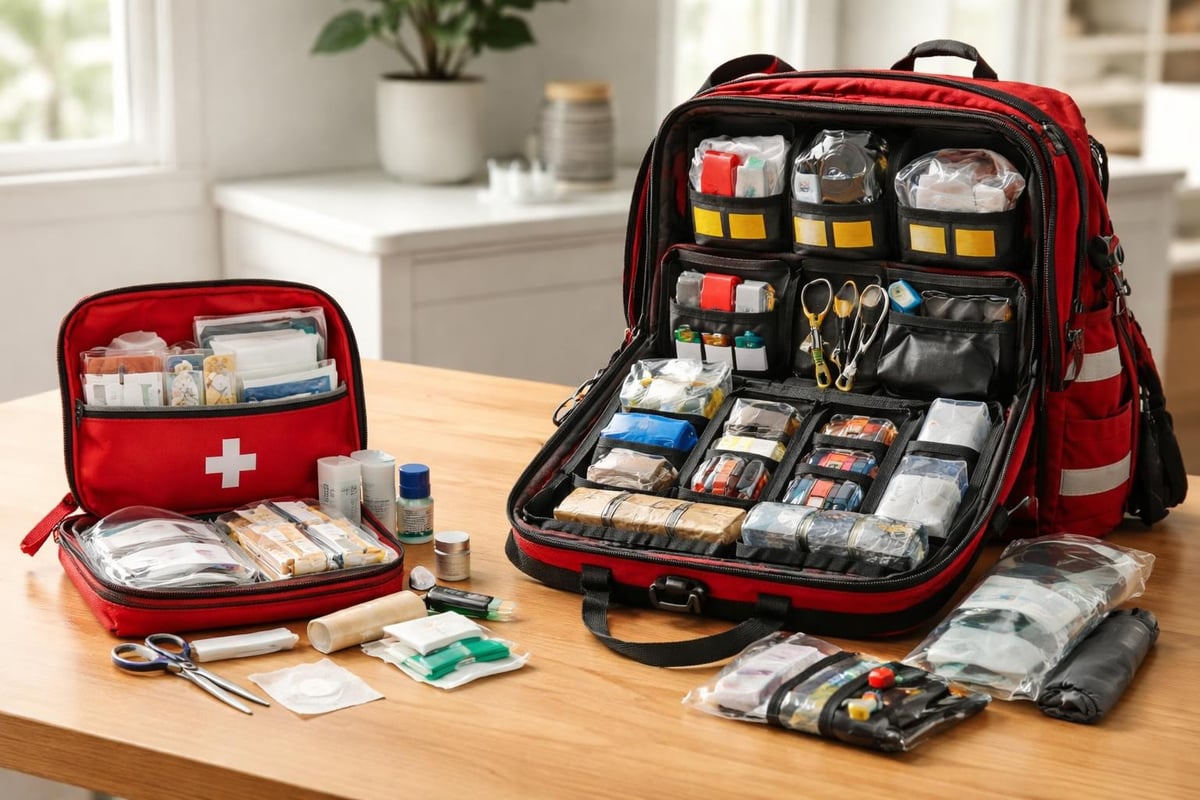
Employers face specific obligations regarding workplace first aid preparedness. Best practices for workplace first aid kits recommend conducting thorough hazard assessments to determine appropriate kit contents and quantities. A professional medic shop helps organizations navigate these requirements by offering pre-configured kits that meet or exceed regulatory minimums.
| Kit Type | Intended Use | Typical Contents | Compliance Standard |
|---|---|---|---|
| Basic Workplace | Office environments, low-hazard | Bandages, basic medications, minor wound care | ANSI Z308.1 Type I |
| Industrial | Manufacturing, construction, high-hazard | Trauma supplies, burn treatment, eye wash | ANSI Z308.1 Type II |
| First Responder | EMS, security, emergency personnel | Advanced hemorrhage control, airway management | Professional-grade specifications |
| Tactical | Law enforcement, military, security | Combat-proven trauma supplies, compact design | Tactical/field standards |
Complete kits eliminate guesswork by bundling appropriate supplies for specific risk profiles. However, customization often becomes necessary as organizations identify unique hazards or requirements.
Home and Family Emergency Preparedness
Beyond workplace requirements, families increasingly recognize the importance of home emergency preparedness. A quality medic shop serves this market by offering home care kits designed for common household emergencies while remaining comprehensive enough for serious incidents until professional help arrives.
Home kits should address:
- Common injuries including cuts, burns, and sprains
- Medication management for chronic conditions during emergencies
- Pediatric considerations with age-appropriate supplies
- Natural disaster preparedness with extended-duration supplies
- Training resources to ensure family members can use equipment effectively
The difference between a medic shop kit and a pharmacy-bought alternative often lies in quality, quantity, and thoughtful organization. Professional kits include supplies that actually work under stress rather than minimal-compliance items.
Specialized Equipment and Tactical Gear
Professional-Grade Medical Equipment
Advanced medical equipment distinguishes professional medic shops from casual retailers. Items like chest seals for penetrating trauma, pressure bandages, and specialized burn treatment products require expertise to select and apply correctly. A knowledgeable medic shop provides not just the equipment but guidance on proper use.
First responder kits incorporate these advanced supplies in organized, grab-and-go configurations. Whether responding to vehicle accidents, workplace injuries, or active threat situations, having the right equipment immediately accessible saves critical time.
Tactical and Field Applications
Law enforcement, security professionals, and military personnel require equipment that functions reliably under extreme conditions. Tactical medic shops specialize in ruggedized, compact, and rapidly deployable medical gear. These supplies must withstand harsh environments while remaining immediately accessible during high-stress incidents.
Considerations for tactical medical supplies include:
- MOLLE compatibility for modular attachment systems
- Reduced size and weight without compromising capability
- Rapid access features including tear-away panels and color-coded components
- Proven field performance in actual tactical operations
- Training integration with tactical response protocols
The Growing First Aid Market Landscape
Industry analysis reveals significant expansion in the first aid kit market, with projections showing continued growth through 2036. This growth reflects increasing awareness of emergency preparedness across multiple sectors including workplace safety, outdoor recreation, and home emergency planning.
Several factors drive market expansion:
Regulatory evolution continues pushing higher workplace safety standards. Organizations recognize that basic compliance represents a starting point rather than a comprehensive solution. Enhanced preparedness reduces liability exposure while demonstrating genuine commitment to employee welfare.
Public awareness of emergency response capabilities has increased dramatically. High-profile incidents and natural disasters highlight how ordinary citizens often become first responders by circumstance. This awareness translates into greater investment in quality medical supplies and training.
Technological advancement in medical devices makes professional-grade equipment more accessible. Items once restricted to hospital settings now come in field-deployable versions suitable for non-medical professionals with appropriate training.
Quality Assurance and Product Sourcing
Manufacturing Standards and Certifications
Reputable medic shops prioritize suppliers with demonstrated quality control systems. Medical supplies require manufacturing precision and sterility assurance that cheap imports often lack. Professional medic shops verify that products meet FDA regulations for medical devices, maintain proper certifications, and come from traceable supply chains.
The University of Texas guidance on first aid kit contents emphasizes standardization based on ANSI/ISEA specifications. These standards ensure consistency and reliability across different manufacturers while establishing baseline quality expectations.
Trusted Manufacturer Relationships
Established medic shops cultivate relationships with leading manufacturers in the emergency medical supply industry. Brands like North American Rescue, Tac Med Solutions, and other specialized manufacturers provide proven products with documented performance records.
These partnerships enable medic shops to:
- Access latest product innovations first
- Provide authentic manufacturer specifications and training materials
- Offer competitive pricing through established distribution channels
- Guarantee product authenticity and warranty coverage
- Stay informed about product updates or safety recalls
Maintenance and Resupply Programs
Systematic Kit Management
Emergency supplies require regular maintenance to ensure readiness when needed. Professional medic shops emphasize systematic approaches to first aid resupply that prevent expired products and depleted inventories from compromising emergency response capabilities.
Best practices include:
- Quarterly inspections of all emergency kits
- Expiration date tracking for time-sensitive supplies
- Usage logs documenting when items are consumed
- Replacement protocols ensuring consistent restocking
- Training refreshers aligned with equipment inspections
Organizations managing multiple kits across various locations benefit from centralized tracking systems. Some medic shops offer subscription services that automatically ship replacement supplies on predetermined schedules.
Bulk Purchasing and Cost Management
Volume purchasers including businesses, government agencies, and preparedness groups achieve significant cost efficiencies through bulk items and wholesale emergency kits. Professional medic shops accommodate these needs with tiered pricing structures and customization options that balance budget constraints with preparedness requirements.
Training and Knowledge Resources
Beyond Product Sales
The most valuable medic shops recognize that equipment alone provides incomplete preparedness. Effective emergency response requires training in when and how to use medical supplies. Quality medic shops either provide training directly or maintain relationships with certified instructors who can deliver appropriate education.
Training areas include:
- Basic first aid and CPR for general audiences
- Hemorrhage control techniques including tourniquet application
- Trauma management for serious injuries
- Scenario-based practice simulating realistic emergency conditions
- Equipment-specific instruction for specialized devices
This educational component transforms customers from passive product consumers into capable first responders who can effectively utilize their equipment during actual emergencies.
Expert Consultation Services
Paramedic-owned medic shops offer invaluable consultation services that draw from real-world experience. Whether designing custom trauma kits for specific applications or conducting workplace hazard assessments, this expertise ensures appropriate preparedness investments.
Consultation services typically address:
| Service Area | Value Provided | Typical Outcomes |
|---|---|---|
| Hazard Assessment | Identify specific risks and appropriate countermeasures | Tailored kit specifications matching actual threats |
| Regulatory Compliance | Navigate OSHA, ANSI, and industry-specific requirements | Documentation supporting compliance verification |
| Custom Kit Design | Configure supplies for unique operational requirements | Purpose-built kits optimizing response effectiveness |
| Training Program Development | Create education pathways matching skill levels and roles | Competent responders confident in equipment use |
International Standards and Global Considerations
While North American standards like ANSI Z308.1 dominate the U.S. market, international organizations should consider global standards. The British Standard BS 8599 specifies workplace and vehicle first aid kit requirements in the UK and influences practices across Commonwealth nations.
Professional medic shops serving international clients or multinational organizations navigate these varying requirements, ensuring kits meet applicable standards regardless of deployment location. This becomes particularly important for companies with global operations or products destined for international markets.
Selecting the Right Medic Shop Partner
Evaluation Criteria
Choosing a medic shop partner requires careful assessment across multiple dimensions. Price represents just one factor among many more critical considerations:
Expertise and background: Does the operation include medical professionals with field experience? Can staff provide informed recommendations rather than simply taking orders?
Product range and quality: Does inventory include professional-grade supplies or primarily consumer-level products? Are major manufacturers represented?
Customization capabilities: Can the medic shop configure kits for specific needs or only sell pre-packaged options?
Support services: Does the relationship extend beyond transactions to include training, maintenance programs, and consultation?
Reputation and reliability: What do reviews and references indicate about customer satisfaction, order accuracy, and problem resolution?
Building Long-Term Relationships
Emergency preparedness represents an ongoing commitment rather than a one-time purchase. The ideal medic shop functions as a long-term partner invested in customer success. This relationship evolves as needs change, regulations update, and new products emerge.
Organizations benefit most from medic shop partners who proactively communicate about:
- Regulatory changes affecting compliance requirements
- New products offering enhanced capabilities
- Training opportunities and certification programs
- Industry best practices and lessons learned
- Recall notifications and safety updates
Advanced Capabilities and Specialized Applications
Prepper and Extended Emergency Preparedness
The preparedness community requires unique considerations that standard first aid kits don't address. Prepper first aid kits anticipate extended periods without professional medical support, requiring greater supply quantities, medication variety, and self-sufficiency provisions.
Specialized medic shops serving this market understand the difference between surviving the first minutes of an emergency and maintaining health over days or weeks. This distinction drives different product selections and kit configurations focused on sustainable care capabilities.
Mobile and Vehicle Applications
Emergency response often occurs away from fixed locations. Vehicle-based kits and mobile response bags require different organizational approaches than wall-mounted workplace stations. Professional medic shops offer bags designed specifically for mobile applications with features like:
- Durable, weather-resistant construction
- Modular organization systems allowing quick reconfiguration
- Secure closure mechanisms preventing spillage during transport
- Visibility features including reflective elements and bright colors
- Mounting options for vehicle integration
These considerations ensure that emergency supplies remain organized, accessible, and protected regardless of storage location or transport conditions.
Professional emergency preparedness depends on reliable access to quality medical supplies, expert guidance, and ongoing support that extends beyond simple product transactions. Whether equipping a workplace, preparing your family, or building professional response capabilities, partnering with an experienced medic shop ensures you have the right tools and knowledge when emergencies arise. Medical Gear Outfitters combines paramedic expertise with comprehensive product selection to equip first responders and prepared individuals with supplies proven effective in real-world emergency situations. Visit today to discover how professional-grade equipment and expert consultation can enhance your emergency preparedness.