First Responder Kit Essentials for 2026
When emergencies strike, the difference between life and death often comes down to having the right medical supplies within arm's reach. A well-stocked first responder kit serves as the foundation for effective emergency care, whether you're a trained medical professional, workplace safety coordinator, or simply someone committed to being prepared. These specialized kits go far beyond basic bandages and antiseptic wipes, incorporating advanced medical equipment designed to stabilize patients during critical moments before advanced medical care arrives. Understanding what belongs in a comprehensive first responder kit and how to maintain it properly ensures you're ready to respond when seconds count.
Understanding First Responder Kit Requirements
The contents of a first responder kit must align with recognized industry standards and the specific environments where they'll be deployed. OSHA and ANSI establish baseline requirements for workplace first aid supplies, providing frameworks that ensure adequate preparation for common injuries and medical emergencies.
Industry Standards and Compliance
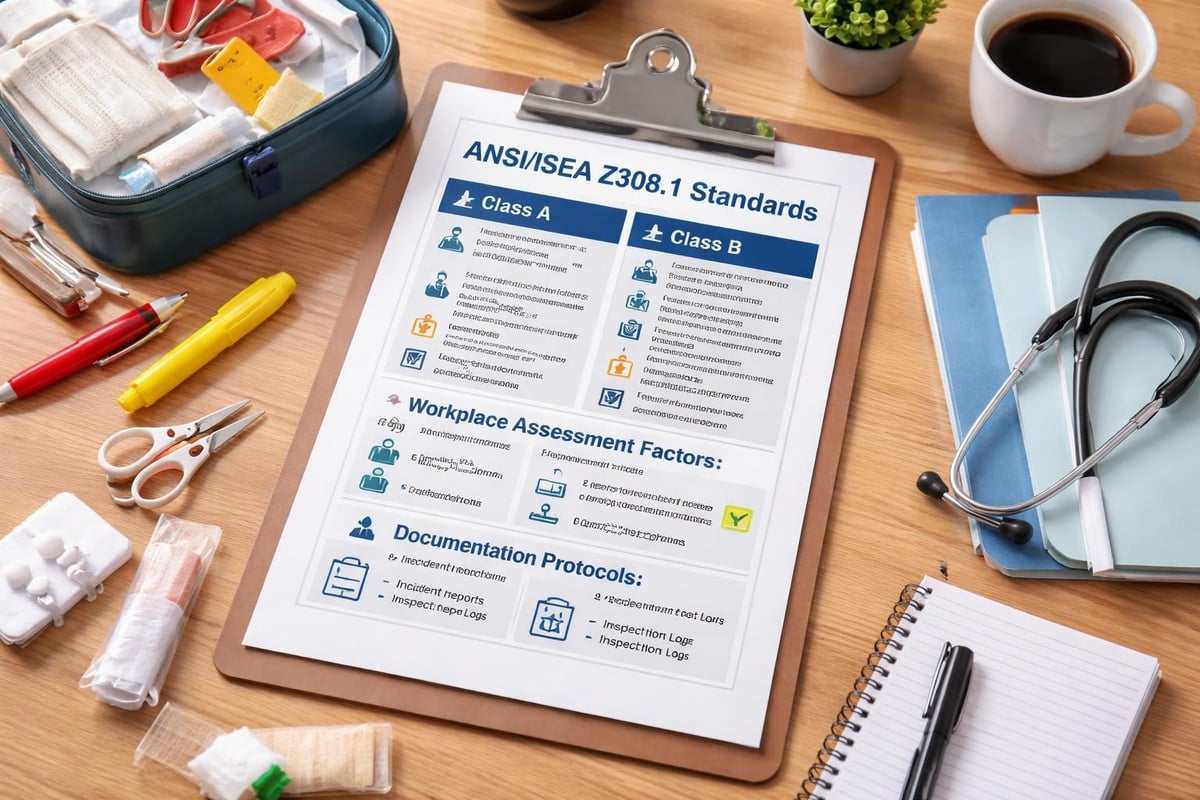
Professional-grade kits typically follow ANSI/ISEA Z308.1 standards, which specify minimum quantities and types of supplies based on workplace size and hazard levels. These standards categorize supplies into two main classes: Class A for basic first aid needs and Class B for more comprehensive emergency response capabilities.
Key compliance considerations include:
- Regular inventory checks to maintain supply levels
- Expiration date monitoring for medications and sterile items
- Documentation of kit inspections and restocking activities
- Training requirements for designated first responders
Organizations should assess their specific risk profiles when selecting appropriate kit configurations. Manufacturing facilities face different hazards than office environments, requiring tailored first aid solutions that address industry-specific risks.
Core Components Every First Responder Kit Needs
Building an effective first responder kit requires systematic inclusion of supplies across multiple emergency care categories. Essential first aid kit contents form the baseline, while advanced items enable responders to manage life-threatening situations.
Wound Care and Bleeding Control
Hemorrhage control represents one of the most critical capabilities in emergency response. Modern kits incorporate both traditional wound care supplies and advanced hemostatic agents designed to stop severe bleeding quickly.
| Item | Quantity | Primary Purpose |
|---|---|---|
| Sterile gauze pads (4x4) | 25-50 | Wound cleaning and covering |
| Trauma dressings | 4-6 | Large wound management |
| Hemostatic gauze | 2-3 | Severe bleeding control |
| Elastic bandages | 3-4 | Compression and support |
| Medical tape | 2-3 rolls | Securing dressings |
| Tourniquets | 2 | Extremity hemorrhage control |
Tourniquets deserve special attention as life-saving devices. The understanding of tourniquets versus trauma dressings helps responders select appropriate interventions based on injury severity and location.
Airway Management Tools
Maintaining patent airways ranks among the highest priorities in emergency care. First responder kits should include multiple options for airway support, from basic positioning aids to mechanical devices.
Critical airway management supplies:
- Nasopharyngeal airways (NPAs) in multiple sizes
- Oropharyngeal airways (OPAs) for unconscious patients
- Pocket masks or bag-valve-masks for rescue breathing
- Suction devices for clearing obstructions
The differences between NPAs and OPAs determine which device works best for specific patient conditions and levels of consciousness.
Personal Protective Equipment
Before providing any medical care, responders must protect themselves from bloodborne pathogens and other hazards. Medical gloves are indispensable for maintaining infection control during patient contact.
A comprehensive PPE selection includes:
- Nitrile gloves in various sizes (minimum 10 pairs)
- Eye protection or face shields
- CPR barrier devices
- Disposable gowns or aprons for significant contamination risks
- Biohazard bags for contaminated waste disposal
Advanced Medical Equipment for Professional Response
Professional first responders and workplace safety teams often require capabilities beyond basic first aid. These advanced components enable more sophisticated interventions during extended response times or remote locations.
Diagnostic and Assessment Tools
Accurate patient assessment drives appropriate treatment decisions. Modern first responder kits incorporate diagnostic equipment that provides objective measurements of vital signs and injury severity.
Essential assessment equipment:
- Blood pressure cuff with stethoscope
- Pulse oximeter for oxygen saturation monitoring
- Thermometer for temperature assessment
- Penlight for pupil and injury examination
- Trauma shears for clothing removal
Essential tools for first responder trainees often expand beyond these basics depending on certification level and scope of practice.
Trauma and Emergency Medications
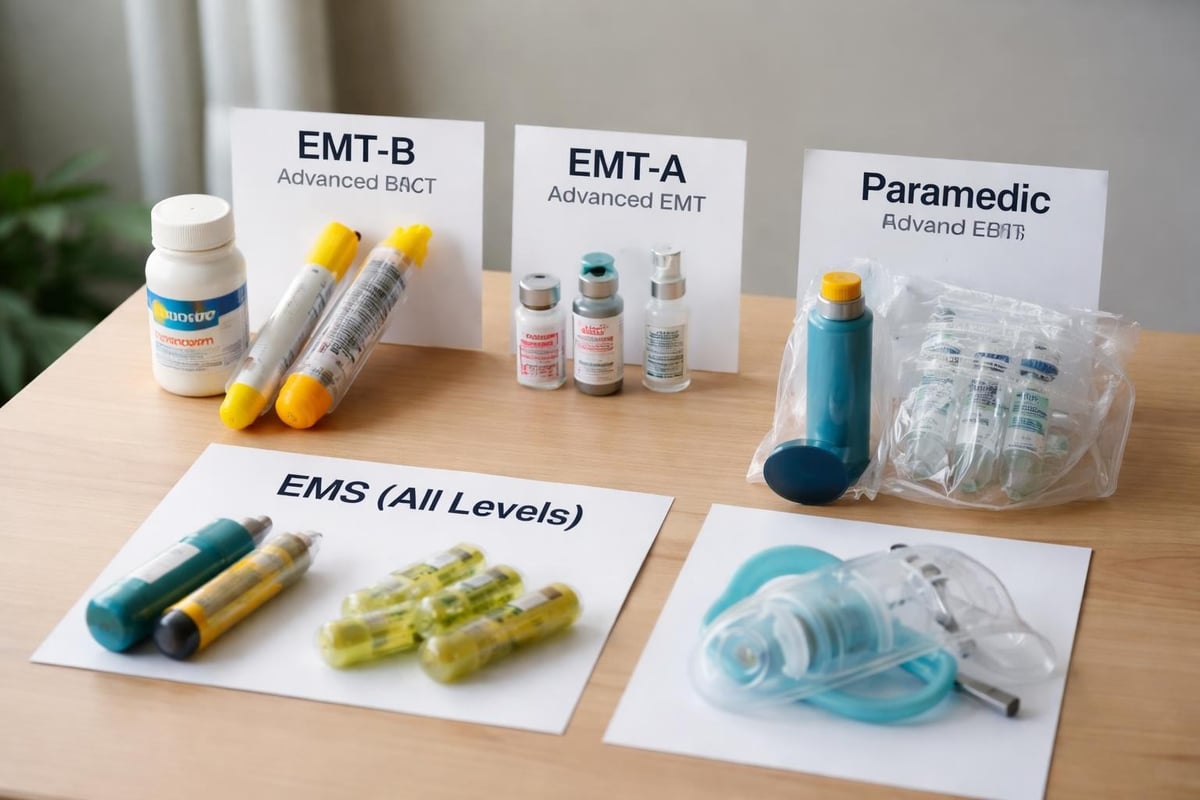
While layperson kits typically exclude medications beyond basic over-the-counter options, professional first responder kits may include prescription emergency medications when authorized by medical direction.
| Medication Category | Examples | Usage Authorization |
|---|---|---|
| Antihistamines | Diphenhydramine | Generally unrestricted |
| Pain relievers | Acetaminophen, Ibuprofen | Over-the-counter access |
| Epinephrine | Auto-injectors | Prescription required |
| Aspirin | 81mg tablets | OTC for cardiac events |
| Glucose | Tablets or gel | Diabetic emergencies |
Specialized Kits for Different Environments
The ideal first responder kit configuration varies significantly based on deployment environment and likely emergency scenarios. Understanding these variations ensures appropriate preparedness for specific settings.
Workplace and Industrial Settings
University of Texas guidelines for workplace first aid kits demonstrate how occupational hazards influence supply selection. Manufacturing facilities require burn care supplies and eye wash stations, while construction sites need splinting materials and heavy-duty wound care products.
Industrial kit enhancements include:
- Burn dressings and cooling gels for thermal injuries
- Eye wash solutions and irrigation devices
- Triangular bandages for slings and splints
- Cold packs for acute injuries and swelling
- Emergency blankets for shock prevention
Athletic and Sports Response
Sports environments present unique injury patterns requiring specialized equipment. The American Red Cross Sports First Responder Medical Kit addresses common athletic injuries while maintaining readiness for cardiac emergencies.
Athletic trainers and coaches need supplies for:
- Musculoskeletal injuries (sprains, strains, fractures)
- Heat-related illnesses and dehydration
- Concussion assessment and management
- Sudden cardiac arrest response
- Laceration and abrasion treatment
Mobile and Vehicle-Based Kits
First responder kits designed for vehicles must withstand temperature extremes and vibration while remaining easily accessible during roadside emergencies. Motorcycle trauma kits exemplify compact, ruggedized designs that prioritize trauma care capabilities in limited space.
Mobile kit considerations include:
- Weather-resistant containers and packaging
- Compact organization for quick item location
- Temperature-stable supplies that won't degrade in vehicles
- Mounting systems for secure storage during transport
Building Your Custom First Responder Kit
Creating an effective first responder kit requires systematic planning that balances comprehensive coverage with practical portability. Start by assessing the specific risks and emergency scenarios most likely in your environment.
Risk Assessment and Planning
Identify potential emergencies based on:
- Geographic location and environmental hazards
- Number of people typically present
- Distance from professional emergency services
- Specific activities or operations conducted
- Historical incident data and injury patterns
This assessment drives decisions about kit size, supply quantities, and specialized equipment inclusion. Understanding what to include in an emergency first responder kit provides comprehensive guidance for this planning process.
Container Selection and Organization
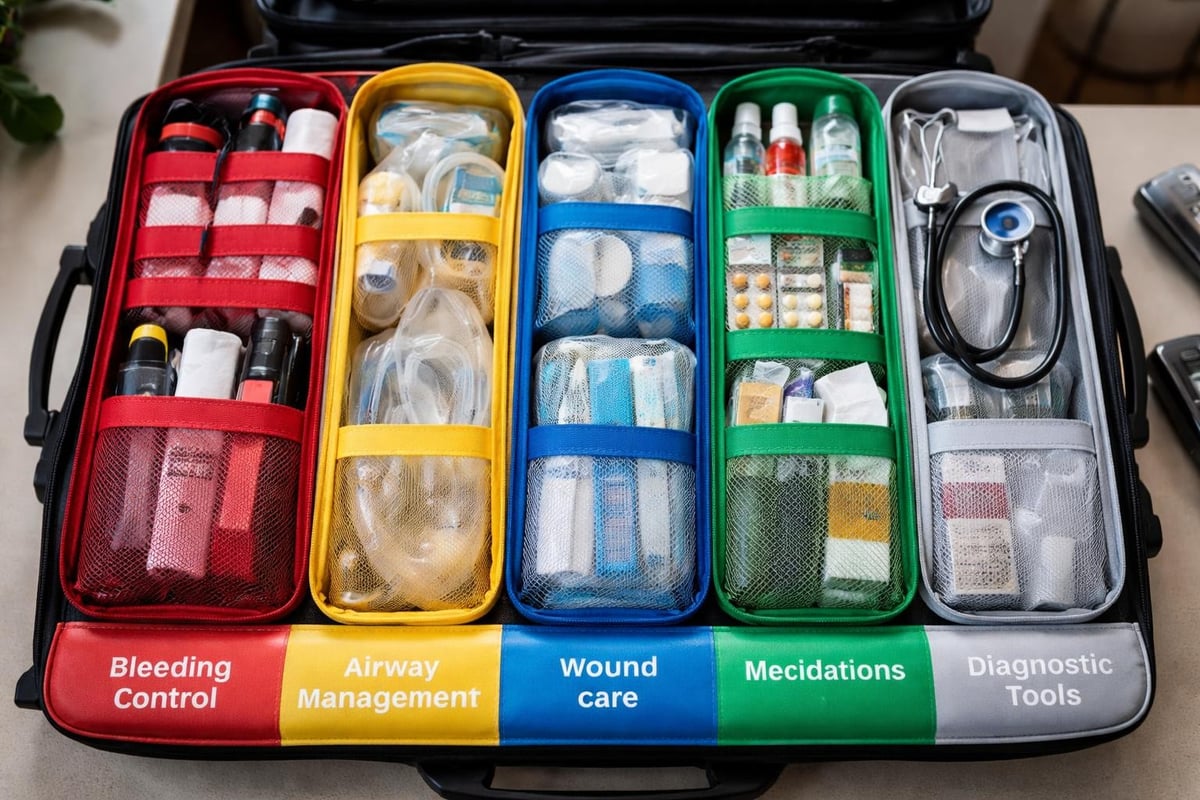
The container housing your first responder kit impacts accessibility and supply preservation. Professional-grade options include hard-sided cases, soft packs with multiple compartments, and wall-mounted cabinets for fixed locations.
Container selection criteria:
- Clear labeling and color-coding for quick identification
- Compartmentalized storage preventing supply damage
- Easy-to-clean materials supporting infection control
- Adequate size without excessive bulk
- Secure closures protecting contents from contamination
Organize supplies logically by category or emergency type. Place the most frequently used items in easily accessible compartments while securing sharps and hazardous materials safely.
Maintenance and Readiness Protocols
Even the most comprehensive first responder kit becomes ineffective without proper maintenance. Establishing systematic inspection and restocking procedures ensures readiness when emergencies occur.
Regular Inspection Schedules
Implement monthly quick checks and quarterly comprehensive inventories:
Monthly quick checks:
- Verify kit location and accessibility
- Check for obvious damage or tampering
- Confirm seal integrity on sterile items
- Note any used or missing supplies
Quarterly comprehensive inventories:
- Document all contents against master list
- Check expiration dates on medications and sterile supplies
- Test battery-operated equipment
- Replace depleted or expired items
- Update inventory documentation
Supply Rotation and Replacement
First aid resupply strategies prevent waste while maintaining readiness. Implement first-in-first-out rotation for items approaching expiration, using them for training purposes before they become unusable.
Track expiration dates systematically:
| Supply Category | Typical Shelf Life | Replacement Priority |
|---|---|---|
| Sterile dressings | 3-5 years | High |
| Adhesive bandages | 3-5 years | Medium |
| Medications | 2-4 years | High |
| Ointments/creams | 2-3 years | Medium |
| Elastic bandages | Indefinite if undamaged | Low |
| PPE (gloves) | 5 years | High |
Training and Competency Development
Possessing a well-stocked first responder kit means little without the knowledge and skills to use its contents effectively. Training transforms supplies into life-saving interventions through proper technique and confident application.
Certification and Skills Training
Multiple organizations provide first responder training at various levels:
- Basic First Aid and CPR certification
- Advanced First Aid courses
- Wilderness First Responder programs
- Emergency Medical Responder certification
- Specialized training for specific environments
Understanding IFAK contents and proper usage techniques requires hands-on practice under qualified instruction. Skills deteriorate without regular refresher training, making continuing education essential for maintaining competency.
Scenario-Based Practice
Regular drills using your actual first responder kit familiarizes users with supply locations and builds muscle memory for emergency procedures. Create realistic scenarios based on your risk assessment:
- Severe bleeding requiring tourniquet application
- Unconscious patient needing airway management
- Multiple casualties requiring triage and prioritization
- Environmental emergencies like heat stroke or hypothermia
- Allergic reactions requiring epinephrine administration
Document training sessions and track participant competency to identify knowledge gaps requiring additional focus.
Integration with Emergency Response Systems
A first responder kit functions most effectively as part of a broader emergency preparedness system. Coordination with professional emergency services, clear communication protocols, and established response procedures maximize positive outcomes.
Communication and Activation Procedures
Establish clear protocols for:
- When to activate emergency medical services (call 911)
- How to communicate patient information to arriving paramedics
- Documentation requirements for care provided
- Scene safety assessment before intervention
- Bystander management and crowd control
Early EMS activation remains critical even when providing excellent first responder care. Professional paramedics bring advanced capabilities, medications, and transport to definitive care facilities.
Documentation and Legal Considerations
Maintain records of first responder interventions, including:
- Date, time, and location of incident
- Patient complaints and observed conditions
- Interventions performed and supplies used
- Patient response to treatment
- Transfer of care to advanced providers
Good documentation protects responders legally while providing valuable information for quality improvement. Understanding Good Samaritan laws in your jurisdiction clarifies legal protections when providing emergency care.
Specialized Considerations for 2026
The field of emergency medical care continues evolving with new technologies, evidence-based practices, and changing threat landscapes. Modern first responder kits reflect these advances through innovative equipment and updated protocols.
Emerging Technologies
Recent innovations enhancing first responder capabilities include:
- Compact ultrasound devices for injury assessment
- Telemedicine integration enabling remote physician guidance
- Smart tourniquets with pressure monitoring
- Hemostatic agents with improved effectiveness
- Portable oxygen concentrators replacing heavy cylinders
Public Access and Community Preparedness
Growing emphasis on "Stop the Bleed" campaigns and public access trauma care reflects recognition that bystanders often provide initial life-saving interventions. Comprehensive health kits designed for public access balance sophistication with user-friendly design.
Community preparedness initiatives encourage:
- Widespread bleeding control training
- Public access first responder kits in high-traffic areas
- Automated external defibrillator (AED) programs
- Coordinated response plans for mass casualty incidents
These programs recognize that professional emergency services cannot reach every patient instantly, making capable first responders essential community assets.
Building and maintaining an effective first responder kit requires thoughtful planning, quality supplies, and ongoing commitment to readiness. The investment in proper equipment and training pays dividends when emergencies strike, enabling confident and capable response that can save lives. Whether you're equipping a workplace, outfitting a vehicle, or preparing your home, Medical Gear Outfitters provides the high-quality supplies and expert guidance needed to build first responder kits that meet professional standards. With paramedic-owned expertise backing every product selection, you can trust that your emergency preparedness reflects current best practices and proven reliability.

