First Aid Med: Essential Guide for Emergency Response
When seconds count during a medical emergency, having the right first aid med at your disposal can mean the difference between life and death. Whether you're a trained paramedic, workplace safety officer, or simply a prepared citizen, understanding the essential medications and supplies that comprise effective emergency care is fundamental to your readiness. The landscape of first aid medications has evolved significantly, incorporating advanced treatment options alongside traditional supplies to address everything from minor cuts to severe traumatic injuries. This comprehensive guide explores the critical components, proper selection criteria, and best practices for maintaining first aid med supplies that meet professional standards while remaining accessible to everyday responders.
Understanding First Aid Med Fundamentals
First aid med encompasses a broad spectrum of pharmaceutical and therapeutic supplies designed to provide immediate medical care before professional emergency services arrive. These medications and materials serve as the foundation for initial treatment interventions.
The scope of first aid med extends beyond simple bandages and antiseptics. Modern emergency response requires a layered approach that includes hemostatic agents, trauma dressings, medications for allergic reactions, and tools for managing severe bleeding. The American Heart Association's first aid guidelines emphasize that effective first aid preserves life, alleviates suffering, and promotes recovery through timely intervention.
Core Categories of First Aid Medications
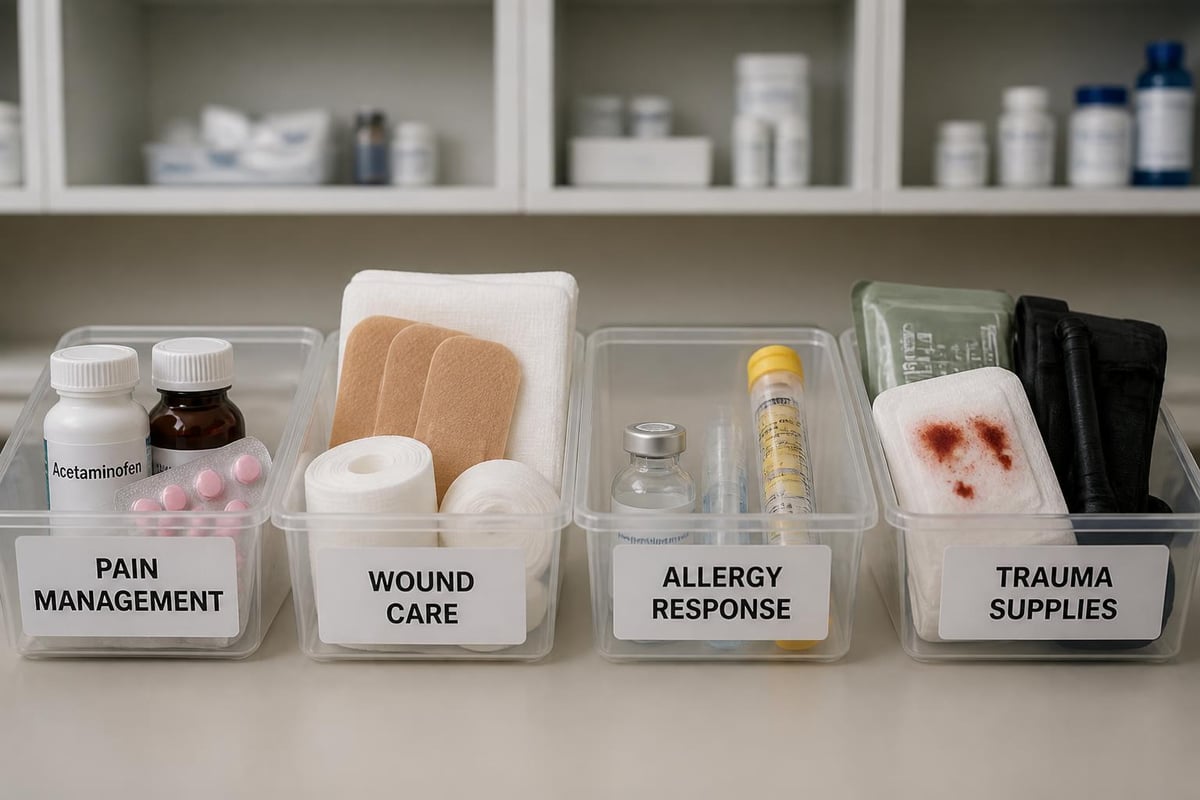
Pain Management and Anti-inflammatory Agents
- Over-the-counter pain relievers (acetaminophen, ibuprofen, aspirin)
- Topical anesthetics for minor burns and injuries
- Cold packs for reducing swelling and inflammation
Wound Care and Infection Prevention
- Antibiotic ointments and antiseptic solutions
- Hydrogen peroxide and saline wound wash
- Sterile gauze and specialized dressings
Allergy and Respiratory Support
- Antihistamines for mild allergic reactions
- Epinephrine auto-injectors for severe anaphylaxis
- Asthma inhalers (when prescribed)
The selection of appropriate first aid med depends heavily on the anticipated scenarios and environments where they'll be deployed. Understanding how to build a comprehensive health kit requires balancing portability with preparedness.
Professional-Grade First Aid Med Components
Professional responders and serious preparedness advocates require first aid med that exceeds basic consumer-grade supplies. These advanced components address severe trauma, uncontrolled bleeding, and life-threatening conditions that demand immediate intervention.
Hemorrhage Control Medications and Devices
Controlling severe bleeding represents one of the most critical skills in emergency medicine. Modern first aid med for hemorrhage management includes sophisticated tools that were once restricted to military and paramedic use.
| Component | Primary Use | Application Time | Shelf Life |
|---|---|---|---|
| Hemostatic Gauze | Deep wound packing | 3-5 minutes | 3-5 years |
| Tourniquets | Limb hemorrhage | 30-60 seconds | Indefinite (with inspection) |
| Pressure Dressings | Surface bleeding | 1-2 minutes | 2-3 years |
| Chest Seals | Penetrating chest wounds | 60 seconds | 3-5 years |
The Gen-7 Combat Application Tourniquet exemplifies professional-grade hemorrhage control equipment. This device has saved countless lives in tactical, industrial, and civilian emergencies where traditional pressure application proves insufficient.
Trauma-Specific Medications
Beyond basic wound care, comprehensive first aid med supplies include specialized products for managing specific trauma types. Burn treatments, occlusive dressings for chest injuries, and advanced airway management tools all play vital roles in comprehensive emergency response.
Burn management requires graduated approaches depending on severity. Minor thermal injuries benefit from cooling gel dressings and topical antibiotics, while serious burns demand specialized products like Water-Jel burn dressings that provide immediate cooling and create protective barriers against contamination.
Essential Trauma Med Components:
- Occlusive chest seals for pneumothorax prevention
- Compressed gauze for deep wound packing
- Hemostatic agents containing kaolin or chitosan
- Nasopharyngeal airways for maintaining breathing passages
- Israeli-style pressure bandages for extremity wounds
Selecting First Aid Med for Specific Environments
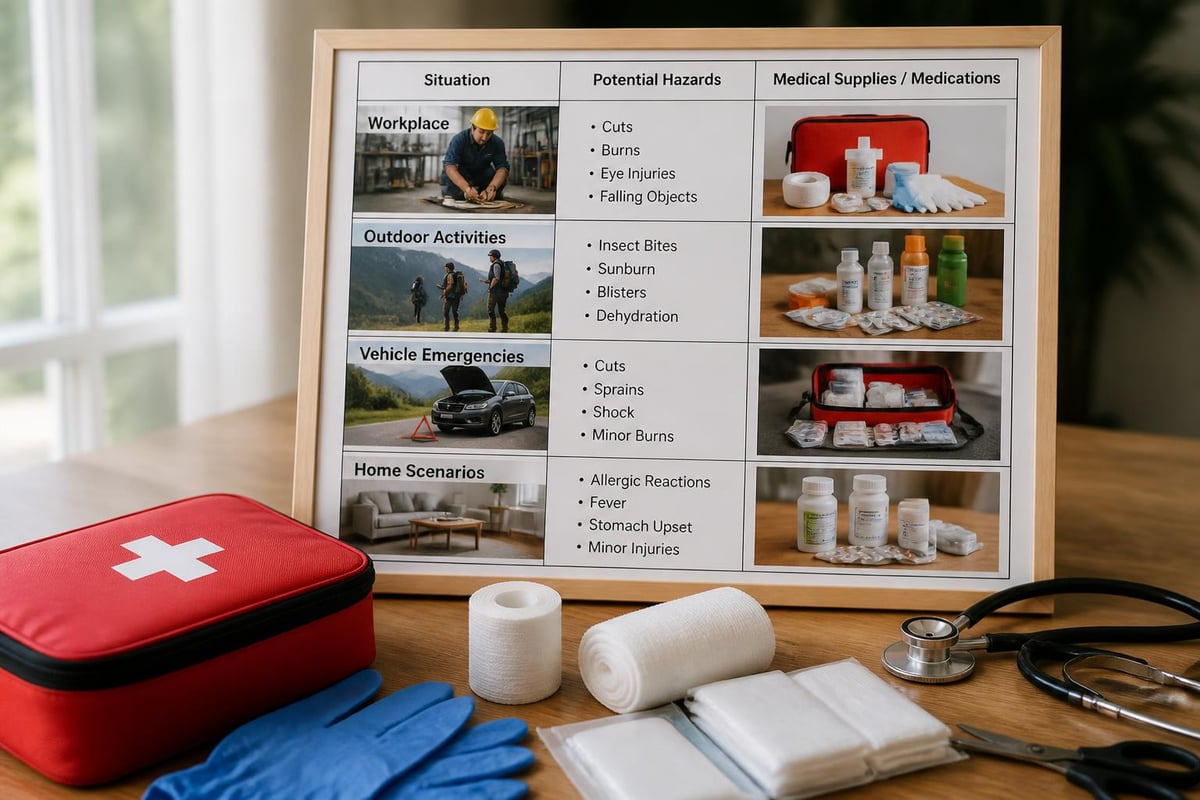
Different environments present unique medical challenges that require tailored first aid med selections. Workplace settings, outdoor recreation areas, vehicles, and home environments each demand specific consideration when building emergency medical supplies.
Workplace First Aid Med Requirements
Commercial and industrial settings face regulatory obligations regarding first aid supplies. OSHA medical first aid requirements specify minimum standards based on workforce size, hazard exposure, and proximity to medical facilities.
Manufacturing environments with machinery hazards need robust trauma supplies including tourniquets, large absorbent dressings, and eye wash stations. Office settings may prioritize burn treatments, cardiac emergency supplies, and basic wound care. Understanding these distinctions ensures commercial first aid kits meet both legal requirements and practical needs.
Outdoor and Remote Location Med Supplies
Remote environments demand self-sufficiency since professional medical assistance may be hours away. First aid med for wilderness, camping, and backcountry activities must address extended care scenarios while remaining portable.
Wilderness First Aid Med Priorities:
- Extended wound care supplies for multi-day treatment
- Blister prevention and treatment materials
- Insect bite and sting remedies
- Hypothermia and hyperthermia management tools
- Snake bite protocols and extraction equipment
Those preparing camping emergency kits should consider environmental factors like temperature extremes, water availability, and evacuation distances when selecting medications and supplies. Certain pharmaceuticals degrade rapidly in heat, requiring specialized storage solutions for hot-climate expeditions.
Medication Storage and Expiration Management
Maintaining first aid med effectiveness requires rigorous attention to storage conditions, expiration dates, and replacement protocols. Even the most comprehensive medical kit becomes useless if medications have degraded or supplies have expired.
Environmental Factors Affecting Med Stability
Temperature fluctuations represent the primary threat to pharmaceutical stability. Most first aid med performs optimally when stored between 59-77°F (15-25°C). Exposure to extreme heat accelerates chemical breakdown, particularly in epinephrine auto-injectors, liquid medications, and certain topical ointments.
Humidity creates additional challenges. Moisture infiltration can compromise sterile packaging, promote bacterial growth in ointments, and reduce adhesive effectiveness in bandages and wound closures. Medical supplies designed for portability often incorporate waterproof containers and individual packaging to combat these environmental threats.
Systematic Rotation and Replacement
Professional emergency responders implement quarterly inventory checks to ensure first aid med remains current and functional. This systematic approach prevents the dangerous scenario of discovering expired medications during an actual emergency.
Inspection Schedule Framework:
- Monthly: Visual inspection of kits for damage or tampering
- Quarterly: Detailed inventory with expiration date verification
- Annually: Complete replacement of consumables approaching expiration
- Bi-annually: Comprehensive audit and kit reconfiguration
Creating a tracking system for expiration dates prevents waste while ensuring readiness. Many organizations use color-coded labels indicating expiration quarters, allowing quick visual assessment during routine checks. Digital inventory systems can send automated alerts for upcoming expirations.
Advanced First Aid Med Applications
Beyond basic consumer first aid, advanced medical interventions require specialized knowledge and high-quality equipment. These techniques bridge the gap between layperson response and professional emergency medical services.
Tourniquet Application and Limb Preservation
Proper tourniquet use represents one of the most significant advances in civilian emergency medicine. Understanding when to remove a tourniquet is equally critical as knowing when to apply one, as improper removal can trigger life-threatening complications.
Modern tourniquets like the Combat Application Tourniquet (CAT) incorporate time-proven designs with user-friendly mechanisms. The device converts to a one-handed application system, critical when the responder is also the casualty or when treating multiple victims simultaneously.
| Tourniquet Type | Application Speed | Training Required | Effectiveness Rate |
|---|---|---|---|
| Windlass (CAT) | 30-45 seconds | Moderate | 98% success |
| Ratcheting | 60-90 seconds | Minimal | 94% success |
| Pneumatic | 45-60 seconds | Advanced | 96% success |
| Improvised | 2-5 minutes | Extensive | 60-70% success |
Hemostatic Agent Deployment
Combat-proven hemostatic agents have transitioned from battlefield medicine to civilian emergency care. These specialized gauzes contain minerals or biological compounds that accelerate natural clotting processes, stopping hemorrhage that would overwhelm traditional pressure dressings.
Application requires proper wound packing technique. The responder must identify the bleeding source, pack hemostatic gauze directly into the wound cavity, and maintain firm pressure for three to five minutes while clotting initiates. MedlinePlus first aid resources provide detailed guidance on advanced bleeding control techniques appropriate for trained responders.
Hemostatic Agent Selection Criteria:
- Active ingredient (kaolin vs. chitosan vs. zeolite)
- Temperature stability for storage environments
- Shelf life and replacement costs
- Removal difficulty during surgical debridement
- Compatibility with imaging equipment (x-ray visibility)
Building Comprehensive First Aid Med Kits
Assembling effective first aid med collections requires strategic planning that balances comprehensiveness with portability, cost with quality, and standardization with customization for specific needs.
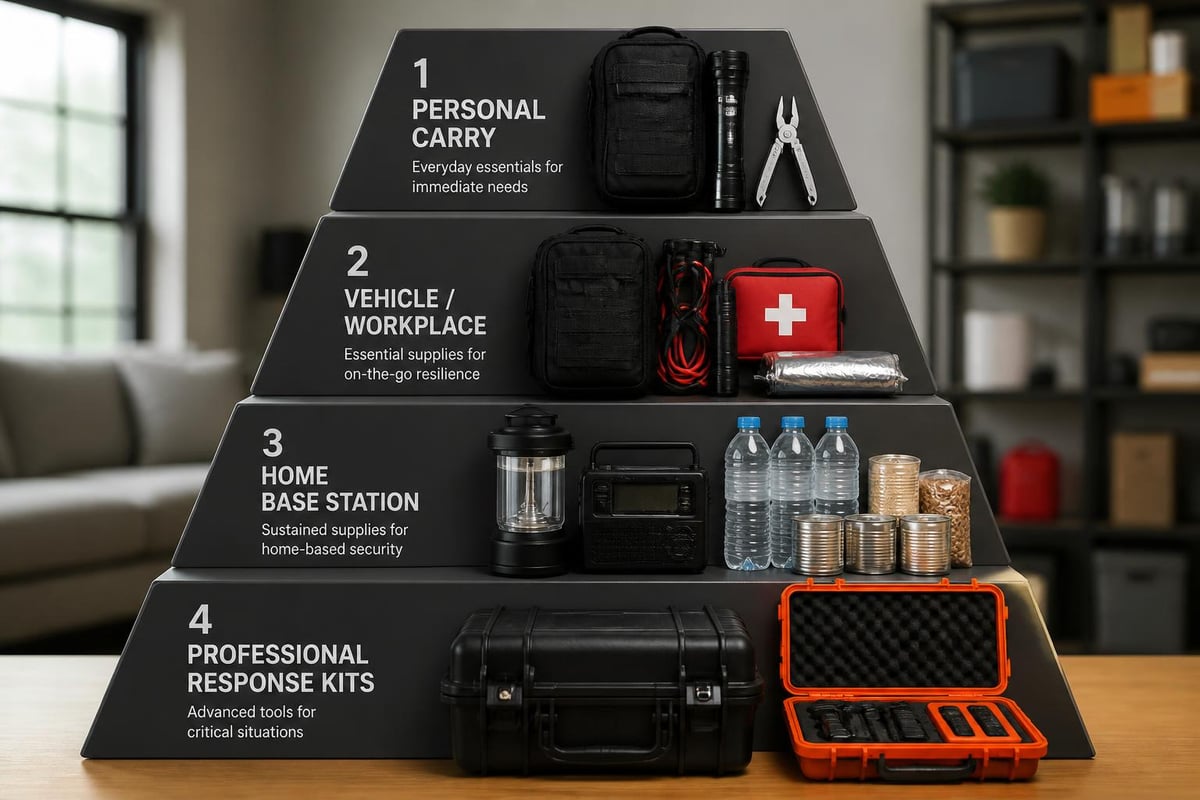
Tiered Kit System Approach
Professional preparedness experts recommend maintaining multiple first aid med kits scaled to different scenarios. This tiered approach ensures appropriate resources without unnecessary bulk or expense.
Level 1: Personal Carry Kit Compact supplies for immediate access during daily activities. Contains adhesive bandages, antiseptic wipes, pain relievers, and antihistamines. Fits in pockets, purses, or vehicle glove compartments.
Level 2: Vehicle/Workplace Kit Expanded supplies for treating multiple casualties or extended care scenarios. Includes trauma dressings, splinting materials, CPR barriers, and expanded medication selections. Emergency first aid boxes at this level meet most regulatory workplace requirements.
Level 3: Home/Base Station Kit Comprehensive medical supplies supporting family needs during extended emergencies or natural disasters. Contains prescription medication reserves, advanced wound care, diagnostic tools like thermometers and blood pressure cuffs, and supplies for chronic condition management.
Level 4: Professional Response Kit Advanced life-saving equipment including airway management tools, intravenous supplies (where legally permissible), extensive trauma management gear, and specialized medications. Requires professional training for proper deployment.
Quality Standards and Certification
Not all first aid med meets the same quality standards. Professional-grade supplies undergo rigorous testing and certification processes that consumer-grade products may bypass. The American Red Cross's first aid guidance emphasizes using approved medical devices that meet established safety standards.
FDA approval for medical devices ensures products meet minimum safety and effectiveness criteria. Supplies manufactured according to ISO 13485 quality management standards demonstrate commitment to consistent production processes. These certifications matter particularly for critical items like tourniquets, chest seals, and hemostatic agents where device failure can prove fatal.
Training and First Aid Med Proficiency
Even the most comprehensive first aid med collection provides little benefit without proper training. Understanding how and when to deploy specific medications and devices separates theoretical preparedness from practical lifesaving capability.
Certification Programs and Skill Maintenance
Multiple organizations offer first aid certification at various levels. Basic courses cover fundamental wound care, CPR, and common medical emergencies. Advanced programs address trauma management, wilderness medicine, and tactical casualty care.
Recommended Training Pathways:
- Basic First Aid/CPR certification (renewal every 2 years)
- Wilderness First Responder for outdoor enthusiasts (renewal every 3 years)
- Stop the Bleed for hemorrhage control (one-time course with practice refreshers)
- Tactical Combat Casualty Care for security professionals (annual renewal)
- Emergency Medical Responder for comprehensive pre-hospital care (state-dependent requirements)
Skills deteriorate without regular practice. Understanding CPR protocols requires hands-on practice with proper feedback devices, not just theoretical knowledge. Similarly, tourniquet application demands physical repetition to build muscle memory for high-stress deployment.
Scenario-Based Practice Integration
Effective training incorporates realistic scenario practice that replicates the stress, uncertainty, and chaos of actual emergencies. Static classroom learning must transition to dynamic, hands-on application using actual first aid med from your kits.
Practice scenarios should progressively increase in complexity. Start with single-casualty, single-injury situations, then advance to multiple casualties, environmental complications, and limited resource scenarios. This graduated approach builds confidence while identifying gaps in both skills and supplies.
Regulatory Compliance and Documentation
Organizations maintaining first aid med supplies face various regulatory requirements depending on industry, location, and employee count. Compliance extends beyond simply having supplies to proper documentation, training records, and incident reporting.
OSHA and Industry-Specific Requirements
Federal OSHA regulations establish baseline requirements for workplace first aid, but many states enforce more stringent standards. High-hazard industries like construction, manufacturing, and chemical processing face additional scrutiny regarding first aid preparedness.
Documentation requirements typically include:
- Initial kit inventory with purchase dates
- Monthly inspection logs signed by responsible parties
- Training certificates for designated first aid providers
- Incident reports detailing first aid med usage
- Replacement and restocking records
Medical Direction and Standing Orders
Advanced first aid med interventions may require medical oversight, particularly for supplies like epinephrine auto-injectors or hemostatic agents. Some jurisdictions mandate physician medical direction for non-medical personnel deploying certain treatments.
Standing orders provide pre-authorized treatment protocols under a physician's license. These legal documents specify when and how first aid providers can administer particular medications or interventions, offering liability protection while ensuring appropriate care standards.
Cost Management and Resource Allocation
Building and maintaining comprehensive first aid med supplies requires significant financial investment. Strategic purchasing, bulk ordering, and prioritized allocation ensure maximum preparedness within budget constraints.
Balancing Quality and Economy
Premium first aid med typically offers superior performance, longer shelf life, and better reliability than budget alternatives. However, cost constraints require careful evaluation of where premium products justify their price premium.
Investment Priority Matrix:
- High Priority/High Cost: Tourniquets, hemostatic agents, chest seals, epinephrine auto-injectors
- High Priority/Low Cost: Gauze, bandages, gloves, antiseptics
- Medium Priority/Variable Cost: Splints, cold packs, burn dressings, diagnostic tools
- Low Priority/Discretionary: Convenience items, redundant supplies, specialty medications
Bulk purchasing through reputable suppliers offers significant savings for organizations maintaining multiple kits or large facilities. Exploring complete first aid kits from professional suppliers often proves more economical than assembling individual components, particularly when factoring in time spent researching and sourcing items.
Grant Funding and Community Resources
Many communities offer grant programs supporting emergency preparedness initiatives. Fire departments, public health agencies, and nonprofit foundations frequently provide funding for first aid med supplies, training programs, and equipment upgrades.
Collaborative purchasing arrangements between multiple organizations can leverage collective buying power for better pricing. Schools, churches, civic organizations, and businesses within communities can coordinate bulk orders, sharing both costs and quantity discounts.
Special Populations and Customized Med Solutions
Standard first aid med kits require modification to address the unique needs of specific populations. Pediatric, geriatric, and individuals with chronic medical conditions all benefit from customized supply configurations.
Pediatric First Aid Considerations
Children require adjusted medication dosages, alternative delivery methods, and age-appropriate equipment sizing. Standard adult supplies often prove inadequate or even dangerous for pediatric casualties.
Pediatric-Specific Modifications:
- Weight-based medication dosing charts and calculators
- Smaller bandages and dressings for appropriate body proportions
- Pediatric-sized airway management devices
- Child-appropriate pain medication formulations
- Specialized thermometers for infant temperature assessment
Parents and caregivers should consider newborn-specific first aid supplies that address common infant emergencies like choking, fever management, and minor injury care.
Chronic Condition Support Supplies
Individuals with diabetes, severe allergies, asthma, or cardiac conditions require supplemental first aid med beyond standard emergency supplies. These additions support ongoing condition management while preventing emergencies from escalating.
Diabetic emergency supplies should include fast-acting glucose sources, glucagon emergency kits, and blood glucose monitoring equipment. Cardiac patients benefit from aspirin, prescribed nitroglycerin, and automated external defibrillators (AEDs) in workplace or public settings.
Integration With Emergency Action Plans
First aid med supplies represent just one component of comprehensive emergency preparedness. Effective response requires integration with communication systems, evacuation procedures, and coordination with professional emergency services.
Communication and Activation Protocols
Clear protocols for activating emergency medical services prevent dangerous delays during critical incidents. First aid providers must understand when situations exceed their training and equipment capabilities, requiring professional intervention.
Emergency Activation Decision Points:
- Uncontrolled bleeding despite proper interventions
- Compromised airway or breathing difficulties
- Altered mental status or loss of consciousness
- Suspected spinal injuries or major trauma
- Chest pain or suspected cardiac events
- Severe allergic reactions requiring epinephrine
Transition of Care Documentation
When professional emergency services arrive, effective handoff communication ensures continuity of care. First aid providers should document interventions performed, medications administered, and patient status changes during their care period.
Simple documentation tools include triage tags, casualty cards, or smartphone apps designed for emergency medical documentation. Recording treatment times, particularly for tourniquets and hemostatic agents, provides critical information for hospital trauma teams.
Understanding and properly equipping yourself with the right first aid med makes you a valuable asset during emergencies, whether at home, work, or in your community. The knowledge you've gained about selection criteria, storage requirements, and proper application techniques creates a foundation for confident emergency response when seconds count. Medical Gear Outfitters provides paramedic-vetted first aid supplies and the expert guidance needed to build comprehensive emergency medical kits tailored to your specific environment and skill level. From basic consumer kits to professional trauma supplies, our team ensures you're equipped not just with products, but with the knowledge to use them effectively when someone's life depends on it.

