First Aid Kit Necessities: Essential Supplies Guide
When emergencies strike, having the right supplies within reach can mean the difference between a minor inconvenience and a life-threatening situation. Whether you're preparing a kit for your home, vehicle, workplace, or outdoor adventures, understanding first aid kit necessities ensures you're ready to respond effectively when seconds count. Drawing from paramedic expertise and emergency response standards, this guide breaks down the essential items every comprehensive first aid kit should contain and explains why each component matters in real-world scenarios.
Core Wound Care Supplies
Every well-equipped first aid kit begins with comprehensive wound care materials. These supplies address the most common injuries you'll encounter, from minor cuts and scrapes to more serious lacerations requiring immediate attention.
Bandages and Dressings
Adhesive bandages in multiple sizes form the foundation of basic wound care. Stock various sizes from small fingertip bandages to larger strips that can cover knuckles and larger abrasions. Sterile adhesive bandages provide the barrier protection needed to prevent infection while wounds heal.
Beyond basic bandages, include these critical dressing materials:
- Gauze pads in 2x2, 3x3, and 4x4 inch sizes for cleaning wounds and applying pressure
- Rolled gauze for securing dressings and wrapping injuries
- Trauma dressings for larger wounds requiring substantial coverage
- Non-adherent pads that won't stick to wounds during dressing changes
The Cleveland Clinic outlines the importance of having a well-stocked first aid kit with proper wound care supplies that address injuries of varying severity. Understanding how to properly apply these materials ensures effective wound management in emergency situations.
Securing and Protecting Materials
Medical tape serves multiple purposes in first aid applications. First aid paper tape provides gentle adhesion for sensitive skin while maintaining secure dressing placement. Include both paper tape for routine use and stronger cloth or plastic tape for situations requiring more robust adhesion.
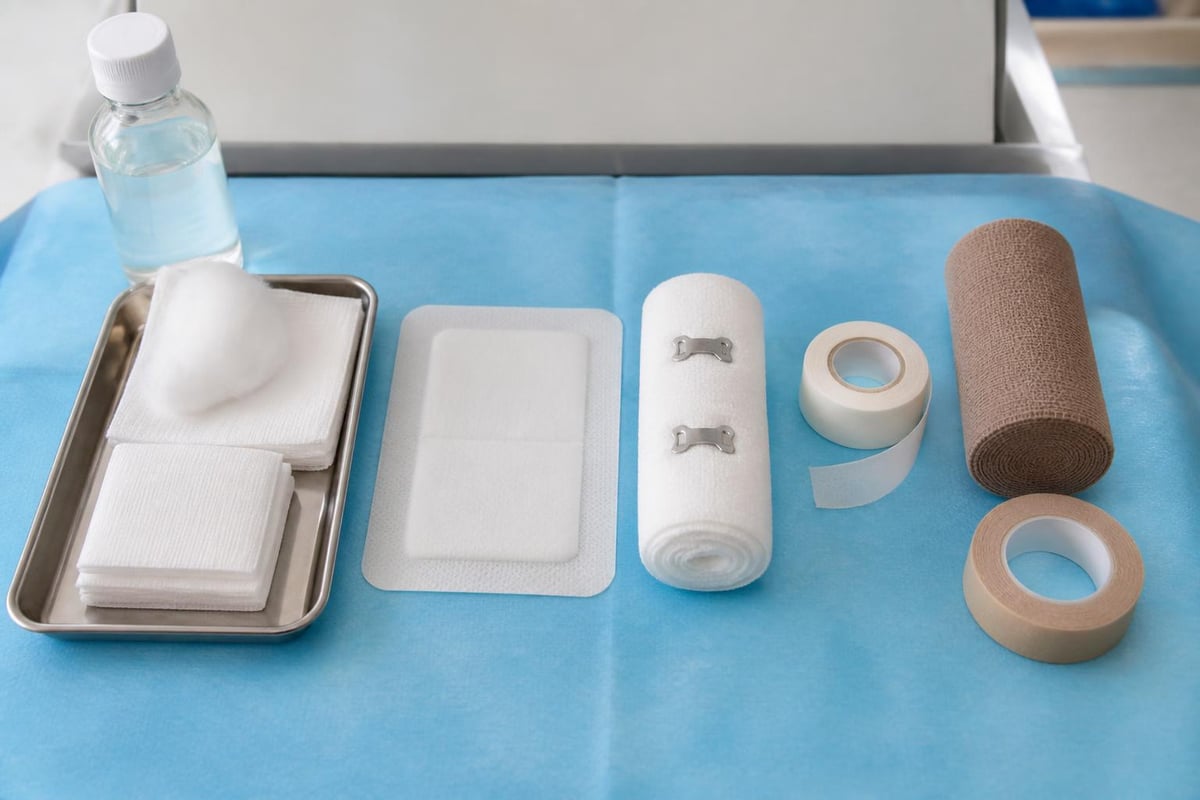
Additional protective materials include elastic bandages for compression and support, triangular bandages for slings and larger wrapping applications, and finger splints for stabilizing minor fractures or sprains. These items transform a basic kit into a comprehensive wound management system.
Trauma and Hemorrhage Control
Life-threatening bleeding requires immediate intervention. Professional-grade trauma supplies distinguish a basic first aid kit from one capable of handling critical emergencies until advanced medical help arrives.
Tourniquets and Hemostatic Agents
Modern tourniquets represent one of the most significant advances in hemorrhage control. The Gen-7 Combat Application Tourniquet has proven effectiveness in controlling severe limb bleeding when properly applied. Every comprehensive kit should include at least one quality tourniquet, and having a CAT trainer allows you to practice proper application techniques.
Hemostatic gauze provides an additional tool for controlling bleeding in areas where tourniquets cannot be applied. These specialized dressings contain agents that accelerate clotting, making them invaluable for penetrating injuries to the torso, neck, or junction areas where limbs meet the body.
| Hemorrhage Control Tool | Primary Application | Time to Effectiveness |
|---|---|---|
| Tourniquet | Severe limb bleeding | 30-60 seconds |
| Hemostatic Gauze | Non-compressible wounds | 3-5 minutes |
| Pressure Dressings | Moderate bleeding control | 5-10 minutes |
| Compression Bandages | Venous bleeding | Variable |
Understanding how to stop a major bleed and avoiding common errors can mean the difference between life and death in trauma situations. These skills complement the equipment in your kit.
Chest Seals and Occlusive Dressings
Penetrating chest injuries create unique medical emergencies requiring specialized equipment. Chest seals prevent air from entering the chest cavity through wounds while allowing trapped air to escape. Including both vented and non-vented chest seals in your trauma kit provides options for different injury patterns.
Medications and Topical Treatments
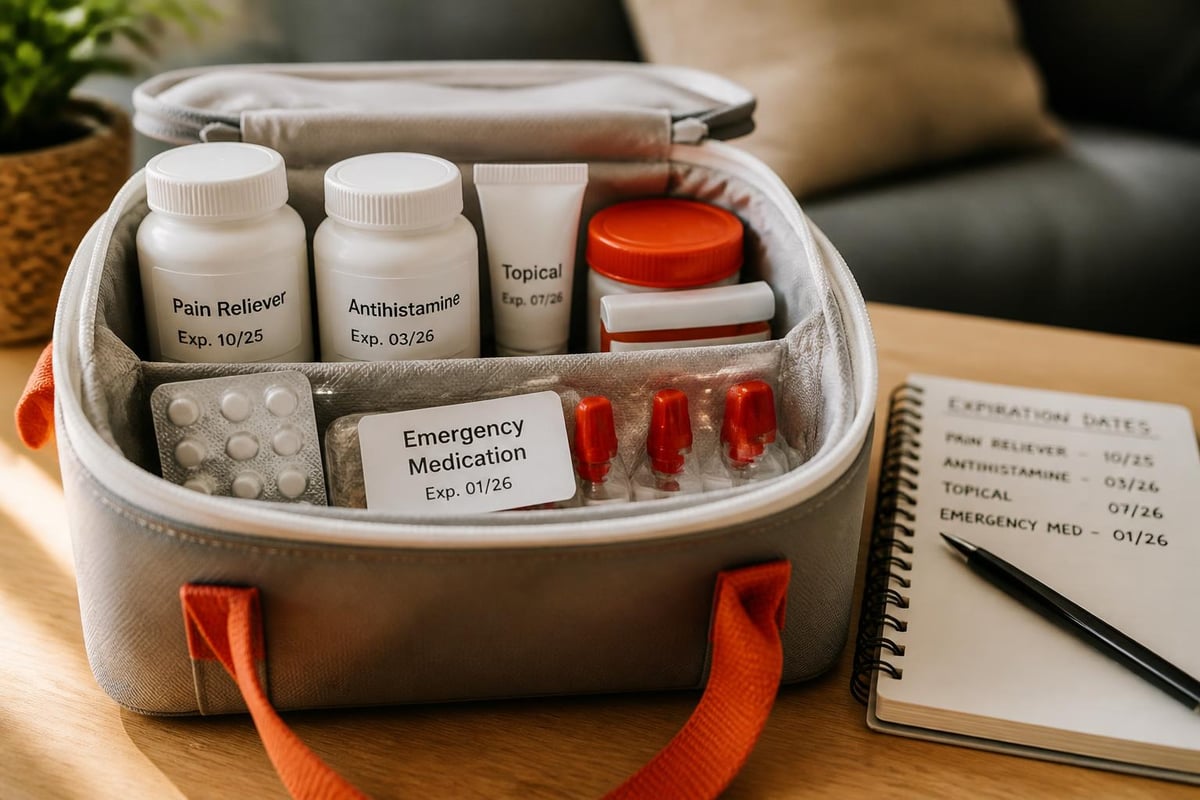
A comprehensive selection of medications addresses pain, allergic reactions, infections, and common ailments. These pharmaceutical first aid kit necessities should be regularly checked and replaced before expiration dates pass.
Over-the-Counter Pain Relief and Fever Reducers
Stock multiple types of pain relievers to accommodate different needs and potential allergies:
- Acetaminophen for pain and fever without anti-inflammatory effects
- Ibuprofen for pain, fever, and inflammation
- Aspirin for pain relief and potential cardiac event response
- Antihistamines for allergic reactions and insect stings
The Merck Manual lists basic first aid supplies including these medications as essential components, emphasizing the importance of having options available for various situations.
Topical Antibiotics and Skin Treatments
Preventing infection starts with proper wound cleaning and topical treatment. Include antibiotic ointment or cream in individual packets or tubes, antiseptic wipes or solution for cleaning wounds, and hydrocortisone cream for rashes and minor skin irritations.
Burn treatments deserve special attention. Include burn gel or spray designed specifically for thermal injuries, as improper burn treatment can worsen tissue damage. Never apply butter, ice, or other home remedies that lack medical validation.
Tools and Equipment
The right tools enable effective use of your first aid supplies. These instruments and devices transform raw materials into functional medical interventions.
Cutting and Extraction Tools
- Trauma shears for cutting clothing, seatbelts, and other materials away from injuries
- Tweezers for splinter removal and foreign object extraction
- Safety pins for securing bandages and creating makeshift slings
- Scissors for cutting tape, gauze, and dressings to appropriate sizes
High-quality trauma shears cut through tough materials including leather, denim, and synthetic fabrics without difficulty. This capability proves essential when assessing injuries hidden beneath clothing layers.
Assessment and Monitoring Devices
Thermometers allow fever monitoring and help identify infections or other complications. Digital thermometers provide quick, accurate readings without the fragility concerns of traditional glass thermometers.
Disposable gloves protect both the caregiver and patient from cross-contamination. Include multiple pairs in various sizes, as gloves may tear during use or multiple people may need to provide care. Nitrile gloves offer excellent protection while accommodating latex allergies.
Additional monitoring tools found in portable medical kits include blood pressure cuffs, pulse oximeters, and glucose testing supplies for those managing chronic conditions.
Environmental and Survival Items
Environmental factors create unique medical challenges. These first aid kit necessities address exposure, temperature regulation, and extended emergency situations.
Temperature Management
Emergency blankets prevent hypothermia in shock victims, accident survivors, or anyone exposed to cold conditions. These lightweight, compact thermal blankets reflect body heat while protecting from wind and moisture.
Cold packs provide immediate treatment for sprains, strains, and closed injuries where reducing swelling improves outcomes. Instant chemical cold packs activate without refrigeration, making them ideal for field use.
Hydration and Sustenance
Extended emergencies may require sustained first aid efforts. Include water purification tablets or filtration devices, electrolyte replacement packets for dehydration treatment, and glucose tablets for diabetic emergencies or energy supplementation.
Specialized Kit Configurations
Different environments and activities demand customized first aid approaches. Tailoring your kit to specific scenarios ensures you have relevant supplies when and where you need them.
Home and Family Kits
Residential kits should accommodate the entire household, including children and elderly family members. MedlinePlus provides an overview of essential items for a home first aid kit, emphasizing medications, bandages, and home health equipment appropriate for family use.
Consider these family-specific additions:
- Children's medication formulations with appropriate dosing information
- Prescription medication backup for critical conditions
- Contact information for family physicians and emergency contacts
- Medical history cards for each family member
Workplace and Commercial Applications
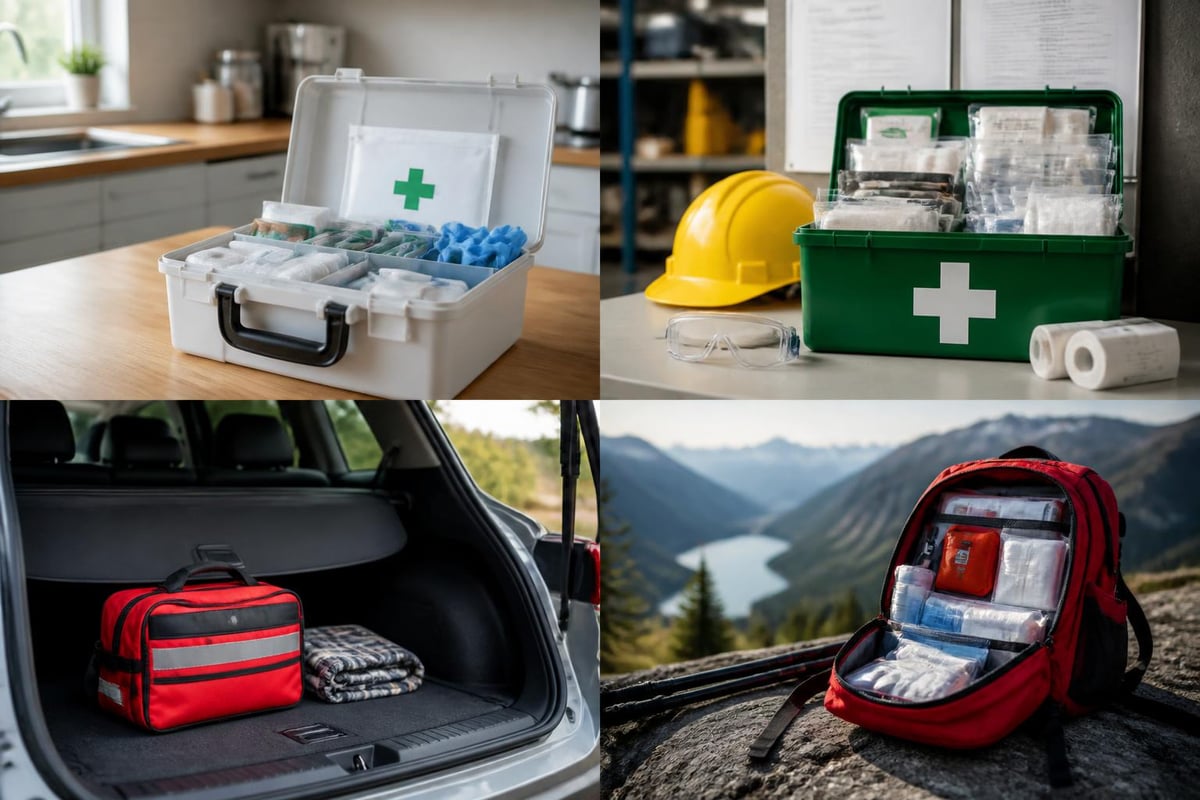
Commercial first aid kits must meet regulatory requirements while addressing industry-specific hazards. Construction sites need eye wash solutions and burn treatments, office environments require basic wound care and cardiac emergency supplies, and manufacturing facilities demand equipment for chemical exposures and machinery accidents.
Workplace kits often benefit from multiple smaller kits positioned throughout facilities rather than a single central location. This distribution ensures rapid access regardless of where incidents occur.
Vehicle and Travel Kits
Automotive emergencies combine trauma risk with environmental exposure. Portable medical kits designed for vehicles should withstand temperature extremes while remaining compact enough for practical storage.
| Kit Type | Primary Contents | Storage Location |
|---|---|---|
| Vehicle Emergency | Trauma supplies, blankets, flares | Trunk or rear cargo area |
| Glove Box Basic | Bandages, pain relief, minor wound care | Passenger compartment |
| Travel/Hiking | Lightweight supplies, blister care, snake bite kit | Backpack or day pack |
Specialized outdoor kits may include snake bite kits for regions with venomous species, altitude sickness medications for mountain activities, or marine-specific supplies for boating excursions.
Organization and Maintenance Systems
Even the most comprehensive collection of supplies proves ineffective if you cannot locate needed items quickly. Systematic organization and regular maintenance keep your kit functional when emergencies occur.
Storage and Accessibility
Choose containers with these characteristics:
- Clear compartmentalization allowing quick visual identification
- Water resistance protecting contents from moisture damage
- Durability withstanding rough handling and environmental stress
- Portability enabling transport to the emergency location
The FatPack 4x6 Gen-2 represents professional-grade storage designed specifically for emergency medical supplies. Quality bags feature MOLLE compatibility, multiple compartments, and clear labeling systems.
Inventory and Expiration Management
Establish a regular inspection schedule, checking kits quarterly at minimum. During each inspection:
- Verify all supplies remain sealed and sterile
- Check medication expiration dates
- Replace used or missing items immediately
- Update emergency contact information
- Test battery-operated devices
Create an inventory checklist specific to your kit configuration. This documentation ensures consistent restocking and helps identify usage patterns that may indicate needed adjustments to your supply selections.
Training and Knowledge Integration
Supplies alone do not constitute preparedness. Understanding how to use first aid kit necessities effectively requires education and practice. Even basic training dramatically improves outcomes in emergency situations.
Essential Skills Development
Focus training efforts on these high-impact competencies:
- CPR and AED use for cardiac emergencies
- Bleeding control including tourniquet application
- Wound cleaning and dressing to prevent infection
- Shock recognition and treatment for trauma victims
- Spinal injury precautions when moving victims
Many organizations offer certification courses that combine knowledge with hands-on practice. These structured programs ensure competency across a range of emergency scenarios.
Information Resources and References
Include written guides within your first aid kit. Quick reference cards or compact manuals provide step-by-step instructions when stress impairs recall. Digital resources, including FirstAidQA datasets, support AI applications that may assist in emergency response, though traditional knowledge remains paramount.
Consider creating custom instruction sheets for specialized equipment in your kit, particularly items like tourniquets or hemostatic agents that require specific application techniques for effectiveness.
Integration with Professional Response
First aid represents initial intervention, not replacement for professional medical care. Understanding how your efforts fit within the broader emergency response system optimizes outcomes.
Documentation and Handoff
When professional responders arrive, provide clear information:
- Time of injury and initial symptoms
- Treatments administered including medications given
- Changes in condition since injury occurred
- Known allergies or medical conditions of the patient
This continuity of care allows paramedics and emergency physicians to make informed decisions without duplicating assessments or risking medication interactions.
Recognizing Limitations
Know when situations exceed first aid capabilities. Severe trauma, chest pain, difficulty breathing, altered consciousness, and severe allergic reactions all require immediate professional intervention. Your role involves stabilization and rapid activation of emergency medical services, not definitive treatment.
Understanding these boundaries prevents delays in critical care while ensuring you provide maximum benefit within your scope of knowledge and available resources. Even those with extensive equestrian backgrounds, such as riders familiar with mens equestrian clothing and barn safety, benefit from recognizing when veterinary or human medical emergencies require professional intervention beyond field first aid.
Advanced Considerations for Comprehensive Preparedness
Moving beyond basic requirements, advanced preparedness addresses extended emergency scenarios and specialized medical needs that may arise in remote locations or during disasters.
Extended Care Scenarios
Natural disasters, remote expeditions, or infrastructure failures may delay professional medical response for hours or days. These situations require expanded supplies including prescription medications for chronic conditions, suture kits for wound closure in extreme circumstances, IV fluids for severe dehydration, and comprehensive surgical kits for trained medical professionals.
While these advanced supplies exceed typical first aid kit necessities, they prove invaluable in scenarios where professional care remains unavailable. Training requirements increase proportionally with equipment sophistication, making education investments as important as supply purchases.
Multi-Hazard Planning
Comprehensive preparedness accounts for regional and situational risks. Coastal areas need marine envenomation treatments, industrial zones require chemical exposure protocols, and properties requiring maintenance by contractors such as those specializing in roofing services should stock fall trauma and heat illness supplies.
Conducting risk assessments for your specific environment identifies gaps in standard kit configurations. This analysis ensures your first aid kit necessities align with realistic threat scenarios rather than generic checklists that may omit critical local considerations.
Building and maintaining comprehensive first aid capabilities requires thoughtful selection of supplies, systematic organization, ongoing training, and regular maintenance. Whether you're assembling a basic first aid box for your home or configuring a complete med kit for professional use, having the right first aid kit necessities ensures you're prepared to respond effectively when emergencies occur. Medical Gear Outfitters provides paramedic-selected supplies, expert guidance, and the training resources you need to transform equipment into life-saving capability-because in emergencies, preparation makes all the difference.

