
Adhesive Plastic Bandages: Complete Guide for 2026
Every first aid kit begins with a simple yet essential component that has saved countless minor injuries from becoming complicated problems. Adhesive plastic bandages represent the frontline defense against everyday cuts, scrapes, and abrasions that medical professionals and civilians encounter daily. These versatile wound care products have evolved significantly since their invention, incorporating advanced materials and improved adhesive technologies to provide better protection and comfort. Understanding the science, selection criteria, and proper application of these essential supplies ensures you're prepared to respond effectively when injuries occur.
Understanding Adhesive Plastic Bandage Construction
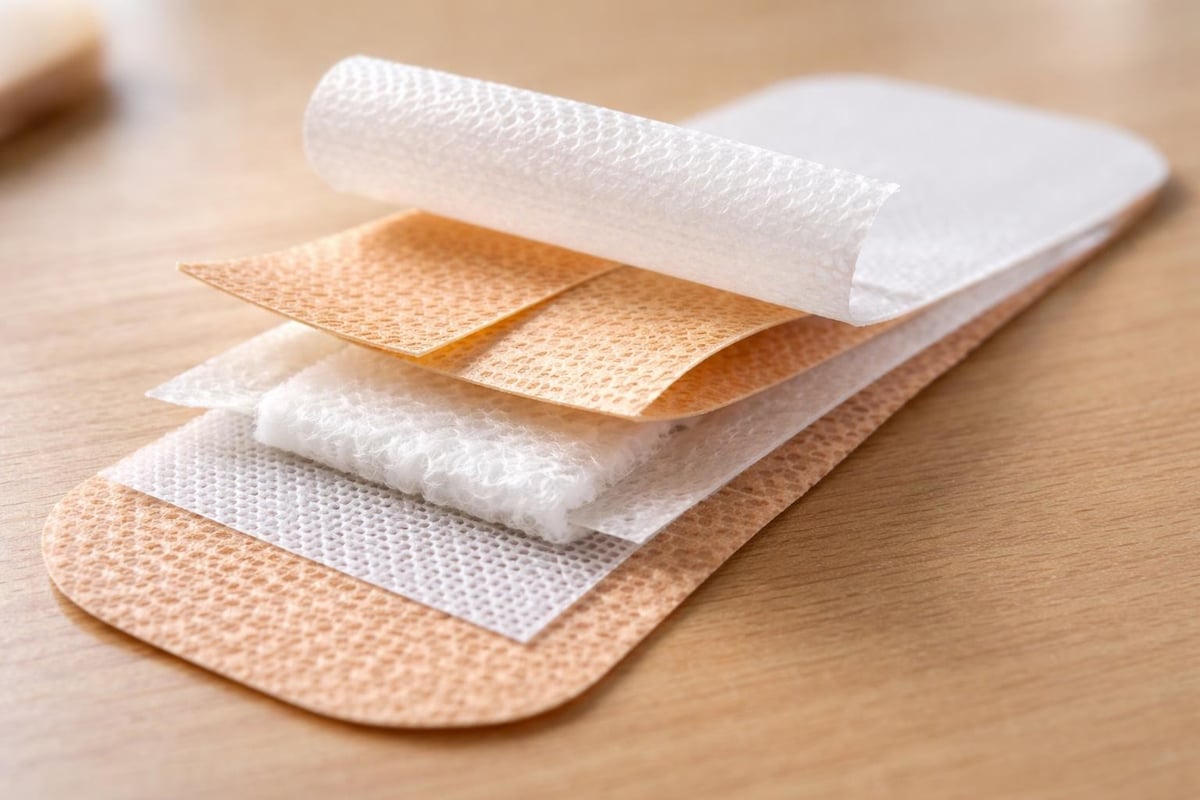
Modern adhesive plastic bandages consist of three primary components working together to protect wounds and promote healing. The outer protective layer shields the wound from external contaminants, while the absorbent pad cushions the injury and absorbs any discharge. The adhesive backing secures the entire assembly to the skin, maintaining consistent wound coverage throughout the healing process.
Material Composition and Innovation
The protective backing of adhesive plastic bandages typically consists of flexible plastic materials designed to allow skin movement while maintaining coverage. Manufacturers now incorporate breathable materials that permit air circulation, which accelerates healing and reduces moisture buildup that can compromise skin integrity.
Key material advancements include:
- Hypoallergenic adhesives that minimize skin irritation
- Latex-free options for individuals with sensitivities
- Waterproof coatings that maintain adhesion during washing
- Antimicrobial treatments that reduce infection risk
- Transparent materials for discreet wound protection
The absorbent pad contains non-adherent materials that prevent the bandage from sticking to the wound surface. This design choice significantly reduces pain during removal and protects newly formed tissue from disruption. Some advanced versions incorporate wound healing accelerators or antiseptic compounds directly into the pad material.
Types and Classifications for Different Applications
Adhesive plastic bandages come in numerous configurations designed for specific wound types and body locations. The American Red Cross emphasizes the importance of maintaining variety in your first aid supplies to address different emergency scenarios effectively.
Standard Strip Bandages
The most common adhesive plastic bandages feature a rectangular design measuring approximately one inch by three inches. These versatile strips handle most minor cuts and scrapes on flat body surfaces. Their straightforward application and reliable performance make them the foundation of any comprehensive first aid kit.
Standard strips typically come in three sizes:
- Small (typically 3/4" x 3") for fingertips and minor cuts
- Medium (1" x 3") for general-purpose wound coverage
- Large (1" x 4") for extended abrasions or longer cuts
Specialty Configuration Bandages
Different body areas and wound types require specially designed adhesive plastic bandages that accommodate unique anatomical challenges.
| Bandage Type | Primary Use | Key Features |
|---|---|---|
| Fingertip | Finger injuries | Wrap-around design, extra flexibility |
| Knuckle | Joint coverage | H-shaped for movement accommodation |
| Butterfly | Deep cuts requiring closure | Pulls wound edges together |
| Spot | Small punctures, blisters | Circular design, minimal adhesive area |
| Extra-large | Extensive scrapes | Maximum coverage area |
Fingertip and knuckle adhesive plastic bandages feature specialized shapes that conform to difficult-to-cover areas. These designs maintain adhesion despite constant movement and flexing that would dislodge standard strips.
Selection Criteria for Professional and Personal Use
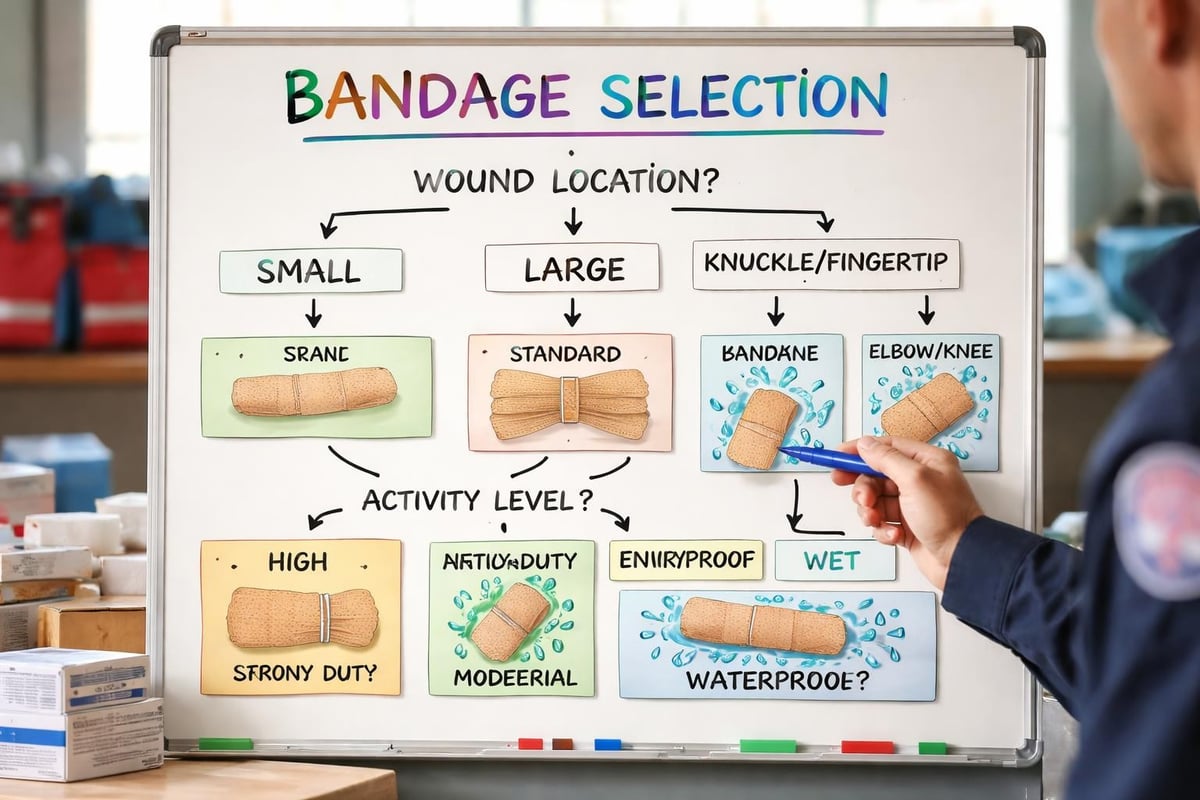
Choosing appropriate adhesive plastic bandages requires evaluating several factors that affect performance and user satisfaction. Medical professionals and prepared civilians alike must consider these elements when equipping their first aid supplies.
Adhesive Strength and Skin Compatibility
The adhesive formulation determines how well bandages stay in place and how they affect skin health. Strong adhesion prevents premature dislodgement during activity, but excessively aggressive adhesives can damage sensitive skin or leave residue upon removal.
Adhesive considerations include:
- Skin sensitivity level of potential users
- Expected activity level while wearing
- Duration of anticipated wear time
- Environmental conditions (humidity, water exposure)
- Age of primary users (children, elderly)
Testing different brands reveals significant variation in adhesive performance. Some formulations excel in wet conditions, while others prioritize gentle removal for sensitive skin. Understanding your specific requirements helps identify the optimal balance between security and comfort.
Pad Absorbency and Non-Adherence
The central pad must absorb wound discharge without becoming saturated, which could compromise the seal and allow bacteria entry. Non-adherent pad surfaces prevent the bandage from bonding to the wound, facilitating pain-free removal and protecting healing tissue.
Premium adhesive plastic bandages incorporate advanced pad technologies that wick moisture away from the wound surface while maintaining a slightly moist healing environment. This balance promotes faster healing compared to traditional dry wound care methods.
Proper Application Techniques for Maximum Effectiveness
Correct application of adhesive plastic bandages significantly impacts their protective capability and healing promotion. Following established protocols ensures optimal wound care outcomes in both emergency and routine situations.
Pre-Application Wound Preparation
Before applying any adhesive plastic bandage, proper wound cleaning removes contaminants that could cause infection. This critical step requires careful attention to technique and appropriate cleaning agents.
- Wash your hands thoroughly or use medical gloves
- Rinse the wound with clean water to remove visible debris
- Gently clean around the injury with mild soap
- Pat the area dry with a clean cloth or sterile gauze
- Apply antiseptic if appropriate for the wound type
- Allow the skin to dry completely before bandage application
Moisture on the skin compromises adhesive bonding, leading to premature bandage failure. Taking time to ensure complete dryness prevents this common application error. Understanding basic first aid protocols improves your response effectiveness in emergency situations.
Application and Securing Methods
Proper bandage placement maximizes coverage while minimizing adhesive waste and ensuring comfortable wear. The technique varies slightly depending on bandage configuration and wound location.
Standard application steps:
- Remove the bandage from its sterile packaging
- Hold by the protective strips, avoiding contact with the pad
- Center the absorbent pad directly over the wound
- Press the adhesive edges firmly to the skin, working outward
- Smooth any wrinkles or air pockets under the adhesive
- Check edges for complete adhesion
For joints and high-movement areas, additional securing techniques improve adhesive plastic bandage longevity. Applying bandages perpendicular to the primary direction of movement reduces stress on adhesive bonds during flexion and extension.
Storage and Inventory Management Best Practices
Maintaining an adequate supply of adhesive plastic bandages requires systematic inventory management and proper storage conditions. These practices ensure bandages remain sterile and effective when emergencies arise.
Environmental Storage Requirements
Adhesive plastic bandages degrade when exposed to extreme temperatures, excessive humidity, or direct sunlight. The adhesive compound can lose its bonding properties, while the pad materials may deteriorate or become contaminated.
| Storage Factor | Optimal Range | Consequences of Violation |
|---|---|---|
| Temperature | 59-77°F | Adhesive failure, material breakdown |
| Humidity | 30-50% | Packaging compromise, bacterial growth |
| Light Exposure | Minimal/indirect | UV degradation of materials |
| Container Type | Sealed, opaque | Contamination prevention |
Dedicated first aid storage containers protect adhesive plastic bandages from environmental damage while organizing supplies for quick access. Comprehensive response kits often include climate-resistant packaging designed for field conditions.
Rotation and Expiration Monitoring
Although adhesive plastic bandages have extended shelf lives, typically ranging from three to five years, systematic rotation ensures you always have fresh supplies available. Expired bandages may feature compromised adhesives or contaminated pads that fail to provide adequate protection.
Implementing a first-in, first-out (FIFO) inventory system prevents waste while maintaining supply freshness. Mark purchase dates on storage containers and conduct quarterly inventory checks to identify items approaching expiration.
Specialized Applications in Emergency Response
Professional emergency responders and trained civilians use adhesive plastic bandages in contexts beyond simple wound coverage. Understanding these advanced applications expands your capability to address diverse injury scenarios effectively.
Blister Prevention and Management
Friction-related injuries represent a common challenge during extended physical activity or emergency situations requiring prolonged movement. Strategic placement of adhesive plastic bandages on high-friction areas prevents blister formation before it begins.
Applying bandages to known problem areas like heels, toes, or pressure points creates a smooth surface that reduces friction between skin and footwear. This preventive approach proves far more effective than treating established blisters, which can significantly impair mobility during critical situations.
For existing blisters, specialized adhesive plastic bandages with extra cushioning absorb pressure and protect the damaged skin from further injury. The history and function of adhesive bandages demonstrates their versatility across numerous medical applications beyond simple cuts.
Securing Medical Devices and Dressings
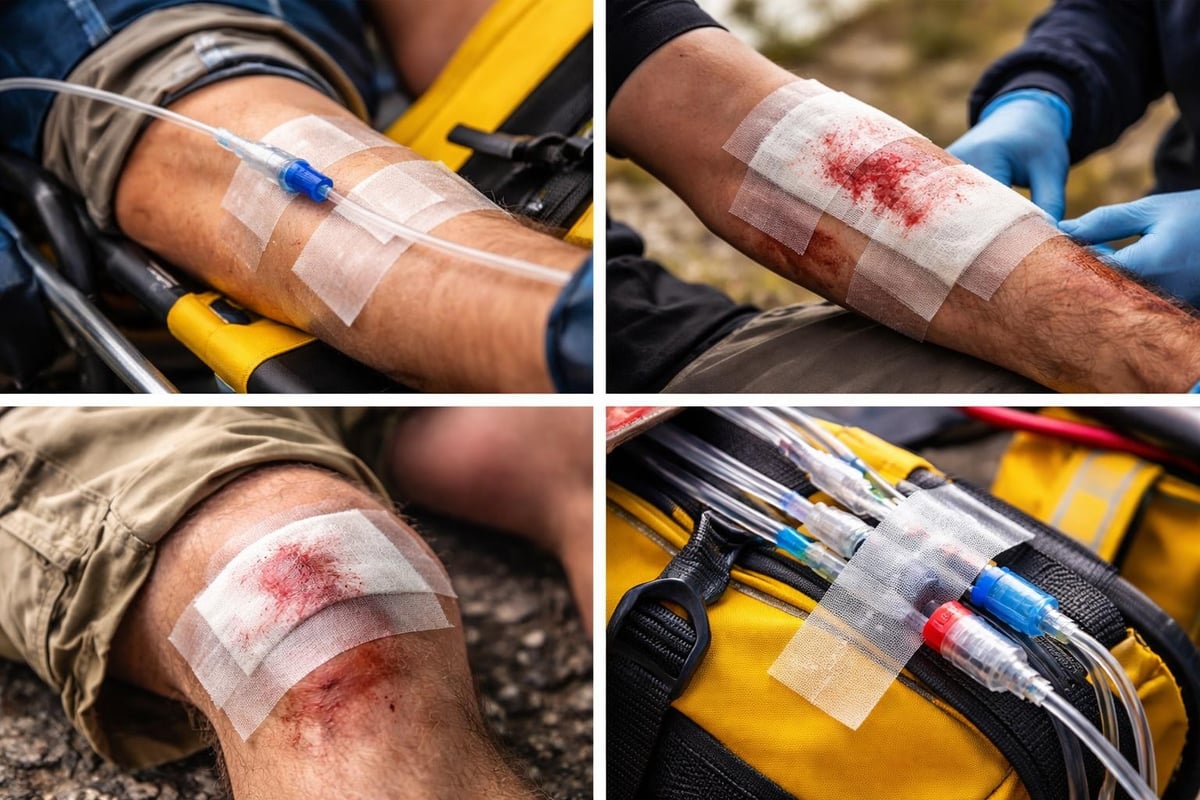
Adhesive plastic bandages serve as secondary securing mechanisms for medical devices and larger wound dressings. Their reliable adhesion and conformable design make them ideal for reinforcing primary dressings or anchoring tubing and monitoring equipment.
In field environments where trauma kits see regular deployment, adhesive plastic bandages provide quick solutions for equipment stabilization. They supplement primary securing methods like medical tape while offering sterile, individually packaged convenience.
Secondary securing applications include:
- Reinforcing edges of larger gauze dressings
- Anchoring IV lines to prevent dislodgement
- Securing monitoring sensors to the skin
- Protecting catheter insertion sites
- Stabilizing splinting materials at connection points
Quality Standards and Regulatory Compliance
Medical-grade adhesive plastic bandages must meet stringent manufacturing and safety standards established by regulatory agencies. Understanding these requirements helps consumers and professionals identify quality products that deliver consistent performance.
FDA Classification and Requirements
The Food and Drug Administration classifies adhesive plastic bandages as Class I medical devices, subject to general controls ensuring safety and sterility. Manufacturers must follow Good Manufacturing Practices (GMP) and maintain quality systems that track production from raw materials through final packaging.
Reputable suppliers provide documentation verifying their products meet FDA requirements and industry standards. When building professional-grade medical kits, selecting certified products ensures reliability when lives depend on your supplies.
Sterility and Packaging Integrity
Individual sterile packaging prevents bacterial contamination before use, maintaining the wound protection capability of adhesive plastic bandages. Compromised packaging from tears, punctures, or seal failures indicates the bandage should not be used for wound care.
Quality control measures during manufacturing include automated inspection systems that detect packaging defects before products reach consumers. Premium brands often incorporate tamper-evident features that provide visual confirmation of package integrity.
Integration with Comprehensive First Aid Systems
Adhesive plastic bandages function as one component within larger first aid response systems. Their effectiveness multiplies when combined with complementary supplies and proper training in emergency response protocols.
Complementary Wound Care Supplies
While adhesive plastic bandages handle minor injuries independently, complex wounds require additional supplies working in coordination. Understanding complete first aid kit contents ensures you have all necessary components for comprehensive wound management.
Essential complementary items include:
- Antiseptic wipes for wound cleaning
- Antibiotic ointment for infection prevention
- Gauze pads for larger wound coverage
- Medical tape for securing extensive dressings
- Wound closure strips for deeper cuts
Systematic organization of these supplies alongside adhesive plastic bandages creates efficient response workflows. Color-coded storage systems or labeled compartments reduce search time during stressful emergency situations.
Training and Skill Development
Possessing quality adhesive plastic bandages provides little benefit without the knowledge to use them effectively. Proper wound assessment, cleaning techniques, and application methods require training and practice to master.
Many organizations offer first aid certification courses that cover proper bandage application within broader emergency response curricula. These programs teach participants to evaluate wound severity, select appropriate treatment methods, and recognize when professional medical care becomes necessary.
Regular training refreshers maintain skill proficiency and introduce participants to new products and techniques. The field of emergency medicine continuously evolves, with innovations in wound care materials and treatment protocols emerging regularly.
Bulk Purchasing and Cost Considerations
Organizations and individuals preparing for extended emergencies benefit from strategic bulk purchasing of adhesive plastic bandages. Understanding pricing structures and volume economics helps maximize preparedness budgets.
Volume Pricing and Package Options
Adhesive plastic bandages typically cost between two and fifteen cents per unit, depending on quality, features, and purchase quantity. Bulk packages of 100-500 bandages offer significant per-unit savings compared to retail boxes of 20-30 pieces.
| Package Size | Typical Price Range | Per-Unit Cost | Best Application |
|---|---|---|---|
| 20-30 count | $2-5 | $0.08-0.17 | Personal/household kits |
| 100-200 count | $6-15 | $0.04-0.08 | Small organization stocks |
| 500+ count | $18-40 | $0.02-0.05 | Institutional/bulk preparedness |
Professional organizations managing multiple first aid stations benefit from bulk item purchasing that reduces long-term supply costs while ensuring consistent product availability.
Budget Allocation Strategies
Effective preparedness budgeting balances quantity against quality, ensuring adequate supplies without compromising performance. Allocating approximately 10-15% of total first aid budgets to adhesive plastic bandages provides sufficient coverage for most applications while leaving resources for other essential supplies.
Consider dividing purchases between premium waterproof bandages for critical applications and standard versions for general use. This tiered approach optimizes spending while maintaining capability across diverse scenarios.
Environmental and Sustainability Considerations
The disposable nature of adhesive plastic bandages raises environmental concerns that manufacturers and consumers increasingly address through sustainable practices and alternative materials.
Biodegradable and Eco-Friendly Options
Several manufacturers now produce adhesive plastic bandages using biodegradable materials that break down more rapidly than traditional plastic components. These products utilize plant-based plastics, organic cotton pads, and natural rubber adhesives that decompose in landfill conditions.
While eco-friendly options typically cost 20-40% more than conventional bandages, their environmental benefits appeal to sustainability-focused organizations and individuals. Performance testing indicates most biodegradable adhesive plastic bandages match conventional versions in adhesion, absorbency, and protective capability.
Waste Reduction Strategies
Minimizing bandage waste begins with proper wound assessment to select appropriately sized products. Oversized bandages waste materials and resources, while undersized options may require multiple applications to achieve adequate coverage.
Implementing precise inventory management reduces waste from expired products. Regular audits identify slow-moving stock that should be redistributed to higher-usage locations or donated to organizations before expiration dates pass.
Adhesive plastic bandages remain indispensable components of effective first aid response, combining simplicity with remarkable versatility across countless injury scenarios. Whether you're building a personal emergency kit, equipping a professional response team, or ensuring workplace safety compliance, understanding bandage selection, application, and integration within comprehensive first aid systems maximizes your preparedness. Medical Gear Outfitters provides paramedic-selected, professional-grade first aid supplies including extensive adhesive plastic bandage options, complete kits, and the expert guidance necessary to ensure you're ready to respond effectively when emergencies strike.

